
Department of Pharmaceutics, College of pharmaceutical sciences, Government Medical College, Thiruvananthapuram, Kerala, India
Catheter-associated urinary tract infections (CAUTIs) is one of the most prevalent healthcare-associated infections, it is linked to the prolonged use of urinary catheters in hospitalized patients. Traditional catheter materials, such as silicone and polyurethane, create optimal conditions for microbial colonization and biofilm formation, which contribute to ongoing infections and increasing antibiotic resistance. Conventional antimicrobial coatings often fail due to issues like limited durability, toxicity, or the rise of resistant pathogens. In contrast, nanotechnology presents a groundbreaking solution to these problems. Nanoparticles, owing to their high surface-area-to-volume ratio, tunable surface chemistry, and sustained release potential, enable effective antimicrobial action. Metallic nanoparticles such as silver, gold, copper and zinc oxide—have shown broad-spectrum activity against key uropathogens like E. coli, P. aeruginosa, and S. aureus. These nanoparticles disrupt bacterial membranes, generate reactive oxygen species (ROS) and inhibit biofilm development. Innovative coating strategies such as dual-layer Zn/Ag systems, enzyme-mediated silver-lignin hybrids, and Zn-doped CuO coatings have demonstrated significant reductions in bacterial colonization, enhanced biocompatibility, and prolonged antimicrobial activity. Moreover, protective layers like carbon or silica improve coating stability and prevent nanoparticle leaching, ensuring long-term safety and functionality. This review underscores the pivotal role of nanotechnology in redefining antimicrobial catheter surfaces, its mechanism of action and recent advancement in nanotechnology-based coating. As research advances, these next-generation coatings could revolutionize infection control in clinical urology.
Urinary catheter is a flexible tube used to empty the bladder and collect urine in a drainage bag. Urinary catheters (UC) are used in almost 15–25% of hospitalized patients. UCs are used in both male and female patients to manage urinary drainage, urinary retention or urinary incontinence, for those who have undergone any surgeries or have problems with mobility [1]. UCs are of different types, which are classified mainly depend ing upon the duration of use in patients. such as: Intermittent catheters, External or condom catheters and Indwelling catheters (foley and suprapubic). Single-use external catheters can be placed outside the body and replaced daily. An indwelling catheter or Foley catheter is a catheter which can be inserted into the bladder and retained for a long time ranging from few weeks to months. Short term catheters are inserted several times a day and used only for a short period (less than 28 days) whereas, long term catheters are used for more than 28 days [2]. One of the risks associated with catheter is the Catheter associated urinary tract infection (CAUTI). According to MvPI (Materiovigilance programme of India) urethral catheters were responsible for 22.7% of MDAEs (Medical device associated adverse events), with a significant number leading to urinary CAUTI [3]. CAUTIs are the most frequently reported hospital-acquired infections, affecting patients undergoing long-term catheterization. They contribute to increased morbidity, prolonged hospital stays, and elevated healthcare costs. Studies estimate that 80% of urinary tract infections (UTIs) in hospitals are associated with indwelling catheters, with Escherichia coli, Klebsiella pneumoniae, Pseudomonas aeruginosa, Staphylococcus aureus, and Candida albicans being the primary causative agents [4].
Urinary catheters are usually based on flexible hydrophobic polymeric materials such as silicone, rubber or polyurethane; however, such materials are considered as breeding surface for uropathogens to adhere to the catheter surface followed by colonization and biofilm formation. Biofilm formation follows a multi-step process: (1) bacterial adhesion (2) microcolony formation (3) biofilm maturation and (4) dispersion of bacteria to new sites [5,6]. Traditional methods for preventing Catheter-Associated Urinary Tract Infections (CAUTIs) face numerous significant challenges that hinder their long-term success. While antibiotic-coated catheters may provide initial benefits, they can contribute to the emergence of antibiotic-resistant bacteria and typically have a limited duration of effectiveness, releasing the medication for only a few days. Silver-based coatings, known for their broad-spectrum antimicrobial capabilities, do not consistently combat biofilm-forming or Gram-negative bacteria and may also pose cytotoxic risks at elevated concentrations. Antiseptic-impregnated catheters, such as those infused with chlorhexidine or nitrofurazone, can trigger allergic reactions or irritation and are susceptible to diminished effectiveness over time due to potential resistance. Hydrophilic coatings, while beneficial in minimizing friction during catheterization, lack inherent antimicrobial properties and may deteriorate with extended use. Intermittent catheterization, another preventive approach, is often inconvenient and can result in urethral injury from repeated insertions, rendering it impractical for many patients, particularly the elderly or those with mobility challenges. Even standard practices like aseptic insertion and closed drainage systems rely heavily on user adherence and do not effectively prevent bacterial colonization or biofilm development on the catheter surface. These collective shortcomings underscore the urgent need for more sophisticated, durable, and biocompatible solutions for CAUTI prevention.
Role of Nanotechnology in CAUTI Prevention
Nanotechnology based antimicrobial coatings offer unique advantages, including: High surface-area-to-volume ratio, enhancing antimicrobial interactions, sustained antimicrobial effects without rapid depletion, ability to target biofilms and multidrug-resistant bacteria. Recent research has focused on developing metal nanoparticles, polymer-stabilized coatings, and sonochemical functionalization of catheter surfaces. Traditional coatings incorporating antibiotics or silver alloys have shown limited efficacy, particularly with the emergence of multidrug-resistant strains. Nanotechnology introduces a new frontier in catheter surface engineering. These advanced coatings utilize metallic nanoparticles, hybrid nanocomposites, enzyme-responsive systems, and antifouling polymers to combat infection and biofilm development. The aim is not only to eradicate pathogens but also to prevent their initial attachment and proliferation through sustained, biocompatible mechanisms.

Figure 1: Types of Metal nanoparticles
Silver nanoparticles (AgNP) possess strong broad spectrum antimicrobial properties that allow them to effectively kill or inhibit the growth of both Gram positive and Gram negative bacteria, including common CAUTI causing pathogens like Escherichia coli, Pseudomonas aeruginosa, and Staphylococcus aureus. In urinary catheters, AgNPs are typically applied through surface coating, impregnation, or blending with catheter materials, providing a sustained antimicrobial barrier that helps prevent biofilm formation and bacterial colonization. They do not induce any inflammation or toxicity in the body and the molecules are easily removed from the body through the faeces in a period of 10 days [7,8].

Figure 2: Mechanism of Silver nanoparticles
1.2 Zinc oxide Nanoparticles
Zinc oxide nanoparticles (ZnO NPs) release Zn²? ions and generate reactive oxygen species (ROS), which disrupt bacterial cell membranes and metabolic functions, effectively targeting common uropathogens like E. coli and P. aeruginosa. When coated onto catheter surfaces, ZnO NPs reduce bacterial adhesion and colonization without significantly affecting human cell viability, demonstrating good biocompatibility. Additionally, ZnO can be combined with polymers or antimicrobial agents for synergistic effects, making it a promising material for antimicrobial catheter coatings in clinical applications [9].
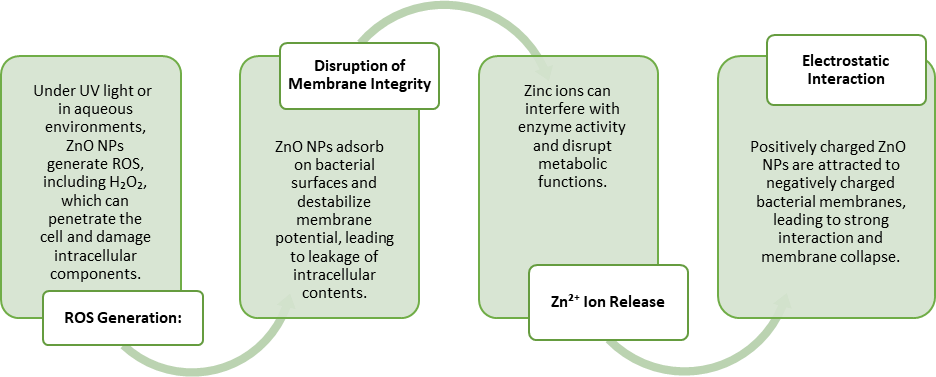
Figure 3: Mechanism of Zinc oxide nanoparticles
1.3 Copper Nanoparticles
Copper nanoparticles (CuNPs) have strong broad-spectrum antibacterial properties, CuNPs can effectively inhibit the growth and biofilm formation of common pathogens such as Escherichia coli and Staphylococcus aureus, which are often responsible for CAUTIs. They act on the bacterial cell by entering and binding to DNA-phosphate site and degrading DNA, inactivating essential bacterial enzymes, and causing membrane and cell wall disruption. These interactions lead to cell damage and trigger cell.[10]
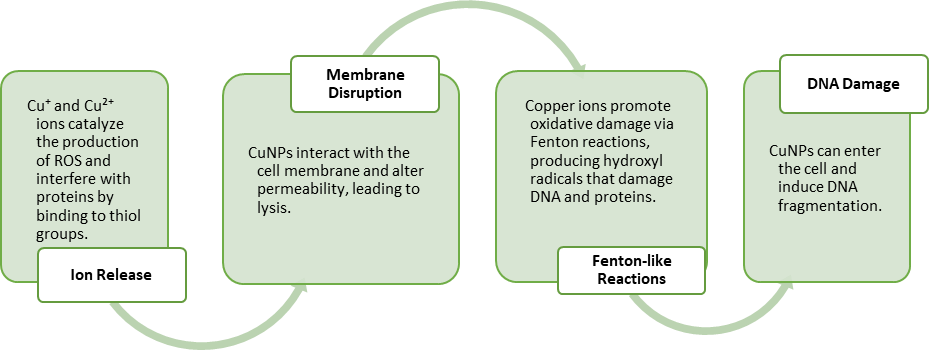
Figure 4: Mechanism of Copper nanoparticles
1.4 Gold Nanoparticles
Gold nanoparticles (AuNPs) have emerged as promising agents in the prevention and treatment of CAUTI due to their unique physicochemical and biological properties. Their small size, large surface area-to-volume ratio, and ease of surface modification make them ideal candidates for antimicrobial applications. They can be incorporated into catheter coatings to provide long-lasting antibacterial protection, reducing biofilm formation which is a major factor in infection persistence and antibiotic resistance. Their biocompatibility and stability further support their potential for clinical use, making gold nanoparticles a valuable tool in the development of advanced urinary catheter coatings aimed at reducing infection rates and improving patient outcomes [11].
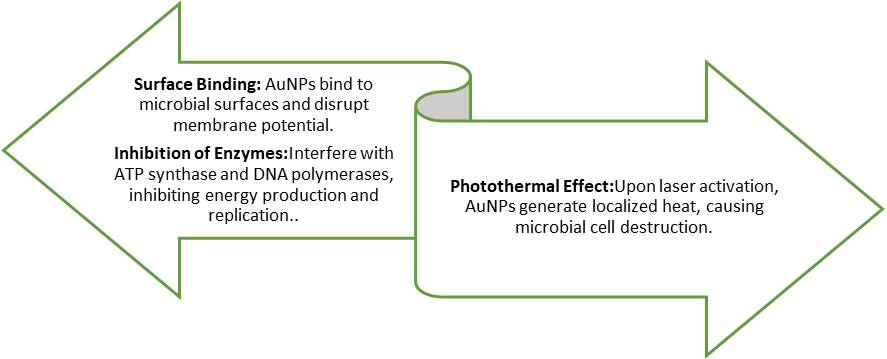
Figure 5: Mechanism of Gold nanoparticles
1.5 Titanium oxide Nanoparticles
Titanium dioxide (TiO?) nanoparticles are widely studied metal oxide nanomaterials known for their excellent photocatalytic, chemical stability, and antimicrobial properties. Their primary antimicrobial action is based on photocatalysis. In biomedical applications, TiO? nanoparticles are being explored for coating medical devices such as catheters, where they help prevent bacterial adhesion and biofilm formation. While traditional TiO? requires UV activation, recent advancements involve doping with metals or nonmetals (Ag, N) to enhance visible-light activity. Due to their relatively low toxicity and high stability, TiO? nanoparticles are considered promising for use in infection control surfaces and antimicrobial coatings [12].
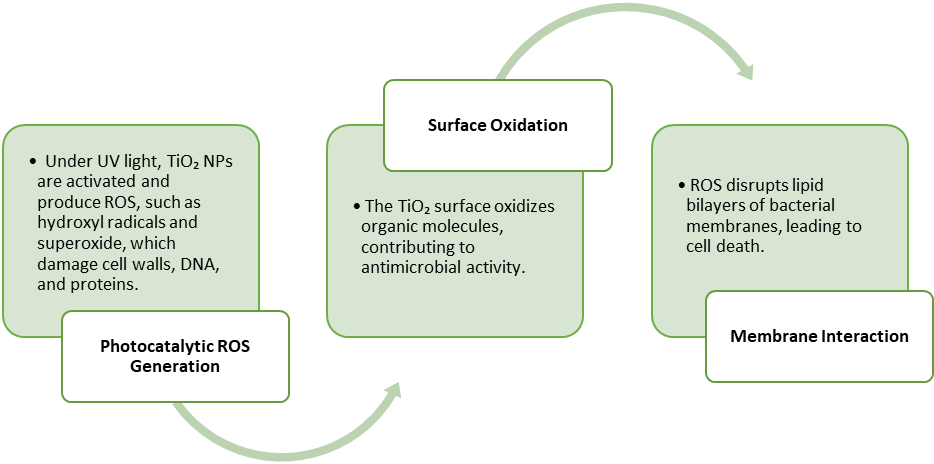
Figure 6: Mechanism of Titanium nanoparticles
1.6 iron oxide Nanoparticles
Iron oxide nanoparticles (Fe?O? or γ-Fe?O?) are magnetic nanomaterials widely studied for biomedical and antimicrobial applications due to their superparamagnetic properties, biocompatibility, and surface modifiability. These nanoparticles can generate reactive oxygen species (ROS), particularly hydroxyl radicals, through Fenton or Fenton-like reactions, leading to oxidative stress in microbial cells and resulting in membrane damage, protein denaturation, and DNA fragmentation. In catheter coatings or other medical devices, they are often functionalized with antibiotics, polymers, or other antimicrobial agents to enhance efficacy. Overall, iron oxide nanoparticles present a promising platform for antimicrobial coatings, especially when combined with targeted or controlled-release strategies.[13]
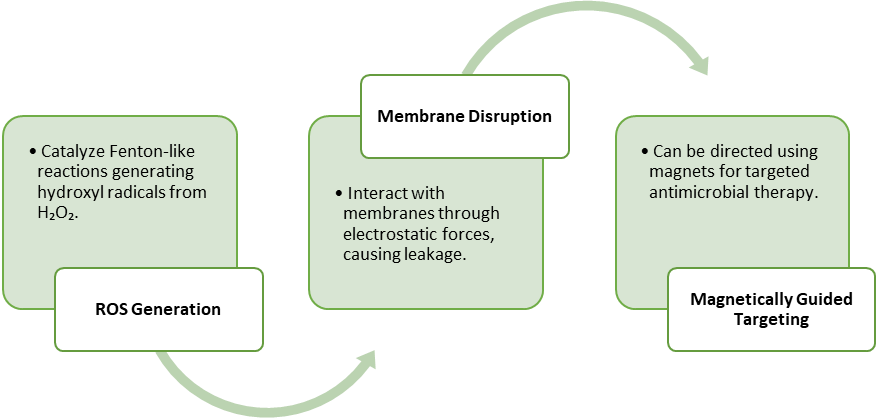
Figure 7: Mechanism of Iron nanoparticles
2. Recent Nanotechnology-Based Antimicrobial Coatings
2.1 Zinc-Silver (Zn/AgNP) Dual-Layer Coatings
A two-layer strategy comprising a silver nanoparticle base for immediate antimicrobial activity, overlaid with a porous zinc layer, allows regulated ion release and reactive oxygen species (ROS) generation. Inner AgNP layer provides rapid antimicrobial action. Outer Zn layer enables long-term, controlled Ag+ ion release and generates ROS for additional antibacterial activity. Outer Zn layer enables long-term, controlled Ag+ ion release and generates ROS for additional antibacterial activity.
Performance:
2.2 Enzymatically Built Silver–Lignin Nanoparticle/Zwitterion Coating
This hybrid coating utilizes lignin’s natural reducing capacity to stabilize AgNPs and incorporates poly(carboxybetaine) zwitterions for antifouling activity. Fabricated enzymatically using laccase, it enables eco-friendly grafting. AgNPs embedded in lignin shell for enhanced stability and reduced toxicity. Zwitterionic carboxybetaine (CBMA) adds antifouling ability. Reduced bacterial viability by 2 logs under flow.
Performance:
2.3 Polypyrrole/Silver (PPy/AgNP) Composite Coating
Both PPy and AgNPs exhibited significant efficacy in preventing biofilm formation, with AgNPs emerging as the most effective agent in both monospecies and dual-species biofilms. Electrochemical polymerization of Polypyrrole with AgNP incorporation.
Performance:
2.4 Silver–Copper (Ag/Cu) Nanoparticle Coating
Direct-current sputtered 67:33 Ag/Cu nano-alloy on polyurethane catheters. Broad-spectrum antimicrobial due to dual metal action. Efficacy reduced in presence of plasma (protein fouling). Applied through magnetron sputtering, this alloy harnesses the antimicrobial synergy of Ag and Cu.
Performance:
2.5 Gold Nanoparticles coating
Investigated the antibacterial mechanism of gold nanoparticles (AuNPs) on E. coli. AuNPs caused membrane disruption, ROS generation, and oxidative stress, leading to bacterial death without resistance development [18].
2.6 Copper Sulfide Nanorod coating
Embedding CuS nanorods into catheters; photothermal sterilization under near-infrared light. Exhibited hydrophobicity, low bacterial adhesion, and photothermal antibacterial activity; excellent biocompatibility [19].
2.7 ZnO nanoparticles (ZnO NPs)
Silicone catheters coated with ZnO nanoparticles. Coating is protected by carbon or silica layers. Layers are thin, biocompatible, and prevent nanoparticle leaching. Maintains flexibility and non-toxic properties.
Performance:
2.8 Zn-Doped CuO Nanoparticle Coating
Coating with Zn-doped CuO nanoparticles via sonochemical method
Performance:
2.9 Titanium oxide nanoparticle coating
Titanium oxide nanoparticles are effective antimicrobial agent for E. coli, P. aeruginosa, S. aureus, S. epidermis, and C. albicans. Effective anti-biofilm property [22].
2.10 CuO/Cu/Fe nanoparticle coating
Polyurethane filled with heterophase nanoparticles CuO/Cu/Fe composition. it has exceptional antibacterial activity due to the combination.
Performance:
3. Future Directions
Although antimicrobial coatings based on nanotechnology have demonstrated significant potential in decreasing catheter-associated urinary tract infections (CAUTIs), there are several key areas that necessitate further investigation to facilitate the integration of these advancements into standard clinical practice such as Long-Term Biocompatibility and Toxicity Assessment: Comprehensive in vivo research is required to assess the effects of prolonged exposure to nanomaterials on human tissues and organs. It is crucial to understand the biodistribution, degradation, and possible cytotoxicity of nanoparticles to ensure patient safety. Scalable and Cost-Effective Manufacturing: The development of reproducible, scalable, and economically feasible production methods for nanocoated catheters presents a significant challenge. The ability to integrate these methods with existing manufacturing processes without compromising antimicrobial effectiveness is essential for commercial application. Smart and Responsive Coatings: Future coatings may utilize stimuli-responsive nanomaterials that can release antimicrobial agents in reaction to infection indicators such as changes in pH, temperature, or enzymatic activity, thereby providing on-demand drug delivery with minimal environmental impact. Multi-Functional Coatings: The design of coatings that merge antimicrobial properties with additional functionalities, such as anti-inflammatory, anti-encrustation, or lubrication characteristics, could further improve catheter performance and enhance patient comfort. Personalized Nanomedicine Approaches: Tailoring coatings according to patient-specific microbiota or infection risk profiles through AI-driven predictive models could enhance prophylactic effectiveness and minimize unnecessary use of antimicrobials. Regulatory Standardization and Clinical Trials: Regulatory frameworks must adapt to incorporate nanotechnology in medical devices. Large-scale, randomized clinical trials are essential to confirm efficacy, safety, and durability in practical settings.
CONCLUSION
Metal nanoparticle-based coatings represent a highly promising strategy for preventing catheter-associated urinary tract infections (CAUTIs). These nanoparticles exhibit strong, broad-spectrum antimicrobial properties by disrupting bacterial membranes, generating reactive oxygen species (ROS), and preventing biofilm formation. Advanced hybrid and dual-layer coatings further enhance stability, biocompatibility, and sustained antimicrobial action. As research progresses, such nanocoating hold the potential to revolutionize urinary catheter technology, offering safer, longer-lasting protection and reducing reliance on traditional antibiotics in clinical settings.
REFERENCES


Laniya Nasrin K.*, Reshmi Krishna A., Nanotechnology-Driven Antimicrobial Strategies: Metal Nanoparticles Coating for Catheter Associated Urinary Tract Infection (CAUTI), Int. J. of Pharm. Sci., 2025, Vol 3, Issue 6, 1003-1013. https://doi.org/10.5281/zenodo.15602946
 10.5281/zenodo.15602946
