
View Article

  • A Review on Active Therapeutic Moieties and Pharmacological Activity Present in Polyalthia Longifolia Leaves

  • Department of Pharmaceutical Quality Assurance, Matoshri College of Pharmacy, Ekhlahare, Nashik.

Abstract

Polyalthia longifolia (family: Annonaceae), commonly known as the Indian mast tree or "Ashoka," is a medicinally important evergreen plant widely distributed across tropical regions of India. The leaves of P. longifolia are a rich source of diverse bioactive compounds including alkaloids, flavonoids, terpenoids, steroids, tannins, and glycosides, which contribute to its wide spectrum of pharmacological properties. Numerous studies have reported that these active therapeutic moieties exhibit significant antibacterial, antifungal, anti-inflammatory, antioxidant, anticancer, analgesic, hypotensive, and wound- healing activities. The presence of compounds such as clerodane diterpenoids and aporphine alkaloids has been linked to potent cytotoxic and antimicrobial actions. This review aims to compile and critically analyse the phytochemical constituents and pharmacological activities of Polyalthia longifolia leaves to highlight their therapeutic potential and possible applications in the development of novel herbal formulations. The findings suggest that P. longifolia leaves possess promising medicinal value and warrant further investigation for isolation, characterization, and clinical evaluation of their active constituents.

Keywords

Polyalthia longifolia; phytochemical constituents; antioxidant; antimicrobial; anti-inflammatory; wound healing; alkaloids

Introduction

Plants and plant-based products have long been utilized as a source of medicine. The World Health Organization Estimates that more than 80% of the world’s population, primarily in developing and underdeveloped nations, relies On conventional plant-based medicines for their basic medical needs.¹ As a gift from nature, medicinal herbs allow us to live long, healthy lives free from illness. It is necessary to preserve our health. The use of medicinal plants has a long history in India, one of the world’s most medically diverse countries, and this custom is still highly valued today.² Medicinal herbs serve an important role in human life. Humans and plants have a close relationship. Medicinal plants are currently essential to scientific progress and have a plethora of unrealized potential because almost 80% of the world’s population lives in developing countries and depends on plant resources for their primary healthcare.3 Plant-based therapy has been widely employed in traditional medicine and is the main source of inspiration for the medications used to treat a range of illnesses.4 Mostly found in India and Sri Lanka, the tall, evergreen Polyalthia longifolia (Sonn.) Thwaites (PL) plant is found in tropical and subtropical regions. It belongs to the family Annonaceae.5
Most people refer to it as Ashoka or False Ashoka.6 The genus Polyalthia, which is mostly found in Africa, South and Southeast Asia, Australia, and New Zealand, contains over 120 species. Polyalthia longifolia is regarded as one of the most important indigenous medicinal herbs in Indian medical literature. Nearly every portion of this plant is used medicinally in India to treat a range of ailments, and research has shown that it possesses significant therapeutic properties.7 Up to 1500 meters in height, the plant is found in tropical and subtropical areas of India. A stunning, evergreen, pyramid-shaped, columnar tree that can grow to a height of 12 meters or more. glabrous, pendulous branches that are just one to two meters long. Leaves are exstipulate, alternate, and mildly scented.8 Among the several chemical components found in the leaves are the azafluorene alkaloid and three new Aporphin Noxide alkaloids.9 The Latin word longifolia refers to the length of the plant’s leaves, whereas the Greek word polyalthia means “many cure.” The plant is mostly found in the hotter parts of India.10 The Latin word longifolia refers to the length of the plant's leaves, whereas the Greek word polyalthia means "many cure." The plant is mostly found in the hotter parts of India.11The mast tree belongs to the Annonaceae family, also known as the custard apple family. In literature, the Annonaceae family of plants is widely recognized for its traditional medicinal uses. These herbs are used to treat cancer, septic infections, hepatomegaly, hepatosplenomegaly, coughing, and diarrhea. It is the preferred tree for landscape design because it produces a large number of fresh, coppery brown, golden leaves over aged, dark green ones.12

Description Of Family Annonaceae

The Annonaceae is a family of flowering plants that includes trees, shrubs, and infrequently lianas. It is often known as the custard apple family. With over 2400 identified species and 108 recognized genera, it is the biggest Magnoliales family. Edible fruit is produced by a number of genera, including Annona, Anonidium, Asimina, Rollinia, and Uvaria. The genus of its type is Annona. Few species of the family are found in temperate regions; most are found in the tropics. There are roughly 450 Afrotropical species, 900 Neotropical species, and the remaining Indo-Malayan species.13

Taxonomical Classification Of Polyalthia Longifolia 14

Kingdom       :    Plantae

Division        :    Magnoliophyta

Class             :    Magnoliopsida

Sub class      :     Magnoliidae

Order            :     Mognoliids

Family          :     Annonaceae

Tribe             :    Annoneae

Genus           :     Polyalthia

Species         :     Longifolia

Vernacular Names And Synonyms Of Polyalthia Longifolia15

Hindi            :     Ashok

Marathi        :     Devdar

Malayalam   :     Hemapushpam

Telugu.         :     Naramaamidi

Kannada.      :     Ubbina

Tamil            :    Nettilingam

Assame        :     Umboi

Konkani       :     Asok

Sanskrit        :    Ulkatah

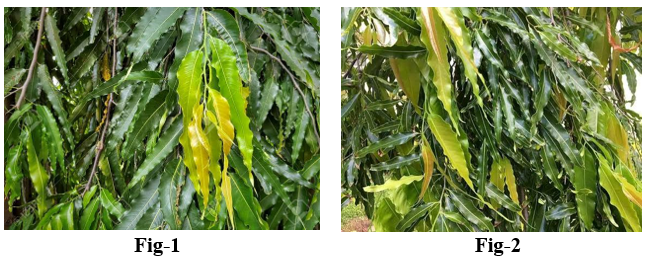
Plant Images
Medicinal Uses of Polyalthia Longifolia 16

Polyalthia longifolia , also known as the Indian Mast Tree, has long been utilized in various traditional medicinal Practices across different cultures. Various parts of the tree—such as the leaves, bark, and seeds—are used to treat a Range of health issues. Below are some of the plant’s prominent medicinal uses

1.Fever and Malaria:

In traditional healing systems, different parts of Polyalthia longifolia, particularly the leaves and bark, are used to Manage fevers, including those associated with malaria. The plant’s bioactive compounds are believed to help mitigate Fever symptoms and support recovery from infections.

2. Anti-inflammatory:

The bark of Polyalthia longifolia is especially noted for its anti-inflammatory effects. It is frequently used in traditional medicine to reduce inflammation and alleviate symptoms of conditions like arthritis or general swelling.

3. Antibacterial and Antifungal:

Extracts from Polyalthia longifolia are known to possess antibacterial and antifungal properties, making the plant useful for treating skin infections, fungal diseases, and acting as a general antimicrobial agent.

4.Analgesic (Pain Relief):

The plant is also used for its pain-relieving (analgesic) effects. Preparations like extracts or infusions from Polyalthia Longifolia are believed to provide relief from mild aches and pains, offering a natural alternative to common over-the-Counter painkillers.

5. Digestive Disorders:

In certain cultures, parts of the tree are used to treat digestive issues. Polyalthia longifolia is thought to help relieve symptoms like indigestion and bloating while promoting overall digestive health.

Pharmacological Activities of Polyalthia Longifolia

1.Antibacterial Activity

Silver nanoparticles of Polyalthia longifolia Leaves extract were synthesized along with D-Sorbitol. These silver nanoparticles exhibited Excellent antibacterial activity against the Bacterial pathogens Staphylococcus aureus(Gram positive), Escherichia coli, and Pseudomonas aeruginosa (Gram negative) 17 And indicated that the synthesized silver Nanoparticles have good antibacterial action Against Gram-positive organism than Gram-negative organisms. Results showed that theeffect of antibacterial activity against test organisms (Escherichia coli, Pseudomonas aeruginosa and Staphylococcus aureus) is higher in the case of silver nanoparticles synthesized at 60 C (8mm-16.4 mm) compared to 25° C (7.3-14 mm) because of being smaller in size.18 Leaf extracts of Polyalthia longiflia (Debdaru) Treated with different solvents like hexane,Methanol and chloroform were subjected to in Vitro determination of antibacterial activity against Six tested pathogenic bacteria viz. Bacillus Subtilis, Sarcina lutea, Xanthomonas compestris,Escherichia coli, Klebsiella pneumonia and Pseudomonas sp. Using agar disc diffusion Method and MIC determination test. The zone of Inhibition against the tested bacteria was found Ranging from 21.00 to 44.20mm. The highest Zone of inhibition produced by the hexane, Methanol and chloroform extracts of Polyalthia Longiflia at a concentration of 500ìg/10ìl against Pathogenic bacteria i.e. Sarcina lutea were found 41.80mm, 44.20mm and 43.50mm respectively.The MIC values of all extracts against six tested Bacteria were almost 15.625 g.19 The powdered Stem bark extracts were successively extracted With petroleum ether, chloroform, methanol and Water using Soxhlet apparatus. The antibacterial Activity study was performed by both agar well Diffusion and serial dilution methodsThe Petroleum ether extract was found to exhibit Highest activity against all tested bacteria.20

2.Antioxidant activity:

The antioxidant activities of the ethanolic Extract of Polyalthia longifolia seeds were Assayed using rat liver homogenate. Nitric oxide, Ferrous sulphate and carbon tetrachloride- Induced lipid scavenging activities were carried Out and showed significant free radical Scavenging activity. The percentage inhibition of Peroxide formation increased in a dose-Dependent manner.21 Methanolic leaf extracts from Polyalthia Longifolia were evaluated for in vitro antioxidant Activity for free radical scavenging capacity, using Established in vitro models such as ferric-Reducing antioxidant power (FRAP), 2,2-Diphenyl-1-picryl-hydrazyl (DPPH), hydroxyl Radical (OH), nitric oxide radical (NO) scavenging, Metal chelating, and anti lipidperoxidation Activities. The methanolic extracts of P. Longifolia Exhibited concentration dependent antiradical Activity by inhibiting DPPH radical with inhibitor Concentration 50% (IC50) values of 2.721 ± 0.116 Mg/mL.22 The active constituents like quercetin, Quecetin-3-O-ß-glucopyranoside and rutin were Isolated from the ethanolic extract of the leaves Of the P. Longifolia and shows the antioxidant Capacity determined by their ability to scavenge ABTS+ Radical cation which was expressed using Trolox Equivalent Antioxidant Capacity (TEAC) Assays.23

3.Anti-inflammatory activity

A clerodane diterpenoid 16-hydroxycleroda-3,13(14)E-dien- 15-oic acid from P. Longifolia Significantly inhibited the generation of Superoxide anion and the release of elastase in Formyl L-methionyl-L-leucyl-L-phenylalanine (FMLP) activated human neutrophils in a Concentration-dependent fashion with IC50 Values of 3.06±0.20 and 3.30±0.48 ìM Respectively.24 The anti-inflammatory activity of various Solvent extracts (petroleum ether, hexane, Toluene, chloroform, acetone and methanol) of P. longifolia leaf was evaluated using acute Inflammatory studies in Wistar albino rats.Methanolic extract revealed most potential ant- Inflammatory effect hence; three doses of Methanolic extract (300, 600, 900 mg/kg) were Used to evaluate its potential as an anti-Inflammatory agent. The three doses of Methanolic extract showed anti-inflammatory Activity comparable to that of the standard (Diclofenac sodium).25

4.Hypoglycemic Activity :

Rats were given alloxan to produce experimental diabetes, and the hypoglycemic and antihyperglycemic effects of Several solvent extracts of P. Longifolia var. Pendula leaf extracts were assessed. Glucose-lowering action was Obtained by P. Longifolia extracts and powder. However, none of the biochemical indicators were appreciably Changed by the extracts. As a result, the extracts and raw powder have only minimally effective anti-diabeticcharacteristics. An important result is the existence of an antihyperglycemic action against sugar loading-induced Hyperglycemia. Today, it is believed that a drug’s effect is the most crucial component for treating diabetes.26

5.Antipyretic Activity:

K Annan et al. Used a lipopolysaccharide-induced antipyretic activity model to investigate the antipyretic properties Of the methanol extract of the plant’s leaves, stem bark, and roots. The antipyretic efficacy of the plant extracts was Notable and frequently greater than that of acetylsalicylic acid. Root extract, leaf extract, and stem bark extract were In that sequence of decreasing percentages of inhibition, respectively. The herb was useful for treating a variety of  Conditions due to its dose-dependent antipyretic action.27

6. Analgesic Activity :

Mature P. longifolia leaves could be extracted with methanol, ethyl acetate, and benzene and still display analgesic action. Following methanol extract in analgesic potency were ethyl and benzene extracts.28  Moniruzzaman et al. evaluated the antinociceptive properties of the ethanolic extract of the stem bark of P. longifolia, which prevents the detection of a painful stimuli. Heat-plate, tail-immersion, glutamate, and formalin-induced licking tests, as well as acetic acid-induced writhing tests, were used in the experiment as thermal and chemical models of nociception. A good antinociceptive action was demonstrated by the extract in a dose-dependent manner.29

7.Hepatoprotective Activity:

Using a liver injury model, Jothy and Aziz et al. Showed the plant’s hepatoprotective activity. The study found that P. longifolia had the power to reverse and defend against numerous biochemical and histological alterations Occurring in different organs. The plant may have prevented oxidative damage in mice by strengthening the Antioxidant defense system.30 By lowering increased blood enzymes, bilirubin, and lipid peroxidation, the methanolic extract of P. Longifolia fruits Can guard against hepatic injuries and liver damage.31

8.Hypotensive Activity:

Blood pressure was significantly lowered when P. Longifolia var. Pendula root bark extract was defatted and Dissolved in 50% methanol. Kolavenic acid, clerodane and its isomer, liriodenine, lysicamine, and bisclerodane Imide and its isomer are among the compounds isolated from this extract. At a dose of 30 mg/kg, only kolavenic Acid caused a 22% decrease in the mean arterial blood pressure. The extract caused hypertensive and normotensive Rats with egg yolk to experience a drop in blood pressure.32

9.Anticancer Activity:

Since the Annonaceae family of plants contain substances that have antitumor and anticancer properties, the Therapeutic value of the alcoholic extract and its chloroform fraction derived from P. Longifolia leaves was Investigated for its anticancer properties. Further research was done on the chloroform fraction’s ability to induce Apoptosis in HL-60 cells. All cancer cells exhibit a deregulation of apoptosis, and therapies that enhance cancer Cells’ propensity for programmed cell death may be effective against the disease. Anticancer medications work in a Variety of methods that eventually combine to activate apoptosis in cancer cells, which results in cell cytotoxicity. A Methanolic extract of P. Longifolia var. Pendula was used to isolate 20 recognised chemicals as well as a new Halimane diterpene, 3, 5, 16-trihydro xh halima-13(14)-en-15, 16-olide, and an oxoprotoberberine alkaloid, (-)-8 Oxopoly althiaine.33

10.Antimicrobial Activty

Previously reported clerodane diterpene (16á-hydroxycleroda-3, 13 (14) Z-dien-15, 16-Olide) was isolated from Polyalthia longifolia Against methicillin-resistant S. Aureus through in Vitro and in vivo assays. Minimum inhibitory concentration (MIC) of this compound exhibited Significant antimicrobial activity (15.625 31.25Mg/ml) against reference strain.34Methanol extracts of leaves, stem, twigs,Green berries, flowers, roots, root-wood and root-Bark of Polyalthia longifolia var. Pendula, were Tested for their antibacterial and antifungal Potentials. Bioassay monitored isolation work on The methanol extract of leaves and berries which Possesses promising antibacterial activity with MIC values ranging between 7.8 and 500 ìg/ml.35

11. Wound Healing Activity

Ethanolic and methanolic extracts of Polyalthia longifolia leaves have been evaluated using excision and incision wound models in rats. Results demonstrated faster wound contraction, shorter epithelization period, and increased hydroxyproline content, indicating enhanced collagen formation. Histopathological studies revealed improved fibroblast proliferation, angiogenesis, and re-epithelialization compared to control groups. The wound healing activity of Polyalthia longifolia leaves is supported by both phytochemical and pharmacological evidence. The presence of flavonoids, tannins, and alkaloids contributes to its anti-inflammatory, antioxidant, and antimicrobial properties, making it a promising natural agent for the development of herbal wound healing formulations such as ointments or gels.36

CONCLUSION

Polyalthia longifolia, a traditionally valued medicinal plant, possesses a wide spectrum of pharmacologically active compounds such as alkaloids, flavonoids, tannins, terpenoids, and steroids that contribute to its diverse therapeutic properties. Extensive studies have demonstrated its potential in exhibiting antimicrobial, anti-inflammatory, antioxidant, anticancer, hepatoprotective, and wound healing activities. The presence of these bioactive constituents highlights the plant’s immense pharmacological relevance and supports its use in traditional medicine systems. However, further detailed phytochemical isolation, mechanism-based studies, and clinical evaluations are essential to establish its safety, efficacy, and therapeutic potential in modern drug development. Overall, Polyalthia longifolia represents a promising source for the discovery of novel natural compounds with significant medicinal value.

REFERENCES

  1. WHO. IUCN and WWF: Guidelines on the conservation of medicinal plants, IUCN Gland, Switzerland. 1993; 1:4–6. [Google Scholar].
  2. Bhagwati U. Utilization of medicinal plants by the rural women of Kulu, Himachal Pradesh. Indian J Trad Know. 2003; 2:366–70. [Google Scholar].
  3. Chandaka Lavanya, Battu Ganga Rao, Devarakonda Ramadevi (2018), Phytochemicals and Pharmacological studies on Polyalthia longifolia, International Journal of Pharmaceutical Science and Research. 3(4); 01-07
  4. Prateek Dixit, Tripti Mishra, Mahesh Pal, T.S Rana, D.K Upreti (2014), Polyalthia longifolia and its Pharmacological Activities, International Journal of scientific and Innovative Research.; 2(1); 17-25.
  5. Moniruzzaman M, Ferdous A and Bokul FW: Evaluation of antinociceptive activity of ethanol extract of bark of Polyalthia longifolia. J Ethnopharmacol 2015; 172: 364–367.
  6. Katkar KV, Suthar AC and Chauhan VS: The chemistry, pharmacologic, and therapeutic applications of Polyalthia longifolia. Pharmacogn Rev 2010; 4: 62-68.
  7. Subramanion L Jothy, Yee Siew Choong, Dharmaraj Saravanan, Subramanian Deivanai, Lachimanan Yoga Latha, Soundarajan Vijayrathna, Sreenivasan Sasidharan (2013), Polyalthia longifolia Sonn: An Ancient remedy to Explore for Novel Therapeutic Agents, Research journal Of pharmaceutical, Biological and chemical Sciences.; 4(1); 714-730
  8. Ram Bahor Saket, SB singh (2017), Phytochemical and antimicrobial study of Polyalthia Longifolia, International Journal of Botany Studies.; 2(2); 25-27
  9. Gaurav Mahesh Doshi, Pratip Kashinath Chaskar, Hemant Devidas Une (2015), Elucidation of β-sitosterol from Benincasa hispida seeds, Carissa congesta Roots and Polyalthia longifolia Leaves by High Performance Thin Layer Chromatography, PHCOG Journal.; 7(4); 221-227.
  10. Troup RS. Indian Woods and Their Uses. Calcutta, India: Superintendent Government Printing; 1909.
  11. Chopra RN. Chopra’s Indigenous Drugs of India. India: Academic Publishers; 1982.
  12. Sampath M. Isolation and identification of gallic acid from Polyalthia longifolia (Sonn.) Thawaites. Int J Pharm Biol Sci. 2013; 4(23):966–972.
  13. Chandaka Lavanya, Battu Ganga Rao, Devarakonda Ramadev (2018)Phytochemical and pharmacological studies on Polyalthia longifolia ,International Journal of Pharmaceutical Science and Research -3(4);01-07
  14. Subramanion Jothy L, Yee Siew Choong, Dharmaraj Saravanan, Subramanian Deivanai, Lachimanan Yoga Latha, Soundararajan Vijayarathna, et al. An Ancient Remedy to Explore for Novel Therapeutic Agents Research Journal of Pharmaceutical, Biological and Chemical Sciences ISSN: 0975-8585. 2013; 4(1):714.
  15. Polyalthia longifolia: www.flowersofindia.net
  16. Ms. Nisha Sonavane, Ms. Suvarna Chandanshive, Ms. Vaishnavi Ghatage, Ms. Nikita Bamane, Mr. Harshvardhan Suryavanshi (2025)International Journal of Advanced Research in Science, Communication and Technology -5(5)
  17. Singh M., Singh S., Prasad S., Gambhir I.S.Nanotechnology in medicine and antibacterial effect of silver nanoparticles. Digest Journal of Nanomaterials and Biostructures. 2007; 3, 115–122.
  18. Kaviya S., Santhanalakshmi J., Viswanathan B. Green synthesis of silver nanoparticles using Polyalthia longifolia leaf extract along with D-sorbitol: study of antibacterial activity. Journal of Nanotechnology. 2011;2011, 1-5.
  19. Parvin A., Akter J., Hasan M.M., Biswas N. Study on the comparative antibacterial activity of Polyalthia longifolia (Debdaru) leaf extracts to some selective pathogenic bacterial strains. International Journal of Biosciences. 2013; vol. 3(5), 17-24.
  20. Ghosh G., Subudhi B.B., Badajena L.D., Ray J., Mishra M.K., Mishra S.K. Antibacterial activity of Polyalthia Longifolia var. Angustifolia stem bark extract.International Journal of PharmTech Research. 2011;3(1), 256-260.Ugochi O., Joshua P.E., and Omeh, O.V. Antioxidant Properties of Polyalthia longifolia. New York Science Journal. 2011; 4(6), 83-87
  21. Ugochi O., Joshua P.E., and Omeh, O.V. Antioxidant Properties of Polyalthia longifolia. New York Science Journal. 2011; 4(6), 83-87
  22. Subramanion L.J., Azlan A., Yeng C., Sasidharan S.Antioxidant Activity and Hepatoprotective Potential of Polyalthia longifolia and Cassia spectabilis Leaves against Paracetamol-Induced Liver Injury. Evidence-Based Complementary and Alternative Medicine. 2012;1-10.
  23. Sashidhara K.V., Singh S.P., Srivastava A., Puri A.Identification of the Antioxidant Principles of Polyalthia Longifolia var. Pendula using TEAC assays. Natural Product Research. 25 (9), 918-926
  24. Chang H., Chang F.R., Chen J.S., Wang H., Wu Y.,Wang C.C, Wu Y.C, Hwang T. Inhibitory effects of 16-Hydroxycleroda-3,13(14)E-dien-15-oic acid on Superoxide anion and elastase release in human Neutrophils through multiple mechanisms. European Journal of Pharmacology. 2008; 586, 332–339
  25. Sharma R.K., Mandal S, Rajani G.P., Gupta N.,Srivastava D.P. Antiulcer and anti-inflammatory activity Of fresh leave extracts of Polyalthia longifolia in rats. International Journal of Drug Delivery and Research. 2011; 3: 351 359.
  26. Nair R, Shukla V, Chanda S. Assessment of Polyalthia longifolia var. pendula for hypoglycemic and anti-hyperglycemic activity. J Clin Diagn Res. 2007; 3:116–21. [Google Scholar]
  27. Annan K, Dickson RA, Saarpong K, Asare C, Amponsah K, Woode E. Antipyretic activity of Polyalthia longifolia Benth. & Hook. F. var. pendula (Annonaceae), on lipopolysaccharide-induced fever in rats. J MedBiom Sci.2013; 2(1):296–301.
  28. Chatterjee S, Bhattacharya S, Pandey JN, et al. Analgesic activity of Polyalthia longifolia leaf extracts in mice. J Adv Pharm Edu Res. 2014; 4(3):2–4.
  29. Moniruzzaman M, Ferdous A, Wahid Bokul F. Evaluation of antinociceptive activity of ethanol extract of bark of Polyalthia longifolia. J Ethnopharmacol. 2015; 172:364–367.
  30. Jothy SL, Aziz A, Chen Y, Sasidharan S. Antioxidant activity and hepatoprotective potential of Polyalthia longifolia and cassia spectabilis Leaves against paracetamol-induced liver injury. Evid Based Complement Alternat Med. 2012; 2012:1–10.
  31. Rajangam J, Christina AJM. Evaluation of hepatoprotective and antioxidant potential of methanolic extract of Polyalthiya longifolia fruits: An in-vitro and in-vivo approach. J Appl Pharm Sci. 2013; 3(2):69–76.
  32. Saleem R, Ahmed M, Ahmed SI, Azeem M, Khan RA, Rasool N, et al. Hypotensive activity and toxicology of constituents from root bark of Polyalthia longifolia var. Pendula. Phytother Res. 2005; 19:881–4. [PubMed] [Google Scholar]
  33. Chen CY, Chang FR, Shih YC, Hsieh TJ, Chia YC, Tseng HY, et al. Cytotoxic constituents of Polyalthia longifolia var. Pendula. J Nat Prod.2000; 63:1475–8. [PubMed] [Google Scholar]
  34. Gupta V.K, Verma S., Pal A., Srivastava S.K.,Srivastava P.K., Darokar M.P., In vivo efficacy and synergistic interaction of 16á-hydroxycleroda-3, 13 (14) Z-dien-15, 16-olide, a clerodane diterpene from Polyalthia longifolia against methicillin-resistant Staphylococcus aureus. Applied Microbiology and Biotechnology. 2013; 97: 9121–9131.
  35. Faizi S., Khan R.A., Mughal N.R., Malik M.S., Sajjadi E.S, Ahmad A. Antimicrobial activity of various parts of Polyalthia longifolia var. Pendula: isolation of active Principles from the leaves and the berries: Phytotherapyb Research. 2008; 22: 907-912.
  36. Kiranmai M, Kazim SM and Ibrahim M. Combined wound healing activity of Gymnema sylvestere and Tagetes erecta Linn. International Journal of Pharmaceutical Applications, 2(2), 2011, 135-140.

Reference

  1. WHO. IUCN and WWF: Guidelines on the conservation of medicinal plants, IUCN Gland, Switzerland. 1993; 1:4–6. [Google Scholar].
  2. Bhagwati U. Utilization of medicinal plants by the rural women of Kulu, Himachal Pradesh. Indian J Trad Know. 2003; 2:366–70. [Google Scholar].
  3. Chandaka Lavanya, Battu Ganga Rao, Devarakonda Ramadevi (2018), Phytochemicals and Pharmacological studies on Polyalthia longifolia, International Journal of Pharmaceutical Science and Research. 3(4); 01-07
  4. Prateek Dixit, Tripti Mishra, Mahesh Pal, T.S Rana, D.K Upreti (2014), Polyalthia longifolia and its Pharmacological Activities, International Journal of scientific and Innovative Research.; 2(1); 17-25.
  5. Moniruzzaman M, Ferdous A and Bokul FW: Evaluation of antinociceptive activity of ethanol extract of bark of Polyalthia longifolia. J Ethnopharmacol 2015; 172: 364–367.
  6. Katkar KV, Suthar AC and Chauhan VS: The chemistry, pharmacologic, and therapeutic applications of Polyalthia longifolia. Pharmacogn Rev 2010; 4: 62-68.
  7. Subramanion L Jothy, Yee Siew Choong, Dharmaraj Saravanan, Subramanian Deivanai, Lachimanan Yoga Latha, Soundarajan Vijayrathna, Sreenivasan Sasidharan (2013), Polyalthia longifolia Sonn: An Ancient remedy to Explore for Novel Therapeutic Agents, Research journal Of pharmaceutical, Biological and chemical Sciences.; 4(1); 714-730
  8. Ram Bahor Saket, SB singh (2017), Phytochemical and antimicrobial study of Polyalthia Longifolia, International Journal of Botany Studies.; 2(2); 25-27
  9. Gaurav Mahesh Doshi, Pratip Kashinath Chaskar, Hemant Devidas Une (2015), Elucidation of β-sitosterol from Benincasa hispida seeds, Carissa congesta Roots and Polyalthia longifolia Leaves by High Performance Thin Layer Chromatography, PHCOG Journal.; 7(4); 221-227.
  10. Troup RS. Indian Woods and Their Uses. Calcutta, India: Superintendent Government Printing; 1909.
  11. Chopra RN. Chopra’s Indigenous Drugs of India. India: Academic Publishers; 1982.
  12. Sampath M. Isolation and identification of gallic acid from Polyalthia longifolia (Sonn.) Thawaites. Int J Pharm Biol Sci. 2013; 4(23):966–972.
  13. Chandaka Lavanya, Battu Ganga Rao, Devarakonda Ramadev (2018)Phytochemical and pharmacological studies on Polyalthia longifolia ,International Journal of Pharmaceutical Science and Research -3(4);01-07
  14. Subramanion Jothy L, Yee Siew Choong, Dharmaraj Saravanan, Subramanian Deivanai, Lachimanan Yoga Latha, Soundararajan Vijayarathna, et al. An Ancient Remedy to Explore for Novel Therapeutic Agents Research Journal of Pharmaceutical, Biological and Chemical Sciences ISSN: 0975-8585. 2013; 4(1):714.
  15. Polyalthia longifolia: www.flowersofindia.net
  16. Ms. Nisha Sonavane, Ms. Suvarna Chandanshive, Ms. Vaishnavi Ghatage, Ms. Nikita Bamane, Mr. Harshvardhan Suryavanshi (2025)International Journal of Advanced Research in Science, Communication and Technology -5(5)
  17. Singh M., Singh S., Prasad S., Gambhir I.S.Nanotechnology in medicine and antibacterial effect of silver nanoparticles. Digest Journal of Nanomaterials and Biostructures. 2007; 3, 115–122.
  18. Kaviya S., Santhanalakshmi J., Viswanathan B. Green synthesis of silver nanoparticles using Polyalthia longifolia leaf extract along with D-sorbitol: study of antibacterial activity. Journal of Nanotechnology. 2011;2011, 1-5.
  19. Parvin A., Akter J., Hasan M.M., Biswas N. Study on the comparative antibacterial activity of Polyalthia longifolia (Debdaru) leaf extracts to some selective pathogenic bacterial strains. International Journal of Biosciences. 2013; vol. 3(5), 17-24.
  20. Ghosh G., Subudhi B.B., Badajena L.D., Ray J., Mishra M.K., Mishra S.K. Antibacterial activity of Polyalthia Longifolia var. Angustifolia stem bark extract.International Journal of PharmTech Research. 2011;3(1), 256-260.Ugochi O., Joshua P.E., and Omeh, O.V. Antioxidant Properties of Polyalthia longifolia. New York Science Journal. 2011; 4(6), 83-87
  21. Ugochi O., Joshua P.E., and Omeh, O.V. Antioxidant Properties of Polyalthia longifolia. New York Science Journal. 2011; 4(6), 83-87
  22. Subramanion L.J., Azlan A., Yeng C., Sasidharan S.Antioxidant Activity and Hepatoprotective Potential of Polyalthia longifolia and Cassia spectabilis Leaves against Paracetamol-Induced Liver Injury. Evidence-Based Complementary and Alternative Medicine. 2012;1-10.
  23. Sashidhara K.V., Singh S.P., Srivastava A., Puri A.Identification of the Antioxidant Principles of Polyalthia Longifolia var. Pendula using TEAC assays. Natural Product Research. 25 (9), 918-926
  24. Chang H., Chang F.R., Chen J.S., Wang H., Wu Y.,Wang C.C, Wu Y.C, Hwang T. Inhibitory effects of 16-Hydroxycleroda-3,13(14)E-dien-15-oic acid on Superoxide anion and elastase release in human Neutrophils through multiple mechanisms. European Journal of Pharmacology. 2008; 586, 332–339
  25. Sharma R.K., Mandal S, Rajani G.P., Gupta N.,Srivastava D.P. Antiulcer and anti-inflammatory activity Of fresh leave extracts of Polyalthia longifolia in rats. International Journal of Drug Delivery and Research. 2011; 3: 351 359.
  26. Nair R, Shukla V, Chanda S. Assessment of Polyalthia longifolia var. pendula for hypoglycemic and anti-hyperglycemic activity. J Clin Diagn Res. 2007; 3:116–21. [Google Scholar]
  27. Annan K, Dickson RA, Saarpong K, Asare C, Amponsah K, Woode E. Antipyretic activity of Polyalthia longifolia Benth. & Hook. F. var. pendula (Annonaceae), on lipopolysaccharide-induced fever in rats. J MedBiom Sci.2013; 2(1):296–301.
  28. Chatterjee S, Bhattacharya S, Pandey JN, et al. Analgesic activity of Polyalthia longifolia leaf extracts in mice. J Adv Pharm Edu Res. 2014; 4(3):2–4.
  29. Moniruzzaman M, Ferdous A, Wahid Bokul F. Evaluation of antinociceptive activity of ethanol extract of bark of Polyalthia longifolia. J Ethnopharmacol. 2015; 172:364–367.
  30. Jothy SL, Aziz A, Chen Y, Sasidharan S. Antioxidant activity and hepatoprotective potential of Polyalthia longifolia and cassia spectabilis Leaves against paracetamol-induced liver injury. Evid Based Complement Alternat Med. 2012; 2012:1–10.
  31. Rajangam J, Christina AJM. Evaluation of hepatoprotective and antioxidant potential of methanolic extract of Polyalthiya longifolia fruits: An in-vitro and in-vivo approach. J Appl Pharm Sci. 2013; 3(2):69–76.
  32. Saleem R, Ahmed M, Ahmed SI, Azeem M, Khan RA, Rasool N, et al. Hypotensive activity and toxicology of constituents from root bark of Polyalthia longifolia var. Pendula. Phytother Res. 2005; 19:881–4. [PubMed] [Google Scholar]
  33. Chen CY, Chang FR, Shih YC, Hsieh TJ, Chia YC, Tseng HY, et al. Cytotoxic constituents of Polyalthia longifolia var. Pendula. J Nat Prod.2000; 63:1475–8. [PubMed] [Google Scholar]
  34. Gupta V.K, Verma S., Pal A., Srivastava S.K.,Srivastava P.K., Darokar M.P., In vivo efficacy and synergistic interaction of 16á-hydroxycleroda-3, 13 (14) Z-dien-15, 16-olide, a clerodane diterpene from Polyalthia longifolia against methicillin-resistant Staphylococcus aureus. Applied Microbiology and Biotechnology. 2013; 97: 9121–9131.
  35. Faizi S., Khan R.A., Mughal N.R., Malik M.S., Sajjadi E.S, Ahmad A. Antimicrobial activity of various parts of Polyalthia longifolia var. Pendula: isolation of active Principles from the leaves and the berries: Phytotherapyb Research. 2008; 22: 907-912.
  36. Kiranmai M, Kazim SM and Ibrahim M. Combined wound healing activity of Gymnema sylvestere and Tagetes erecta Linn. International Journal of Pharmaceutical Applications, 2(2), 2011, 135-140.

Photo
Jayesh Pagar
Corresponding author

Department of Pharmaceutical Quality Assurance, Matoshri College of Pharmacy, Ekhlahare, Nashik.

Photo
Nishigandha N. Dhokale
Co-author

Department of Pharmaceutical Quality Assurance, Matoshri College of Pharmacy, Ekhlahare, Nashik.

Jayesh S. Pagar*, Nishigandha N. Dhokle, A Review on Active Therapeutic Moieties and Pharmacological Activity Present in Polyalthia Longifolia Leaves, Int. J. of Pharm. Sci., 2025, Vol 3, Issue 10, 932-940 https://doi.org/10.5281/zenodo.17318147

More related articles
A Review on Antibiotics Resistance : A Growing Thr...
Shubham Bansode, Aniket Raje Ghadage, Onkar Korade, Dr. R. R. Ben...
Nutraceuticals for Obesity: A Comprehensive Review...
Dhruvi Patel, Tisha Thakkar, Meshwa Trivedi, Disha Patel, Harshan...
A Comprehensive Review on Clerodendrum Serratum: P...
Anuradha Pailwan, Sakshi Mhetre, Manorama Khumbar, Shrirang Kharm...
Nanoparticle-Based Therapeutic Strategies for the Treatment of Malaria: A Compre...
Rohan Sawant , Vidhya Thorat , Pooja Paliwal, Madhuri Sonawane , Yashashri Deore , Dr. P. N. Sabale,...
Ocusert – A Pioneering Ocular Drug Delivery System for Sustained Therapeutic A...
Tejaswini Pakade, Gayatri Gaykee, Chetana Chaudhari, Samruddhi Kajulkar, G. K. Brahma, ...
A Review on Herbal Plants Used for Haemorrhoidal Treatment...
Pratibha Satpute, Garud Swapnanajali, Nikhil Jambhale, Shruti Gujar, ...
Related Articles
Exploring Herbal Immunomodulators as Potential Therapeutic Agents for Long COVID...
Needa Sheikh, Vaidehi Nikure, Mohd. Shaklain, Ganesh Akone, Iftesham Ansari, Rubina Sheikh, Nujba Fa...
Chocolate-Based Drug Delivery Systems: A Palatable Platform for Novel Therapeuti...
Gaurav Pawar, Dr. Shivraj Jadhav, Mayur Bhamare, Dr. Sunil Mahajan, ...
Styling Nature: A Comprehensive Review and Experimental Evaluation of Polyherbal...
Sughosh Upasani, Harshali Borase, Neha Bhilane, Manoj Girase , ...
A Review on Antibiotics Resistance : A Growing Threat ...
Shubham Bansode, Aniket Raje Ghadage, Onkar Korade, Dr. R. R. Bendgude, ...
More related articles
A Review on Antibiotics Resistance : A Growing Threat ...
Shubham Bansode, Aniket Raje Ghadage, Onkar Korade, Dr. R. R. Bendgude, ...
Nutraceuticals for Obesity: A Comprehensive Review of Mechanisms, Efficacy, and ...
Dhruvi Patel, Tisha Thakkar, Meshwa Trivedi, Disha Patel, Harshangi Parmar, Dhairyashri Kher, ...
A Comprehensive Review on Clerodendrum Serratum: Phytochemistry, Pharmacological...
Anuradha Pailwan, Sakshi Mhetre, Manorama Khumbar, Shrirang Kharmate, ...
A Review on Antibiotics Resistance : A Growing Threat ...
Shubham Bansode, Aniket Raje Ghadage, Onkar Korade, Dr. R. R. Bendgude, ...
Nutraceuticals for Obesity: A Comprehensive Review of Mechanisms, Efficacy, and ...
Dhruvi Patel, Tisha Thakkar, Meshwa Trivedi, Disha Patel, Harshangi Parmar, Dhairyashri Kher, ...
A Comprehensive Review on Clerodendrum Serratum: Phytochemistry, Pharmacological...
Anuradha Pailwan, Sakshi Mhetre, Manorama Khumbar, Shrirang Kharmate, ...
