

We use cookies to ensure our website works properly and to personalise your experience. Cookies policy
Rungta Institute of Pharmaceutical Sciences, Kohka, Kurud, Bhilai
The study of human skin plays a crucial role in dermatology, toxicology, pharmacology, and cosmetology, as it helps in understanding the effects of intrinsic and extrinsic agents, their interactions, absorption mechanisms, and potential toxicological impacts on superficial body structures. Since ancient times, the concept of beauty and personal care has been integral to human civilization, leading to the evolution of cosmetology—the science dedicated to enhancing the appearance of skin, hair, and nails. Among modern skincare innovations, face serums have gained significant attention due to their high concentration of biologically active ingredients and their ability to deliver rapid and targeted results. Face serums are lightweight formulations, available in both water-based and oil-based forms, designed to penetrate deeply into the skin due to their small molecular size. Compared to conventional creams, serums contain a higher concentration of active constituents, enabling effective management of various skin concerns such as dryness, wrinkles, pigmentation, and loss of elasticity. These formulations often include bioactive compounds like peptides, antioxidants, and moisturizing agents that enhance skin barrier function and improve overall skin health. Historically, early serum-like preparations were derived from biological sources such as animal extracts, which later evolved into safer and more stable formulations with the advancement of preservation techniques. Modern face serums are carefully designed to ensure optimal pH, stability, sensory properties, and efficacy through physicochemical and microbiological evaluations. This review highlights the scientific basis, formulation considerations, historical evolution, and therapeutic significance of face serums, emphasizing their role as an effective and advanced approach in contemporary skincare
To evaluate the consequences of intrinsic agents, their interactions, their absorption mechanisms, and/or their toxicological properties towards the various superficial structures, research and development in the fields of dermatology, the field of toxicology pharmacology, and cosmetology are heavily reliant on the study of human skin. Since the beginning of time, people have understood the value of beauty, and their hunger to seem attractive and healthy has grown across civilization. The Greek term "cosmetic" means "to adorn," meaning to add something ornamental to an individual or something. The study and practice of cosmetic treatments is known as cosmetology. It is a research field of cosmetics and how they are applied, as well as the science and technique of enhancing and beautifying the skin, hair, and nails. To get the desired result, a skin care formulation has to be able to distribute the potent substance into the skin. In order to provide immediate benefits without using dangerous chemicals, face serum is the solution for delivering the valuable ingredient of interest into the skin. A concentrated substance that is frequently used in cosmetics is serum. The name in professional cosmetology is self-explanatory. The water or oil concentration of the aesthetic serum is the same as that of any other cream. A concentrated preparation with 10 times as much organic stuff as a cream is called a serum. Thus, promptly and efficiently addresses the cosmetic issue. Face serum comes in both water-based and oil-based forms and is a highly potent emulsion. Because serums, also known as concentrates, include around 10 times as many biologically active ingredients as creams, they can treat skin issues more effectively. Within no more than a month, adding a few tablespoons of face serum to your regular skin care routine will show effects. This is due to the fact that face serums are composed of minuscule molecules that facilitate rapid and deep skin penetration. Although the skin is the body's biggest and most protective organ, it may occasionally experience dry patches for a variety of causes, such as exposure to UV radiation, pollution, or cosmetics that is left on overnight and can irritate or trigger allergic responses. The face serum contains a number of substances, such as a neuropeptide, linked to enhanced barrier function and a reduction in the visibility of visible lines and wrinkles. to maximize the consistency and pH of the thickening agents and emulsifiers used in the formulation of face serum. To ascertain the face serum formulation with the highest stability based on microbiological and physicochemical stability studies. To clarify the formulation of the face serum in terms of its sensory profile and flow characteristics
BACKGROUND
It should come as no surprise that the ancestors of contemporary serums were derived from horse blood, the albumin from eggs, and bovine placenta, as the dictionary defines a serum as the clear, yellowish fluid that is produced when whole blood is separated into its both its solid and liquid aspects after it has been enabled to clot. These products were made commercially available by packaging them in sterile ampoules that are sealed with oxyquinoline (and subsequently, with the introduction of parabens). Since the earliest times of limited product shelf life, when tiny quantities. Had to be produced and consumed rapidly to prevent spoiling, this practice has persisted. In the 1800s, skincare, cleanliness, and exercise were all highly valued. Although zinc oxide was once used to lighten skin, it frequently resulted in adverse responses.
Types of face serum:
The oil serum
The all-facial serums, the oil solution is the easiest to prepare. Usually, it begins with a foundation containing solely of high-quality, quickly absorbing carrier oils, sometimes known as "dry" oils. The high-quality oils included in the serum have moisturizing and barrier-repairing properties, but they also contain polyphenols that are fatty acids that are crucial to health, and other compounds that the skin may be able to break down.
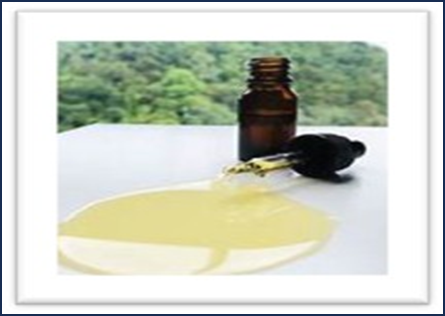
(Fig 1 oil serum)
The Gel serum
Gel serums give the appearance of a "tightening" feeling, making your customer feel as though certain areas of their face are briefly tightened or lifted. Because this formulation is water-based in nature the gel serum gives you the opportunity of including some amazing composed of water (hydrophilic) plant-based extracts.
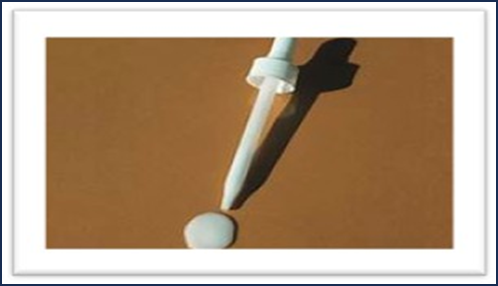
(Fig 2 Gel serum)
The Water serum
Though they could have very little or no gums and thickeners, water-based serums are similar to gel serums. You would use a water-based face serum to apply outstanding performance aqueous plant extracts that become lodged against the skin below a cream or lotion. The best way to increase the efficacy of water-based ingredients into the skin and transport their high-performance components a little deeper into the skin's layers is to layer an anti-aging face mist over an emulsion and then underneath an oil. Higher component penetration will be encouraged by the occlusive barrier that the oils will create.
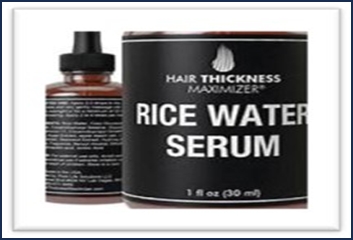
(Fig 3 Water serum)
The emulsion serum
A face serum with an emulsion foundation is a moisturizer that delivers high-performance ingredients to the skin while simultaneously enhancing the skin's barrier function. An emulsion is made up of two "immiscible" phases—phases like water and oil that are reluctant to mix. Petroleum and water are bound together and kept in a stable form by the application of an emulsifier.
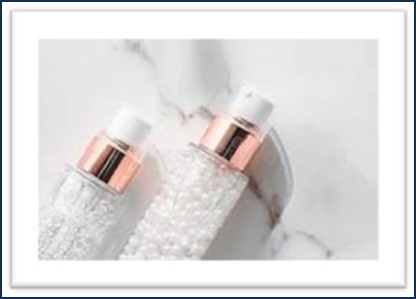
(Fig 4 Emulsion serum)
Ideal Qualities of Face Serum
Soothes skin that is inflamed
Aloe vera is reported to have cytotoxic and cell-regenerating properties.
Aloe gel's benefits are similar to how it feels when applied to a sunburn.
Hydration
It has a unique ability to increase and reduce skin moisture.
Acne removal
Bael fruit prevents the proliferation of bacteria that is the main cause of blackheads and acne.
Remove dark circles
Antioxidant substances and vitamin E in significant amounts help with eyelid discoloration, and the cooling effect lessens puffiness. It lessens the visibility of under-eye circles.
It has antioxidant properties that promote skin that looks healthy.
Anti-aging, Anti-wrinkle, ETC
Advantages
Disadvantages
INGREDIENTS
Kojic acid
A naturally occurring substance, kojic acid is most recognized for its ability to lighten and brighten skin. The way kojic acid functions is by preventing the synthesis of pigmentation, the pigment that gives our skin, hair, and eyes their colour.
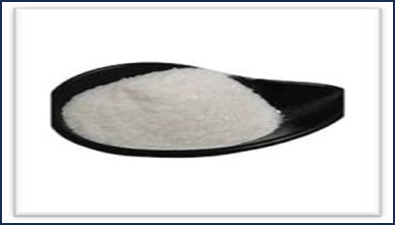
(Fig 5 Kojic acid Powder)
Aloe vera
Applying the extract of aloe vera on the face can help defend the skin, heal infections, and promote the development and breakdown of collagen. The herb aloe is a plant that resembles a cactus and flourishes in arid areas all over the world.

(Fig 6 Aloe vera)
Vitamin E
vitamin E is most generally known for its advantages for skin wellness as well as attractiveness. It may be routinely applied to your face to lessen inflammation and give you younger-looking skin.
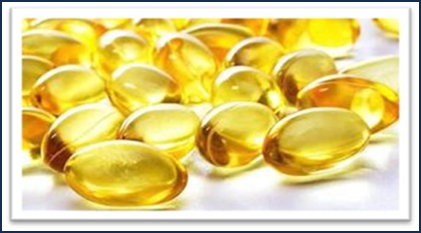
(Fig 7 Vitamin E)
Turmeric
Turmeric helps relieve roughness symptoms and profoundly moisturize and revitalize skin. This is because it naturally accelerates the elimination of dead skin cells.
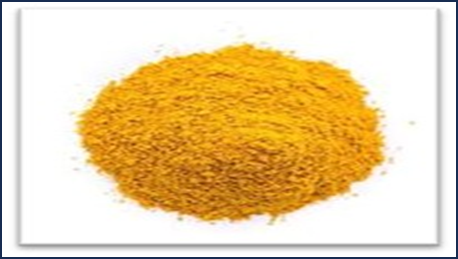
(Fig 8 Turmeric Powder)
Green Tea
Green tea's polyphenols lessen the appearance of scars and fine lines by scavenging radicals that are free and halting the degradation of collagen. The anti-inflammatory qualities of green tea serum can help soothe skin that is sensitive and swollen.
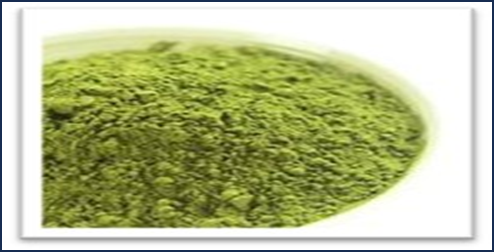
(Fig 9 Green Tea Powder)
Market Formulation
|
S.no |
Marketed Product |
Composition |
Therapeutic Uses |
|
01 |
Biotique Dandelion |
Nutmeg oil, Vitamin E |
Anti-aging, Anti-wrinkle |
|
02 |
TruSkin Naturals Vitamin C Serum |
Vitamin C |
Bright, Clear, Smooth Skin |
|
03 |
Radha Beauty |
Vitamin C |
Reduces fine lines and wrinkles, |
|
04 |
Radiant Oxygenating Facial Serum |
Contains oxygen molecules |
Promotes skin brightness |
|
05 |
Minimalist 10% Niacinamide Face Serum |
Niacinamide 10%+ Zinc |
Blemish-free skin |
|
06 |
Rose Hip Radiant Glow Face Serum |
Contains almond oil |
Minimize puffiness |
|
07 |
StBotanica Retinol 2.5% + Hyaluronic Acid Face Serum |
Retinol 2.5% E & Hyaluronic Acid |
Protect your skin from damage and ageing by UV exposure aggressors |
FUTURE PROSPECTIVE
Due to popularity among consumers and formulation improvements, face serums are solidifying their position as an essential component of skincare regimens around the globe. The industry anticipates change as 2025 and beyond draw near thanks to improvements in technology, a redoubled dedication to sustainability, and improved customer insights. Companies who embrace these trends and put an emphasis on efficacy and transparency will prosper by providing goods that improve consumer happiness and skin health. Face serums will become a mainstay of skincare regimens throughout the world as the industry develops due to consumer need for customized, easy-to-use, and efficient solutions. These changing market dynamics provide great prospects for firms who are eager to innovate and stay aware of changes in customer preferences.
CONCLUSION
Face serums are therefore the most essential component of contemporary life as they are mostly utilized for aesthetic reasons, and as a result, demand for them is rising rapidly. Compared to most cosmetics, cosmetic face serums have much better practical qualities. Customers are choosing the face serum over other cosmetics like creams, gels, and lotions due to its superior moisturizing, skin-brightening, antioxidant, antiaging, and depigmenting properties. Its show the better future for skin health, it has highly rich antioxidant which very helpful for our facial skin to boost collagen, show Glowy effect to face skin.
REFERENCES

Gyaneshwar Jain, Shweta Ram, Dr. Gyanesh Kumar Sahu, Suchita Wamankar, A Review on Design, Formulation, and Performance Evaluation of Cosmetic Face Serums, Int. J. of Pharm. Sci., 2026, Vol 4, Issue 3, 3573-3579, https://doi.org/10.5281/zenodo.19251648
 10.5281/zenodo.19251648