
4,6 Rungta Institute of Pharmaceutical Science .
1,2,3,5Rungta Institute of Pharmaceutical Science and Research,Bhilai, .
Fungal infections of the skin, hair, and nails represent a major global health concern, especially in tropical and subtropical regions. Increasing resistance to synthetic antifungal drugs, high cost of treatment, and side effects have encouraged exploration of plant-based alternatives. Herbal formulations containing Senna alata, neem (Azadirachta indica), and tulsi (Ocimum sanctum) have attracted attention because of their broad-spectrum antimicrobial and antifungal activities. Studies demonstrate that extracts of these plants possess bioactive compounds such as anthraquinones, terpenoids, flavonoids, tannins, and essential oils that inhibit dermatophytes, yeasts, and other sssszones ranging from approximately 12.85 mm to 20.85 mm against dermatophytes, confirming strong antifungal activity. Tulsi extracts and essential oils containing eugenol and linalool have shown effective anticandidal activity and potential for topical therapeutic use. Neem also exhibits antimicrobial and antifungal potential and is widely used in traditional medicine. A combination cream containing these botanicals may provide synergistic activity, improved efficacy, and reduced adverse effects. This review summarizes phytochemistry, antifungal mechanisms, pharmacological evidence, formulation approaches, and future prospects of herbal antifungal creams based on these three medicinal plants1,2.
Fungal infections, particularly dermatophytosis, candidiasis, and pityriasis versicolor, affect millions worldwide. Warm climates, humidity, immunosuppression, and poor hygiene increase susceptibility. Conventional antifungal drugs such as azoles and allylamines are effective but may cause resistance, toxicity, or recurrence. Herbal medicine offers a promising alternative due to availability, safety, affordability, and historical therapeutic use2,4.
Medicinal plants such as Senna alata, neem, and tulsi have long been used in Ayurveda and traditional medicine to treat skin infections, wounds, and inflammatory disorders. Scientific studies increasingly validate their antimicrobial properties. Herbal creams formulated with these plants combine traditional knowledge with modern pharmaceutical technology, providing a safe and effective treatment for fungal infection3.
2. Overview of Fungal Skin Infections
Superficial fungal infections primarily affect keratinized tissues such as skin, nails, and hair. Common causative organisms include:
•Dermatophytes: Trichophyton, Micros Porum, Epidermophyton
•Yeasts: Candida albicans
•Lipophilic fungi: Malassezia furfur
Symptoms include itching, redness, scaling, and inflammation. These infections are highly contagious and often recurrent. Synthetic drugs are widely used but may lead to resistance or hypersensitivity reactions, highlighting the need for alternative therapies 3,4.
2.1 Ringworm
Ringworm (tinea) is a highly contagious fungal skin infection, not a worm, characterized by itchy, red, scaly, ring-shaped patches. Caused by mold-like parasites (dermatophytes), it spreads via direct skin-to-skin contact, pets, or contaminated items4.
.
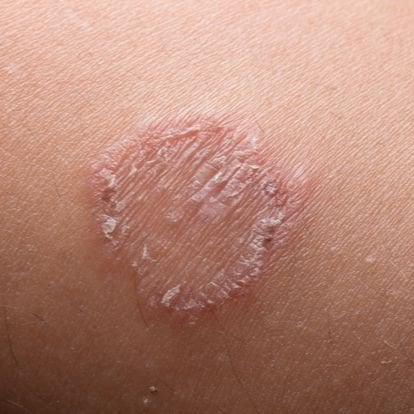
Fig.1: Ringworm4 .
Symptoms of Ringworm :
2.2 . Types of Ringworm (Tinea):
3. Medicinal Plants Used in Herbal Antifungal Cream
3.1 Senna alata
Senna alata (syn. Cassia alata), commonly known as ringworm bush, is a tropical medicinal plant traditionally used to treat fungal skin diseases. Leaves contain anthraquinones, flavonoids, saponins, and tannins responsible for antimicrobial activity5,6.
Research demonstrates that Senna alata extracts exhibit marked antifungal effects against dermatophytes and other pathogenic fungi. A study reported inhibition zones between 12.85 ± 2.44 mm and 20.85 ± 2.44 mm against dermatophytes, indicating strong fungicidal activity. Another investigation confirmed concentration-dependent activity against Malassezia furfur with identified active compounds via LC-MS/MS and molecular docking analysis. Traditional use of the plant for fungal diseases is supported by experimental evidence demonstrating its efficacy against human pathogenic fungi6.
Mechanisms of action include:
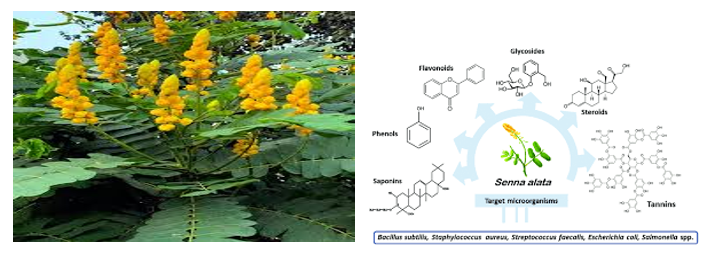
Fig.2: Senna alata6,9 .
3.2 Neem (Azadirachta indica)
Neem is widely used in traditional medicine for its antimicrobial, anti-inflammatory, and wound-healing properties. Leaves, bark, seeds, and oil contain bioactive compounds such as azadirachtin, nimbin, quercetin, and limonoids24.
Scientific studies indicate neem extracts possess antimicrobial and antifungal activity against various pathogens, supporting their therapeutic value in dermatological conditions. Neem’s phytochemicals act by damaging fungal cell walls, inhibiting enzyme systems, and preventing colonization 21.
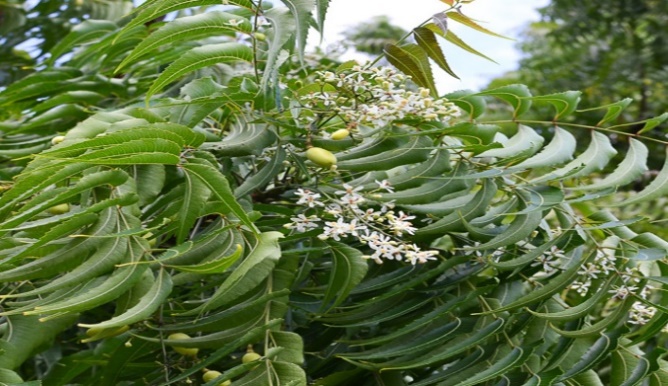
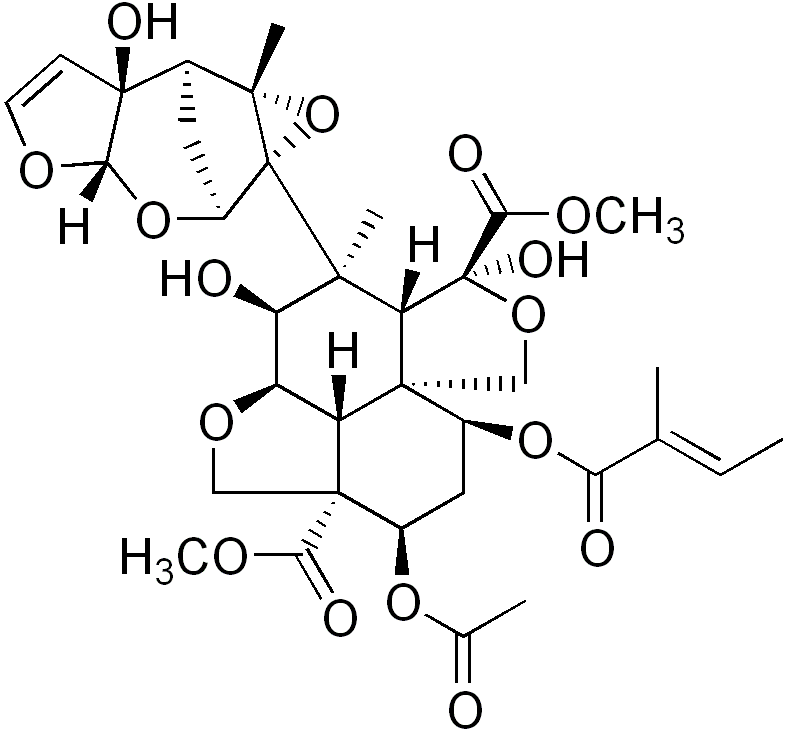
Fig .3: Azadirachta indica21,24
3.3 Tulsi (Ocimum sanctum)
Tulsi is an aromatic medicinal herb belonging to the Lamiaceae family. It contains essential oils rich in eugenol, methyl chavicol, linalool, and other terpenoids22,23.
Research shows that tulsi extracts exhibit strong antifungal activity against dermatophytes at concentrations around 200 µg/mL. Essential oil components such as methyl chavicol and linalool have significant activity against Candida, including drug-resistant strains. A systematic review concluded that all evaluated studies demonstrated effective anticandidal properties, suggesting its use as an affordable adjunct therapy. Tulsi essential oil exerts antifungal action by disrupting ergosterol in fungal membranes23.
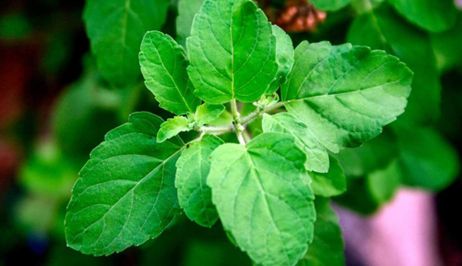
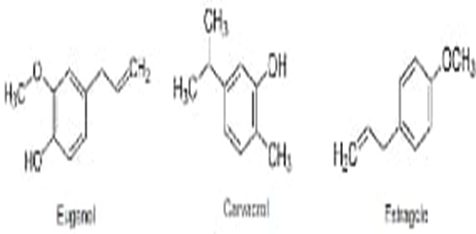
Fig. 4 : Ocimum sanctum 23.
4. Phytochemical Constituents Responsible for Antifungal Activity
The antifungal properties of herbal extracts are attributed to diverse phytochemicals:
|
Plant |
Major Compounds |
Antifungal Role |
|
Senna alata |
Anthraquinones, flavonoids, saponins |
Membrane disruption, enzyme inhibition |
|
Neem |
Limonoids, azadirachtin, flavonoids |
Cell wall damage, growth inhibition |
|
Tulsi |
Eugenol, linalool, terpenoids |
Ergosterol disruption, oxidative stress |
Terpenoids in plants are known to possess antimicrobial activity against pathogenic fungi, including Candida and dermatophytes9,10.
5. Synergistic Combinations: Rationale and Mechanism
Synergy occurs when combined agents produce a greater therapeutic effect than either alone. Combining herbal extracts with conventional antifungals offers several advantages .
- Enhanced antifungal potency
- Reduced dosage requirements
- Lower toxicity and improved safety
- Slower development of drug resistance
- Faster symptom recovery and lower relapse rate 18 .
Examples include:
- Terbinafine + Neem extract
- Ketoconazole + Basil essential oil
- Griseofulvin + Senna alata leaf extract19 .
5.1. Mechanism of Antifungal Action of Herbal Extracts
Antifungal agents used topically are designed to treat fungal infections affecting the skin, nails, mucous membranes, or other localized areas. Their mechanism of action depends on their chemical class. Below is an overview of common antifungl 10.
Antifungal agents work primarily by targeting the unique components of fungal cell walls and membranes, leading to inhibited growth (fungistatic) or cell death (fungicidal). Key mechanisms include11.
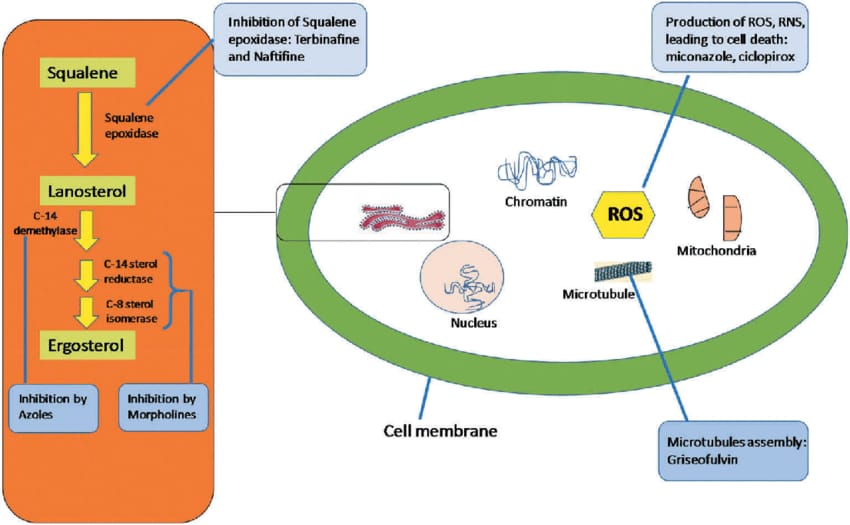
Fig .5: Mechanism of Anti-fungal agent11 .
Herbal antifungal agents may act through multiple mechanisms:
6. Advantages of Combination Herbal Cream
Combination formulations offer several benefits:
Antifungal herbal creams offer a natural, effective, and safer alternative to synthetic treatments for skin infections like ringworm and athlete's foot, often causing fewer side effects and less skin irritation. They utilize natural, bioactive compounds (e.g., neem and tea tree oil) to disrupt fungal cell walls and provide additional benefits like anti-inflammatory, antioxidant, and soothing effects24.
The presence of multiple active compounds ensures multitarget action against fungi24,26.
7. Safety and Toxicological Considerations
Herbal creams are generally safe, but evaluation is necessary for:
Antifungal herbal creams are generally considered a safe, effective, and lower-toxicity alternative to conventional synthetic antifungal agents for treating superficial skin infections like ringworm, athlete's foot, and candida. These creams, often containing plant extracts like neem, tulsi, turmeric, tea tree oil, or garlic, utilize natural phytochemicals to disrupt fungal cell membranes, offering a lower risk of drug resistance 25,26.
• Low Toxicity: Studies indicate that properly formulated herbal antifungal creams exhibit minimal to no skin irritation, redness, or edema.
• In Vivo Safety: Skin irritation tests on models (e.g., Wistar rats) and clinical patches have shown that these formulations are generally well-tolerated.
• Non-Cytotoxic: Some formulations, such as those using essential oils (e.g., Origanum vulgare and S. aromaticum), have demonstrated no cytotoxicity on mouse fibroblast cells.
• Lower Risk of Side Effects: Unlike conventional creams (e.g., clotrimazole), which can cause burning, stinging, and allergic reactions, herbal alternatives are generally gentler, though they may require a longer duration of treatment to show results.
• Safety Considerations: While generally safe, some plant extracts can cause sensitization, so patch testing is often recommended.
Most studies indicate that plant extracts at therapeutic concentrations are well tolerated, though standardization and clinical trials remain essential 23,27.
9. FUTURE PERSPECTIVES
Future research directions include:
• Nanotechnology Integration: Using nanocarriers like nanoemulsions, ethosomes, and liposomes to enhance the solubility and stability of herbal compounds.
• Poly-herbal Formulations: Combining multiple plant extracts (e.g., tea tree oil, neem, clove) for synergistic, stronger antifungal action against resistant strains.
• Targeted Drug Delivery: Utilizing nanohydrogels that deliver active compounds directly to the deep layers of the skin, maximizing impact on infections.
• Improved Safety Profile: Offering natural, eco-friendly, and less irritating alternatives to synthetic antifungals like azoles.
• Scientific Validation: Moving from anecdotal evidence to rigorous clinical trials to establish efficacy and standardize formulations.
The development of standardized herbal formulations may provide affordable antifungal therapies worldwide16,19.
DISCUSSION
Ringworm is a common fungal infection of the skin mainly caused by dermatophytes such as Trichophyton, Microsporum, and Epidermophyton species. Conventional antifungal drugs are effective but may produce side effects, resistance, or recurrence after prolonged use. Therefore, herbal formulations have gained attention due to their safety, affordability, and therapeutic potential14. In the present study, an herbal antifungal cream was formulated using extracts of Senna alata, Tulsi, and Neem, which are well known for their antimicrobial and antifungal properties. The formulation aimed to combine the therapeutic benefits of these medicinal plants to enhance antifungal activity against ringworm infection7.
Senna alata is traditionally used in many tropical countries for the treatment of fungal skin infections and is commonly known as the “ringworm plant.” The leaves contain bioactive constituents such as anthraquinones, flavonoids, and phenolic compounds that exhibit significant antifungal activity against dermatophytes16.
Neem (Azadirachta indica) possesses strong antifungal, antibacterial, and anti-inflammatory properties. Its active components, such as nimbidin, azadirachtin, and quercetin, help inhibit fungal growth and reduce inflammation and itching associated with ringworm infections13.
Tulsi (Ocimum sanctum) is widely used in traditional medicine due to its antimicrobial and antioxidant properties. It contains compounds such as eugenol and ursolic acid that contribute to its antifungal action and help in soothing irritated skin24. The formulated cream was evaluated for parameters such as appearance, pH, spreadability, viscosity, homogeneity, washability, and antifungal activity. The formulation showed acceptable physicochemical properties with good consistency and stability. The pH of the cream was found to be compatible with skin pH, indicating that it is safe for topical application22.
The antifungal evaluation demonstrated that the herbal formulation exhibited inhibitory activity against fungal pathogens responsible for ringworm infection. The synergistic effect of Senna alata, neem, and tulsi may enhance the overall antifungal efficacy of the formulation19.
Overall, the results suggest that the prepared herbal antifungal cream has potential as an effective and safe alternative for the treatment of ringworm infections. Further studies such as clinical trials, stability studies, and large-scale production are recommended to confirm its therapeutic effectiveness and commercial feasibility16,18.
CONCLUSION
Herbal antifungal creams containing Senna alata, neem, and tulsi represent a promising alternative to conventional antifungal drugs. Scientific evidence confirms that these plants possess potent antifungal properties due to diverse phytochemicals. Experimental studies demonstrate significant inhibition of dermatophytes, yeasts, and other pathogenic fungi, supporting their traditional use. Combination formulations may enhance efficacy through synergistic action and reduce the risk of resistance. With further pharmacological and clinical validation, such herbal creams could become effective, safe, and economical treatments for fungal infections 12,14.
The present study concluded that the herbal antifungal cream formulated using Senna alata, Ocimum sanctum (Tulsi), and Azadirachta indica (Neem) demonstrated promising antifungal potential. These medicinal plants are well known for their natural antimicrobial, anti-inflammatory, and skin-protective properties, which contribute to their effectiveness in managing fungal skin infections such as ringworm14.
The formulated cream showed satisfactory physicochemical characteristics, including good consistency, spreadability, homogeneity, and stability. The presence of bioactive compounds such as flavonoids, tannins, and phenolic compounds in these plant extracts may be responsible for the observed antifungal activity. The formulation also offers the advantage of being safer and having fewer side effects compared to synthetic antifungal agents19.
REFERENCES

Nishika Tamrakar, V. Ramya Sri, Praveen Kumar Sahu, Suchita Wamankar, Dr. Gyanesh Kumar Sahu, Dr. Chanchal Deep Kaur, A review on Synergistic Combinations of Natural Antifungals in the Management of Dermatophytosis (Ringworm), Int. J. of Pharm. Sci., 2026, Vol 4, Issue 3, 2247-2255. https://doi.org/10.5281/zenodo.19131351
 10.5281/zenodo.19131351
