

We use cookies to ensure our website works properly and to personalise your experience. Cookies policy
Department of Pharmacy, Royal School of Pharmacy, The Assam Royal Global University, Betkuchi, Guwahati 781035, Kamrup, Assam, INDIA
Background:Diabetes mellitus is a long-term metabolic disease, featured by sustained?hyperglycemia as well as to be accompanied with progressive systemic complications. Growing lines of evidence have suggested that glucose metabolism,?insulin secretion and hepatic glucose production are under circadian control. Early-morning hyperglycemia and the daily glycemic variability might?not be sufficiently controlled by conventional antidiabetic treatments, in which the circadian rhythm is usually ignored. Chronopharmaceutical drug-delivery systems, such as time-controlled bilayer tablets with immediate-release (IR) and sustained?release (SR) layers, have the potential to provide an innovative tool for tailoring medication to circadian metabolic rhythms. Methodology:The review systematically explores the published literature of circadian biology in diabetes, principles of chronotherapeutic drug delivery and bilayered tablet formulation?strategies, regulatory aspects, commercialized products as well as recent advances in technology related to programmable antidiabetic EOvanced programmed delivery systems.Results:The bilayer tablet serves as a surrogate for the fixed-dose combination by combining with drugs that act rapidly and with those that offer controlled release in one dosage?form, leading to better pharmacokinetic control of treatment and thus improving therapeutic efficacy. Combination products?available on the market, e.g. metformin-based double release products, show clinical practicability. Preclinical studies also demonstrate the potential of?GR and bilayer systems to achieve better glycemic profile with increased drug bioavailability and patient compliance. The involvement of?functional polymers such as HPMC, PEO and chitosan is crucial in controlling drug release.Discussion:Although a bilayer chronotherapeutic device offers significant therapeutic benefits, there are formulation, manufacturing, and regulatory?challenges such as interlayer adhesion, reproducibility, compatibility and scale-up. It is also necessary to apply the principles of Quality-by-Design and state-of-the-art evaluation techniques in?order to develop successfully.Conclusion:Bilayer chronotherapeutic tablets have?emerged as potential future oral delivery platform for diabetes treatment. The combination of nanotechnology,?smart polymers, advanced manufacturing and personalized chronotherapy tools would help in advancing more physiologically oriented glycemic control as well as patient-centric therapy..
Diabetes mellitus is a chronic metabolic disease characterized by sustained hyperglycemia, which stems from defects in insulin secretion, action, or both. Chronic hyperglycemia results in ameliorative injury to several organ systems, such as eyes, kidneys, nerves and cardiovascular. Long-term side effects, such as diabetic neuropathy, nephropathy, retinopathy, peripheral vascular disease (PVD) and cardiovascular illnesses impair patients' quality of life and cause a significant rise in morbidity and mortality on a global scale. As a result, diabetes is one of the most difficult public health problems for the 21st century and has placed significant clinical and economic burden on global healthcare systems1. The prevalence of diabetes has grown exponentially in the past few decades through rapid urbanization, sedentary lifestyles, population aging and obesity epidemic. About 537 million adults were estimated to be affected by diabetes in 2021, according to figures from the International Diabetes Federation (IDF), which is forecasted to increase up to 643 million by 2030 and a whopping 853 million by the year 2050. Interests Type 2 Diabetes Mellitus (T2DM) is one of the most common multifactorial metabolic diseases, accounting for more than 90% of all diabetic patients. Genetic predisposition and environmental factors, such as physical inactivity and unhealthy dietary habits, play a role in the progression of the disease2. Although significant progress has been made in pharmacotherapy, many patients find it hard to reach the level of glycemic control they desire. Mainstream antidiabetic medications, such as insulin, metformin, sulfonylureas, dipeptidyl peptidase-4 (DPP-4) inhibitors or glucagon-like peptide 1 receptor agonist were developed to decrease blood sugar levels via selective biochemical pathways. But such treatment is generally applied without regard to the time-of-day dependency of metabolic activity. Accordingly, traditional dosing methods may fail to mimic natural hormonal cycles and could be responsible for fluctuations in glycemic control and lack of therapeutic effectiveness. Recent studies have shown that circadian rhythms play vital roles in the regulation of metabolism. Circadian rhythms are intrinsic approx. 24 h biological oscillations which control physiological activities including hormone production, enzyme activity, energy metabolism and glucose balance. The master biological clock, which is the suprachiasmatic nucleus (SCN), synchronizes peripheral clocks in metabolic organs such as liver, pancreas, skeletal muscle and fat. These coordinated oscillations serve to maintain metabolic homeostasis through the regulation of insulin secretion, hepatic glucose production and peripheral glucose utilization. Circadian rhythm disruption commonly observed in the form of irregular sleep patterns, shift work or artificial light exposure is strongly associated with insulin resistance, obesity and T2DM. Circadian misalignment may disrupt pancreatic β-cell activity, insulin sensitivity, and glycemic control; induce metabolic inflammation and oxidative stress; and accelerate the course of disease. Together, this study suggests the necessity of considering biological timing in therapeutic approaches. Chronotherapy, modulation of drug administration according to circadian physiological rhythms, is proposed as a possible strategy to prevent or treat metabolic disorders. Synchronizing drug delivery with daily metabolic fluctuations, chronotherapeutics can result in improved pharmacokinetic and pharmacodynamic profiles combined with minimized side effects. Technical and technological progress related to the development of DDSs, such as osmotic pumps, programmable microcapsules technology (intelliCaps) and drug-loaded nanocarriers has facilitated the design of chronomodulated formulations for antidiabetic treatment. Among these, bilayer tablet technology for immediate and sustained drug release profile provides the greatest opportunity to link treatment with the 24 hour glucose cycle. Hence, in this review we describe the link between circadian rhythm and metabolic dysregulation in diabetes as well as recent developments of bilayer chronotherapeutic drug-delivery systems to enhance glycemic control of Type 2 Diabetes Mellitus3.
Chronotherapeutics: Concept and Principles
Chronotherapy, also known as chronotherapeutics or chronotherapeutic drug delivery, is an evolving multidisciplinary modality which includes the administration of medication in coordination with the biological rhythms of the body in order to improve treatment outcomes and tolerability. This is because physiology, disease activity and response to drugs frequently display rhythmic variation, which means that the timing of drug administration can impact on its effectiveness.
The basic principle of chronotherapeutics is to bring the pharmacokinetics and pharmacodynamics of a drug in phase with the rhythm of disease. Forcing the peak drug levels to be at times of maximum disease activity or target responsiveness can increase therapeutic efficacy and minimizes exposure when physiological requirements are minimal. Time based drug delivery approaches of this kind have been developed to increase clinical efficacy, decrease dosing intervals, reduce toxicity and improve patient compliance. Chronotherapy is especially applicable to chronic diseases such as asthma, hypertension, arthritis, cancer and metabolic disorders in which both symptom severity and underlying pathological mechanisms demonstrate diurnal variation. In metabolic disorders including diabetes mellitus, the circadian system is a key regulator of glucose homeostasis, insulin secretion, hepatic glucose production and peripheral insulin sensitivity. One of the most clinically important early morning manifestations of circadian modulation is so called “Dawn Phenomenon”. This is which involves the slow development of high blood sugar in morning hours without having had nocturnal hypoglycemia during the early morning periods. It is an expression of the interplay among circadian endocrine regulation and defective metabolic handling in diabetics. Physiologically, the dawn phenomenon results from a natural though not necessarily normal increase in level of insulin resistance in the very early morning. There is a circadian rise in counter-regulatory hormones such as growth hormone, cortisol, glucagon and catecholamines from the late night towards the pre-awakening period. These hormones all promote hepatic gluconeogenesis and glycogenolysis, resulting in augmented endogenous glucose output. Meanwhile, peripheral insulin resistance is temporarily decreased, leading to hyperglycemia. In the healthy, this hormone-driven increment in glucose production is adequately counterbalanced by a parallel enhancement in pancreatic insulin release to preserve normal glucose homeostasis. However, in T2DM or other diabetic conditions pancreatic β-cell dysfunction in combination with insulin resistance does not allow effective suppression of hepatic glucose production. Thus, early-morning hyperglycemia remains, leading to unsatisfactory glycemic control and higher risk for developing metabolic and cardiovascular comorbidities. Animal studies and preliminary findings in patients with T2DM suggest that disturbances of circadian hormonal signaling, including changes in melatonin release patterns, may contribute to the development and worsening of metabolic alterations leading to disease. Melatonin is implicated as a regulator of sleep–wake cycles and metabolic signaling, the dysregulation of melatonin has been associated with both glucose intolerance and insulin resistance. Hence, circadian misalignment could exacerbate early-morning hyperglycaemia and long-term metabolic disorders. From a therapeutic point of view, the dawn phenomenon emphasizes the potential significance of time-controlled antidiabetic drug release. Traditional dosing schedules prove ineffective in the management of early-morning hyperglycemia, which may be related to an absence of drug levels during the circadian period of increased glucose production. Chronotherapy can be employed to overcome this limitation by developing pulsatile, delayed release, or programmable drug release systems that release antidiabetic drugs during the early morning period in which glucose levels start rising. Advances in pharmaceutical technology make it possible to create chronomodulated drug-delivery systems, such as time-controlled oral delivery systems, osmotic pump devices, polymer-based pulsatile delivery systems, and stimuli-responsive nanocarriers. These devices are engineered to deliver delayed-time-dependent drug release, so that optimal therapeutic drug levels are achieved during sensible periods of metabolic stress. Such strategies may optimize fasting glycemic control, lower early morning hyperglycemia-notably those with inadequately controlled diabetes-predict and prevent hypoglycemia, as well as favor better diabetes care. The body of current evidence supporting the marriage of circadian biology with drug-delivery technology suggests that an exciting new modality for treatment exists. Chronotherapeutic approaches do not only take advantage of the circadian and the (ultra)circadian rhythm-driven fluctuations in disease processes, but are also in line with a single person-, patient-wise “panorhythmical” concept of precision medicine. With the progress in chronobiology and pharmaceutical technology, CDDS have been predicted to play an important role for improving therapeutic efficacy of many chronic diseases including diabetes4.
Rationale for Time-Dependent Drug Delivery
Traditional preparations of antidiabetic drugs are generally delivered at a fixed time intervals without taking into account the temporal fluctuations in the metabolic pathway and disease progression. These strategies cannot ensure that adequate drug levels will be available during periods of increased metabolic vulnerability, such as the early morning hours (when hepatic glucose production is greatest) or from one rest-to-activity/resting period to the next (when insulin sensitivity fluctuates). As a consequence, not sufficient inhibition of HGO and suboptimal improvement in peripheral insulin sensitivity may be the case, leading to unsatisfactory glycemic control and greater glucose flux. Time-gated drug delivery systems have been developed to overcome these limitations by modulating drug release in accordance with circadian variations in blood glucose levels. The goal of such systems is to achieve accurate temporal control over drug action, with the aim of drug availability matching occasions of maximum therapeutic need. In the management of diabetes, this synchronization is especially necessary for managing early morning hyperglycemia, enhancing FPG and attenuating daily glucose fluctuation. From a chronopharmacokinetic aspect, the mechanisms by which the body absorbs, transports, metabolizes and excretes drugs are circadian time dependent. For example, gastric emptying rate, intestinal permeability, hepatic cytochrome P450 enzyme activity and renal clearance all vary throughout the 24. circadian hours4,8. These variations may strongly affect the bioavailability and systemic exposure of antidiabetic medicinal products. Accordingly, drug-delivery systems in which the drug is controlled and released at specific times may contribute to make therapeutic drug concentrations reproducible, despite circadian variations of pharmacokinetic processes. Chronopharmacodynamic considerations are also relevant as well as pharmacokinetics in therapeutic action. The cellular and molecular targets of glucose homeostasis have oscillation in activity/sensitivity that depends on time. These differences comprise insulin receptor expression, translocation efficiency of GLUT4, responsiveness to incretin hormones and pathways related to AMP-activated protein kinase (AMPK). Such circadian variation may cause time-of-day-dependent responsiveness of the drug, suggesting that antidiabetic drugs could be most therapeutically administered when target sensitivity is maximal. Thus, it is possible to target the hepatic glucose production while fasting and achieve a profile that minimizes the risk of nocturnal hypoglycemia by modulating antidiabetic treatment over time. For instance, delayed-release or pulsatile drug-delivery platforms which are engineered to release the medication in the early morning may provide better protection against circadian increase in endogenous glucose production related with dawn phenomenon. Furthermore, one of the major benefits of time-dependent drug release system is to eliminate unnecessary agent exposure in the resting metabolic conditions to minimize side effects and attain a safer profile. Chronomodulated drug-delivery devices are designed to coincide pharmacological intervention with endogenous metabolic rhythms and serve as innovative aids for effective and localized treatment. This approach is part of the larger trend in precision medicine, which seeks to not only personalize treatment regimens based on the characteristics of individual patients but also on biological timing.
Collectively, the rationale behind time-dependent drug delivery for diabetes management is based on the understanding that metabolic regulation and drug effect are controlled by circadian biology. The integration of temporal control into drug-delivery formulations has the promise to enhance therapeutic efficacy by providing tight glycaemic stability and long-term management over disease. With further advances in pharmaceutical technology allowing for programmable and stimuli-responsive delivery systems, chronotherapeutic approaches are expected to be increasingly utilized as part of the next-generation antidiabetic treatment3,4, 31.
Bilayer tablet for Chronomodulated Drug Delivery
Bilayer Tablets Bilayer tablets are relatively novel oral solid dosage forms intended to combine two different release characteristics in one dosage unit, directed towards enhanced therapeutic effectiveness, simplified dosing regimen and patient compliance. It is a process that compresses two separate layers into one tablet in series, where each layer has the responsibility for fulfilling different functions. Multilevel release profiles that cannot be accomplished by single-layer tablets can be achieved using bilayered tablets through a combination of different types of mechanisms for release. Usually, one of the layers in a bilayer tablet is developed for immediate release (IR) generally to render prompt pharmaceutical action with the other layer designed for sustained release (SR), controlled release (CR) to prolong therapeutic drug levels in the blood and tissues. This dual-release nature makes bilayer tablets especially befitting for drugs having short biological half-lives, drugs to be administrated in load or maintenance doses and combination preparation of such drugs possessing distinct pharmacokinetic behavior. These systems might also be adapted for a chronotherapeutic drug release, where the immediate release layer ensures rapid symptom control and effectiveness in response to increased disease activity, while the retarded release layer sustains drug levels during subsequent decreased disease activity5. The immediate-release layer of a bilayered tablet commonly includes fast dissolving excipients and superdisintegrants which cause quick disintegration, drug dissolution and absorption in the GI (gastrointestinal) tract. ExCIPIENTS Typically used excipients that promote rapid water uptake and tablet disintegration include microcrystalline cellulose, lactose, crospovidone, croscarmellose sodium and sodium starch glycolate. This coat level facilitates for therapeutic activity to start right after administration, which can be critical when fast glycemic regulation or an instantaneous pharmacological response is needed. On the other hand, the sustained- or controlled-release layer is prepared with release-retarding polymers for controlling the time of drug released. They may be hydrophilic, hydrophobic or a mixture thereof depending on the mechanism for release desired. Typical hydrophilic polymers include, but are not limited to, hydroxypropyl methylcellulose (HPMC) and polyethylene oxides (PEO), which upon hydration from an environment of use form a gel barrier and maintain the controlled release of drug by means of both swelling and diffusing processes. Hydrophobic polymers, for example, ethylcellulose delay drug release via creation of a diffusion-controlled matrix and natural polymers are able to add bioadhesive and controlled-release properties chitosan is an example. Drug is slowly released from the maintenance layer by a mixture of polymer swelling, matrix erosion & diffusional processes according to the physicochemical properties of the drug and polymer system. Formulator can customize release kinetics by wise choice of polymer type, viscosity grade and concentration to reach the desired therapeutic goals which may involve sustained plasma drug levels, reduced dosing times and lower peak-to-trough drug ratios. Bilayer tablet technology has also several formulation and therapeutic benefits, such as physical separation of incompatible drugs, separate control of release profiles, improved dose flexibility and better patient compliance. From a circadian chronotherapeutic point of view, bilayer tablets offer an exploitable tool for time-programmed drug delivery systems in which one layer would produce immediate pharmacological effect and the other long-term therapeutic protection corresponding to disease periodicity. In the end, bilayer tablet systems provide a versatile and sturdy delivery platform that offers simultaneous immediate and sustained drug release in a single dosage form. Being able to deliver drugs in a multi-phase manner and have controllable released kinetics, such DDSs are valuable candidates for the design of chronomodulated drug therapies for chronic diseases (e.g. diabetes mellitus) where maintaining steady levels of glycemia over day is necessary6, 7. Exemplary polymers which can be used to modulate release of drugs in the IR layer are as follows:
Table 1. Immediate-release excipients used in chronotherapeutic bilayer tablet formulations
|
Polymer / Excipient |
Functional Mechanism |
Role in Immediate-Release Layer |
Chronotherapeutic Advantage |
Citation |
|
Croscarmellose Sodium (CCS) |
Rapid swelling and capillary wicking leading to tablet disintegration |
Superdisintegrant |
Enables rapid drug release aligned with postprandial or circadian glucose elevation |
[8] |
|
Crospovidone |
Capillary action and rapid water uptake resulting in fast tablet breakdown |
Superdisintegrant |
Produces an immediate “pulse release” for rapid therapeutic onset |
[9] |
|
Sodium Starch Glycolate (SSG) |
Extensive swelling and rapid disintegration upon hydration |
Superdisintegrant |
Facilitates very rapid drug availability suitable for pulsatile dosing |
[10] |
|
Polyvinylpyrrolidone (PVP, K-grades) |
Highly water-soluble binder promoting rapid matrix dissolution |
Binder / solubilizing excipient |
Enhances immediate drug release and supports fast tablet disintegration |
[11] |
|
Low-viscosity Hydroxypropyl Methylcellulose (HPMC) |
Rapid hydration forming a thin gel layer followed by quick erosion |
Release-modifying polymer (IR-supportive) |
Provides controlled early drug release when rapid onset is required |
[12] |
|
Low-viscosity Hydroxypropyl Cellulose (HPC) |
Water-soluble cellulose ether enabling rapid wetting and dissolution |
Release-enhancing polymer |
Supports immediate dissolution and early therapeutic action |
[13] |
|
Pregelatinized Starch (PGS) |
Swelling, wicking, and disintegration properties |
Binder–disintegrant |
Promotes prompt drug release using a natural polymeric excipient |
[14] |
Some of the polymers that can be used to modulate the release of drugs in Extended-release layer are as below: -
Table 2. Sustained-release polymers used in chronotherapeutic drug-delivery systems
|
Polymer |
Release Mechanism |
Functional Role in SR/CR Layer |
Chronotherapeutic Advantage |
|
HPMC (K14M, K15M, K100M) |
Hydration followed by gel-layer formation; diffusion and erosion-controlled release |
Hydrophilic matrix polymer |
Maintains sustained plasma drug levels during nocturnal and early-morning periods15 |
|
Hydroxyethyl Cellulose (HEC) |
Polymer swelling and gel formation with diffusion-controlled release |
Hydrophilic matrix polymer |
Provides prolonged drug release across circadian metabolic fluctuations16 |
|
High-viscosity Hydroxypropyl Cellulose (HPC) |
Thick gel barrier formation with diffusion and erosion mechanisms |
Matrix-forming polymer |
Ensures smooth drug release and reduces circadian variability in plasma concentration17 |
|
Sodium Alginate |
Ion-induced gelation and diffusion-controlled erosion |
Natural polymeric matrix |
Enables pH- and ion-responsive release along the gastrointestinal tract18 |
|
Pectin |
Gel formation and slow polymer erosion |
Natural matrix polymer |
Suitable for delayed-release or colon-targeted chronotherapeutic delivery19 |
|
Xanthan Gum |
High swelling capacity forming a viscous gel matrix |
Natural hydrophilic matrix polymer |
Supports gastro-retentive and prolonged drug release20 |
|
Guar Gum |
Swelling-controlled gel matrix with gradual erosion |
Natural sustained-release polymer |
Maintains therapeutic drug levels during overnight periods21 |
|
Gellan Gum |
Ion-triggered gel network formation |
Matrix-forming polymer |
Useful in beads or matrices for prolonged gastrointestinal residence22 |
|
Chitosan |
pH-sensitive swelling, erosion, and mucoadhesion |
Bioadhesive polymer |
Enables delayed release and mucoadhesive chronotherapeutic targeting23 |
|
Ethyl Cellulose |
Hydrophobic diffusion barrier controlling drug permeation |
Hydrophobic matrix/coating polymer |
Reduces peak plasma fluctuations across circadian dosing windows24 |
|
Eudragit® polymers |
pH-dependent solubility or permeability-controlled release |
Enteric or controlled-release coating polymer |
Enables pH-triggered lag-time or membrane-controlled chronomodulated delivery25 |
|
Polyethylene Oxide (PEO / Polyox®) |
High-molecular-weight swelling, gel formation, osmotic and erosion-controlled release |
Hydrophilic matrix polymer |
Supports extended near zero-order drug release across circadian cycles26 |
|
Cellulose Acetate |
Semipermeable membrane enabling osmotic-controlled release |
Osmotic-pump membrane polymer |
Provides predictable, GI-independent delivery synchronized with circadian needs27 |
|
Compritol® 888 ATO |
Lipid matrix forming a hydrophobic diffusion barrier |
Lipid-based sustained-release matrix |
Reduces burst release and supports prolonged overnight drug delivery28 |
|
Kollicoat® (polyvinyl acetate dispersion) |
Insoluble polymeric coating enabling diffusion-controlled release |
Sustained-release coating polymer |
Provides pH-independent, time-controlled drug release across GI transit29 |
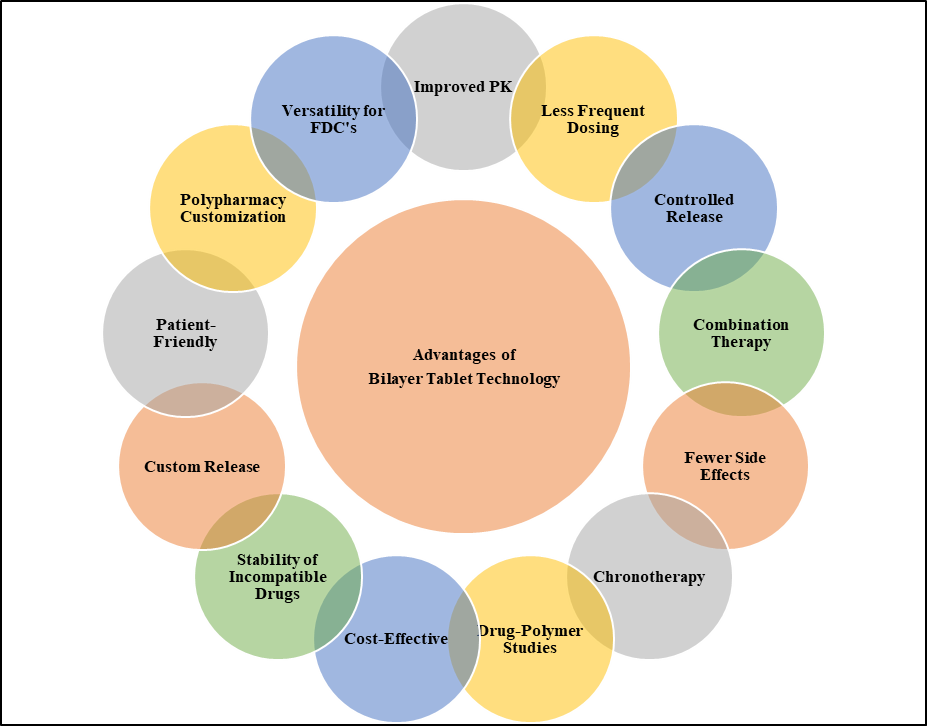
Figure 1. Schematic representation of the therapeutic and formulation advantages of bilayer tablet technology for chronomodulated drug delivery.
Marketed Bilayer and Layered Chronotherapeutic Antidiabetic Dosage Forms
Some of the commercial antidiabetic dosage forms popularized are apparent examples of the practical implication of dual-release (i.e., immediate and sustained release) mechanisms, which take into account circadian glycemic dynamics (Table 3). These products demonstrate that bilayer or layered-modified tablet technologies can help in achieving better glycemic control with lower pill burden. A well know example is that of Janumet XR®, a fixed-dose combination (FDC) of sitagliptin and metformin with an extended release metformin core with an immediate release sitagliptin layer. It is usually prescribed for the evening to provide extended metformin release during the night, which in turn suppresses nocturnal hepatic glucose production and improves early-morning glycaemia, while sitagliptin immediate-release component stimulates incretin-mediated insulin secretion. Likewise XIGDUO XR® (dapagliflozin and metformin extended-release) and SYNJARDY XR® (empagliflozin and metformin extended-release), are fixed combination products formulated with modified layered drug delivery technologies as once daily regimens. These compounds bring together the fast glucose-lowering action of SGLT2 inhibitors and the delayed antihyperglycaemic effect of extended-release metformin. By combining’ an immediate and a long acting pharmacological effect within one formulation, such systems aid in the synchronization of drug levels with daily glycemic rhythms while enhancing patient compliance to treatment regimens by simplifying dosing.
The marketed formulations of these two compounds illustrate the clinical practicability of chronotherapeutic combination therapy with the use of multilayer tablet technology, for both fasting and postprandial glucose variation3, 32.
Preclinical and Academic Developments for Bilayer Chronotherapic Systems
In addition to commercial products, bilayer tablet systems for chronotherapeutic management of diabetes have been studied extensively in preclinical and academic studies. These works have crucial implications for the development of time-dependent drug release kinetics and better glucose control formulations. For example, bilayer tablets of metformin and rosiglitazone have been reported to achieve the combination of immediate-release and extended-release release profiles that lead to enhanced in vitro drug dissolution kinetics, which causes prolonged hypoglycemic activity. These formulations combine rosiglitazone's insulin sensitizer action and metformin's extended action release to keep glycaemia under control for long periods of time. Such studies are also important for gastroretentive bilayer drug delivery system, such as pioglitazone in an immediate-release layer and metformin in a sustained-release layer. These delivery systems are intended to delay gastric emptying such that metformin which is preferentially absorbed in the proximal gut is delivered at its site of maximal absorption. Concurrently, the release of pioglitazone from the immediate-release layer offers an instantaneous glycemic control of postmeal glucose spikes which is an obvious benefit with respect to both spatial and temporal control of its release. Furthermore, bilayer tablets of gliclazide (IR) and metformin (SR) have been formulated to directly mitigate AM hyperglycemia due to circadian glucose fluctuation. In this formulation, gliclazide acts as a fast insulin secretagogue whereas sustained-release metformin provides an all-day long glycemic control. These systems are illustrative of how bilayer tablet technology can be designed to serve both fasting and post-prandial glycemic control. Overall, these works indicate the increasing interest in bilayer tablet chronotherapy as a strategy for the treatment of diabetes diseases. Bilayer systems by combining immediate and sustained drug - release mechanisms, may provide an interesting opportunity for synchronization of pharmacotherapy with circadian metabolic rhythms 3, 35.
Table 3. Commercially available dual-release and bilayer tablet formulations used in diabetes management
|
Marketed Brand |
Company |
API |
|
JANUMET XR® |
Merck & Co. |
Sitagliptin + Metformin |
|
XIGDUO XR® |
AstraZeneca |
Dapagliflozin + Metformin |
|
SYNJARDY XR® |
Boehringer Ingelheim |
Empagliflozin + Metformin |
|
GLIM MET SR® |
Multiple generics |
Glimepiride + Metformin |
|
GLUCONORM-G XR® |
Lupin |
Glimepiride + Metformin |
|
VOGLIMET® / VOGLITAB® |
Multiple (India/Asia) |
Voglibose + Metformin |
|
SEGLUROMET |
Merck & Pfizer |
Ertugliflozin + Metformin |
|
KOMBIGLYZE XR |
AstraZeneca |
Saxagliptin + Metformin |
|
JENTADUETO |
Boehringer Ingelheim |
Linagliptin + Metformin |
|
PRANDIMET |
Novo Nordisk |
Repaglinide + Metformin |
Formulation Aspect and Consideration in Bilayer Tablet Formulation problems faced during bilayered tablet design
Although bilayer tablets offer an improved focus from the therapeutic standpoint, these products are substantially more difficult to formulate and produce than traditional monolayer tablets. Optimizing bilayer tablet compressibility without impacting content uniformity, interlayer adhesion, mechanical strength and drug-release profile is challenging (20–27) as the dosage forms need to remain chemically and physically stable throughout their lifecycle. Challenges are in large part due to the fact that two different formulation make ups need to be compressed into one dosage form and this is carried out without loss of workability or mechanical properties 31, 32. Interlayer adhesion is one of the most important formulation issue. Weak interlayer adhesion contributes to the delamination, capping and layer separation during compression and/or handling or storage or in vitro dissolution testing. Several formulation and processing variables (e.g., compression force, dwell time, first compressed layer surface roughness, particle size distribution, moisture content, interfacial compatibility of excipients between layers) affect interlayer bonding. An adequate optimization of these parameters is mandatory for the intrinsic mechanical stability and against failure of the double layers 32, 33. Powder flowability and compressibility of both the layers are also crucial. Flow characteristics and compaction behavior of each layer must be alike to ensure uniform die filling, layer weight uniformity and content uniformity. Because of the different bulk density, particle size distribution and granule strength in both layers some "over", uneven compression and lack of drug homogeneity may be developed. These discrepancies can impact, in fine, tablet hardness, friability and drug release 34. DDI as well as DEXC compatibility is also a hurdle in bilayer tablet development. Chemical reactions, such as acid–base reactions and oxidation, or Maillard reaction may take place in both intra-layers and/or inter-layers. Despite the potential of bilayer technology for physical separation of incompatible API, excipient transfer between LA layers under compression or storage could in fact result in detrimental effects on both its chemical stability and therapeutic performance. As a result, compatibility tests by suitable analytical methods are necessary for formulation development. Another main challenge is to keep different and reproducible kinetic release of the drugs in each layer. The release pattern of one layer can be controlled by the swelling, erosion or diffusion properties of the adjacent layer, especially if hydrophilic polymers are applied. Conscientious choice of polymer type, viscosity grade, and layer structure is required for maintaining separate release profiles and predictable pharmacokinetic performance. Additionally, environmental issues like sensitivity to moisture and stability in storage have to be taken into account. Variations of hygroscopic character between layers may result in nonuniform hydration; thus mechanical properties, layer adhesion and drug stability could be affected. Appropriate packaging, moisture barriers and controlled manufacturing conditions are frequently necessary to ensure product stability 31, 33. Last, but not at least, the scale-up and process reproducibility are a major issue in bilayer tableting. Minimal changes in compression force, punch speed, die filling mechanism and weight-and-thickness per layer control encountered in the large-scale commercial production can lead to substantial degradation of bilayer tablet integrity and performance. In view of this, strong process optimization and in-process quality control are necessary for the successful industrial scale production of bilayer tablets34.
Despite the potential benefits of bilayer tablet technology for chronotherapeutic and controlled drug-delivery applications, these formulation and manufacturing challenges must be addressed to support quality and stability of product and consistent therapeutic performance.
Drug Selection Criteria for Bilayer Tablets in Diabetes 30, 36, 37
Dual drug therapy:
Medications should act on multiple defects of diabetes like fasting hyperglycemia, post prandial glucose and insulin resistance.
Immediate-release and sustained-release suitability:
The IR layer is intended for fast glucose control, the SR/ER layer for long-term glycemic control. Pharmacokinetic compatibility: Short half-life medications, short dosing intervals or dose-dependent absorbances are preferred.
Physicochemical properties:
The solubility, stability, dose and compressibility characteristics of the drug must be suitable for bilayer designed formulation.
Drug–drug and drug–excipient compatibility:
Studies of compatibility are required in order to avoid any type of chemical interaction, degradation or instability.
Safety and therapeutic index:
The drug having hypoglycemia risk or a narrow therapeutic window needs to have its release profiles carefully regulated.
Manufacturing feasibility:
The drugs selected should possess excellent flow, compressibility and mechanical strength for bilayer compression.
Regulatory and clinical acceptability:
Drugs should be known to be safe, effective and acceptable in combination therapy.
Regulatory Perspectives for Bilayer Tablets
Bilayer tablets are multilayer solid oral dosage forms, often regarded as a "modifed-release system" or simply a fixed-dose combination (FDC) product and their approval by regulatory authorities like the US FDA and EMA requires assessment in accordance with guidelines38. Regulatory acceptance needs sound scientific reasoning for the bilayer design being justified over typical monolayer tablets. Typical justifications are incompatibility of the APIs, combining IR and ER components into single dosage form, or inclusion of drugs with different pharmacokinetic performance as per principles laid down by ICH Q8 (Pharmaceutical Development). In terms of their Chemistry, Manufacturing and Controls (CMC) information, complete characterization of the drug substance(s) and excipients in each layer is also expected to be provided (e.g., physical-chemical properties, impurity profiles, polymorphism, particle size distribution, stability profile), based on ICH Q6A and ICH Q3A/Q3B guidelines. APIs, excipients and layers in particular may be prone to interfacial interactions or migration between components.
In addition, at the dosage-form level, regulatory authorities demand an investigation of both individual layers as well as the combined tablet system. Common quality attributes for the oral solid dosage form are assay, content uniformity, dissolution, impurities (related substances), hardness, thickness, friability and moisture content as well as bi-layer specific attributes such as interlayer adhesion strength and resistance to delamination and interface integrity. Use of QbD concept as defined in the ICH guidance documents Q8, Q9 and Q10 should be promoted with identification of CMAs and CPPs by means of risk-assessment approaches including FMEA39.
Dissolution is still a critical regulatory requirement especially when it comes to IR–ER bilayer systems as the methods have to discriminate the fast release of IR and the controlled ER in accordance with FDA Extended-Release and SUPAC-MR guidance. It would also be important to trend the stability under ICH Q1A (R2) conditions for layer integrity and appearance of dissolution over time. Last, bioavailability/bioequivalence trials (ICH M13A) as well as patient-centric factors (i.e., lower pill burden for patients, improved compliance), support the clinical and economic relevance of bilayer chronotherapeutic systems in diabetes treatment40.
Future Directions and Opportunities
Emerging technologies are transforming bilayer tablets from conventional dual-release dosage forms into adaptive chronotherapeutic delivery platforms. Incorporation of nano-enabled systems, such as drug nanocrystals, lipid–polymer hybrid nanoparticles, and cyclodextrin-based inclusion complexes, into sustained-release layers can enhance the solubility and permeability of poorly soluble antidiabetic drugs, while maintaining controlled diffusion-based release. Similarly, stimuli-responsive polymers, including cross-linked chitosan and viscosity-graded HPMC or PEO matrices, enable programmable lag times and zero-order release, supporting chronotherapy-based glycemic control. Advanced manufacturing approaches such as hot-melt extrusion and 3D/4D printing allow precise spatial layering, improved interfacial adhesion, and scalable production of complex bilayer architectures 41, 42. Future bilayer chronotherapeutics will likely integrate continuous glucose monitoring (CGM), model-informed precision dosing (MIPD), and digital-twin pharmacokinetic–pharmacodynamic simulations to personalize drug-release profiles and dosing schedules 43, 44. Pharmacogenomics and gastrointestinal motility variations may further guide individualized tablet design. Despite these advances, challenges remain, including establishing circadian in vitro–in vivo correlations, ensuring nanoparticle–polymer stability, and developing regulatory metrics for chrono-bioequivalence. Innovations such as pulsatile–sustained hybrid systems, gastro-retentive bilayers, polymer-ion pairing strategies, and QbD-PAT-guided manufacturing frameworks represent promising opportunities for next-generation bilayer chronotherapeutic systems in diabetes management 45.
CONCLUSION
Bilayer tablet–based chronotherapeutic approaches are logical and technology-driven solution to enhance the management of diabetes by delivering an appropriate amount of drug between its onset after meal intake till post meal, when blood glucose begins to increase. These systems proved that postprandial hyperglycemia could be rapidly controlled together with basal glycemia levels maintained for longer periods through the integration of immediate release (IR) and sustained release (SR) components throughout one dosage form. Available fixed-dose and experimental bilayer preparations containing metformin in combination with rosiglitazone, pioglitazone, gliclazide show the possibility of achieving greater efficacy, enhanced gastric residence and improved oral bioavailability by a differential release design. The application of functional polymers such as HPMC, PEO, chitosan and other hydrophilic or mucoadhesive excipients has greatly facilitated the progress of making the predictable (and reproducible) chronomodulated release systems. Bilayered tablets not only enhance patient compliance and decrease pill burden but also provide potential for site-specific delivery and pharmacokinetic modulation. In addition to these advantages, there are still many concerns such as poor interlayer adhesion, complexity of the production process, low reproducibility at larger scale and regulations on complicated dosage forms and expenses. Overcoming these limitations will be crucial for clinical translation. Advancements in nanotechnology-based drug delivery, stimuli-responsive polymers, advanced fabrication technologies (e.g., 3D/4D printing), and digitally guided individualized chronotherapy will be likely to increase further in the precision and clinical applicability of bilayer systems. To conclude, bilayered chronotherapeutic formulations have great potential as the future oral delivery systems for better patient suitable and circadian rhythm compliant diabetes treatment.
ACKNOWLEDGEMENT
The authors are grateful to colleagues and researchers whose published studies in the fields of chronotherapeutics, diabetes management, and advanced drug-delivery systems have contributed significantly to the development of this review article. The authors also acknowledge the availability of online scientific databases, digital libraries, and journal repositories of The Assam Royal Global University, that enabled access to relevant literature necessary for the completion of this review. No specific external funding was received for this work.
CONFLICT OF INTEREST
The authors declare no conflict of interest.
ABBREVIATIONS
IR: Immediate Release; SR: Sustained Release; CR: Controlled Release; ER: Extended Release; T2DM: Type 2 Diabetes Mellitus; SCN: Suprachiasmatic Nucleus; HPMC: Hydroxypropyl Methylcellulose; PEO: Polyethylene Oxide; API: Active Pharmaceutical Ingredient; FDC: Fixed-Dose Combination.
REFERENCES

Anushriya Talukdar, Dr. Bipul Nath, Himanta Biswa Saikia, Bilayer Tablet-Based Chronotherapeutic Systems for Diabetes Management: A Comprehensive Review, Int. J. of Pharm. Sci., 2026, Vol 4, Issue 2, 4596--4611. https://doi.org/10.5281/zenodo.18812481
 10.5281/zenodo.18812481