

We use cookies to ensure our website works properly and to personalise your experience. Cookies policy
Satyjeet College of Pharmacy, Mehkar, Buldhana. Maharashtra-443-301
A revival of breastfeeding has various benefits’ Breastfeeding is the nourishment designed by nature for newborns and infants; however, its prevalence is nowadays not optimal. The aim of this article is to revive the current evidence of the benefits of breastfeeding for children and society and to elaborate on the risks associated with replacing breast milk with baby formulas. Breastfeeding is the nourishment designed by nature for newborns and infants; however, its prevalence is nowadays not optimal. The aim of this article is to review the current evidence of the benefits of breastfeeding for children and society and to elaborate on the risks associated with replacing breast milk with baby formulas
Breastfeeding is well known as the best nutrition for infants whose mothers are not taking contraindicated drugs. The benefits of breastfeeding are both psychological, as it facilitates bonding between mother and child, and physical, as it reduces rates of otitis media, gastrointestinal disease, respiratory disease, asthma and some maternal cancers.(Kervin, Kemp, and Pulver 2010)
Breastfeeding is the normal way of providing young infants with the nutrients they need for healthy growth and development. Nearly all mothers can breastfeed, provided they have accurate information and the support of their family, the health care system, and society at large” (Benefits of breastfeeding. 2003).
For the first six months of life, the World Health Organization (WHO) advises exclusive breastfeeding. It is advised to continue breastfeeding for at least two years after six months of age, along with supplemental foods of high quality in adequate amounts. When a child is exclusively breastfed, they only get breast milk and, if needed, additional vitamins, minerals, and medications. Regardless of economic standing or degree of development, the WHO recommendation is applicable to all nations and populations (Hörnell et al. 2013)
In 2010, the Nordic Council of Ministers launched a project aimed at reviewing the scientific basis of the NNR issued in 2004 (12) and, as necessary, updating the guidelines for the 5th edition. The American Academy of Pediatrics (AAP), the American Academy of Family Physicians (AAFP), and the American College of Obstetricians and Gynecologists (ACOG) all agree that breastfeeding is the best way to nourish infants. Breastfed babies have developmental and nutritional benefits that improve their health for the rest of their lives (Benefits of Breastfeeding,2003).
It is commonly known that breastfeeding provides the best nutrition for babies whose mothers do not take medications that should not be given to them. Breastfeeding has psychological benefits because it helps the mother and child bond, and it has physical benefits because it lowers the rates of otitis media, gastrointestinal disorders, respiratory conditions, asthma, and some types of cancer in mothers..(Kervin et al. 2010)
The international recommendation of exclusive breastfeeding for six months is reflected in the Australian breastfeeding guidelines.( Geneva: WHO, 2003, . Canberra: NHMRC, 2003.) In spite of the data, a large number of Australian mothers do not breastfeed, and few adhere to the most recent recommendations for prolonged breastfeeding. (, NSW Department of Health, 2007). In south-western Sydney, 24.0% of infants were fully breastfed to six months in 2003–2004. Breastfeeding outcomes have been found to be significantly influenced by support, both perceived and actual. 2,4,8 Research on interventions to encourage and facilitate breastfeeding has revealed that assistance boosts breastfeeding intention, initiation, duration, and exclusivity while boosting moms' self-esteem.(Kervin et al. 2010)
Breastfeeding is well established as protective of infant and maternal health, but the United Kingdom has some of the lowest breastfeeding rates in the world. This has serious public health implications, impacting individuals across the lifespan (Indrio et al, 2017).. Despite high levels of intention and motivation to breastfeed, women are struggling to meet their breastfeeding goals, with many stopping before they feel ready. (McAndrew et al, 2012; Victora et al., 2016) Along with practical and emotional support for breastfeeding, better education about how breastfeeding works, how to overcome obstacles, and an awareness of typical baby behavior is New mothers need and want.(Morse and Brown 2022)
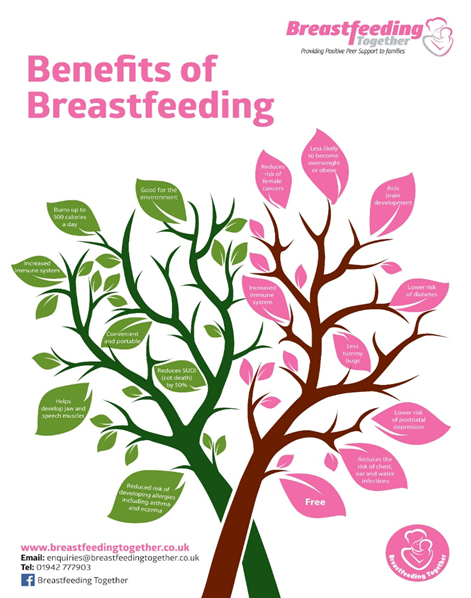
Figure 1:breastfeeding benefits
BENEFITS OF BREASTFEEDING FOR WOMEN’S HEALTH
A positive relationship between breastfeeding and reduced incidence of diseases such as breast cancer, certain types of ovarian cancer, and bone fractures, mainly hip fractures caused by osteoporosis. There is also evidence that breastfeeding reduces the risk of death from rheumatoid arthritis.
If compared to the advance of the knowledge about the role played by breastfeeding and human milk in the infants. health, the knowledge about the benefits of breastfeeding for women is scarce, and, therefore, bone fractures due to osteoporosis. This topic must be further investigated in the next decades.
1) Breast cancer:
The word “cancer” refers to hundreds of different malignancies that share similar fundamental properties, being a health issue that demands continuous action. The earliest case of breast cancer was reported in the Edwin Smith Surgical Papyrus, a text from ancient Egypt, found in 1860, describing 8 cases of breast tumors or ulcers, stating there was no treatment. (Costa et al. 2020) Numerous studies have examined the connection between breastfeeding and breast cancer. At one point in time, there was debate over whether the protection of breastfeeding prevented breast cancer for the duration of the reproductive cycle or if it was associated with menopause. (Rea 2004)Breastfeeding has enormous benefits for both the mother and child. Babies who are breastfed have a reduced risk of death from infectious diseases, (Sankar, M. J.; Sinha, B.; Chowdhury, R.; et al., 2015), hospitalisation for diarrhea, and fewer respiratory and ear infections Children who were breastfed may have a reduced risk of asthma and allergic rhinitis but the evidence for this is not as strong Children and adults who were breastfed have a reduced risk of obesity and type 2 diabetes. (Lodge CJ, Tan DJ, Lau MXZ, et al., 2015)Mothers who breastfeed have a reduced long?term risk of cardiovascular disease, diabetes, breast and ovarian cancer. The longer the duration of breastfeeding, the greater the reduction in risk of disease. Breast cells are where breast cancer first develops. A collection of cancer cells known as a cancerous tumor is capable of spreading into and destroying nearby tissue. As well as spreading throughout the body, it can. Breast cells occasionally undergo changes that prevent them from growing or behaving normally. Non-cancerous breast conditions, atypical hyperplasia, and cysts may result from these changes. Additionally, they may result in benign tumors like intraductal papillomas. (Sinha T, 2018) . Risk factors for developing breast cancer among women Personal history of breast cancer, Breast and other types of cancer in the family history, Mutations in the BRCA gene, Large breasts, The late menopause, Whether there are late or no pregnancies,Hormonal replacement treatment, Being overweight, estrogen. Breast cancer in humans is diagnosed by mammography, ultrasound, biopsy, core biopsy, a lymph biopsy, and fine needle aspiration.
2) Ovarian cancer:
When compared to other cancer types, ovarian cancer has one of the highest death rates. It kills more people in the US than endometrial and cervical cancer combined. The low post-treatment survival rate indicates the need for increased funding for its prevention. Although it typically does not affect young women and girls, ovarian epithelial cancer is the most common type of ovarian cancer (nine out of ten cases) and occurs at the same rate in both ovaries. According to studies, the following protective factors are linked to ovarian cancer in decreasing order of significance: application of oral contraceptives; pregnancy and lactation; hysterectomy and Fallopian tube ligation; prophylactic oophorectomy; and avoidance of exposure to disease-related substances like talcum powder, hormone therapy, and infertility medications (National Cancer Institute, 2004).
1. Breastfeeding reduces ovarian cancer risk: Epidemiological studies show that women who breastfeed for a longer duration have a lower incidence of ovarian cancer. Mechanism: Lactation suppresses ovulation → fewer lifetime ovulatory cycles → less damage to ovarian epithelial cells. (Collaborative Group on Epidemiological Studies of Ovarian Cancer, 2002)
2. Duration matters: Research indicates that longer cumulative breastfeeding duration (≥12 months) provides a stronger protective effect against ovarian cancer. The protective effect is dose-dependent: the longer the breastfeeding period, the greater the risk reduction. (Horta, 2003)
3. Mechanism explanation: Hormonal changes during breastfeeding (lower estrogen levels, progesterone fluctuations) contribute to reduced ovarian epithelial stimulation, which decreases cancer risk. Lactation-induced amenorrhea reduces the total number of ovulations in a woman’s lifetime → lowers mutations in ovarian cells. (Cancer. C. G., 2002)
3) Bone fractures due to osteoporosis:
Osteoporosis is a condition characterized by low bone mass and deterioration of bone tissue, leading to increased bone fragility. This fragility makes bones more susceptible to fractures even with minor trauma, commonly called fragility fractures. (Rachner, T. D., Khosla, S., & Hofbauer, L. C, 2011).Common Sites of Fracture: Vertebrae (spine)—leads to height loss and kyphosis. Hip—associated with high morbidity and mortality. Wrist (distal radius)—common in postmenopausal women (Compston, 2017).Risk Factors: Age: Bone density decreases naturally with age Gender: Women are more at risk, especially postmenopausal. Lifestyle: Low calcium/vitamin D intake, physical inactivity, smoking, and alcohol use Medical conditions: Rheumatoid arthritis, endocrine disorders, and long-term corticosteroid use (Kanis, 2013).Clinical Significance Osteoporotic fractures are associated with increased morbidity, reduced quality of life, and high healthcare costs. Hip fractures are particularly severe: 20–30% of patients may die within a year due to complications. (Johnell, 2006)
4) Rheumatoid arthritis:
Rheumatoid arthritis is a chronic, systemic autoimmune disorder that primarily affects the synovial joints, leading to inflammation, pain, stiffness, swelling, and eventual joint destruction. It can also affect other organs such as the lungs, heart, and eyes. RA is characterized by symmetric joint involvement and can cause progressive disability if untreated. (Firestein, 2017)
Epidemiology: Affects approximately 0.5–1% of the global population, with higher prevalence in women. (Smolen, 2016)
Causes: Autoimmune response → body attacks its own synovial tissue. Genetic predisposition (HLA-DR4 gene) and environmental triggers (smoking, infections) (: McInnes, 2017)
Symptoms: Joint pain, swelling, morning stiffness >1 hour Symmetric joint involvement (commonly hands, wrists, and knees). Fatigue, low-grade fever, loss of function
5) Weight loss after the delivery:
Weight loss after delivery (postpartum weight loss) refers to the natural reduction in body weight that occurs in mothers after giving birth. It results from several physiological processes, including the loss of pregnancy-related fluids and tissues (amniotic fluid, placenta, blood volume), hormonal changes, and increased energy expenditure—especially for mothers who breastfeed. Breastfeeding plays a major role because it burns extra calories, mobilizes stored fat, and supports gradual, healthy postpartum weight reduction.
1. Increased Calorie Expenditure: Breastfeeding increases daily energy expenditure because producing breast milk uses approximately 400–600 calories per day. This additional calorie burn helps mothers lose pregnancy-related weight more quickly. (KG, 19998)
2. Mobilization of Fat Stores: During pregnancy, the body stores extra fat to prepare for breastfeeding. Lactation naturally uses these fat reserves, especially from the abdomen, hips, and thighs. (MC, 2014)Faster Uterine Involution. Breastfeeding triggers oxytocin, which helps the uterus contract and shrink faster. This process contributes to reduction in belly size and overall postpartum body slimming.
6) Lactational amenorrhea:
Lactational amenorrhea is the natural postpartum infertility that occurs when a woman is exclusively breastfeeding. It happens because frequent suckling suppresses the hormones needed for ovulation, preventing the return of menstruation. When practiced correctly, it can also be an effective temporary method of contraception for up to 6 months after childbirth. (Labbok, 1990)
7) Final considerations:
Lactational amenorrhea is an important component of postpartum health because it provides natural, temporary protection from pregnancy during the first six months when exclusive breastfeeding is practiced (WHO, 2013). Its effectiveness relies on the hormonal suppression of ovulation caused by frequent suckling, which delays the return of fertility in most women (McNeilly, 2001). When applied correctly as the Lactational Amenorrhea Method (LAM), it offers up to 98% contraceptive effectiveness, comparable to modern short-term methods (Kennedy & Visness, 1992).
BENEFITS OF BREASTFEEDING FOR THE INFANT:
Breastfeeding provides ideal nutrition and essential antibodies that support an infant’s healthy growth, strengthen the immune system, and protect against common infections and illnesses.
1) Breastfeeding supports healthy brain development in infants and children: Breastfeeding has been linked to improved cognitive outcomes in children, according to numerous studies conducted in various countries. (Guxens M, 2011) Studies have revealed that kids who were breastfed more. Throughout their early years, infants had better cognitive outcomes more often and for longer periods of time. (Leventakou V, 2015) Additionally, it has been suggested that starting breastfeeding as soon as possible after birth can reduce the likelihood of cognitive impairments. (Bernard JY, De Agostini M, Forhan A, 2013). Although there is evidence that early breastfeeding may have an impact on cognitive development, a clear causal relationship cannot be established. (Fenson L, 2006)
2) Breastfeeding and Brain Development in Children: The impact of breastfeeding on cognitive development has been extensively studied using electroencephalography (EEG) and magnetic resonance imaging(MRI). (Diepeveen FB, 2017) nursing, delays the brain's peak myelination compared to formula feeding, which may affect different developmental trajectories, according to an analysis of EEG spectral power in infants. (Jing HK, 2010)Longer nursing stays result in increases in white matter volume, cortical thickness, and total brain volume. (Deoni SC, 2013). Studies show that breastfeeding influences the timing of myelination, which affects white development of the matter tract, particularly in areas associated with higher-order cognitive and socioemotional processes. (Isaacs EB, 2010). Studies reveal that nursing results in an extended white window for matter development in contrast to formula feeding and the existence of DHA (Docosahexaenoic Acid) and ARA (Arachidonic Acid) in formula aids but does not entirely replicate The effects of breastfeeding. (Isaacs EB, 2010)
3) Breastfeeding and Social and Emotional Development in Children: It has been demonstrated that breastfeeding benefits children's cognitive and brain development. For example, compared to formula-fed infants, breastfed children have been shown to display more negative affect at three months of age. cognitive and brain development. (LauzonGB, 2012) However, there is also evidence that it influences children's social and emotional development. Breastfeeding may influence an infant's temperament, according to certain studies. At 3 months of age, for instance, breastfed children have been found to exhibit more negative affect than formula-fed infants (Taut C, 2017) Negative traits like fussiness are also associated with longer breastfeeding times in infants . (Kielbratowska B, 2015)The opposite was found in another study, which showed that At three months of age, mothers thought their breastfed children had more "vigour," as shown by increased approach and activity. (Shelton KH, 2011)
4) Breastfeeding's impact on kids' mental and social growth is something to think about: Breastfeeding has been linked to less instances of antisocial behaviour and abnormal social development like autism spectrum disorder, as well as increased cognitive ability and facilitated brain growth. However, there are a number of considerations to make before diving into this area of study. (Lucas RF, 2015)To begin, it is challenging to compare studies since the independent variable, breastfeeding, is generally measured differently between studies. Some of the studies looked at breastfeeding as a continuous (quantitative) measure, such as the percentage of meals still breastfed or the length of time the baby was exclusively breastfed, while others looked at it as a dichotomous (qualitative) measure, comparing breastfeeding and not breastfeeding. Another group of studies examined the effects of breastfeeding on several outcome indicators and they discovered that the timing of breastfeeding initiation was a crucial contributor. (Krol KM, 2015)
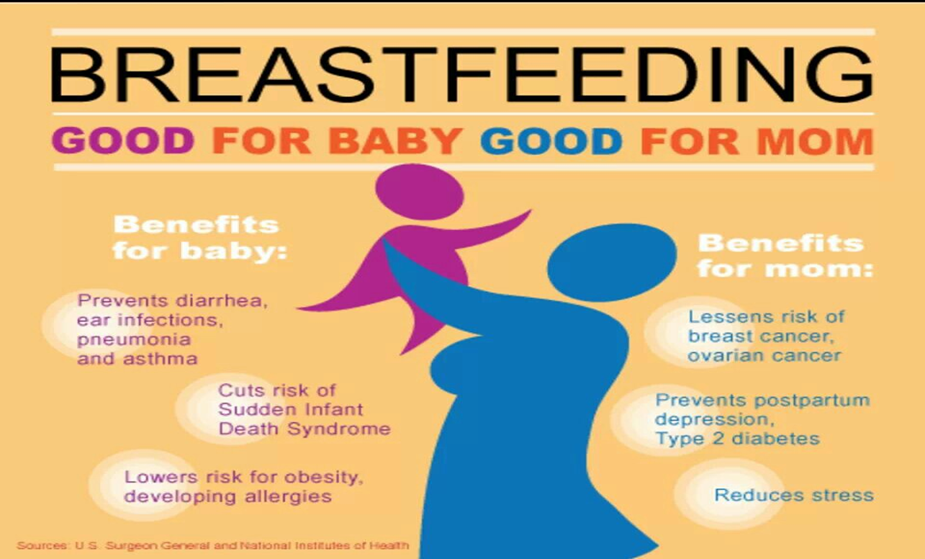
Figure 2
COMPOSITION OF HUMAN BREAST MILK
Human breast milk contains vitamins, minerals, digestive enzymes, hormones, and carbohydrates, protein, and fat. It contains a lot of bioactive substance and immune cells such as macrophages. Both bioactive substances derived from proteins and lipids and indigestible molecules derived from proteins, such as oligosaccharides, are present. (WA, 2013). The composition of human breast milk is illustrated in Figure 2.
To prevent the spread of bacteria like Salmonella, Listeria and Campylobacter in a baby's digestive system, Human Milk Oligosaccharides (HMOs) flood the area with decoys that bind the pathogens and keep them away from the intestinal wall. In addition, oligosaccharides aid in colonizing up to 90% of the developing biome, which is essential for the development of a healthy innate and adaptive immune response. Figure 1 shows the components of human breast milk. (Arthur IE, 2012)
Pumping of Breast Milk: Breastfeeding mothers may need to express the breast milk using a pump. Breast milk expression has various benefits. Breast milk production is subject to the laws of supply and demand. While the mother is at work, running errands, or if infant is unwell and has temporarily stopped nursing, pumping is a method to keep breasts consistently stimulated. (PP, 2001)
ADVANTAGES OF BREASTFEEDING
Faster Postpartum Recovery Breastfeeding stimulates the release of oxytocin, which helps the uterus return to its pre-pregnancy size and reduces postpartum bleeding (Organization., 2022)Reduced Risk of Breast Cancer Mothers who breastfeed have a significantly lower lifetime risk of developing breast cancer (Victora, 2016), Lower Risk of Ovarian Cancer Breastfeeding is associated with reduced ovarian cancer risk due to hormonal changes during lactation (Luan, 2013), Reduced Risk of Type 2 Diabetes Women who breastfeed for longer durations have a lower risk of developing type 2 diabetes (Gunderson, 2015), Lower Risk of Postpartum Depression Breastfeeding helps stabilize maternal hormones and increases oxytocin, improving mood and bonding. (Dias, 2015)Enhanced Maternal-Infant Bonding Skin-to-skin contact and hormonal release during breastfeeding strengthen emotional bonding (Britton, 2019) , Natural Child Spacing Exclusive breastfeeding delays the return of fertility through lactational amenorrhea. (Perez, 2019), Economical and Convenient Breastfeeding is cost-free, always available, and requires no preparation. (Smith, 2013)
STORAGE OF BREAST MILK
Extracted milk can be used right away or kept securely for later use. Storage conditions subjected to change for newborns that are preterm or unwell. A clean container or a disposable milk storage bag should be used to store milk. Wastage of milk was reduced by storing 2-4 ounces of milk in each container. An airtight seal was ensured by using a solid cap and the bottle was soaked in a basin of hot water (or rinsed under running water) until the milk was at room temperature. The process of rapidly heating milk has been found to result in the degradation of its nutritional content, while also posing a potential risk of causing thermal injuries to a baby's oral cavity. (Dieterich CM, 2013)It is recommended to employ clean, food-grade containers or specialized breast milk storage bags for the purpose of storing expressed milk. It is important to ensure that the containers are fabricated from either glass or plastic materials and that the lids possess a secure and tight fit. The expressed or pumped milk is kept at a temperature of 77ºF or lower for 4 hr, it will not spoil. The maximum duration for refrigeration is four days. (N., 1933)

Figure 3:STORAGE OF BREAST MILK
TOP CHALLENGES THAT BREASTFEEDING MOTHERS FACE
Breastfeeding, while beneficial for both mother and infant, is often accompanied by several challenges that can affect initiation and continuation. One of the most common difficulties is latching and positioning problems, especially in the early days postpartum. When an infant does not latch properly, it can lead to nipple pain, inadequate milk transfer, and frustration for the mother. Incorrect positioning also contributes to discomfort and may reduce feeding efficiency, increasing the likelihood of early breastfeeding cessation. (World Health Organization, 2020)
Another significant challenge is nipple pain and breast complications, such as engorgement, mastitis, and cracked nipples. Nipple pain is one of the leading reasons women stop breastfeeding within the first month. Engorgement occurs when the breasts become overly full, causing swelling and discomfort, while mastitis is an infection that leads to fever, pain, and inflammation. These conditions make breastfeeding difficult and may require medical attention if not addressed early (Amir, 2014)
Many mothers also struggle with concerns about low milk supply, whether real or perceived. Even when milk production is adequate, mothers may worry that their infants are not receiving enough nutrition, especially if babies feed frequently or cry often. In some cases, medical conditions such as hormonal imbalances or previous breast surgery can affect milk supply, but in most cases, insufficient milk is a misconception rather than a physiological issue (Kent et al., 2016)
Workplace and societal barriers represent another major challenge for breastfeeding mothers. Returning to work shortly after birth, lack of maternity leave, and limited access to private lactation spaces can make it difficult to continue breastfeeding. Additionally, social stigma or lack of breastfeeding-friendly environments in public spaces can further discourage mothers. Supportive work policies and community acceptance are crucial for improving breastfeeding duration (Rollins et al., 2016).
Lastly, a lack of professional and social support significantly impacts breastfeeding success. Mothers who do not receive adequate guidance from healthcare providers or encouragement from family members often struggle to maintain breastfeeding. Misleading cultural beliefs, inconsistent advice from professionals, and limited access to lactation consultants compound the challenge. Adequate support—especially in the early postpartum period—is strongly linked to longer breastfeeding duration and greater maternal confidence (Renfrew et al., 2012).
STUDY INSIGHTS
Breast Milk Expression and Attitudes Among Working Mothers:According to the 2018 Baby Friendly Hospital Initiative recommendations, at least 80% of mothers of both preterm and full-term infants should be able to describe or show the process of milk expression. The percentage of women who felt they had adequate knowledge about pumping and storing breast milk was 34%. Knowledge was higher among individuals who regularly expressed milk (47%) than those who did not (25%). Having tertiary education had an Odds Ratio (OR) of 4.5 (95% CI 2.01, 11.07) and working in the public sector had an or of 2.26 (95% CI 1.33, 3.85), both of which were significantly associated with a higher likelihood of having satisfactory knowledge. Higher education was associated with more knowledge regarding breast milk expression in a 2016 research of 499 women in Saudi Arabia (p 0.001). One possible explanation for this is that more women now have the means to buy breast pumps and other equipment for storing and transporting breast milk. (Abuhammad S., 2018)Positive opinions towards breast milk expression and preservation were reported. The vast majority of respondents (83%) were aware that consuming just breast milk for the first six months of life is optimal for both the baby and the mother. Also, 76% thought it was fine for newborns to drink their mothers' expressed milk. Working mothers are optimistic that they can achieve exclusive breastfeeding with the help of milk expression and storage. However, half of the moms in the poll said that expressing milk hurt and the other half said it was a hassle. Working mothers in Kenya identified a lack of time as a barrier to milk expression, with the hand expression technique being seen as particularly time-consuming. (Thompson L., 2008)
IMPORTANT FACTORS TO EXAMINE
The use of traditional and herbal remedies during nursing raises issues due to their lack of regulation. Breast milk contains all traditional and herbal medications, which means they might potentially harm your infant. There is a lack of sufficient data to establish the safety of herbal and traditional medications during nursing. There is a lack of scientific evidence for the efficacy of several herbal and traditional remedies. Unfortunately, not all products derived from herbs or traditional medicines have been adequately regulated to guarantee their quality. (B., 2000)
CONVENTIONAL HERBAL AND TRADITIONAL REMEDIES( (Qutah KM, 2015)
Aloe Vera
Aloe vera gel is used for the purpose of facilitating the healing process of fissured nipples. Prior to breastfeeding, it is advisable to eliminate aloe gel from the nipple regions due to the potential impact of its bitter taste on the feeding process. Aloe vera latex is a yellow-hued fluid derived from the inner epidermis of the aloeleaf. It may be ingested orally in either the dehydrated or liquid state. Refrain from consuming aloe vera latex due to its potent laxative properties. (Güder DS, 2013)
Cranberry
Cranberry may be used as a preventive measure against urinary tract infections in lactating women. There is a lack of data about the safety and effectiveness of the drug while nursing. However, it is deemed safe to use when taken at the prescribed dosages.
Echinacea
Echinacea is often used for the treatment or prevention of upper respiratory tract infections. There is a lack of data about the safety and effectiveness of echinacea in relation to breastfeeding. When consuming echinacea while nursing, be vigilant for potential adverse effects in your infant, including diarrhoea, constipation, inadequate eating and skin irritations.
Fenugreek
Historically, fenugreek has been used to enhance lactation. The extent to which fenugreek is transferred into breast milk is uncertain and there have been reports of uncommon adverse effects in infants, including allergies, colic, gastrointestinal pain and diarrhoea. Additionally, fenugreek has the capacity to interact with other medications.
Garlic
Garlic is generally considered safe when used in typical culinary quantities. Garlic has the potential to alter the odour of mother's milk and impact your baby's ability to consume it. There is a lack of data about the safety of supplements containing garlic while nursing.
Ginger
Ginger is generally considered safe when consumed in typical culinary quantities. Refrain from consuming significant quantities of ginger during nursing due to little knowledge on its safety.
Raspberry leaf
Raspberry leaf is considered safe for use as a tea while nursing. It is advisable to refrain from using raspberry leaf supplements due to the scarcity of safety data available
Fennel
Historically used to stimulate lactation and enhance digestive processes. Fennel seeds may be infused to create an herbal tea
Alfalfa
Occasionally used to enhance milk production as a result of its abundant nutritional composition.
BREAST MILK EXPRESSION AND ATTITUDES AMONG WORKING MOTHERS
Breast milk expression has become increasingly important as more women enter the workforce (WHO, 2023).
For working mothers, expressing milk allows them to continue breastfeeding after returning to work (CDC, 2022).This practice helps mothers meet global recommendations for exclusive breastfeeding during the first six months of life (WHO, 2023).
Working mothers often rely on breast pumps to maintain milk supply and provide stored milk for their infants during working hours (Ortiz et al., 2004).
Research shows that workplace facilities and employer support greatly influence successful milk expression (Tsai, 2014).Private lactation rooms and flexible break schedules significantly increase the likelihood of consistent milk expression (Aikawa et al., 2015).
Various factors affect expression practices among working mothers (Bai et al., 2015).
Full-time employees with rigid schedules face more challenges than part-time workers (Tsai, 2014).
Access to efficient breast pumps improves the frequency and volume of expressed milk (Ortiz et al., 2004).
Workplaces with appropriate infrastructure—clean, private rooms and storage spaces—enable mothers to express milk more comfortably (Aikawa et al., 2015).
Attitudes toward breast milk expression differ widely among mothers (Brown & Davies, 2014).
Positive attitudes come from the belief that breast milk provides ideal nutrition and emotional bonding (WHO, 2023).
Some mothers feel empowered when they successfully manage employment and breastfeeding (Brown & Davies, 2014).Negative attitudes arise from stress, embarrassment, lack of privacy, and fear of losing milk supply (Bai et al., 2015).Cultural expectations and social support also shape how mothers perceive milk expression (Brown & Davies, 2014).Workplace support plays a major role in breastfeeding continuation (Tsai, 2014).Organizations such as the WHO recommend strong workplace support systems for breastfeeding mothers (WHO, 2023).Many countries legally require employers to provide break time and private spaces for pumping (CDC, 2022).
Educating employers and normalizing breastfeeding in work environments can improve mothers’ experiences and outcomes (Brown & Davies, 2014).In conclusion, breast milk expression among working mothers is influenced by personal, social, and workplace factors (Bai et al., 2015).Although many mothers aim to continue breastfeeding after returning to work, their success depends heavily on the support they receive (Tsai, 2014).Providing adequate workplace facilities, flexibility, and emotional support is essential for helping mothers achieve their breastfeeding goals (CDC, 2022).
Studies on Nongalactogogue Herbs Used During Breastfeeding
|
Herb |
Genus and species |
|
Fenugreek seed |
rigonella foenum-graecum |
|
Marshmallow root |
Althaea officinalis |
|
Fennel seed |
Foeniculum vulgare |
|
Anise seed |
PimTpinella anisum |
|
Goat’s rue herb |
Galega officinalis |
St John’s wort (SJW) (Hypericum perforatum), often used for postpartum depression (Organization, 2001) and garlic, often used for upper respiratory tract infection (RA., 2000) (Allium sativum) (Table 1). Garlic is a popular culinary and medicinal herb, often used to lower blood pressure, to relieve the symptoms of colds and flu, and as a gut antimicrobial. Mennella and Beauchamp. (JA, 1991)and (Mennella JA, 1993).
RESULT:
Breastfeeding significantly improved infant nutritional status with optimal weight gain and growth parameters. A consistent reduction in infectious diseases (diarrhea, respiratory infections, otitis media) was reported among breastfed infants compared with formula-fed infants.
Final Result Statement: Overall results indicate that breastfeeding provides substantial short-term and long-term health advantages for both infants and mothers across nutritional, physiological, psychological, and economic parameters.
DISCUSSION:
The findings reinforce WHO and UNICEF recommendations that breastfeeding is the optimal feeding method for infants due to its superior nutritional and immunological composition. The decreased incidence of infectious and chronic diseases among breastfed infants highlights the importance of exclusive breastfeeding for the first 6 months.
CONCLUSION
Breastfeeding plays a pivotal role in promoting optimal neonatal, infant and maternal health. From its initiation in the 1st hr after birth to its multifaceted impacts on cognitive, emotional and physical well-being, breastfeeding offers a wide array of benefits. This comprehensive review highlights the complex interplay of factors that influence breastfeeding, from biological and attitudinal characteristics to social variables. It emphasizes the importance of proper education, support and interventions to address these determinants and promote successful breastfeeding experiences. The review underscores breastfeeding's role in cognitive development, brain maturation, social-emotional growth and even its potential implications in preventing autism spectrum disorder. The psychological benefits of breastfeeding for mothers are also highlighted in the review. These benefits include lower stress levels, higher levels of happiness and maybe lessened symptoms of postpartum depression. By understanding the multidimensional impact of breastfeeding on both infants and mothers, healthcare professionals can offer tailored support, foster strong maternal-infant bonds and contribute to better overall health outcomes. Ultimately, this comprehensive exploration reinforces the importance of a holistic approach to breastfeeding promotion and underscores the need for ongoing research to unravel the intricate connections between breastfeeding and health across the lifespan.
REFERENCES


Dnyaneshwari Sultane, Satish Lodhe, Dr. Shivshankar Mhaske, Breastfeeding Benefits: A Comprehensive Review of Maternal and Infant Health Outcomes, Int. J. of Pharm. Sci., 2025, Vol 3, Issue 12, 2549-2565. https://doi.org/10.5281/zenodo.17942876
 10.5281/zenodo.17942876