

We use cookies to ensure our website works properly and to personalise your experience. Cookies policy
K.K College of Pharmacy, Gerugambakkam, Chennai 600128
Stimuli-responsive in situ gelling devices, which provide site-specific, long-lasting, and minimally invasive therapeutic interventions, have emerged as a groundbreaking drug delivery platform. They are designed to maximize therapeutic efficacy at the target site while minimizing the frequency of doses. Below is an overview of recent developments in dual-stimuli-sensitive hydrogels and in situ gels, with an emphasis on their uses in cancer, gastrointestinal, ophthalmic, and nasal treatments. More specificity in drug delivery is demonstrated by systems that are activated by pH, temperature, reactive oxygen species (ROS), enzymes, and magnetic fields, especially in difficult environments like the colon, malignancies, and inflamed mucosa. Important developments include ROS/enzyme-responsive oral platforms for colorectal cancer, lipid mesophase gels for ulcerative colitis, and thermo-ion-sensitive gels for glaucoma treatment. Gelation, muco-adhesion, and biodegradability can now be altered by combining natural polymers (alginate, carrageenan, and chitosan) with synthetic agents (poloxamers, PNIPAAm). When compared to traditional formulations, in vitro and in vivo studies consistently demonstrate improved bioavailability, decreased systemic toxicity, and more positive therapeutic outcomes. Despite encouraging outcomes, issues with scale-up, long-term safety, and regulatory approval still exist. The therapeutic potential of intelligent in situ gels to transform personalized medicine is highlighted in this review, which also encourages more interdisciplinary research to optimize their clinical use.
The ‘in situ gel’ system has become one of the most promising novel drug delivery methods; it facilitates sustained and controlled drug release through its characteristic ‘Sol to Gel’ transition. (1) The aim in designing these systems is to decrease dosing frequency or enhance drug effectiveness by localizing the drug at the site of action, which reduces the required dose or ensures uniform drug delivery. (5) In situ gel-forming drug delivery systems primarily release drugs in a controlled manner, maintaining relatively stable plasma levels. (2) These systems are solutions before entering the body, but transform into gels under various physiological conditions. The sol-to-gel transition depends on various factors, including temperature, pH changes, solvent exchange, UV radiation, and the presence of specific molecules or ions. Advantages of the ‘in situ gelling system’ include easy application, reduced dosing frequency, and protection of the drug from environmental influences. Various polymers, including natural, synthetic, and semi-synthetic ones, are used and are potentially suitable for oral, transdermal, ocular, buccal, intraperitoneal, parenteral, nasal, vaginal, and rectal drug delivery systems. Some of the natural polymers used in in situ gelling systems are pectin, gellan gum, chitosan, alginic acid, guar gum, xyloglucan, xanthan gum, Carbopol, HPMC, and poloxamer, among others. There are several applications and advantages of an in situ gelling system in today’s life. (1)
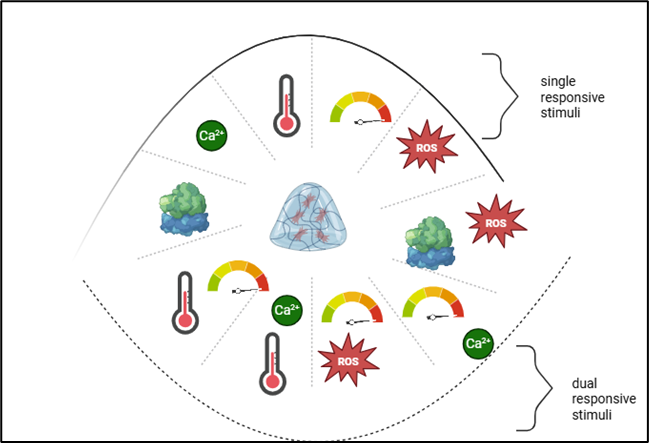
Figure 1. Illustrative diagram of single responsive stimuli & dual responsive stimuli in situ gel.
2. IMPORTANCE OF IN SITU GEL (1)
3. ADVANTAGES (1)
Disadvantages of in situ gel system: (4)
Although several advances have been made in using in situ gels, there are some disadvantages associated with their use. Drug loading in in situ gels is limited, particularly for hydrophobic drugs and lower mechanical strength, which may result in premature dissolution or flow away of the hydrogel from a targeted local site. This study primarily focuses on a dual-stimuli-responsive in situ gel that overcomes the premature dissolution of the hydrogel at the targeted local site.

Figure 2. Schematic flow diagram of approaches involved in the preparation of a smart In situ gel
4.1. TYPES OF STIMULI
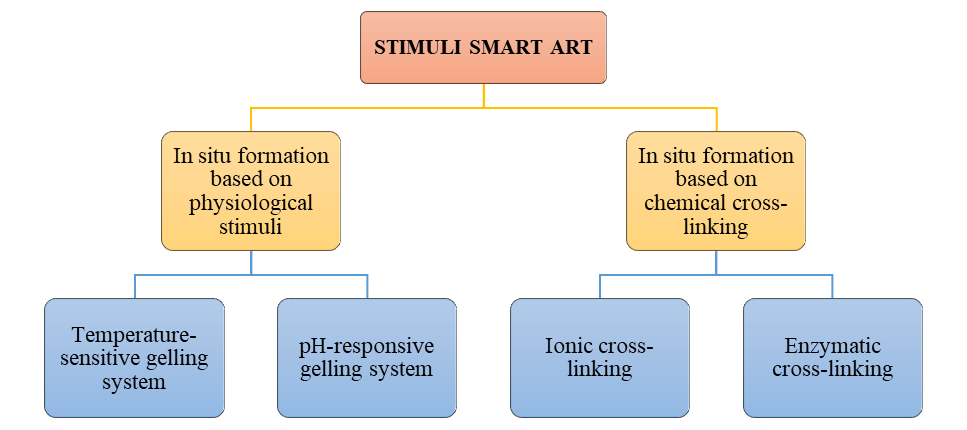
Figure 3. Workflow diagram of types of stimuli
4.1.1. In-situ formation based on physiological stimuli:
4.1.1.1. Temperature-sensitive gelling system:
Temperature-sensitive hydrogels are among the most studied environment-responsive polymer systems in drug delivery. Using biomaterials that transition from a sol to a gel with rising temperature offers an effective method for in situ formation. There are three primary strategies for engineering thermo-responsive sol-gel polymer systems. To clarify, these hydrogels are classified as negatively thermo-sensitive, positively thermo-sensitive, and thermally reversible gels. (5) Carone et al. and Aleandri et al. leverage the biocompatible and biodegradable structure of lipid mesophases and lipid gel to develop a temperature-triggered in situ forming lipid gel for topical colitis treatment. They noted that such temperature-triggered gels could help improve colitis symptoms and reduce adverse effects associated with systemic immunosuppressive therapies, which aim to deliver a high dose only at the inflammation site. (5,6) Chen et al. explain that a thermosensitive in situ and adhesive gel consisting of 0.002% budesonide, 0.74% HPMC, 4.87% F-68, and 19.0% F-127 was developed. Furthermore, the in vivo behavior of the gel was evaluated. In comparison with budesonide solution, rectal administration of budesonide gel at 0.1 mg/kg in rats resulted in a relative bioavailability of 230%, accompanied by a significant increase in rectal uptake. (9)
Another formation of in-situ gel based on physiologic stimuli is the formation of gel induced by pH changes. All pH-sensitive polymers contain pendant acidic or basic groups that either accept or release protons in response to changes in environmental pH. Polymers with a large number of ionizable groups are known as polyelectrolytes. (5) The pH of the rectal environment is normally neutral (7.0-8.0); however, it can vary due to illness, local inflammation, or exogenous substances. In this respect, pH-responsive polymers can take advantage of such subtle modulations to induce gelation or drug release. Eissa et al. They use chitosan/GMO, which has many benefits, including boosted mucoadhesion. Collectively, the synergistic impact of the CH/GMO pH-triggered in situ gelling system is beneficial for medication targeting, ensuring easy application of the rectal dosage and maintenance. (8)
Ionic cross-linking Polymers may undergo a phase transition in the presence of various ions. Some of the polysaccharides fall into the class of ion-sensitive ones. In-situ gelling in the presence of mono- and divalent cations, including Ca2+, Mg2+, K+, and Na+. Divalent cations, especially Ca2+, can cause gelation of the low-methoxy pectins. Likewise, alginic acid undergoes gelation in the presence of divalent/polyvalent cations. (5) Changes in the concentration and constitution of ions in body fluids and on mucous membranes can be leveraged to trigger the release of drugs, initiate a phase transition, or produce a diagnostic signal. For instance, the ions that are naturally found in body fluids and on mucous membranes can serve as cues for adhesive and topical treatments. (10) Sandra Aulia Mardikasari et al. optimize ion-triggered in situ gel for amoxicillin-loaded bovine serum albumin nanoparticles local nasal delivery using Qbd to enhance treatment efficacy. (24)
In-situ formation catalyzed by natural enzymes has not been investigated widely but seems to have some advantages over chemical and photochemical approaches. For example, an enzymatic process operates efficiently under physiologic conditions without the need for potentially harmful chemicals such as monomers and initiators. (5) These gels undergo either reversible or irreversible modifications in their chemical and physical characteristics, triggered by enzyme activity. (10)
The phase transition mechanism depends on notable changes in polymers' water solubility, which is influenced by hydrophobic and hydrophilic groups within their structure. Increasing temperature causes a rearrangement of polymer–water interactions, leading to rapid dehydration and polymer precipitation. Amphiphilic polymers, which form self-assembled micelles above the critical micellar concentration, undergo gelation as the temperature rises. When the temperature surpasses the critical micellar temperature (CMT), organized micelle packing results in gel formation. Common thermo-sensitive polymers used in drug delivery include poly(N-isopropylacrylamide) (PNIPAM), poloxamers (Pluronic®), and cellulose derivatives. Some anionic polysaccharides like alginate (ALG), gellan gum (GG), and pectin (PEC) are ion-sensitive; they cross-link with monovalent (Na+) or divalent (Mg2+, Ca2+) cations present in bodily fluids like saliva, tears, and nasal fluid. This cross-linking induces a sol–gel transition, creating a robust gel. The type and amount of cations affect the viscosity of the cross-linked polymer and the speed of the sol-gel transition. pH-sensitive polyelectrolyte polymers contain ionizable weakly acidic (carboxylic or phosphoric) or weakly basic (ammonium) groups. Changes in pH alter their ionization, causing conformational shifts and solubility changes that lead to gelation. Factors like polymer molecular weight, temperature, and ionic strength of the biological medium also play significant roles. Typical pH-sensitive polymers include polyacrylic acid (PAA) and chitosan. For mucosal drug delivery, in situ gelling systems should have mucoadhesive properties to interact with mucus, thereby extending the residence time. (18)
Physical and chemical mechanisms are the two main processes involved in gel formation. Diffusion and swelling exemplify physical methods for in-situ gel formation, while enzymatic cross-linking, photo-polymerization, and ionic cross-linking are considered chemical reactions. The dual stimuli-responsive in situ gels are engineered as 'smart' polymeric systems that transition from a solution to a gel upon exposure to two types of environmental stimuli (homo- or hetero-stimuli), such as temperature, pH, ionic strength, or redox conditions. These systems enable controlled drug release and site-specific gel formation. The mechanism of action of dual-responsive in situ gels involves a sol-to-gel transition triggered by two specific stimuli, allowing precise spatiotemporal control. Examples of responses to dual stimuli include temperature and pH, pH and ionic, temperature and ionic, and temperature and redox.
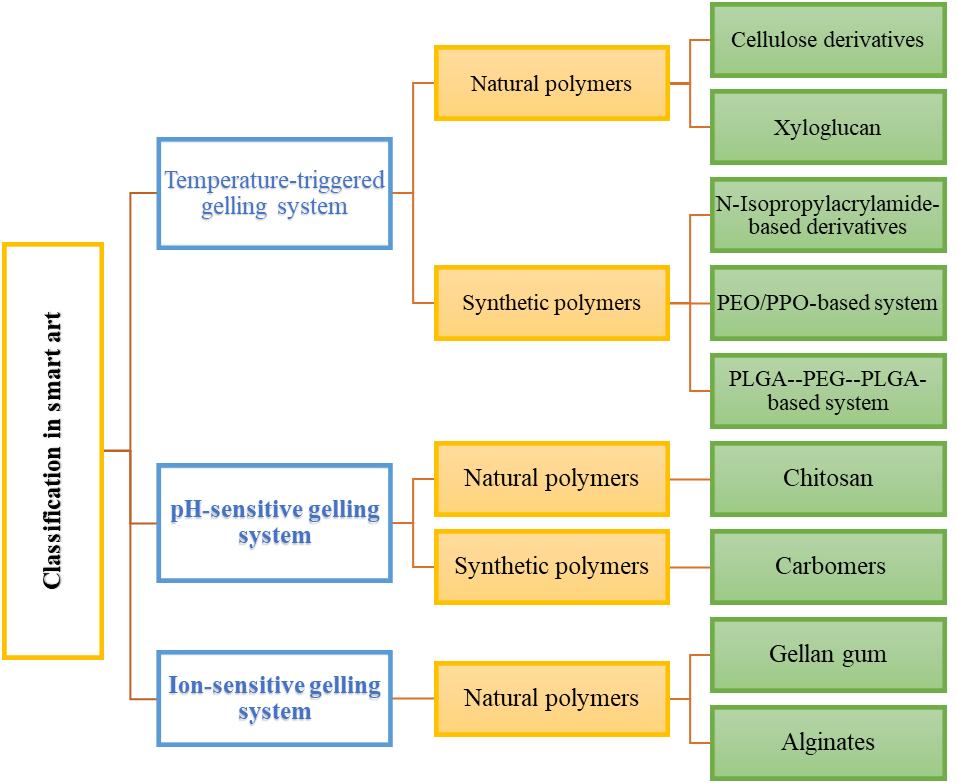
Figure 3. Workflow diagram of polymers used in In situ gel.
6.1.1. Natural polymers and derivatives:
Human beings have been blessed by several gifts from Mother Nature. Polymers with in situ gelling properties are one of them. These polymers, either alone or in combination with others, have been used in the fabrication of novel in situ gel systems with desirable properties.
6.1.1.1. Cellulose derivatives
Cellulose is a water-insoluble polysaccharide made up of a linear chain of several hundred to over ten thousand (1,4)-linked D-glucose units. Alkylating cellulose produces derivatives that form gels in situ at low concentrations (1-10%). Examples include methyl cellulose (MC) and hydroxypropyl methyl cellulose (HPMC), with phase transition temperatures ranging from 40-50°C for MC and 75-90°C for HPMC. Physical and chemical modifications, such as adding NaCl, can lower MC's phase transition temperature to around 32-34°C. A recent study investigated how different salts influence gelation and drug release; adding sodium chloride (5-7% w/v), potassium chloride (8-9% w/v), or sodium bicarbonate (5% w/v) decreased MC's gelation temperature (at 1% w/v) from 60°C to below 37°C, and prolonged drug release from about 1.5 to 3-5 hours. Although salt addition can reduce the phase transition temperature below body temperature, practical application remains uncertain due to potential disturbances in iso-osmolarity caused by high salt levels. At higher temperatures, polymer-polymer interactions likely drive the phase transition. While cellulose derivatives are rarely used alone in ocular delivery, combining them with other in situ gelling polymers can increase effectiveness. Enhanced viscosity not only extends retention time but also improves safety.
Xyloglucan is a natural polymer, derived from tamarind seeds and composed of a backbone of b-(1,4)-glucose residues with side chains of a-(1,6)-xylose partially substituted with b-(1,2)-galactoxylose. This polymer, being composed of three units of xyloglucan oligomers with heptasaccharide, octasaccharide, and nonasaccharide, possesses a different number of galactose side chains. It hardly shows any phase transition property. Yet partial degradation of this polymer in the presence of β-galactosidase imparts a thermally induced in situ gelation property. This thermal sensitivity is imparted only when the galactose removal ratio exceeds 35%. Thermally induced sol-gel transition of xyloglucan has been shown to decrease 40 to 5°C upon increasing the galactose removal ratio from 35 to 58%.
Although a large number of synthetic polymers have been fabricated with desirable thermosensitive in situ gel properties, the discussion will be restricted to derivatives used in ocular delivery. Readers interested in an in-depth understanding are directed elsewhere.
N-Isopropylacrylamide-based derivatives
N-Isopropylacrylamide (NIPAAm) -based homopolymer and its copolymers have been investigated extensively in drug delivery. An aqueous solution of NIPAAm precipitates above its LCST (32 °C). Temperature below the LCST leads to a dominant hydrogen bond between a water molecule and the polymer, resulting in dissolution of the polymer chain. Above the LCST, water molecules escape from the surrounding. polymeric chain, resulting in dominant hydrophobic attraction and gel formation.
These polymers are non-ionic ABA-type triblock copolymers consisting of a central hydrophobic poly(propylene oxide) chain flanked by two hydrophilic poly(ethylene oxide) (PEO-PPO-PEO) chains. They are more commonly known by their trade name, Pluronics. Poloxamers are available in different grades depending on the ratio of blocks and exhibit various gelation properties. Among these, Pluronic F127 is the most extensively studied polymer in pharmaceutical technology. From the initial discovery that concentrated aqueous solutions of Poloxamer can form thermoreversible gels, this polymer has come a long way. Significant efforts have been made to understand the precise mechanism behind sol-gel interconversion. A change in micellar properties based on concentration and temperature may be a key factor in this process. The association of aqueous Poloxamer solutions into micelles has been confirmed through ultrasonic velocity, light-scattering, and small-angle neutron scattering measurements. Above the critical micelle concentration (CMC), Poloxamer molecules aggregate to form micelles. A typical CMC for poloxamers used in pharmaceuticals is approximately 1 μM to 1 mM at 37 °C. Micelle formation in poloxamers is highly dependent on temperature. Below the critical micellar temperature (CMT), both PEO and PPO blocks are hydrated, and PPO remains considerably soluble in water. However, as the temperature rises, PPO chains become less soluble, leading to micelle formation.
One more synthetic tri-block polymer poly-(DL-lactic acid-coglycolic acid) (PLGA)--polyethylene glycol (PEG), The polymer in 20%w/w shows LCST at 32 °C.
pH is another important bioenvironmental parameter that varies across different routes of administration and quickly forms a gel upon receiving a bio-stimulus. The pH sensitivity of these polymers is due to ionizable groups on the polymer surface, which show a sharp change in ionization and water solubility at a specific pH (pKa).
6.1.3. Natural/Semisynthetic Polymers
Natural polymers with pH-dependent in situ gelling properties, either alone or in combination with other natural or synthetic polymers. Biodegradability and non-toxicity are the two major concerns that make these natural polymers attractive for in situ gel applications.
6.1.3.1. Chitosan
Chitosan is a deacetylated product of chitin, well known for its biocompatibility, biodegradability, and mucoadhesive properties as well. This polymer has been widely investigated in the fabrication of in situ gelling systems. Chitosan is a cationic polymer that shows pH-dependent solubility; at acidic pH (below its pKa 6.2), it remains as a clear solution, but at higher pH, that is, at physiological pH, it is converted into a soft gel. Favorable properties such as nontoxicity, bio-adhesion, and phase transition continue to attract researchers to investigate this polymer as a key constituent of in situ gel systems, either alone or in combination. Chitosan in combination with various polyol salts has also been reported to show temperature-sensitive in situ gelling properties. In the present discussion, chitosan is categorized as a pH-sensitive polymer, which is based on the combinations reported in the literature so far.
6.1.4. Synthetic polymers
6.1.4.1. Carbomers
Carbomers are high-molecular-weight polymers based on poly (acrylic acid), commonly known as Carbopol. These polymers undergo a sol-to-gel transition in aqueous solutions when the pH exceeds their pKa of approximately 5.5. Available in various molecular weights, Carbopol features linear, branched, or cross-linked structures. They demonstrate excellent mucoadhesive properties compared to other natural or synthetic polymers, such as cellulose derivatives, and have been widely studied in ocular drug delivery. Among these, Carbopol 934 is the most frequently used, composed of 62% carboxyl groups from acrylic acid units, cross-linked with allylsucrose or allylethers of pentaerythritol. The high bio-adhesion of Carbopol likely results from mechanisms such as electrostatic attraction (between positively charged sialic acid in mucus and negatively charged carboxyl groups), hydrogen bonding, hydrophobic interactions, and interdiffusion. The surface carboxyl groups make its aqueous solution acidic, which can cause tissue irritation at high concentrations. However, at very low concentrations (0.3%), Carbopol combined with MC (1.5%) produces a low-viscosity formulation that forms a strong gel under simulated physiological conditions. Similarly, the same research group developed a delivery system using Carbopol with HPMC. Their results indicated that an in situ gel system with low concentrations of Carbopol can be successfully formulated with cellulose derivatives without losing the gelling ability or viscosity.
6.4 Ion-sensitive gelling system
Certain polymers undergo phase transition in the presence of an ionic environment, which is provided by (Ca++and other ions). Hence, this property has been studied extensively for developing the in situ gel system. For this purpose, gellan gum, alginates, and β-Carrageenan have been widely investigated.
6.4.1. Gellan gum
Gellan gum is a linear, anionic heteropolysaccharide comprising glucose, glucuronic acid, and rhamnose in the molecular ratio 2:1:1 as a polymer backbone linked together to give a tetrasaccharide repeat unit. This is microbial in origin and secreted by Sphingomonas elodea. Commercially, it is known as Gelrite, which is a deacylated product of the naturally occurring polysaccharide. Although it is of microbial origin, it is safe and efficacious, which is reflected by its regulatory approval as a pharmaceutical excipient and controlled-release commercial product (Timoptic XE) for glaucoma treatment. The aqueous solution of gellan gum is a low-viscosity solution, which shows very good flowability and is converted into a stiff gel because of crosslinking of the negatively charged polysaccharide helices by monovalent and divalent cations (Na+, K+, Ca++) present in body fluid. Double helices formation and weak association between them in an ion-free environment lead to a solution with low viscosity, while cation-mediated aggregation and helices association in the presence of cations result in gel formation. Divalent cations, magnesium (Mg++) and calcium (Ca++), have been reported to be superior in causing gelation in comparison with monovalent cations.
6.4.2. Alginates
Alginate is a linear co-polysaccharide made of (1:4) linked β-D-mannuronic acid (M) and α-L-guluronic acid (G) residues. Key properties of alginate hydrogels, such as mechanical strength and porosity, heavily depend on the G: M ratios, the type of ionic cross-linker, concentration, and viscosity of the solution. The preferential interaction of calcium ions with the G moieties is believed to be responsible for the formation of a three-dimensional gel. Alginate with a high guluronic acid content (more than 65%) has been shown to form gels instantly and allows slow release over up to 24 hours, compared to alginate with a lower guluronic acid content.
7.1. ORAL DRUG DELIVERY SYSTEM
7.1.1. Orally delivered dual stimuli
Rabeh et al. studied methods to deliver poorly water-soluble compounds designed to release drugs selectively in the colon. This system responds to two stimuli-pH sensitivity and the enzymatic activity of the colonic environment, to control the release of drugs at the colon site for treating IBD. Swelling studies showed pH-responsive swelling behavior, with maximum swelling at pH 7.4 and minimum at pH 1.2 (69% versus 32%). Consequently, drug release was limited in gastric and small intestinal conditions but increased significantly when exposed to colonic conditions containing caecal matter. (21) Sampath and Charles. Studies have used magnetic core-shell hydrogel beads to deliver drugs directly to tumors via dual stimuli (pH and magnetic), improving efficacy and reducing side effects. A straightforward synthesis approach was employed to fabricate gelatin/starch-g-oleic acid/alginate core-shell hydrogel beads, HB1 and HB2 (with NiFe2O4 nanoparticles), where the core contains magnetic nanoparticles (e.g., Fe?O?) for tumor targeting via external magnets, and the shell is a polymer blend (gelatin/starch-g-oleic acid/alginate) for dual stimuli responsiveness. In vitro and in vivo studies show enhanced tumor suppression compared to free drugs. (23) Sun et al. explain that a novel oral drug delivery system was created especially to address two key issues in colorectal cancer (CRC) treatment: overcoming drug resistance and ensuring precise drug delivery. The key is that for the system to fully activate and release the drug, both ROS and the enzyme must be present. This minimizes adverse effects on healthy tissues by making it significantly more specific to the tumor site than systems triggered by a single stimulus. The goal is to deliver treatment more effectively and overcome resistance, all through a convenient oral route. (25)
7.2. OCULAR DRUG DELIVERY SYSTEM
7.2.1. Ocularly delivered dual stimuli
Pradeep Singh Rawat et al. explain that a developed dual-responsive in situ gel of nebivolol (NEB) was prepared using a combination of poloxamers (Poloxamer 407, P407) and Poloxamer 188 (P188), as well as kappa-carrageenan (CRG), which is a thermo-responsive and ion-sensitive polymer. The optimized gel exhibits mucoadhesive properties, sustained release, and reduced drug loss, resulting in fewer side effects compared to the NEB suspension, particularly in long-term glaucoma treatment. (19)
7.3. PARENTERAL DRUG DELIVERY SYSTEM
Dai et al. introduce an injectable "smart" hydrogel that quickly solidifies inside tumors, responding to their acidic pH and high reactive oxygen species (ROS) levels to release therapeutic agents. It combines ultrasound-triggered therapies (sonodynamic and chemodynamic therapy) with immunotherapy to destroy cancer cells, remodel the tumor immune microenvironment, and prevent metastasis. This novel, niche-like, multifunctional hydrogel with good biosafety offers a promising candidate for the easily metastasized triple-negative breast cancer (TNBC). (27) Khan et al. studied pH/thermo dual-responsive hydrogels as a controlled ibuprofen sodium in situ depot. They used a thermoresponsive gel depot made with Poly (N-vinylcaprolactam) and sodium alginate as polymers. The optimized hydrogel samples possessed viscoelastic properties and exhibited a phase transition temperature from solution to gel state between 32°C and 37°C. Explained thermo-induced changes due to the presence of NVCL in the hydrogel structure. In vitro degradation analysis confirmed a controlled degradation rate in a basic environment (pH = 7.4). Concluded that PNVCL/NaAlg hydrogels have both pH and thermoresponsive properties in varying environmental conditions, indicated by swelling and in vitro drug release profiles. However, the low swelling and drug release at low pH (1.2) were major limitations of the study. (22) Abd Ellah et al. Combined poloxamer and Carbopol for tunable ketamine general anesthesia in experimental animals. As the premix was mixed with the ketamine solution and injected, which underwent gel matrix and sustained release of anesthesia, it reduced the frequency of doses of anesthesia during the animal experiment. (20)
7.4. RECTAL DRUG DELIVERY SYSTEM
7.4.1. Rectally delivered dual stimuli
Zhao et al. present a locally administered, "smart" hydrogel enema designed for targeted ulcerative colitis (UC) treatment in mice. The therapy is applied rectally as a liquid that quickly gels inside the colon, adhering to the mucosa for localized, sustained drug release at inflammation sites. Quercetin, a natural flavonoid known for its anti-inflammatory, antioxidant, and immunomodulatory effects, shows promise for UC treatment but faces challenges due to poor solubility, stability, and bioavailability when administered orally or systemically. The gel's design leverages ROS and low pH to ensure drug release primarily occurs in inflamed areas, reducing release in healthy tissues. The article provides a comprehensive characterization of the gel, its responsiveness in vitro, and strong in vivo efficacy data from the DSS mouse model. (26)
Gao and Xu describe pH-responsive hydrogels as intelligent polymer materials that detect environmental pH changes. They react through physical or chemical means, like swelling, shrinking, degrading, or ion exchange. These hydrogels are crucial because many human diseases, including tumors, inflammatory conditions, and gastrointestinal disorders, involve distinct pH variations. This enables their use in targeted therapies. Highlights challenges such as scalability, long-term biocompatibility, and clinical accuracy. Prospects include adopting bioinspired designs, advanced fabrication methods like 3D printing, and personalized medicine approaches to improve their effectiveness. (28) Zhang et al. describe BPSs as hybrid materials composed of organic and inorganic parts. Their chemical structure is represented by the unit [O?. ?Si-R-SiO?. ?], with R being an organic bridge covalently attached to silicon atoms. This configuration allows BPSs to be highly customizable for biomedical applications. And emphasizes how stimuli-responsive BPSs can influence controlled release systems, reducing off-target effects and enhancing treatment efficacy. Collaboration between material science and nanotechnology is crucial to translating these innovations into clinical practice. (29) Du et al. state that Multi-Responsive Systems, which combine multiple stimuli such as pH and temperature or enzymes and magnets, enhance specificity. Advanced Fabrication, using 3D or 4D printing, enables the creation of complex structures for personalized medicine. Integration with AI, including AI-driven design, optimizes material properties and smartly monitors wound healing. (30)
CONCLUSION
The development of dual-stimuli responsive drug delivery systems marks a major advance in targeted therapy, especially for conditions like inflammatory bowel disease (IBD), colorectal cancer (CRC), glaucoma, and ulcerative colitis (UC). The reviewed studies reveal a common theme: using physiological triggers such as pH, temperature, reactive oxygen species (ROS), enzymatic activity, and magnetic fields enables precise, site-specific drug release while minimizing overall side effects. Future dual-responsive gels will evolve from simple carriers to multifunctional theranostic (therapeutic and diagnostic) platforms. This will be achieved by combining AI-guided design, closed-loop feedback, and scalable biofabrication. Focusing on patient-specific stimuli triggers, like tumor protease signatures, and utilizing biocompatible materials such as BPS composites will help bridge the gap between laboratories and clinical applications. This progress will support advancements in precision oncology and regenerative medicine.
ACKNOWLEDGEMENT:
We sincerely thank our Management, Dr. A. Meena, Principal, and Dr. A. Shanthy, Vice-Principal, for their encouragement and support for this review work.
CONFLICTS OF INTEREST:
The authors state that there are no conflicts of interest.
REFERENCES




Bhuvaneswari. K, Dhanalakshmi. P, Kumara Guru. V, Sathish Kumar. D, Comprehensive Review of Dual-Stimuli Responsive In-Situ Gel: Mechanism, Application, Int. J. of Pharm. Sci., 2025, Vol 3, Issue 10, 2622-2634. https://doi.org/10.5281/zenodo.17441540
 10.5281/zenodo.17441540