
View Article

Abstract

Dapagliflozin, a sodium-glucose co-transporter-2 (SGLT2) inhibitor, has transformed the therapeutic landscape of cardiometabolic diseases. Originally developed for glycemic control in type 2 diabetes mellitus (T2DM), dapagliflozin has demonstrated substantial benefits extending far beyond glucose lowering. Robust clinical trials have shown that dapagliflozin significantly reduces the risk of hospitalization for heart failure, slows the progression of chronic kidney disease (CKD), and lowers cardiovascular mortality—even in patients without diabetes. Its mechanism, centered on promoting glycosuria via inhibition of SGLT2 in the proximal renal tubules, leads to modest weight loss, blood pressure reduction, and diuresis, contributing to its cardio-renal protective effects. Landmark trials such as DECLARE-TIMI 58, DAPA-HF, DAPA-CKD, and DELIVER have firmly established its role across a spectrum of diseases, including heart failure with both reduced and preserved ejection fraction, as well as CKD with or without diabetes. The ability of Dapagliflozin to address overlapping pathways in diabetes, heart failure, and kidney disease marks a paradigm shift in integrated chronic disease management. It represents a shift from a glucose-centric approach to a broader, organ-protective strategy. As clinical guidelines evolve, dapagliflozin is increasingly recognized as a foundational therapy in cardiometabolic care.

Keywords

Dapagliflozin, Sodium-glucose co-transporter-2 (SGLT2) inhibitor, Cardiometabolic diseases, Type 2 diabetes mellitus (T2DM), Activities, DECLARE-TIMI 58, DAPA-HF, DAPA-CKD, DELIVER trial, Clinical disease management, Clinical guidelines, Foundational therapy

Introduction

Type 2 diabetes mellitus is a chronic metabolic disorder attributed by high blood glucose level consequent from a cumulative defect in insulin secretion and tissue resistance. According to Non-Communicable Disease Risk Factor Collaboration (NCD-RisC) reported in 2022 that 828 million people worldwide suffer from diabetes with over 95% have type 2 diabetes [1]. In 2021, the International diabetes federation (IDF) published that 537 million people were living with diabetes worldwide and about 6.5 million people aged 20-79 will die from diabetes related cause. Type 2 diabetes mellitus is a common heterogeneous disorder characterized by varying degree of insulin resistance and impaired β-cell function [2][3].There is a strong link between obesity and type 2 diabetes mellitus, which involves pathways regulated by the central nervous system (CNS) .Uncontrolled diabetes, can lead to both microvascular complications-such as diabetic nephropathy and retinopathy and macrovascular complication. It also has a direct toxic effect on pancreatic β-cells in the islets of Langerhans. Prolonged high blood glucose levels (chronic hyperglycaemia) worsen the condition by impairing both insulin secretion and insulin sensitivity phenomenon known as glucotoxicity, which contributes to the progression of type 2 diabetes[4][5]. Current treatments for type 2 diabetes mellitus (T2DM) target either the insulin signalling pathways or stimulate insulin production directly. However; these therapeutic approaches often come with limitation such as nausea and diarrhoea, while some drug classes also associated with weight gain[6][7].

Sodium-glucose co transporter 2 inhibitors (SGLT2) is also known as gliflozin, are a relatively recent class of medication used in the treatment of type 2 diabetes mellitus (T2DM).These drug target the SGLT2 protein located in the proximal tubule of kidney, which is responsible for reabsorbing glucose from the renal tubule back into the bloodstream [8] .By inhibiting SGLT2,these medication reduce glucose reabsorption, leading to increased glucose excretion in the urine and lower blood sugar level[8].SGLT2 inhibitor are highly selective for the SGT2 protein found in the kidney approximately 200-2500 times greater than SGLT1,which present both kidney and gastrointestinal tract [9]. Clinical trial has shown that SGLT2 can effectively reduce HbA1c level by 0.5 to 0.9% (equivalent to 5-9 mmol/mol) after 12 months of use. Beyond their glucose lowering effect, SGLT2 is offer additional metabolic benefits. They promote modest reduction in systolic blood pressure (approximately 2.5-5.0 mm Hg) and typically lead to an average weight loss of around 2 kilograms [10]. This weight reduction due to caloric loss through increased glucose excretion and metabolic shift towards greater reliance on ketone and fatty acid metabolism encouraging fat breakdown. [10][11][12]. For optimal effectiveness, SGLT2 is generally prescribed when the patient’s estimated glomerular filtration rate (eGFR) is above 60 mL/min/1.73 m2.If eGFR falls below 45mL/min/1.73 m2, the drug glucose-lowering efficacy relies heavily on adequate kidney function [13].SGLT2 inhibitors are now recommended as a comprehensive treatment plan for T2DM due to their additional benefits beyond glycaemic control. Numerous studies have demonstrated that these drugs also help reduce the risk of progression of chronic kidney disease (CKD) and lower the incidence of cardiovascular disease (CVD) complication [14][15][16].

Dapagliflozin, commercially known as Farxiga in the U.S and Forxiga in Europe-act as a highly selective, reversible inhibitor of SGLT2, the carrier responsible for about 90% renal absorption [17][18]. It is administered once a day orally or may be used as monotherapy in individual who cannot tolerate metformin or added to existing treatment such as metformin, sulfonylurea or insulin when glycaemic target remains unmet. By inhibiting renal glucose reabsorption, Dapagliflozin increase urinary glucose excretion and lower plasma glucose concentration, reducing the possibility severe hypoglycaemia [19][20]. Dapagliflozin has demonstrated multiple benefits including lower blood pressure and promoting weight loss. It significantly reduces the risk of cardiovascular death or hospitalization due to heart failure and has shown effectiveness in slowing the progression of kidney disease. The drug is generally well tolerated, with a low risk of hypoglycaemia and diabetes ketoacidosis. It has proven beneficial across a broad range of patient including those without a prior history of cardiovascular diseases [21]. As a leading SGLT2 inhibitor, Dapagliflozin contributes to improved glycaemic control with minimal hypoglycaemic risk, support weight reduction and may also reduce blood pressure [22] [23].
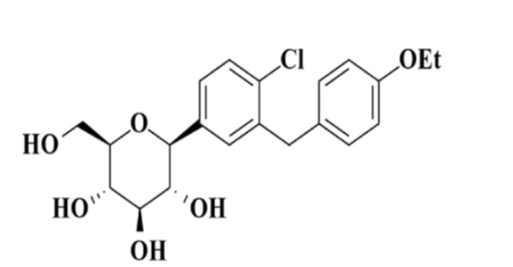
SUMMARY OF THE DRUG:

The generic name of the drug is Dapagliflozin. It has been shown at Phase 3 clinical trial. The Mode of action of the drug is as a SGLT2 inhibitor. The Indication of the drug is Type 2 diabetes mellitus. The drug may be administered in oral route [24][25].

PHARMACOKINETICS OF DAPAGLIFLOZIN:

Absorption:

Dapagliflozin exhibit an oral bioavailability of approximately 78% and efficiently absorbed across a broad dosage spectrum ranging from 0.2 to 500 mg. Under fasting condition, the drug reaches its peak plasma concentration (Cmax) within 1 to 2 hours. When administer with food, particularly a high fat meal, the Cmax decrease upto 50% and Tmax  is extended by about 1 hour[26].However, the overall systemic exposure, measured by the area under curve(AUC) remains unchanged. This indicate that the presence of food dose not have clinically significant impact on Dapagliflozin efficacy as total amount of Dapagliflozin absorbed is consistent regardless of food intake [27].

Distribution:

After IV administration, Dapagliflozin show a large a steady-state volume of distribution (~118L), reflecting substantial distribution into extra vascular tissues; it also binds extensively to plasma protein (~91%), a property that remain consistent regardless of diabetic status or renal/hepatic function [28]

Metabolism:

Dapagliflozin is primarily metabolized in the liver and kidney by the enzyme glucuronosyl transferase 1A9 (UGT1A9), producing its major inactive metabolite, Dapagliflozin 3-ortho-glucuronide.During the metabolic process, approximately 66% of the dose undergoes direct glucuronidation, while about 9% is oxidized. Additionally, around 29% of the metabolite formed are further glucuronidated, and about 5.4%of the dose is converted into Dapagliflozin 2-ortho-glucuronide.In human plasma, the parent compound contributes 39% of the total drug concentration, while its major metabolite accounts for 42%. Other metabolite each represents less than 5% of the total drug content in plasma [29]. Research suggests that the enzyme UGT2B7 may have reduced activity in individual with type 2 diabetes mellitus. However, UGT1A9 activity remains largely unchanged when compared to healthy individuals[30] This is significant because Dapagliflozin is primarily metabolized by UGT1A9.Therefore, the lack of significant difference in UGT1A9 activity between T2DM patients with normal renal function and healthy individual implies that UGT1A9 genetic variability doesn’t have a clinically meaningful impact on the drug’s metabolic clearance[31].

Excretion:

Less that 2% of Dapagliflozin is excreted unchanged. Approximately 61% is eliminated via kidney as the metabolite Dapagliflozin-3-ortho-glucuronide.In a study where healthy male participants received a single 50 mg dose of Dapagliflozin, 96% of the total radioactivity was recovered within thirteen days. Of this 75% was excreted in urine and 21% in faces. Notably, around 76% of the total elimination occurred within first 24 hours [32].

MECHANISM OF ACTION:

Sodium-glucose co-transporter, primarily found in the proximal tubules of the nephron, play a critical role in reabsorbing glucose from the filtrate back into the bloodstream. Dapagliflozin specifically targets and inhibits SGLT2 receptors, which are highly expressed in kidneys [33][34][35].These transporter facilitate the concurrent movement of sodium and glucose across the apical membrane of tubular cell. Inside the cells, sodium is transported back into the bloodstream via the Na+/k+ ATPase pump. While glucose is reabsorbed through GLUT-2 transporter located on the basolateral membrane [36]. By selectively inhibiting SGLT2, Dapagliflozin block glucose reabsorption, leading to its increased excretion in urine. The glucose-lowering effect occurs independently of insulin and pancreatic β cell function. Unlike other antidiabetic agents whose efficacy diminished over time due to progressive β-cell dysfunction[37]. Dapagliflozin maintains its action regardless of insulin availability. Additionally, Dapagliflozin help mitigate side effects commonly associated with insulin therapy. Such as weight gain and cardiovascular complication [38]. It is well suited for combination therapy with other oral antidiabetic agents like metformin, glimepiride and pioglitazone to achieve better glycaemic control [39]. On average approximately 180 grams of glucose are filtered daily by kidney, primarily reabsorbed via SGLT2 and to a lesser extent by SGLT1.In healthy individual this process ensures minimal glucose loss in urine. However, with SGLT2 inhibition, glucose is excreted, resulting in reduced blood glucose levels and lower HbA1C levels. Beyond glycaemic control, Dapagliflozin exert several beneficial physiological effect, including reducing preload and after load on the heart, suppressing sympathetic nervous system activity and lowering intraglomerular pressure. These affects contribute to its ability to slow the decline in glomerular filtration rate (GFR), reduce cardiovascular mortality and hospitalization due to heart failure in adults[40][41]. Another significant benefit of Dapagliflozin is its potential to induce weight loss, attributed to the caloric loss form urinary glucose excretion. Clinical data indicate that a daily dose of 10 mg can result in a weight reduction of approximately 1.8kg compared to placebo [42][43]. This is particularly advantageous in patients with T2DM, who are often prone to obesity and may experience weight gain from medication such as insulin, sulfonylureas or thiazolidinediones [44].

PHARMACODYNAMICS:

The primary therapeutic action of Dapagliflozin in diabetes management from its selective inhibition of SGLT2 receptor located in proximal tubule in kidney. Under normal physiological conditions, these receptors facilitate glucose reabsorption at a maximum rate approximately 375mg/min. This rate also known as maximum renal glucose reabsorptive capacity (TmG).In patients with type 2 diabetes mellitus, Dapagliflozin lowers the TmG threshold by about 56%, making it easier for the filtered glucose load to exceed this limit, thereby promoting glucosuria and consequently reducing blood glucose levels[45].The extent of glucose excretion is dose dependent and also influenced by filter glucose load, because the mechanism is insulin independent, it carries a minimal risk of causing hypoglycaemia. Dapagliflozin exhibit a high selectivity for SGLT2,with an inhibition constant of 6 Nm for SGLT2 compared to 360nM for SGLT1.SGLT2 is responsible for reabsorbing approximately 90% of filtered glucose,SGLT1 can reabsorb around 40%.Therefore,when SGLT2 is inhibited,SGLT1 continues its function and allow about 50% of filtered glucose to be reabsorbed and remaining to be excreted[46].

ROLE OF DAPAGLIFLOZIN IN SPECIFIC POPULATION:

Renal impairment:

Dapagliflozin is primarily eliminated by kidney in the form of its metabolite (Dapagliflozin-3-ortho-glucuronide).In patients with reduced kidney function; the drug efficacy is lower compared to individual with normal renal function [47] This reduction is linked to decreased estimated glomerular filtration rate(eGFR),as seen in diabetic patients with severe renal impairment. For patient with mild renal impairment (EGFR 60-89 ml/min/1.73 m2) dose adjustment is not required. In severe cases (eGFR 15-29 ml/min/1.73m2),use of Dapagliflozin is contraindicated.  Albuminuria is another feature of renal impairment in diabetic patients and SGLT2 inhibitors have shown to reduce the risk [48]. A 104-week study demonstrated that a higher proportion of patients improved by Dapagliflozin compared to placebo. Pharmacokinetic data show that Cmax of Dapagliflozin-3-ortho-glucuronide at a steady state is increased by 20%, 37%, 52% in mild, moderate and severe renal impairment respectively, compared to normal renal function. Renal glucose clearance at steady state decreased by 42%, 83%, 84% in mild, moderate and severe impairment respectively. Both liver and kidneys are involved in Dapagliflozin metabolism if function of kidney reduced, as a result increased systemic exposure of drug [49].

Hepatic impairment:

The liver is a major site of Dapagliflozin metabolism, where about 98% of the drug is converted to its inactive metabolite that is Dapagliflozin-3-ortho-glucuronide.Impaired liver function can alter drug pharmacokinetics by effecting biliary excretion, plasma protein binding, and hepatic blood flow etc. No dose adjustment is required for mild to moderate impairment, whereas a reduced starting dose of 5 mg is recommended for severe cases[50].

Pediatric use:

Pharmacokinetics analysis showed that Dapagliflozin is well absorbed orally with an average Tmax is about 1.5 hours. The drug half-life ranges from 10-14 hours at standard dosing intervals, while the metabolite half-life is 8-9 hours for 5 mg and 10 mg doses and approximately 5 hours for a 2.5 mg dose. Systemic exposure of Dapagliflozin increase proportionally with dose. Pharmacodynamic data indicated that single oral doses of 2.5-10 mg produced a dose proportionally rise in urine glucose excretion (UGE) over the first 24 hours, it confirms the effectiveness of SGLT2 inhibition. UGE levels were similar regardless of whether Dapagliflozin was administered with or without insulin. Paediatric patients may tolerate the same dosing regimen used in adult, supporting the potential for phase 3 clinical trials to asses long term safety and efficacy of this population [51].

Cardiovascular diseases:

T2DM is a major risk factor for cardiovascular diseases, with strong link to heart failure and mortality. These outcomes often result from mechanism such as myocardial infarction, chronic pressure overload driven by atherosclerosis. Some antidiabetic medications including insulin, sulfonylureas further elevate CVD risk. For example, one study comparing all cause and cardiovascular mortally across insulin exposure levels found 95 death per 1000 person/year in high exposure group vs. 40 death per 1000/year in those with no insulin exposure. Cardiovascular mortality is proportion to insulin dose. Dapagliflozin is an SGLT2 inhibitor has more favourable cardiovascular diseases. Compared with DPP-4 inhibitor, Dapagliflozin was associated 21% lower risk of CVD event such as non-fatal myocardial infraction, stroke and cardiovascular death, it also reduced all cause of mortality by 41% and hospitalization for heart failure by 38%.Dapagliflozin has shown neutral effect on atrial fibrillation[52].

Various drug interaction of Dapagliflozin:

Dapagliflozin is a highly selective SGLT2 inhibitor; also demonstrate both safety and efficacy in improving glycaemic control in patient with type 2 diabetes mellitus (T2DM) by blocking glucose reabsorption in the kidneys, thereby increasing urinary glucose excretion. It is particularly useful for patient who struggle with insulin based therapy. As a monotherapy, Dapagliflozin significantly lower HbA1c, fasting plasma glucose(FPG),and body weight in patients with uncontrolled T2DM[53]. A meta-analysis of randomized controlled trials revealed that average reduction of approximately ~0.60% in HbA1c,~1.30 mmol/L in FPG and ~1.50 kg in body weight compared to placebo. The insulin-independent mechanism of Dapagliflozin offer a key advantage; it remains effective regardless of β-cell function or insulin resistance, allowing it to be used either alone or in combination with insulin or other therapy[54].

Anti-Diabetic Drug

  1. Biguanides:

Metformin is a biguanide, widely used to treatment type 2 diabetes mellitus. When Dapagliflozin is added to metformin in patients whose glycaemic control is suboptimal ,as a short-term result it show significant improvement in blood glucose levels[55]. In a long term clinical study(102-week randomized trial)Dapagliflozin added to metformin produced sustained reduction in HbA1c,fasting plasma glucose(FPG) and body weight without raising hypoglycaemic risk [56][57].

  1. DPP-4-INHIBITOR:

Saxagliptin is a well-known DPP-4-inhibitor.It is available in a fixed dose combination with Dapagliflozin which brand name is Qtern. This formulation shown to be bio-equilbalance to taking each drug separately in term of pharmacokinetic parameter such as Cmax and AUC[58].

  1. Sulfonylureas, Thiazolidinediones and Insulin:

Dapagliflozin combine with other anti-diabetic drug including pioglitazone (Thiazolidinediones), sulfonylureas or insulin has demonstrated enzyme glycaemic control, with additional benefits such as weight loss or blunting weight gain. Notably, when it used with insulin, Dapagliflozin may allow for a reduction in the patient’s daily requirement [54].

Cardiovascular drug:

Dapagliflozin can administered with several cardiovascular agent including digoxin, Valsartan, warfarin and simvastatin, which is important given in various vascular disease such as stroke, coronary heart diseases which are leading cause of mortality in type 2 diabetes mellitus. Co-administration with Valsartan result in the modest 6% decrease in its peak plasma concentration, while AUC for simvastatin, simvastatin acid and Valsartan increase approximately 19%,30%,6% respectively. These changes are not clinically significant and simvastatin or Valsartan do not alter the Cmax of Dapagliflozin. Similarly, Dapagliflozin has no meaningful effect on the pharmacokinetics of warfarin or Digoxin, nor on the pharmacodynamic of Digoxin [59]

Loop Diuretics:

Loop diuretics such as bumetanide should generally be avoided with combination of Dapagliflozin as both agents promote sodium excretion can increase risk of volume depletion, particularly with long term use. If concurrent therapy is unavoidable, specially in elderly patients or those with an estimated glomerular filtration rate (eGFR) below 60 ml/min/1.73 m2 should careful monitoring oh hydration status and kidney function[60][61][62].

Meta analysis of Dapagliflozin efficacy:

Several meta-analysis have been conducted on Dapagliflozin which indicate that an average reduction in HbA1C of around 0.50%,a decrease in fasting plasma glucose of 1.1 mmol/L, weight loss about 2 kg (upto 4.5 kg when combined with sulfonylureas),a reduction in body mass index by 1.1 % and a lowering of systolic/diastolic blood pressure approximately 4/2 mmHg. However, its use is also associated with a higher incidence of genitourinary infection (odds ratio 3.50) and urinary tract infection(odds ratio 1.40).for example one meta-analysis included 12 trials with duration ranging from 12 to 104 weeks, enrolling about 4000 participants[69][70][71][72].

Benefits beyond glycemic control:

Weight: Dapagliflozin therapy is associated with weight reduction. The initial decrease is largely attributed to fluid loss, followed by sustained reduction driven by a net calorie deficit of around 200-300 kcal/day [77]. Moreover, recent evidence also demonstrate that Dapagliflozin lowers fat mass. Meta analysis report an average weight loss of 1-2 kg which can increase to as much as 5kg when used in combination with sulfonylureas[78].

Hypertension: Dapagliflozin has consistently reduction both systolic and diastolic blood pressure. This effect arises from glycosuria induced dieresis, natriuresis and weight loss. Reduction can be observed as early as 1-2 weeks after initiation and average approximately 4/2 mmHg [79].In a pooled analysis of 13 placebo-controlled phase IIb/III trials, observed a slightly higher cumulative incidence of orthostatic reaction at 24 weeks with Dapagliflozin compared to placebo (13.1% vs 11.3%).However adverse events related to orthostatic hypotension were rare(0.1%) and not clinically significant[80].

Lipids: Administration of Dapagliflozin 10 mg/day has been associated with modest lipid change compared to placebo, total cholesterol increased by 2.5%,HDL by 3.3%,LDL by 3.9% and triglyceride decreased 2.0%.[65].

Safety and adverse effect:

Genital infections (vulvovaginitis and balanitis): Genital infection is most frequent adverse effect of Dapagliflozin. In a polled data from 12 clinical trials, the incidence was 5.7% with Dapagliflozin 5 mg (n=1145) and 4.8% with Dapagliflozin 10 mg (n=1393)and 0.9 % with placebo[81].These infection is generally mild to moderate, occurred predominantly within the first 6 month of therapy. Standard oral antifungal or antibiotic therapy was effective and treatment discontinuation due to this uncommon side effect.

Urinary tract infection: UTIs have also been reported with Dapagliflozin. Incidence rates were 5.7% for 5 mg and 4.3% for 10 mg and 3.7% with placebo [82]. This infection typically mild to moderate and responded well to conventional oral antibiotics.

Dehydration and volume depletion: Events related to volume depletion (dehydration, hypovolemia) are uncommon. Incidence was 0.8% with Dapagliflozin 10 mg/day vs. 0.4% with placebo, [83] a difference that was not statistically significant.

Result for Dapagliflozin 10 mg/day in 12 week and 24 week randomized, double controlled, placebo controlled  patients  with type 2 diabetes mellitus [63][64][65][66][67][68]

Study

Regimen

Duration

(week)

Change from baseline

Research Outcome

Research gap


HbA1c(%)

FPG(mmol/L)

Body Weight


Placebo

Dapa 10 mg

Placebo

Dapa 10 mg

Placebo

Dapa 10mg


Wilding et al, 200968 (Phase 2)

Add on to 50% of  pre study insulin dose

12

n=19

+0.09

n=23

-0.61

P value NR

n=22

+ 0.99

n=23

+0.13

P value NR

n=22

-1.9

n=23

-4.5

P value NR

Glycemic control: HbA1C reduced by −0.70% (10 mg) and −0.78% (20 mg) vs. placebo

FPG & PPG: Dose-dependent improvements observed compared to placebo.

Weight reduction: ~4.5 kg (10 mg) and ~4.3 kg (20 mg) vs. −1.9 kg (placebo).

Blood pressure: Decreases in systolic and diastolic blood pressure, linked to osmotic diuresis.

Safety: Adverse events similar across groups; more genital infections with 20 mg; no major hypoglycaemia with Dapagliflozin.

Need for comprehensive long Term data on adverse effect including genitourinary infection And renal safety specially Insulin requiring population.

List et al, 200966(Phase 2)

Monotheraphy

12

n NR

-0.18

n NR

-0.85

P<0.001

n NR

-0.33

n NR

-1.17

P=0.002

n NR

-1.07

n NR

-2.32

P value NS

Dapagliflozin significantly reduces HbA1C (0.55–0.90%) and fasting plasma glucose (16–31 mg/dl) over 12 weeks.

Induce controlled   glucosuria (~52–85 g/day) leading to weight loss (~1.3–2 kg).

Demonstrates a favourable safety profile with no significant renal or osmolarity-related adverse effects.

Limited clinical data on safety and efficacy on selective on SGLT2 inhibition and uncertainty about long term effect of induced glucosuria on renal function and mineral balance.


Ferrannini et al, 201065 (phase 3)

Monotheraphy

24

n=75

-0.23

n=70

-0.89

P<0.0001

n=75

-0.23

n=70

-1.59

P<0.0001

n=75

-2.2

n=70

-3.2

P value NS

Dapagliflozin significantly reduced HbA1C levels (~0.2–0.9%) over 24 weeks in treatment patients.

It was generally well tolerated, with minimal hypoglycaemia.

Increased urinary glucose excretion led to weight stabilization or slight weight loss, with favourable effects on blood pressure and metabolic parameters.

Side effects such as urinary and genital infections were more common but manageable.

Limited data on the  efficacy of SGLT2 inhibitor such as Dapagliflozin on newly diagnosed

type 2 diabetes mellitus patients.

Bailey et al, 201064 (phase 3)

Add on to metformin

24

n=134

-0.3

n=135

-0.84

P<0.0001

n=136

-0.33

n=132

-1.30

P<0.0001

n=136

-0.9

n=133

-2.9

P<0.0001

Dapagliflozin, when added to metformin, significantly improved glycemic control (reduced HbA1c and fasting plasma glucose), promoted weight loss, and did not increase the risk of hypoglycaemia. The combination was well tolerated, supporting Dapagliflozin as a new therapeutic option for such patients.

There is a lack of effective, safe, well tolerated insulin independent treatment option to manage type 2 diabetes inadequately controlled With metformin monotheraphy.

Strojek et al, 201167 (Phase 3)

Add on to glimipride

24

n=143

-0.13

n=154

-0.82

P<0.0001

n=143

-0.11

n=154

-1.58

P<0.0001

n=145

-0.72

n=151

-2.26

P<0.0001

Addition of Dapagliflozin with glimepiride significantly improved glycemic control (lowered HbA1c and fasting plasma glucose), reduced body weight, and generally well tolerated. There was a slightly higher rate of hypoglycaemia and genital infections, but most were mild and manageable

Limited evidence on safety, efficacy and well tolerated treatment option patient with type 2 diabetes mellitus who remain inadequately control on Sulphonyl urea (Glimepiride)monotheraphy.

Wilding et al, 201063(Phase 3)

Add on to insulin

24

n=193

-0.30

n=194

-0.90

P<0.0001

n=193

+0.18

n=194

-1.20

P<0.0001

n=193

+0.02

n=194

-1.67

P<0.0001

In a 12-week randomized, placebo-controlled trial, Dapagliflozin (10 mg and 20 mg) significantly reduced HbA1c (–0.70% and –0.78% vs. placebo), fasting and postprandial glucose, and body weight (~4.5 kg), compared to placebo. The drug was generally well tolerated, though mild-to-moderate genital infections occurred more frequently, especially with the 20 mg dose.

The trial was only assessed short Term efficacy and safety using Specific population( 71 patients, Mostly white, obeses patients).

Long term durability effect on

HbA1C, weight, renal function Were not studied.

Dapa = Dapagliflozin. FPG= Fasting plasma glucose, HbA1c=glycosylated haemoglobin, NR= Not reported yet, NS = Not significant

CONCLUSION:

Dapagliflozin is a well-tolerated, safe, effective therapy for patients with type 2 diabetes mellitus(T2DM).Its strong glucose-lowering capacity, mild blood pressure reducing effect and once-daily dosing make it a practical option for long term management, Particularly for patients who take multiple medication or face financial issue. Preclinical study indicate that it preserves the structure and function of the pancreatic islet of Langerhans, potentially slowing disease progression in chronic T2DM.When combine with agent such as metformin, sulfonylureas, pioglitazone, glimepiride or sitagliptin, Dapagliflozin delivers the synergistic benefits without altering the plasma concentration of these drug and eliminating the need for dose adjustment. Owing to the advantage, Dapagliflozin has the potential to become a key therapeutic option for individuals across all socio-economic backgrounds, particularly those who are suffering cardiovascular disease or impaired renal function.   

REFERENCE

  1. NCD Risk Factor Collaboration (NCD-RisC). Worldwide trends in diabetes prevalence and treatment from 1990 to 2022: A pooled analysis of 1108 population-representative studies with 141 million participants. Lancet 2024, 404, 2077–2093
  2. Holman RR. Assessing the potential for alpha-glucosidase inhibitors in prediabetic states. Diabetes Res Clin Pract. 1998;40 Suppl:S21–S25.
  3. Prentki M, Nolan CJ. Islet beta cell failure in type 2 diabetes. J Clin Invest. 2006;116(7):1802–1812
  4. W. Fan, Epidemiology in diabetes mellitus and cardiovascular disease, Cardiovascular Endocrinol 6 (2017) 8.
  5. R. Unnikrishnan, R.M. Anjana, V. Mohan, Diabetes mellitus and its complications in India, Nat. Rev. Endocrinol. 12 (2016) 357–370.
  6. R.A. DeFronzo, E. Ferrannini, L. Groop, R.R. Henry, W.H. Herman, J.J. Holst, F. B. Hu, C.R. Kahn, I. Raz, G.I. Shulman, D.C. Simonson, Type 2 diabetes mellitus, Nat. Rev. Dis. Prim. 1 (2015) 1–22.
  7. P. King, I. Peacock, R. Donnelly, The UK prospective diabetes study (UKPDS): clinical and therapeutic implications for type 2 diabetes, Br. J. Clin. Pharmacol. 48 (1999) 643.
  8. Abdul-Ghani, M.A.; Norton, L.; Defronzo, R.A. Role of Sodium-Glucose Cotransporter 2 (SGLT 2) Inhibitors in the Treatment of Type 2 Diabetes. Endocr. Rev. 2011, 32, 515–531.
  9. Brown, E.; Rajeev, S.P.; Cuthbertson, D.J.; Wilding, J.P.H. A review of the mechanism of action, metabolic profile and haemodynamic effects of sodium-glucose co-transporter-2 inhibitors. Diabetes Obes. Metab. 2019, 21 (Suppl. S2), 9–18.
  10. Brown, E.; Heerspink, H.J.L.; Cuthbertson, D.J.;Wilding, J.P.H. SGLT2 inhibitors and GLP-1 receptor agonists: Established and emerging indications. Lancet 2021, 398, 262–276.
  11. Cai, X.; Yang, W.; Gao, X.; Chen, Y.; Zhou, L.; Zhang, S.; Han, X.; Ji, L. The Association Between the Dosage of SGLT2 Inhibitor and Weight Reduction in Type 2 Diabetes Patients: A Meta-Analysis. Obesity 2018, 26, 70–80.
  12. Rajeev, S.P.; Cuthbertson, D.J.;Wilding, J.P. Energy balance and metabolic changes with sodium-glucose co-transporter 2 inhibition. Diabetes Obes. Metab. 2016, 18, 125–134
  13. De Vadder, F.; Kovatcheva-Datchary, P.; Goncalves, D.; Vinera, J.; Zitoun, C.; Duchampt, A.; Backhed, F.; Mithieux, G. Microbiotagenerated metabolites promote metabolic benefits via gut-brain neural circuits. Cell 2014, 156, 84–96.
  14. Rossing, P.; Caramori, M.L.; Chan, J.C.; Heerspink, H.J.; Hurst, C.; Khunti, K.; Liew, A.; Michos, E.D.; Navaneethan, S.D.; Olowu, W.A.; et al. KDIGO 2022 Clinical Practice Guideline for Diabetes Management in Chronic Kidney Disease. Kidney Int. 2022, 102,S1–S127.
  15. Neal, B.; Perkovic, V.; Mahaffey, K.W.; de Zeeuw, D.; Fulcher, G.; Erondu, N.; Shaw,W.; Law, G.; Desai, M.; Matthews, D.R.; et al. Canagliflozin and Cardiovascular and Renal Events in Type 2 Diabetes. N. Engl. J. Med. 2017, 377, 644–657.
  16. Perkovic, V.; de Zeeuw, D.; Mahaffey, K.W.; Fulcher, G.; Erondu, N.; Shaw, W.; Barrett, T.D.; Weidner-Wells, M.; Deng, H.; Matthews, D.R.; et al. Canagliflozin and renal outcomes in type 2 diabetes: Results from the CANVAS Program randomized clinical trials. Lancet Diabetes Endocrinol. 2018, 6, 691–704
  17. S. Dhillon, Dapagliflozin: a review in type 2 diabetes, Drugs 79 (2019) 1135–1146.
  18. G.L. Plosker, Dapagliflozin, Drugs 72 (2012) 2289–2312.
  19. S. Kalra, J. Kesavadev, M. Chadha, G.V. Kumar, Sodium-glucose cotransporter-2 inhibitors in combination with other glucose-lowering agents for the treatment of type 2 diabetes mellitus, Indian J. Endocrinol. Metabol. 22 (2018) 827.
  20. N. Molugulu, L.S. Yee, Y.T. Ye, T.C. Khee, L.Z. Nie, N.J. Yee, T.K. Yee, T.C. Liang, P. Kesharwani, Systematic review of metformin monotherapy and dual therapy with sodium glucose co-transporter 2 inhibitor (SGLT-2) in treatment of type 2 diabetes mellitus, Diabetes Res. Clin. Pract. 132 (2017) 157–168.
  21. M. Murakata, A. Kawase, N. Kimura, T. Ikeda, M. Nagase, M. Koizumi, K. Kuwata, K. Maeda, H. Shimizu, Synthesis of tofogliflozin as an SGLT2 inhibitor via construction of dihydroisobenzofuran by intramolecular [4+2] cycloaddition, Org. Process Res. Dev. 23 (2019) 548–557.
  22. E.C. Chao, R.R. Henry, SGLT2 inhibition-a novel strategy for diabetes treatment, Nat. Rev. Drug Discov. 9 (2010) 551–559.
  23. L.H. Chen, P.S. Leung, Inhibition of the sodium glucose co-transporter-2: its beneficial action and potential combination therapy for type 2 diabetes mellitus, Diabetes Obes. Metabol. 15 (2013) 392–402.
  24. Tahrani, A.H. Barnett, C.J. Bailey, SGLT inhibitors in management of diabetes, Lancet Diabetes Endocrinol. 1 (2013) 140–151.
  25. M.K. Nicholson, R. Ghazal Asswad, J.P. Wilding, Dapagliflozin for the treatment of type 2 diabetes mellitus–an update, Expet Opin. Pharmacother. 22 (2021) 2303–2310.
  26. S. Kasichayanula, X. Liu, F. LaCreta, S.C. Griffen, D.W. Boulton, Clinical pharmacokinetics and pharmacodynamics of dapagliflozin, a selective inhibitor of sodium-glucose co-transporter type 2, Clin. Pharmacokinet. 53 (2014) 17–27.
  27. S. Kasichayanula, X. Liu, W. Zhang, M. Pfister, S.B. Reele, A.F. Aubry, F. P. LaCreta, D.W. Boulton, Effect of a high-fat meal on the pharmacokinetics of dapagliflozin, a selective SGLT2 inhibitor, in healthy subjects, Diabetes Obes. Metabol. 13 (2011) 770–773
  28. S. Kalra, S. Bhattacharya, Bioequivalence study of two different dapagliflozin tablet formulations in healthy adult Indian volunteers, J. Diabetol. 13 (2022) 235.
  29. T.D. Filippatos, E.N. Liberopoulos, M.S. Elisaf, Dapagliflozin in patients with type 2 diabetes mellitus, Therap. Adv. Endocrinol. Metabol. 6 (2015) 29–41.
  30. M. Dostalek, S. Hazarika, F. Akhlaghi, Diabetes mellitus reduces activity of human UDP-glucuronosyltransferase 2B7 in liver and kidney leading to decreased formation of mycophenolic acid acyl-glucuronide metabolite, Drug Metabol. Dispos. 39 (2011) 448–455.
  31. M.D. Naagaard, R. Chang, M. Någård, W. Tang, D.W. Boulton, Common UGT1A9 polymorphisms do not have a clinically meaningful impact on the apparent oral clearance of dapagliflozin in type 2 diabetes mellitus, Br. J. Clin. Pharmacol. 88 (2022) 1942–1946.
  32. A.J. Scheen, Pharmacokinetics, pharmacodynamics and clinical use of SGLT2 inhibitors in patients with type 2 diabetes mellitus and chronic kidney disease, Clin. Pharmaco. 54 (9) (2015) 691–708
  33. Mullard, FDA drug approvals: the FDA approved 41 new therapeutics in 2014, but the bumper year fell short of the commercial power of the drugs approved in 2013, Nat. Rev. Drug Discov. 14 (2014) 77–82, 2015.
  34. T. Sen, H.J. Heerspink, A kidney perspective on the mechanism of action of sodium glucose co-transporter 2 inhibitors, Cell Metabol. 33 (2021) 732–739.
  35. S.B. Poulsen, R.A. Fenton, T. Rieg, Sodium-glucose cotransport, Curr. Opin. Nephrol. Hypertens. 24 (2015) 463.
  36. E.M. Wright, SGLT2 inhibitors: physiology and pharmacology, Kidney 2 (2021) 2027.
  37. Y.N. Sun, Y. Zhou, X. Chen, W.S. Che, S.W. Leung, The efficacy of dapagliflozin combined with hypoglycaemic drugs in treating type 2 diabetes: protocol for meta-analysis of randomized controlled trials, Syst. Rev. 2 (2013) 1–4.
  38. J.M. Gamble, S.H. Simpson, D.T. Eurich, S.R. Majumdar, J.A. Johnson, Insulin use and increased risk of mortality in type 2 diabetes: a cohort study, Diabetes Obes, Metabolism 12 (2010) 47–53.
  39. O.G. Albarr´an, F.J. Ampudia-Blasco, Dapagliflozin, the first SGLT-2 inhibitor in the treatment of type 2 diabetes, Med. Clínica 141 (2013) 36–43.
  40. T. Salvatore, R. Galiero, A. Caturano, L. Rinaldi, A. Di Martino, G. Albanese, J. Di Salvo, R. Epifani, R. Marfella, G. Docimo, M. Lettieri, An overview of the cardiorenal protective mechanisms of SGLT2 inhibitors, Int. J. Mol. Sci. 23 (2022) 3651.
  41. T. Nguyen, S. Wen, M. Gong, X. Yuan, D. Xu, C. Wang, J. Jin, L. Zhou, Dapagliflozin activates neurons in the central nervous system and regulates cardiovascular activity by inhibiting SGLT-2 in mice. Diabetes Metabol, Syndrome Obes 13 (2020) 2781.
  42. B.C. Lupsa, S.E. Inzucchi, Use of SGLT2 inhibitors in type 2 diabetes: weighing the risks and benefits, Diabetologia 61 (2018) 2118–2125.
  43. A.J. Hahr, M.E. Molitch, Management of diabetes mellitus in patients with chronic kidney disease, Clin, Diabetes Endocrinol 1 (2015) 1–9.
  44. J. Bolinder, ¨O. Ljunggren, J. Kullberg, L. Johansson, J. Wilding, A.M. Langkilde, J. Sugg, S. Parikh, Effects of dapagliflozin on body weight, total fat mass, and regional adipose tissue distribution in patients with type 2 diabetes mellitus with inadequate glycemic control on metformin, J. Clin. Endocrinol. Metabol. 97 (2012) 1020–1031.
  45. A.J. Scheen, Pharmacokinetics, pharmacodynamics and clinical use of SGLT2 inhibitors in patients with type 2 diabetes mellitus and chronic kidney disease, Clin. Pharmaco. 54 (9) (2015) 691–708.
  46. Garcia-Ropero, J.J. Badimon, C.G. Santos-Gallego, The pharmacokinetics and pharmacodynamics of SGLT2 inhibitors for type 2 diabetes mellitus: the latest developments, Expet Opin. Drug Metabol. Toxicol. 14 (2018) 1287–1302.
  47. J.A. Davidson, SGLT2 inhibitors in patients with type 2 diabetes and renal disease: overview of current evidence, Postgrad. Med. 131 (2019) 251–260.
  48. D.E. Kohan, P. Fioretto, W. Tang, J.F. List, Long-term study of patients with type 2 diabetes and moderate renal impairment shows that dapagliflozin reduces weight and blood pressure but does not improve glycemic control, Kidney Int. 85 (2014) 962–971
  49. S. Kasichayanula, X. Liu, M. Pe Benito, M. Yao, M. Pfister, F.P. LaCreta, W. G. Humphreys, D.W. Boulton, The influence of kidney function on dapagliflozin exposure, metabolism and pharmacodynamics in healthy subjects and in patients with type 2 diabetes mellitus, Br. J. Clin. Pharmacol. 76 (2013) 432–444.
  50. S. Kasichayanula, X. Liu, W. Zhang, M. Pfister, F.P. LaCreta, D.W. Boulton, Influence of hepatic impairment on the pharmacokinetics and safety profile of dapagliflozin: an open-label, parallel-group, single-dose study, Clin. Therapeut. 33 (2011) 1798–1808.
  51. G.S. Tirucherai, F. Lacreta, F.A. Ismat, W. Tang, D.W. Boulton, Pharmacokinetics and pharmacodynamics of dapagliflozin in children and adolescents with type 2 diabetes mellitus, Diabetes Obes. Metabol. 18 (2016) 678–684.
  52. F. Persson, T. Nystr¨om, M.E. Jørgensen, B. Carstensen, H.L. Gulseth, M. Thuresson, P. Fenici, D. Nathanson, J.W. Eriksson, A. Norhammar, J. Bodegard, Dapagliflozin is associated with lower risk of cardiovascular events and all-cause mortality in people with type 2 diabetes (CVD-REAL Nordic) when compared with dipeptidyl peptidase-4 inhibitor therapy: a multinational observational study, Diabetes Obes. Metabol. 20 (2018) 344–351.
  53. E. Ferrannini, S.J. Ramos, A. Salsali, W. Tang, J.F. List, Dapagliflozin monotherapy in type 2 diabetic patients with inadequate glycemic control by diet and exercise: a randomized, double-blind, placebo-controlled, phase 3 trial, Diabetes Care 33 (2010) 2217–2224.
  54. T.D. Filippatos, E.N. Liberopoulos, M.S. Elisaf, Dapagliflozin in patients with type 2 diabetes mellitus, Ther. Adv. Endocrinol. Metabol. 6 (2015) 29–41.
  55. C.M. Kuecker, E.M. Vivian, Patient considerations in type 2 diabetes–role of combination dapagliflozin–metformin XR, Diabetes, Metabol. Synd. Obes. 9 (2016) 25.
  56. R.R. Henry, A.V. Murray, M.H. Marmolejo, D. Hennicken, A. Ptaszynska, J.F. List, Dapagliflozin, metformin XR, or both: initial pharmacotherapy for type 2 diabetes, a randomised controlled trial, Inter, J. Clin. Pract. 66 (2012) 446–456.
  57. S. Goring, N. Hawkins, G. Wygant, M. Roudaut, R. Townsend, I. Wood, A. H. Barnett, Dapagliflozin compared with other oral anti-diabetes treatments when added to metformin monotherapy: a systematic review and network meta-analysis, Diabetes Obes, Metabolism 16 (2014) 433–442.
  58. A.J. Scheen, Pharmacokinetic characteristics and clinical efficacy of an SGLT2 inhibitor plus DPP-4 inhibitor combination therapy in type 2 diabetes, Clin. Pharmaco. (2017) 703–718. [74]
  59. S. Kasichayanula, M. Chang, X. Liu, W.C. Shyu, S.C. Griffen, F.P. LaCreta, D. W. Boulton, Lack of pharmacokinetic interactions between dapagliflozin and simvastatin, valsartan, warfarin, or digoxin, Adv. Ther. 29 (2012) 163–177.
  60. C.M. Lewellyan, P. Spoutz, M. Schaefer, M.E. Patterson, Risk of volume depletion events with concomitant use of sodium glucose co-transporter 2 inhibitors and loop diuretics: a self-controlled case series study, Pharmacoepidemiol, Drug Saf. 31 (2022) 1102–1109.
  61. A.J. Scheen, Drug–drug interactions with sodium-glucose cotransporters type 2 (SGLT2) inhibitors, new oral glucose-lowering agents for the management of type 2 diabetes mellitus, Clin. Pharmaco. 53 (2014) 295–304.
  62. S. Kasichayanula, X. Liu, S.C. Griffen, F.P. Lacreta, D.W. Boulton, Effects of rifampin and mefenamic acid on the pharmacokinetics and pharmacodynamics of dapagliflozin, Diabetes Obes. Metabol. 15 (2013) 280–283
  63. Wilding J, Woo V, Pahor A, Sugg J, Langkilde A, Parikh S. Effect of dapagliflozin, a novel insulin-independent treatment, over 48 weeks in patients with type 2 diabetes poorly controlled with insulin. Diabetologia 2010;53(Supp1):Abstract s348.
  64. Bailey CJ, Gross JL, Pieters A, Bastien A, List JF. Effect of dapagliflozin in patients with type 2 diabetes who have inadequate glycaemic control with metformin: a randomised, double-blind, placebo-controlled trial. Lancet 2010;375: 2223–33.
  65. Ferrannini E, Ramos SJ, Salsali A, Tang W, List JF. Dapagliflozin monotherapy in type 2 diabetic patients with inadequate glycemic control by diet and exercise: a randomized, double-blind, placebo-controlled, phase 3 trial. Diabetes Care 2010;33: 2217–24.
  66. List JF, Woo V, Morales E, Tang W, Fiedorek FT. Sodium-glucose cotransport inhibition with dapagliflo¬zin in type 2 diabetes. Diabetes Care 2009;32:650–57.
  67. Strojek K, Yoon KH, Hruba V, Elze M, Langkilde AM, Parikh S. Effect of dapagliflozin in patients with type 2 diabetes who have inadequate glycaemic control with glimepiride: a randomized, 24-week, double-blind, placebo-controlled trial. Diabetes Obes Metab 2011;13:928–38.
  68. Wilding JP, Norwood P, T’Joen C, Bastien A, List JF, Fiedorek FT. A study of dapagliflozin in patients with type 2 diabetes receiving high doses of insulin plus insulin sensitizers: applicability of a novel insulin-inde¬pendent treatment. Diabetes Care 2009;32:1656–62.
  69. Sun YN, Zhou Y, Chen X, Che WS, Leung SW. The efficacy of dapagliflozin combined with hypoglycaemic drugs in treating type 2 diabetes mellitus: meta-analysis of randomised controlled trials. BMJ Open. 2014;4(4):e004619.
  70. Zhang M, Zhang L, Wu B, Song H, An Z, Li S. Dapagliflozin treatment for type 2 diabetes: a systematic review and meta-analysis of random¬ized controlled trials. Diabetes Metab Res Rev. 2014;30(3):204–221.
  71. Goring S, Hawkins N, Wygant G, et al. Dapagliflozin compared with other oral anti-diabetes treatments when added to metformin mono¬therapy: a systematic review and network meta-analysis. Diabetes Obes Metab. 2014;16(5):433–442.
  72. Musso G, Gambino R, Cassader M, Pagano G. A novel approach to control hyperglycemia in type 2 diabetes: sodium glucose co-transport (SGLT) inhibitors: systematic review and meta-analysis of randomized trials. Ann Med. 2012;44(4):375–393.
  73. Vasilakou D, Karagiannis T, Athanasiadou E, et al. Sodium-glucose cotransporter 2 inhibitors for type 2 diabetes: a systematic review and meta-analysis. Ann Intern Med. 2013;159(4):262–274.
  74. Bolinder J, Ljunggren O, Kullberg J, et al. Effects of dapagliflozin on body weight, totalfat mass, and regional adipose tissue distribution in patients with type 2 diabetes mellitus with inadequate glycemic control on metformin. J Clin Endocrinol Metab. 2012;97(3):1020–1031.
  75. Bolinder J, Ljunggren O, Johansson L, et al. Dapagliflozin maintains glycaemic control while reducing weight and body fat mass over 2 years in patients with type 2 diabetes mellitus inadequately controlled on metformin. Diabetes Obes Metab. 2014;16(2):159–169.
  76. Lambers Heerspink HJ, de Zeeuw D, Wie L, Leslie B, List J. Dapa¬gliflozin a glucose regulating drug with diuretic properties in subjects with type 2 diabetes. Diabetes Obes Metab. 2013;15(9):853–862.
  77. Weber MA, Mansfield T, List JF, Ptaszynska A. Dapagliflozin lowered ambulatory blood pressure in patients with T2DM and hypertension inadequately controlled by a renin-angiotensin system blocker with or without another agent. Diabetes. 2014;63 Suppl 1:A266.
  78. Johnsson KM, Ptaszynska A, Schmitz B, Sugg J, Parikh SJ, List JF. Vulvovaginitis and balanitis in patients with diabetes treated with dapagliflozin. J Diabetes Complications. 2013;27(5):479–484.
  79. Johnsson KM, Ptaszynska A, Schmitz B, Sugg J, Parikh SJ, List JF. Uri¬nary tract infections in patients with diabetes treated with dapagliflozin. J Diabetes Complications. 2013;27(5):473–478.
  80. Thomson SC, Rieg T, Miracle C, et al. Acute and chronic effects of SGLT2 blockade on glomerular and tubular function in the early diabetic rat. Am J Physiol Regul Integr Comp Physiol. 2012;302 (1):R75–R83.

Reference

  1. NCD Risk Factor Collaboration (NCD-RisC). Worldwide trends in diabetes prevalence and treatment from 1990 to 2022: A pooled analysis of 1108 population-representative studies with 141 million participants. Lancet 2024, 404, 2077–2093
  2. Holman RR. Assessing the potential for alpha-glucosidase inhibitors in prediabetic states. Diabetes Res Clin Pract. 1998;40 Suppl:S21–S25.
  3. Prentki M, Nolan CJ. Islet beta cell failure in type 2 diabetes. J Clin Invest. 2006;116(7):1802–1812
  4. W. Fan, Epidemiology in diabetes mellitus and cardiovascular disease, Cardiovascular Endocrinol 6 (2017) 8.
  5. R. Unnikrishnan, R.M. Anjana, V. Mohan, Diabetes mellitus and its complications in India, Nat. Rev. Endocrinol. 12 (2016) 357–370.
  6. R.A. DeFronzo, E. Ferrannini, L. Groop, R.R. Henry, W.H. Herman, J.J. Holst, F. B. Hu, C.R. Kahn, I. Raz, G.I. Shulman, D.C. Simonson, Type 2 diabetes mellitus, Nat. Rev. Dis. Prim. 1 (2015) 1–22.
  7. P. King, I. Peacock, R. Donnelly, The UK prospective diabetes study (UKPDS): clinical and therapeutic implications for type 2 diabetes, Br. J. Clin. Pharmacol. 48 (1999) 643.
  8. Abdul-Ghani, M.A.; Norton, L.; Defronzo, R.A. Role of Sodium-Glucose Cotransporter 2 (SGLT 2) Inhibitors in the Treatment of Type 2 Diabetes. Endocr. Rev. 2011, 32, 515–531.
  9. Brown, E.; Rajeev, S.P.; Cuthbertson, D.J.; Wilding, J.P.H. A review of the mechanism of action, metabolic profile and haemodynamic effects of sodium-glucose co-transporter-2 inhibitors. Diabetes Obes. Metab. 2019, 21 (Suppl. S2), 9–18.
  10. Brown, E.; Heerspink, H.J.L.; Cuthbertson, D.J.;Wilding, J.P.H. SGLT2 inhibitors and GLP-1 receptor agonists: Established and emerging indications. Lancet 2021, 398, 262–276.
  11. Cai, X.; Yang, W.; Gao, X.; Chen, Y.; Zhou, L.; Zhang, S.; Han, X.; Ji, L. The Association Between the Dosage of SGLT2 Inhibitor and Weight Reduction in Type 2 Diabetes Patients: A Meta-Analysis. Obesity 2018, 26, 70–80.
  12. Rajeev, S.P.; Cuthbertson, D.J.;Wilding, J.P. Energy balance and metabolic changes with sodium-glucose co-transporter 2 inhibition. Diabetes Obes. Metab. 2016, 18, 125–134
  13. De Vadder, F.; Kovatcheva-Datchary, P.; Goncalves, D.; Vinera, J.; Zitoun, C.; Duchampt, A.; Backhed, F.; Mithieux, G. Microbiotagenerated metabolites promote metabolic benefits via gut-brain neural circuits. Cell 2014, 156, 84–96.
  14. Rossing, P.; Caramori, M.L.; Chan, J.C.; Heerspink, H.J.; Hurst, C.; Khunti, K.; Liew, A.; Michos, E.D.; Navaneethan, S.D.; Olowu, W.A.; et al. KDIGO 2022 Clinical Practice Guideline for Diabetes Management in Chronic Kidney Disease. Kidney Int. 2022, 102,S1–S127.
  15. Neal, B.; Perkovic, V.; Mahaffey, K.W.; de Zeeuw, D.; Fulcher, G.; Erondu, N.; Shaw,W.; Law, G.; Desai, M.; Matthews, D.R.; et al. Canagliflozin and Cardiovascular and Renal Events in Type 2 Diabetes. N. Engl. J. Med. 2017, 377, 644–657.
  16. Perkovic, V.; de Zeeuw, D.; Mahaffey, K.W.; Fulcher, G.; Erondu, N.; Shaw, W.; Barrett, T.D.; Weidner-Wells, M.; Deng, H.; Matthews, D.R.; et al. Canagliflozin and renal outcomes in type 2 diabetes: Results from the CANVAS Program randomized clinical trials. Lancet Diabetes Endocrinol. 2018, 6, 691–704
  17. S. Dhillon, Dapagliflozin: a review in type 2 diabetes, Drugs 79 (2019) 1135–1146.
  18. G.L. Plosker, Dapagliflozin, Drugs 72 (2012) 2289–2312.
  19. S. Kalra, J. Kesavadev, M. Chadha, G.V. Kumar, Sodium-glucose cotransporter-2 inhibitors in combination with other glucose-lowering agents for the treatment of type 2 diabetes mellitus, Indian J. Endocrinol. Metabol. 22 (2018) 827.
  20. N. Molugulu, L.S. Yee, Y.T. Ye, T.C. Khee, L.Z. Nie, N.J. Yee, T.K. Yee, T.C. Liang, P. Kesharwani, Systematic review of metformin monotherapy and dual therapy with sodium glucose co-transporter 2 inhibitor (SGLT-2) in treatment of type 2 diabetes mellitus, Diabetes Res. Clin. Pract. 132 (2017) 157–168.
  21. M. Murakata, A. Kawase, N. Kimura, T. Ikeda, M. Nagase, M. Koizumi, K. Kuwata, K. Maeda, H. Shimizu, Synthesis of tofogliflozin as an SGLT2 inhibitor via construction of dihydroisobenzofuran by intramolecular [4+2] cycloaddition, Org. Process Res. Dev. 23 (2019) 548–557.
  22. E.C. Chao, R.R. Henry, SGLT2 inhibition-a novel strategy for diabetes treatment, Nat. Rev. Drug Discov. 9 (2010) 551–559.
  23. L.H. Chen, P.S. Leung, Inhibition of the sodium glucose co-transporter-2: its beneficial action and potential combination therapy for type 2 diabetes mellitus, Diabetes Obes. Metabol. 15 (2013) 392–402.
  24. Tahrani, A.H. Barnett, C.J. Bailey, SGLT inhibitors in management of diabetes, Lancet Diabetes Endocrinol. 1 (2013) 140–151.
  25. M.K. Nicholson, R. Ghazal Asswad, J.P. Wilding, Dapagliflozin for the treatment of type 2 diabetes mellitus–an update, Expet Opin. Pharmacother. 22 (2021) 2303–2310.
  26. S. Kasichayanula, X. Liu, F. LaCreta, S.C. Griffen, D.W. Boulton, Clinical pharmacokinetics and pharmacodynamics of dapagliflozin, a selective inhibitor of sodium-glucose co-transporter type 2, Clin. Pharmacokinet. 53 (2014) 17–27.
  27. S. Kasichayanula, X. Liu, W. Zhang, M. Pfister, S.B. Reele, A.F. Aubry, F. P. LaCreta, D.W. Boulton, Effect of a high-fat meal on the pharmacokinetics of dapagliflozin, a selective SGLT2 inhibitor, in healthy subjects, Diabetes Obes. Metabol. 13 (2011) 770–773
  28. S. Kalra, S. Bhattacharya, Bioequivalence study of two different dapagliflozin tablet formulations in healthy adult Indian volunteers, J. Diabetol. 13 (2022) 235.
  29. T.D. Filippatos, E.N. Liberopoulos, M.S. Elisaf, Dapagliflozin in patients with type 2 diabetes mellitus, Therap. Adv. Endocrinol. Metabol. 6 (2015) 29–41.
  30. M. Dostalek, S. Hazarika, F. Akhlaghi, Diabetes mellitus reduces activity of human UDP-glucuronosyltransferase 2B7 in liver and kidney leading to decreased formation of mycophenolic acid acyl-glucuronide metabolite, Drug Metabol. Dispos. 39 (2011) 448–455.
  31. M.D. Naagaard, R. Chang, M. Någård, W. Tang, D.W. Boulton, Common UGT1A9 polymorphisms do not have a clinically meaningful impact on the apparent oral clearance of dapagliflozin in type 2 diabetes mellitus, Br. J. Clin. Pharmacol. 88 (2022) 1942–1946.
  32. A.J. Scheen, Pharmacokinetics, pharmacodynamics and clinical use of SGLT2 inhibitors in patients with type 2 diabetes mellitus and chronic kidney disease, Clin. Pharmaco. 54 (9) (2015) 691–708
  33. Mullard, FDA drug approvals: the FDA approved 41 new therapeutics in 2014, but the bumper year fell short of the commercial power of the drugs approved in 2013, Nat. Rev. Drug Discov. 14 (2014) 77–82, 2015.
  34. T. Sen, H.J. Heerspink, A kidney perspective on the mechanism of action of sodium glucose co-transporter 2 inhibitors, Cell Metabol. 33 (2021) 732–739.
  35. S.B. Poulsen, R.A. Fenton, T. Rieg, Sodium-glucose cotransport, Curr. Opin. Nephrol. Hypertens. 24 (2015) 463.
  36. E.M. Wright, SGLT2 inhibitors: physiology and pharmacology, Kidney 2 (2021) 2027.
  37. Y.N. Sun, Y. Zhou, X. Chen, W.S. Che, S.W. Leung, The efficacy of dapagliflozin combined with hypoglycaemic drugs in treating type 2 diabetes: protocol for meta-analysis of randomized controlled trials, Syst. Rev. 2 (2013) 1–4.
  38. J.M. Gamble, S.H. Simpson, D.T. Eurich, S.R. Majumdar, J.A. Johnson, Insulin use and increased risk of mortality in type 2 diabetes: a cohort study, Diabetes Obes, Metabolism 12 (2010) 47–53.
  39. O.G. Albarr´an, F.J. Ampudia-Blasco, Dapagliflozin, the first SGLT-2 inhibitor in the treatment of type 2 diabetes, Med. Clínica 141 (2013) 36–43.
  40. T. Salvatore, R. Galiero, A. Caturano, L. Rinaldi, A. Di Martino, G. Albanese, J. Di Salvo, R. Epifani, R. Marfella, G. Docimo, M. Lettieri, An overview of the cardiorenal protective mechanisms of SGLT2 inhibitors, Int. J. Mol. Sci. 23 (2022) 3651.
  41. T. Nguyen, S. Wen, M. Gong, X. Yuan, D. Xu, C. Wang, J. Jin, L. Zhou, Dapagliflozin activates neurons in the central nervous system and regulates cardiovascular activity by inhibiting SGLT-2 in mice. Diabetes Metabol, Syndrome Obes 13 (2020) 2781.
  42. B.C. Lupsa, S.E. Inzucchi, Use of SGLT2 inhibitors in type 2 diabetes: weighing the risks and benefits, Diabetologia 61 (2018) 2118–2125.
  43. A.J. Hahr, M.E. Molitch, Management of diabetes mellitus in patients with chronic kidney disease, Clin, Diabetes Endocrinol 1 (2015) 1–9.
  44. J. Bolinder, ¨O. Ljunggren, J. Kullberg, L. Johansson, J. Wilding, A.M. Langkilde, J. Sugg, S. Parikh, Effects of dapagliflozin on body weight, total fat mass, and regional adipose tissue distribution in patients with type 2 diabetes mellitus with inadequate glycemic control on metformin, J. Clin. Endocrinol. Metabol. 97 (2012) 1020–1031.
  45. A.J. Scheen, Pharmacokinetics, pharmacodynamics and clinical use of SGLT2 inhibitors in patients with type 2 diabetes mellitus and chronic kidney disease, Clin. Pharmaco. 54 (9) (2015) 691–708.
  46. Garcia-Ropero, J.J. Badimon, C.G. Santos-Gallego, The pharmacokinetics and pharmacodynamics of SGLT2 inhibitors for type 2 diabetes mellitus: the latest developments, Expet Opin. Drug Metabol. Toxicol. 14 (2018) 1287–1302.
  47. J.A. Davidson, SGLT2 inhibitors in patients with type 2 diabetes and renal disease: overview of current evidence, Postgrad. Med. 131 (2019) 251–260.
  48. D.E. Kohan, P. Fioretto, W. Tang, J.F. List, Long-term study of patients with type 2 diabetes and moderate renal impairment shows that dapagliflozin reduces weight and blood pressure but does not improve glycemic control, Kidney Int. 85 (2014) 962–971
  49. S. Kasichayanula, X. Liu, M. Pe Benito, M. Yao, M. Pfister, F.P. LaCreta, W. G. Humphreys, D.W. Boulton, The influence of kidney function on dapagliflozin exposure, metabolism and pharmacodynamics in healthy subjects and in patients with type 2 diabetes mellitus, Br. J. Clin. Pharmacol. 76 (2013) 432–444.
  50. S. Kasichayanula, X. Liu, W. Zhang, M. Pfister, F.P. LaCreta, D.W. Boulton, Influence of hepatic impairment on the pharmacokinetics and safety profile of dapagliflozin: an open-label, parallel-group, single-dose study, Clin. Therapeut. 33 (2011) 1798–1808.
  51. G.S. Tirucherai, F. Lacreta, F.A. Ismat, W. Tang, D.W. Boulton, Pharmacokinetics and pharmacodynamics of dapagliflozin in children and adolescents with type 2 diabetes mellitus, Diabetes Obes. Metabol. 18 (2016) 678–684.
  52. F. Persson, T. Nystr¨om, M.E. Jørgensen, B. Carstensen, H.L. Gulseth, M. Thuresson, P. Fenici, D. Nathanson, J.W. Eriksson, A. Norhammar, J. Bodegard, Dapagliflozin is associated with lower risk of cardiovascular events and all-cause mortality in people with type 2 diabetes (CVD-REAL Nordic) when compared with dipeptidyl peptidase-4 inhibitor therapy: a multinational observational study, Diabetes Obes. Metabol. 20 (2018) 344–351.
  53. E. Ferrannini, S.J. Ramos, A. Salsali, W. Tang, J.F. List, Dapagliflozin monotherapy in type 2 diabetic patients with inadequate glycemic control by diet and exercise: a randomized, double-blind, placebo-controlled, phase 3 trial, Diabetes Care 33 (2010) 2217–2224.
  54. T.D. Filippatos, E.N. Liberopoulos, M.S. Elisaf, Dapagliflozin in patients with type 2 diabetes mellitus, Ther. Adv. Endocrinol. Metabol. 6 (2015) 29–41.
  55. C.M. Kuecker, E.M. Vivian, Patient considerations in type 2 diabetes–role of combination dapagliflozin–metformin XR, Diabetes, Metabol. Synd. Obes. 9 (2016) 25.
  56. R.R. Henry, A.V. Murray, M.H. Marmolejo, D. Hennicken, A. Ptaszynska, J.F. List, Dapagliflozin, metformin XR, or both: initial pharmacotherapy for type 2 diabetes, a randomised controlled trial, Inter, J. Clin. Pract. 66 (2012) 446–456.
  57. S. Goring, N. Hawkins, G. Wygant, M. Roudaut, R. Townsend, I. Wood, A. H. Barnett, Dapagliflozin compared with other oral anti-diabetes treatments when added to metformin monotherapy: a systematic review and network meta-analysis, Diabetes Obes, Metabolism 16 (2014) 433–442.
  58. A.J. Scheen, Pharmacokinetic characteristics and clinical efficacy of an SGLT2 inhibitor plus DPP-4 inhibitor combination therapy in type 2 diabetes, Clin. Pharmaco. (2017) 703–718. [74]
  59. S. Kasichayanula, M. Chang, X. Liu, W.C. Shyu, S.C. Griffen, F.P. LaCreta, D. W. Boulton, Lack of pharmacokinetic interactions between dapagliflozin and simvastatin, valsartan, warfarin, or digoxin, Adv. Ther. 29 (2012) 163–177.
  60. C.M. Lewellyan, P. Spoutz, M. Schaefer, M.E. Patterson, Risk of volume depletion events with concomitant use of sodium glucose co-transporter 2 inhibitors and loop diuretics: a self-controlled case series study, Pharmacoepidemiol, Drug Saf. 31 (2022) 1102–1109.
  61. A.J. Scheen, Drug–drug interactions with sodium-glucose cotransporters type 2 (SGLT2) inhibitors, new oral glucose-lowering agents for the management of type 2 diabetes mellitus, Clin. Pharmaco. 53 (2014) 295–304.
  62. S. Kasichayanula, X. Liu, S.C. Griffen, F.P. Lacreta, D.W. Boulton, Effects of rifampin and mefenamic acid on the pharmacokinetics and pharmacodynamics of dapagliflozin, Diabetes Obes. Metabol. 15 (2013) 280–283
  63. Wilding J, Woo V, Pahor A, Sugg J, Langkilde A, Parikh S. Effect of dapagliflozin, a novel insulin-independent treatment, over 48 weeks in patients with type 2 diabetes poorly controlled with insulin. Diabetologia 2010;53(Supp1):Abstract s348.
  64. Bailey CJ, Gross JL, Pieters A, Bastien A, List JF. Effect of dapagliflozin in patients with type 2 diabetes who have inadequate glycaemic control with metformin: a randomised, double-blind, placebo-controlled trial. Lancet 2010;375: 2223–33.
  65. Ferrannini E, Ramos SJ, Salsali A, Tang W, List JF. Dapagliflozin monotherapy in type 2 diabetic patients with inadequate glycemic control by diet and exercise: a randomized, double-blind, placebo-controlled, phase 3 trial. Diabetes Care 2010;33: 2217–24.
  66. List JF, Woo V, Morales E, Tang W, Fiedorek FT. Sodium-glucose cotransport inhibition with dapagliflo¬zin in type 2 diabetes. Diabetes Care 2009;32:650–57.
  67. Strojek K, Yoon KH, Hruba V, Elze M, Langkilde AM, Parikh S. Effect of dapagliflozin in patients with type 2 diabetes who have inadequate glycaemic control with glimepiride: a randomized, 24-week, double-blind, placebo-controlled trial. Diabetes Obes Metab 2011;13:928–38.
  68. Wilding JP, Norwood P, T’Joen C, Bastien A, List JF, Fiedorek FT. A study of dapagliflozin in patients with type 2 diabetes receiving high doses of insulin plus insulin sensitizers: applicability of a novel insulin-inde¬pendent treatment. Diabetes Care 2009;32:1656–62.
  69. Sun YN, Zhou Y, Chen X, Che WS, Leung SW. The efficacy of dapagliflozin combined with hypoglycaemic drugs in treating type 2 diabetes mellitus: meta-analysis of randomised controlled trials. BMJ Open. 2014;4(4):e004619.
  70. Zhang M, Zhang L, Wu B, Song H, An Z, Li S. Dapagliflozin treatment for type 2 diabetes: a systematic review and meta-analysis of random¬ized controlled trials. Diabetes Metab Res Rev. 2014;30(3):204–221.
  71. Goring S, Hawkins N, Wygant G, et al. Dapagliflozin compared with other oral anti-diabetes treatments when added to metformin mono¬therapy: a systematic review and network meta-analysis. Diabetes Obes Metab. 2014;16(5):433–442.
  72. Musso G, Gambino R, Cassader M, Pagano G. A novel approach to control hyperglycemia in type 2 diabetes: sodium glucose co-transport (SGLT) inhibitors: systematic review and meta-analysis of randomized trials. Ann Med. 2012;44(4):375–393.
  73. Vasilakou D, Karagiannis T, Athanasiadou E, et al. Sodium-glucose cotransporter 2 inhibitors for type 2 diabetes: a systematic review and meta-analysis. Ann Intern Med. 2013;159(4):262–274.
  74. Bolinder J, Ljunggren O, Kullberg J, et al. Effects of dapagliflozin on body weight, totalfat mass, and regional adipose tissue distribution in patients with type 2 diabetes mellitus with inadequate glycemic control on metformin. J Clin Endocrinol Metab. 2012;97(3):1020–1031.
  75. Bolinder J, Ljunggren O, Johansson L, et al. Dapagliflozin maintains glycaemic control while reducing weight and body fat mass over 2 years in patients with type 2 diabetes mellitus inadequately controlled on metformin. Diabetes Obes Metab. 2014;16(2):159–169.
  76. Lambers Heerspink HJ, de Zeeuw D, Wie L, Leslie B, List J. Dapa¬gliflozin a glucose regulating drug with diuretic properties in subjects with type 2 diabetes. Diabetes Obes Metab. 2013;15(9):853–862.
  77. Weber MA, Mansfield T, List JF, Ptaszynska A. Dapagliflozin lowered ambulatory blood pressure in patients with T2DM and hypertension inadequately controlled by a renin-angiotensin system blocker with or without another agent. Diabetes. 2014;63 Suppl 1:A266.
  78. Johnsson KM, Ptaszynska A, Schmitz B, Sugg J, Parikh SJ, List JF. Vulvovaginitis and balanitis in patients with diabetes treated with dapagliflozin. J Diabetes Complications. 2013;27(5):479–484.
  79. Johnsson KM, Ptaszynska A, Schmitz B, Sugg J, Parikh SJ, List JF. Uri¬nary tract infections in patients with diabetes treated with dapagliflozin. J Diabetes Complications. 2013;27(5):473–478.
  80. Thomson SC, Rieg T, Miracle C, et al. Acute and chronic effects of SGLT2 blockade on glomerular and tubular function in the early diabetic rat. Am J Physiol Regul Integr Comp Physiol. 2012;302 (1):R75–R83.

Photo
Aveek Datta
Corresponding author

Department of Industrial Pharmacy, Bharat Technology, A School of Pharmacy, Uluberia, Howrah-711316

Photo
Animesh Samanta
Co-author

Department of Industrial Pharmacy, Bharat Technology, A School of Pharmacy, Uluberia, Howrah-711316

Photo
Reechik Bandyopadhyay
Co-author

Department of Industrial Pharmacy, Bharat Technology, A School of Pharmacy, Uluberia, Howrah-711316

Photo
Biplab Debnath
Co-author

Department of Industrial Pharmacy, Bharat Technology, A School of Pharmacy, Uluberia, Howrah-711316

Animesh Samanta, Aveek Datta, Reechik Bandyopadhyay, Biplab Debnath, Dapagliflozin – A Paradigm Shift in Cardio-Metabolic and Antidiabetic Care, Int. J. of Pharm. Sci., 2025, Vol 3, Issue 11, 3083-3098. https://doi.org/10.5281/zenodo.17659049

More related articles
A Comprehensive Review on Anti–Snake Venom Prope...
Aboli Borade, Snehal Kadbhane, Dr. Vijaykumar Kale, Shivani Khara...
Glycyrrhiza glabra Linn (Liquorice) – Herbal Cough Candy...
Rupali Joshi, Nilima Pawar, Atharva Deshpande, Shivani Devkate, ...
The Psychopharmacist’s Paradigm: Navigating Treatment, Adherence, And Stigma i...
Sanika Latpate, Sneha Mane, Naziya Mujawar , Moksha Patil, Pranali Patil, Simra Momin , Aashiya Mul...
Related Articles
Long-Acting Injectable Drug Systems (LAI) – New Generation Therapies...
Meet Agrawal , Preet Patil, Gagan Patel, Isha Sharma, Upashna Solanki , Sahil Patel, Parvez Lakdawal...
Vitiligo Management: Current Landscape and Future Directions – A Comprehensive...
Shaikh Sohel, Minakshi Khairnar, Ganesh Ahire, Yogeshwari, Kaveri, ...
Stay & Deliver: The Science Behind Gastroretentive Drug Delivery Systems – A R...
Bharathi Mohan, Anbarasu Murugan, Mullaikodi Olivanan, Kannabirran Vaikundam, Rajalingam Dakshinamoo...
A Comprehensive Review on Anti–Snake Venom Properties of Herbal Plants ...
Aboli Borade, Snehal Kadbhane, Dr. Vijaykumar Kale, Shivani Kharat, Arti Date, ...
