
Anuradha college of pharmacy, chikhli, Dist- Buldhana , Maharashtra, India.
Neem (Azadirachta Indica) is perhaps the most useful traditional healing system in India. Each part of the Neema tree has medical property, so it can be used commercially. It is now considered a valuable source of unique natural products for the development of drug therapies for a variety of diseases and for the development of industrial products. Biological activity of some isolated neem compounds, the pharmacological effects of neem extracts, clinical research and plausible medical applications from neem, and their safety. The aim of this study is to develop and evaluate dental palliative gels for the treatment of periodontal disease in humans.
Neembaum Azadirachta Indica. It is a tropical evergreen evergreen that belongs to the family Meliaceae and is associated with mahogany. Most of the East Indies and Burma's South Asia and West Africa. Some trees have recently been planted in several Central American countries, including the Caribbean and Mexico. The Indian population has worshiped the Neema tree for centuries. Beans, cupboards, and cupboards to keep rhinoceros beetles in the way. The tree can be up to 30 m tall and the arms and legs reach half the width. The glossy, dark green leaves can be up to 30 cm long. Each sheet has 10 jagged leaves, 7 cm long. They live in areas where precipitation is growing and very little, with extreme heat occurring up to 48°C. Even some of the most careful studies are the same as those deserving to be explained in 1989 by a group of private interventions dedicated to organic horticulturalism as "miracle plants." In 1994, trees were planted in a small area along the edge of the road. The population of neems planted south of Sonoro in Mexico differs in phenotype and quality, fruits are heterogeneous in size and shape, and oil content and quality vary. The aim of this study was to characterize 216 trees in the collection of Instituto Technologico Agropecuario in southern Mexico, southern Sonoro. Neem Trees are important today in the world context. This is because it provides a solution to the diverse concerns of humanity that are very well established in every part of the Neema tree, establishing the wide range of biological and pharmacological effects of the Neema tree. Literature searches show that Neembaum has several potential uses in dentistry, but its application is limited to everyday dental practices. For many products ranging from cosmetics to agriculture, the current manuscript from the perspective of Ayurvedic oral hygiene appears to suggest that Ayurvedic is sufficient and neem derivatives are included in traditional dental practice. The inclusion of neem-based products in future dental practices is a significant improvement compared to existing practices.
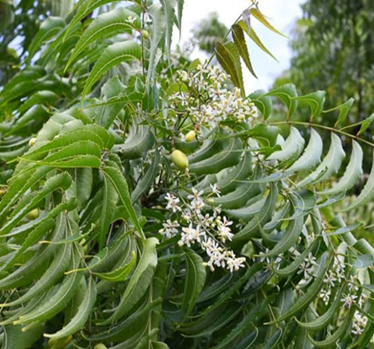
Fig.1. Neem leaves
Classification:
Kingdom: Plantae
Division: Magnoliophyta
Order: Sapindales
Family: Meliaceae
Genus: Azadirachta
Species: Indica
Scientific name: Azadirachta indica
Others name: Nimba , Aristha
Biological source : Neem consists of the fresh and dried leaves and seed oil of Azadirachta indica.
Habitat-It grows mostly in the tropical and subtropical regions as a wild plant. It is generally found below 3500m altitude. The tree is native to India, Nepal, Bangladesh and Pakistan, also found in Malaysia and China.
Cultivation : Neems can be grown in a simple way. It can be grown using nutritional methods to take photos of cuttings. A fully mature summer is collected and brings about kindergarten growth.
Collection : Collects mature green yellow fruits. Avoid brown, completely green or damaged fruits. Collect fruit directly from the tree. Do not collect fallen fruit.
Fruiting time : June – August .
Macroscopy :
Leaves they are alternate, exstipulate, leaflets7 – 17, alternate or opposite, very shortly stalked, 1- 1.5cm long .
Medicinal uses of Neem :
Anti-inflammatory, analgesic, analgesic effect: chloroform extract of normal bark against caragen-induced foot edema in rat and mouse ear infections. Inflammatory stomatitis in children is cured by bark extracts. Neem oil has been reported to have antipyretic activity. Leaf methanol extracts have a pyrogenic effect on males.
Immune dilated activity: As shown in both the numeronus and the Zell-zell-zell-zell-zell-zell-zellung reactions, aqueous leaf extracts also have potent immune stimulating activity. Hyperglycemia: A significant hypoglycemic effect was also observed by fueling nave oil in rabbits. Complete removal of root canals and microorganisms infected with DE-DE is an effective endodontic treatment. It has been necessary for centuries in advance, and clinical research is required. Neem branches contain preservative ingredients necessary for dental hygiene. Neem powder uses teeth and massages the elastic. In Germany, many researchers have shown that neem extracts prevent dental taxes and periodontitis.
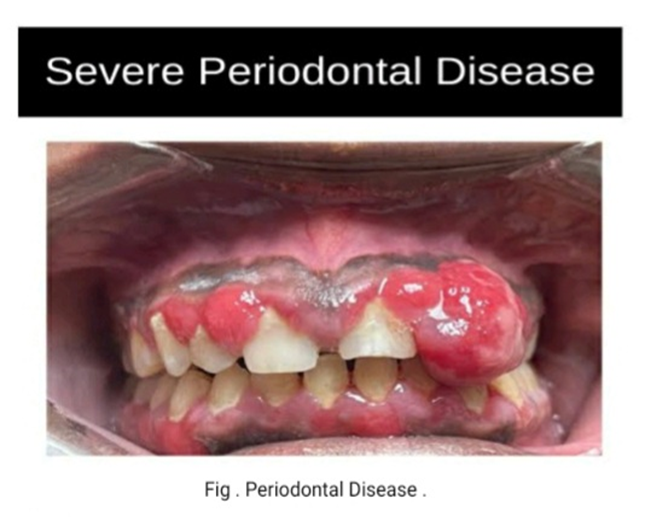
Symptoms of Periodontal Disease:
Bad breath that won’t go away Redor swollen gums Tender or bleeding gums Painful chewing Loose teeth .
Deep cleaning:
A dentist or dental hygienist who is a dentist will remove plaque with scaling and route planning for deep cleaning methods. The root plan is removed in the roots of the tooth, which collect and remove bacteria that contribute to the disease. In some cases, lasers can be used to remove plaque and tartar. These methods can result in less bleeding, swelling and symptoms compared to traditional deep cleaning methods.
Medications:
Prescription Antibacterial Mouthwash: Preparation sink containing antibacterial chlorhexidine. It is used like a regular mouthwash.
Antiseptic chip:A tiny piece of gelatin filled with the medicine chlorhexidine. To control the bacteria and reduce the size of periodontal pockets.
Antibiotic gel: A gel that contains the antibiotic doxycycline. To control the bacteria and reduce the size of periodontal pockets.
Surgical Treatment :
Dentists can perform flap operations to remove tartar deposits in deep pockets, reduce periodontitis, and make it easier for patients, dentists and hygienists to keep the area clean. Bone and Tissue Grafts: In this dentist, the dentist regenerates the biting tissue that has been lost to periodontitis Flap surgery .
Practice Good Dental Hygiene:
1.Brush twice daily with a fluoride tooth pastes.
2.Clean between the teeth with floss or an inter dental cleaner.
3.Eat a well-balanced diet and limit between meal snack.
History: The history of dental relief gel is rooted in the search of effective and safe local anesthetic and pain relievers.
Function of Dental Relief Gel :
Dental relief gels help relieve temporary pain in a variety of verbal complaints, primarily toothache, sap, and mild burns. Achieving this can be achieved using ingredients that help paralyze the affected area, reduce inflammation and relieve symptoms.
Need of Dental Relief Gel :
This is an intensive treatment formulated for short-term use to treat problems such as red, swelling, and bleeding. Corosodyl with W-Zahn Gel can be used as an aid to treat oral and AIDS to heal or denture wounds.
Benefits of Dental Relief Gel: It provides quick relief from pain due to toothache ,tooth injury, tooth fracture ,gum pain , mouth ulcer.
Ideal properties of dental relief gel :
Defination of dental relief gel:
A dental relief gel is a topical medication used to alleviate pain and discomfort in the mouth , particularly from toothaches , gum irritation, or after dental procedures.
Advantages of dental relief gel:
Use of ingredients:
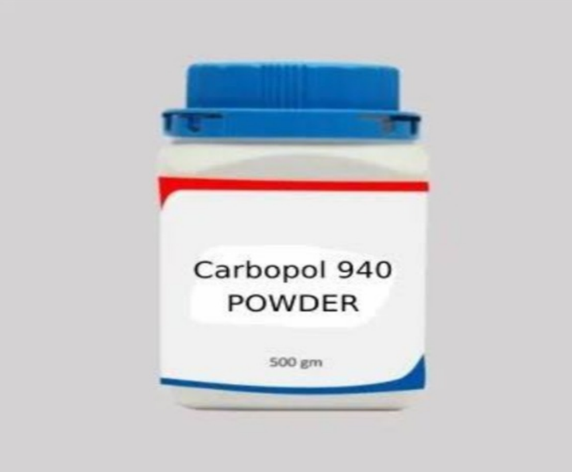
Fig : carbopol
Carbopol is also known as carbomer. Carboxypoly methylene is a synonym of carbopol. Carbopol derived from acrylic acid .Carbopol are plays an important role in periodontal disease. Carbomers are used in a variety of products as thickeners, emulsifiers, binders and suspenders. They are generally safe and nontoxic for human
Uses : 1) carbopol is used in dental relief gel as gelling agent.
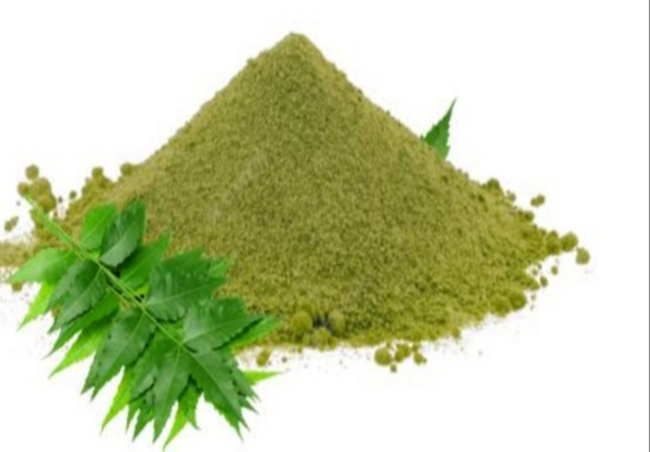
Fig : Neem extract
Uses: 1) Neem extract used in dental relief gel due to their potent antimicrobial and anti inflammatory properties.
2) Neem extract help combat bacteria causing plaque , gingivitis and tooth decay .
3) Chlorhexidine
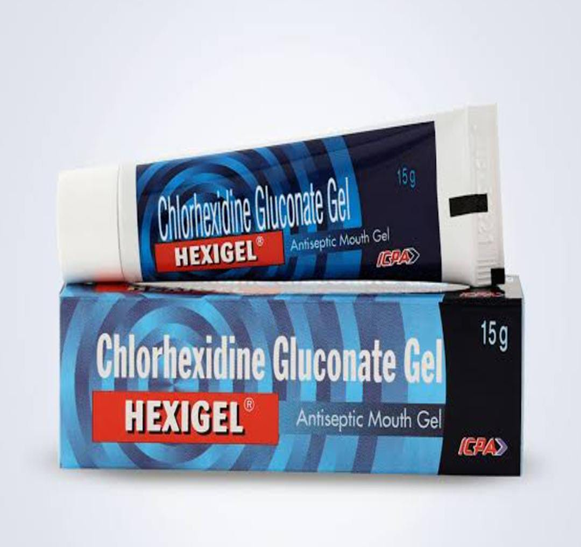
Fig : Chlorhexidine
Uses : 1) Chlorhexidine is commonly used in dental relief gel as antiseptic and antimicrobial agent.
2)chlorhexidine to address issues like gingivitis, mouth ulcer and oral infection.
3)It works by killing or inhibiting the growth of bacteria .
4)Peppermint oil :
Synonym: Eucalyptus amygdalina
Biological Source: Peppermint is a sterile hybrid of spearmint (mentha spicata) and water mint (months aquatica).
Family: Lamiaceae
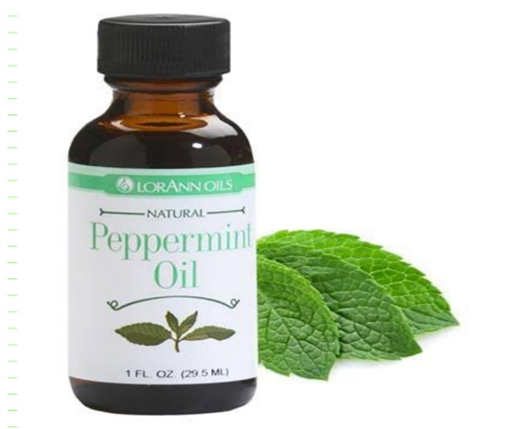
Fig. Peppermint oil
Uses : 1) Peppermint is also known for its cooling and numbing properties which can effectively soothe tooth and muscle ache.
5)Cinnamon :
Synonym: ceylon cinnamon
Biological source: cinnamon comes from the inner bark of Cinnamon tree .
Family:Lauraceae

Fig. Cinnamon
Uses:1) cinnamon used in dental relief gel due to its potential anti inflammatory.
2) Help reduce pain , swelling and infection associated with toothaches and gum disease.
6) Methyl Paraben ( Preservative) :
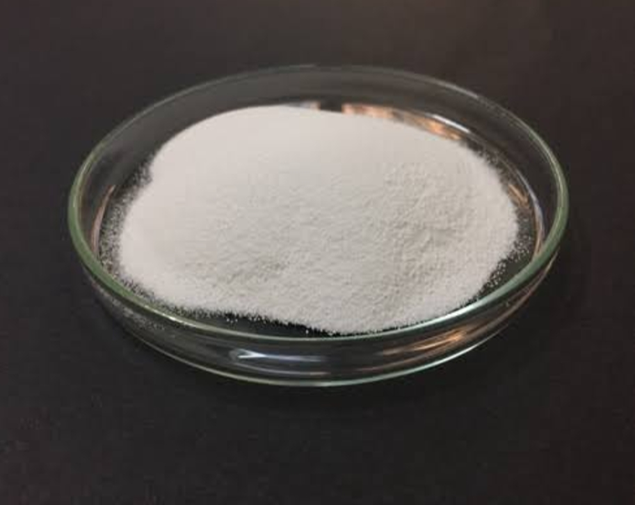
Fig . Methyl Paraben
Uses:1) Prevent germ growth
2) Used for fruit preservatives and antifungal preservatives.
Pharmaceutical Gel
Introduction
Gels are defined as semi-rigid systems in which the movement of the dispersion medium is limited by an interesting three-dimensional network of solvated polymers in the dispersion phase. The word "gel" comes from "gelatin" and both are pulled down to Latin gel and can be retracted to Latin Geros. Rivers, but elastic and retain some liquid properties. The use of the term "gel" was created as a classification, when a chemist tried to classify a semi-soluble substance according to its phenomenological properties rather than according to its molecular composition. At this point, there was a lack of analytical methods for determining the chemical structure. Introduction USP defines a gel (also known as a gel) as a semi-solid system containing suspensions from small inorganic particles or suspensions from large organic molecules that are interesting for liquids. If the gel contains a network of small individual particles, the gel is classified as a two-phase system. In two-phase systems, when the particle size of the dispersed phase is relatively large, the gel mass is sometimes called magma. The gel in the EIN phase is made up of organic polymers that circulate evenly within the liquid, where there is no obvious boundary between the dispersed polymer and the liquid.
Properties of Gels :
1. Ideally, the gelling agent must be inert, safe and cannot react with other formulation constituents.
2. The gelling agent should produce a sensible solid-like nature at the time of storage which is easily broken when exposed to shear forces produced by squeezing the tube, trembling the bottle or at the time of topical application.
3. It should have suitable anti-microbial agent.
4. :The topical gel must not be sticky.
5. The ophthalmic gel must be sterile.
6. The apparent viscosity or gel strength increases with an increase in the effective crosslink density of the gel. However, a rise in temperature may increase or decrease the apparent viscosity, depending on the molecular interactions between the polymer and solvent.
Procedure:
3.5gm of carbopol 934P was added in 200ml of water and soaked for 24 hr to prepare the base gel. This base gel 2.5% neem extract and 0.2 % CHX powder was added along with 0.01% peppermint oil and preservatives to prepare the respective gels and cinnamon. The gels were tested and found stable for 1 year.
Formulation Table Of Ingredients:
|
Ingredients |
Quantity |
Role of ingredients |
|
1.Carbopol |
3.5gm |
Thickener |
|
2.Neem extract |
2.5% |
Antimicrobial and Anti inflammatory |
|
3.Chlorhexidine |
0.2% |
Antiseptic |
|
4.Peppermint oil |
0.01% |
Cooling and numbing properties |
|
5.Cinnamon |
0.1 % |
Reduce pain and swelling |
Evaluation of Dental Relief Gel :
The following parameters are used to evaluate the prepared Dental Relief Gel .
1.PH : The PH of prepared Dental relief gel was measured by using digital PH meter by dipping the glass electrode completely into the gel system.
2.Colour : The colour of dental gel was observed by visual examination.
3.Odour : The odour of dental relief gel was found to be aromatic.
4.State: The state was dental relief gel was examined visually.The dental relief gel was solid in nature .
5. Viscosity: viscosities of the formulated gel was check using Digital Viscometer , Rotor no.1 , Rotor speed 6rpm 20°c was used for gel .
6 . Homogeneity: The gel were tested for homogeneity by visual inspection after the gels have been set in a container. Gel were tested for their look and appearance and presence of any aggregates.
7.Appearance : The dental relief gel appear as smooth , depending on the concentration and type of neem extract used .
8.Spreadability: spreadability of dental relief gel was measured by placing sample in between two slides then compressed to uniform thickness by placing a definite weight for defined time . The specified time required to the separate two slides was measured as spreadability. Lesser the time taken for separation of two slides results show better spreadability.
S= M.L / T
Where , s= Spreadability ,
M= Mass ,
L = Length / Distance ,
T = Time
9.Antimicrobial activity: Dental relief gel, particularly those containing antimicrobial agents like chlorhexidine , strong antimicrobial activity against various oral bacteria and fungi.These gel can kill pathogens.
10 . Solubility: Not soluble in water
Result:
Table of stability studies for optimized formulation
|
S. No |
Parameters |
Result obtained |
|
1 |
Colour |
White |
|
2 |
Odour |
Aromatic |
|
3 |
PH |
6.86 |
|
4 |
State |
Solid |
|
5 |
Viscosity |
857.6 |
|
6 |
Homogeneity |
Good |
|
7 |
Appearance |
Smooth |
|
8 |
Spreadability |
2.5 |
|
9 |
Solubility |
Not soluble in water |
|
10 |
Anti microbial |
11 |
CONCLUSION :
This study showed that the resulting gel is ideal for dental anti-iiratory teeth with neem, cinnamon, peppermint extract, and essential oils. It can also be drawn that the above gels have high antibacterial and antifungal activity. This means that the gel can completely clean the surface of the teeth and prevent cavities and microorganisms from growing. This allows for good oral hygiene.
ACKNOWLEDGEMENT:
Neem-zahnyleichtung gels containing neem extracts have shown promising results in clinical studies to reduce plaque, bacterial counts and gingivitis. Neem Dental Relief Gel is recognized for its oral health potential.
REFERENCES






Nikita Doifode, Neha Gabhane, Nikita Pawar, Pallavi Wankhede, Payal Gaikwad, Pooja Gawandar*, Formulation and Development of Dental Relief Gel Containing Neem for the Treatment of Human Periodontal Disease, Int. J. of Pharm. Sci., 2025, Vol 3, Issue 5, 5160-5168. https://doi.org/10.5281/zenodo.15561426
 10.5281/zenodo.15561426
