

We use cookies to ensure our website works properly and to personalise your experience. Cookies policy
Dr. V.V Patil Foundation’s College of Pharmacy, Vilad Ghat, Ahilyanagar, Maharashtra, India, 414111
Mouth ulcers or canker sores, are small and painful lesions that form inside the oral cavity, typically characterized by a red border with a white or yellow center and localized swelling. These ulcers may develop due to several triggers, including stress, hormonal fluctuations, acidic food intake, or certain dental procedures like fillings. This study focuses on developing Ayurvedic oral lozenges designed for effective local drug delivery within the mouth. Lozenges offer faster dissolution and shorter disintegration time, enabling quick therapeutic action. The formulation uses an herbal infusion prepared from Tulsi leaves, guava leaves, aloe vera gel, liquorice, and spices such as clove and turmeric. These ingredients are blended with dextrose and honey to form the lozenges, which are finally coated with amla powder to help retain moisture. The combined herbal components possess anti-ulcer, anti-inflammatory, antioxidant, antibacterial, analgesic, soothing, and wound-healing properties that collectively help reduce discomfort, inflammation, microbial load, and promote tissue repair. Compared to synthetic alternatives, this herbal formulation presents minimal side effects and offers additional benefits, including improved digestive health.
A mouth ulcer develops when the superficial mucosal layer in the buccal cavity is eroded, resulting in irritation, pain, and discomfort during activities such as eating and swallowing. Several factors can trigger the formation of these ulcers, including viral or fungal infections, hormonal fluctuations, stress, vigorous tooth brushing, and certain dental treatments. Typically, mouth ulcers appear as round lesions with a red, inflamed border and a whitish or yellowish center.
The healing duration varies with the severity of the ulcer. Minor ulcers measuring around 2–8 mm generally resolve within 10–14 days, whereas major ulcers, which are larger than 1 cm and have poorly defined boundaries, may require several weeks to a month to heal. These lesions commonly occur on the inner cheeks, the tongue, and the inner surface of the lips. Early symptoms often include burning, irritation, and inflammation at the affected epithelial site, leading to difficulty in chewing and maintaining oral hygiene.
Conventional allopathic treatments for mouth ulcers include antibiotics, mouthwashes, and topical agents designed to reduce pain and inflammation. Chlorhexidine-containing mouthwashes are effective but may cause tooth staining with prolonged use. Similarly, topical corticosteroids help reduce inflammation but carry risks such as adrenal suppression and systemic absorption when used long-term.
To minimize these potential side effects, the development of Ayurvedic herbal lozenges offers a safer alternative. These lozenges incorporate herbal extracts, spices, and natural supportive agents. Fresh herbal infusions enhance therapeutic potency by concentrating active constituents and essential oils. When placed in the mouth, the lozenges gradually dissolve, providing rapid localized action. Natural sweeteners like dextrose improve palatability and function as binders, ensuring better patient compliance. Ingredients such as honey and herbal infusions contribute anti-inflammatory, analgesic, and digestive health benefits. The specific therapeutic properties of the ingredients used in the formulation are discussed in the following sections.[2,3]
Mouth Ulcer:
A mouth ulcer, also known as an oral or mucosal ulcer, is a small sore that forms on the lining of the mouth. These lesions are typically round or oval, painful, and most commonly appear on the inner cheeks or lips. Mouth ulcers are quite common and may occur due to various factors, though they are usually not linked to any serious health condition. Common reasons for their development include nutritional deficiencies (especially iron, vitamin B12, and vitamin C), poor oral hygiene, infections, stress, constipation, accidental injury inside the mouth, food sensitivities, hormonal fluctuations, and certain skin disorders. Also called aphthous ulcers, these sores can cause significant discomfort, particularly while eating, drinking, or brushing teeth.[4]
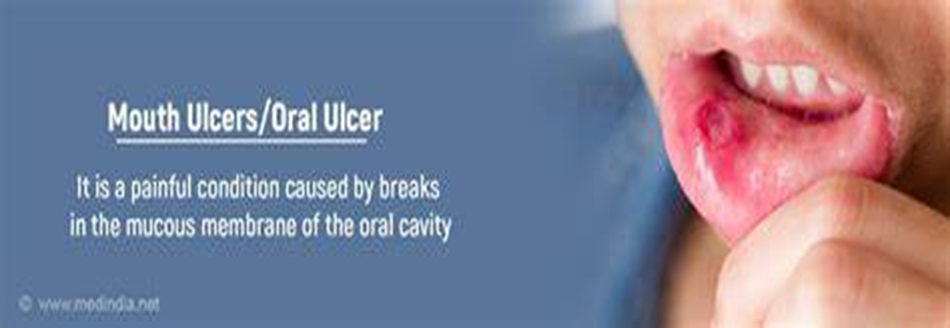
Fig. 1. Disease of Mouth Ulcer [5]
Types of Mouth Ulcers:
Based on their size and number, mouth ulcers are grouped into three categories: minor, major, and herpetiform.
These lesions are small, typically measuring between 2–8 mm in diameter. They tend to heal on their own within 10 to 14 days.
These ulcers are larger and penetrate deeper into the tissue. They often have raised or uneven edges. Healing usually takes several weeks, and they may leave a scar once recovered.
This form appears as clusters of numerous tiny sores, each roughly the size of a pinhead.
Causes of Mouth Ulcers:
Unintentional biting of the tongue, cheek, or lips, as well as irritation from braces, dentures, or uneven teeth, can lead to ulcer formation.
High levels of stress or anxiety may weaken the body’s defenses, making a person more prone to developing mouth sores.
Deficiencies in key nutrients like vitamin B12, iron, folic acid, and zinc are commonly linked to the appearance of mouth ulcers.
Certain foods—particularly spicy or acidic items—can provoke ulcers in individuals who are sensitive to them.
Some drugs, including NSAIDs, beta-blockers, and specific antibiotics, can cause mouth ulcers as a side effect.
Smoking or chewing tobacco irritates the oral lining, increasing the likelihood of ulcer development.[6,7]
Symptoms of Mouth Ulcers:
Mouth ulcers commonly cause discomfort or aching, which becomes more noticeable during activities such as eating, drinking, or brushing teeth.
Because of the pain and tenderness around the ulcer, many people struggle to consume food or beverages, particularly those that are spicy or acidic.
A burning, tingling, or irritating feeling may occur around the affected area before or during the presence of the ulcer.
The tissues surrounding the ulcer may become mildly swollen or inflamed.
The ulcer typically looks like a red or whitish sore with a clearly defined edge[8,9]
LOZENGES
Lozenges are solid dosage forms made with medicinal ingredients blended into a sweet, flavored base. They are intended to slowly melt in the mouth, much like medicated sweets, offering soothing effects to irritated throat tissues. Lozenges are popular because they keep the drug in contact with the oral cavity for a longer time, improve absorption, minimize gastric discomfort, and avoid first-pass liver metabolism.[10]
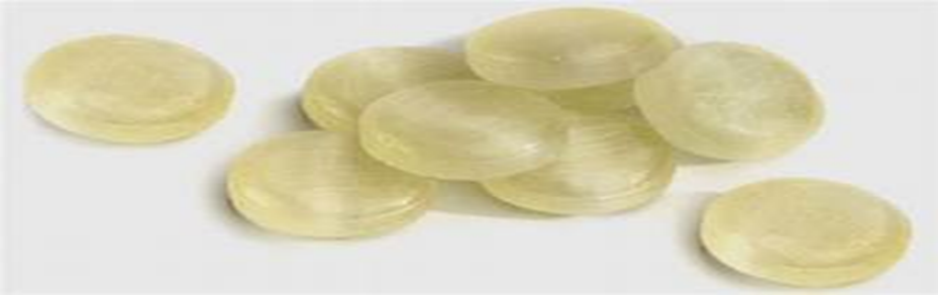
Fig. 2.Texture of Lozenges [11]
Classification of Lozenges
1. Chewable Lozenges:
These contain herbal components in a chewable form, making them an easy option for delivering medicinal substances directly to irritated areas in the mouth.
Example: Vitamin chewables.
2. Hard Lozenges:
These are solid and long-lasting, gradually melting in the mouth to release herbal ingredients that can help calm irritation, lessen inflammation, and support healing of oral tissues.
Example: Herbal lollipops.
3. Soft Lozenges:
Made to dissolve gently or break down slowly, they release therapeutic herbal agents that help ease pain and support healing in issues such as mouth ulcers.
Example: Bentasil.
4. Compressed Lozenges:
Produced through a tablet-style compression technique suitable for ingredients sensitive to heat, these lozenges do not disintegrate quickly and provide a prolonged dissolution time.
Example: Troches.[12,13]
Various Ingredients To Used Herbal Medication For Treat Mouth Ulcer:
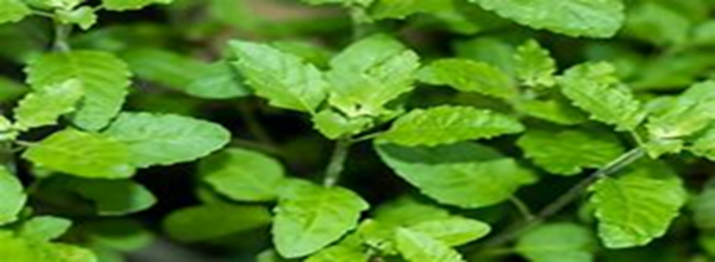
Effect on Mouth Ulcers:
Tulsi has long been valued in traditional medicine. Its leaves contain eugenol, a natural compound known for its pain-relieving action, which helps reduce the discomfort caused by oral mucosal ulcers. Tulsi also exhibits strong antimicrobial and antifungal effects, helping protect the mouth from additional irritation or infection.
Role in Digestive Health:
Tulsi has traditionally been used to ease stomach pain, relieve gastric spasms, and reduce nausea. It can help soothe digestive disturbances and support healthy digestion overall.[15]
Cultivation Time:
Tulsi (Holy Basil) is typically grown by sowing seeds during warm, bright weather—usually in April to May in India. The seeds sprout into seedlings in about six weeks. Light leaf harvesting can begin within 30–40 days, while a full harvest at the flowering stage usually occurs around 90 days after planting. Subsequent harvests can be taken roughly every 75 days, with sunny days offering the highest essential oil yield[16]
Drying Method:
To dehydrate tulsi leaves, rinse them lightly, blot off excess moisture, and then dry them in a shaded, airy spot—either by hanging small bundles or spreading them out on a tray and flipping them now and then. Keep them out of direct sunlight. Once the leaves become crisp, grind or crumble them and store in airtight jars for use in teas, herbal preparations, or potpourri
Crushing Method:
Wash the leaves – Rinse fresh tulsi leaves thoroughly under running water to remove dust and impurities. Pat them dry with a clean cloth or paper towel.
Remove stems – Pluck the leaves from the stems, as the stems are tougher and harder to crush.
Crush the leaves – There are a few methods you can use:
Mortar and pestle: Place the leaves in a mortar and grind them with a pestle until you get a coarse or fine paste.
Rolling pin: Put the leaves between two sheets of parchment or in a plastic bag and crush them gently with a rolling pin.
Blender/Grinder: For a finer paste, you can blend the leaves with a little water.[17]

Effect on Mouth Ulcers:
Guava leaves are rich in alkaloids, glycosides, flavonoids, tannins, and saponins. These compounds exhibit antioxidant, anti-inflammatory, and antifungal effects, which help reduce pain and discomfort caused by mouth ulcers. The leaf also possesses anti-ulcer properties, making it beneficial in promoting healing of oral lesions.
Role in Digestive Health:
Guava leaves demonstrate antibacterial activity, as confirmed by antimicrobial susceptibility studies. This helps manage stomach problems caused by harmful bacteria. Various mechanisms contribute to the suppression of these microorganisms, supporting better digestive health.[18]
Cultivation Time:
Guava trees are typically planted in February–March or August–September to ensure healthy establishment. Pruning is usually done in May–June for winter cropping or in July–August for monsoon-season fruits, helping regulate growth and improve yield. Leaves intended for specific uses—such as extracting flavonoids—are generally collected during the generative stage of the tree, especially in dry weather. Overall cultivation includes starting seeds in February–March or July–August, transplanting young plants, and carrying out routine pruning, with the timing of fruit harvest depending on the growing season.[19]
Drying Method:
Guava leaves can be dried using easy methods such as sun-drying or drying in the shade, or through more controlled processes like hot-air (tray/oven) drying, vacuum drying, or heat-pump drying. These controlled techniques help maintain the active compounds by removing moisture quickly at moderate temperatures (about 45–70°C). Once the leaves dry completely and turn crisp, they can be ground into powder.[20]
Crushing Method:
Wash the leaves thoroughly to remove dirt or impurities.
Dry slightly (optional) if you don’t want excess water.
Crushing options:
By hand: Tear or crush the leaves using fingers until they become soft and release juice.
Mortar and pestle: Grind the leaves into a paste.
Blender/Grinder: For a larger quantity, blend with a little water.[21]

Effect on Mouth Ulcer:
Liquorice root contains two major constituents—glycone and aglycone—which contribute to its therapeutic effects. It exhibits strong anti-allergic, anti-inflammatory, and antioxidant activities. As the dried root of Glycyrrhiza glabra Linn., it is commonly used to soothe and treat canker sores.
Role in Digestive Health:
Liquorice not only helps in managing mouth ulcers but also supports digestive wellness. Its anti-inflammatory nature aids in smoother digestion, which helps regulate metabolic and immune functions. It is traditionally used to relieve heartburn and various gastrointestinal discomforts.[22,23]
Cultivation Time:
Liquorice (Mulethi) is usually planted in early spring (February–March) or during the monsoon (July–August). The crop needs about 2–4 years to fully develop before the roots can be collected. The best root yield and potency are generally achieved in the second or third year. Harvesting is commonly done in the winter months (November–December), after which the roots are excavated, dried, and prepared for medicinal use
Drying Method:
Licorice can be dried using a variety of methods, from simple sun-drying to more sophisticated options like microwave or vacuum drying. The goal in all cases is to reduce moisture to prevent spoilage and maintain its key bioactive components. Traditionally, roots are dried outdoors in the sun, while industrial setups rely on controlled systems such as hot-air, infrared, vacuum belt, or spray dryers for quicker and more consistent drying. The roots are typically cut into pieces beforehand to improve drying efficiency.[24]
Crushing Method:
Dry the Root: Make sure the licorice root is fully dried. Fresh roots can be tough and fibrous.
Break into Smaller Pieces: Snap or cut the root into small chunks (1–2 inches) to make crushing easier.
Crush or Grind:
Mortar and Pestle: Ideal for small amounts. Crush into coarse pieces or powder.
Rolling Pin: Place root pieces in a plastic bag and roll to crush into smaller bits.
Grinder or Food Processor: Use for larger quantities; pulse until coarse or fine powder, depending on your need.[25]
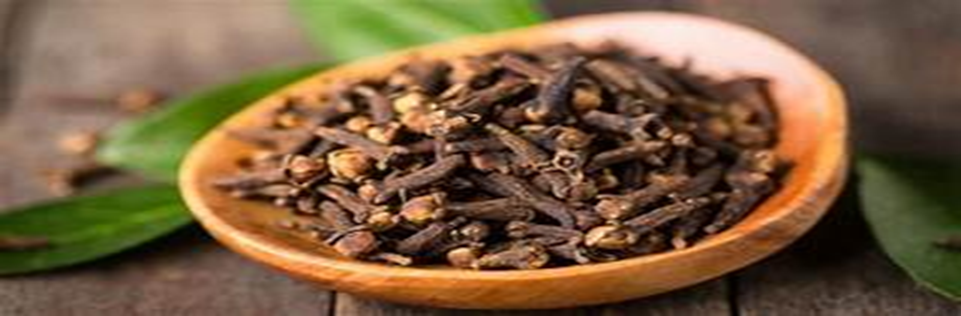
Effect on Mouth Ulcer:
Clove has long been valued as both a spice and a medicinal ingredient. It shows potent antioxidant and antimicrobial activity. Clove oil is frequently applied in ulcer treatment due to its action against bacteria and fungi. The presence of eugenol gives clove its anti-inflammatory, pain-relieving, and fever-reducing effects.
Role in Digestive Health:
Eugenol in cloves provides relief from stomach pain and supports overall digestive function. Clove has been used traditionally to address issues like intestinal worms and diarrhoea. It also helps ease nausea, vomiting, bloating, and gas.[26]
Cultivation Time:
A clove tree generally needs around 6–10 years before it starts yielding usable flower buds, though grafted plants may start a bit sooner, in about 5–7 years. Full productivity isn’t achieved until the tree is roughly 15–25 years old. The flower buds are picked while still closed, typically maturing over a period of four to six months from the time they first appear.
Drying Method:
Clove buds are dried by rapidly reducing their moisture content. Traditionally, they’re spread on clean mats and sun-dried for about 4–5 days, being turned frequently to ensure uniform color and drying. The goal is to reach about 8–10% moisture so the cloves become crisp and break easily. In humid or rainy conditions, mechanical dryers are used to avoid fermentation, mold growth, and quality loss by keeping the drying process controlled and consistent.[27]
Crushing Method:
Mortar and Pestle
Place the dried cloves in a mortar.
Use the pestle to press and grind them into small pieces or powder, depending on your need.
Pros: Gives strong aroma and flavor.
Spice Grinder or Coffee Grinder
Add cloves to a clean, dry grinder.
Pulse until coarsely or finely crushed.
Pros: Quick and efficient for larger quantities.
Rolling Pin or Heavy Object
Place cloves in a plastic bag or between parchment paper.
Roll or press firmly until crushed.
Pros: Good if you don’t have specialized tools.[29]

Effect on Mouth Ulcer:
Turmeric, derived from the Curcuma longa plant, has long been valued for its medicinal qualities. Its active compound, curcumin, exhibits strong antibacterial and anti-inflammatory effects, making it useful in managing mouth ulcers. Turmeric also promotes cell growth, which supports tissue repair and contributes to its wound-healing action.
Role in Digestive Health:
Curcumin has shown beneficial effects on various gastrointestinal conditions. Its antibacterial action helps regulate gut microbes, while its overall anti-inflammatory nature supports better digestive function and enhances overall gut health.[30]
Cultivation Time:
Turmeric can be harvested about 7–9 months after it is planted. Farmers usually sow it between April and June, varying by location, and the rhizomes are dug up once the plant’s leaves and stems start yellowing and drying out.[31]
Drying Method:
To dry turmeric, begin by cleaning the rhizomes and cutting them into thin pieces. Spread the slices under strong sunlight for a few days, or dry them using a dehydrator or an oven on the lowest heat setting. Once the pieces become crisp and break apart easily, they’re ready to be ground into powder and stored in a sealed container.
Crushing Method:
Wash the turmeric roots thoroughly to remove dirt.
Peel the skin using a spoon or knife (optional but makes crushing easier).
Cut the roots into small pieces to make grinding easier.
Crush or grind:
Mortar and pestle: Place small pieces in a mortar and pound until a paste forms.
Blender/Grinder: Blend into a fine paste with a little water if needed.

Effect on Mouth Ulcer:
Honey has traditionally been used for wound care due to its healing abilities. It is effective in soothing mouth ulcers and managing chronic wounds, including burns. Its anti-inflammatory, antibacterial, and antioxidant activities help reduce oxidative stress and inflammation, aiding in faster healing of ulcerated tissues.
Role in Digestive Health:
With its strong antibacterial properties, honey helps suppress harmful gut bacteria, contributing to improved digestive health. Being rich in natural carbohydrates, honey also supports smoother digestion and maintains overall gastrointestinal balance.[32]
Cultivation Time:
Beekeeping operates on two overlapping timelines: bees develop quickly—taking roughly 21 days to grow from egg to a working forager—while honey production takes longer, usually 4–6 weeks for nectar to be gathered, processed, and capped as mature honey. Harvests generally occur in late spring or early/late summer based on nectar availability and colony vigor. New hives may need several months before they are strong enough to produce extra honey for harvesting, even though individual bees can convert nectar to honey fairly fast.
Drying Method:
Honey is dried mainly to lower its moisture content, using either advanced industrial processes—such as spray drying, vacuum drying, or freeze-drying to make honey powder—or basic low-heat methods like using fans or dehumidifiers for liquid honey. The essential requirement is mild warming (close to natural hive temperature, about 36°C/97°F) plus steady airflow so water evaporates without harming taste. Additives like maltodextrin can help in powder production, while desiccants support low-tech ambient drying.
Crushing Method:
Crystallized honey is firm and grainy. To “soften” it or make it smooth:
Warm water bath: Place the jar in warm (not boiling) water, around 40–50°C (104–122°F). Stir occasionally until smooth.
Microwave method: Microwave in short bursts (10–20 seconds), stirring in between. Avoid overheating as it can destroy beneficial enzymes.

Effect on Mouth Ulcers:
Aloe vera is a natural plant extract known for its antibacterial, anti-inflammatory, antioxidant, antifungal, and immune-enhancing properties. It is commonly used to manage oral conditions such as mouth ulcers and burning mouth syndrome. Aloe vera promotes epithelial cell movement, which supports wound healing, speeds up ulcer closure, and helps reduce pain.
Role in Digestive Health:
Traditionally valued for its medicinal benefits, aloe vera supports digestive health due to its strong antioxidant activity. During digestion, its phenolic compounds are released, helping to limit oxidative damage and contributing to better gut function.[33]
Cultivation Time:
Aloe vera typically needs 18–24 months to reach full maturity, but you can start taking leaves as early as 7–8 months after planting. In commercial farms, growers usually harvest the plants three to four times annually, and the same crop can remain productive for about five years before it needs to be replaced
Drying Method:
You can dry aloe vera using several techniques, such as air-drying in a dehydrator, hot-air or tray drying, or solar drying. These methods typically use low heat—about 135°F in a dehydrator or around 50°C in a tray dryer—and may take a few hours to a couple of days based on whether you're drying pieces, gel, or pulp to make chips, sheets, or powder for later use in drinks or skincare. The main aim is to strip out moisture while keeping the gel’s nutrients intact, with dehydrators and controlled hot-air systems giving the best quality results.
Crushing Method:
Choose a thick, fleshy, green leaf from the outer part of the plant. Older leaves have more gel.
Wash the Leaf:
Rinse thoroughly under running water to remove dust or dirt.
Remove the Edges:
Use a knife to cut off the spiky edges on both sides of the leaf.
Peel the Skin:
Slice the leaf open lengthwise or remove the green outer layer to expose the clear gel inside.
Scoop Out the Gel:
Use a spoon or knife to scoop out the transparent gel.
Crush or Blend the Gel:
Manual Method: Place the gel in a bowl and mash it with a fork or mortar and pestle until smooth.
Mechanical Method: Use a blender to crush the gel into a smooth[34]

Effect on Mouth Ulcers:
Amla, also known as Indian gooseberry and belonging to the Phyllanthaceae family, is well recognized for its anti-inflammatory properties. Amla powder contains antibacterial and antioxidant components that aid in treating canker sores. Its tannins and phenolic compounds help manage oral ulcers by reducing oxidative stress. When combined with honey, amla becomes even more effective in healing mouth sores.
Role in Digestive Health:
Amla is rich in vitamin C, which supports the body’s immune system. Its high fibre content aids in healthy digestion and helps maintain regular bowel movements.
Cultivation Time:
Amla (Indian Gooseberry) is usually planted during the monsoon months (June to August), with the prime fruit-harvesting period stretching from mid-September to December or January, reaching peak vitamin C content in winter. The plant grows best in subtropical, dry regions, showing active growth and fruiting in spring and summer, though it is a resilient subtropical crop that requires special attention in colder areas.
Drying Method:
To dry amla (Indian gooseberry), start by washing and slicing the fruit to increase surface area. Drying can be done through sun drying, oven drying, or using a food dehydrator. For certain preparations, a brief blanching or soaking in sugar syrup (for candied amla) may be done beforehand. Spread the slices evenly on clean trays, cover them if sun drying, and dry until they become crisp, suitable for storage or grinding into powder. Sun drying usually takes several days, whereas ovens and dehydrators provide quicker, more controlled drying, with temperatures around 40–70°C ideal for retaining nutrients such as Vitamin C.
Crushing Method:
Using a Mortar and Pestle
Place the amla pieces in a mortar.
Crush them manually with a pestle until you get a coarse or smooth paste, depending on your need.[35]
MATERIALS AND METHODS
Fresh guava leaves, Tulsi leaves, and aloe vera leaves were collected. Freshly harvested herbs are considered more potent than dried ones because they retain higher levels of active constituents and essential oils. Other ingredients—such as cloves, turmeric, liquorice, honey, amla powder, and coconut oil—were purchased from local markets.
To prepare the lozenges, all ingredients were accurately weighed using a digital balance to minimize measurement errors. First, an herbal infusion was prepared by washing and weighing the guava and Tulsi leaves, which were then added to a beaker containing distilled water. Clove, turmeric, liquorice, and aloe vera gel were added next. The mixture was kept on a hot plate and heated gently to extract active compounds and essential oils without causing degradation. High temperatures and vigorous boiling were avoided to preserve the ingredients' therapeutic properties.
The mixture was heated at 55°C for 20 minutes, allowing it to reduce and concentrate. Once the infusion was ready, it was filtered and transferred to another beaker. Honey and dextrose were then added and gently heated until the desired thickness for forming lozenges was achieved. During this stage, coconut oil was applied to the moulds to prevent the lozenges from sticking.
When the mixture reached the appropriate consistency, it was poured into the moulds pre-sprinkled with amla powder. The top surface was also dusted with amla powder after filling. The lozenges were left to cool at room temperature, then wrapped in aluminium foil and stored in an airtight container to prevent moisture absorption. The composition of the herbal infusion used in the 100 Ayurvedic lozenges. each lozenges 2 gm.[36]
|
Sr. No |
Herbal Ingredient |
Quantity (gm) |
|
1. |
Tulsi leaves extract |
4 gm |
|
2. |
Guava leaf extract |
4 gm |
|
3. |
Liquorice extract |
6 gm |
|
4. |
Clove extract |
1 gm |
|
5. |
Turmeric extract |
2 gm |
|
6. |
Amla extract |
4 gm |
|
7. |
Aloe vera gel dried |
6 gm |
|
8. |
Honey dried |
10 gm |
|
9. |
Sucrose |
150 gm |
|
10. |
Acacia |
4 gm |
|
11. |
Peppermint oil |
0.5 gm |
|
12. |
Talc |
2.5 gm |
Application of Herbal lozenges for Mouth Ulcer:
Herbal lozenges can help manage mouth ulcers by reducing pain, inflammation, and the risk of infection. They often provide a protective coating over the ulcer and support faster healing.
How They Work:
Soothing Effect: Ingredients like aloe vera or tulsi (holy basil) calm irritation and discomfort.
Anti-inflammatory Action: Herbs such as chamomile, turmeric, or neem help reduce swelling and redness.
Antimicrobial Properties: Clove, honey, and neem help prevent infection in the ulcerated area.
Healing Support: Certain herbs promote tissue repair and accelerate recovery.
Common Herbal Ingredients:
Licorice – relieves pain and inflammation
Clove – acts as a natural analgesic and antimicrobial
Tulsi – reduces inflammation and boosts immunity
Aloe vera – soothes and heals irritated tissue
Honey – prevents infection and aids healing
Chamomile – supports tissue repair
Instructions for Use:
Place the lozenge in the mouth and let it dissolve slowly (10–15 minutes); avoid chewing or swallowing it whole.
Use 2–3 times daily, following product directions.
Avoid eating or drinking for 30 minutes after use to allow maximum effect.
Regular use helps relieve pain and speeds up healing.
Additional Advice
Maintain gentle oral hygiene.
Avoid spicy, acidic, or rough foods that may irritate the ulcer.
Drink plenty of water to keep the mouth hydrated.
See a doctor if ulcers last more than two weeks.[37]
Allopathic Treatments for Mouth Ulcers:
1. Topical Medications
These are applied directly to the ulcer to relieve pain, reduce inflammation, and promote healing:
Corticosteroid gels/pastes: Reduce swelling and discomfort (e.g., triamcinolone acetonide 0.1%, betamethasone gel).
Local anesthetics: Provide temporary pain relief (e.g., lidocaine or benzocaine gels).
Antimicrobial rinses: Prevent secondary infections (e.g., chlorhexidine 0.12%, povidone-iodine mouthwash).
2. Oral Medications
Used for severe, widespread, or recurring ulcers:
Oral corticosteroids: For significant inflammation (e.g., short courses of prednisone under medical supervision).
Pain relievers: NSAIDs (like ibuprofen) or acetaminophen for mild to moderate pain.
3. Nutritional Supplements
If ulcers are linked to nutrient deficiencies, supplements may be recommended:
Vitamin B12, folic acid, or iron as needed.
4. Advanced Treatments
For persistent or severe cases, certain immunomodulatory drugs may be prescribed under specialist care (e.g., colchicine or thalidomide).[39]
Disadvantages:
Temporary Relief Only – Most allopathic treatments (like topical corticosteroids or antiseptic gels) reduce pain or inflammation but don’t always address the underlying cause, so ulcers may recur.
Side Effects – Prolonged use of certain medications (e.g., steroid gels) can cause side effects like thinning of oral mucosa, irritation, or delayed healing.
Antibiotic Risks – If antibiotics are prescribed for infected ulcers, overuse can lead to antibiotic resistance or upset stomach.
Symptom-Focused – Allopathic treatment often focuses on alleviating pain rather than boosting immunity or treating nutritional deficiencies that may cause ulcers.
Drug Interactions – Some medications for mouth ulcers may interact with other drugs a person is taking.
Allergic Reactions – Certain topical or systemic medicines can trigger allergic responses in sensitive individuals.
Cost and Accessibility – Frequent doctor visits or prescription medications can be costly and inconvenient.[40]
CONCLUSION:
Herbal lozenges represent a valuable and holistic alternative for the management of mouth ulcers, offering both therapeutic relief and overall oral wellness. Their formulation typically includes natural ingredients with proven anti-inflammatory, antibacterial, antioxidant, and healing properties—such as tulsi, turmeric, amla, honey, clove, aloe vera, liquorice, and guava leaf. These components work together to soothe irritation, reduce swelling, control microbial growth, and create a protective coating over the ulcer, which helps minimize pain during eating and speaking.
Unlike many allopathic medications that may cause dryness, burning sensations, or temporary discomfort, herbal lozenges are generally well tolerated and safe for regular use. Their natural composition makes them suitable for individuals seeking gentle but effective relief without the risk of significant side effects. Additionally, herbal lozenges are easy to administer, pleasant in taste, and convenient to carry, making them a practical choice for daily use or during flare-ups.
Overall, herbal lozenges contribute not only to symptom relief but also to supporting the body’s natural healing mechanisms. As part of an integrated approach to oral care, they offer a promising option for managing recurrent mouth ulcers while promoting long-term oral health.[41]
REFERENCES


Dr. Satyam Chemate, Harshal Magar, Herbal Lozenges for Mouth Ulcer, Int. J. of Pharm. Sci., 2026, Vol 4, Issue 2, 1907-1923. https://doi.org/10.5281/zenodo.18621689
 10.5281/zenodo.18621689