View Article

  • Impact of Chemical Pollutants on Public Health

  • Rashtriya Collage of Pharmacy Hatnoor Tq. Kannad Dist. Chh Sambhajinagar-431103.

Abstract

Numerous environmental contaminants significantly contribute to human disease, affecting climate change and public and individual health, resulting in increased mortality and morbidity. Because of the scarcity of information regarding pollution exposure from less developed nations with inadequate waste management, higher levels of poverty, and limited adoption of new technology, the relationship between pollutants and health effects needs to be investigated more. A similar situation is present in many developed countries, where solutions are only discovered after the harm has already been done and the necessity for safeguards has subsided. The connection between environmental toxins and health needs to be better understood due to difficulties in quantifying exposure levels and a lack of systematic monitoring. Different pollutants are to blame for both chronic and acute disorders. Additionally, research becomes challenging when disease problems are seen after prolonged exposure. This review aims to discuss the present understanding of the association between environmental toxins and human health in bridging this knowledge gap. The genesis of cancer and the impact of various environmental pollutants on the human body's cardiovascular, respiratory, reproductive, prenatal, and neural health are discussed in this overview.

Keywords

Particulate matter (PM), Pollution, Health, Disease, Mortality, Morbidity

Introduction

Chemical pollutants significantly harm public health by causing disease like cancer, respiratory illnesses and cardiovascular problems. This substance can damage organs, disrupts the endocrine system, affect DNA, and cause both immediate issues like skin rashes and long – term chronic condition such as neurodegenerative disorders.  The effect very based on chemical, the exposure (inhalation ingestion, skin contact), and the duration of exposure.   

Chemical pollutants severely impact human health, leading to a wide range of chronic and acute diseases that affect nearly every organ system. Vulnerable populations such as children, pregnant women, and the elderly, are particularly susceptible to these adverse effects. The primary modes of exposure are inhalation , ingestion through contaminated food and water and dermal contact .

Chemical pollution could have adverse effects on human health, including causing cancer, endocrine disruption, neurotoxicity, reproductive toxicity, etc. This Special Issue addresses the global public health concerns related to chemical pollution, including air, water, food, and soil pollution. It also addresses hazardous substances of global health concern such as toxic metals (cadmium, nickel, manganese, lead, and mercury), persistent organic pollutants (POPs), pesticides, and plasticizers such as phthalates and bisphenols, as well as major sources of their release and routes of exposure. Along with the adverse health effects observed in in silico, in vitro, and in vivo models, and from epidemiological studies, economic losses associated with exposure to the selected chemicals will be discussed. Eventually, attention should be paid to the chemical mixtures that simulate real-life exposure to these chemicals, their adverse health effects, and possible interactions.

Chemicals that are harmful to human health and have gotten into the environment due to human activity are called environmental pollutants. Additionally, environmental pollution is caused by natural events like volcanic eruptions. Human activities introduce pollutants by polluting the water, air, and soil. Inhalation, oral absorption, and ingestion are the three main ways that contaminants reach the human body. To indicate the amount of a specific pollutant that is consumed, the word "dose" is frequently employed. The dose is dependent on exposure duration and intensity. Depending on the exposure level, different health effects may result. Although Industrialization develops a country, it introduces a large number of pollutants into the environment, which harms the health of those exposed [1]. Exposure to environmental pollution is a significant source of health risks all over the world.

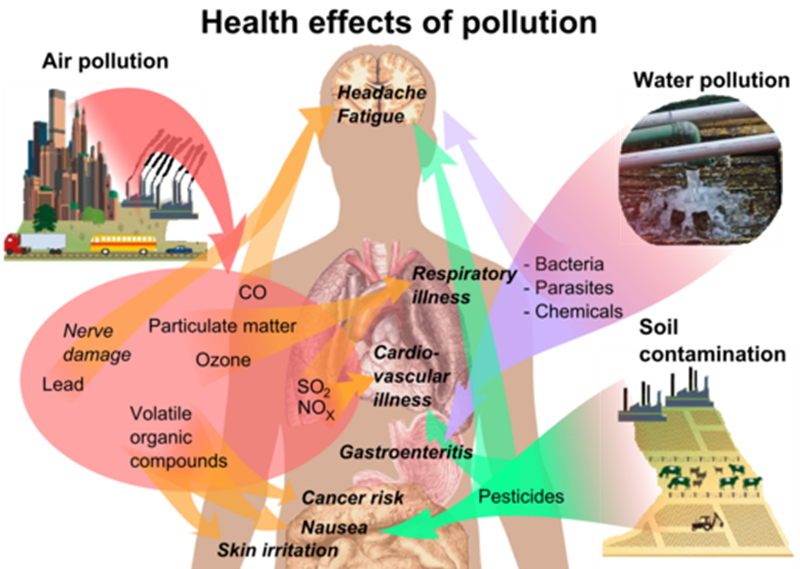
In general, hazardous substances from both natural and man-made sources pollute the air. The main sources of contaminants include automobile emissions, power plants, burning garbage, chemical companies, and volcanic eruptions contaminants like sulfur dioxide (SO2), carbon monoxide (CO), nitrogen oxides (NOx), heavy metals, biological contaminants, ozone, tobacco smoke, etc. are all released into the air that is inhaled When these pollutants are ingested, they interfere with the body's internal functioning, causing diseases like cancer, cardiovascular, reproductive, prenatal central nervous system, and respiratory health issue. Tobacco smoke, which consists of harmful chemicals like benzene, cadmium, arsenic, formaldehyde, and nicotine is responsible for health illnesses. It will cause cancer, not only to the smoker but also affect passive smoker (who is exposed to tobacco smoke and is not a smoker). A person may develop asthma, bronchitis, throat infection, and a burning sensation in the eyes. Exposure to biological pollutants like bacteria, viruses, house dust, mites, cockroaches, and pollen can cause asthma, hay fever, and other allergic diseases, and volatile organic compounds cause eye, nose, and throat irritation, headaches, nausea, and loss of coordination. Prolonged exposure may cause damage to the parts of the body, mainly the liver. Lead exposure can harm the brain and digestive systems, and in certain circumstances, it can result in cancer. Exposure to ozone causes itching in the eyes, burns, may develop respiratory disorders like asthma, and our resistance to colds and pneumonia will be lowered. In winter, children may suffer from respiratory problems from exposure to oxides of nitrogen. Depending on the exposure's type and intensity, the effect may be either short- or long-term. Short-term effects range from irritation of the eye, skin, nose, and throat, coughing, headaches, nausea, and dizziness to severe conditions like asthma, bronchitis, and lung and heart problems. Long-term effects will be neurological, reproductive, respiratory, and cancer [1,2].

Exposure to soil in which the presence of unwanted chemicals/substances higher than the normal concentration disturbs the health of living organisms. Anthropogenic sources of soil contamination are chemicals used in or produced as a byproduct of industrial processes, wastewater, domestic, livestock, pesticide, and petroleum-derived products. These chemicals are introduced intensively into the soil by using fertilizers and pesticides, accidently by discharging untreated sewage water and sewage sludge from oil spills, or by leaching from landfills and organic pollutants Atmospheric deposition results from smelting, incomplete combustion of many substances, radionuclide deposition from weapon testing, and nuclear accidents. Production and consumption of plastic are also rising nowadays. It is usually discharged into the soil, which degrades into its additive like bisphenol A, phthalates, dioxins, polycyclic aromatic hydrocarbons (PAHs), polychlorinated biphenyls (PCBs), and heavy metals, which are carcinogenic and toxic. Exposure to soil that is contaminated with plastic additives increases the risk of cardiovascular diseases. Pharmaceuticals, hormones, and biological pollutants like bacteria, viruses, and endocrine disruptors are emerging pollutants, that have recently appeared in the atmosphere and are usually not monitored. These contaminants can enter the human body through the nose, mouth, and skin. Exposure to such soil can cause different acute and chronic health problems. Short-term health problems like headaches, coughing, chest pain, nausea, and skin or irritation. People who continuously work with soil or reside nearby such areas are affected by inhalation because dust particles in the air are inhaled easily, causing different health issues. In some countries, people consume soil in the name of culture, which results in direct exposure to soil. Children under three are always at high risk because they are easily exposed to soil. Exposure to heavy metals causes skin contact problems. Prolonged exposure may disturb the functioning of the central nervous system and damage organs. Long-term exposure may increase cancer risk [3].Crops produced from soil with high levels of contaminants are highly toxic. Consumption of these causes major health risks. Many soil contaminants are recognized as neurotoxic. Lead, polychlorinated biphenyls (PCB), As(arsenic), and Hg(mercury) are used in industries referred to as contaminants with neurotoxic potential [4].
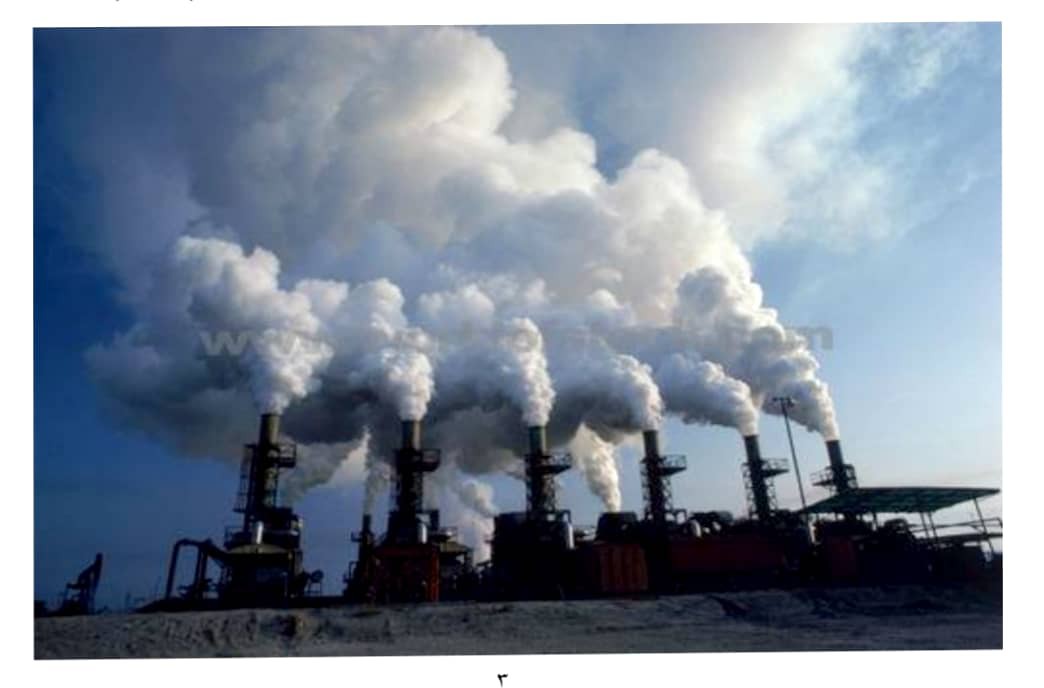
The environment has been taken care of in general , and the issue of pollution in particular , and at various levels , whether on the public formal education institutions or the non – formal education institution . In spit of the great interest in environmental education programs , the reality of this situation  is still that environmental care and importance are modest and insufficient to effects in developing environmental  awareness .The chemical pollution is defined as the presence or increase in the our environmental of chemical pollutants that are not naturally present there or are found in amount higher than their natural background values . Most of the chemical that pollutant the environmental are man – made , resultant from the various activities in which toxic chemical are used for various purpose .

SOURCES OF POLLUTION

Pollution is divided into two types

Natural pollution and Industrial pollution
  1. Natural Pollution: pollution is the source whose source is due to natural phenomena that occur from time to time , such as volcanoes , thunderbolts , and storm that may carry huge amount of sand and dust , and damage crops , so naturally pollution is therefor source of natural origin , and there is no income for man in it .
  2. Industrial Pollution: industrial pollution results from human action and activity , and find its source in mans industrial , service and entertainment activities , etc ., and in his increasing uses of modern technology manifestation and its various innovation . The serious threat to life and the survival of man on the surface of the earth , and among the most important sources of industrial pollution ; industrial and commercial waste and what is emitted by car exhaust , and factory chimney that leave toxic .

HOUSHOLD CHEMICALS ; Involve a variety of chemical product and mixture that can easily become chemical pollutant when released into the environmental . Even the everyday detergent are chemicals compounds that may pollutant our environmental ! Read the labels of detergent products to confirm that they contain a variety of potentially hazardous chemical . Such : ( pesticides , fertilizer , preservatives , colorant and flavor of food and cleaning substance and drugs ) .

SHORT – TERM IMPACT

  • Acute symptoms : contact with hazardous  waste can be lead to immediate health issues such as headaches , nausea , dizziness or skin rashes or burns .
  • Gastrointestinal issues : Drinking polluted water can cause infection and stomach upset .
  • Respiratory irritation : Inhaling harmful fumes can cause respiratory discomfort .

LONG – TERM IMPACT

  • Cancer : Many pollutants are carcinogenic , increasing the risk of developing various  types of cancer .
  • Cardiovascular problems : Exposure can lead to high blood pressure , heart attacks and other heart diseases .
  • Respiratory diseases : Long – term inhalation can lead to chronic condition like asthma , bronchitis , and other lung diseases .
  • Neurological disorder : Certain chemicals like lead and heavy metals , can impair brain development and lead to conditions like Alzheimer and Parkinson diseases . 
  • Endocrine disruption :  Endocrine – disrupting chemicals ( EDCs ) mimic or block hormones , interfering with normal bodily functions . This can cause :
  • Reproductive disorders ,  early or delayed puberty , and , infertility .
  • Metabolic issues , such as obesity and type 2 diabetes .

 Some chemicals interfere with the body endocrine system , affecting hormones and reproductive health .  

  •  Development effects : Exposure during pregnancy can leads to birth defects and development delays .

VULNERABLE POPULATIONS

  • Children : The developing brains and bodies of children are particularly vulnerable to the impacts of chemical pollutants .
  • Elderly : Older adults and those with chronic illnesses are more susceptible to the adverse effects of pollution .
  • Low – income communities : Often located near industrial sites and waste disposal areas , these communities face higher exposure levels and have less access to quality healthcare .

INCREASED VULNERABILITY

The health impact of chemical exposure varies based on age , genetics , and pre – existing conditions . Children are especially vulnerable because their nervous , endocrine , and immune systems are still developing . Even low – dose exposure during critical periods , such as in the womb , can have significance and lasting health effects . Certain genetics variations can also increases an individual susceptibility to harm from pollutants .

PATHWAYS OF EXPOSURE

  • Inhalation : Breathing polluted air , which can include particulate matters and gases . Ingestion : Consuming contaminated water or foods , including crops grown in polluted soil .
  • Dermal contact : Touching pollutant or contaminated surfaces .

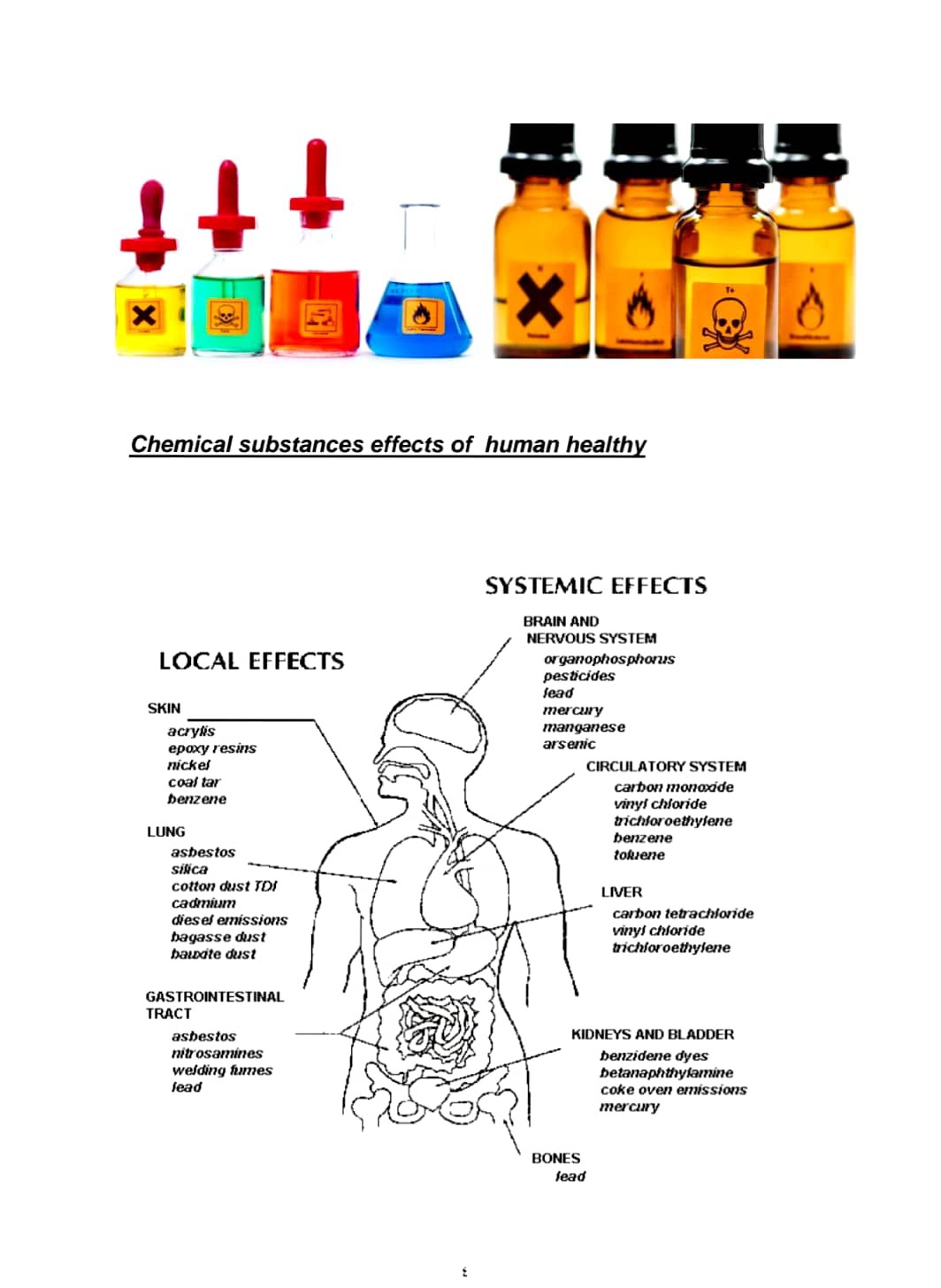
Fig; Impact of Chemical Pollutant on Human Health.

CHEMICAL POLLUTANT: Chemical pollutant are defined as substances introduced into the environment in quantities that threaten living resources and human health , including insecticides , herbicides , heavy metals , and excessive nutrients , which can lead to harmful effects such as mass mortalities , impaired reproductive success , and algal blooms .

CHEMICAL POLLUTANT TYPES AND EXAMPLES:

Table 1; chemical pollutant and their examples.

 Pollutant category

Examples

Major health impact

Heavy metals

Lead , mercury , arsenic , cadmium

Cardiovascular and neurological disease , kidney and liver damage , cancer

Volatile organic compounds ( VOC s )

Benzene , formaldehyde , toluene

Cancer ( e.g ., leukemia ) , neurological damage , respiratory irritation .

Persistent organic pollutants  ( POPs )

PCBs , dioxins , PFAS

Endocrine disruption , reproductive and development problems , cancer .

Pesticides

Organochlorine compounds , organophosphates

Neurotoxicity , reproductive and development harm cancer .

THE EFFECTS OF CHEMICAL POLLUTANTS ON HUMAN HEALTH :

Damage to liver , kidney , nervous system , blood , cardiovascular system , or the reproductive system , immune system . Certain pollutants can also produce carcinogenic ( cause cancer ) , teratogenic ( cause birth physical defects ) , or mutagenic effects ( affects DNA )

Chemical pollutant entering the body through inhalation , ingestion , or dermal absorption may have a local effect on specific organs ( e.g., lungs gastric system , or skin ) , or produce a systemic effects due to absorption , circulation in the blood and distribution in the body . Systemic effects may include damage to liver , kidney , nervous system , blood and distribution in the body .

Systemic effects may include damage to liver , kidney , nervous system , blood , cardiovascular system , immune system , or the reproductive system . Certain pollutant can also produce carcinogenic ( cause cancer ) , teratogenic ( cause birth physical defects ) , or mutagenic effects ( affect DNA ) . Hazardous effects deriving from human exposure to a chemical pollutant depends on the nature of the pollutants ( and its fate and effects on the  human body   ) as well as on the level of exposure [ 34 ] . The degree to which a chemical pollutants can cause hazardous effects to human is defined as toxicity which is determined by the reactions and interaction between the pollutant and the human body and by the dose of the chemical entering the body . Certain pollutants only produce an effect above a specific dose and can be harmless or even benefits at low doses . Dose – response assessment are used to determine critical levels of exposure to a pollutant which when surpassed can potentially be associated with unacceptable health risks .

A distinction is made between threshold and non threshold pollutants . When a pollutants has a threshold , there is a finite dose below which adverse effects are not discernible and a tolerable dose or intake can be defined ( often termed “ tolerable daily intake “ ) . Non threshold refers to chemicals for which a threshold for health effects cannot be assumed , such as genotoxic carcinogenic and mutagens , and for which there is some risks at any level of exposure [ 35 ] . For non threshold pollutants , minimal risks level represent and objective of “ acceptable “ risk.

The assessment of the risk to human health posed by exposure to chemical in soils requires the selection of toxicological data for subsequent use in the derivation of toxicological refence values ( tolerable daily intake or minimal risk levels ) that are protective of human health [ 34 ] . Toxicological refence values can also be defined as human toxicological risk limits [ 36 ] or health criteria values [37] . A variety of toxicological refence values are derived by organization worldwide . These are established from a review of the toxicological data from occupational and environmental epidemiological studies , animal studies , and from scientific understanding of the mechanism of absorption , transport , metabolic , and toxicity of the chemicals within the human body . It comprise the identification of key human health effects , chemical cause , and the target organ and \ or system that the chemical may damage . It also requires determining the key health effects that may arise from chronic exposure to the chemical and the collection of data on background intake from air , water , food , and other relevant sources . The determination of appropriate  tolerable daily intakes or minimal risk levels in the context of soil standard that are protective of human health also requires a literature review of the recommendations made by key authoritative bodies , in order to define the “ politically acceptable “ level of risk . This is usually chosen on the basis of scientific information about the range of risk levels . In those case where no authoritative values exist , such values are often derived from literature by expert judgment  [35] . Mixtures of chemical pollutants in soil can produce enhanced toxic effects . For example , there are reports on the Se and As interaction . Arsenic is toxic by itself and it also interacts with selenium , resulting in excretion of their mutual metabolic [ 38 ] .  

Chemical pollutant can be caused by a variety of chemicals from a variety of source and can involve a variety of health effects from  simple digestive problems to chemical intoxication  and sudden death by poisoning . The effects are usually related to the exposure to high amount and accumulate of chemicals in the body . Chemical pollutant lead to various serious diseases , generally by consuming poisonous food , drinking highly contaminated water , or breathing contaminated air . Chemical intoxication can have severe health effects that may tigger  Immediate symptoms and diseases or delayed effects which may appear after weeks or months since the exposure occurred . This is based on the types of pollutant and on the amount to which you are exposed . Caution , Never Assume That All Is Ok If No Health Effects Appera immediately !

Chemical compound intoxication are organic or inorganic chemicals that are the  main cause of chemical pollutants . The most common chemical pollutant are those compounds used across large areas and which are persistence , meaning they do not easily degrade in nature . Examples are most pesticides , herbicides , insecticides used in agriculture and gardening as well as chlorinated solvents used in many industrial processes and dry – cleaning activities .  

HOUSEHOLD CHEMICALS : involve a variety of chemical products and mixture that can easily become chemical pollutants when released into the environment . Even the everyday detergent are chemical compound that may pollute our environment ! Read the label of detergent products to confirm that they contain a variety of potentially hazardous chemical .

EIGHT WAYS THAT INDICATE THE IMPACT OF CHEMICAL POLLUTANT ON HUMAN HEALTH :

1 . Oxidative stress and inflammation ; When antioxidant defence are depleted , inflammation , cell death , and organ damage occurs .

2 . Genomic alterations and mutations ; An accumulation of DNA errors can trigger cancer and other chronic disease .

3 . Epigenetics alterations ; Epigenetics changes alter the synthesis of proteins responsible for childhood development and regular function of the body .

4 . Mitochondrial dysfunction ; A breakdown in the cellular powerplant may interfere with human development and contribute to chronic disease .

5 . Endocrine disruption ; Chemicals found in our environment food and consumer product disrupt the regulation of hormones and contribute to disease .

6 . Altered intercellular communication ; Signalling receptors and other means by which cells communicate , including neurotransmission , are affected .

7 . Altered microbiome communities ; An imbalance in the population of microorganism in our body can make us susceptible to allergies and infection .

8 . Impaired nervous system function ; Microscopic particles in air pollution reach the brain through the olfactory nerve and can interfere with cognition .

MODE OF HARM OF CHEMICAL POLLUTANTS

Chemical pollutant underline the integrity and health of animal , human and the ecosystem . Different chemical harm different system of the body in different ways ( for example by damaging the immune system or causing an imbalance in sex  hormones . ) Because people differ in their genetic makeup and history of exposure to toxic chemical , from particular toxic chemicals may cause more harm than single toxicant . Harm may caused by extraordinary small amounts of the dirty dozen which is about the most toxic chemical know . Harm may be temporary , permanent or fatal . Men and women respond differently due to economic , biology and gender roles . They are suspended to different health effects from exposure to toxic and other pollutant.

Divergence effects of chemical toxic by gender :

Women everywhere have primary responsibility for meeting the daily needs of their family . This means women are inn the front line of indoor exposure to toxins in the environment .
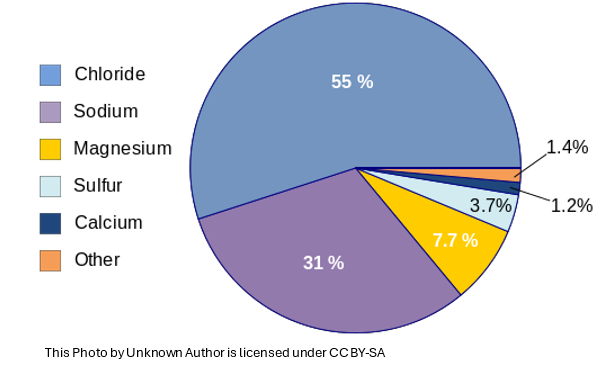
Fig; Percentage of chemical pollutant in the world

Undoubtedly, the human body experiences chemical contamination when exposed to such substances. This contamination leads to a disruption in the biological composition of certain bodily components. Acute poisoning arises from a 24-hour exposure to toxic gases, whereas chronic poisoning develops over an extended period of intermittent exposure to pollutants. Humans have the ability to exercise control over chemical pollutants in solid or liquid form, enabling them to easily identify, collect, and dispose of such pollutants in distant locations. Regarding gas chemical pollutants, they exhibit a rapid dispersion pattern, with certain pollutants being imperceptible to the naked eye, thereby posing challenges in their collection when dispersed. There are three distinct mechanisms through which gaseous pollutants infiltrate the human body and subsequently impact its functioning:

The process of respiration occurs via the respiratory system during inhalation and exhalation.

During the process of consuming food and beverages, they traverse the digestive system.

By breaking the skin, usually at the site of an injury

PREVANTION AND MITIGATIONN

The presence of chemical pollutants poses significant risks to human health, animal well-being, and the overall ecological balance of the environment. The mitigation of acid rain, ozone depletion, and greenhouse gases can be achieved through the implementation of appropriate measures within individual households to prevent the occurrence of such forms of pollution. The actions undertaken by human beings have a significant impact on the quality of air, water, and soil. The achievement of the objective to prevent chemical pollution necessitates the implementation of public education initiatives, a paradigm shift in thinking, and the modification of deeply entrenched operational protocols.

It is advisable to utilize household chemicals and products prior to their expiration date or when they become unfit for use. Distribute items such as paint and chemicals to individuals who will utilize them. The practice of recycling, reusing, or donating liquids derived from automobiles is advocated in order to promote sustainable resource management. It is advised against disposing of them by pouring them down the drain or discarding them in the conventional waste bin.

  1. Stricter Regulations : Enforce air and water quality standards , regulates industrial emissions , and promotes clean energy .
  2. Sustainable Practices : Encourage eco – friendly products , minimize plastic use , and adipose of chemical safety .
  3. Public Awareness : Educate communities about pollution risks and promotes individual actions to reduce exposure .
  4. Clean Energy : Transition to renewable energy source to reduce pollution .
  5. Reduce chemical use : choose non – toxic alternatives for cleaning and personal care products .
  6. Promote green chemistry : supports and adopts production processes that use less or no toxic chemicals
  7. Switch to clean energy : transition from fossil fuels to renewable energy source like solar and wind power .
  8. Reduce plastic use : minimise the use of plastic and recycles wastes effectively .
  9. Improve transportation : encourage public transport , carpooling , cycling and use of electric vehicles .
  10.  Conserve resources : implement water and energy conservation practices in industrial and household settings .
  11. Strengthen regulations : enforce and update policies to limit the use of hazardous chemicals and materials .
  12. Implement pollution control : install filter and scrubbers on industrial smokestacks to reduce emissions .
  13. Improve waste management : practice proper disposal for household and industrial waste .
  14. Monitor and respond  .
  15. Governmental actions
  16. Public awarness through community based action ( churches & mosques ) e. g . training , symposium , e.t.c
  17. Individual action i.e. need for moderation on all human activities i.e. moderation of organic food \ spices e.g  Iru \ origin , less cosmetic , more of shear butter : what you want put in yours mouth don’t rub on your body e.t.c.

OBJECTIVIES ;  The primary objectives of assessing the impact of chemical pollutants on public health is to understand , mitigate , and , prevent the harm caused by chemical exposure  . This is achieved by identifying dangerous chemicals , evaluating their health risks , and informing policy and preventive strategies to protect and preventive strategies to protect vulnerable population .

Key objective :

Identify persistence and hazardous chemicals : A key objective is to identify and monitor dangerous chemical pollutants , such as heavy metals ( lead metals, mercury , arsenic , ) persistence organic pollutants ( POP s ) , and endocrine disruption ( e. g ., phthalates , bisphenols ) .

Trance source of pollution : Researchers aim to determine the source of these chemicals in the environmental , including industrial emissions , agriculture runoff  ( pesticides , fertilizer ) , waste disposal , and other human activities .

ASSES HEALTH RISK AND EXPOSURE

  • Evaluate health effects : This involves studying the adverse health outcomes linked to chemical exposure , which range from acute poisoning to chronic condition like cancer , cardiovascular diseases , and respiratory illnesses . Researcher also investigate neurological . reproductive , and development damage .
  • Analyze exposure pathways : Objective include understanding how pollutants enter the human body , such as through inhalation of air pollution , ingestion of contaminated food and water , or direct skin contact .
  • Asses vulnerability : An important objectives is to identify population that are disproportionately affected by chemical pollution , such as children , the elderly , and low – income communities who often live closure to contamination source .
  • Study complex exposure : Researcher aim to understand the cumulative effects of simultaneous exposure to multiple chemical pollutants and other non – chemical stressors , which better reflects real – word conditions .

INFORM POLICY AND PREVENTION

  • Develop risk assessment :  A major goal is to create systemic risk assessment that qualify the potential for harm from chemical exposure . This provides a scientific basis for regulatory decisions and public health policies .
  • Establish protective standards : Objectives include setting and revising health – based guidelines for air and water quality , as well as safe limits for chemicals in food and ither consumer products .
  • Guide intervention : Research findings help inform public health intervention  and strategies to reduce or mitigate exposure . This can involve promoting cleaner technologies , supporting sustainable agriculture , and improving waste management practices .
  • Enhance public awareness : Public health messaging and educational campaign are aimed at increasing public understanding of the risk from chemical pollution and promoting prevention behaviors.

ADVANCE RESEARCH AND TECHNOLOGY

  • Fill knowledge gaps : Objectives include addressing limitation in understanding the links between pollutants and health effects , particularly for new or emerging contamination like microplastics . More research is needed in developing countries where data is often scarce .
  • Improve monitoring : Researchers aim to enhance monitoring techniques for chemicals in the environmental and in human ( biomonitoring ) . This include using “ big data” and advanced analytical approaches .
  • Foster interdisciplinary collaboration : An objective is to promoting cooperation between toxicologist , epidemiologist , environment scientist , and public health officials to develop comprehensive  solutions .

Table 2:  Human health effects of soil chemical pollution.

Chemicals

Human health effects

Chrome

Skin disease

Benzene

Harmful effects on blood , leukemia

Dibromochloropropane

Decreased sperm count , infertility

Lead

Infertility , miscarriage , stillbirth , insanity

Chloroethylene

Angiosarcoma , liver cancer

Asbestos

Lung cancer

Polychlorinated biphenyl

Chloracne


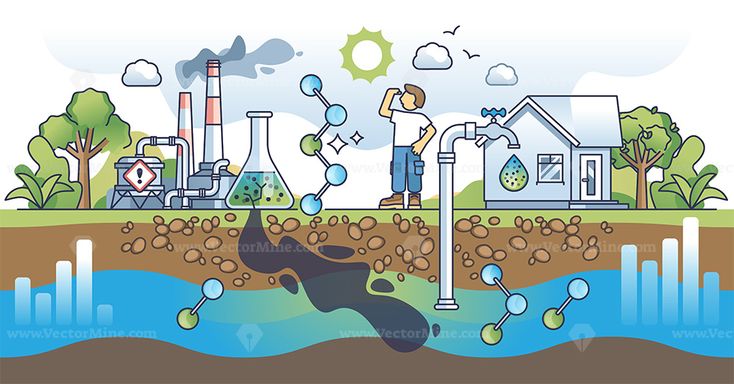
FIG: Soil contamination and ground water chemical pollutant outline concepts

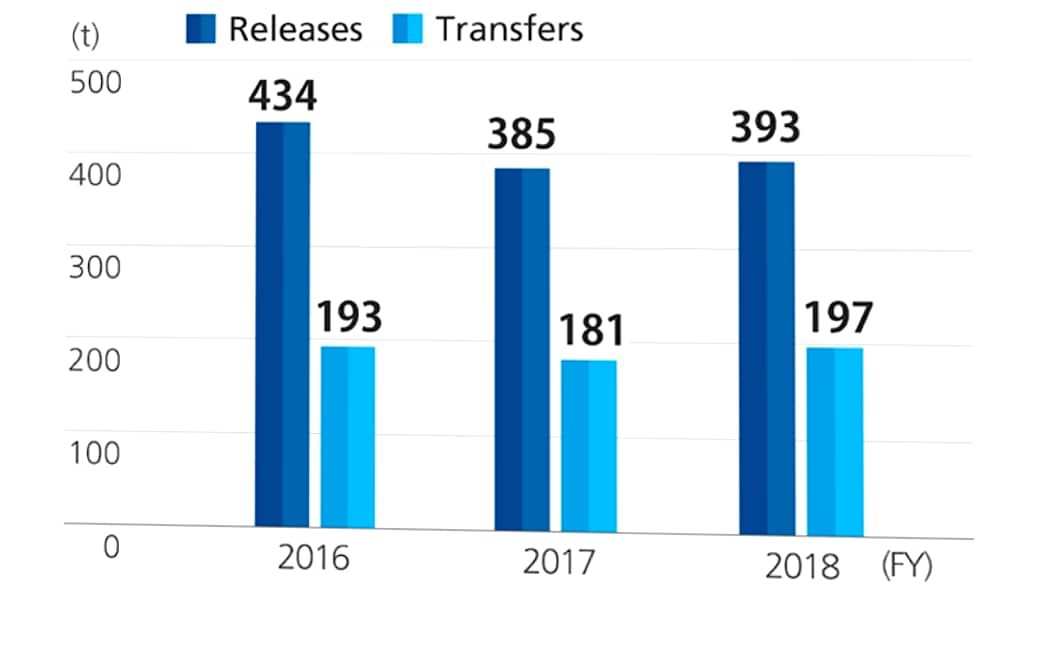
CONTROL OF POLLUTANT RELEASE AND TRASFER REGISTER (PRTR) SUBSTANCE

PRTR system : this system is for the control of chemical substance that are harmful to human or the ecosystem . Under this system , businesses ascertain the amount of harmful chemical substance they have released into the atmosphere , water , or , soil , or transfer to location outside of their business facilities and report this data to the national government . The national government then uses this dada and estimates to summarize and disclose volumes of chemical substance released or transferred .

Report of amount of PRTR substance released or transferred (contain manganese , chromium , nickel , and lead as alloy substance)
A new review of existing evidence proposes eight hallmarks of environmental exposures that chart the biological pathways through which pollutants contribute to disease: oxidative stress and inflammation, genomic alterations and mutations, epigenetic alterations, mitochondrial dysfunction, endocrine disruption, altered intercellular communication, altered microbiome communities, and impaired nervous system function.

The study by researchers at Columbia University Mailman School of Public Health, Ludwig Maximilian University, and Hasselt University is published in the journal Cell(link is external and opens in a new window).

“Every day we learn more about how exposure to pollutants in air, water, soil, and food is harmful to human health,” says senior author Andrea Baccarelli, MD, PhD, chair of Environmental Health Sciences at Columbia Mailman School. “Less understood, however, are the specific biological pathways through which these chemicals inflict damage on our bodies. In this paper, we provide a framework to understand why complex mixtures of environmental exposures bring about serious illness even at relatively modest concentrations.”

We are continually exposed to a mixture of pollutants, which lead to changes in our bodies in multiple domains, from conception to old age. They govern gene expression, train and shape our immune systems, trigger physiological responses, and determine wellbeing and disease.

The paper summarizes the evidence for eight hallmarks of environmental insults:

  • Oxidative stress and inflammation: When antioxidant defenses are depleted, inflammation, cell death, and organ damage occur.
  • Genomic alterations and mutations: An accumulation of DNA errors can trigger cancer and other chronic diseases.
  • Epigenetic alterations: Epigenetic changes alter the synthesis of proteins responsible for childhood development and regular function of the body.
  • Mitochondrial dysfunction: A breakdown in the cellular powerplant may interfere with human development and contribute to chronic disease.
  • Endocrine disruption: Chemicals found in our environment, food, and consumer products disrupt the regulation of hormones and contribute to disease.
  • Altered intercellular communication: Signaling receptors and other means by which cells communicate, including neurotransmission, are affected.
  • Altered microbiome communities: An imbalance in the population of microorganisms in our body can make us susceptible to allergies and infections. 
  • Impaired nervous system function. Microscopic particles in air pollution reach the brain through the olfactory nerve and can interfere with cognition.
  • Not all environmental exposures are harmful. The researchers note that exposure to nature has been reported to have beneficial impacts.

CONCLUSION

Chemical pollutants have a wide-ranging and severe impact on human health, leading to both acute and chronic illnesses affecting multiple organ systems. Addressing pollution through reduced emissions, improved waste management, and stricter regulations is crucial for safeguarding public health and well-being. Although pollutant are not new to the environmental , their exposure still poses the greatest threat to humanity and is a significant cause of environment illness and mortality . Urbanization , industrialization , mining , and exploration are some of the human activities that have had the most impact on worldwide environment pollution . While knowledge and tighter legislation in developed countries have to a greater extent in conserving their environment , both developed and developing countries share this responsibility . Despite its increased attention due to its severe long – term effects , pollutant still has an influence .

REFERENCES

  1. Manisalidis I., Stavropoulou E., Stavropoulos A., Bezirtzoglou E. Environmental and health impacts of air pollution: a review. Frontiers in Public Health. Frontiers Media S.A. 2020;8 doi: 10.3389/fpubh.2020.00014. [DOI] [PMC free article] [PubMed] [Google Scholar]
  2. Ghorani-Azam A., Riahi-Zanjani B., Balali-Mood M. Effects of air pollution on human health and practical measures for prevention in Iran. J Res Med Sci. Isfahan University of Medical Sciences(IUMS) 2016;21 doi: 10.4103/1735-1995.189646. [DOI] [PMC free article] [PubMed] [Google Scholar]
  3. Rodríguez Eugenio N, McLaughlin MJ, Pennock DJ, Food and agriculture organization of the united nations, global soil partnership. Soil pollution: a hidden reality. 142 p.
  4. Grandjean P., Landrigan P.J. Developmental neurotoxicity of industrial chemicals. Lancet. 2006;368 doi: 10.1016/S0140-6736(06)69665-7. [DOI] [PubMed] [Google Scholar]
  5. Haseena M., Malik M.F., Javed A., Arshad S., Asif N., Zulfiqar S., et al. Water pollution and human health. Environ. Risk Assess Remediat. 2017;1(3):20. [Google Scholar]
  6. Arif A. Water pollution and industries. Pure and Applied Biology. 2020 Dec 10;9(4) [Google Scholar]
  7. Owa F.D. Water pollution: sources, effects, control and management. Mediterr. J. Soc. Sci. 2013 Sep;4(8):65–68. [Google Scholar]
  8. Sarker B., Keya K N., Mahir F I., Nahiun K M., Shahida S A.Khan R. Surface and ground water pollution: causes and effects of urbanization and industrialization in south asia. Guigoz Sci Rev. 2021 Jul 8;(73):32–41. [Google Scholar]
  9. Gilliom R.J. USGeological Survey. 2007. Pesticides in U.S. Streams and groundwater; pp. 3409–3414. [Google Scholar]
  10. Paul M.J., Meyer J.L. 2001. STREAMS IN THE URBAN LANDSCAPE.www.annualreviews.org [Internet] Available from: [Google Scholar]
  11. Juneja T., Chaudhary A. Assessment of water quality and its effects on the health of residents of Jhunjhunu district, Rajasthan: a cross sectional study. Public Health Epidemiol Full Len Research Paper. 2013;5(4):186–191. http://www.academicjournals.org/JPHE [Internet] Available from: [Google Scholar]
  12. Ali H., Khan E., Ilahi I. Environmental chemistry and ecotoxicology of hazardous heavy metals: environmental persistence, toxicity, and bioaccumulation. J Chem. Hindawi Lim. 2019;2019 [Google Scholar]
  13. Cutler D., Miller G. The role of public health improvements in health advances: the twentieth-century United States. Demography. 2005;42(1):1–22. doi: 10.1353/dem.2005.0002. [DOI] [PubMed] [Google Scholar]
  14. Wang Q., Yang Z. Industrial water pollution, water environment treatment, and health risks in China. Environ. Pollut. 2016 Nov 1;218:358–365. doi: 10.1016/j.envpol.2016.07.011. [DOI] [PubMed] [Google Scholar]
  15. Mahurpawar Govt M. (P) Impact Factor: 2.035 (I2OR) EFFECTS of HEAVY METALS on HUMAN HEALTH.
  16. Fendall L.S., Sewell M.A. Contributing to marine pollution by washing your face: microplastics in facial cleansers. Mar. Pollut. Bull. 2009 Aug;58(8):1225–1228. doi: 10.1016/j.marpolbul.2009.04.025. [DOI] [PubMed] [Google Scholar]
  17. Chakraborti D., Rahman M.M., Paul K., Chowdhury U.K., Sengupta M.K., Lodh D., et al. vol. 58. Talanta; 2002. www.elsevier.com/locate/talanta (Arsenic Calamity in the Indian Subcontinent what Lessons Have Been Learned?). [Internet] Available from: [DOI] [PubMed] [Google Scholar]
  18. William. Air Pollution: the Role of Agriculture in Wales.
  19. Lee Y.G., Lee P.H., Choi S.M., An M.H., Jang A.S. Effects of air pollutants on airway diseases. Int J Environ Res Pub Health. MDPI. 2021;18 doi: 10.3390/ijerph18189905. [DOI] [PMC free article] [PubMed] [Google Scholar]
  20. Lee Y.G., Lee P.H., Choi S.M., An M.H., Jang A.S. Effects of air pollutants on airway diseases. International Journal of Environmental Research and Public Health. MDPI. 2021;18 doi: 10.3390/ijerph18189905. [DOI] [PMC free article] [PubMed] [Google Scholar]
  21. Lee B.J., Kim B., Lee K. Air pollution exposure and cardiovascular disease. Toxicol. Res. 2014;30(2):71–75. doi: 10.5487/TR.2014.30.2.071. [DOI] [PMC free article] [PubMed] [Google Scholar]
  22. Jayaraj R., Megha P., Sreedev P. Review Article. Organochlorine pesticides, their toxic effects on living organisms and their fate in the environment. Interdisciplinary Toxicology. Slovak Toxicology Society. 2016;9:90–100. doi: 10.1515/intox-2016-0012. [DOI] [PMC free article] [PubMed] [Google Scholar]
  23. Ghorab M A. Toxicological effects of organophosphates pesticides. Int. J. Environ. Monit. Anal. 2015;3(4):218. [Google Scholar]
  24. Budiyono B., Suhartono S., Kartini A. Types and toxicity levels of pesticides: a study of an agricultural area in Brebes Regency. Jurnal Kesehatan Lingkungan. 2023;15(2):109–119. [Google Scholar]
  25. Alabi O.A., Ologbonjaye K.I., Awosolu O., Alalade O.E. Public and environmental health effects of plastic wastes disposal: a review. J Toxicol Risk Assess. 2019;5:21. [Google Scholar]
  26. Briggs D. vol. 68. British Medical Bulletin; 2003. pp. 1–24. (Environmental Pollution and the Global Burden of Disease). [DOI] [PubMed] [Google Scholar]
  27. Archangelidi O., Sathiyajit S., Consonni D., Jarvis D., De Matteis S. Cleaning products and respiratory health outcomes in occupational cleaners: a systematic review and meta-analysis. Occup. Environ. Med. 2021 Aug 1;78(8):541–547. doi: 10.1136/oemed-2020-106776. [DOI] [PubMed] [Google Scholar]
  28. Heinzerling A., Hsu J., Yip F. Respiratory health effects of ultrafine particles in children: a literature review. Water, Air, and Soil Pollution. Springer International Publishing. 2016;227 doi: 10.1007/s11270-015-2726-6. [DOI] [PMC free article] [PubMed] [Google Scholar]
  29. Kelly F.J., Fussell J.C. vol. 41. Clinical and Experimental Allergy; 2011. pp. 1059–1071. (Air Pollution and Airway Disease). [DOI] [PubMed] [Google Scholar]
  30. Zuskin E., Mustajbegovic J., Schachter E.N., Kern J., Deckovic-Vukres V., Trosic I., et al. Respiratory function in pesticide workers. J. Occup. Environ. Med. 2008;50(11):1299–1305. doi: 10.1097/JOM.0b013e3181845f6c. [DOI] [PubMed] [Google Scholar]
  31. Salameh P.R., Baldi I., Brochard P., Raherison C., Abi Saleh B., Salamon R. Respiratory symptoms in children and exposure to pesticides. Eur Res J. Eur Res Soc. 2003;22:507–512. doi: 10.1183/09031936.03.00107403a. [DOI] [PubMed] [Google Scholar]
  32. Salam M.T., Li Y.F., Langholz B., Gilliland F.D. Early-life environmental risk factors for asthma: findings from the children's health study. Environ. Health Perspect. 2004;112(6):760–765. doi: 10.1289/ehp.6662. [DOI] [PMC free article] [PubMed] [Google Scholar]
  33. Morettol A. 1991. Indoor Spraying with the Pyrethroid Insecticide Lambda-Cyhalothrin: Effects on Spraymen and Inhabitants of Sprayed Houses. [PMC free article] [PubMed] [Google Scholar]
  34. Sunyer J., Garcia-Esteban R., Alvarez M., Guxens M., Goñi F., Basterrechea M., et al. DDE in mothers' blood during pregnancy and lower respiratory tract infections in their infants. Epidemiology. 2010 Sep;21(5):729–735. doi: 10.1097/EDE.0b013e3181e5ea96. [DOI] [PubMed] [Google Scholar]
  35. Salome C, Marks G, Savides P, Xuan W, Woolcock A, Salome C. The effect of insecticide aerosols on lung function, airway responsiveness and symptoms in asthmatic subjects. 2955. [DOI] [PubMed]
  36. Verma R., Vinoda K.S., Papireddy M., Gowda A.N.S. Toxic pollutants from plastic waste- A review. Procedia Environ Sci. 2016;35:701–708. [Google Scholar]
  37. Merlos MG, Vrijheid DM. PERSISTENT ORGANIC POLLUTANTS, BISPHENOL A, PHTHALATES AND RESPIRATORY AND IMMUNE HEALTH IN CHILDHOOD Directora de la tesi.
  38. Rezg R., El-Fazaa S., Gharbi N., Mornagui B. Bisphenol A and human chronic diseases: current evidences, possible mechanisms, and future perspectives. Environment International. Elsevier Ltd. 2014;64:83–90. doi: 10.1016/j.envint.2013.12.007. [DOI] [PubMed] [Google Scholar]
  39. Donohue K.M., Miller R.L., Perzanowski M.S., Just A.C., Hoepner L.A., Arunajadai S., et al. Prenatal and postnatal bisphenol A exposure and asthma development among inner-city children. J. Allergy Clin. Immunol. 2013;131(3) doi: 10.1016/j.jaci.2012.12.1573. [DOI] [PMC free article] [PubMed] [Google Scholar]
  40. Jacques Oosthuizen. InTech; 2012. Environmental Health : Emerging Issues and Practice; p. 324. [Google Scholar]
  41. Figueroa B.E. Are more restrictive food cadmium standards justifiable health safety measures or opportunistic barriers to trade? An answer from economics and public health. Sci. Total Environ. 2008 Jan 15;389(1):1–9. doi: 10.1016/j.scitotenv.2007.08.015. [DOI] [PubMed] [Google Scholar]
  42. Zhang M., Liu T., Wang G., Buckley J.P., Guallar E., Hong X., et al. In utero exposure to heavy metals and trace elements and childhood blood pressure in a u.S. urban, low-income, minority birth cohort. Environ. Health Perspect. 2021 Jun 1;(6):129. doi: 10.1289/EHP8325. [DOI] [PMC free article] [PubMed] [Google Scholar]
  43. Zhang M., Liu T., Wang G., Buckley J.P., Guallar E., Hong X., et al. In utero exposure to heavy metals and trace elements and childhood blood pressure in a u.S. urban, low-income, minority birth cohort. Environ. Health Perspect. 2021 Jun 1;(6):129. doi: 10.1289/EHP8325. [DOI] [PMC free article] [PubMed] [Google Scholar]
  44. Shu C.C., Chen J.K., Huang P.C., Hwang J.S., Su T.C. Association between urinary manganese and pulmonary function in young adults: a cross-sectional design with a longitudinal cohort validation. Ecotoxicol. Environ. Saf. 2021 Dec 20:227. doi: 10.1016/j.ecoenv.2021.112937. [DOI] [PubMed] [Google Scholar]
  45. Ma Y., He X., Qi K., Wang T., Qi Y., Cui L., et al. Effects of environmental contaminants on fertility and reproductive health. J Environ Sci (China). Chinese Academy Sci. 2019;77:210–217. doi: 10.1016/j.jes.2018.07.015. [DOI] [PubMed] [Google Scholar]
  46. Jana K., Sen P.C. Environmental Toxicants Induced Male Reproductive Disorders: Identification and Mechanism of Action [Internet] www.intechopen.com Available from:
  47. Sikka S.C. Relative impact of oxidative stress on male reproductive function. Curr. Med. Chem. 2001;8 doi: 10.2174/0929867013373039. [DOI] [PubMed] [Google Scholar]
  48. Turner T.T., Lysiak J.J. Oxidative stress: a common factor in testicular dysfunction. J. Androl. 2008;29:488–498. doi: 10.2164/jandrol.108.005132. [DOI] [PubMed] [Google Scholar]
  49. Rubes J., Selevan S.G., Sram R.J., Evenson D.P., Perreault S.D. 2007. IMPACT OF AIR POLLUTION ON REPRODUCTIVE HEALTH IN NORTHERN BOHEMIA. [Google Scholar]
  50. Veras M.M., Caldini E.G., Dolhnikoff M., Saldiva P.H.N. Air pollution and effects on reproductive-system functions globally with particular emphasis on the brazilian population. J. Toxicol. Environ. Health B Crit. Rev. 2010;13:1–15. doi: 10.1080/10937401003673800. [DOI] [PubMed] [Google Scholar]
  51. Al-Gubory K.H., Fowler P.A., Garrel C. The roles of cellular reactive oxygen species, oxidative stress and antioxidants in pregnancy outcomes. Int. J. Biochem. Cell Biol. 2010;42:1634–1650. doi: 10.1016/j.biocel.2010.06.001. [DOI] [PubMed] [Google Scholar]
  52. Agarwal A., Aponte-Mellado A., Premkumar B.J., Shaman A., Gupta S. The effects of oxidative stress on female reproduction: a review. Reprod. Biol. Endocrinol. 2012;10 doi: 10.1186/1477-7827-10-49. http://www.rbej.com/content/10/1/49 [Internet] Available from: [DOI] [PMC free article] [PubMed] [Google Scholar]
  53. Wang L., Luo D., Liu X., Zhu J., Wang F., Li B., et al. Effects of PM2.5 exposure on reproductive system and its mechanisms. Chemosphere. Elsevier Ltd. 2021;264 doi: 10.1016/j.chemosphere.2020.128436. [DOI] [PubMed] [Google Scholar]
  54. Hauser R., Sokol R. vol. 89. Fertility and Sterility; 2008. (Science Linking Environmental Contaminant Exposures with Fertility and Reproductive Health Impacts in the Adult Male). [DOI] [PubMed] [Google Scholar]
  55. Xu M.X., Ge C.X., Qin Y.T., Gu T.T., Lou D.S., Li Q., et al. Prolonged PM2.5 exposure elevates risk of oxidative stress-driven nonalcoholic fatty liver disease by triggering increase of dyslipidemia. Free Radic. Biol. Med. 2019 Jan 1;130:542–556. doi: 10.1016/j.freeradbiomed.2018.11.016. [DOI] [PubMed] [Google Scholar]
  56. Carré J., Gatimel N., Moreau J., Parinaud J., Léandri R. Does air pollution play a role in infertility?: a systematic review. Environ. Health: A Global Access Science Source. BioMed Central Ltd. 2017;16 doi: 10.1186/s12940-017-0291-8. [DOI] [PMC free article] [PubMed] [Google Scholar]
  57. Menichini E., Sanit&laboratorm S., ne Ambnta&. Urban air pollution by polycyclic aromatic hydrocarbons: levels and sources of variability. Elsevier Science Publishers B.V. 1992;116 doi: 10.1016/0048-9697(92)90368-3. [DOI] [PubMed] [Google Scholar]
  58. Guven A., Kayikci A., Cam K., Arbak P., Balbay O., Cam M. Alterations in semen parameters of toll collectors working at motorways: does diesel exposure induce detrimental effects on semen? Andrologia. 2008;40(6):346–351. doi: 10.1111/j.1439-0272.2008.00867.x. [DOI] [PubMed] [Google Scholar]
  59. Frazier L.M. Reproductive disorders associated with pesticide exposure. J. Agromed. 2007:27–37. doi: 10.1300/J096v12n01_04. [DOI] [PubMed] [Google Scholar]
  60. Rupa D.S., Reddy P.P., Reddi O.S. Reproductive performance in population exposed to pesticides in cotton fields in India. Environ. Res. 1991;55 doi: 10.1016/s0013-9351(05)80168-9. [DOI] [PubMed] [Google Scholar].

Reference

  1. Manisalidis I., Stavropoulou E., Stavropoulos A., Bezirtzoglou E. Environmental and health impacts of air pollution: a review. Frontiers in Public Health. Frontiers Media S.A. 2020;8 doi: 10.3389/fpubh.2020.00014. [DOI] [PMC free article] [PubMed] [Google Scholar]
  2. Ghorani-Azam A., Riahi-Zanjani B., Balali-Mood M. Effects of air pollution on human health and practical measures for prevention in Iran. J Res Med Sci. Isfahan University of Medical Sciences(IUMS) 2016;21 doi: 10.4103/1735-1995.189646. [DOI] [PMC free article] [PubMed] [Google Scholar]
  3. Rodríguez Eugenio N, McLaughlin MJ, Pennock DJ, Food and agriculture organization of the united nations, global soil partnership. Soil pollution: a hidden reality. 142 p.
  4. Grandjean P., Landrigan P.J. Developmental neurotoxicity of industrial chemicals. Lancet. 2006;368 doi: 10.1016/S0140-6736(06)69665-7. [DOI] [PubMed] [Google Scholar]
  5. Haseena M., Malik M.F., Javed A., Arshad S., Asif N., Zulfiqar S., et al. Water pollution and human health. Environ. Risk Assess Remediat. 2017;1(3):20. [Google Scholar]
  6. Arif A. Water pollution and industries. Pure and Applied Biology. 2020 Dec 10;9(4) [Google Scholar]
  7. Owa F.D. Water pollution: sources, effects, control and management. Mediterr. J. Soc. Sci. 2013 Sep;4(8):65–68. [Google Scholar]
  8. Sarker B., Keya K N., Mahir F I., Nahiun K M., Shahida S A.Khan R. Surface and ground water pollution: causes and effects of urbanization and industrialization in south asia. Guigoz Sci Rev. 2021 Jul 8;(73):32–41. [Google Scholar]
  9. Gilliom R.J. USGeological Survey. 2007. Pesticides in U.S. Streams and groundwater; pp. 3409–3414. [Google Scholar]
  10. Paul M.J., Meyer J.L. 2001. STREAMS IN THE URBAN LANDSCAPE.www.annualreviews.org [Internet] Available from: [Google Scholar]
  11. Juneja T., Chaudhary A. Assessment of water quality and its effects on the health of residents of Jhunjhunu district, Rajasthan: a cross sectional study. Public Health Epidemiol Full Len Research Paper. 2013;5(4):186–191. http://www.academicjournals.org/JPHE [Internet] Available from: [Google Scholar]
  12. Ali H., Khan E., Ilahi I. Environmental chemistry and ecotoxicology of hazardous heavy metals: environmental persistence, toxicity, and bioaccumulation. J Chem. Hindawi Lim. 2019;2019 [Google Scholar]
  13. Cutler D., Miller G. The role of public health improvements in health advances: the twentieth-century United States. Demography. 2005;42(1):1–22. doi: 10.1353/dem.2005.0002. [DOI] [PubMed] [Google Scholar]
  14. Wang Q., Yang Z. Industrial water pollution, water environment treatment, and health risks in China. Environ. Pollut. 2016 Nov 1;218:358–365. doi: 10.1016/j.envpol.2016.07.011. [DOI] [PubMed] [Google Scholar]
  15. Mahurpawar Govt M. (P) Impact Factor: 2.035 (I2OR) EFFECTS of HEAVY METALS on HUMAN HEALTH.
  16. Fendall L.S., Sewell M.A. Contributing to marine pollution by washing your face: microplastics in facial cleansers. Mar. Pollut. Bull. 2009 Aug;58(8):1225–1228. doi: 10.1016/j.marpolbul.2009.04.025. [DOI] [PubMed] [Google Scholar]
  17. Chakraborti D., Rahman M.M., Paul K., Chowdhury U.K., Sengupta M.K., Lodh D., et al. vol. 58. Talanta; 2002. www.elsevier.com/locate/talanta (Arsenic Calamity in the Indian Subcontinent what Lessons Have Been Learned?). [Internet] Available from: [DOI] [PubMed] [Google Scholar]
  18. William. Air Pollution: the Role of Agriculture in Wales.
  19. Lee Y.G., Lee P.H., Choi S.M., An M.H., Jang A.S. Effects of air pollutants on airway diseases. Int J Environ Res Pub Health. MDPI. 2021;18 doi: 10.3390/ijerph18189905. [DOI] [PMC free article] [PubMed] [Google Scholar]
  20. Lee Y.G., Lee P.H., Choi S.M., An M.H., Jang A.S. Effects of air pollutants on airway diseases. International Journal of Environmental Research and Public Health. MDPI. 2021;18 doi: 10.3390/ijerph18189905. [DOI] [PMC free article] [PubMed] [Google Scholar]
  21. Lee B.J., Kim B., Lee K. Air pollution exposure and cardiovascular disease. Toxicol. Res. 2014;30(2):71–75. doi: 10.5487/TR.2014.30.2.071. [DOI] [PMC free article] [PubMed] [Google Scholar]
  22. Jayaraj R., Megha P., Sreedev P. Review Article. Organochlorine pesticides, their toxic effects on living organisms and their fate in the environment. Interdisciplinary Toxicology. Slovak Toxicology Society. 2016;9:90–100. doi: 10.1515/intox-2016-0012. [DOI] [PMC free article] [PubMed] [Google Scholar]
  23. Ghorab M A. Toxicological effects of organophosphates pesticides. Int. J. Environ. Monit. Anal. 2015;3(4):218. [Google Scholar]
  24. Budiyono B., Suhartono S., Kartini A. Types and toxicity levels of pesticides: a study of an agricultural area in Brebes Regency. Jurnal Kesehatan Lingkungan. 2023;15(2):109–119. [Google Scholar]
  25. Alabi O.A., Ologbonjaye K.I., Awosolu O., Alalade O.E. Public and environmental health effects of plastic wastes disposal: a review. J Toxicol Risk Assess. 2019;5:21. [Google Scholar]
  26. Briggs D. vol. 68. British Medical Bulletin; 2003. pp. 1–24. (Environmental Pollution and the Global Burden of Disease). [DOI] [PubMed] [Google Scholar]
  27. Archangelidi O., Sathiyajit S., Consonni D., Jarvis D., De Matteis S. Cleaning products and respiratory health outcomes in occupational cleaners: a systematic review and meta-analysis. Occup. Environ. Med. 2021 Aug 1;78(8):541–547. doi: 10.1136/oemed-2020-106776. [DOI] [PubMed] [Google Scholar]
  28. Heinzerling A., Hsu J., Yip F. Respiratory health effects of ultrafine particles in children: a literature review. Water, Air, and Soil Pollution. Springer International Publishing. 2016;227 doi: 10.1007/s11270-015-2726-6. [DOI] [PMC free article] [PubMed] [Google Scholar]
  29. Kelly F.J., Fussell J.C. vol. 41. Clinical and Experimental Allergy; 2011. pp. 1059–1071. (Air Pollution and Airway Disease). [DOI] [PubMed] [Google Scholar]
  30. Zuskin E., Mustajbegovic J., Schachter E.N., Kern J., Deckovic-Vukres V., Trosic I., et al. Respiratory function in pesticide workers. J. Occup. Environ. Med. 2008;50(11):1299–1305. doi: 10.1097/JOM.0b013e3181845f6c. [DOI] [PubMed] [Google Scholar]
  31. Salameh P.R., Baldi I., Brochard P., Raherison C., Abi Saleh B., Salamon R. Respiratory symptoms in children and exposure to pesticides. Eur Res J. Eur Res Soc. 2003;22:507–512. doi: 10.1183/09031936.03.00107403a. [DOI] [PubMed] [Google Scholar]
  32. Salam M.T., Li Y.F., Langholz B., Gilliland F.D. Early-life environmental risk factors for asthma: findings from the children's health study. Environ. Health Perspect. 2004;112(6):760–765. doi: 10.1289/ehp.6662. [DOI] [PMC free article] [PubMed] [Google Scholar]
  33. Morettol A. 1991. Indoor Spraying with the Pyrethroid Insecticide Lambda-Cyhalothrin: Effects on Spraymen and Inhabitants of Sprayed Houses. [PMC free article] [PubMed] [Google Scholar]
  34. Sunyer J., Garcia-Esteban R., Alvarez M., Guxens M., Goñi F., Basterrechea M., et al. DDE in mothers' blood during pregnancy and lower respiratory tract infections in their infants. Epidemiology. 2010 Sep;21(5):729–735. doi: 10.1097/EDE.0b013e3181e5ea96. [DOI] [PubMed] [Google Scholar]
  35. Salome C, Marks G, Savides P, Xuan W, Woolcock A, Salome C. The effect of insecticide aerosols on lung function, airway responsiveness and symptoms in asthmatic subjects. 2955. [DOI] [PubMed]
  36. Verma R., Vinoda K.S., Papireddy M., Gowda A.N.S. Toxic pollutants from plastic waste- A review. Procedia Environ Sci. 2016;35:701–708. [Google Scholar]
  37. Merlos MG, Vrijheid DM. PERSISTENT ORGANIC POLLUTANTS, BISPHENOL A, PHTHALATES AND RESPIRATORY AND IMMUNE HEALTH IN CHILDHOOD Directora de la tesi.
  38. Rezg R., El-Fazaa S., Gharbi N., Mornagui B. Bisphenol A and human chronic diseases: current evidences, possible mechanisms, and future perspectives. Environment International. Elsevier Ltd. 2014;64:83–90. doi: 10.1016/j.envint.2013.12.007. [DOI] [PubMed] [Google Scholar]
  39. Donohue K.M., Miller R.L., Perzanowski M.S., Just A.C., Hoepner L.A., Arunajadai S., et al. Prenatal and postnatal bisphenol A exposure and asthma development among inner-city children. J. Allergy Clin. Immunol. 2013;131(3) doi: 10.1016/j.jaci.2012.12.1573. [DOI] [PMC free article] [PubMed] [Google Scholar]
  40. Jacques Oosthuizen. InTech; 2012. Environmental Health : Emerging Issues and Practice; p. 324. [Google Scholar]
  41. Figueroa B.E. Are more restrictive food cadmium standards justifiable health safety measures or opportunistic barriers to trade? An answer from economics and public health. Sci. Total Environ. 2008 Jan 15;389(1):1–9. doi: 10.1016/j.scitotenv.2007.08.015. [DOI] [PubMed] [Google Scholar]
  42. Zhang M., Liu T., Wang G., Buckley J.P., Guallar E., Hong X., et al. In utero exposure to heavy metals and trace elements and childhood blood pressure in a u.S. urban, low-income, minority birth cohort. Environ. Health Perspect. 2021 Jun 1;(6):129. doi: 10.1289/EHP8325. [DOI] [PMC free article] [PubMed] [Google Scholar]
  43. Zhang M., Liu T., Wang G., Buckley J.P., Guallar E., Hong X., et al. In utero exposure to heavy metals and trace elements and childhood blood pressure in a u.S. urban, low-income, minority birth cohort. Environ. Health Perspect. 2021 Jun 1;(6):129. doi: 10.1289/EHP8325. [DOI] [PMC free article] [PubMed] [Google Scholar]
  44. Shu C.C., Chen J.K., Huang P.C., Hwang J.S., Su T.C. Association between urinary manganese and pulmonary function in young adults: a cross-sectional design with a longitudinal cohort validation. Ecotoxicol. Environ. Saf. 2021 Dec 20:227. doi: 10.1016/j.ecoenv.2021.112937. [DOI] [PubMed] [Google Scholar]
  45. Ma Y., He X., Qi K., Wang T., Qi Y., Cui L., et al. Effects of environmental contaminants on fertility and reproductive health. J Environ Sci (China). Chinese Academy Sci. 2019;77:210–217. doi: 10.1016/j.jes.2018.07.015. [DOI] [PubMed] [Google Scholar]
  46. Jana K., Sen P.C. Environmental Toxicants Induced Male Reproductive Disorders: Identification and Mechanism of Action [Internet] www.intechopen.com Available from:
  47. Sikka S.C. Relative impact of oxidative stress on male reproductive function. Curr. Med. Chem. 2001;8 doi: 10.2174/0929867013373039. [DOI] [PubMed] [Google Scholar]
  48. Turner T.T., Lysiak J.J. Oxidative stress: a common factor in testicular dysfunction. J. Androl. 2008;29:488–498. doi: 10.2164/jandrol.108.005132. [DOI] [PubMed] [Google Scholar]
  49. Rubes J., Selevan S.G., Sram R.J., Evenson D.P., Perreault S.D. 2007. IMPACT OF AIR POLLUTION ON REPRODUCTIVE HEALTH IN NORTHERN BOHEMIA. [Google Scholar]
  50. Veras M.M., Caldini E.G., Dolhnikoff M., Saldiva P.H.N. Air pollution and effects on reproductive-system functions globally with particular emphasis on the brazilian population. J. Toxicol. Environ. Health B Crit. Rev. 2010;13:1–15. doi: 10.1080/10937401003673800. [DOI] [PubMed] [Google Scholar]
  51. Al-Gubory K.H., Fowler P.A., Garrel C. The roles of cellular reactive oxygen species, oxidative stress and antioxidants in pregnancy outcomes. Int. J. Biochem. Cell Biol. 2010;42:1634–1650. doi: 10.1016/j.biocel.2010.06.001. [DOI] [PubMed] [Google Scholar]
  52. Agarwal A., Aponte-Mellado A., Premkumar B.J., Shaman A., Gupta S. The effects of oxidative stress on female reproduction: a review. Reprod. Biol. Endocrinol. 2012;10 doi: 10.1186/1477-7827-10-49. http://www.rbej.com/content/10/1/49 [Internet] Available from: [DOI] [PMC free article] [PubMed] [Google Scholar]
  53. Wang L., Luo D., Liu X., Zhu J., Wang F., Li B., et al. Effects of PM2.5 exposure on reproductive system and its mechanisms. Chemosphere. Elsevier Ltd. 2021;264 doi: 10.1016/j.chemosphere.2020.128436. [DOI] [PubMed] [Google Scholar]
  54. Hauser R., Sokol R. vol. 89. Fertility and Sterility; 2008. (Science Linking Environmental Contaminant Exposures with Fertility and Reproductive Health Impacts in the Adult Male). [DOI] [PubMed] [Google Scholar]
  55. Xu M.X., Ge C.X., Qin Y.T., Gu T.T., Lou D.S., Li Q., et al. Prolonged PM2.5 exposure elevates risk of oxidative stress-driven nonalcoholic fatty liver disease by triggering increase of dyslipidemia. Free Radic. Biol. Med. 2019 Jan 1;130:542–556. doi: 10.1016/j.freeradbiomed.2018.11.016. [DOI] [PubMed] [Google Scholar]
  56. Carré J., Gatimel N., Moreau J., Parinaud J., Léandri R. Does air pollution play a role in infertility?: a systematic review. Environ. Health: A Global Access Science Source. BioMed Central Ltd. 2017;16 doi: 10.1186/s12940-017-0291-8. [DOI] [PMC free article] [PubMed] [Google Scholar]
  57. Menichini E., Sanit&laboratorm S., ne Ambnta&. Urban air pollution by polycyclic aromatic hydrocarbons: levels and sources of variability. Elsevier Science Publishers B.V. 1992;116 doi: 10.1016/0048-9697(92)90368-3. [DOI] [PubMed] [Google Scholar]
  58. Guven A., Kayikci A., Cam K., Arbak P., Balbay O., Cam M. Alterations in semen parameters of toll collectors working at motorways: does diesel exposure induce detrimental effects on semen? Andrologia. 2008;40(6):346–351. doi: 10.1111/j.1439-0272.2008.00867.x. [DOI] [PubMed] [Google Scholar]
  59. Frazier L.M. Reproductive disorders associated with pesticide exposure. J. Agromed. 2007:27–37. doi: 10.1300/J096v12n01_04. [DOI] [PubMed] [Google Scholar]
  60. Rupa D.S., Reddy P.P., Reddi O.S. Reproductive performance in population exposed to pesticides in cotton fields in India. Environ. Res. 1991;55 doi: 10.1016/s0013-9351(05)80168-9. [DOI] [PubMed] [Google Scholar].

Photo
Chetan Sable
Corresponding author

Rashtriya Collage of Pharmacy Hatnoor Tq. Kannad Dist. Chh Sambhajinagar-431103.

Photo
Ram Ingle
Co-author

Rashtriya Collage of Pharmacy Hatnoor Tq. Kannad Dist. Chh Sambhajinagar-431103.

Ram Ingle, Chetan Sable*, Impact of Chemical Pollutants on Public Health, Int. J. of Pharm. Sci., 2025, Vol 3, Issue 12, 1270-1288 https://doi.org/10.5281/zenodo.17851608

More related articles
Antimicrobial, Antioxidant, and Phytochemical Stud...
Syed Siraj Alam Hussaini, Dr. Mohammed Ibrahim, Dr. Syed Saleemud...
Phytochemical-Mediated Green Synthesis of Silver N...
Parveen Yadav, Vishnu Sharma, Devashish, Karan Dahiya, Piyush, , ...
Phytochemical Investigation of Celosia Argentea Leaves Extracts ...
Kapil Dev Pandey, Dr. Naresh Kalra, Dr. Abhay Gupta, ...
An Extensive Analysis of Achyranthes Aspera's (Amaranthaceae) Traditional Applic...
Pratiksha Kardile, Amruta Varpe, Rohan Salve, Dipali Devkate, Sanika Palange, Gayatri Khodade, Dr. R...
A Comprehensive Review of Anticancer Phytochemicals: Mechanisms, Efficacy and Th...
Tejas Hulge , Barkade Sumit Dattatray, Markad Prashant Santosh, Komal Salunkhe, Dr. R.R. Bendgude, ...
Related Articles
Phytochemical Composition and Neuroprotective Potential of Amaranthus tricolor: ...
Avantika Lokare, Sanika Patil, Dr. Ramling Patrakar, Aajit Patil, ...
Review on Pharmacognostic and Phytochemical Evaluation of Tridax Procumben...
Uday Shinde, Vaibhav Shinde, Siddhu Taranjeet Kaur Karnalsing, Prachi Sirge, Vishwajit Sonkamble, S....
Antimicrobial, Antioxidant, and Phytochemical Studies of Moringa oleifera Leaf E...
Syed Siraj Alam Hussaini, Dr. Mohammed Ibrahim, Dr. Syed Saleemuddin Ahmed, ...
More related articles
Antimicrobial, Antioxidant, and Phytochemical Studies of Moringa oleifera Leaf E...
Syed Siraj Alam Hussaini, Dr. Mohammed Ibrahim, Dr. Syed Saleemuddin Ahmed, ...
Phytochemical-Mediated Green Synthesis of Silver Nanoparticles Using Co-Extract ...
Parveen Yadav, Vishnu Sharma, Devashish, Karan Dahiya, Piyush, , Sachin, ...
Antimicrobial, Antioxidant, and Phytochemical Studies of Moringa oleifera Leaf E...
Syed Siraj Alam Hussaini, Dr. Mohammed Ibrahim, Dr. Syed Saleemuddin Ahmed, ...
Phytochemical-Mediated Green Synthesis of Silver Nanoparticles Using Co-Extract ...
Parveen Yadav, Vishnu Sharma, Devashish, Karan Dahiya, Piyush, , Sachin, ...