
Adhiparasakthi College of Pharmacy, The Tamil Nadu Dr. M. G. R. Medical University, Chennai 603319
Skin disorders such as eczema, psoriasis, wounds, burns, acne, and infections are prevalent worldwide and often require topical therapy for effective management. Conventional synthetic ointments, though widely used, are associated with adverse effects including skin irritation, contact dermatitis, systemic toxicity, and microbial resistance, especially with prolonged use. These limitations have prompted increased research into natural herbal ointments as safer and sustainable alternatives. Herbal ointments, formulated with plant extracts, natural oils, waxes, and butters, exhibit anti-inflammatory, antimicrobial, antioxidant, and wound-healing properties, providing a multifunctional approach to dermatological therapy. Their natural bases enhance skin hydration, occlusion, and penetration of active constituents, improving therapeutic outcomes while minimizing systemic absorption and toxicity. Comparative studies have demonstrated that herbal ointments often provide comparable or superior efficacy to synthetic formulations in managing both acute and chronic skin conditions, with improved patient compliance and acceptance. Additionally, the eco-friendly and biodegradable nature of natural ingredients aligns with sustainable pharmaceutical practices. Recent advances in standardization, phytochemical analysis, and formulation technology have strengthened the scientific validation of community based Ethnomedicinal information. This review summarizes current evidence upon composition strategies, evaluation methods, therapeutic efficacy, and herbal ointments advantages over synthetic counterparts. The integration of traditional medicine along with contemporary pharmaceutical science research emphasizes the promise of herbal ointments as effective, safe, and sustainable alternatives for topical therapy in dermatology. Further clinical studies and regulatory harmonization which support their broader adoption in modern therapeutic practice.
Skin is the largest organ of the human body and acts as Physical barrier against microbes, toxins, UV radiation. Regulator of temperature and water loss Skin disorders such as eczema, psoriasis, wounds, burns, acne, and infections are very common and arise due to multiple internal and external factors.
1.1 The major causes for skin disorders include:
These factors disrupt the normal structure and protective action of the skin, resulting in various acute and long-term affecting dermatological disorders.
1.2 External preparations are preferred because of the following advantages:
Localized action: Topical formulations are administered to the targeted dermatological area. This allows the drug to act exactly on the site of disease, such as inflammation, infection, or wound area, resulting in faster relief and improved therapeutic effectiveness
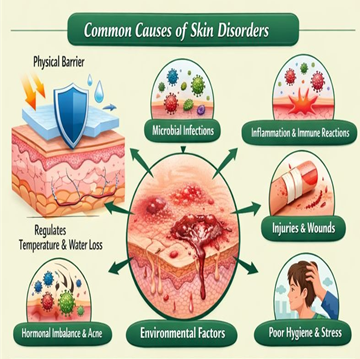
Figure 1: Common Causes of Skin Disorders
Reduced systemic side effects: Since the drug mainly acts on the local site and minimal amount enters the bloodstream, Cutaneous preparations significantly reduce systemic absorption. This lowers the chance of unwanted effects on other organs, making them safer for long-term and repeated use compared to oral or injectable medications.
Skin Disorder
(Eczema / Psoriasis / Wound / Infection)

Application of Ointment on Skin

Formation of Occlusive Layer


Reduced Water Loss Protection from Irritants

Improved Skin Hydration

Improved penetration of active compounds

Localized Therapeutic Action

Healing and Symptom Relief
Flow Chart 1: Role of Ointments in Skin Therapy
1.3 Rationale for Polyherbal Oleaginous Ointment
1.4 Importance of Ointments
Semisolid topical preparations intended for external application.
Ointments are semisolid topical preparations are widely used in dermatological therapy due to their simple composition and high therapeutic effectiveness.
Ointments provide an occlusive effect by forming a shielding layer over the outerpart of skin. This layer reduces transepidermal water loss, maintains moisture retention, and guards the affected area from external irritants and microbial invasion. For this reason, ointments promote faster regeneration and restoration of skin-integrity.
Topical Dosage Forms

Selection of Ointment

High Viscosity & Semisolid Nature

Longer Retention on Skin

Prolonged Drug Contact Time

Minimal Systemic Absorption

Reduced Side Effects
Flow Chart 2: Advantages of Ointments over other Topical Forms
They offer prolonged contact time in contact with the dermal compared to other transdermal-forms such as creams or gels. This extended residence time allows the key medicants to remain on the area of application over prolonged duration, leading to sustained therapeutic action. Ointment bases enhance the penetration of active ingredients through the stratum corneum by softening the skin and improving drug absorption. This makes ointments particularly effective for delivering lipophilic drugs and herbal constituents.
Dry / Persistent skin condition

Loss of Skin Moisture

Impaired Skin Barrier

Application of Ointment

Occlusive Effect

Retention of Moisture

Softening of Stratum Corneum

Improved Healing & Protection
Flow Chart 3: Suitability of Ointments Ointment Base
Due to these properties, ointments are especially suitable for dry and chronic dermal diseases i.e., “eczema, psoriasis, and cracked skin,” where moisturization, protection, and long-lasting action are essential for effective treatment.
Active Ingredient

Application on Skin Surface

Adherence to Skin

Gradual delivery of medication

Local Action at Disease Site

Reduced Inflammation / Infection for Dry & Recurrent skin disorder
Flow Chart 4: General Flow of Ointment Action
1.5 Types of Ointment Bases
Ointment bases are the vehicles that carry the active drug to the skin. The type of base selected affects drug release, skin penetration, patient comfort, and therapeutic outcome.
1. Oleaginous Bases (Example: Petroleum jelly, Soft paraffin)
Greasy, oily & are not mix with water. After application, they form a thick protective layer over dermal. This layer prevents loss of dermal moisture, keeping it soft and hydrated.
Best used for: Dry, scaly, and chronic dermal disorders such as “eczema and psoriasis.”
2. Absorption Bases (Example: Anhydrous lanolin, Hydrophilic petrolatum)
Permeate aqueous and still remain as ointments. They allow mixing of aqueous drug solutions with oily bases. Compared to oleaginous bases, they are less greasy and provide better drug penetration.
Best used for: Formulations requiring both oil and water components.
3. Aqueous/Water-Removable Bases (Example: Oil-in-water emulsion-bases)
Cream-like, non-greasy, and easily washable with water. They are more acceptable cosmetically and feel lighter. However, they provide less protection against moisture loss.
Best used for: Acute, inflamed, or oozing skin conditions.
4. Aqueous/Water-Soluble Bases (Example: Polyethylene glycol ointments)
Completely free from oils and greases. They dissolve in water and are easy to remove. Since they do not form a barrier, they may cause dryness with prolonged use.
Best used for: When a non-greasy and easily washable preparation is required.
1.6 Advantages natural Dermal-forms
Herbal Ointment (Natural Plant-Based Ingredients)

Biocompatible & Skin Friendly

Minimal possibility of dermal sensitivity & Toxicity

Better Patient Acceptance & Compliance

Eco-friendly & Cost-effective

Suitable for Long-term Use

Scientifically Validated Traditional Therapy
Flow Chart 5: Advantages of Herbal Ointments
2. AIM AND OBJECTIVES
2.1 Aim
The aim of the present study is to develop and scientifically justify a safe, effective, and stable polyherbal oleaginous ointment using natural ingredients for the management of various skin disorders, and to review its therapeutic advantages over conventional synthetic topical formulations.
2.2 Objectives
The specific objectives of the study are:
3. METHODOLOGY OF THE REVIEW
This review was designed as an integrative and innovation-oriented narrative review to critically evaluate natural herbal ointments as safer alternatives to synthetic ointments. The methodology emphasized not only the collection of existing evidence but also the identification of emerging trends, mechanistic innovations, and translational relevance in dermatological therapy.
Step 1: Review Design
An integrative, innovation-oriented narrative review for evaluation of herbal-ointments as safer in replacement chemical formulations for skin disorders.
Step 2: Literature Search Strategy
A comprehensive search was conducted in PubMed, Scopus, Web of Science, ScienceDirect, Google Scholar, and NCBI for studies published between 2010 and 2025 using relevant keywords related to herbal ointments, dermatology, and topical drug delivery.
Step 3: Study Selection and Screening
Peer-reviewed research articles, reviews, clinical studies, and regulatory documents in English were included. Studies unrelated to topical herbal therapy or lacking therapeutic relevance were excluded following title, abstract, and full-text screening.
Step 4: Data Extraction and Thematic Analysis
Selected studies were systematically analysed and categorized into themes such as formulation strategies, phytochemical composition, pathways of action, therapeutic efficacy, safety, population acceptance.
Step 5: Comparative and Innovation Mapping
Comparative evaluation of natural chemical-based preparations was performed focusing on safety, long-term use, microbial resistance, sustainability, and regulatory feasibility. “By tables and flowcharts were used to summarize findings.”
Step 6: Translational and Clinical Relevance
Preclinical and clinical evidence was assessed for formulation stability, dose feasibility, patient acceptability, and long-term usability to ensure clinical applicability.
Step 7: Quality and Reproducibility Assessment
Phytochemical standardization, quality control practices, regulatory requirements were reviewed to evaluate reproducibility and scalability of herbal ointments.
Step 8: Outcome Synthesis
This step-wise methodology enabled a structured, evidence-based synthesis highlighting herbal ointments as “effective, safe, and sustainable alternatives to synthetic dermatological formulations.”
Research Objective

Literature Search
(Databases & Keywords)

Screening of Studies
(Titles & Abstracts)

Eligibility Assessment
(Full-text Review)

Study Selection
(Inclusion & Exclusion)

Data Extraction
(Formulation, Mechanism, Safety)

Comparative & Innovation Analysis
(Natural Vs Chemical Preparations)

Evidence Synthesis

Conclusion
Flowchart 6: of Review Methodology
4. NATURAL POLY-HERBAL OINTMENTS: COMPOSITION AND THERAPEUTIC BASIS
4.1 Composition of Natural-preparations
The composition generally includes three major components: active herbal ingredients, natural ointment bases, and supportive excipients.
Active Herbal Ingredients: These include crude plant extracts, fractions, essential oils, or standardized phytoconstituents obtained from medicinal plants with proven dermatological benefits. Commonly used plants such as Calendula officinalis, Aloe vera, Curcuma longa, Azadirachta indica, Centella asiatica, and Camellia sinensis are rich in bioactive compounds that exhibit anti-inflammatory, antimicrobial, antioxidant, and wound-healing activities.
Natural Ointment Bases:
Natural bases such as beeswax, shea butter, cocoa butter, coconut oil, olive oil, and lanolin serve as carriers for herbal actives. These bases provide occlusion, enhance occlusive, also facilitate penetration of lipophilic phytochemicals into stratum-corneum. Importantly, many natural bases possess intrinsic therapeutic properties, which repair, emollience, and anti-inflammatory effects.
Supportive Excipients:
Supportive components such as natural emulsifiers, antioxidants (e.g., vitamin E), and mild preservatives are may added to improve stability, prevent oxidation, and extend shelf life while maintaining formulation safety and biocompatibility.
4.2 Therapeutic Basis of Herbal-Ointments
The therapeutic efficacy of herbal-ointments is primarily attributed to diverse phytochemicals, including flavonoids, tannins, terpenoids, phenolic compounds, saponins, and alkaloids. These bioactive compounds act through multiple complementary mechanisms, enabling effective for controlling dermal disorders.
4.2.1 Plant Profiles and Therapeutic Justification
The herbal or polyherbal ointment reviewed by rational selection of medicinal plants traditionally and scientifically recognized for their dermatological benefits. Instead of relying on a single active component, the formulation integrates multiple herbal actives, each contributing a specific therapeutic function. This multi-component approach enhances overall efficacy while maintaining safety and suitability to all.
Table 1: Phytochemicals in Herbal Ointments
|
Phytochemical Class |
Source Plants |
Therapeutic Role |
|
Flavonoids |
Green tea, Calendula |
Anti-inflammatory, antioxidant |
|
Tannins |
Hamamelis, Myrtus |
Astringent, antimicrobial, wound healing |
|
Terpenoids |
Lavender, Peppermint |
Anti-inflammatory, analgesic, antimicrobial |
|
Phenolic Compounds |
Turmeric, Rosemary |
Antioxidant, antimicrobial, UV protection |
|
Alkaloids |
Berberis, Capsicum |
Antimicrobial, tissue regeneration |
1. Phenolic–Terpenoid Hybrid Active (Anti-Inflammatory & Antimicrobial)
Chemical class: Phenolic terpenoid
General structural features:
Functional relevance:
The phenolic ring provides antioxidant and antimicrobial activity, while the terpenoid moiety enhances lipid miscibility and permeation. This dual structure enables effective inhibition of inflammatory mediators and microbial growth on applied area.
Dermatological role:
2. Furanoflavonoid-Like Active (Immunomodulatory & Pigment-Balancing)
Chemical class: Flavonoid derivative with heterocyclic ring
General structural features:
Functional relevance:
This planar aromatic structure allows interaction with inflammatory enzymes and immune mediators. The conjugated system contributes to antioxidant activity and regulation of abnormal skin cell proliferation.
Dermatological role:
3. Triterpenoid Ester Active (Wound Healing & Barrier Repair)
Chemical class: Pentacyclic triterpenoid ester
General structural features:
Functional relevance:
The bulky lipophilic structure enhances adherence and promotes interaction with skin lipids. These compounds stimulate fibroblast activity and collagen synthesis.
Dermatological role:
4. Tannin-Based Polyphenolic Active (Astringent & Antimicrobial)
Chemical class: Hydrolysable or condensed tannin
General structural features:
Functional relevance:
The abundance of hydroxyl groups allows strong binding to microbial proteins and damaged tissue, producing an astringent effect that reduces exudation and microbial colonization.
Dermatological role:
5. Glycyrrhetinic-Like Triterpenoid Active (Anti-Inflammatory & Soothing)
Chemical class: Triterpenoid saponin aglycone
General structural features:
Functional relevance:
This structure mimics corticosteroid-like anti-inflammatory activity without steroid-associated adverse effects. It modulates inflammatory pathways and soothes irritated skin.
Dermatological role:
Note:
By chemically diverse phytoconstituents ensures multi-target therapeutic action against inflammation, infection, oxidative stress, and impaired barrier function. The structural compatibility of these compounds with an oleaginous base enhances stability and penetration while maintaining topical safety. Importantly, no synthetic steroids or antibiotics minimizes long-term adverse effects, supporting the suitability of this polyherbal ointment for chronic dermatological use.
4.3 Functional Role of Auxiliary Ingredients in the Ointment Profile
Along with primary herbal actives, the effectiveness, stability, and patient acceptability of a topical ointment depend largely on carefully selected auxiliary ingredients. These components do not exert direct pharmacological action which enhancing delivery, stability, texture, and overall performance of the formulation.
1. Occlusive Lipid Base Component
Functional category: Natural solid lipid
Role in ointment:
This component forms the structural backbone to the preparion. It provides occlusion by creating a semi-solid film over the skin surface, thereby reducing transepidermal water loss. The occlusive environment promotes hydration of the stratum corneum and improves penetration of herbal actives.
Contribution to formulation:
2. Natural Structuring and Stiffening Agent
Functional category: Natural wax
Role in ointment:
This ingredient regulates the firmness and viscosity of the ointment. It prevents excessive greasiness and improves spreadability, ensuring uniform application and dose consistency.
Contribution to formulation:
3. Emollient Liquid Lipid Component
Functional category: Natural fixed oil (medium viscosity)
Role in ointment:
This component softens along with enhances glide during application. It dissolves lipophilic herbal constituents and facilitates their even distribution throughout the ointment-base.
Contribution to formulation:
4. Lightweight Penetration-Enhancing Oil
Functional category: Low-viscosity ester or liquid wax
Role in ointment:
This ingredient mimics the natural skin lipids, improving absorption without leaving an oily residue. It supports Extended releasing of actives and enhances patient comfort.
5. Fast-Absorbing Conditioning Oil
Functional category: Polyunsaturated lipid source
Role in ointment:
This oil provides conditioning benefits by light texture. It contributes essential fatty acids that support skin barrier repair and elasticity.
Contribution to formulation:
6. Natural Antioxidant Stabilizer
Functional category: Lipid-soluble antioxidant
Role in ointment:
This component protects both the preparation and the skin from oxidative damage. It prevents rancidity of oils and extends the shelf-life of topical form.
Contribution to formulation:
7. Broad-Spectrum Natural Preservation System
Functional category: Natural antimicrobial preservative
Role in ointment:
This ingredient controls microbial growth, particularly during storage and repeated use. It supports product safety without synthetic-preservatives.
Contribution to formulation:
8. Natural Fragrance and Sensory Modifier
Functional category: Volatile aromatic component
Role in ointment:
These components improve the sensory appeal by imparting a mild, pleasant aroma. Some volatile constituents also exhibit mild antioxidant or antimicrobial properties.
Contribution to formulation:
4.4 Role of Natural Ointment Bases
Semisolid carriers derived from plant oils, waxes, and butters (e.g., shea butter, coconut oil, beeswax) that provide the vehicle for active herbal constituents. Their roles include:
Table 2: Common Natural Bases and Their Properties
|
Base Type |
Example |
Function in Herbal Ointments |
Notes |
|
Oleaginous |
Beeswax, Coconut oil |
Provides occlusion and skin hydration |
Greasy, long-lasting |
|
Absorption |
Lanolin, Cocoa butter |
Incorporates aqueous herbal extracts |
Moderate occlusion |
|
Water-Removable |
Emulsions with Aloe vera gel |
Cooling effect, non-greasy |
Easily-washable |
|
Water-Soluble |
PEG-based base with herbal extracts |
Non-greasy, easy to remove |
May reduce occlusion |
Natural Base

Protects Phytochemicals

Enhances Penetration + Hydration

Improves Therapeutic Effect

Ensures Safety & Patient Compliance
Flow Chart 7: Role of Natural Bases in Herbal Ointments
5. MECHANISM OF ACTION OF POLYHERBAL OINTMENTS
Research suggests a multifactorial mechanism, unlike synthetic agents.
Herbal ointments act through multifactorial mechanisms with diverse phytochemicals, including flavonoids, terpenoids, tannins, alkaloids, and phenolic compounds. Unlike synthetic agents, which often target a single pathway (e.g., corticosteroids inhibiting inflammation via COX inhibition), herbal ointments exert multiple complementary effects simultaneously, leading to enhanced therapeutic outcomes and reduced adverse effects.
Key Mechanisms Identified in Research:
Herbal Phytochemicals (Flavonoids, Tannins, Terpenoids, Phenolics)


Anti-inflammatory Antimicrobial Antioxidant Wound Healing


Reduced erythema & Reduced infection Scavenging Collagen & fibroblast
edema & biofilm ROS & lipid proliferation
peroxidation

Enhanced skin repair & regeneration

Improved barrier function & reduced side effects
Flow Chart 8: Multifactorial Mechanism of preparation
The synergistic and multi-targeted nature preparation distinguishes them from synthetic counterparts. This multifactorial mechanism not only enhances therapeutic efficacy but also minimises the risks, making herbal-ointments particularly suitable for chronic, inflammatory, or sensitive skin conditions.
6. FORMULATION DEVELOPMENT OF A MODEL POLYHERBAL OINTMENT
6.1 Selection of Herbs
The selection of herbal components for the model ointment was carried out by collective review of classical Ayurvedic literature, ethnopharmacological reports, and contemporary scientific studies. Herbs possessing well-documented dermatological benefits, including anti-inflammatory, antimicrobial, antioxidant, wound-healing, and skin-protective activities, were prioritized. Emphasis was given to botanicals traditionally used for topical applications and those noted as Safe for prolonged dermal exposure. Additionally, the selected herbal components were screened for compatibility with topical bases, stability with general conditions, and suitability for incorporation into semi-solid dosage forms. Only plant-derived materials with established historical use and supportive scientific evidence were considered for formulation development.
6.2 Justification of Ingredients
This designed using a synergistic combination of herbal actives and natural excipients, each serving a specific functional role. The herbal actives were selected to provide multimodal therapeutic action, addressing inflammation, microbial growth, oxidative-stress, and impaired skin-barrier function.
Natural excipients were chosen to act as:
The overall composition was optimized to achieve maximum therapeutic efficacy, improved patient acceptability, and minimal risk of skin irritation, while maintaining a completely herbal and biocompatible profile.
6.3 Formula Composition (Model 20 g Batch)
The model prepartions was formulated as a semi-solid preparation using a balanced proportion of herbal actives and natural base materials. The composition was standardized for a 20 g batch, with ingredients categorized into functional groups rather than disclosed individually. The quantities were adjusted to obtain a smooth, homogeneous ointment with optimal spreadability and acceptable rheological properties.
6.4 Preparation Method
It was prepared using a standard fusion technique, commonly employed for semi-solid dosage forms. Initially, the base materials were gently melted in a controlled temperature range using a water bath. The emollient components were added to molten base under continuous stirring to attain good mixing. The herbal active fraction was then gradually added to the base at a temperature suitable to preserve phytochemical integrity. Continuous mixing until a uniform mass was obtained and allowed to cool gradually with constant mixing to prevent phase separation. The final ointment was transferred into suitable, airtight containers, labelled, and stored with desired conditions for further evaluation.
7. EVALUATION PARAMETERS
Preparation was tested with various physicochemical, microbiological, stability, and safety parameters in accordance with Indian Pharmacopoeia (IP) standards and relevant OECD guidelines to ensure quality, safety, and performance of the formulation.
7.1 Organoleptic Properties
The preparation was examined visually and manually for “colour, Odor, appearance, and texture”. A small quantity of the ointment was applied on the skin surface to assess smoothness, greasiness, and consistency.
Acceptance Criteria (IP): Uniform colour, Pleasant or characteristic odour, Smooth, non-gritty texture, Absence of phase separation
7.2 Determination of pH
The pH of the ointment was determined by dispersing “1 g of ointment in 10 mL of distilled water and allowing it to equilibrate for 2 hours.” The pH was measured using a calibrated digital pH meter at room temperature.
Acceptance Range (IP): pH suitable for topical application (approximately 5.5–7.0)
7.3 Viscosity Measurement
Viscosity of natural preparation with Brookfield viscometer with an appropriate spindle at controlled temperature. The readings were taken at different rotational speeds to assess rheological behaviour.
Acceptance Criteria: Semi-solid consistency, Suitable viscosity for easy application and retention on skin
7.4 Spreadability Test
Spreadability was determined using the slip and drag method. “A fixed quantity of ointment was kept between two glass slides, and a known weight was applied”. The time taken for the upper slide to move a specified distance was recorded.
S=M x LT

Where:
S = Spreadability, M = Weight applied, L = Length moved, T = Time taken
Acceptance Criteria: ≥ 5 g·cm/sec. Higher value indicates better ease of application. Good spreadability indicating ease of application.
Filling the ointment into a squeezable tube and applying uniform pressure. The quantity squeezed out in a specific time was measured.
Acceptance Criteria: Uniform extrusion, no excessive force required
7.6 Homogeneity
Tested for homogeneity by visual inspection and by pressing a little of formulation between the fingers to detect the presence of lumps, grittiness, or phase separation.
Acceptance Criteria: Smooth and uniform consistency, Absence of coarse particles
7.7 Stability Studies
Stability studies were conducted regarding IP and ICH guidelines by storing the ointment at:
The formulation was periodically evaluated for changes in colour, odour, pH, consistency, and phase separation over a specified period.
Acceptance Criteria: No significant physical/chemical changes
7.8 Microbial Load Test
Microbial limit testing was performed using the plate count method to determine total viable aerobic count and fungal count, as per IP standards.
Acceptance Criteria (IP): Total aerobic microbial count within permissible limits, Absence of pathogenic organisms
7.9 Irritation-Test
The skin irritation was assessed following OECD Guideline 404 (Acute Dermal Irritation/ Corrosion). The preparation spreaded to a shaved skin area, and the site was observed for erythema and edema at specific intervals.
Acceptance Criteria (OECD): No signs of redness, swelling, or irritation.
8. COMPARATIVE REVIEW: HERBAL VS SYNTHETIC OINTMENTS
8.1 Limitations of Synthetic Ointments
Table: Limitations of Synthetic Ointments Reported in Literature
|
Aspect |
Synthetic Ointments |
|
Safety |
Higher risk of irritation and allergic reactions |
|
Long-Term Use |
Generally, not recommended due to side effects |
|
Mechanism of Action |
Single-target pharmacological action |
|
Environmental Impact |
Non-biodegradable and less eco-friendly |
|
Patient Compliance |
Moderate |
TABLE: Herbal Ointments vs Synthetic Ointments
|
Parameter |
Herbal Ointments |
Synthetic Ointments |
|
Source |
Natural plant-based ingredients |
Synthetic chemical compounds |
|
Mechanism-of Action |
Multi-target, synergistic |
Single or limited pathways |
|
Safety Profile |
Lower-risk itching and toxicity |
Higher-risk with prolonged use |
|
Patient Compliance |
High |
Moderate |
|
Long-Term Use |
Generally suitable |
Often restricted |
|
Environmental Impact |
Eco-friendly, biodegradable |
Less eco-friendly |
|
Sustainability |
High |
Limited |
8.2 General Methodology for Comparative Study of Polyherbal and Synthetic Ointments
Step 1: Selection of Formulations The polyherbal ointment is selected as the test formulation, while a commercially available synthetic ointment with a similar therapeutic indication is chosen as the reference standard. Selection is by clinical relevance and widespread use.
Step 2: Standardization of Study Conditions Both formulations are evaluated under identical experimental conditions, including temperature, sample quantity, test duration, and storage conditions. All evaluations are typically conducted in 3 trails to satisfy reproducibility.
Step 3: Physicochemical Evaluation Both ointments are subjected to physicochemical assessment, including organoleptic examination, homogeneity testing, and pH determination using dispersion methods. Viscosity and consistency are measured using suitable viscometers, and stability studies are conducted under accelerated and real-time conditions.
Step 4: Performance Evaluation Performance characteristics such as spreadability and extrudability are compared using standardized techniques like slip-and-drag methods and tube extrusion tests. In vitro diffusion and drug release studies are carried out using Franz diffusion cells to compare release behaviour.
Step 5: Biological Activity Evaluation Comparative biological evaluation is performed by antimicrobial assays (agar well diffusion or cup plate methods) against selected microbial strains. Anti-inflammatory activity is assessed using protein denaturation inhibition or membrane stabilization assays.
Step 6: Compatibility Assessment Safety evaluation includes itching and sensitization studies conducted in accordance with OECD guidelines. Observations for erythema, edema, or allergic reactions are recorded. Microbial limit tests are also performed to ensure microbiological safety.
Step 7: In Vivo Functional Evaluation (If Applicable) In vivo models such as excision or incision wound models are used to evaluate functional outcomes, including wound contraction and epithelialization time.
Step 8: Data Analysis and Interpretation Results are expressed “as mean ± standard deviation and analysed statistically using appropriate tests” such as Student’s t-test or ANOVA to determine significant differences between formulations.
Step 9: Comparative Outcome Assessment The overall comparison is made by integrating physicochemical, performance, biological, and safety data to determine therapeutic equivalence or advantages of the polyherbal ointment over the synthetic formulation.
8.3 Key Advantages of Herbal Ointments over Synthetic Ones:
Skin Condition


Herbal Ointments Synthetic Ointments


Phytochemical actions Targeted synthetic modes
(anti-inflammatory, (Steroids, antibiotics)
antimicrobial, antioxidant)


Multifactorial healing pathways Single-pathway effects


Effective therapeutic outcome Effective but side-effect
with minimum side effects linked outcomes


Enhanced Patient compliance Long-term safety issues
Flow Chart 9: Comparative Action of Herbal vs Synthetic Ointments
9. REGULATORY AND PHARMACOPOEIAL ASPECTS
9.1 Indian Pharmacopoeia (IP) Standards
The Indian Pharmacopoeia provides official quality standards for preparation form, including semi-solid topical forms like ointments. According to IP guidelines, ointments must comply with specified requirements for uniformity, consistency, microbial limits, stability, and safety. The evaluation parameters such as pH, homogeneity, microbial load, and stability testing of the formulated herbal-ointment were conducted in accordance with relevant IP monographs and general chapters to ensure pharmaceutical quality and patient safety.
9.2 AYUSH Guidelines
Herbal-ointments are purview of the Ministry of AYUSH when formulated using traditional medicinal principles. AYUSH guidelines emphasize safe, traditionally accepted herbal materials, adherence to Good Manufacturing Practices (GMP), and control of product quality, stability, and safety. The present formulation approach aligns with AYUSH recommendations by adopting a plant-based, non-toxic, and skin-compatible design are best for formulations.
9.3 OECD Guidelines
The safety evaluation of the herbal ointment was guided by Organisation for Economic Co-operation and Development (OECD) guidelines, particularly those related to dermal irritation and skin safety assessment. OECD Guideline 404 was considered for evaluating acute dermal irritation, ensuring ethical and internationally accepted safety standards. Compliance with OECD guidelines enhances the global acceptability of the formulation.
9.4 CDSCO
Cosmetic/Drug Classification According to the Central Drugs Standard Control Organization (CDSCO), topical herbal formulations may be classified either as cosmetics or drugs depending on their intended use and claims. Preparations are glowing or beautification are regulated as cosmetics, whereas those claiming action against skin disorders are regulated as drugs. The classification determines regulatory approval pathways, labeling requirements, and clinical-evidence obligations.
9.5 WHO Guidelines on Herbal Medicines
The World Health Organization (WHO) provides international guidance on the quality control, safety, efficacy, and regulation of herbal medicines. WHO guidelines stress proper identification of herbal materials, standardization, safety-evaluation, and post-marketing surveillance. The present study follows WHO recommendations to promote rational use and global harmonization of herbal topical preparations.
10. RESULTS AND DISCUSSION
10.1 Results
The preparations subjected to various evaluation parameters, and the results were recorded in a tabulated form. The formulation exhibited acceptable organoleptic characteristics, appropriate pH, satisfactory viscosity, good spreadability and extrudability, uniform homogeneity, and compliance with microbial limit standards. Stability studies indicated with unchanged in physical appearance or consistency during the study period.
10.2 Comparison with Reported Studies
The obtained results were compared with previously reported studies on herbal ointment formulations. Similar findings regarding pH compatibility, spreadability, and skin safety noted in the literature, supporting the reliability of formulation approach. The outcomes are consistent with established standards for herbal topical preparations.
10.3 Interpretation of Findings
The evaluation results confirm that the preparation meets essential quality, safety, and performance requirements. The favourable physicochemical properties and without irritation suggests preparation is suitable for topical application. “The findings evidence the potential of herbal-ointments as safe and effective alternatives to chemical preparations.”
11. FUTURE SCOPE
Herbal ointments hold significant future potential in dermatological therapy and cosmetic science. Artificial intelligence (AI) can be employed for formulation optimization, prediction of stability, and selection of synergistic herbal combinations. Nano-herbal ointments may enhance skin diffusion also bioavailability of herbal actives. There is considerable scope for patent protection of novel formulations and processes. With increasing consumer preference for natural products, herbal ointments have strong global market potential. Furthermore, advances in personalized herbal dermatotherapy may enable patient-specific topical treatments based on personalised skin-type and condition.
12. CONCLUSION
The present Practice School study provides “a comprehensive review and evaluation of herbal-ointments,” highlighting their formulation principles, regulatory considerations, and therapeutic relevance. The evaluated model herbal ointment demonstrated satisfactory physicochemical properties, safety, and stability, complying with IP, AYUSH, OECD, and WHO guidelines. Herbal ointments represent a sustainable, patient-friendly, and eco-conscious alternative to Chemical-topical preparations, which ensures promising clinical and commercial prospects.
REFERENCES






V. R. Teja Sruthi Pagadala, Dr. M. Lakshmi Surekha, Ch. Anusha, A. Sushmitha, G. R. Rajeswari, G. Uma Maheshwara Rao, B. Bhargavi, G. V. L. Lavanya, D. Dhanya, Priyanka Kerketta, M. Haritha, Natural Herbal Ointments as Safer Alternatives to Synthetic Ointments for the Management of Skin Disorders: A Comprehensive Review, Int. J. of Pharm. Sci., 2026, Vol 4, Issue 1, 2737-2756. https://doi.org/10.5281/zenodo.18362794
 10.5281/zenodo.18362794
