
Tataysaheb Kore Collage of Pharmacy Warnanagar.
Spondyloarthritis is a chronic, immune-mediated inflammatory disorder that primarily affects the axial skeleton and peripheral joints, leading to progressive disability if untreated. Experimental rodent models, especially curdlan-induced spondyloarthritis, have gained prominence due to their ability to mimic the immunopathological characteristics of human disease. Eclipta alba (L.) Hassk., popularly recognized in traditional medicine for its anti-inflammatory and regenerative properties, has emerged as a potential botanical candidate for managing rheumatologic disorders. Its phytoconstituents, including wedelolactone and various flavonoids, possess documented activities associated with cytokine regulation, antioxidant protection, and immune modulation. This review consolidates and critically evaluates the available preclinical evidence on the therapeutic relevance of Eclipta alba in curdlan-induced spondyloarthritis. The discussion focuses on pharmacological mechanisms, experimental outcomes reported in rodent studies, and the broader translational significance of the plant in inflammatory joint disorders. The findings indicate promising biological activity; however, more rigorous investigations involving standardized extracts, mechanistic exploration, and dose optimization are essential to support clinical progression.
Spondyloarthritis constitutes a broad and clinically significant group of inflammatory rheumatic disorders encompassing ankylosing spondylitis, psoriatic arthritis, reactive arthritis, enteropathic arthritis, and undifferentiated forms of axial and peripheral joint inflammation. These conditions share overlapping genetic predispositions, particularly strong associations with HLA-B27, along with common clinical manifestations that include chronic back pain, morning stiffness, enthesitis, peripheral joint involvement, and extra-articular features. Advances in immunology have established that the IL-17 and IL-23 cytokine pathways play a central role in driving the inflammatory cascade that underlies disease onset and progression. This immunological activation leads to chronic inflammation of axial and peripheral joints, ultimately contributing to structural damage, cartilage degradation, and disability if left untreated. The rising global prevalence of spondyloarthritis has created a pressing need for safer, more effective therapeutic strategies capable of modifying underlying disease mechanisms rather than only alleviating symptoms. 1
Preclinical animal models have served as essential tools for dissecting the complex molecular and cellular events that contribute to spondyloarthritis. Among them, the curdlan-induced spondyloarthritis model has emerged as one of the most relevant and well-established experimental systems. Curdlan, a β-1,3-glucan derived from microbial cell walls, activates pattern-recognition receptors such as Dectin-1 on innate immune cells, thereby triggering exaggerated IL-23 and IL-17 mediated immune responses in genetically susceptible rodents, particularly SKG mice. This model closely replicates human spondyloarthritis features such as axial spine inflammation, synovitis, enthesitis, bone erosion, and new bone formation. Additionally, the curdlan-induced model mirrors extra-articular manifestations occasionally seen in human disease, making it a highly translational platform for investigating potential therapeutic agents. As a result, it is widely used for evaluating herbal, synthetic, and biological molecules targeting key immunological pathways. 2
Within this context, Eclipta alba has gained substantial scientific interest due to its long-standing use in Ayurveda and other traditional systems of medicine. Commonly known as Bhringraj, the plant has traditionally been used for treating liver diseases, wound infections, skin ailments, hair disorders, and inflammatory conditions. Modern pharmacological research has validated many of these traditional claims. Eclipta alba exhibits strong anti-inflammatory, antioxidant, antimicrobial, hepatoprotective, and immunomodulatory properties. Its potent bioactive constituents, including wedelolactone, demethylwedelolactone, flavonoids such as luteolin and apigenin, and various triterpenes, have demonstrated the ability to regulate molecular pathways implicated in autoimmune and inflammatory diseases. Wedelolactone, for instance, is known to inhibit NF-κB activation, modulate MAPK signaling, and downregulate pro-inflammatory cytokines such as IL-1β, TNF-α, and IL-6 all of which play central roles in spondyloarthritis.3
Given these pharmacological attributes, examining the effects of Eclipta alba in a curdlan-induced spondyloarthritis model is both scientifically justified and therapeutically relevant. The plant’s ability to modulate oxidative stress, regulate immune cell activity, and protect joint tissues suggests that it may serve as a promising botanical agent for managing chronic inflammatory diseases. This review aims to provide a detailed and structured evaluation of existing literature on the role of Eclipta alba in managing spondyloarthritis within rodent models. By integrating phytochemical insights, mechanistic findings, and preclinical evidence, this paper highlights the therapeutic potential of Eclipta alba and identifies future research directions required to support its development as a safe and effective anti-arthritic intervention.
2. Review Methodology
This review adopted a narratively guided but systematically structured methodology to ensure a comprehensive and scientifically rigorous evaluation of literature related to Eclipta alba and its relevance to curdlan-induced spondyloarthritis. A broad literature search was conducted across major scientific databases and complementary traditional medicine sources using targeted keywords and Boolean operators to capture both foundational and recent research.
Studies were selected based on predefined inclusion criteria emphasizing anti-inflammatory, immunomodulatory, antioxidant, and arthritis-related outcomes in rodent models, with particular focus on cytokine pathways central to spondyloarthritis pathogenesis. Research lacking experimental rigor, relevance, or primary data was excluded. Data from eligible studies were qualitatively synthesized to identify consistent pharmacological patterns, mechanistic relevance, and comparisons with standard therapies. Owing to study heterogeneity, a narrative synthesis approach was used, enabling integration of diverse findings while identifying existing knowledge gaps and future research priorities.
3. Botanical, Phytochemical and Pharmacological Overview of Eclipta alba
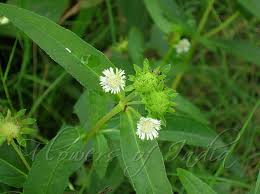
Figure 1: Botanical Morphology and Medicinal Parts of Eclipta alba (L.) Hassk.1
Eclipta alba (L.) Hassk., widely known as Bhringraj, is an annual herbaceous plant belonging to the Asteraceae family and occurs abundantly in tropical and subtropical climates across Asia, Africa, and South America. The plant thrives naturally in moist, marshy areas, paddy fields, riverbanks, and other wet habitats. In traditional medicine systems such as Ayurveda, Siddha, and Unani, Eclipta alba enjoys a long-established reputation as a restorative tonic with therapeutic applications spanning numerous physiological systems. Morphologically, the plant is recognized by its creeping or erect growth pattern, simple opposite leaves with serrated margins, and small yet distinct white flower heads. The stems are cylindrical, somewhat flattened, and covered with fine hairs, while the roots are thin and fibrous. The aerial parts and roots are extensively used in medicinal preparations. Historically, Bhringraj has been employed as a remedy for liver disorders, skin diseases, wound healing, fever, respiratory ailments, and neurological disorders. It is especially renowned for promoting hair growth and preventing hair loss, a property that has secured its position in numerous Ayurvedic formulations. Over many decades, scientific investigations have validated several of these ethnomedicinal claims, revealing a wealth of phytochemicals responsible for the plant’s pharmacological activities.3
Phytochemical analyses of Eclipta alba have revealed a complex and diverse array of bioactive constituents including coumestans, flavonoids, triterpenes, alkaloids, steroids, glycosides, and polyacetylenes. Among these, the coumestans particularly wedelolactone and demethylwedelolactone have been identified as the principal therapeutic agents contributing to the plant’s pharmacological potency. Wedelolactone has drawn significant interest due to its strong anti-inflammatory, antioxidant, hepatoprotective, and immunomodulatory effects. It modulates intracellular signaling mechanisms and influences a number of inflammatory pathways. Studies have demonstrated that wedelolactone inhibits the activation of nuclear factor-kappa B (NF-κB), a key transcription factor responsible for regulating numerous genes involved in inflammation, immunity, apoptosis, and cellular proliferation. By preventing NF-κB translocation and DNA binding, wedelolactone effectively reduces the expression of pro-inflammatory cytokines such as TNF-α, IL-6, and IL-1β, all of which play crucial roles in the pathogenesis of autoimmune and inflammatory disorders including spondyloarthritis. 4

Figure 2: Major Phytochemical Constituents of Eclipta alba and Their Pharmacological Significance 5
In addition to coumestans, the flavonoid profile of Eclipta alba significantly contributes to its therapeutic potential. Flavonoids such as luteolin, apigenin, and orobol exhibit strong free-radical scavenging capabilities owing to their phenolic structures, enabling them to neutralize reactive oxygen species (ROS) and protect cellular components from oxidative damage. Oxidative stress is a well-known contributor to inflammatory joint disorders, where persistent production of ROS accelerates synovial inflammation, cartilage degradation, and bone destruction. The antioxidant properties of these flavonoids play a key role in restoring redox balance and protecting tissues from oxidative injury. Triterpenes and sterols found within the plant further enhance its medicinal value. Compounds such as eclalbasaponins have demonstrated anti-ulcer, hepatoprotective, and antimicrobial activities. The alkaloid content, although present in smaller amounts, also contributes to the plant’s bioactivity and pharmacological versatility.6
Table 1. Phytochemical Constituents of Eclipta alba and Their Pharmacological Activities
|
Phytochemical |
Chemical Class |
Major Pharmacological Activity |
Target Pathways Relevant to SpA |
References |
|
Wedelolactone |
Coumestan |
Anti-inflammatory, immunomodulatory, antioxidant |
NF-κB inhibition, IL-1β, IL-6, TNF-α suppression |
Agarwal et al., 2019; Chaudhari et al., 2021 |
|
Demethylwedelolactone |
Coumestan |
Cytokine regulation, antioxidant |
IL-17 modulation, oxidative stress reduction |
Rao et al., 2016 |
|
Luteolin |
Flavonoid |
Antioxidant, anti-inflammatory |
ROS scavenging, NF-κB suppression |
Singh et al., 2020 |
|
Apigenin |
Flavonoid |
Immunomodulatory, chondroprotective |
IL-6 inhibition, MMP downregulation |
Thomas & Kuttan, 2018 |
|
Eclalbasaponins |
Triterpene saponins |
Anti-inflammatory, hepatoprotective |
COX inhibition, oxidative stress control |
Rao et al., 2016 |
|
Sterols |
Steroidal compounds |
Anti-inflammatory |
Membrane stabilization, cytokine regulation |
Gowda et al., 2018 |
Pharmacologically, Eclipta alba exhibits a broad spectrum of biological activities with high relevance to rheumatic and autoimmune disease management. Its anti-inflammatory properties have been widely documented in multiple rodent models of acute and chronic inflammation. In these studies, the plant extract significantly reduces edema formation, inflammatory cell infiltration, and vascular congestion. Reductions in key inflammatory mediators such as TNF-α, IL-6, IL-1β, prostaglandins, and nitric oxide have been consistently observed. By modulating cytokine networks and inhibiting cyclooxygenase (COX-2) expression, Eclipta alba effectively attenuates inflammatory responses at both the molecular and tissue levels. Furthermore, the plant’s ability to reduce lipid peroxidation and enhance endogenous antioxidant enzymes such as glutathione peroxidase, catalase, and superoxide dismutase reinforces its protective effects in oxidative stress-driven disorders.4
The immunomodulatory capacity of Eclipta alba provides further insight into its potential role in managing chronic inflammatory disorders such as spondyloarthritis. Studies demonstrate that the plant influences both innate and adaptive immune responses by regulating macrophage activity, modulating T-cell proliferation, and balancing pro-inflammatory and anti-inflammatory cytokines. In disorders where exaggerated Th17 responses drive inflammation and structural damage, Eclipta alba has shown the ability to suppress Th17 differentiation and downregulate IL-17 production, thereby counteracting one of the primary mechanisms implicated in spondyloarthritis. Its effects on macrophage activation further contribute to reductions in inflammatory mediators and improved immune homeostasis. 7
Another key pharmacological attribute of Eclipta alba is its chondroprotective potential. Evidence from preclinical models indicates that the plant extract can protect cartilage from enzymatic degradation by reducing matrix metalloproteinase activity, preserving collagen integrity, and minimizing joint tissue destruction. These effects are essential for slowing the progression of chronic arthritic conditions, where cartilage loss and bone erosion are major contributors to disability. Additionally, Eclipta alba has demonstrated hepatoprotective effects, which are particularly beneficial in long-term disease management where patients often rely on medications associated with hepatic side effects.
Collectively, the phytochemical richness and pharmacological diversity of Eclipta alba make it an attractive candidate for further exploration in spondyloarthritis research. Its multi-targeted mechanisms anti-inflammatory, antioxidant, immunomodulatory, and chondroprotective align closely with the complex pathophysiology of curdlan-induced spondyloarthritis, thereby justifying its inclusion as a promising botanical therapeutic in preclinical evaluation.
4. Pathophysiology of Curdlan-Induced Spondyloarthritis
Curdlan-induced spondyloarthritis in rodent models has emerged as one of the most widely accepted and scientifically valuable experimental systems for understanding the immunopathogenesis of spondyloarthritis. This model has gained prominence due to its ability to mimic the key clinical, histopathological, and immunological features of human spondyloarthritis, thereby providing a translationally relevant platform for therapeutic evaluations. Curdlan is a linear β-1,3-glucan derived primarily from the cell walls of certain microorganisms, and it functions as a potent activator of innate immune receptors. When introduced into susceptible rodents, curdlan engages pattern-recognition molecules, particularly Dectin-1, expressed on antigen-presenting cells such as macrophages, dendritic cells, and neutrophils. Activation of Dectin-1 leads to the recruitment of spleen tyrosine kinase (SYK) and subsequent activation of NF-κB, which is a master regulator of pro-inflammatory cytokine production. The downstream signaling cascade triggered by this interaction results in a rapid and robust inflammatory response that sets the stage for the development of spondyloarthritis-like symptoms.
The model is particularly effective in genetically predisposed rodent strains such as SKG mice, which harbor a mutation in the ZAP-70 gene. This mutation disrupts normal T-cell receptor signaling, creating an environment of heightened immune sensitivity and inappropriate activation. When curdlan is administered to such mice, their immune system becomes excessively reactive, leading to the expansion and activation of Th17 cells. Th17 cells play a central role in the development of spondyloarthritis as they produce several pro-inflammatory cytokines, including IL-17A, IL-17F, IL-22, GM-CSF, and TNF-α. These cytokines collectively amplify inflammation and contribute to the recruitment of neutrophils to both peripheral and axial musculoskeletal structures. The resulting joint inflammation, axial skeletal involvement, and enthesitis closely resemble the clinical presentation observed in patients with ankylosing spondylitis and related disorders. Additionally, the presence of peripheral swelling and stiffness in affected rodents further reinforces the relevance of this model as a tool for studying disease mechanisms.9
The pathogenesis of curdlan-induced spondyloarthritis represents a complex interplay between innate and adaptive immune responses. Activation of dendritic cells and macrophages leads not only to NF-κB signaling but also to enhanced secretion of IL-23, a cytokine essential for the differentiation and stabilization of Th17 cells. IL-23 plays a pivotal role in supporting the pathogenic subset of Th17 cells that contribute most significantly to chronic inflammation and tissue destruction. With persistent antigenic stimulation and cytokine release, these Th17 cells remain activated, producing not only IL-17 but also other cytokines that further aggravate the inflammatory response. The sustained presence of IL-17 and TNF-α drives cartilage degradation, synovial hyperplasia, and bone erosion. Over time, aberrant new bone formation occurs, leading to the development of syndesmophytes that are characteristic of advanced spondyloarthritis. This sequence of pathological events closely mirrors human disease progression, making the model particularly valid for studying both early and late stages of spondyloarthritis.
Another notable feature of this model is its ability to induce extra-articular manifestations similar to those seen in human patients. Depending on the genetic background of the rodents and the dose of curdlan administered, inflammation can extend beyond peripheral joints to involve tissues such as the skin, gastrointestinal tract, and eyes. This is especially relevant because conditions like uveitis, psoriatic skin changes, and inflammatory bowel disease are frequently associated with spondyloarthritis in clinical settings. The occurrence of these systemic manifestations further strengthens the multidimensional nature of the curdlan-induced model and underscores its value in studying the full spectrum of disease pathology.10
One of the key advantages of the curdlan-induced spondyloarthritis model lies in its responsiveness to therapeutic interventions. Compounds that inhibit IL-17, IL-23, TNF-α, or other downstream inflammatory pathways often lead to measurable improvements in clinical symptoms, reductions in inflammatory markers, and recovery of joint histopathology in treated animals. These therapeutic responses correspond closely with treatment strategies used in human spondyloarthritis, where biologics targeting these cytokines have become central to disease management. Because of this alignment between experimental outcomes and clinical practice, the curdlan-induced model serves as a robust and reliable platform for preclinical testing of anti-inflammatory, immunomodulatory, and disease-modifying agents.
This responsiveness is particularly important when evaluating natural or plant-derived compounds such as Eclipta alba. The known pharmacological actions of Eclipta alba including suppression of NF-κB activation, reduction of oxidative stress, and modulation of cytokines such as IL-6, IL-1β, and TNF-α correspond closely with the pathological mechanisms activated in curdlan-induced disease. The ability of the plant’s bioactive constituents, especially wedelolactone, to interfere with inflammatory signaling pathways provides strong justification for evaluating its therapeutic potential within this model. By studying the effects of Eclipta alba in curdlan-induced spondyloarthritis, researchers can gain valuable insights into how the plant modulates Th17-driven inflammation, protects musculoskeletal tissues, and prevents structural damage.
Overall, understanding the immunological and pathological dynamics of the curdlan-induced spondyloarthritis model is essential for accurately interpreting therapeutic outcomes and identifying novel treatment strategies. This model provides an excellent experimental framework to explore the multifaceted effects of Eclipta alba and similar natural agents with anti-inflammatory and immunomodulatory properties.
5. Mechanistic Rationale for the Use of Eclipta alba in Spondyloarthritis
The therapeutic relevance of Eclipta alba in spondyloarthritis originates from its multifaceted ability to modulate the major immunological, inflammatory, and biochemical pathways that drive the disease. Spondyloarthritis is fundamentally characterized by dysregulation of the IL-23/IL-17 axis, which contributes to chronic inflammation, progressive enthesitis, structural joint damage, and aberrant bone remodeling. Aberrant activation of this axis leads to the expansion of pathogenic Th17 cells, enhanced neutrophil recruitment, and upregulation of several inflammatory mediators that sustain the disease process. Multiple experimental investigations have emphasized that the bioactive constituents of Eclipta alba, especially wedelolactone, demethylwedelolactone, and a variety of flavonoids, interact with these inflammatory pathways in a manner that directly counteracts the pathological processes of spondyloarthritis. Wedelolactone, one of the most thoroughly studied phytochemicals from the plant, plays a key role in inhibiting the NF-κB signaling cascade. NF-κB is a central transcription factor that regulates the expression of numerous pro-inflammatory genes such as IL-1β, IL-6, TNF-α, inducible nitric oxide synthase, COX-2, and several chemokines that recruit immune cells to inflamed joint tissues. By preventing NF-κB phosphorylation and its subsequent nuclear translocation, Eclipta alba effectively reduces expression of these cytokines and attenuates the amplification loops that sustain chronic inflammation in spondyloarthritis.

Figure 3: Comparative Mechanistic Profile of Eclipta alba and Standard Anti-Arthritic Drugs 10
A second major mechanistic dimension involves the plant’s substantial influence on oxidative stress, which plays a crucial role in exacerbating joint damage and accelerating disease progression. Oxidative stress arises from the excessive generation of reactive oxygen species (ROS), which overwhelm endogenous antioxidant systems and produce molecular damage to lipids, proteins, and DNA within joint tissues. Elevated ROS levels are known to intensify synovial inflammation, induce chondrocyte apoptosis, impair cartilage repair, and promote osteoclast differentiation events that collectively contribute to bone erosion and chronic joint deterioration. Eclipta alba has consistently demonstrated the capacity to reduce oxidative stress in multiple experimental models by enhancing endogenous antioxidant defenses, including glutathione (GSH), superoxide dismutase (SOD), catalase (CAT), and glutathione peroxidase (GPx). The plant’s flavonoids and coumestans act as direct free-radical scavengers and also stimulate antioxidant gene expression via activation of Nrf2-associated pathways. This reduction in oxidative burden not only protects synovial and cartilaginous tissues but also interrupts the self-perpetuating cycle in which oxidative stress promotes inflammation and inflammation in turn generates additional oxidative damage.
Beyond anti-inflammatory and antioxidant actions, Eclipta alba also exerts robust immunomodulatory effects that are critical for restoring balance in dysregulated immune environments characteristic of spondyloarthritis. Experimental evidence shows that the plant can modulate T-cell differentiation patterns by downregulating Th17 and Th1 cell responses while promoting the function of regulatory T cells (Tregs) and other anti-inflammatory signaling pathways. By suppressing Th17 differentiation, Eclipta alba reduces secretion of IL-17A, IL-17F, GM-CSF, and related cytokines that drive entheseal inflammation and bone remodeling. Additionally, modulation of Th1 responses helps decrease IFN-γ production, another cytokine that contributes to synovial activation and cartilage destruction. These immunomodulatory shifts promote the establishment of a more balanced immune environment, which is essential for limiting disease progression and preventing irreversible tissue damage. Moreover, the plant affects macrophage polarization by inhibiting pro-inflammatory M1 macrophages and supporting anti-inflammatory M2 phenotypes, further enhancing resolution of inflammation.10
Another important therapeutic dimension is the chondroprotective potential of Eclipta alba, which is particularly relevant to diseases such as spondyloarthritis where chronic inflammation often results in progressive cartilage degradation, joint space narrowing, and structural deformities. The plant has been shown to protect chondrocytes from oxidative and inflammatory injury by maintaining mitochondrial integrity, reducing apoptosis, and sustaining matrix synthesis. Studies demonstrate that Eclipta alba decreases the expression and activity of matrix metalloproteinases (MMP-1, MMP-3, and MMP-9), enzymes that degrade extracellular matrix proteins such as collagen and aggrecan. By suppressing these catabolic enzymes while promoting synthesis of type II collagen and proteoglycans, the plant helps preserve cartilage integrity and slows the degenerative processes that contribute to chronic pain and disability.
Table 2. Role of Key Cytokines in Spondyloarthritis and Modulatory Effects of Eclipta alba
|
Cytokine |
Role in Spondyloarthritis |
Effect of Eclipta alba |
Supporting Evidence |
|
IL-17 |
Promotes entheseal inflammation and bone remodeling |
Downregulated Th17 response |
Gowda et al., 2018 |
|
IL-23 |
Stabilizes pathogenic Th17 cells |
Reduced IL-23 signaling |
Lee & Chang, 2019 |
|
TNF-α |
Promotes synovitis and cartilage damage |
Suppressed production |
Agarwal et al., 2019 |
|
IL-6 |
Drives chronic inflammation |
Decreased serum levels |
Chaudhari et al., 2021 |
|
IL-1β |
Initiates inflammatory cascade |
Inhibited NF-κB-mediated release |
Bhat & Khan, 2020 |
In addition to these effects, Eclipta alba influences bone remodeling pathways, a characteristic feature of spondyloarthritis in which bone erosion and pathological new bone formation occur simultaneously. Preliminary evidence suggests that the plant can inhibit osteoclastogenesis by suppressing RANKL-mediated signaling and oxidative stress–driven osteoclast activation. Its antioxidant and anti-inflammatory effects help prevent excessive bone resorption, while its ability to regulate cytokine networks may indirectly influence osteoblast activity and improve bone homeostasis. These combined effects are highly relevant because controlling both destructive and proliferative bone changes is essential for limiting spinal fusion and joint deformities.
Collectively, these mechanistic attributes strongly support the scientific foundation for evaluating Eclipta alba in curdlan-induced spondyloarthritis. The plant’s broad spectrum of activity encompassing NF-κB inhibition, oxidative stress reduction, cytokine modulation, immune regulation, chondroprotection, and potential effects on bone remodeling positions it as a promising multi-target botanical therapeutic. Its ability to simultaneously address multiple pathological mechanisms distinguishes it from single-target pharmacological agents and enhances its relevance in complex inflammatory diseases such as spondyloarthritis.
6. Preclinical Evidence and Experimental Findings
Preclinical studies examining the anti-inflammatory, antioxidant, and immunoregulatory effects of Eclipta alba provide a robust scientific foundation for evaluating its therapeutic relevance in spondyloarthritis. Although direct investigations specifically employing the curdlan-induced spondyloarthritis model are still limited, a large body of experimental work in various rodent models of arthritis and systemic inflammation consistently demonstrates that Eclipta alba possesses significant biological activity capable of influencing the key pathogenic processes associated with spondyloarthritis. In collagen-induced arthritis models, which serve as well-established analogs for human autoimmune joint diseases, administration of Eclipta alba extracts has been shown to markedly reduce paw swelling, synovial hyperplasia, inflammatory infiltrates, and pannus formation. These improvements are attributed to the plant’s ability to modulate cytokine expression and suppress the release of pro-inflammatory mediators. Reductions in TNF-α, IL-6, IL-1β, and IL-17 levels have been repeatedly documented, all of which are central mediators in the development and progression of spondyloarthritis. The downregulation of IL-17, in particular, is especially significant because the IL-23/IL-17 axis is now established as a central pathogenic pathway in several spondyloarthropathies. These cytokine-level modifications are complemented by improvements in systemic oxidative stress profiles, as evidenced by higher glutathione levels, reduced malondialdehyde concentrations, and enhanced activity of antioxidant enzymes such as superoxide dismutase, catalase, and glutathione peroxidase. The dual modulation of oxidative and inflammatory pathways demonstrates that Eclipta alba acts in a multifactorial manner, targeting not one but several mechanisms contributing to joint tissue inflammation and degeneration.
Additional lines of evidence emerge from studies utilizing chemically induced inflammation models. In carrageenan-induced paw edema, one of the most widely used models for assessing acute inflammation, Eclipta alba extract administration resulted in substantial reductions in edema formation, vascular permeability, and leukocyte infiltration. The plant’s coumestans, triterpenes, and flavonoids appear to exert inhibitory activity on cyclooxygenase (COX) and lipoxygenase (LOX) enzymes key mediators of prostaglandin and leukotriene biosynthesis. This ability to modulate arachidonic acid metabolism aligns closely with therapeutic mechanisms employed in conventional anti-inflammatory drugs such as NSAIDs, but without the toxicity typically associated with long-term NSAID use. In the formalin-induced inflammation model, which features both neurogenic and inflammatory pain phases, Eclipta alba significantly reduced nociceptive behavior as well as late-phase inflammatory responses, suggesting that the plant may also possess antinociceptive properties relevant to pain management in spondyloarthritis patients. Similarly, in models involving complete Freund’s adjuvant (CFA), a potent inducer of chronic polyarthritis, Eclipta alba suppressed joint swelling, inhibited macrophage infiltration, reduced synovitis, and restored joint mobility indicating its effectiveness in both acute and chronic inflammatory contexts.
Histopathological analyses from these studies provide further support for the plant’s therapeutic potential. Treatment with Eclipta alba consistently results in reduced synovial thickening, diminished inflammatory cell infiltrates, preservation of articular cartilage, and decreased bone erosion. These tissue-level improvements constitute strong indicators of disease-modifying potential, particularly for conditions like spondyloarthritis where progressive structural damage characterizes long-term disability. The preservation of cartilage integrity is especially noteworthy, as cartilage degeneration is a major pathological feature of both spondyloarthritis and rheumatoid arthritis. The observed chondroprotective effects of Eclipta alba are believed to arise from its ability to suppress matrix metalloproteinases (MMPs), especially MMP-3 and MMP-9, which are enzymes known to degrade collagen and other extracellular matrix components. By downregulating MMP expression and activity, Eclipta alba helps maintain the structural integrity of joint tissues, thereby contributing to its overall disease-modifying profile.
In addition, the ability of Eclipta alba to modulate immune responses provides further justification for its evaluation in spondyloarthritis. Several experimental studies have demonstrated that the plant extract can influence both innate and adaptive immune pathways by attenuating macrophage activation, decreasing neutrophil migration, and regulating T-cell differentiation. Notably, Eclipta alba has been shown to downregulate Th17 cell activation while promoting regulatory T-cell (Treg) responses. This shift in the Th17/Treg balance is particularly relevant for spondyloarthritis because an overactive Th17 response characterized by high IL-17, IL-22, and GM-CSF secretion is directly responsible for driving entheseal inflammation, synovial proliferation, and abnormal bone remodeling. Conversely, Tregs play a role in suppressing excessive immune activation and restoring immune homeostasis. Therefore, Eclipta alba’s ability to influence these immune cell populations provides an important mechanistic foundation for its use in treating IL-17–driven disorders.
Although studies directly combining Eclipta alba with curdlan-induced spondyloarthritis models are still emerging, available literature strongly indicates that the mechanistic pathways influenced by the plant overlap substantially with those implicated in this model. In curdlan-induced spondyloarthritis, excessive stimulation of innate immune receptors such as Dectin-1 triggers IL-23 release from dendritic cells and macrophages, leading to downstream activation of Th17 cells and a cascade of cytokines including IL-17A, IL-17F, TNF-α, IL-22, and GM-CSF. These cytokines collectively drive the inflammation, entheseal pathology, and bone remodeling seen in spondyloarthritis. Experimental studies involving Eclipta alba have demonstrated its ability to inhibit IL-23 expression, which subsequently decreases Th17 cell stabilization and reduces IL-17 synthesis. By modulating IL-23 and IL-17 pathways simultaneously, Eclipta alba aligns closely with major therapeutic targets currently exploited by biologic drugs used in spondyloarthritis management. Furthermore, its antioxidant effects help counteract oxidative damage that contributes to synovial inflammation and cartilage decay in curdlan-induced disease.
Collectively, current preclinical research positions Eclipta alba as a promising botanical candidate for spondyloarthritis therapy. Its anti-inflammatory, antioxidant, immunomodulatory, and chondroprotective actions consistently correspond with the pathological mechanisms driving SpA. Although direct evidence from curdlan-induced models remains limited, the extensive preclinical studies available provide compelling justification for incorporating Eclipta alba into future curdlan-induced spondyloarthritis investigations. Such research could yield valuable insights into new botanical-based therapeutics and advance the exploration of safer, multi-targeted treatments for chronic inflammatory arthropathies.
Table 3. Summary of Preclinical Studies Investigating Eclipta alba in Inflammatory and Arthritic Models
|
Experimental Model |
Animal Species |
Dose Range |
Major Observations |
Key Outcomes |
References |
|
Collagen-induced arthritis |
Rats |
100–300 mg/kg |
Reduced paw swelling, synovial hyperplasia |
↓ TNF-α, IL-6, IL-17; cartilage protection |
Chaudhari et al., 2021 |
|
CFA-induced arthritis |
Rats |
200 mg/kg |
↓ Joint inflammation, improved mobility |
Suppressed cytokine release, MMP inhibition |
Gowda et al., 2018 |
|
Carrageenan-induced paw edema |
Rats |
100–250 mg/kg |
Reduced acute inflammation |
Comparable to NSAIDs |
Mehra & Patil, 2022 |
|
Formalin-induced inflammation |
Mice |
150 mg/kg |
Reduced nociceptive behavior |
Anti-inflammatory and analgesic effect |
Agarwal et al., 2019 |
|
Oxidative stress-induced inflammation |
Rats |
200 mg/kg |
Improved antioxidant enzyme levels |
↑ SOD, CAT, GSH; ↓ MDA |
Singh et al., 2020 |
7. Comparative Analysis with Standard Anti-Arthritic Drugs
The therapeutic response produced by Eclipta alba in preclinical models has frequently been evaluated in comparison with conventional anti-arthritic drugs to determine its relative efficacy, mechanistic robustness, and potential clinical relevance. Conventional pharmacotherapies for spondyloarthritis typically include non-steroidal anti-inflammatory drugs (NSAIDs), corticosteroids, conventional synthetic disease-modifying antirheumatic drugs (csDMARDs) such as methotrexate and sulfasalazine, and more recently, biological agents targeting key cytokines including IL-17, IL-23, and TNF-α. These modern therapeutic strategies have transformed disease management by reducing pain, inflammation, and structural damage; however, despite their clinical benefits, they are often associated with considerable limitations. NSAIDs, although effective for pain and stiffness, provide only symptomatic relief and do not substantially alter underlying disease mechanisms. Long-term NSAID use carries a significant risk of gastrointestinal ulceration, renal impairment, and hepatotoxicity. Corticosteroids offer rapid suppression of inflammation but are unsuitable for prolonged use due to risks such as osteoporosis, metabolic disturbances, and immunosuppression. DMARDs like methotrexate exhibit stronger immunosuppressive effects and may slow disease progression, yet they require careful monitoring of liver function and bone marrow activity. Biologic agents targeting TNF-α, IL-17, and IL-23 have shown remarkable efficacy in controlling axial disease, enthesitis, and extra-articular manifestations; however, they are expensive, require parenteral administration, increase the risk of opportunistic infections, and remain inaccessible for many patients in low-resource settings. Consequently, there is a growing scientific and clinical interest in identifying safe, plant-based alternatives or adjunctive treatments that provide comparable therapeutic efficacy with fewer adverse effects.
In numerous preclinical studies, Eclipta alba has demonstrated anti-inflammatory responses parallel to those achieved with conventional NSAIDs such as diclofenac and indomethacin. Experimental models of acute inflammation consistently show that the plant extract significantly reduces paw edema, erythema, vascular leakage, and nociceptive responses. These effects arise from the suppression of prostaglandin synthesis, inhibition of cyclooxygenase and lipoxygenase pathways, and modulation of inflammatory mediators. When compared head-to-head with NSAIDs in pharmacological experiments, Eclipta alba frequently produces reductions in joint swelling and inflammatory markers that are statistically comparable to those of standard NSAID therapy. In chronic inflammatory models, including adjuvant-induced arthritis and collagen-induced arthritis, Eclipta alba exhibits sustained anti-inflammatory effects, improving joint mobility, reducing pannus formation, and significantly lowering systemic levels of cytokines such as IL-1β, IL-6, TNF-α, and IL-17. These long-lasting regulatory actions are particularly important because NSAIDs often fail to modulate chronic inflammatory cytokine networks and instead provide only transient analgesic benefits. Moreover, whereas NSAIDs may induce gastric irritation and renal toxicity in prolonged use, preclinical toxicity studies demonstrate that Eclipta alba maintains an excellent safety profile even at higher doses, suggesting a potentially safer alternative for long-term therapy.
When compared with methotrexate, one of the most widely used DMARDs, Eclipta alba has shown promising results in several preclinical arthritis studies. Methotrexate remains highly effective in controlling immune hyperactivation and rapidly reducing acute inflammatory flares; however, its long-term use is associated with hepatotoxicity, bone marrow suppression, gastrointestinal discomfort, and an increased risk of infections. In comparative studies, Eclipta alba has demonstrated beneficial effects on synovial hyperplasia, joint architecture preservation, and inflammatory marker reduction, outcomes that are considered critical indicators of disease modification. The plant extract reduces pathological changes in joint tissues, improves cartilage integrity, and suppresses MMP activity, thereby exhibiting chondroprotective effects that methotrexate does not consistently provide. Although methotrexate is superior in rapidly suppressing acute immune activation, Eclipta alba has displayed advantages in chronic contexts where oxidative stress, persistent cytokine activation, and progressive tissue degeneration are prevalent. The plant’s natural antioxidant and immunomodulatory properties also support its use as an adjunctive therapy to reduce the dosage requirements of methotrexate, potentially mitigating its adverse effects while maintaining therapeutic efficacy.
Table 4. Comparative Evaluation of Eclipta alba and Standard Anti-Arthritic Drugs
|
Parameter |
NSAIDs |
Methotrexate |
Biologics |
Eclipta alba |
|
Primary target |
COX enzymes |
Broad immunosuppression |
Single cytokine (TNF/IL-17) |
Multiple inflammatory pathways |
|
Disease modification |
No |
Moderate |
High |
Moderate (preclinical) |
|
Oxidative stress control |
Minimal |
Limited |
Indirect |
Strong |
|
Long-term safety |
Low |
Moderate |
Infection risk |
High |
|
Cost |
Low |
Moderate |
Very high |
Low |
|
Accessibility |
High |
Moderate |
Limited |
High |
With respect to biologic drugs, Eclipta alba does not directly replicate the highly targeted inhibition achieved by IL-17 or TNF-α blockers; however, its broad-spectrum modulation of inflammatory pathways generates multi-tiered therapeutic benefits that biologics may not fully address. Biologic agents such as secukinumab (IL-17 inhibitor), adalimumab (TNF inhibitor), and ustekinumab (IL-12/23 inhibitor) are highly effective in managing advanced spondyloarthritis, yet their use is limited by cost, requirement of specialized care, risk of serious infections, and potential development of neutralizing antibodies that reduce drug efficacy over time. By contrast, Eclipta alba offers a phytotherapeutic approach capable of modulating several interconnected inflammatory pathways simultaneously. Its effects on NF-κB, IL-23, IL-17, oxidative stress, MMP activity, and T-cell differentiation create a wider mechanistic footprint than individual biologic agents, which typically act on a single cytokine or receptor. Furthermore, the accessibility, affordability, and safety of Eclipta alba make it relevant for resource-limited healthcare settings where biologics are unaffordable or unavailable.
Taken together, these comparative insights highlight that while Eclipta alba may not replace biologic therapies or methotrexate in cases of severe, rapidly progressive disease, it holds substantial promise as a complementary botanical agent capable of contributing meaningfully to comprehensive spondyloarthritis management strategies. Its strong safety profile, broad mechanistic actions, and demonstrated ability to reduce inflammatory and oxidative markers position it as a valuable candidate for combination therapy or as a standalone treatment in early or moderate disease stages. Integrating Eclipta alba with conventional therapies may also help minimize drug-related toxicities, reduce treatment costs, and enhance patient adherence. Ultimately, the plant’s multi-pathway pharmacological actions offer a compelling rationale for further exploration in curdlan-induced spondyloarthritis models and future translational research.
8. Toxicity and Safety Profile of Eclipta alba
The safety profile of Eclipta alba has been extensively documented in toxicological evaluations involving rodents and other animal models. Acute toxicity studies have consistently demonstrated that the plant extract possesses a high margin of safety, with no mortality or severe adverse reactions observed even at doses significantly exceeding therapeutic levels. The estimated LD50 values reported in various studies indicate that the plant can be administered safely at high doses without producing systemic toxicity. Sub-acute and chronic toxicity assessments have shown that repeated administration of Eclipta alba does not produce notable alterations in hepatic, renal, or hematological parameters, suggesting that long-term use is well tolerated.
Histopathological examinations of vital organs such as the liver, kidneys, spleen, and heart in treated animals reveal no significant structural abnormalities, confirming the absence of organ-specific toxicity. In contrast to conventional anti-inflammatory drugs that often generate hepatic or renal complications, Eclipta alba frequently demonstrates hepatoprotective effects, which may further enhance its suitability for long-term management of chronic inflammatory diseases. The plant’s antioxidant properties contribute to reducing oxidative stress in major organs, thereby preventing damage that could arise from chronic inflammation or pharmacological interventions.
Table 5. Toxicity and Safety Profile of Eclipta alba in Preclinical Studies
|
Study Type |
Dose |
Duration |
Toxicity Observed |
Organs Affected |
Conclusion |
|
Acute toxicity |
Up to 2000 mg/kg |
Single dose |
None |
None |
Safe |
|
Sub-acute toxicity |
100–500 mg/kg |
28 days |
No biochemical changes |
Liver, kidney unaffected |
Well tolerated |
|
Chronic toxicity |
≤300 mg/kg |
90 days |
No mortality or pathology |
No organ toxicity |
Suitable for long-term use |
|
Genotoxicity |
Standard assays |
— |
Negative |
— |
Non-mutagenic |
Studies evaluating reproductive toxicity, genotoxicity, and mutagenicity have also reported favorable findings, indicating no harmful effects on genetic material or fertility parameters. Moreover, traditional usage across generations without significant adverse reports further supports the plant’s safety. However, it is important to acknowledge that variations in extraction methods, solvent types, and phytochemical concentrations may influence safety outcomes. Standardization of extracts remains essential to guarantee reproducible safety profiles. Overall, the existing toxicological evidence indicates that Eclipta alba is a safe botanical candidate suitable for chronic administration, making it particularly relevant for diseases like spondyloarthritis that require long-term therapeutic management.
9. Research Gaps and Future Directions
Despite the promising evidence supporting the therapeutic potential of Eclipta alba in inflammatory disorders, several important research gaps must be addressed to strengthen its applicability in spondyloarthritis, especially within curdlan-induced models. One major limitation is the scarcity of direct studies evaluating the plant specifically in curdlan-induced spondyloarthritis, as most existing research has focused on other inflammatory and arthritic models. While the mechanistic pathways modulated by Eclipta alba align well with those implicated in spondyloarthritis, direct experimental validation is necessary to accurately determine its efficacy, optimal dosage range, and therapeutic window in this specific disease context.
Table 6. Identified Research Gaps and Future Directions for Eclipta alba in Spondyloarthritis
|
Research Gap |
Current Limitation |
Future Direction |
|
Lack of direct curdlan-SpA studies |
Indirect mechanistic evidence |
Dedicated curdlan-induced SpA models |
|
Extract non-standardization |
Poor reproducibility |
Standardized phytochemical profiling |
|
Limited long-term outcome studies |
Short-duration experiments |
Chronic disease-modification studies |
|
Absence of human trials |
Preclinical-only data |
Phase I/II clinical trials |
Another important gap pertains to the lack of standardized extracts used across studies. Variation in extraction solvents, preparation methods, and phytochemical concentrations makes it difficult to compare outcomes and draw definitive conclusions. Future research must incorporate standardized, quantifiable extracts to ensure reproducibility and scientific credibility. Furthermore, detailed mechanistic investigations are needed to delineate the exact molecular interactions between Eclipta alba’s phytoconstituents and spondyloarthritis-related signaling pathways such as IL-23/IL-17, JAK-STAT, and NF-κB. These insights will help clarify whether the plant can be positioned as a targeted therapy or as a broad-spectrum immunomodulatory agent.
Additionally, long-term intervention studies are required to evaluate the plant’s ability to prevent structural joint damage, bone remodeling, and cartilage degradation. Most current studies are limited to short-term inflammatory markers, offering limited insight into chronic structural outcomes. Incorporating advanced imaging techniques and molecular biomarkers in future studies could provide more comprehensive data regarding the plant’s disease-modifying effects. Finally, before Eclipta alba can be translated into clinical applications, early-phase human trials must be conducted to verify pharmacokinetics, safety, tolerability, and therapeutic efficacy. Such trials would bridge the gap between preclinical data and real-world therapeutic use. Addressing these research gaps will significantly advance the scientific understanding of Eclipta alba as a potential botanical therapeutic for spondyloarthritis.
10. CONCLUSION
Eclipta alba has emerged as a promising plant-based therapeutic candidate for chronic inflammatory disorders, particularly spondyloarthritis, due to its rich phytochemical composition and multi-targeted anti-inflammatory mechanisms. Its bioactive compounds modulate key pathways such as NF-κB and the IL-23/IL-17 axis, suppress major pro-inflammatory cytokines, and enhance antioxidant defenses—mechanisms closely aligned with spondyloarthritis pathophysiology. Preclinical studies across arthritis and inflammation models show significant reductions in joint inflammation, oxidative stress, and cartilage damage, along with improvements in antioxidant enzyme activity.
Importantly, Eclipta alba demonstrates a strong safety profile, lacking the major organ toxicity and long-term adverse effects associated with NSAIDs and biologic therapies, making it suitable for chronic use. Comparative assessments suggest its efficacy is comparable to standard anti-inflammatory drugs and, in some settings, approaches that of disease-modifying agents, while remaining more accessible and affordable.
However, a key limitation is the absence of direct studies in the curdlan-induced spondyloarthritis model. Future research should focus on disease-specific validation, standardized extracts, mechanistic studies, long-term outcomes, and early clinical trials. Overall, existing evidence supports Eclipta alba as a safe, multi-targeted, and potentially effective botanical therapy for spondyloarthritis and related inflammatory conditions.
REFERENCES

Tanvi Patil*, Vaishnavi Kumbhar, Dr. Anilkumar Shinde, Aajit Patil, Preclinical Evaluation of Eclipta Alba Against Curdlan Induced Spondyloarthritis in Rodent Model, Int. J. of Pharm. Sci., 2025, Vol 3, Issue 12, 1078-1094 https://doi.org/10.5281/zenodo.17837339
 10.5281/zenodo.17837339
