
Shree Swaminarayan College of Pharmacy, Kalol, Gujarat, India.
This research project involves the preparation and evaluation of herbal face gel with a primary focus on two potent Ayurvedic herbs: Shankhpushpi (Convolvulus pluricaulis) and Beal (Aegle marmelos). Shankhpushpi, traditionally known for enhancing memory and reducing stress, also exhibits significant anti-inflammatory, anti-aging, antioxidant, and hair growth-promoting properties due to the presence of triterpenoids, flavonoids, and alkaloids. Beal, a sacred plant in Indian medicine, possesses anti-microbial, anti-dandruff, wound-healing, and skin-nourishing properties, thanks to its rich content of flavonoids, alkaloids, and essential oils. The face gel was formulated using aloe vera gel as a base, incorporating extracts of Shankhpushpi flowers, Beal leaves, turmeric, orange peel, honey, and other natural ingredients. Guar gum and glycerin were used as gelling and moisturizing agents, respectively. Also, for preparation of the extract traditional method like double boiling and solvent extraction method is used. Herbal face gel underwent comprehensive evaluation, including organoleptic testing, pH analysis, viscosity, Spreadability, homogeneity, washability, and stability studies. Results showed that Herbal face gel were non-irritant, easily spreadable, stable, and pleasant in texture and aroma, with pH values suitable for skin. Therapeutically, the face gel helps in reducing acne, wrinkles, pigmentation, and inflammation, while also enhancing hydration and skin texture. These findings support the potential of Shankhpushpi and Beal-based herbal formulations as safe, effective, and eco-friendly alternatives to synthetic cosmetic products.
Shankhpushpi (Convolvulus Pluricaulis – Family Convulvulaceae) is an indigenous and most significant herbal plant in Ayurveda. Shankhpushpi is a medicinal plant which is perennial prostrates or sub erect spreading hairy herb 10-30 cm long with simple and alternate leaves that seems like morning glory. It is prostrate and can be more than 30 cm long, flowering and fruiting takes place from June to September. Besides C. pluricaulis, Evolvulus alsinoides Linn, Clitoria ternatea Linn and Canscora decussata Schult are also considered as Shankhpushpi in different parts of the country. For medicinal purpose, whole plant of Shankhpushpi is used. It has branched cylindrical roots. The stem is slender, cylindrical, about 1–2 mm in thickness. The chemical constituents in Shankhpushpi consist of carbohydrate- D-glucose, rhamnose, maltose, sucrose and starch. It also contains proteins, amino acids and alkaloids-convolvine, convolamine, confoline, phyllabine, convolidine, convoline, convosine, subhirsine and convolvidine along with fatty acid and wax constituents, hydrocarbons, aliphatic groups and sterol and certain other biochemicals which include scopoletin, glacial acetic acid, three coumarins, β-sitosterol, kaempferol, tropane alkaloids, linoleic acid, palmitic acid and straight chain hydrocarbon hextriacontane, 20-oxodotriacontanol, tetratriacontanoic acid and 29-oxodotriacontanol. Shankhpushpi herb that is use for medicinal benefits. It helps to enhance memory, anti-stress, anti-anxiety, anti-depressant, anti-oxidant, anti-convulsant, anti-diabetic, weight loss, anti-wrinkle, anti-acne, wound healing, anti-aging, anti-inflammatory, anti-microbial, promotes hair growth, reduces hair fall, improves blood circulation, boost metabolism, improve eyesight, pain reliever, low high blood pressure, anti-microbial, anti-fungal, anti-ulcer, hypolipidemic, analgesic, neurodegenerative, tranquillizing, natural dye, better sleep, decrease cholesterol.
Gels are defined as semi-solid preparation that contains small inorganic particles or large organic molecules interpenetrated by a liquid. It is a system in which the movement of the dispersing medium is restricted by an inter lactating three dimensional network of particles or solvated macromolecules of the dispersed phase. The clarity range is from clear to a whitish trans-lucent. The polymers are used between0.5-15% and in most of the cases they are usually at the concentration between 0.5-2%. Gels are usually, clear, transparent, semisolids containing the solubilized active substances. The face gel is the powerful anti-aging formula rich in herbal extracts that helps in skin lifting, wrinkle reduction, pore minimization and mopping up of free radicals. The herbal gel which is applied on the face to treat acne, pimples, scars, marks, and pigments are known as ‘mocha leap’ in ayurveda.
Gelling Agent:
These are substance when added to an aqueous mixture, increase its viscosity without substantially modifying its other properties.
Types of Gelling Agents:
The skin is body’s largest organ which covering its entire external surface. It contains body weight up to 16%. It acts as protective barrier, regulates temperature, provide sensory input.
Structure:
Human skin shares anatomical, physiological, biochemical and immunological properties with other mammalian lines, especially pig skin. Pig skin shares similar epidermal and dermal thickness ratios to human skin, similar hair follicle and blood vessel patterns, similar biochemically the dermal collagen and elastin content, similar physical responses to various growth factors. Skin has mesodermal cells, pigmentation, such as melanin provided by melanocytes, which absorb some of the potentially dangerous ultraviolet radiation (UV) in sunlight. It also contains DNA repair enzymes that help reverse UV damage, such that people lacking the genes for these enzymes have high rates of skin cancer.
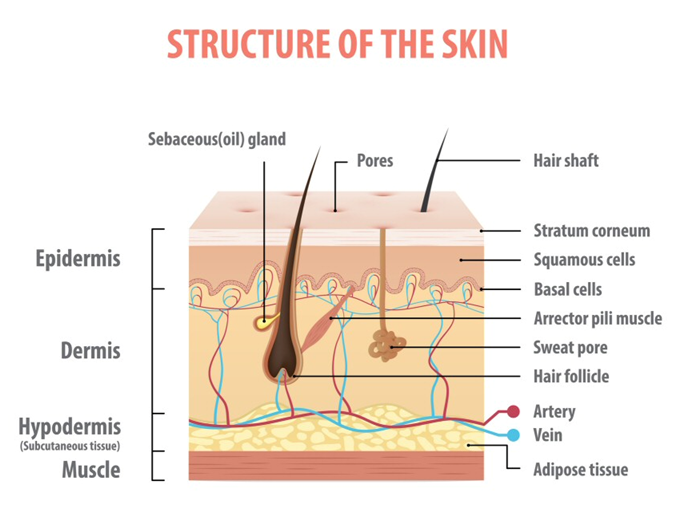
Fig 1: Structure of skin
The epidermis is the strong, superficial layer that serves as the first line of protection against the outer environment. The human epidermis is composed of stratified squamous epithelial cells, which further break down into four to five layers they are stratum corneum, stratum lucidum, stratum granulosum, stratum spinosum and stratum basale. Where the skin is thicker, such as in the palms and soles, there is an extra layer of skin between the stratum corneum and the stratum granulosum, called the stratum lucidum. The epidermis is regenerated from the stem cells found in the basal layer that develop into the corneum. The epidermis itself is devoid of blood supply and draws its nutrition from its underlying dermis.Its main functions are protection, absorption of nutrients, and homeostasis. In structure, it consists of a keratinized stratified squamous epithelium; four types of cells:
The predominant cell keratinocyte, which produces keratin, a fibrous protein that aids in skin protection, is responsible for the formation of the epidermal water barrier by making and secreting lipids. The majority of the skin on the human body is keratinized, with the exception of the lining of mucous membranes, such as the inside of the mouth. Non-keratinized cells allow water to "stay" a top the structure.
Sub-layers: -
The epidermis is divided into the following 5 sublayers:
The dermis is the underlying connective tissue layer that supports the epidermis. It is composed of dense irregular connective tissue and areolar connective tissue such as a collagen with elastin arranged in a diffusely bundled and woven pattern.
The dermis has two layers: -
The papillary region is composed of loose areolar connective tissue. It is named for its finger- like projections called papillae, which extend toward the epidermis. The papillae provide the dermis with a "bumpy" surface that interdigitates with the epidermis, strengthening the connection between the two layers of skin. In the palms, fingers, soles, and toes, the influence of the papillae projecting into the epidermis forms contours in the skin's surface. These epidermal ridges occur in patterns (see: fingerprint) that are genetically and epigenetically determined and are therefore unique to the individual, making it possible to use fingerprints or footprints as a means of identification.
The reticular region lies deep in the papillary region and is usually much thicker. It is composed of dense irregular connective tissue, and receives its name from the dense concentration of collagenous, elastic, and reticular fibres that weave throughout it. These protein fibres give the dermis its properties of strength, extensibility, and elasticity. Also located within the reticular region are the roots of the hairs, sebaceous glands, sweat glands, receptors, nails, and blood vessels. Tattoo ink is held in the dermis. Stretch marks, often from pregnancy and obesity, are also located in the dermis.
3) Hypodermis: -
The hypodermis, otherwise known as the subcutaneous layer, is a layer beneath the skin. It invaginates into the dermis and is attached to the latter, immediately above it, by collagen and elastin fibers. It is essentially composed of a type of cell known as adipocytes, which are specialized in accumulating and storing fats. These cells are grouped together in lobules separated by connective tissue.
Function:
Sensation: For the detection of stimuli of temperature, touch, pressure, and pain there are numerous receptors and nerve endings present on the skin.
Protection: The skin acts as a physical barrier which helps in protecting the deep-seated organs and tissues from microbial invasion, dehydration, UV radiation, and physical absorption.
Thermoregulation: An increase in body temperature results in sweating and when this sweat gets evaporated from the skin surface, it cools the body (lowers the body temperature). On the other hand, in case of decreased body temperature sweat production gets reduced which helps in the conservation of heat in the body.
Immunity: It provides immunologic information obtained during antigen processing to the appropriate effector cells in the lymphatic tissues.
Excretion: The sweat released from skin excretes out the toxic substances, ions, and several other compounds.
Blood Reservoir: The dermis is highly vascularised. In resting stage, the blood vessels in the skin of an adult carry about 8-10% of the total blood volume. At the time of vigorous activity, the rate of blood flow increases, thus leading to dissipation of extra body heat.
Drug Delivery Route: Skin acts a route for delivery of drugs (transdermal patches). The transdermal drug delivery system involves the absorption of drug through systemic circulation by transdermal patches. The lipid soluble drugs and substances with low molecular weight easily permeate through the skin, e.g., nitroglycerin, hormones, scopolamine, nicotine, etc.
Endocrine Function: Skin helps in biosynthesis of Vitamin D. Ultraviolet light is essential for the first stage of Vitamin D formation
3.1 Shankhpushpi
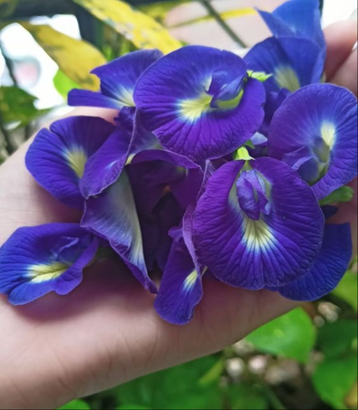
Figure 1: Shankhpushpi
3.2 Beal
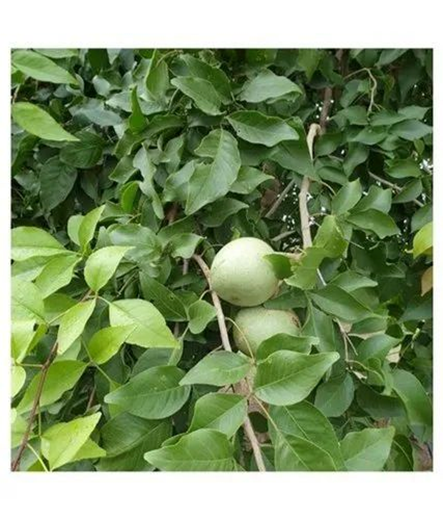
Figure 2: Beal
3.3 Aloe Vera
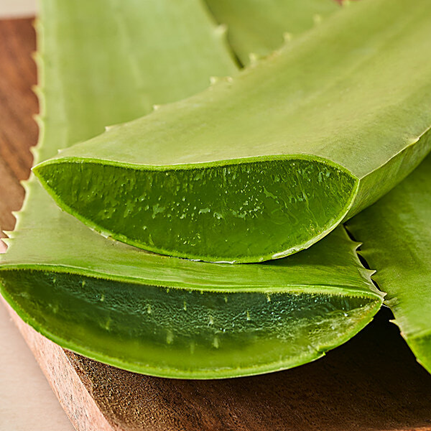
Figure 4: Aloe Vera
3.4 Turmeric
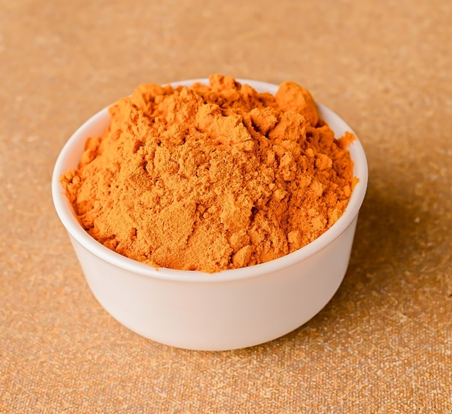
Figure 5: Turmeric
3.5 Orange Peel Powder
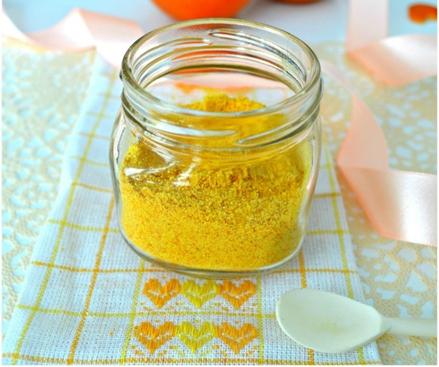
Figure 6: Orange Peel Powder
3.6 Guar Gum
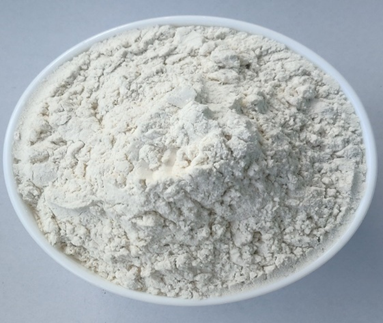
Figure 7: Guar Gum
Carotenoids: Beta-carotene, lutein, and beta-cryptoxanthin.
3.7 Honey
Figure 8: Honey
Honey is a mixture of carbohydrates, proteins, amino acids, vitamins, minerals, antioxidants and other compounds. It consists number of enzymes, including invertase, glucose oxidase, catalase, and acid phosphorylase. Honey also contains eighteen free amino acids, in which the most abundant is proline. The main group of antioxidants in honey are the Flavonoids, of which, pinocembrin is unique to honey and bee propolis. Naturally darker honey has greater antioxidant properties in it. Acetic, butanoic, formic, citric, succinic, lactic, malic, pyroglutamic, gluconic acids, and a number of aromatic acids are found in honey. Bee’s honey is almost free of cholesterols. It also contains trace amounts of the vitamins B2, B4, B5, B6, B11 and vitamin C. Also, Minerals like calcium, iron, zinc, potassium, phosphorous, magnesium, selenium, chromium and manganese are found in honey.
4.1 Shankhpushpi Flower Extraction
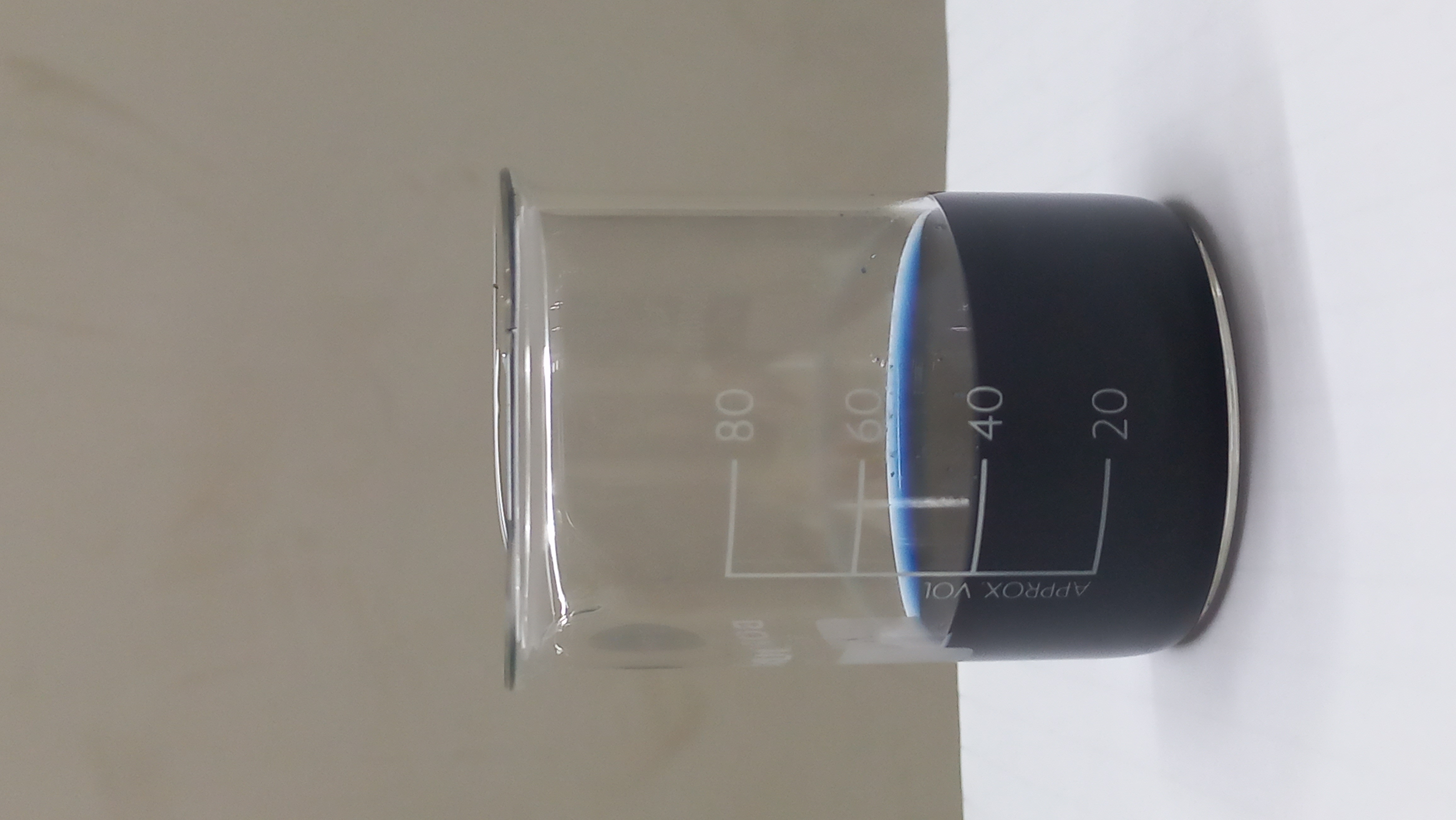
Figure 9: Shankhpushpi Flower Extraction
4.2 Beal Leaves Extraction
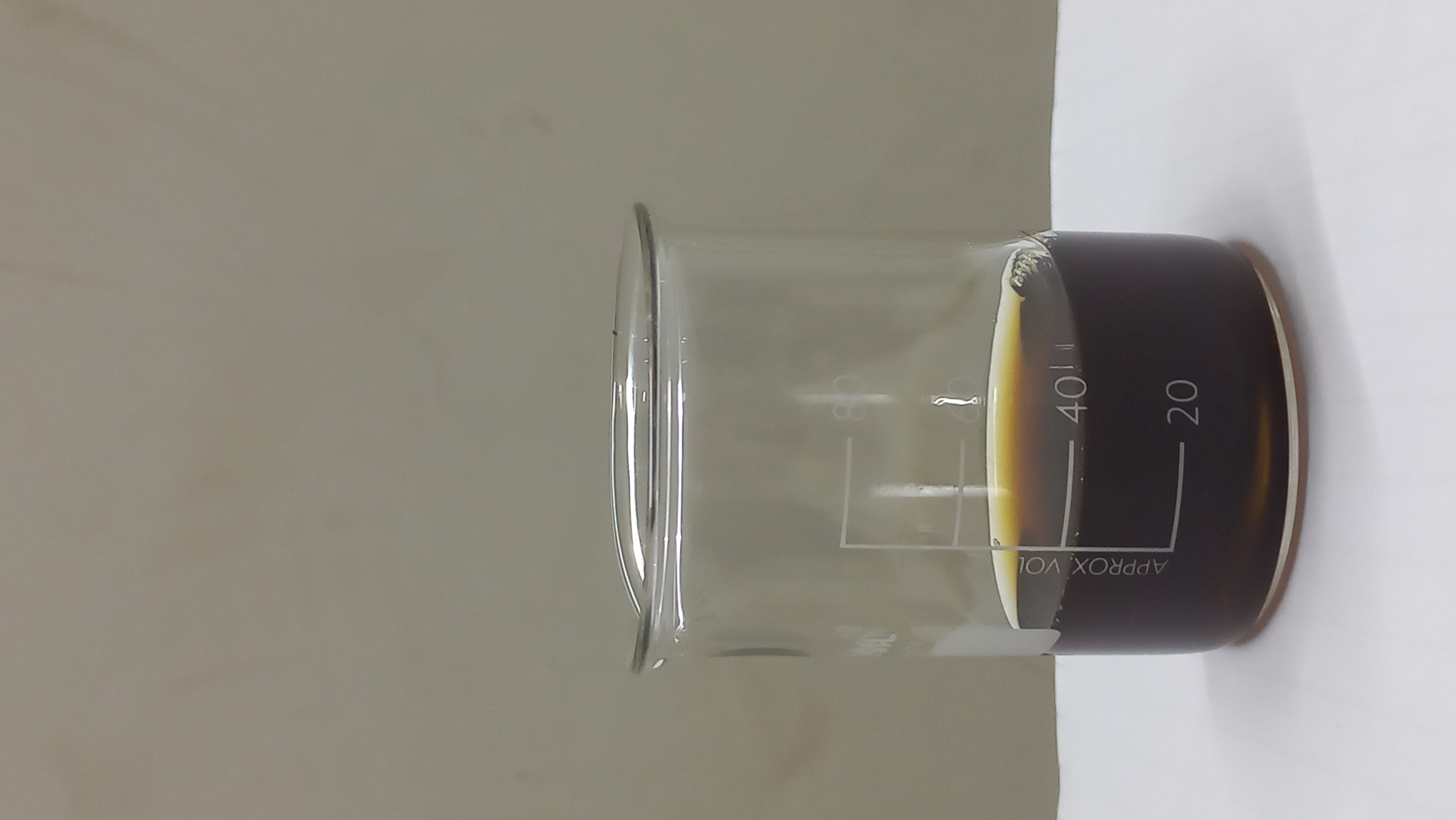
Figure 10: Beal Leaves Extraction
4.3 Turmeric Powder Extraction
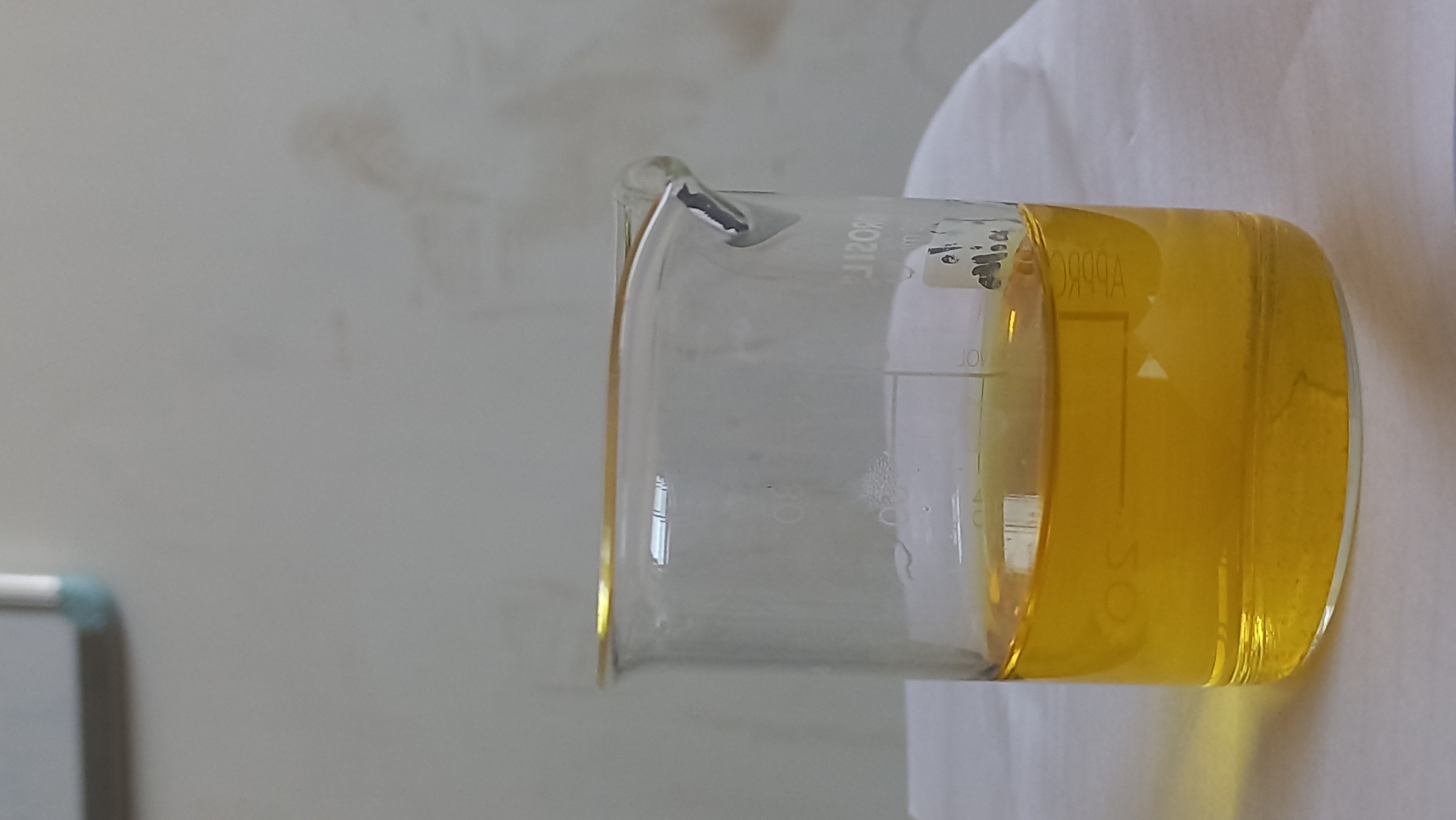
Figure 11: Turmeric Powder Extraction
4.4 Aloe Vera Extraction

Figure 12: Aloe Vera Extraction
4.5 Orange Peel Extraction
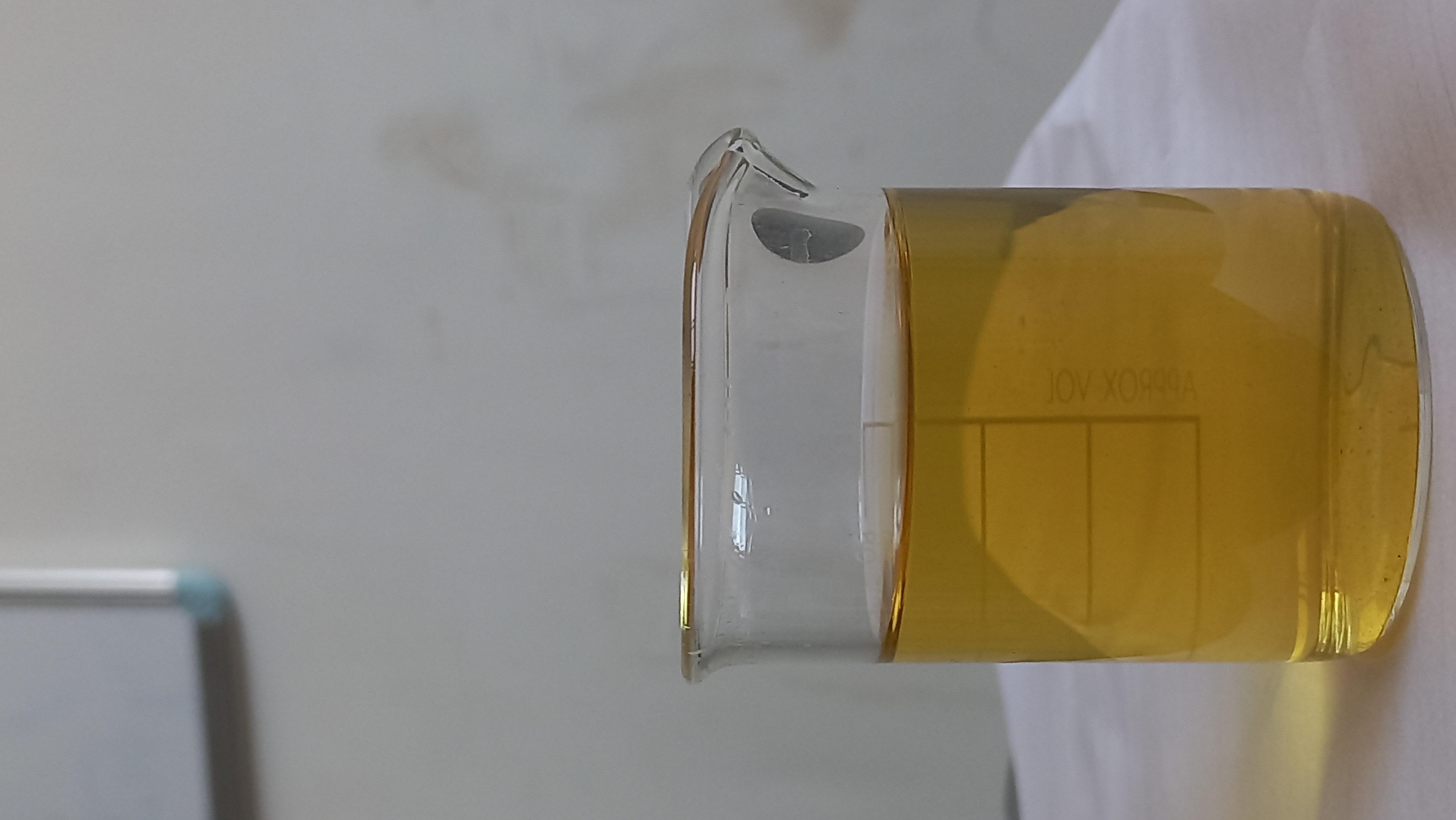
Figure 13: Orange Peel Extraction
5.1 Quantity and Uses of Ingredients in Herbal Face Gel
Table 1: Quantity and Uses of Ingredients in Gel
|
Ingredients |
Quantity |
Uses |
|
Aloe vera |
60.0 ml |
Soothing and hydrating |
|
Shankhpushpi flower |
10.0 ml |
Anti-aging and calming |
|
Beal leaves |
10.0 ml |
Anti-inflammatory and wound healing |
|
Orange peel |
5.0 ml |
Anti-oxidant and brightening |
|
Turmeric |
2 ml |
Skin-bright & antioxidant |
|
Honey |
4.0 ml |
Anti-bacterial and humectant |
|
Glycerine |
4.0 ml |
Moisturizer and humectant |
|
Guar gum |
5.0 gm |
Thickening agent |
|
Essential oil |
0.5 ml |
Fragrance |
|
Gegard ultra |
1.5 ml |
Preservative |
5.2 Evaluation Parameters of Herbal Face Gel
Table 2 : Evaluation Parameters of Gel
|
Parameter |
Result |
|
Colour |
Dark Purple |
|
Odour |
Lavender |
|
Texture |
Smooth |
|
State |
Semi-solid |
|
Irritancy |
Non irritant |
|
Spreadability |
Easily spreadable |
|
Washability |
Easily washable |
|
Phase separation |
No observed |
|
PH test |
4.5 |
|
Stability test |
Stable |
5.3 Uses of Herbal Face Gel
CONCLUSION
The present study successfully demonstrated the preparation and evaluation of a herbal face gel formulated using natural plant extracts. The incorporation of herbal ingredients such as [insert specific herbs used, e.g. Aloevera, Shankhpushpi and Beal] into a gel base provided an effective, non-greasy, and cosmetically acceptable formulation suitable for topical application. The formulation was evaluated for various physicochemical parameters including pH, viscosity, spreadability, and stability, all of which were found to be within acceptable limits. Additionally, pH test & Stability are performed Overall, the study supports the use of herbal extracts in skincare formulations, emphasizing the potential of natural ingredients in promoting skin health while minimizing side effects commonly associated with synthetic agents. The formulated herbal face gel thus offers a promising alternative for consumers seeking effective, affordable, and safe cosmetic products derived from traditional medicinal plants.
REFERENCES


Saloni Prajapati*, Vaibhav Patil, Mariya Ghanchi, Preparation and Evaluation of Shankhini-Bilva Face Gel, Int. J. of Pharm. Sci., 2025, Vol 3, Issue 6, 3580-3594. https://doi.org/10.5281/zenodo.15720282
 10.5281/zenodo.15720282
