
1Professor And Head, Department of Pharmacognosy, School of Pharmaceutical Sciences, Vels Institute of Science Technolgy and Advanced Studies, Old Pallavaram, Chennai, India
2Assistant Professor, Department of Pharmacy Practice, SGT College of Pharmacy SGT University, Chandu Budhera Gurgaon, India
3,4 Assistant professor, Department of Pharmacy, Chandigarh college of Pharmacy, Chandigarh Group of Colleges, Landran, Punjab,140307
5Assistant Professor, Department of Pharmaceutical Sciences, Hemvati Nandan Bahuguna Garhwal University, (A Central University), Srinagar Garhwal, Uttarakhand, India
6Associate Professor, Department of Pharmaceutical Chemistry, Goel Institute of Pharmaceutical Sciences, Lucknow, Uttar Pradesh, India
7Assistant Professor, Department of Pharmacy, Aryakul College Of Pharmacy & Research Sitapur, Jajjaur, Post- Manawa, Sitapur, U.P, India
8Assistant Professor, Department of Pharmacy, Shri Ramswaroop Memorial University (SRMU) Uttar Pradesh, India
*9Assistant Professor, Department of Pharmacology & Therapeutics, MKCG Medical College & Hospital, Berhampur , Ganjam, Odisha, India.
Background: Post-Acute Sequelae of COVID-19 (PASC), commonly referred to as Long COVID, has emerged as a complex, multisystem condition following infection with SARS-CoV-2. Patients exhibit persistent and heterogeneous symptoms affecting neurological, cardiovascular, metabolic, and immunological systems.. Conventional reductionist approaches have proven insufficient to explain the multifactorial nature of PASC, necessitating a systems-level understanding. Objectives: This review aims to provide a comprehensive systems biology framework for PASC by integrating multi-omics data, mitochondrial dysfunction, persistent viral reservoirs, and immune dysregulation. Additionally, it seeks to identify potential precision pharmacotherapeutic targets and highlight emerging strategies for personalized management.Methods: A narrative integrative review was conducted, synthesizing evidence from genomics, epigenomics, transcriptomics, proteomics, metabolomics, and microbiomics studies. Peer-reviewed literature focusing on mitochondrial biology, viral persistence, immune dysregulation, and therapeutic interventions in PASC was critically analyzed. Systems biology approaches, including network analysis and artificial intelligence-driven models, were evaluated for their role in biomarker discovery and patient stratification.Results: PASC is characterized by distinct yet overlapping clinical phenotypes, including respiratory dysfunction, neurocognitive impairment, cardiometabolic abnormalities, and immune dysregulation. Multi-omics analyses reveal coordinated disruptions in inflammatory signaling, energy metabolism, and host–microbiome interactions. Mitochondrial dysfunction, marked by impaired oxidative phosphorylation, excessive reactive oxygen species production, and release of mitochondrial DNA, emerges as a central driver of bioenergetic failure and chronic inflammation. Evidence also supports the persistence of viral RNA and proteins in tissue reservoirs, contributing to chronic antigenic stimulation, immune exhaustion, and autoimmunity. These mechanisms collectively underpin symptom persistence and disease heterogeneity.Discussion: The integration of multi-omics datasets enables the identification of molecular endotypes and pathogenic networks in PASC, facilitating a shift toward precision medicine. Targeted therapeutic strategies—including antivirals, immunomodulators, mitochondrial-targeted agents, and microbiome-based interventions—demonstrate potential but require validation through biomarker-guided clinical trials. Challenges remain in data standardization, reproducibility, and translation of molecular insights into clinical practice.Conclusions: PASC represents a systems-level disorder driven by interconnected mechanisms involving viral persistence, immune dysregulation, and mitochondrial dysfunction. Integrative multi-omics approaches offer critical insights into disease pathogenesis and therapeutic targeting. Advancing precision pharmacotherapy will require longitudinal cohort studies, standardized methodologies, and interdisciplinary collaboration to address the long-term global burden of Long COVID
Post-Acute Sequelae of COVID-19 (PASC), commonly referred to as Long COVID, has emerged as a multifaceted and persistent clinical syndrome following acute infection with SARS-CoV-2. While initial efforts during the pandemic were primarily directed toward understanding acute viral pathogenesis and reducing mortality, it has become increasingly evident that a substantial proportion of individuals experience prolonged and often debilitating symptoms extending weeks to months beyond the resolution of the acute phase. PASC encompasses a constellation of clinical manifestations that persist or newly arise after the acute infection, often irrespective of the initial disease severity, thereby posing significant challenges to healthcare systems and biomedical research (Nalbandian et al., 2021; Davis et al., 2021).
Epidemiological studies estimate that approximately 10–30% of individuals infected with SARS-CoV-2 develop some form of long-term sequelae, although prevalence varies depending on population characteristics, viral variants, and diagnostic criteria (Sudre et al., 2021; World Health Organization, 2023). Given the vast global spread of COVID-19, the absolute burden of PASC is substantial, affecting millions worldwide and contributing to long-term disability, reduced quality of life, and socioeconomic strain. The heterogeneity in reporting and case definitions has further complicated accurate burden estimation, emphasizing the need for standardized frameworks and longitudinal cohort studies (Soriano et al., 2022).
Clinically, PASC is highly heterogeneous, involving multiple organ systems with overlapping and fluctuating symptoms. Neurological manifestations such as cognitive dysfunction (“brain fog”), memory impairment, and headaches are among the most commonly reported features, suggesting central nervous system involvement. Cardiovascular complications, including myocarditis, arrhythmias, and endothelial dysfunction, have also been widely documented. In addition, metabolic disturbances such as insulin resistance and altered lipid metabolism, along with persistent immune dysregulation characterized by chronic inflammation and autoantibody production, underscore the systemic nature of the condition (Nalbandian et al., 2021; Gupta et al., 2023). This multisystem involvement reflects a complex interplay between viral factors and host responses, extending beyond traditional organ-specific disease models.
Despite significant advances in understanding acute COVID-19, conventional reductionist approaches—focused on single pathways or isolated biological systems—are insufficient to capture the complexity of PASC. The syndrome involves dynamic interactions among immune signaling networks, metabolic pathways, mitochondrial function, and possibly persistent viral components. These interconnected processes operate across multiple biological scales, from molecular and cellular levels to organ systems, thereby necessitating a more integrative analytical framework. Reductionist models often fail to explain symptom variability, disease progression, and patient-specific responses, limiting their translational applicability in developing effective therapeutics (Proal & VanElzakker, 2021).
In this context, systems biology and multi-omics approaches offer a powerful paradigm for unraveling the intricate mechanisms underlying PASC. By integrating data from genomics, transcriptomics, proteomics, metabolomics, and microbiomics, researchers can construct comprehensive molecular networks that reflect the underlying pathophysiological landscape. Such integrative strategies enable the identification of key regulatory nodes, biomarkers, and disease endotypes, facilitating a shift toward precision medicine. Advances in computational biology, including machine learning and network-based modeling, further enhance the ability to decode high-dimensional datasets and predict therapeutic targets (Su et al., 2022).
The present review aims to provide a comprehensive systems-level dissection of PASC by synthesizing current evidence across multiple domains, including integrative multi-omics profiling, mitochondrial dysfunction, persistent viral reservoirs, and immune dysregulation. Furthermore, it seeks to highlight emerging precision pharmacotherapeutic strategies that leverage these insights to enable targeted and individualized treatment approaches. By bridging mechanistic understanding with translational applications, this review aspires to contribute to the development of effective interventions and inform future research directions in the management of Long COVID.
2. Clinical Phenotypes and Pathophysiological Complexity of PASC
Post-Acute Sequelae of COVID-19 (PASC) represents a highly heterogeneous and multisystem disorder arising after infection with SARS-CoV-2. The clinical spectrum extends beyond organ-specific damage, reflecting complex interactions among immune dysregulation, metabolic reprogramming, endothelial injury, and neuroinflammation. Increasing evidence suggests that PASC is better conceptualized as a syndrome comprising distinct but overlapping phenotypes rather than a single disease entity (Nalbandian et al., 2021; Deer et al., 2021).
2.1 Classification of PASC Phenotypes
PASC phenotypes can be broadly classified based on dominant clinical and pathophysiological features, although overlap between categories is common.
Table 2.1. Major Clinical Phenotypes of PASC
|
Phenotype |
Key Clinical Features |
Underlying Mechanisms |
Biomarkers/Indicators |
|
Respiratory |
Dyspnea, reduced lung capacity, fibrosis |
Persistent inflammation, alveolar damage, fibrotic remodeling |
Elevated TGF-β, IL-6, abnormal CT findings |
|
Neurological |
Brain fog, cognitive decline, headache, anosmia |
Neuroinflammation, BBB disruption, microglial activation |
Neurofilament light chain (NfL), cytokines |
|
Cardiometabolic |
Arrhythmias, myocarditis, insulin resistance |
Endothelial dysfunction, mitochondrial impairment |
Troponin, CRP, altered glucose/lipid profile |
|
Immunological |
Chronic fatigue, autoimmunity, persistent inflammation |
Cytokine imbalance, autoantibody production |
ANA, IL-1β, TNF-α |
|
Multisystem |
Fatigue, malaise, exercise intolerance |
Systemic inflammation, autonomic dysfunction |
Lactate levels, HR variability |
2.2 Respiratory Manifestations
Respiratory complications are among the most commonly reported features of PASC, particularly in patients with moderate-to-severe acute infection. Persistent dyspnea, reduced diffusion capacity, and radiological evidence of pulmonary fibrosis are frequently observed. These abnormalities are attributed to unresolved inflammation, fibroblast activation, and excessive extracellular matrix deposition (George et al., 2020). Long-term remodeling of lung architecture may contribute to chronic respiratory insufficiency.
2.3 Neurological Manifestations
Neurological symptoms such as cognitive impairment (“brain fog”), memory deficits, and sleep disturbances are hallmark features of PASC. These manifestations are linked to neuroinflammation, blood–brain barrier (BBB) disruption, and microvascular injury. Studies indicate that persistent immune activation and cytokine release may alter neuronal signaling and synaptic plasticity (Heneka et al., 2020). Additionally, viral-mediated or immune-mediated injury to the central nervous system may contribute to long-term neurodegeneration.
2.4 Cardiometabolic Dysfunction
Cardiovascular and metabolic abnormalities in PASC include myocarditis, arrhythmias, endothelial dysfunction, and insulin resistance. Endothelial injury and microvascular thrombosis play a central role, leading to impaired tissue perfusion and organ dysfunction. Metabolic disturbances are often associated with mitochondrial dysfunction and altered glucose and lipid metabolism, further exacerbating systemic inflammation (Gupta et al., 2020).
2.5 Immune Dysregulation and Autoimmunity
A defining feature of PASC is persistent immune activation characterized by elevated pro-inflammatory cytokines and dysregulated immune cell profiles. Chronic immune stimulation may lead to T-cell exhaustion and the development of autoantibodies, contributing to autoimmune phenomena. Molecular mimicry between viral antigens and host proteins has been proposed as a key mechanism underlying autoimmunity in PASC (Wang et al., 2021).
2.6 Temporal Progression of PASC
The progression of PASC can be broadly categorized into acute, subacute, and chronic phases, each associated with distinct biological processes.
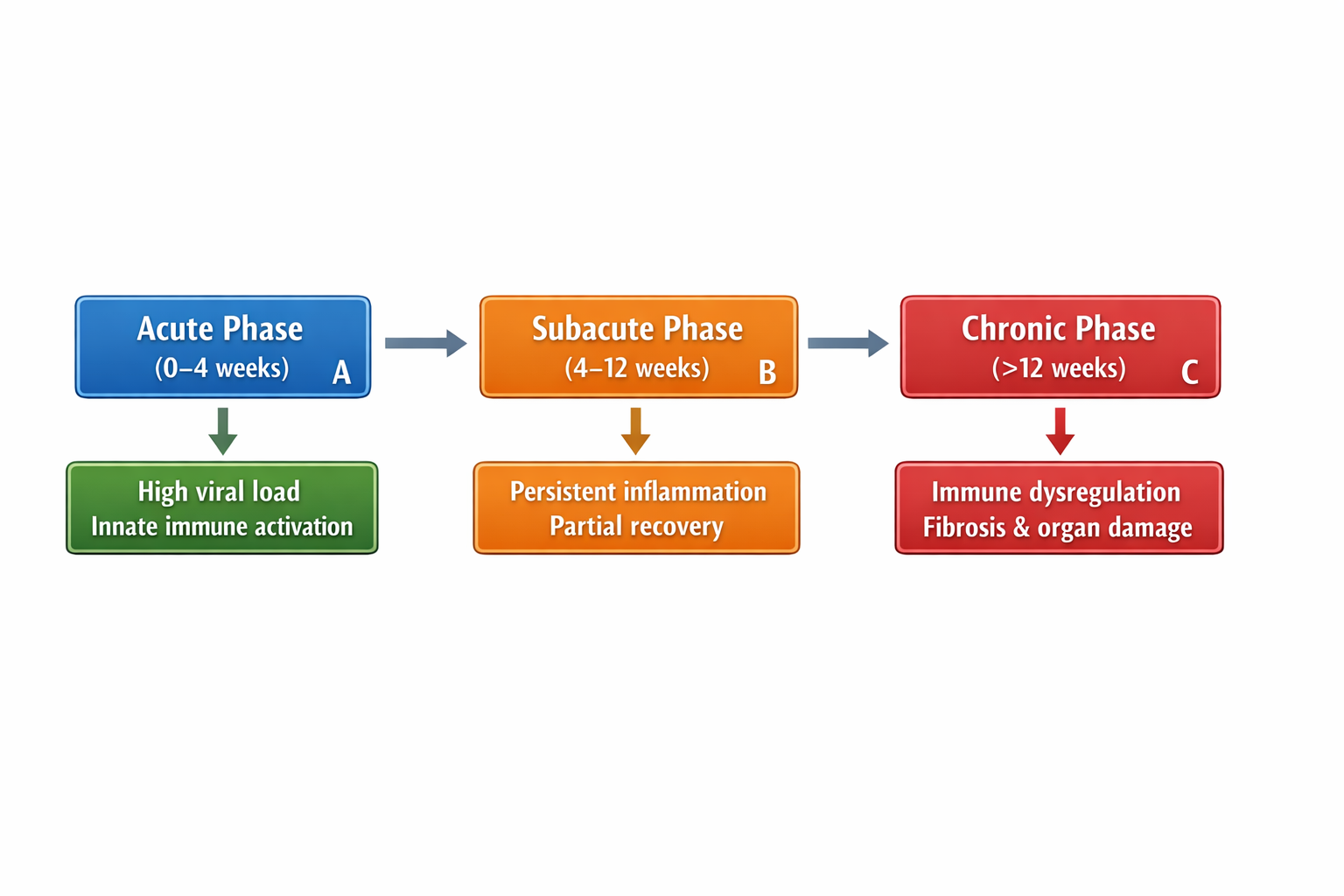
Figure 1: Progression of PASC
During the acute phase, viral replication and innate immune responses dominate. The subacute phase involves partial viral clearance but persistent inflammation. In the chronic phase, long-term sequelae emerge, driven by immune dysregulation, tissue remodeling, and possible viral persistence (Nalbandian et al., 2021).
2.7 Role of Host Factors
Host-specific factors significantly influence susceptibility, severity, and progression of PASC.
Table 2.2. Host Determinants Influencing PASC
|
Factor |
Impact on PASC |
Mechanistic Basis |
|
Age |
Increased risk in older adults |
Immunosenescence, reduced regenerative capacity |
|
Sex |
Higher prevalence in females |
Hormonal modulation, immune response differences |
|
Comorbidities |
Severe outcomes in diabetes, hypertension, obesity |
Chronic inflammation, endothelial dysfunction |
|
Genetics |
Variable susceptibility |
Polymorphisms in immune-related genes (e.g., HLA, ACE2) |
Genetic predisposition and pre-existing conditions modulate immune responses and influence disease trajectory, highlighting the importance of personalized approaches in PASC management (Sudre et al., 2021).
2.8 Overlap with Other Post-Viral Syndromes
PASC shares several clinical and mechanistic similarities with other post-viral conditions, particularly Myalgic Encephalomyelitis/Chronic Fatigue Syndrome. Common features include chronic fatigue, post-exertional malaise, cognitive dysfunction, and autonomic disturbances. These overlaps suggest shared underlying mechanisms such as mitochondrial dysfunction, immune dysregulation, and neuroinflammation (Komaroff & Bateman, 2021). Understanding these parallels may provide valuable insights into both PASC and longstanding post-viral syndromes.
3. Integrative Multi-Omics Landscape in PASC
The complexity of Post-Acute Sequelae of COVID-19 (PASC) necessitates a systems-level understanding that integrates multiple layers of biological information. Multi-omics approaches—encompassing genomics, epigenomics, transcriptomics, proteomics, metabolomics, lipidomics, and microbiomics—have emerged as powerful tools to unravel the molecular heterogeneity of PASC following infection with SARS-CoV-2. These approaches enable the identification of dysregulated pathways, biomarkers, and mechanistic networks underlying persistent symptoms (Su et al., 2022; Stephenson et al., 2021).
3.1 Genomics and Epigenomics
Host Genetic Susceptibility (GWAS Insights)
Genome-wide association studies (GWAS) have identified several host genetic loci associated with susceptibility to severe COVID-19 and potentially PASC. Variants in genes related to immune regulation (e.g., interferon signaling pathways, HLA loci) and viral entry mechanisms (e.g., ACE2 receptor expression) influence host responses and disease progression. These genetic predispositions may contribute to prolonged immune activation and impaired viral clearance (Ellinghaus et al., 2020).
Epigenetic Reprogramming
Epigenetic modifications such as DNA methylation, histone acetylation, and chromatin remodeling have been implicated in long-term immune dysregulation in PASC. Persistent epigenetic changes may sustain inflammatory gene expression even after viral clearance, contributing to chronic symptoms. Altered methylation patterns in immune-related genes and metabolic regulators highlight the role of epigenetic memory in disease persistence (Balnis et al., 2021).
Table 3.1. Genomic and Epigenomic Alterations in PASC
|
Omics Layer |
Key Findings |
Implications in PASC |
Representative Biomarkers |
|
Genomics |
GWAS-identified susceptibility loci |
Altered immune response and viral clearance |
HLA variants, IFN pathway genes |
|
Epigenomics |
DNA methylation changes, histone modifications |
Persistent inflammatory gene activation |
CpG methylation patterns, HDAC activity |
3.2 Transcriptomics and Proteomics
Transcriptomic analyses reveal widespread dysregulation of immune and inflammatory pathways in PASC patients. Upregulation of genes involved in cytokine signaling, innate immunity, and interferon responses has been consistently reported. Proteomic profiling further supports these findings, demonstrating elevated levels of inflammatory mediators and immune-related proteins (Su et al., 2022).
Cytokine Signatures and Interferon Responses
Persistent elevation of cytokines such as IL-6, TNF-α, and interferons indicates chronic immune activation. Dysregulated interferon signaling, particularly delayed or prolonged type I interferon responses, has been linked to immune exhaustion and tissue damage (Hadjadj et al., 2020).
Table 3.2. Transcriptomic and Proteomic Signatures in PASC
|
Category |
Key Molecules |
Functional Role |
Clinical Relevance |
|
Cytokines |
IL-6, TNF-α, IL-1β |
Pro-inflammatory signaling |
Chronic inflammation |
|
Interferons |
IFN-α, IFN-β |
Antiviral defense |
Immune dysregulation |
|
Acute phase proteins |
CRP, ferritin |
Systemic inflammation |
Disease severity marker |
|
Immune regulators |
CXCL10, CCL2 |
Chemotaxis |
Persistent immune activation |
3.3 Metabolomics and Lipidomics
Metabolomic and lipidomic profiling in PASC reveals profound alterations in cellular energy metabolism and redox homeostasis.
Altered Energy Metabolism
Disruptions in mitochondrial function lead to impaired oxidative phosphorylation and increased reliance on glycolysis. This metabolic shift contributes to fatigue and reduced exercise tolerance.
Amino Acid and Lipid Dysregulation
Abnormal levels of amino acids (e.g., tryptophan, glutamine) and lipid species (e.g., phospholipids, sphingolipids) reflect metabolic reprogramming and inflammation.
Redox Imbalance and Oxidative Stress
Elevated reactive oxygen species (ROS) and decreased antioxidant capacity contribute to oxidative stress, further exacerbating tissue damage (Shen et al., 2020).
Table 3.3. Metabolomic and Lipidomic Alterations in PASC
|
Pathway |
Alteration |
Biological Impact |
Biomarkers |
|
Energy metabolism |
Reduced OXPHOS, increased glycolysis |
Fatigue, mitochondrial dysfunction |
Lactate, ATP levels |
|
Amino acid metabolism |
Tryptophan depletion |
Immune modulation |
Kynurenine pathway metabolites |
|
Lipid metabolism |
Altered phospholipids |
Inflammation, membrane dysfunction |
Ceramides, sphingolipids |
|
Redox balance |
Increased ROS |
Oxidative damage |
GSH/GSSG ratio |
3.4 Microbiomics
The gut microbiome plays a crucial role in immune homeostasis and systemic health. In PASC, dysbiosis has been associated with persistent inflammation and altered immune responses.
Gut–Lung–Brain Axis Disruption
Disruption of microbial communities affects communication between the gut, lungs, and brain, influencing both immune and neurological outcomes.
Dysbiosis and Immune Modulation
Reduced diversity of beneficial commensals and increased pathogenic species contribute to chronic inflammation and impaired immune regulation (Zuo et al., 2021).
Table 3.4. Microbiome Alterations in PASC
|
Aspect |
Observation |
Impact on Host |
|
Microbial diversity |
Reduced diversity |
Impaired immune resilience |
|
Beneficial bacteria |
Decreased (e.g., Faecalibacterium) |
Reduced anti-inflammatory effects |
|
Pathogenic species |
Increased |
Enhanced inflammation |
|
Metabolites |
Reduced SCFAs |
Gut barrier dysfunction |
3.5 Multi-Omics Integration Approaches
The integration of multi-omics datasets enables a holistic understanding of PASC pathophysiology by identifying interconnected molecular networks.
Network Biology and Pathway Enrichment
Systems biology approaches allow the construction of interaction networks linking genes, proteins, and metabolites. Pathway enrichment analysis identifies key biological processes involved in disease progression.
AI/ML Models for Biomarker Discovery
Machine learning algorithms can analyze high-dimensional omics data to identify predictive biomarkers and classify patient subgroups.
Identification of Molecular Endotypes
Multi-omics integration facilitates the identification of distinct molecular endotypes, enabling personalized therapeutic strategies.
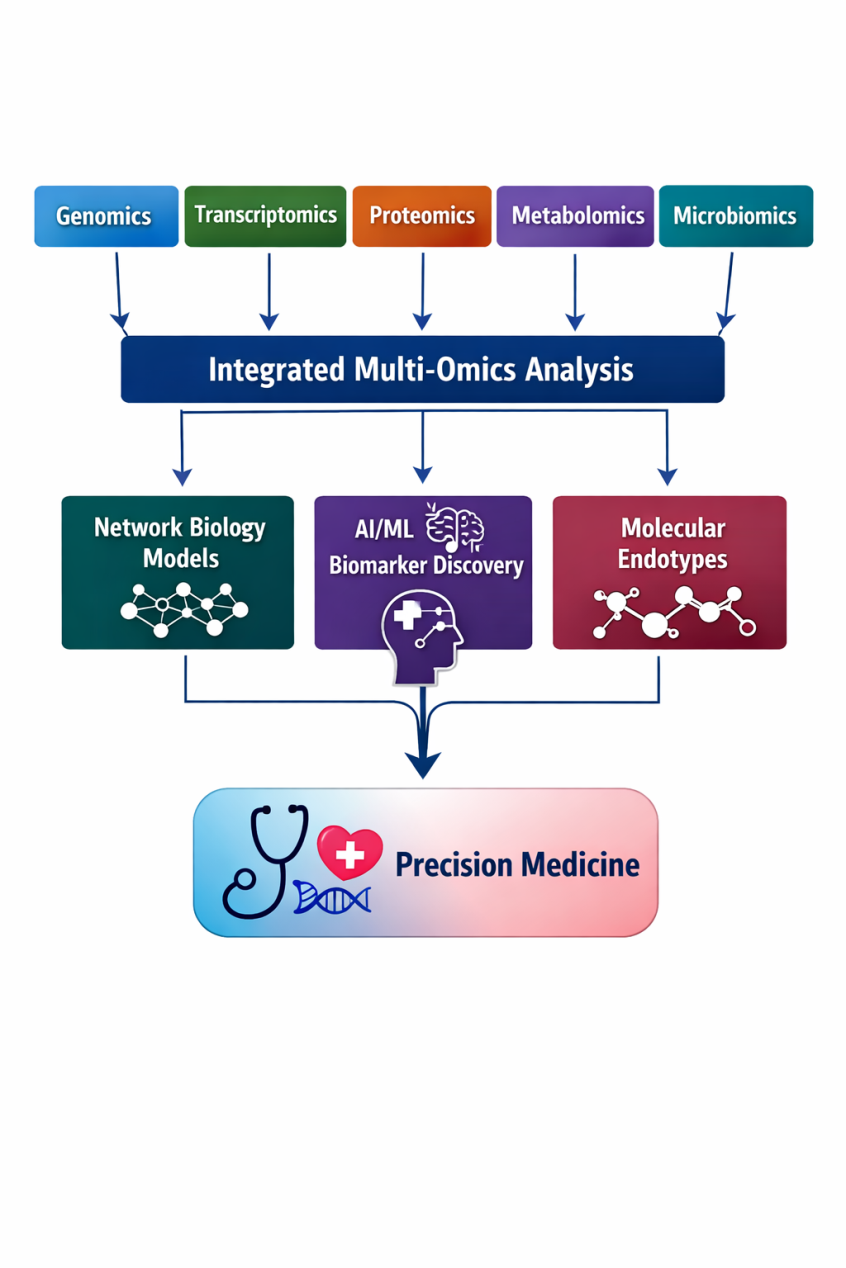
Figure 2: Multi-Omics Integration Framework in PASC
4. Mitochondrial Dysfunction and Bioenergetic Failure
Mitochondria are central regulators of cellular energy metabolism, redox homeostasis, and innate immune signaling. In the context of infection with SARS-CoV-2, accumulating evidence indicates that mitochondrial integrity and function are profoundly disrupted, contributing to the pathogenesis of Post-Acute Sequelae of COVID-19 (PASC). Mitochondrial dysfunction provides a unifying mechanistic link between persistent inflammation, metabolic derangements, and multisystem clinical manifestations such as fatigue, neurocognitive impairment, and muscle weakness (Saleh et al., 2020; Singh et al., 2020).
4.1 Role of Mitochondria in Viral Infections
Mitochondria play a dual role in viral infections: they are essential for cellular energy production and serve as hubs for antiviral immune signaling. The mitochondrial antiviral-signaling protein (MAVS), localized on the outer mitochondrial membrane, is a key mediator of innate immune responses, particularly interferon production. Viruses, including SARS-CoV-2, have evolved mechanisms to manipulate mitochondrial dynamics, suppress antiviral signaling, and promote viral replication (West et al., 2011).
4.2 SARS-CoV-2-Induced Mitochondrial Damage
SARS-CoV-2 proteins have been shown to localize within mitochondria, disrupting their structure and function. Viral interference with mitochondrial dynamics leads to fragmentation, loss of membrane potential, and impaired ATP production. Additionally, viral-mediated inhibition of mitochondrial biogenesis and mitophagy results in the accumulation of damaged mitochondria, exacerbating cellular stress (Gordon et al., 2020).
Table 4.1. Mechanisms of SARS-CoV-2-Induced Mitochondrial Dysfunction
|
Mechanism |
Description |
Pathophysiological Outcome |
|
Mitochondrial localization of viral proteins |
Viral proteins interact with mitochondrial components |
Disruption of mitochondrial integrity |
|
Impaired mitophagy |
Reduced clearance of damaged mitochondria |
Accumulation of dysfunctional organelles |
|
Altered mitochondrial dynamics |
Increased fission, reduced fusion |
Fragmentation and energy imbalance |
|
Inhibition of biogenesis |
Reduced mitochondrial replication |
Decreased ATP production |
4.3 Impaired Oxidative Phosphorylation (OXPHOS)
Mitochondrial dysfunction in PASC is characterized by impaired oxidative phosphorylation (OXPHOS), leading to reduced ATP generation and a shift toward glycolytic metabolism. This metabolic reprogramming resembles the “Warburg-like effect” observed in immune cells, where energy production becomes less efficient. Impaired OXPHOS contributes to exercise intolerance, chronic fatigue, and reduced cellular resilience (Su et al., 2022).
4.4 Reactive Oxygen Species (ROS) Overproduction
Dysfunctional mitochondria generate excessive reactive oxygen species (ROS), leading to oxidative stress and cellular damage. Elevated ROS levels can damage lipids, proteins, and nucleic acids, further impairing mitochondrial function and creating a vicious cycle of oxidative injury. Oxidative stress also amplifies inflammatory signaling pathways, including NF-κB activation (Saleh et al., 2020).
Table 4.2. Consequences of Mitochondrial ROS Overproduction
|
Effect |
Molecular Impact |
Clinical Relevance |
|
Lipid peroxidation |
Membrane damage |
Tissue injury |
|
Protein oxidation |
Enzyme dysfunction |
Metabolic impairment |
|
DNA damage |
mtDNA mutations |
Cellular dysfunction |
|
Inflammatory signaling |
NF-κB activation |
Chronic inflammation |
4.5 mtDNA Release and Innate Immune Activation
Mitochondrial damage leads to the release of mitochondrial DNA (mtDNA) into the cytosol and extracellular space. mtDNA acts as a damage-associated molecular pattern (DAMP), activating innate immune receptors such as Toll-like receptor 9 (TLR9) and the cGAS-STING pathway. This results in sustained inflammatory responses and cytokine production, contributing to chronic immune activation in PASC (West et al., 2011).
4.6 Clinical Implications: Fatigue, Neurocognitive Dysfunction, and Muscle Weakness
Mitochondrial dysfunction has direct clinical consequences in PASC:
These manifestations closely resemble symptoms observed in other mitochondrial and post-viral disorders, highlighting the central role of bioenergetic failure in PASC (Komaroff & Bateman, 2021).
4.7 Therapeutic Implications Targeting Mitochondrial Pathways
Targeting mitochondrial dysfunction represents a promising therapeutic strategy for PASC. Interventions aim to restore mitochondrial function, reduce oxidative stress, and improve cellular metabolism.
Table 4.3. Mitochondria-Targeted Therapeutic Strategies
|
Therapeutic Class |
Examples |
Mechanism of Action |
Potential Benefit in PASC |
|
Antioxidants |
Coenzyme Q10, N-acetylcysteine (NAC) |
Scavenge ROS |
Reduce oxidative stress |
|
NAD+ boosters |
Nicotinamide riboside |
Enhance mitochondrial metabolism |
Improve energy production |
|
Metabolic modulators |
Metformin |
Improve mitochondrial efficiency |
Reduce inflammation |
|
Mitochondrial biogenesis enhancers |
PGC-1α activators |
Promote mitochondrial replication |
Restore energy balance |
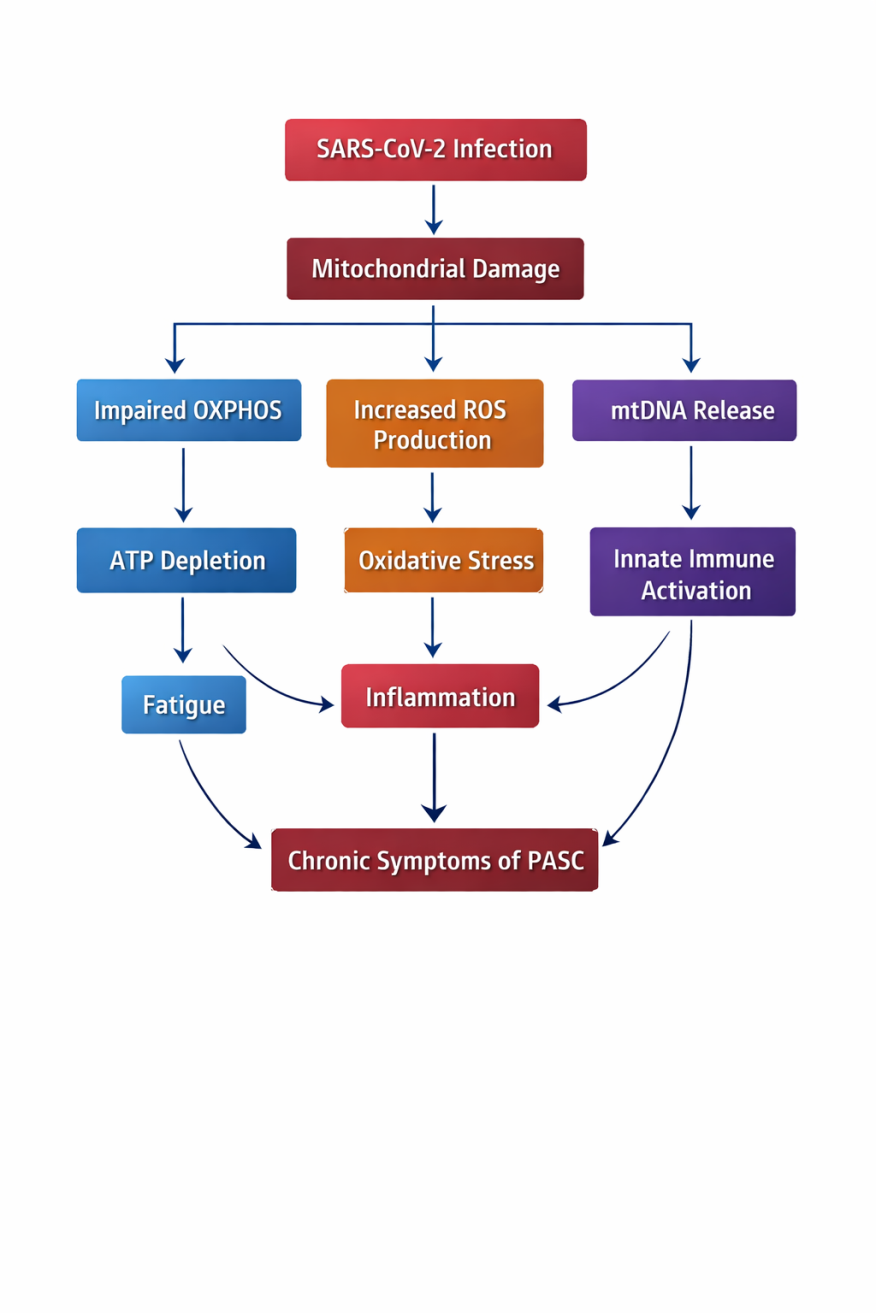
Figure 3: Mitochondrial Dysfunction in PASC Pathogenesis
5. Persistent Viral Reservoirs and Immune Dysregulation
A growing body of evidence suggests that Post-Acute Sequelae of COVID-19 (PASC) is driven, in part, by the persistence of viral components and chronic immune dysregulation following infection with SARS-CoV-2. Rather than complete viral clearance, residual viral RNA, proteins, or replication-competent virus may persist in specific anatomical niches, sustaining antigenic stimulation and promoting long-term pathological changes (Proal & VanElzakker, 2021; Chertow et al., 2021).
5.1 Evidence of Viral Persistence in Tissues
Multiple studies have demonstrated the presence of SARS-CoV-2 RNA and proteins in extrapulmonary tissues months after acute infection. These include the gastrointestinal tract, central nervous system (CNS), and lymphoid tissues, which may serve as viral reservoirs.
Table 5.1. Tissue-Specific Viral Persistence in PASC
|
Tissue/Organ |
Evidence of Persistence |
Detection Methods |
Clinical Implications |
|
Gut (intestinal epithelium) |
Viral RNA and proteins detected |
PCR, immunohistochemistry |
Chronic inflammation, dysbiosis |
|
CNS (brain tissue) |
Viral fragments, neuroinflammation |
Autopsy, imaging |
Cognitive dysfunction, brain fog |
|
Lymphoid organs |
Persistent viral antigens |
Biopsy, immune profiling |
Chronic immune activation |
|
Endothelium |
Viral presence in vascular cells |
Histopathology |
Microvascular dysfunction |
The gut has been particularly implicated as a long-term viral reservoir, potentially contributing to systemic inflammation through the gut–immune axis (Zuo et al., 2021).
5.2 Viral RNA/Protein Persistence vs Replication-Competent Virus
A key distinction in PASC pathophysiology is whether persistent viral material represents active viral replication or residual, non-infectious components. While replication-competent virus is rarely detected in chronic phases, viral RNA and proteins may persist and remain immunologically active.
Table 5.2. Forms of Viral Persistence
|
Form |
Description |
Immunological Impact |
|
Replication-competent virus |
Active viral replication |
Sustained infection and immune activation |
|
Viral RNA fragments |
Non-replicating genetic material |
Chronic immune stimulation |
|
Viral proteins (antigens) |
Persistent structural proteins |
Antigen presentation and inflammation |
Persistent antigens can continuously stimulate the immune system, even in the absence of active viral replication (Chertow et al., 2021).
5.3 Chronic Antigenic Stimulation and Immune Exhaustion
Continuous exposure to viral antigens leads to prolonged immune activation and eventual immune exhaustion. This is particularly evident in T cells, which exhibit reduced effector function and increased expression of inhibitory receptors such as PD-1.
5.4 T-Cell Dysfunction and Cytokine Imbalance
T-cell dysregulation is a hallmark of PASC, characterized by impaired cytotoxic activity and altered cytokine production. Persistent elevation of pro-inflammatory cytokines (e.g., IL-6, TNF-α) contributes to a chronic inflammatory state.
Table 5.3. Immune Dysregulation in PASC
|
Component |
Alteration |
Functional Consequence |
|
CD8+ T cells |
Exhaustion, reduced cytotoxicity |
Impaired viral clearance |
|
CD4+ T cells |
Skewed Th1/Th17 responses |
Chronic inflammation |
|
Cytokines |
Elevated IL-6, TNF-α |
Systemic inflammation |
|
Regulatory T cells |
Reduced function |
Loss of immune tolerance |
5.5 Autoimmunity and Molecular Mimicry
Molecular mimicry between viral antigens and host proteins may trigger autoantibody production, leading to autoimmune responses. Several studies have identified diverse autoantibodies in COVID-19 patients, targeting immune regulators and tissue-specific antigens (Wang et al., 2021). This autoimmune component may underlie persistent symptoms such as fatigue, neurological dysfunction, and vascular abnormalities.
5.6 Endothelial Dysfunction and Microclot Formation
Endothelial cells are a major target of SARS-CoV-2, leading to vascular inflammation and dysfunction. Persistent endothelial activation promotes a pro-thrombotic state, resulting in microclot formation and impaired microcirculation.
Table 5.4. Vascular Pathology in PASC
|
Feature |
Mechanism |
Clinical Outcome |
|
Endothelial dysfunction |
Viral injury, inflammation |
Impaired vascular tone |
|
Microclots |
Hypercoagulability |
Reduced tissue perfusion |
|
Platelet activation |
Immune-mediated activation |
Thrombosis risk |
|
Hypoxia |
Microvascular obstruction |
Organ dysfunction |
Microclots may contribute to persistent hypoxia and fatigue by limiting oxygen delivery to tissues (Pretorius et al., 2021).
5.7 Interaction Between Viral Persistence and Host Metabolism
Persistent viral components can alter host metabolic pathways, particularly mitochondrial function and energy metabolism. Chronic immune activation increases metabolic demand, while mitochondrial dysfunction limits energy production, creating a mismatch that contributes to fatigue and systemic dysfunction. Additionally, metabolic reprogramming of immune cells sustains inflammation, forming a feedback loop between viral persistence and host metabolism (Proal & VanElzakker, 2021).
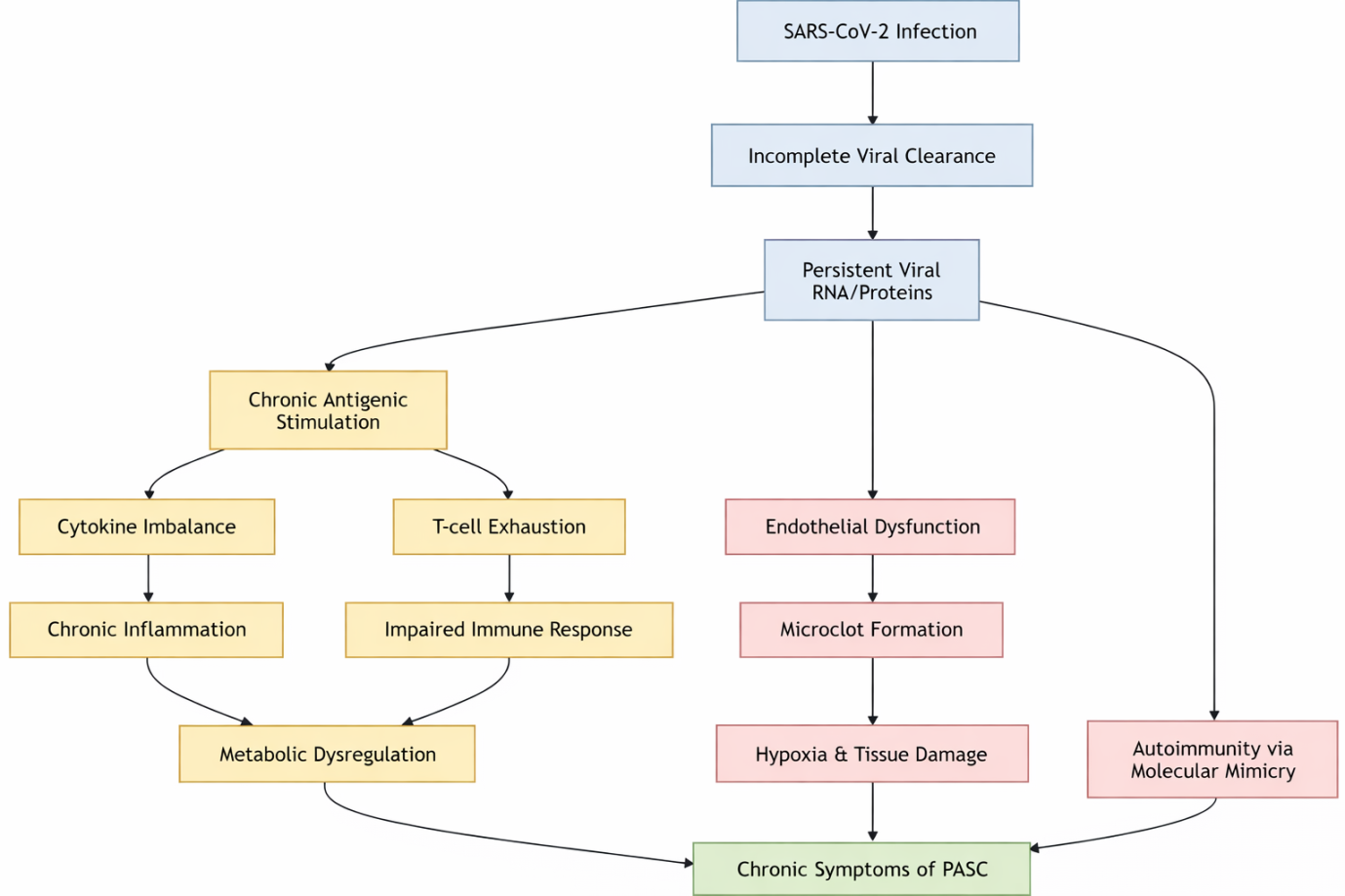
Figure 4: Mechanistic Model of Viral Persistence and Immune Dysregulation in PASC
6. Precision Pharmacotherapeutic Targeting Strategies
The multifactorial nature of Post-Acute Sequelae of COVID-19 (PASC) necessitates a precision medicine approach that targets specific molecular and cellular mechanisms underlying persistent symptoms following infection with SARS-CoV-2. Advances in systems biology and multi-omics have enabled the identification of therapeutic targets across antiviral, immunological, metabolic, vascular, and microbiome-related pathways. A stratified pharmacotherapeutic framework is essential to address the heterogeneity of PASC (Nalbandian et al., 2021; Su et al., 2022).
6.1 Antiviral Approaches
Targeting Residual Viral Reservoirs
Persistent viral RNA and proteins in tissues suggest that antiviral therapies may have a role beyond the acute phase. Strategies focus on eliminating viral reservoirs in sites such as the gut and lymphoid tissues.
Repurposed Antivirals
Drugs initially developed for acute COVID-19 are being evaluated for PASC.
Table 6.1. Antiviral Strategies in PASC
|
Drug/Class |
Mechanism of Action |
Target |
Potential Role in PASC |
|
Remdesivir |
RNA-dependent RNA polymerase inhibitor |
Viral replication |
Clearance of residual virus |
|
Paxlovid |
Protease inhibition |
Viral protease |
Suppression of viral persistence |
|
Molnupiravir |
Induces viral mutagenesis |
Viral genome |
Reduction of viral load |
6.2 Immunomodulatory Therapies
Persistent immune activation in PASC necessitates targeted immunomodulation to restore immune balance.
Cytokine Inhibitors
Blocking pro-inflammatory cytokines such as IL-6 and TNF-α can mitigate chronic inflammation.
JAK-STAT Pathway Targeting
Inhibition of the JAK-STAT signaling pathway reduces cytokine-mediated inflammation.
Monoclonal Antibodies
Targeted biologics modulate immune responses and neutralize inflammatory mediators.
Table 6.2. Immunomodulatory Therapies
|
Therapeutic Class |
Examples |
Mechanism |
Clinical Benefit |
|
Cytokine inhibitors |
Tocilizumab |
IL-6 blockade |
Reduced inflammation |
|
JAK inhibitors |
Baricitinib |
Inhibits cytokine signaling |
Immune modulation |
|
Monoclonal antibodies |
Anti-SARS-CoV-2 mAbs |
Neutralization |
Reduced immune activation |
6.3 Mitochondria-Targeted Therapies
Given the central role of mitochondrial dysfunction in PASC, therapies aimed at restoring mitochondrial health are gaining attention.
Table 6.3. Mitochondria-Targeted Interventions
|
Category |
Examples |
Mechanism |
Therapeutic Outcome |
|
Antioxidants |
CoQ10, N-acetylcysteine (NAC) |
ROS scavenging |
Reduced oxidative stress |
|
NAD+ boosters |
Nicotinamide riboside |
Enhances mitochondrial metabolism |
Improved ATP production |
|
Metabolic modulators |
Metformin |
Improves mitochondrial efficiency |
Reduced inflammation |
These approaches aim to restore bioenergetic balance and alleviate fatigue-related symptoms (Su et al., 2022).
6.4 Anti-inflammatory and Antithrombotic Strategies
Microclot-Targeting Therapies
Persistent microclots have been implicated in impaired oxygen delivery and chronic symptoms.
Endothelial Protection
Therapies targeting endothelial dysfunction aim to restore vascular integrity.
Table 6.4. Vascular and Anti-inflammatory Therapies
|
Strategy |
Examples |
Mechanism |
Clinical Impact |
|
Anticoagulants |
Heparin, DOACs |
Prevent clot formation |
Improved perfusion |
|
Anti-inflammatory drugs |
Corticosteroids |
Suppress inflammation |
Symptom relief |
|
Endothelial protectants |
Statins |
Improve endothelial function |
Reduced vascular damage |
6.5 Microbiome-Based Interventions
The gut microbiome plays a critical role in immune regulation and systemic health, making it a key therapeutic target in PASC.
Probiotics, Prebiotics, and Postbiotics
These interventions aim to restore microbial balance and reduce inflammation.
Fecal Microbiota Transplantation (FMT)
FMT involves transferring healthy microbiota to restore gut homeostasis.
Table 6.5. Microbiome-Based Therapies
|
Intervention |
Mechanism |
Therapeutic Benefit |
|
Probiotics |
Restore beneficial bacteria |
Improved immune regulation |
|
Prebiotics |
Promote microbial growth |
Enhanced gut health |
|
Postbiotics |
Provide microbial metabolites |
Anti-inflammatory effects |
|
FMT |
Reconstitute microbiome |
Restore microbial diversity |
6.6 Personalized/Precision Medicine Approaches
Precision medicine integrates clinical data with multi-omics insights to tailor therapies to individual patients.
Biomarker-Guided Therapy
Identification of specific biomarkers enables targeted therapeutic interventions.
Multi-Omics-Driven Drug Targeting
Integration of omics data helps identify actionable molecular targets.
AI-Assisted Therapeutic Stratification
Machine learning models can predict patient responses and optimize treatment strategies.
Table 6.6. Precision Medicine Strategies in PASC
|
Approach |
Tools/Technologies |
Outcome |
|
Biomarker-guided therapy |
Cytokine panels, metabolomics |
Targeted treatment |
|
Multi-omics integration |
Genomics, proteomics, metabolomics |
Identification of therapeutic targets |
|
AI/ML models |
Predictive analytics |
Personalized treatment plans |
FUTURE PERSPECTIVES AND CONCLUSIONS
The growing recognition of Post-Acute Sequelae of COVID-19 (PASC) as a complex, multisystem disorder following infection with SARS-CoV-2 underscores the urgent need for comprehensive and longitudinal research frameworks. One of the foremost priorities is the establishment of large-scale, longitudinal multi-omics cohort studies that track patients from the acute phase through recovery and into chronic stages. Such studies would enable the temporal mapping of molecular alterations across genomics, transcriptomics, proteomics, metabolomics, and microbiomics, thereby providing critical insights into disease progression, persistence, and resolution. Longitudinal datasets are particularly valuable for distinguishing causal mechanisms from downstream effects and for identifying early predictive biomarkers of PASC (Su et al., 2022).
A central challenge—and opportunity—lies in the integration of clinical phenotyping with high-dimensional molecular data to advance precision medicine. The convergence of electronic health records, imaging data, and multi-omics profiles can facilitate the identification of patient-specific disease endotypes. This integrative approach enables the development of tailored therapeutic strategies based on individual molecular signatures rather than generalized treatment paradigms. However, achieving this level of integration requires robust computational infrastructure, standardized data formats, and interdisciplinary collaboration across clinical and computational domains (Stephenson et al., 2021).
Despite significant advances, several challenges persist in the standardization and reproducibility of multi-omics research in PASC. Variability in sample collection, processing techniques, analytical platforms, and data interpretation can lead to inconsistencies across studies. The lack of universally accepted diagnostic criteria and outcome measures for PASC further complicates cross-study comparisons. Addressing these issues will require the development of standardized protocols, harmonized data repositories, and consensus guidelines to ensure reproducibility and reliability of findings.
Translating mechanistic insights into effective clinical interventions remains another major hurdle. Many proposed therapeutic targets identified through omics studies have yet to be validated in clinical settings. There is a pressing need for well-designed clinical trials that incorporate molecular stratification of patients, enabling the evaluation of targeted therapies in specific subgroups. Adaptive trial designs, real-world evidence integration, and biomarker-driven endpoints may enhance the efficiency and success of such studies (Proal & VanElzakker, 2021).
Emerging technologies are poised to significantly advance the understanding of PASC at unprecedented resolution. Single-cell omics approaches allow the characterization of cell-type-specific responses, revealing heterogeneity within immune and tissue populations. Spatial transcriptomics further adds a layer of contextual information by mapping gene expression within intact tissue architecture, enabling the identification of localized pathological niches such as viral reservoirs or inflammatory microenvironments. These cutting-edge tools, combined with advances in artificial intelligence and systems biology, will facilitate the construction of highly detailed disease models and uncover novel therapeutic targets.
In conclusion, PASC represents a paradigmatic example of a complex, systems-level disease requiring integrative and multidisciplinary approaches. The convergence of multi-omics technologies, computational modeling, and precision pharmacology offers a transformative framework for understanding and managing this condition. Moving forward, the integration of longitudinal data, standardization of methodologies, and translation of molecular insights into targeted therapies will be critical for addressing the long-term health burden of PASC. A systems-level perspective not only enhances mechanistic understanding but also paves the way for innovative, patient-centric therapeutic strategies that can effectively mitigate the persistent and heterogeneous manifestations of Long COVID.
REFERENCES

Malarkodi Velraj, Geeta Rawat, Ritika Kalia, Isha Kapila, Somesh Thapliyal, Alka Mishra, Rajeev Kumar, Yash Srivastav, Pratyush Mishra, Systems-Level Dissection of Post-Acute Sequelae of COVID-19: Integrative Multi-Omics, Mitochondrial Dysfunction, Persistent Viral Reservoirs, and Precision Pharmacotherapeutic Targeting, Int. J. of Pharm. Sci., 2026, Vol 4, Issue 4, 633-650 https://doi.org/10.5281/zenodo.19413815
 10.5281/zenodo.19413815
