View Article

Abstract

Tegoprazan is a novel, potent, and highly selective potassium-competitive acid blocker that inhibits gastric and secretion with rapid onset of action and prolonged control of gastric acidity. In patients with gastroesophageal reflux disease (GERD)whose symptoms improve with acid-suppression therapy, on-demand treatment could constitute maintenance therapy. Potassium-competitive acid blockers and proton pump inhibitors/sodium bicarbonate can rapidly increase intragastric pH. A novel and varied class of medications known as potassium-competitive acid blockers (P-CABs), like tegoprazan, can totally block the potassium-binding site of gastric H+/K+ ATPase, potentially getting around the restrictions of proton-pump inhibitors (PPIs). This mechanism allows for consistent acid suppression across a wide pH range and minimizes variability due to CYP2C19 polymorphisms or food intake. Clinical trials have demonstrated tegoprazan’s efficacy in managing gastroesophageal reflux disease (GERD), peptic ulcers, and Helicobacter pylori infection. It achieves rapid symptoms relief and high healing rates, with a favorable safety profile and minimal adverse effects. Pharmacokinetic reveal a peak plasma concentration within 1-2hours and a half-life of approximately 7-10hours, supporting once-daily dosing. Pharmacodynamic data confirm sustained intragastric pH elevation, even during night time periods. This review consolidates current evidence on tegoprazan’s pharmacology, clinical applications, safety, and formulation characteristics, highlighting its potential as a next-generation acid suppressant for diverse patient populations. Recent phase 3 clinical trials, including the TRIUMPH program, have demonstrated that tegoprazan provides statistically superior oesophageal healing compared achieving higher complete healing rates at both four and eight weeks across all grades of erosive esophagitis, including severe forms.

Keywords

Laryngopharyngeal reflux disease; potassium-competitive acid blocker; tegoprazan; gastroesophageal reflux disease; gastric ulcer; H. pylori; CYP3A4; erosive esophagitis; acid suppression; rapid symptom relief; safety profile; clinical efficacy; pharmacodynamics; pharmacokinetics

Introduction

Laryngopharyngeal reflux disease (LPRD)is defined as several symptoms and signs caused by the retrograde flow of gastroduodenal contents into the laryngopharynx, oropharynx, and nasopharynx.[1]LPRD symptoms include hoarseness, throat clearing, sore throat, a globus sensation, chronic cough, dysphagia, and postnasal drip, and the endo laryngeal signs of LPRD include erythema, oedema, and inter arytenoid hypertrophy.[2] Gastro-oesophageal reflux disease (GERD)is a common gastrointestinal disorder resulting from reflux of gastric acid into the oesophagus. The objectives of GERD treatment are symptom relief, EE repair, and avoiding complications and recurrences that have a direct impact on patients quality of life. Proton pump inhibitors (PPI)have been the first line treatment for GERD. They are indicated for initial treatment and relapse.[3] First, they have a slow onset of action without completely suppressing acid production, leading to night time acid breakthrough. Second, cytochrome P450 CYP2C19 genetic polymorphism affects PPI effectiveness. Third, they are unstable in acidic conditions. However, the majority of these studies were retrospective.[4],[5] Tegoprazan, a potent and highly selective P-CAB, exhibits a rapid onset of action within 1h and a sustained holding of intragastric pH above 4 after single or multiple administration.[6],[7] Tegoprazan 50mg or 100mg shows non-inferior efficacy to esomeprazole 40mg in EE patients after 8 weeks of treatment.[8] Furthermore, tegoprazan 50mg and 100mg are non-inferior to lansoprazole 30mg for the treatment of patients with gastric ulcer and superior to placebo for the treatment of non-erosive reflux disease.[9], [10] PPIs have been an essential component of H. pylori eradication regimens.[11]

Gastric acid inhibition is crucial for increasing the H. pylori eradication rate by stabilising acid-labile antibiotics in the stomach and increasing the sensitivity of H. pylori to antibiotics.[12] Currently, PPIs-based triple therapy, which consists of a PPI, Amoxicillin, and clarithromycin, is the most popular. Eradication regimen worldwide.[11], [13] Accordingly, PPIs are limited because the absorption and onset of their antisecretory effects may be delayed. To overcome these limitations, an immediate-release formulation without an enteric coating containing PPI and sodium bicarbonate was developed. Sodium bicarbonate protects uncoated PPIs from degradation by gastric acid, enabling its rapid release and absorption and improving Its onset of action.[14], [15]

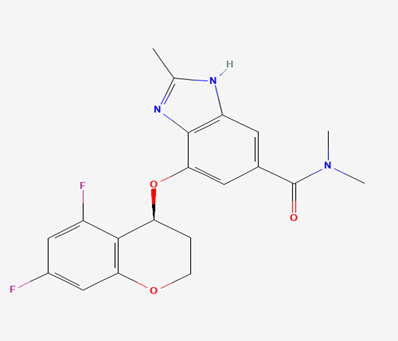
Molecular Formula:C20H19F2N3O3(fig 1)

Molecular Weight:387.4g/mol

IUPAC Name:7-[[(4S)-5,7-difluoro-3,4-dihydro-2H-chromen-4-yl] oxy]-N, N,2-trimethyl-3-H-benzimidazole-5-carboxamide

SMILES:CC1=NC2=C(N1) C=C(C=C20[C@H]3CCOC4=C3C(=CC(=C4C) F) F) C(=O) N(C)C

InChl Key: CLIQCDHNPDMGSL-HNNXBMFYSA-N

CAS Number:942195-55-3

Drug Bank ID:DB16690

CHEMBL ID: CHEMBL4297583

Brand Image: K-CAB® s(Tegoprazan)

Formulation:50mg tablets

Appearance: Oval, film-coated tablet with embossed markings

Indication: GERD, peptic ulcers, H. pylori eradication

Core Features:

 *Benzimidazole ring

 *Difluoro chroman moiety

 *Formamide side chain [16]

MECHANISM OF ACTION:

Compared to conventional proton pump inhibitors (PPIs), tegoprazan, a new drug used to treat gastrointestinal diseases caused by acid reflux, has drawn attention due to its unique mode of action. Tegoprazan belongs to the class of drugs known as P-CABS. P-CABs like tegoprazan function differently from PPIs which permanently block the stomach lining’s hydrogen-potassium ATPase enzyme. Through a reversible process.

The main way that tegoprazan works is by competitively blocking the potassium-binding site of the gastric proton pump, sometimes referred to as the H+/K+ ATPase.By blocking this site on the proton pump, preventing the ion exchange necessary for acid secretion.[18]

This competitive inhibition occurs rapidly, giving it a faster onset of action than PPIs, which require multiple doses to reach peak effectiveness. Its reversible binding allows normal acid secretion to resume once the drug is cleared, reducing the risk of rebound hyperacidity seen with PPIs. Clinical trials indicate that a single daily dose effectively controls acid for 24hours, making it a convenient option for long-term management of acid-related disorders. The drug effectively. Inhibits both meal-stimulated and nocturnal acid production, Providing quick relief from symptoms.(fig 2)

Gastric Acid Secretion Pathways:

Gastric acid secretion is regulated by neural, hormonal, and paracrine pathways that activate the gastric H+/K+ ATPase enzyme in parietal cells. The process begins when food-related stimuli trigger the vagus nerve, causing acetylcholine to be released.[19].This attaches to parietal cells, muscarinic M3 receptors, raising intracellular calcium and triggering the proton pump. Additionally, histamine binds to parietal cells,H2 receptors, activating adenylated cyclase and raising cyclic AMP levels, which enhances proton pump activity and increases acid secretion. By engaging with cholecystokinin B (CCK-B) receptors on parietal and ECL cells, the hormone gastrin, which is generated by G cells in response to protein digestion and gastric distension, further increases the generation of acid. Strong acid production for digestion is ensured by the combined actions of histamine, acetylcholine, and gastrin.

To preserve mucosal integrity, inhibitory systems balance acid secretion. By preventing the release of histamine and gastrin, somatostatin, which is secreted by D cells in reaction to increased acidity, reduces the formation of acid. By lowering cyclic AMP levels in parietal cells and encouraging the release of mucus and bicarbonate, prostaglandins like PGE2 also control acid secretion and shield the stomach lining from too much acidity.

THERAPEUC USES OF TEGOPRAZAN:

  • Gastroesophageal Reflux Disease (GERD):

Tegoprazan is highly effective in treating GERD, including both non-erosive and erosive forms. It providing fast symptom relief and promotes mucosal healing.[17]

  • Peptic Ulcer Disease:

Used to treat gastric and duodenal ulcers by reducing acid secretion and allowing     ulcerated tissue to heal.

  • Helicobacter pylori Eradication Therapy:

Tegoprazan is being studied as part of combination regimens for H. pylori eradication,often alongside antibiotics. Its acid suppression enhances antibiotic efficacy.[8],[16]

  • Erosive Esophagitis:

Approved in South Korea for treating erosive esophagitis, with clinical trials showing strong healing rates and symptoms control.[20]

  • Acid-Related Functional Dyspepsia:

Though still under investigation, tegoprazan shows promise in managing dyspeptic symptoms linked to acid imbalance.

  • Night-time Acid Control:

Its ability to suppress nocturnal acid secretion makes it useful for patients with night time GERD symptoms.[18]

5.SIDE EFFECTS:

  • Common (>1%):

 Nausea, diarrhoea, dyspepsia, abdominal pain. Nasopharyngitis, upper respiratory tract infection, chest discomfort, indigestion, altered taste sensation [18]

  • Less Common (<1%):

Constipation, abdominal distension, vomiting, headache, dizziness, hepatic enzyme elevations, flatulence, chest discomfort, fatigue, myalgia, tendonitis, insomnia, ear pain [18],[21]

  • Serious but rare:

Hepatotoxicity (much lower risk vs PPIs, based on real-world post -market data),

cyanocobalamin (Vitamin B12) deficiency on long-term use, allergic reaction: rash,      itching, swelling, severe dizziness, difficulty breathing, anal incontinence, toxic skin

CONTRAINDICATIONS:

  • Hypersensitivity:

Patients with known allergy to tegoprazan or any of its excipients should not take the drug

  • Substituted Benzimidazole Allergy:

Though tegoprazan is not a PPI, caution is advised in patients allergic to substituted benzimidazoles, due to structural similarities.

  • Pregnancy and Lactation:
    • Pregnant women: Contraindicated due to potential foetal risks observed in animal studies (e.g., supernumerary cervical ribs in rats).
    • Nursing mothers: Should avoid tegoprazan as it may be excreted in breast milk.
  • Concomitant use with certain Antivirals:

Tegoprazan should not be used with Atazanavir, Nelfinavir, or Rilpivirine, as it can significantly reduce their absorption and efficacy due to pH-dependent solubility.

  • Severe Hepatic or Renal Impairment:

While data is limited, caution or avoidance is recommended in patients with a significant liver or kidney dysfunction, especially in the absence of safety data.

  • Paediatric Populations:

Safety and efficacy have not been established in children and adolescents, so use is contraindicated in these groups.[22]

NURSING CONSIDERATIONS FOR TEGOPRAZAN:

Assessment:

    • Evaluate for history of GERD, peptic ulcers, or H. pylori infection
    • Check foe allergies, especially to acid suppressants or benzimidazole derivatives
    • Assess renal and hepatic function before initiating therapy
    • Monitor for signs of GI bleeding (e.g., Melena, Hematemesis)
    • Review current medications for potential interactions (especially CYP3A4 modulators)

Administration:

    • Administer orally, typically once daily
    • Can be taken with or without food due to pH-independent activity
    • Do not crush or chew tablets; ensure proper swallowing
    • Space from antacids by at least 2 hours if co-administered

Monitoring:

    • Track symptom relief (e.g., Heartburn, Epigastric pain)
    • Monitor for adverse effects:  Headache, Diarrhoea, Elevated liver enzymes
    • Check serum magnesium and vitamin B12 levels periodically in long-term use
    • Watch for signs of infection (e.g., C. difficile) due to altered gastric pH

Patient Education:

    • Explain the purpose of tegoprazan and how it differs from PPIs
    • Encourage adherence to dosing schedule for consistent acid suppression
    • Advise on lifestyle modifications: Avoid trigger foods, elevate head of bed, stop smoking
    • Warn about potential side effects and when to seek medical attention

Safety Precautions:

    • Use with caution in elderly patients due to fracture risk
    • Avoid in pregnancy and lactation unless clearly indicated
    • Not recommended for Paediatric use due to lack of safety data.

PATIENT EDUCATION:

Understanding the Medication:

    • Tegoprazan is a Potassium-Competitive Acid Blocker(P-CAB) used to treat acid-related conditions like GERD, Peptic ulcers, and H. pylori infections.
    • It works by blocking acid production in the stomach quickly and effectively.

How to Take it:

    • Take once daily, with or without food.
    • Swallow the tablet whole-do not double up; just take the next dose as scheduled.[8],[22]

What to watch for:

    • Common side effects: Nausea, Headache, Diarrhoea, Abdominal discomfort.
    • Serious symptoms to report: Rash, Dizziness, Breathing difficulty, Black stools.
    • Long-term use may affect bone health, magnesium levels, and vitamin B12 -regular check-ups are important.

Lifestyle Tips:

    • Avoid trigger foods (spicy, fatty, acidic)
    • Eat smaller meals and don’t lie down immediately after eating.
    • Quit smoking and limit alcohol-both worsen acid reflux.

Special Populations:

    • Not recommended for children, pregnant or breastfeeding women unless advised by a doctor.
    • Inform your provider if you have liver or kidney issues.

Medication Safety:

    • Tell your doctor about all medications and supplements you’re taking.
    • Avoid sharing your medication-even if someone has similar symptoms.
    • Keep out of children’s reach and in a cold, dry location.

PHARMACOKINETICS

Absorption

Rapidly absorbed (Tmax: 0.5–1.5 h)[23] with dose-proportional plasma levels.Food and CYP2C19 genotype do not significantly affect absorption.Acid-stable and lipophilic, allowing high membrane permeability.Formulations: IR for rapid onset; DR or IR+DR for prolonged pH control.May alter absorption of pH-dependent drugs (e.g., dabigatran, iron salts, atazanavir).

Distribution

Moderate tissue distribution; preferential accumulation in gastric parietal cells.[24]

Physicochemical properties: MW ~ 387 g/mol, log P ~ 2.3, pKa ~ 6.8, BCS Class II.Likely moderate plasma protein binding.

Metabolism

Primarily metabolized by CYP3A4; minor role for CYP2C19.Major metabolite (M1) inactive; undergoes hydroxylation and glucuronidation.

Half-life: ~7–10 h; clearance mainly hepatic (75%).CYP3A4 inhibitors ↑ exposure (up to 3×)[25]; inducers ↓ exposure (~30%).

Elimination

Excreted mainly via feces (50–60%) and urine (~30%) as metabolites.

Negligible unchanged drug excreted.Terminal half-life: 7–10 h, supporting once-daily dosing.[26]

PHARMACODYNAMICS

Mechanism: Reversible potassium-competitive inhibition of gastric H?/K?-ATPase.

Onset: Within 1 hour; Duration: up to 24 hours.[23]

Selectivity: Highly specific to gastric proton pumps; minimal off-target effects.

pH Stability: Acid-stable; no need for enteric coating.

Clinical effects: Rapid, sustained acid suppression; effective for GERD, erosive esophagitis, and H. pylori eradication.

Reversibility & Tolerance: Reversible binding with minimal tolerance during long-term use.

DRUG-DISEASE INTERACTIONS:

Liver Impairment:

    • Tegoprazan is metabolized primarily by the liver via CYP3A4.
    • In patients with hepatic dysfunction, drug clearance may be reduced, leading to increased systemic exposure and potential side effects.

Renal Impairment:

    • Although tegoprazan is not primarily cleared by the kidneys, severe renal dysfunction may still alter drug pharmacokinetics indirectly.
    • No major contraindications reported, but caution is advised until more data is available.

Infections (e.g., Clostridium difficile):

    • Like other acid-suppressing agents, tegoprazan may increase susceptibility to gastrointestinal infections due to reduced gastric acidity.[27]
    • Long-term use could predispose patients to bacterial overgrowth or C. difficile-associated diarrhoea.

Osteoporosis:

    • Chronic acid suppression has been linked to decreased calcium absorption.
    • Patients with osteoporosis or at risk for fractures should be monitored if on long-term tegoprazan therapy.[28]

Vitamin B12 Deficiency:

    • Prolonged suppression of gastric acid may impair B12 absorption.
    • Patients with anaemia or neurological symptoms should be evaluated periodically.

PHARMACEUTICAL INTERACTIONS:

Clarithromycin:

    • Co-administration significantly increases tegoprazan’s plasma concentration:
  • 1.6× increase in peak concentration (Css,max)
  • 2.5× increase in overall exposure (AUCss,tau)
    • Clarithromycin itself also shows increased levels when combined with tegoprazan.
    • This interaction is clinically relevant in H. pylori eradication therapy, where both drugs are used together.[25]

Amoxicillin:

    • No significant pharmacokinetic interaction.
    • Often used alongside tegoprazan and clarithromycin in triple therapy for H. pylori[19]

CYP3A4 Modulators:

    • Inhibitors (e.g., ketoconazole, ritonavir): May increase tegoprazan levels, raising risk of side effects.
    • Inducers (e.g., rifampin, carbamazepine): May reduce tegoprazan efficacy by lowering its plasma concentration.

STRUCTURAL INTERACTIONS WITH PROTON PUMPS:

Tegoprazan’s effectiveness is due to its structural interactions with the H?/K?-ATPase enzyme. Unlike PPIs, which require activation in an acidic environment and irreversibly modify cysteine residues on the proton pump, tegoprazan binds directly and reversibly to the enzyme’s potassium-binding site. This non-covalent interaction prevents the conformational changes necessary for ion exchange, halting acid secretion.

Its pyrimidine-based core enhances high-affinity binding, allowing consistent inhibition under varying gastric pH conditions. This eliminates the delays associated with PPI activation, making tegoprazan a more reliable choice for rapid acid suppression. Its reversible nature allows for flexible dosing and reduces concerns about long-term desensitization of the proton pump.

Crystallographic studies show tegoprazan’s binding mode differs from PPIs, as it does not require active transport into acidic canaliculi. This avoids protonation-dependent activation, which can lead to variability in PPI efficacy. Its structural stability ensures prolonged acid suppression, even after plasma concentrations decline, benefiting patients needing continuous acid control, such as those with GERD or Zollinger-Ellison syndrome.[19]

METHODOLOGY:

Study Population:

  • Age Range: Most clinical trials enrolled adults aged 20-75 years, with a mean age around 28-55 years depending on the study.[30]
  • Gender Distribution: Studies included both male and female participants, with some trials reporting a slight male predominance (e.g., 19 men out of 30 in one study).
  • Geographic Focus: Majority of trials were conducted in South Korea, China and other parts of Asia, reflecting current approval and usage patterns.
  • Clinical Inclusion Criteria:
  • Diagnosed with GERD, gastric ulcers, or H. pylori infection
  • No history of major GI surgery (except appendectomy, cholecystectomy, or C-section)
  • No recent use of PPIs, H2 blockers, or prokinetics within 2 weeks prior to screening
  • Women of childbearing age required to use contraception during trials
  • Exclusion Criteria:
  • History of malignancy, psychiatric disorders, or severe organ dysfunction
  • Use of NSAIDs, Aspirin, or Acid-altering drugs during the study period
  • Presence of Barrett’s oesophagus, GI bleeding, or Ulcer perforation.(fig 4)

Study Design:

This was a multi?centre, randomised, double?blind, actively controlled, phase 3 study designed to assess the non?inferiority of tegoprazan 25 mg to lansoprazole 15 mg as maintenance therapy in Korean patients with healed EE[31]. The study protocol was reviewed and approved by the Institutional Review Boards of 33 institutes. This study was performed in accordance with the Declaration of Helsinki and the International Congress on Harmonisation of Technical Requirements for Registration of Pharmaceuticals for Human Use for Good Clinical Practice guidelines. Written informed consent was obtained from all subjects prior to any study?related procedure. This study was registered at ClinicalTrials.gov (identifier number: NCT04022096; healed erosive oesophagitis).(fig 3)

Study protocol:

Randomisation, treatment and follow?up:

During the screening period, endoscopy was performed to evaluate the presence and severity of EE based on the Los Angeles Classification System. Following 4 or 8 weeks of treatment with either PPIs (esomeprazole, lansoprazole, dexlansoprazole, pantoprazole or rabeprazole) or tegoprazan, endoscopy confirmed that EE was healed. Patients with endoscopically confirmed healed EE were randomised to receive tegoprazan 25 mg or lansoprazole 15 mg at a 1:1 ratio using an interactive web response system of the central registration system. Patients received tegoprazan 25 mg or lansoprazole 15 mg once daily 30 minutes before breakfast.[32] The treatment was completed after 24 weeks

Participant Flow:

  • Screening and Enrolment:

Patients 18–75 (up to 85 in some studies) years old, with EE confirmed by endoscopy; H. pylori-positive, IBS, or IBD patients generally excluded.

  • Typical process:
  • Screening (with baseline endoscopy)
  • Randomization to study arms
  • Four- or eight-week treatment phase
  • Assessment for healing by repeat endoscopy at week 4 (and at week 8 for non-healers)
  • Sample Size:

Calculated for >90% power to test non-inferiority with pre-specified healing rates and margins; ~100–130 subjects per treatment arm, accounting for dropouts.[8]

  • Exclusions and Withdrawals:

Excluded for protocol violations, withdrawal of consent, use of contraindicated drugs, loss to follow-up, or adverse events.

Outcome parameters used to assess efficacy

The primary efficacy endpoint was the endoscopic remission rate following 24 weeks of maintenance therapy. The secondary efficacy endpoint was endoscopic remission rate following 12 weeks of maintenance therapy. Additional efficacy endpoints included evaluation of the proportion of patients without symptomatic heartburn and acid reflux, days without symptoms at 4, 12 and 24 weeks, and baseline?adjusted gastro?oesophageal reflux disease health?related quality of life (GERD?HRQL) scores at 4, 12 and 24 weeks. The GERD?HRQL scale has 11 items focusing on heartburn symptoms, dysphagia, effects of medications and health condition of patients. Each item was scored from 0 to 5, with a higher score indicating a poorer quality of life[31].

Adverse Events and Safety:

  • Treatment-emergent adverse events (TEAEs): events reported after drug administration
  • Severity graded (mild, moderate, severe); relation to study drug adjudicated by investigators.
  • Common TEAEs (≥1%):

Gastrointestinal: diarrhea, nausea, abdominal pain, distention, dry mouth, eructation;Nervous system: headache

  • Serious or rare events:

Discontinuation due to AE, serious TEAEs <1% for both tegoprazan and comparators.[32]

Statistical analysis:

Hypothesis testing was based on the primary efficacy endpoint—the endoscopic remission rate at week 24. The sample size (318 subjects; 159 per group) was calculated assuming remission rates of 88.4% for tegoprazan and 83.2% for lansoprazole, with a non-inferiority margin of −10%, 90% power, and a 0.025 significance level, accounting for a 30% dropout rate.

Efficacy was analyzed using the Per-Protocol Set (PPS) as primary and the Full Analysis Set (FAS) as secondary; safety was assessed using the Safety Analysis Set (SAS).

  • FAS: All randomized patients who received ≥1 dose.
  • PPS: Patients completing treatment with evaluable endpoints, excluding major protocol violators or non-compliant cases.
  • SAS: All patients receiving ≥1 dose with safety data.

Non-inferiority of tegoprazan was established if the lower bound of the 95% CI for the treatment difference exceeded −10%. Statistical analyses were conducted using SAS® version 9.4, with continuous data summarized by mean, SD, median, min, and max, and categorical data by frequency and percentage. All tests used a two-sided 5% significance level, unless otherwise stated.[31]

Data Collection Tools

  • Endoscopy:

Standardized endoscopic assessment (LA grading for EE, ulcer healing for GU).

  • Patient Diaries:

Used to record daily symptoms, rescue medication, and adverse events.

  • Data Verification:

Central review committees validated endoscopic findings; study monitors ensured protocol compliance.

Baseline Clinical Characteristics:

  • Gastric Ulcer Size: Typically, between 3mm to 30mm, classified using Sakita- Miva staging
  • Symptom Scores: GERD symptom severity assessed using RDQ, SEQ-DYSPEPSIA, and pregnancy tests performed before enrolment
  • Clinical Outcomes:
  • Tegoprazan showed non-inferior healing rates compared to PPIs like lansoprazole and esomeprazole
  • Cumulative ulcer healing at 8 weeks: ~95% across tegoprazan and comparator groups

No significantly changes in vital signs or ECG findings during treatment

REFERENCES

  1. Lechien, J.R.; Saussez, S.; Karkos, P.D. Laryngopharyngeal reflux disease: Clinical presentation, diagnosis and therapeutic challenges in 2018. Curr. Opin. Otolaryngol. Head Neck Surg. 2018, 26, 392–402. [Google Scholar] [CrossRef]
  2. Koufman, J.A. The otolaryngologic manifestations of gastroesophageal reflux disease (GERD): A clinical investigation of 225 patients using ambulatory 24-h pH monitoring and an experimental investigation of the role of acid and pepsin in the development of laryngeal injury. Laryngoscope 1991, 101, 1–78. [Google Scholar] [CrossRef] [PubMed]
  3. Chapelle N, Ben Ghezala I, Barkun A, Bardou M. The pharmacotherapeutic management of gastroesophageal reflux disease (GERD). Expert Opin Pharmacother. 2021;22(2):219–27. 10.1080/14656566.2020.1817385 [DOI] [PubMed] [Google Scholar]
  4. Strand DS, Kim D, Peura DA. 25 years of proton pump inhibitors: a comprehensive review. Gut Liver. 2017;11(1):27–37. 10.5009/gnl15502 [DOI] [PMC free article] [PubMed] [Google Scholar]
  5. Oshima T, Miwa H. Potent potassium?competitive acid blockers: a new era for the treatment of acid?related diseases. J Neurogastroenterol Motil. 2018;24(3):33444. 10.5056/jnm18029 [DOI] [PMC free article] [PubMed] [Google Scholar]
  6. Han S, Choi HY, Kim YH, Nam JY, Kim B, Song GS, et al. Randomised clinical trial: safety, tolerability, pharmacokinetics, and pharmacodynamics of single and multiple oral doses of tegoprazan (CJ?12420), a novel potassium?competitive acid blocker, in healthy male subjects. Aliment Pharmacol Ther. 2019;50(7):751–10.1111/apt.15438 [DOI] [PubMed] [Google Scholar]
  7. Sunwoo J, Ji SC, Oh J, Ban MS, Nam JY, Kim B, et al. Pharmacodynamics of tegoprazan and revaprazan after single and multiple oral doses in healthy subjects. Aliment Pharmacol Ther. 12. 2020;52(11–12):1640–7. 10.1111/apt.16121 [DOI] [PubMed] [Google Scholar]
  8. Lee KJ, Son BK, Kim GH, Jung HK, Jung HY, Chung IK, Sung IK, Kim JI, Kim JH, Lee JS, Kwon JG, Park JH, Huh KC, Park KS, Park MI, Kim N, Lee OY, Jee SR, Lee SK, Youn SJ, Kim SK, Lee ST, Hong SJ, Choi SC, Kim TN, Youn YH, Park HJ, Kang MJ, Park CH, Kim BT, Youn S, Song GS, Rhee PL: Randomised phase 3 trial: tegoprazan, a novel potassium-competitive acid blocker, vs. esomeprazole in patients with erosive oesophagitis. Aliment Pharmacol Ther. 2019 Apr;49(7):864-872. doi: 10.1111/apt.15185. Epub 2019 Mar 6. [Article]
  9. Cho YK, Choi MG, Choi SC, Lee KM, Kim TO, Park SH, Moon JS, Lim YJ, Kang DH, Cheon GJ, Baik GH, Kim KO, Cho KB, Jang JS, Park JJ, Son BK, Jung HK, Kim BW, Kim SK, Lee ST, Cha JM, Kim AR, Kim EJ, Park HW, Song GS. Randomised clinical trial: tegoprazan, a novel potassium-competitive acid blocker, or lansoprazole in the treatment of gastric ulcer. Aliment Pharmacol Ther. 2020 Sep;52(5):789-797. doi: 10.1111/apt.15865. Epub 2020 Jul 23. PMID: 32701188; PMCID: PMC7496685.
  10. Kim SH, Cho KB, Chun HJ, Lee SW, Kwon JG, Lee DH, et al. Randomised clinical trial: comparison of tegoprazan and placebo in non?erosive reflux disease. Aliment Pharmacol Ther. 2021;54(4):40211. 10.1111/apt.16477 [DOI] [PMC free article] [PubMed] [Google Scholar
  11. Gisbert JP, Pajares R, Pajares JM. Evolution of Helicobacter pylori therapy from a meta-analytical perspective. Helicobacter 2007;12(s2):50–8. [DOI] [PubMed] [Google Scholar]
  12. DeVault KR, Talley NJ. Insights into the future of gastric acid suppression. Nat Rev Gastroenterol Hepatol 2009;6(9):524–32. [DOI] [PubMed] [Google Scholar]
  13. Lamouliatte H, Cayla R, Megraud F, et al. Amoxicillin-clarithromycin-omeprazole: The best therapy for Helicobacter pylori infection. Acta Gastroenterol Belg 1993;56:A140. [Google Scholar]
  14. Howden CW. Review article: Immediate-release proton-pump inhibitor therapy—potential advantages. Aliment Pharmacol Ther 2005;22(s3):25–30. [DOI] [PubMed] [Google Scholar]
  15. Pratha VS, McGraw T, Tobin W. A randomized, crossover pharmacodynamic study of immediate-release omeprazole/sodium bicarbonate and delayed-release lansoprazole in healthy adult volunteers. Pharmacol Res Perspect 2016;4(3):e00238. [DOI] [PMC free article] [PubMed] [Google Scholar]
  16. Kim DK, Lee KH, Kim SJ, Kim SJ, Lee SJ, Park CH, Kim BT, Song GS, Moon BS, Ryu SY: Effects of Tegoprazan, a Novel Potassium-Competitive Acid Blocker, on Rat Models of Gastric Acid-Related Disease. J Pharmacol Exp Ther. 2019 Jun;369(3):318-327. doi: 10.1124/jpet.118.254904. Epub 2019 Mar 20. [Article]
  17. Takahashi N, Take Y. Tegoprazan, a novel potassium?competitive acid blocker to control Gastric acid secretion and motility. J Pharmacol Exp Ther. 2018;364:275?286. [DOI] [PubMed] [Google Scholar]
  18. https://synapse.patsnap.com/article/what-is-the-mechanism-of-tegoprazan?utm_
  19. https://biologyinsights.com/tegoprazan-mechanisms-pharmacokinetics-and-ph-stability/
  20. https://www.chemicalbook.com/article/what-is-tegoprazan-.htm
  21. Kim MG, Im YJ, Lee JH, Kim EY, Yeom SW, Kim JS. Comparison of hepatotoxicity of tegoprazan, a novel potassium-competitive acid blocker, with proton pump inhibitors using real-world data: A nationwide cohort study. Front Med (Lausanne). 2023 Jan 11;9:1076356. doi: 10.3389/fmed.2022.1076356. PMID: 36714137; PMCID: PMC9876560
  22. Huh CW, Youn YH, Jung DH, Cha RR, Kim YJ, Jung K, Song KH, Bang KB, Tae CH, Choi SI, Shin CM; Functional Dyspepsia Research Group Under the Korean Society of Neurogastroenterology and Motility. Efficacy of Tegoprazan in Patients with Functional Dyspepsia: A Prospective, Multicenter, Single-arm Study. J Neurogastroenterol Motil. 2024 Jul 30;30(3):313-321. doi: 10.5056/jnm23150. Epub 2024 May 4. PMID: 38710534; PMCID: PMC11238105.
  23. Sooyoun Park1 | Eunsol Yang1,2 | Byungwook Kim1 | Jihoon Kwon 3 |In-Jin Jang1 | Seung Hwan Lee1Pharmacokinetic and pharmacodynamic exploration of various combinations of tegoprazan immediate and delayed-release formulation J Clin Pharmacol. 2023;89:2877–2887.DOI: 10.1111/bcp.15784
  24. Hyeon-Cheol Jeon ORCID,Min-Gul Kim ,Zhuodu Wei ORCID,Kyeong-Ryoon Lee,ORCID,Jaehyeok Lee,Im-Sook Song ORCID andKwang-Hee Shin,*ORCID. Integration of a Physiologically Based Pharmacokinetic and Pharmacodynamic Model for Tegoprazan and Its Metabolite: Application for Predicting Food Effect and Intragastric pH AlterationsPharmaceutics 2022, 14(6), 1298; https://doi.org/10.3390/pharmaceutics14061298
  25. Oh M, Lee H, Kim S, Kim B, Song GS, Shin JG, Ghim JL. Evaluation of pharmacokinetic drug-drug interaction between tegoprazan and clarithromycin in healthy subjects. Transl Clin Pharmacol. 2023 Jun;31(2):114-123. https://doi.org/10.12793/tcp.2023.31.e11
  26. Lien Thi Ngo †ORCID,Jaeyeon Lee †ORCID,Hwi-yeol Yun *ORCID andJung-woo ChaeDevelopment of a Physiologically Based Pharmacokinetic Model for Tegoprazan: Application for the Prediction of Drug–Drug Interactions with CYP3A4 Perpetrators *Pharmaceutics 2023, 15(1), 182; https://doi.org/10.3390/pharmaceutics15010182
  27. Minkyung Oh, Heechan Lee, Seokuee Kim, Bongtae Kim,Geun Seog Song, Jae-Gook Shin and Jong-Lyul Ghim. Evaluation of pharmacokinetic drug- drug interaction between tegoprazan and clarithromycin in healthy subjects. Transl Clin Pharmacol. 2023 Jun;31(2):114-123.https://doi.org/10.12793/tcp.2023.31.e11
  28. https://everyone.org/explore/treatment/?id=36
  29. Du, Y., Yu, L., Deng, B. et al. Pharmacokinetic Interactions Between Tegoprazan and the Combination of Clarithromycin, Amoxicillin and Bismuth in Healthy Chinese Subjects: An Open-Label, Single-Center, Multiple-Dosage, Self-Controlled, Phase I Trial. Clin Drug Investig 44, 343–355 (2024). https://doi.org/10.1007/s40261-024-01359-x
  30. Lim, H.S., Yoon, Hj., Jung, HK. et al. Effects of Tegoprazan, Potassium-Competitive Acid Blocker, on the Gastric Emptying and Postprandial Symptoms in Healthy Humans. Dig Dis Sci 70, 1091–1098 (2025). https://doi.org/10.1007/s10620-024-08714-0     
  31. Yu Kyung Cho, Myung?Gyu Choi,  Suck Chei Choi, Kee Myung Lee, Tae Oh Kim, Soo?Heon Park, Jeong Seop Moon, Yun Jeong Lim, Dae Hwan Kang, Gab Jin Cheon, Gwang Ho Baik, Kyoung Oh Kim, Kwang Bum Cho, Jin Seok Jang, Jong?Jae Park, Byoung Kwan Son, Hye?Kyung Jung, Byung?Wook Kim, Sung Kuk Kim, Soo Teik Lee, Jae Myung Cha, Ah Rong Kim, Eun Ji Kim, Hyun Wook Park, Geun Seog Song. Randomised clinical trial: tegoprazan, a novel potassium?competitive acid blocker, or lansoprazole in the treatment of gastric ulcer. Aliment Pharmacol Ther. 2020 Jul 23;52(5):789–797. doi: 10.1111/apt.15865
  32. Dr. Piyush Agarwal. Efficacy and Safety of Tegoprazan in Patients with Erosive Gastroesophageal Reflux Disease - A Multi-country, Prospective, Randomized, Double-Blind, Active-Controlled, Parallel-Group Study. Japanese Journal of Gastroenterology. 2025 June; 11(1). doi: 10.52338/jjogastro.2025.4829.


Tables:

Table 1: Types Of Side Effects

Category

Description

Examples

Common

Occur in >10% of patients

Nausea, headache, fatigue

Less Common

Occur in 1-10%

Rash, dizziness, dry mouth

Rare

Occur in <1%

Anaphylaxis, liver toxicity

Serious

Life threatening or requiring intervention

Pulmonary embolism, renal failure

Table 2:

Table 3:

Figures:

Figure 1: Chemical structure of tegoprazan
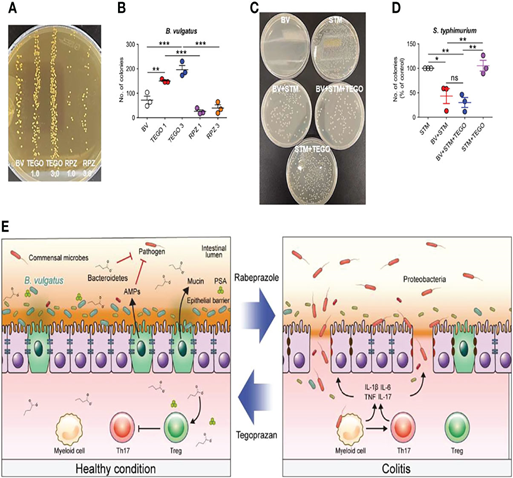
Figure 2: Mechanism of action
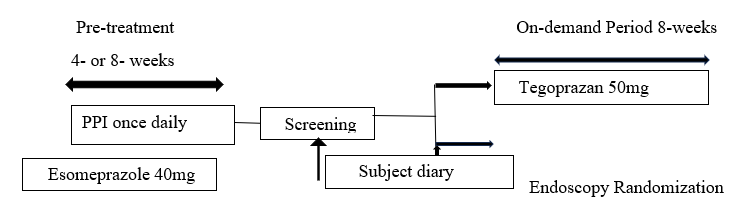
Figure 3: Study design. Patients with GERD who experienced symptom improvement after completing at least 4 or 8- week PPI therapy
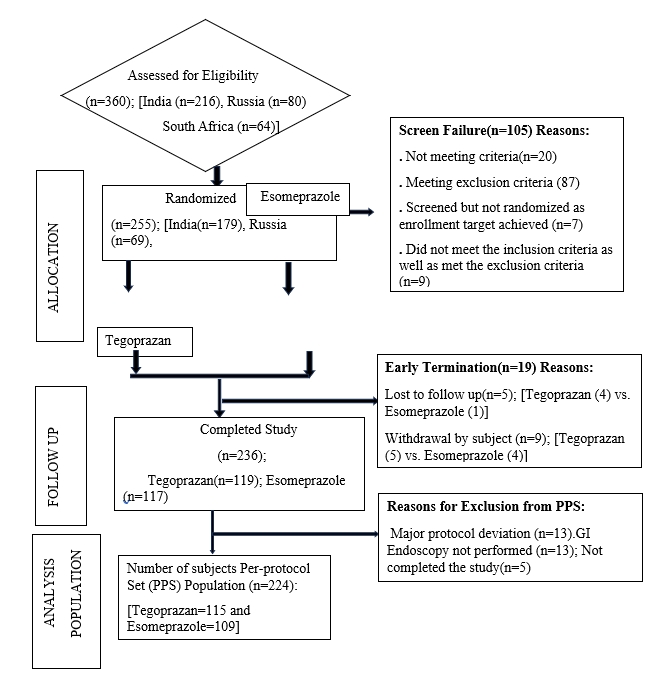
Figure 4: Consort diagram displaying the flow of participants through the study

Reference

  1. Lechien, J.R.; Saussez, S.; Karkos, P.D. Laryngopharyngeal reflux disease: Clinical presentation, diagnosis and therapeutic challenges in 2018. Curr. Opin. Otolaryngol. Head Neck Surg. 2018, 26, 392–402. [Google Scholar] [CrossRef]
  2. Koufman, J.A. The otolaryngologic manifestations of gastroesophageal reflux disease (GERD): A clinical investigation of 225 patients using ambulatory 24-h pH monitoring and an experimental investigation of the role of acid and pepsin in the development of laryngeal injury. Laryngoscope 1991, 101, 1–78. [Google Scholar] [CrossRef] [PubMed]
  3. Chapelle N, Ben Ghezala I, Barkun A, Bardou M. The pharmacotherapeutic management of gastroesophageal reflux disease (GERD). Expert Opin Pharmacother. 2021;22(2):219–27. 10.1080/14656566.2020.1817385 [DOI] [PubMed] [Google Scholar]
  4. Strand DS, Kim D, Peura DA. 25 years of proton pump inhibitors: a comprehensive review. Gut Liver. 2017;11(1):27–37. 10.5009/gnl15502 [DOI] [PMC free article] [PubMed] [Google Scholar]
  5. Oshima T, Miwa H. Potent potassium?competitive acid blockers: a new era for the treatment of acid?related diseases. J Neurogastroenterol Motil. 2018;24(3):33444. 10.5056/jnm18029 [DOI] [PMC free article] [PubMed] [Google Scholar]
  6. Han S, Choi HY, Kim YH, Nam JY, Kim B, Song GS, et al. Randomised clinical trial: safety, tolerability, pharmacokinetics, and pharmacodynamics of single and multiple oral doses of tegoprazan (CJ?12420), a novel potassium?competitive acid blocker, in healthy male subjects. Aliment Pharmacol Ther. 2019;50(7):751–10.1111/apt.15438 [DOI] [PubMed] [Google Scholar]
  7. Sunwoo J, Ji SC, Oh J, Ban MS, Nam JY, Kim B, et al. Pharmacodynamics of tegoprazan and revaprazan after single and multiple oral doses in healthy subjects. Aliment Pharmacol Ther. 12. 2020;52(11–12):1640–7. 10.1111/apt.16121 [DOI] [PubMed] [Google Scholar]
  8. Lee KJ, Son BK, Kim GH, Jung HK, Jung HY, Chung IK, Sung IK, Kim JI, Kim JH, Lee JS, Kwon JG, Park JH, Huh KC, Park KS, Park MI, Kim N, Lee OY, Jee SR, Lee SK, Youn SJ, Kim SK, Lee ST, Hong SJ, Choi SC, Kim TN, Youn YH, Park HJ, Kang MJ, Park CH, Kim BT, Youn S, Song GS, Rhee PL: Randomised phase 3 trial: tegoprazan, a novel potassium-competitive acid blocker, vs. esomeprazole in patients with erosive oesophagitis. Aliment Pharmacol Ther. 2019 Apr;49(7):864-872. doi: 10.1111/apt.15185. Epub 2019 Mar 6. [Article]
  9. Cho YK, Choi MG, Choi SC, Lee KM, Kim TO, Park SH, Moon JS, Lim YJ, Kang DH, Cheon GJ, Baik GH, Kim KO, Cho KB, Jang JS, Park JJ, Son BK, Jung HK, Kim BW, Kim SK, Lee ST, Cha JM, Kim AR, Kim EJ, Park HW, Song GS. Randomised clinical trial: tegoprazan, a novel potassium-competitive acid blocker, or lansoprazole in the treatment of gastric ulcer. Aliment Pharmacol Ther. 2020 Sep;52(5):789-797. doi: 10.1111/apt.15865. Epub 2020 Jul 23. PMID: 32701188; PMCID: PMC7496685.
  10. Kim SH, Cho KB, Chun HJ, Lee SW, Kwon JG, Lee DH, et al. Randomised clinical trial: comparison of tegoprazan and placebo in non?erosive reflux disease. Aliment Pharmacol Ther. 2021;54(4):40211. 10.1111/apt.16477 [DOI] [PMC free article] [PubMed] [Google Scholar
  11. Gisbert JP, Pajares R, Pajares JM. Evolution of Helicobacter pylori therapy from a meta-analytical perspective. Helicobacter 2007;12(s2):50–8. [DOI] [PubMed] [Google Scholar]
  12. DeVault KR, Talley NJ. Insights into the future of gastric acid suppression. Nat Rev Gastroenterol Hepatol 2009;6(9):524–32. [DOI] [PubMed] [Google Scholar]
  13. Lamouliatte H, Cayla R, Megraud F, et al. Amoxicillin-clarithromycin-omeprazole: The best therapy for Helicobacter pylori infection. Acta Gastroenterol Belg 1993;56:A140. [Google Scholar]
  14. Howden CW. Review article: Immediate-release proton-pump inhibitor therapy—potential advantages. Aliment Pharmacol Ther 2005;22(s3):25–30. [DOI] [PubMed] [Google Scholar]
  15. Pratha VS, McGraw T, Tobin W. A randomized, crossover pharmacodynamic study of immediate-release omeprazole/sodium bicarbonate and delayed-release lansoprazole in healthy adult volunteers. Pharmacol Res Perspect 2016;4(3):e00238. [DOI] [PMC free article] [PubMed] [Google Scholar]
  16. Kim DK, Lee KH, Kim SJ, Kim SJ, Lee SJ, Park CH, Kim BT, Song GS, Moon BS, Ryu SY: Effects of Tegoprazan, a Novel Potassium-Competitive Acid Blocker, on Rat Models of Gastric Acid-Related Disease. J Pharmacol Exp Ther. 2019 Jun;369(3):318-327. doi: 10.1124/jpet.118.254904. Epub 2019 Mar 20. [Article]
  17. Takahashi N, Take Y. Tegoprazan, a novel potassium?competitive acid blocker to control Gastric acid secretion and motility. J Pharmacol Exp Ther. 2018;364:275?286. [DOI] [PubMed] [Google Scholar]
  18. https://synapse.patsnap.com/article/what-is-the-mechanism-of-tegoprazan?utm_
  19. https://biologyinsights.com/tegoprazan-mechanisms-pharmacokinetics-and-ph-stability/
  20. https://www.chemicalbook.com/article/what-is-tegoprazan-.htm
  21. Kim MG, Im YJ, Lee JH, Kim EY, Yeom SW, Kim JS. Comparison of hepatotoxicity of tegoprazan, a novel potassium-competitive acid blocker, with proton pump inhibitors using real-world data: A nationwide cohort study. Front Med (Lausanne). 2023 Jan 11;9:1076356. doi: 10.3389/fmed.2022.1076356. PMID: 36714137; PMCID: PMC9876560
  22. Huh CW, Youn YH, Jung DH, Cha RR, Kim YJ, Jung K, Song KH, Bang KB, Tae CH, Choi SI, Shin CM; Functional Dyspepsia Research Group Under the Korean Society of Neurogastroenterology and Motility. Efficacy of Tegoprazan in Patients with Functional Dyspepsia: A Prospective, Multicenter, Single-arm Study. J Neurogastroenterol Motil. 2024 Jul 30;30(3):313-321. doi: 10.5056/jnm23150. Epub 2024 May 4. PMID: 38710534; PMCID: PMC11238105.
  23. Sooyoun Park1 | Eunsol Yang1,2 | Byungwook Kim1 | Jihoon Kwon 3 |In-Jin Jang1 | Seung Hwan Lee1Pharmacokinetic and pharmacodynamic exploration of various combinations of tegoprazan immediate and delayed-release formulation J Clin Pharmacol. 2023;89:2877–2887.DOI: 10.1111/bcp.15784
  24. Hyeon-Cheol Jeon ORCID,Min-Gul Kim ,Zhuodu Wei ORCID,Kyeong-Ryoon Lee,ORCID,Jaehyeok Lee,Im-Sook Song ORCID andKwang-Hee Shin,*ORCID. Integration of a Physiologically Based Pharmacokinetic and Pharmacodynamic Model for Tegoprazan and Its Metabolite: Application for Predicting Food Effect and Intragastric pH AlterationsPharmaceutics 2022, 14(6), 1298; https://doi.org/10.3390/pharmaceutics14061298
  25. Oh M, Lee H, Kim S, Kim B, Song GS, Shin JG, Ghim JL. Evaluation of pharmacokinetic drug-drug interaction between tegoprazan and clarithromycin in healthy subjects. Transl Clin Pharmacol. 2023 Jun;31(2):114-123. https://doi.org/10.12793/tcp.2023.31.e11
  26. Lien Thi Ngo †ORCID,Jaeyeon Lee †ORCID,Hwi-yeol Yun *ORCID andJung-woo ChaeDevelopment of a Physiologically Based Pharmacokinetic Model for Tegoprazan: Application for the Prediction of Drug–Drug Interactions with CYP3A4 Perpetrators *Pharmaceutics 2023, 15(1), 182; https://doi.org/10.3390/pharmaceutics15010182
  27. Minkyung Oh, Heechan Lee, Seokuee Kim, Bongtae Kim,Geun Seog Song, Jae-Gook Shin and Jong-Lyul Ghim. Evaluation of pharmacokinetic drug- drug interaction between tegoprazan and clarithromycin in healthy subjects. Transl Clin Pharmacol. 2023 Jun;31(2):114-123.https://doi.org/10.12793/tcp.2023.31.e11
  28. https://everyone.org/explore/treatment/?id=36
  29. Du, Y., Yu, L., Deng, B. et al. Pharmacokinetic Interactions Between Tegoprazan and the Combination of Clarithromycin, Amoxicillin and Bismuth in Healthy Chinese Subjects: An Open-Label, Single-Center, Multiple-Dosage, Self-Controlled, Phase I Trial. Clin Drug Investig 44, 343–355 (2024). https://doi.org/10.1007/s40261-024-01359-x
  30. Lim, H.S., Yoon, Hj., Jung, HK. et al. Effects of Tegoprazan, Potassium-Competitive Acid Blocker, on the Gastric Emptying and Postprandial Symptoms in Healthy Humans. Dig Dis Sci 70, 1091–1098 (2025). https://doi.org/10.1007/s10620-024-08714-0     
  31. Yu Kyung Cho, Myung?Gyu Choi,  Suck Chei Choi, Kee Myung Lee, Tae Oh Kim, Soo?Heon Park, Jeong Seop Moon, Yun Jeong Lim, Dae Hwan Kang, Gab Jin Cheon, Gwang Ho Baik, Kyoung Oh Kim, Kwang Bum Cho, Jin Seok Jang, Jong?Jae Park, Byoung Kwan Son, Hye?Kyung Jung, Byung?Wook Kim, Sung Kuk Kim, Soo Teik Lee, Jae Myung Cha, Ah Rong Kim, Eun Ji Kim, Hyun Wook Park, Geun Seog Song. Randomised clinical trial: tegoprazan, a novel potassium?competitive acid blocker, or lansoprazole in the treatment of gastric ulcer. Aliment Pharmacol Ther. 2020 Jul 23;52(5):789–797. doi: 10.1111/apt.15865
  32. Dr. Piyush Agarwal. Efficacy and Safety of Tegoprazan in Patients with Erosive Gastroesophageal Reflux Disease - A Multi-country, Prospective, Randomized, Double-Blind, Active-Controlled, Parallel-Group Study. Japanese Journal of Gastroenterology. 2025 June; 11(1). doi: 10.52338/jjogastro.2025.4829.

Photo
Thouday Keerthi
Corresponding author

Dr. K.V. Subba Reddy Institute of Pharmacy, Dupadu, Kurnool-518218, Andhra Pradesh, India.

Photo
Dr. R. Jona Methusala
Co-author

Dr. K.V. Subba Reddy Institute of Pharmacy, Dupadu, Kurnool-518218, Andhra Pradesh, India.

Dr. R. Jona Methusala, Thouday Keerthi*, Tegoprazan: A Next-Generation P-CAB Redefining Acid Suppression, Int. J. of Pharm. Sci., 2025, Vol 3, Issue 11, 4709-4723 https://doi.org/10.5281/zenodo.17757232

More related articles
Next-Generation Nanorobots: Intelligent Systems fo...
Khushi Manoj Rajput, Suvarna Unde, Dr. S. S. Angadi, ...
The Noisome Revolution: Redefining Pharmaceutical ...
Tejal V. Mhaskar, Maithili Patil, Lokesh Vyas, Sonali Uppalwar, ...
Hot-Melt Extrusion as a Platform for Next-Generati...
Nensi Raytthatha, Keyur Patel, Vishva Patel, Vaishnavi Barot, Pri...
Next-Generation Drug Delivery Systems (2020–2025): Translating Personalization...
Usha Rani Peddaboina, Tekumatla Gowthami, K. S. Vaishnavi, Nazneen Kausar, Madishetty Raghavi, Oruga...
Next-Generation Metal Complexes in Anticancer Therapy: From Mechanism-Driven Des...
V. Srivarshan, A. Arunmozhivarman , M. Chanduru, K. Bakkiyaraj, Dr. R. Rajalingam, ...
Related Articles
Quantum Pathways to Innovation: Redefining the Landscape of Drug Discovery...
Pocham Ravikiran, Mamidala Tejasree, Kethavath Mangulal, Donthula Srilatha, ...
Innovations in Next-Generation Pharmaceutical Packaging: Shaping the Future...
Priti Ranjan Sahoo, Priti Prakash Behura, Premchand Bhuyan, ...
Choco-Flax-Oat Fusion: A Next-Generation Functional Cookie for Women’s Wellnes...
Nandini Hiwrale, Manasi Choudhari, Dr. Swati Deshmukh, ...
Golden Synergy Against Metabolic Syndrome: Rice Bran and Turmeric Tablet as a Ne...
Dadaram Kisan Padole, Manasi Choudhari, Dr. Swati Deshmukh, ...
Next-Generation Nanorobots: Intelligent Systems for Medicine and Beyond...
Khushi Manoj Rajput, Suvarna Unde, Dr. S. S. Angadi, ...
More related articles
Next-Generation Nanorobots: Intelligent Systems for Medicine and Beyond...
Khushi Manoj Rajput, Suvarna Unde, Dr. S. S. Angadi, ...
The Noisome Revolution: Redefining Pharmaceutical Delivery...
Tejal V. Mhaskar, Maithili Patil, Lokesh Vyas, Sonali Uppalwar, ...
Hot-Melt Extrusion as a Platform for Next-Generation Pharmaceutical Manufacturin...
Nensi Raytthatha, Keyur Patel, Vishva Patel, Vaishnavi Barot, Priyanshi Rathod, Priyansi Raj, ...
Next-Generation Nanorobots: Intelligent Systems for Medicine and Beyond...
Khushi Manoj Rajput, Suvarna Unde, Dr. S. S. Angadi, ...
The Noisome Revolution: Redefining Pharmaceutical Delivery...
Tejal V. Mhaskar, Maithili Patil, Lokesh Vyas, Sonali Uppalwar, ...
Hot-Melt Extrusion as a Platform for Next-Generation Pharmaceutical Manufacturin...
Nensi Raytthatha, Keyur Patel, Vishva Patel, Vaishnavi Barot, Priyanshi Rathod, Priyansi Raj, ...