We use cookies to make sure that our website works properly, as well as some ‘optional’ cookies to personalise content and advertising, provide social media features and analyse how people use our site. Further information can be found in our Cookies policy
Background: Epilepsy has evolved from a misunderstood supernatural affliction in ancient societies to a well-defined neurophysiological disorder. Despite significant medical advancements, it remains a global health challenge characterized by enduring predispositions to unprovoked seizures and significant socioeconomic burdens.Objective: This review traces the historical transition of epilepsy, defines its current global epidemiology, and evaluates the molecular mechanisms, clinical classifications, and evolving treatment landscapes—from traditional pharmacology to cutting-edge gene therapies and AI-driven diagnostics.Methods: An analysis of the International League Against Epilepsy (ILAE) criteria and the Global Burden of Disease (1990–2021) data was conducted to assess prevalence, incidence, and the multifactorial etiologies including genetic, structural, and infectious causes.Results: Approximately 50 million people worldwide live with epilepsy, with 80% residing in low- and middle-income countries (LMICs). While 60–70% of patients achieve seizure freedom through first-line antiseizure medications (ASMs) like lamotrigine, a persistent 30% drug-resistance rate remains. Molecular pathogenesis highlights the role of ion channel dysfunctions (e.g., SCN1A), neurotransmitter imbalances, and neuroinflammation. Furthermore, the condition entails a high comorbidity rate (up to 80%), particularly involving depression, anxiety, and cognitive impairment, with substantial economic impacts—exemplified by annual costs of $4.2 billion in Australia.Conclusion: The future of epilepsy management lies in precision medicine, leveraging pharmacogenomics, AI-powered wearables for seizure prediction, and novel neuromodulation. Addressing the global treatment gap and integrating mental health care are essential to improving the quality of life for those affected by this complex neurological spectrum
Keywords
Epilepsy, Seizures, ILAE Classification, Neurophysiology, Antiseizure Medications, Precision Medicine, Global Burden of Disease
Introduction
For thousands of years, there has been evidence of epilepsy the very first accounts traced back to old societies. In these early communities, epileptic episodes were often thought to be caused by spiritual or otherworldly powers such as demonic possession or divine retribution. This belief led to lasting shame and the marginalisation of people suffering from the condition. 1 A major breakthrough came around the 5th century BCE with Hippocrates, who asserted that epilepsy was a medical disorder stemming from the brain, not the consequence of otherworldly or godly powers. While his view contradicted the popular notions of the time, it didn't completely eradicate these deep-seated superstitions from how the public perceived the condition for centuries. 2 The 18th and 19th centuries saw a significant expansion in understanding epilepsy, largely due to groundbreaking neurologists such as John Hughlings Jackson. He characterised the condition as a neurological illness caused by atypical electrical activity within the brain. Key innovations, including he invention of the electroencephalogram (EEG), offered concrete proof that seizures originate in the brain. This
ultimately solidified epilepsy's position as a condition fundamentally based in neurophysiology. 3 The disparities in epilepsy treatment are still stark, with nearly 80% of those affected residing in nations with low or moderate incomes. n these regions, difficulties like poor availability of diagnostic tools and scarcity of necessary medications greatly increase the overall burden caused by the illness. 4 Epilepsy is a brain condition that lasts a long time and makes people
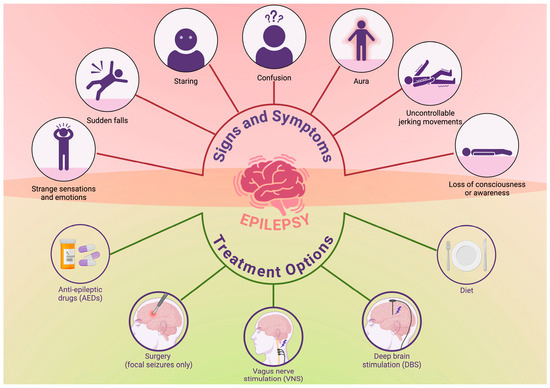
prone to repeated seizures without any obvious trigger. These seizures happen when nerve cells in the brain fire off in unusual bursts or all at once, messing up normal signals. It hits folks of any age and brings along issues like thinking problems, mood changes, or other brain-related troubles on top of the seizures themselves.5 In 2021, around 6 out of every 1,000 people worldwide had active epilepsy, hitting poorer and middle-income countries harder, plus folks with idespread seizures or no clear cause. That's about 24 million people living with it, or roughly 3 cases per 10,000 after adjusting for age. New cases popped up at a rate of 61 to 68 per 100,000 people each year.6 Epilepsy often comes from faulty genes, messed-up brain shapes, bugs like infections, wonky body chemicals, or the immune system going haywire. All that messes with the brain's push-pull between firing up nerves or chilling them out, tweaks how cells link up, and starts swelling inside the skull. Deep down in cells, extra glutamate makes nerves go wild—like NMDA switches stuck on—plus potassium builds up outside them, and stuff like IL-1β fans the flames of irritation. Hits from accidents, strokes, or growths like tumours can flip normal wiring into seizure hotspots.7 Seizures break down into focal—starting in one brain spot where you might keep your wits or blank out with twitches, funny feelings, or odd sensations—and generalized that blast both sides instantly, think stiff-shake tonic-colonic, staring spells, fast jerks, or flop drops. Focal its often give auras like weird whiffs, déjà vu flashes, or zombie-like fiddling. Tonic-colonic generalized ones lock the body stiff, thrash it around, then black you out. 5Doctors spot epilepsy by hearing your story, hooking up EEGs—now with AI sniffing out weird brain waves—and scans to nix copycats. Five to seven out ten fresh cases ditch seizures on go-to pills like lamotrigine or valproate, though near a third slam into med-proof trouble. Hard nuts crack with ops, keto chow, or zappers on the brain.8
Objective
Primary Objectives- Trace epilepsy's historical evolution from ancient supernatural attributions to modern neurophysiological understanding, highlighting Hippocrates' brain-based paradigm shift and 19th-century EEG innovations.Define epilepsy per ILAE criteria, detail its global epidemiology (50 million cases, 61/100,000 incidence), and analyse socioeconomic burdens like $4.2 billion annual costs in Australia.
Etiology and Pathogenesis- Classify etiologies into genetic, structural, infectious, metabolic, and immune causes, elucidating molecular mechanisms such as ion channelopathies (SCN1A), glutamate excitotoxicity, and cytokine-driven neuroinflammation.Delineate seizure phases (prodromal, aura, ictal, post-ictal), types (focal aware/impaired, generalized tonic-clonic), and pathogenesis involving synaptic plasticity, LTP, and network hyperexcitability.
Clinical Impacts- Examine organ/system effects, including cognitive impairments, psychiatric comorbidities (depression in 20-60%), and cardiovascular/respiratory risks during status epilepticus.Assess risk factors, prevalence patterns (U-shaped age curve, South Asia burden), and comorbidities impacting 80% of patients, such as chronic pain and suicidality.
Diagnosis and Management- Outline diagnostic modalities (EEG, MRI, genetic testing) and screening tools, emphasizing AI-EEG for epileptiform detection and ILAE classification (seizure/epilepsy types, syndromes).Evaluate treatments from first-line AEDs (lamotrigine efficacy in 60-70%) to surgical (temporal lobectomy), neuromodulation (RNS 75% reduction), and emerging therapies like cenobamate and gene therapies.
Gaps, Prognosis, and Future Directions- Identify current gaps: 75% treatment disparity in LMICs, 30% drug resistance, surgical underutilization, and comorbidity oversight.
Project future research priorities: AI wearables for SUDEP prevention, pharmacogenomics-guided testing, next-gen neuromodulation, and holistic models integrating mental health and equity initiatives.
DEFINATION- Epilepsy can be defined as a disorder of the brain characterized by an enduring predisposition to generate epileptic seizures, and by the neurobiological, cognitive, psychological, and social consequences of this condition; the diagnosis requires the occurrence of at least one epileptic seizure. 9
Socioeconomic Impact- Epilepsy hits people hard financially and socially, with big bills for treatments, lost work time, and issues like unfair judgment from others. How bad it gets depends on seizure control, meds that work, and access to care—low-income folks often suffer the most.10 Epilepsy racks up steep bills for hospital stays, drugs, and doctor visits, plus hidden hits like missed work and early deaths. Down under in Australia, it cost $4.2 billion a year back in 2019-20, and half of that—$2.3 billion—came from folks skipping jobs, leaving the workforce early, or passing away too soon. Around the world, studies show costs climb the longer you have it or if seizures won't quit, leaving families scraping for cash on basics.
Mechanism of epilepsy
Epidemiology of Epilepsy- Around the world, about 50 million folks have epilepsy. Cases without a clear cause (called idiopathic) affect roughly 307 out of every 100,000 people when adjusted for age, while those linked to another issue (secondary) hit about 350 per 100,000—mostly hitting harder in poorer and middle-income spots, where over 80% of people with it live. New cases pop up at a rate of around 61 per 100,000 people each year, and that number climbs in low- and middle-income areas because of more unknown causes and full-body seizure types.6
Organ/System Effects-Epilepsy affects multiple organ systems beyond the brain, through recurrent seizures, chronic disease burden, and antiseizure medications, leading to neurological, psychiatric, cardiovascular, respiratory, musculoskeletal, endocrine, and other systemic complications.11
Nervous system (brain and cognition)- People with epilepsy often have problems with how their brain works in daily life. These can include issues with remembering things, planning and organizing tasks, reacting more slowly, staying focused, and finding or using the right words, and these problems can be made worse by frequent seizures, early onset of epilepsy, and some treatments. They are also more likely than people without epilepsy to later develop dementia or other long-term brain diseases that slowly affect thinking and memory.12
Psychiatric and behavioural effects- People with epilepsy are much more likely to have mental health problems. In simple terms, around one out of every three people with epilepsy may develop issues like depression, anxiety, or even serious conditions such as psychosis.?These mental health symptoms can appear around the time of seizures (before, during, or after) or can be side effects of seizure medicines or brain surgery, and they can make day-to-day life much harder.?13
Cardiovascular and respiratory systems- During a long or uncontrolled seizure (status epilepticus), the body can release a very large amount of stress chemicals (like adrenaline), putting it into a strong “fight?or?flight” state that can injure the heart and blood vessels and lead to abnormal heart rhythms and poor heart function.?The lungs can also be affected, with problems such as food or liquid going into the airway (aspiration), trouble breathing or stopping breathing (respiratory failure), and fluid building up in the lungs (pulmonary edema), all of which can seriously harm health and may be life?threatening.?
Prevalence and Incidence Breakdown- Epilepsy shows up most in kids younger than 5 and folks over 70, kind of like a U-shape on a graph. Guys tend to have higher numbers overall, but in poorer older groups, women sometimes edge them out; meanwhile, adults aged 15-49 make up nearly half of all cases.?South Asia had the biggest share back in 2021 with about 4.7 million people affected. Places like Eastern Sub-Saharan Africa in low-development areas deal with the toughest health impact, at 423 years lost per 100,000 folks.?Between 1990 and 2021, new cases worldwide jumped 54% to 3.27 million. Rates standardized for age grew fastest in middle-development spots, even as overall disability years dropped a bit.14
Risk Factors- Genes in the family can bump up the odds of getting epilepsy with no obvious cause by 2 to 4 times for close relatives, especially if it hits before age 35, and it often ties to brain issues like cerebral palsy from birth.?Things like head injuries, infections, or blood vessel problems after birth trigger epilepsy symptoms without much family history, so genes play a small role there.?Heavy drinking and other health problems, like intellectual disabilities or A population-based analysis of the global burden of epilepsy across all age groups ( 1990 – 2021 ): utilizing the Global Burden of Disease 2021 data multiple conditions in poorer countries, make epilepsy worse, along with birth issues in low-resource areas.? 14
Etiology of Epilepsy-Epilepsy arises from diverse causes including genetic mutations, infectious agents, structural brain abnormalities, metabolic disorders, and environmental exposures. Genetic factors may directly cause some epilepsies due to mutations in ion channels or receptor genes that regulate neuronal excitability. Infectious agents such as neurotropic viruses can precipitate epilepsy by causing brain inflammation or scarring. Environmental exposures like trauma, stroke, or toxins further contribute to susceptibility and disease onset 15
Causative Agents- Epilepsy arises from many different causes. Like problems in genes, issues with brain shape, infections, body metabolism troubles, or immune system going wrong. In more than half cases, the reason isn't even known.16
Genetic Causes- Genetic factors contribute to many epilepsies, either through single-gene mutations (e.g., SCN1A in Dravet syndrome) or polygenic inheritance with environmental influences. Pathogenic variants can be inherited or de novo, affecting ion channels, receptors, or signalling proteins, and may lead to developmental and epileptic encephalopathies. 7
Structural Causes- Structural abnormalities visible on neuroimaging, such as hippocampal sclerosis, brain tumours, malformations of cortical development, stroke, or trauma, substantially increase epilepsy risk. These can be genetic (e.g., tuberous sclerosis) or acquired (e.g., hypoxic-ischemic injury).16
Infectious Causes- Infections like neurocysticercosis, herpes simplex encephalitis, tuberculosis, HIV, cerebral malaria, and congenital infections (e.g., cytomegalovirus, Zika) are major causes worldwide, especially in developing regions. They lead to epilepsy via direct brain damage, toxins, or inflammation. 17
Metabolic Causes- Metabolic disorders, often genetic, include inborn errors like pyridoxine-dependent epilepsy (ALDH7A1 mutations), POLG1-related Alpers disease, and glucose transporter defects. These manifest as epileptic encephalopathies with systemic biochemical changes. 18
Seizures often follow a timeline. Not every patient experiences all four stages.
Prodromal Phase (The Warning): This happens hours or days before. Symptoms include mood changes, anxiety, or trouble sleeping.19
Aura (The Early Sign): This is actually the very start of a seizure. It feels like a "rising" feeling in the stomach, a strange smell, or a feeling of déjà vu. 20
Ictal Phase (The Active Seizure): This is the middle part where the main symptoms happen (shaking, staring, or losing consciousness). 21
Post-ictal Phase (The Recovery): After the seizure, the person may feel very tired, confused, or have a headache. 15
Focal Seizures (Starts in one part of the brain)
Focal Aware: The person stays awake. They might have a "jerking" arm or feel strange sensations like tingling or smelling something "burnt." 22
Focal Impaired Awareness: The person looks "spaced out." They may do "automatisms" like smacking their lips, rubbing their hands, or picking at their clothes. 23
Todd's Paralysis: After a focal seizure, a person might have temporary weakness in one arm or leg that lasts
Generalized Seizures (Affects the whole brain)
Tonic-Clonic (Grand Mal): This is the most well-known type. The body goes stiff (tonic), then starts rhythmic jerking (clonic).for a few hours. 24
Molecular mechanism of epilepsy- Epilepsy arises from disrupted molecular processes in the brain that tip the balance toward excessive electrical activity. Core mechanisms involve ion channel dysfunction, neurotransmitter imbalances, and genetic mutations affecting neuronal signaling.25
Ion Channel Dysfunctions- Changes in key brain channels for sodium, potassium, and calcium mess with how neurons fire, stretching out electrical signals and sparking rapid bursts. Take SCN1A sodium channel glitches—they weaken the brakes from inhibitory cells, firing up seizures in Dravet syndrome kids. Issues in KCNQ2/3 potassium channels gum up the reset process, making the brain way more prone to fits.26
Neurotransmitter Imbalance- Too much glutamate flooding out through AMPA and NMDA receptors ramps up brain excitement, while faulty GABA_A receptors can't calm things down like they should. Glitches in synaptic proteins such as SV2A throw off chemical messenger release, making neurons overly trigger-happy. Plus, when support cells called astrocytes slack on cleaning up extra potassium and glutamate outside cells, seizures drag on longer. 25
Genetic and Synaptic Factors- More than 500 genes tied to epilepsy code for stuff like ion channels, synapse parts, and gene regulators, often sparking channel glitches or synapse breakdowns. Faulty TSC1/2 genes crank up the mTOR pathway, ballooning neurons and throwing brain circuits out of whack. After an injury, swelling fueled by cytokines and fired-up microglia helps kickstart the seizure-prone state.? 25
Pathogenesis of Epilepsy: Epilepsy happens when changes at tiny levels inside the brain’s nerve cells make them too easily excited. This happens because of inherited gene changes affecting ion channels that control electrical signals. Other factors like ongoing inflammation and immune system problems keep stirring brain cells up too much. These disturbances make brain networks overly sensitive and prone to sudden seizures. Problems like brain malformations, tumours, or scar tissue from injury create spots in the brain where these abnormal electrical discharges begin and cause seizures.27
Comorbidities Epilepsy often occurs alongside other health issues like cognitive problems, depression, sleep disorders, heart conditions, and chronic pain. These comorbidities affect up to 80% of people with epilepsy and can worsen quality of life more than seizures alone.28
Psychiatric Comorbidities Depression and anxiety are common, seen in 20-60% of cases, raising risks for suicidality and poor seizure control. Psychotic disorders like schizophrenia occur up to 8 times more often.29
Neurological Comorbidities Cognitive impairments affect memory, attention, and executive function in about 70% of newly diagnosed patients. Migraines, dementia, and sleep-wake disorders like obstructive sleep apnea also frequently co-occur. 28
Medical Comorbidities Chronic pain (40%), obesity (39%), hypertension (38%), arthritis (36%), and stroke (16%) are highly prevalent. Metabolic issues and heart disease further increase morbidity. 30
Stages/Classification of epilepsy
Epilepsy classification follows the 2017 ILAE framework with three levels: seizure type (focal, generalized, unknown onset), epilepsy type (focal, generalized, combined, unknown), and epilepsy syndrome, incorporating etiology at each step.
No distinct "stages" exist, but progression from seizure diagnosis to syndrome identification guides management.
Seizure Types- Seizures classify by onset (focal from one hemisphere; generalized bilateral; unknown), awareness (aware/impaired), and features (motor/non-motor). Focal includes aware (e.g., aura), impaired awareness, motor (automatisms, tonic), non-motor (behaviour arrest); generalized includes tonic-clonic, absence, myoclonic16
Epilepsy Types- Focal epilepsy involves focal seizures; generalized features bilateral onset; combined has both; unknown when unclear. Genetic generalized epilepsy replaces idiopathic.31
Diagnosis and Screening- Diagnosis of epilepsy relies primarily on clinical history of recurrent unprovoked seizures, confirmed by EEG, neuroimaging (MRI/CT), and blood tests to exclude mimics like syncope or psychogenic events. Screening involves risk assessment via history, witness accounts, and initial EEG; formal diagnosis uses ILAE criteria requiring two unprovoked seizures >24 hours apart.32
Clinical History and Exam- Detailed history captures seizure semiology (duration, aura, postictal confusion), triggers, family history, and comorbidities; neurological exam rules out focal deficits. Video-witnessed events differentiate epileptic from non-epileptic seizures.16
Electroencephalography (EEG)- EEG detects interictal epileptiform discharges (spikes/sharp waves) in 50% initially, rising to 90% with prolonged/video-EEG; routine (20-30 min), sleep-deprived, or 24-72h monitoring preferred.16
Neuroimaging- Brain MRI (preferred) identifies structural causes (e.g., hippocampal sclerosis, tumours) in 20-30% focal epilepsy; CT for acute settings (trauma, bleed). Functional imaging (PET/SPECT) for presurgical evaluation.16
Laboratory Tests- Blood tests screen for metabolic (glucose, electrolytes), infectious, or genetic causes; ECG rules out cardiac syncope. Emerging biomarkers like microRNAs show promise but not routine.16
Advanced Screening- Genetic testing for syndromes; comorbidity screens (e.g., PHQ-9 depression, GAD-7 anxiety). AI-EEG aids indeterminate cases.16
Management and Treatment- Management of epilepsy starts with antiepileptic drugs (AEDs) for 60-70% of patients, progressing to surgery, neuromodulation, or dietary therapies for drug-resistant cases (30%). Treatment aims for seizure freedom, minimal side effects, and comorbidity management per ILAE/NICE guidelines.33
Pharmacological Treatment- First-line AEDs: lamotrigine, levetiracetam, or sodium valproate for generalized; carbamazepine or lamotrigine for focal. Monotherapy preferred; add second/third if fails (e.g., topiramate, lacosamide). Precision dosing via genetics (e.g., HLA-B*1502 for carbamazepine). Status epilepticus: IV lorazepam (0-10 min), then phenytoin/levetiracetam (10-20 min), anaesthetics if refractory.34
Non-Pharmacological Treatments- Ketogenic diet effective in children (50% seizure reduction); vagus nerve stimulation (VNS) reduces seizures 50% in adults; responsive neurostimulation (RNS) for focal epilepsy. Lifestyle: avoid triggers, SUDEP education.33
Novel Antiepileptic Drugs- Brivaracetam, cannabidiol (CBD), cenobamate, everolimus, and fenfluramine represent key additions over the past five years. These act via mechanisms like SV2A binding, GPR55 antagonism, and GABA-A modulation. Cenobamate, for instance, stabilizes sodium channels and enhances GABA activity for better seizure control. 36
Neuromodulation Techniques- Transcranial direct current stimulation (tDCS) and transcranial magnetic stimulation (TMS) offer non-invasive options. Vagus nerve stimulation, responsive neurostimulation, and emerging network-based interventions show promise for refractory epilepsy. These approaches reduce seizures in medication-unresponsive patients.37
Gene and Cell Therapies- Antisense oligonucleotides like zorevunersen boost SCN1A expression for genetic epilepsies, with Phase III trials advancing toward 2027 approval. GABA-, adenosine-, galanin-, and neuropeptide Y-based therapies target epileptogenesis directly. Precision medicine via biomarkers tailors these for specific syndromes 38
Prognosis and Complications
Prognosis- Around 60-70% of people with epilepsy can achieve seizure freedom with proper antiepileptic drugs or other therapies. Idiopathic generalized epilepsy often has a better outlook than symptomatic partial types, with remission rates up to 76% at 20 years in some studies. Early response to treatment predicts sustained remission, but drug-resistant cases may persist in about one-third.39
Complications- Common issues include status epilepticus (prolonged seizures), sudden unexplained death in epilepsy (SUDEP, higher with frequent uncontrolled seizures), and injuries from falls. Psychiatric comorbidities like depression affect many, alongside risks like bone fractures, stroke, and cognitive impairment. Surgical interventions carry low risks, such as minor neurologic issues in 10.9% and major ones in 4.7%.40
DISCUSSION AND FUTURE DIRECTIONS
Current Challenges- About one-third of epilepsy patients experience drug-resistant seizures, limiting treatment efficacy. Comorbidities like depression and anxiety often go undertreated, impacting quality of life. Access disparities persist, especially in low-resource settings.41
Therapeutic Advances- Novel antiepileptic drugs target ion channels and neurotransmitter pathways differently from traditional options. Gene therapy and neuromodulation show promise for drug-resistant cases. Wearable devices enable real-time seizure detection and remote monitoring.37
Technological Innovations- AI-driven EEG classification improves seizure prediction and focal vs. non-focal differentiation. Telemedicine ecosystems integrate seizure diaries, genetic profiling, and pharmacogenomics to avoid ineffective drugs. Gut microbiota and ketogenic diets emerge as adjunctive metabolic interventions.42
Future Directions- Multimodal data integration and real-time AI prediction could enable proactive interventions. Precision medicine using biomarkers promises individualized care with fewer side effects. Interdisciplinary efforts, including mental health integration and social determinants, aim to address the full epilepsy spectrum.43
Current Gaps
Treatment Access Barriers-Nearly 80% of people with epilepsy live in low- and middle-income countries, where treatment gaps exceed 75% due to medication unavailability and rural access issues. In high-income settings like the US, up to 31% of new-onset cases remain untreated for years post-diagnosis, linked to diagnostic delays.44
Drug Resistance Issues-One-third of patients have drug-resistant epilepsy, with limited options beyond standard antiseizure medications. Nonadherence contributes to a 3-6% primary treatment gap even in specialized clinics.45
Surgical Utilization Shortfalls- Epilepsy surgery remains underutilized due to physician knowledge gaps and insufficient referrals, despite evidence of efficacy.46
Comorbidity Oversight- Social determinants like stigma, mental health needs, and economic barriers are often unscreened, exacerbating outcomes. Paediatric care shows disparities in education and stigma reduction efforts.47
Workforce and Education Deficits- Frontline workers lack confidence and training, with regional variability in guideline adherence. Global clinician shortages persist, slowing progress in resource-poor areas.48
FUTURE RESEARCH
Genetic and Molecular Targets- Investigations into genetic epilepsies will expand, identifying novel biomarkers for targeted therapies in drug-resistant cases. Molecular pathway analyses, including underexplored networks, promise bespoke drugs tailored to epilepsy subtypes.49
Technological Monitoring Advances- AI-powered wearables and camera-based systems will evolve for real-time seizure prediction and automated responses, reducing SUDEP risks. Non-invasive scalp EEG and MEG detection of high-frequency oscillations will enhance presurgical planning.50
Precision and Personalized Care- Routine genetic testing for new diagnoses will guide pharmacogenomics, avoiding ineffective drugs and side effects. Integrated telemedicine ecosystems, combining diaries, profiling, and mental health screening, will standardize remote care.51
Neuromodulation and Surgery- Next-generation neuromodulation devices and epilepsy surgery innovations target refractory cases more effectively. Research on synaptic plasticity and LTP mechanisms will yield new intervention targets.52
Comorbidity and Social Focus- Studies will prioritize mental health integration, stigma reduction, and social determinants in holistic care models. Paediatric disparities in education and access will drive global equity initiatives53
CONCLUSION
The evolution of epilepsy from a misunderstood supernatural affliction to a well-defined neurophysiological disorder represents one of the most significant shifts in medical history. Today, epilepsy is recognized as a complex condition driven by a diverse array of genetic, structural, and metabolic factors. While the development of next-generation antiseizure medications and advanced surgical interventions has enabled nearly 70% of patients to achieve seizure freedom, a persistent "treatment gap" remains a critical global challenge.The future of epilepsy management lies in the integration of precision medicine and technological innovation. By leveraging pharmacogenomics to tailor drug selection, utilizing AI-driven diagnostics for earlier detection, and expanding the reach of neuromodulation, the medical community can move toward a more individualized care model. However, medical advancement alone is insufficient; addressing the profound socioeconomic burdens and psychiatric comorbidities—which affect up to 80% of patients—is essential for improving overall quality of life.Ultimately, closing the treatment divide in low- and middle-income countries and fostering a holistic approach that de-stigmatizes the condition will be the benchmarks of progress. As research shifts toward gene therapies and proactive seizure-prediction wearables, the goal remains clear: transforming epilepsy from a life-altering burden into a manageable, and eventually curable, neurological state.
REFERENCES
Kaculini, C. M.; Tate-looney, A. J.; Seifi, A. The History of Epilepsy?: From Ancient Mystery to Modern Misconception. 2021, 13 (3). https://doi.org/10.7759/cureus.13953.
Manuscript, A. NIH Public Access. 2014, 12 (4), 248–255. https://doi.org/10.1249/JSR.0b013e31829a74cd.Comprehensive.
Iii, G. K. Y.; Steinberg, D. A. Hughlings Jackson ’ s Neurological Ideas. 2011, 3106–3113. https://doi.org/10.1093/brain/awr219.
Han, Y.; Hao, G.; Chu, G.; Yang, D.; Sun, S.; Gong, S.; Li, X. Global , Regional and National Burdens of Epilepsy in the Adolescents and Young Adults from 1990 to 2021 and Its Predictions. 2025.
Stafstrom, C. E.; Carmant, L. Seizures and Epilepsy?: An Overview for Neuroscientists. 2015, 1–18.
Zack, M.; Kobau, R. Letter Re: Prevalence and Incidence of Epilepsy: A Systematic Review and Meta-Analysis of International Studies. Neurology 2017, 89 (6), 641. https://doi.org/10.1212/WNL.0000000000004205.
Shariff, S.; Kachouh, C.; Wojtara, M.; Nouh, H. A.; Inshutiyimana, S. Advances in Understanding the Pathogenesis of Epilepsy?: Unraveling the Molecular Mechanisms?: A Cross ? Sectional Study. 2024, No. November 2023. https://doi.org/10.1002/hsr2.1896.
Mcinnis, R. P.; Ayub, M. A.; Jing, J.; Halford, J. J.; Mateen, F. J.; Westover, M. B. Epilepsy Diagnosis Using a Clinical Decision Tool and Artificially Intelligent Electroencephalography. 2023, 1–15. https://doi.org/10.1016/j.yebeh.2023.109135.Epilepsy.
Fisher, R. S.; Acevedo, C.; Arzimanoglou, A.; Bogacz, A.; Cross, J. H.; Elger, C. E.; Jr, J. E.; Forsgren, L.; French, J. A.; Hesdorffer, D. C.; Lee, B. I.; Mathern, G. W.; Mosh, S. L.; Watanabe, M.; Perucca, E.; Scheffer, I. E.; Wiebe, S. ILAE OFFICIAL REPORT A Practical Clinical Definition of Epilepsy. 2014, 475–482. https://doi.org/10.1111/epi.12550.
Allers, K.; Essue, B. M.; Hackett, M. L.; Muhunthan, J.; Anderson, C. S.; Pickles, K.; Scheibe, F.; Jan, S. The Economic Impact of Epilepsy?: A Systematic Review. BMC Neurol. 2015. https://doi.org/10.1186/s12883-015-0494-y.
Seidenberg, M.; Chicago, N.; Hermann, B. C. 2010, 4 (5), 663–668. https://doi.org/10.2217/fnl.09.32.Association.
Manole, A. M.; Sirbu, C. A.; Mititelu, M. R.; Vasiliu, O.; Lorusso, L.; Sirbu, O. M.; Radu, F. I. State of the Art and Challenges in Epilepsy — A Narrative Review. 2023.
Mula, M.; Kanner, A. M.; Jett, N. Psychiatric Comorbidities in People With Epilepsy. 2021. https://doi.org/10.1212/CPJ.0000000000000874.
Guo, Y.; Wang, Z. A Population-Based Analysis of the Global Burden of Epilepsy across All Age Groups ( 1990 – 2021 ): Utilizing the Global Burden of Disease 2021 Data. 2024, No. December. https://doi.org/10.3389/fneur.2024.1448596.
Anwar, H.; Khan, Q. U.; Nadeem, N.; Pervaiz, I.; Ali, M.; Cheema, F. F. Epileptic Seizures. 2020, 8 (2), 1–19. https://doi.org/10.15190/d.2020.7.
Scheffer, I. E.; Berkovic, S.; Capovilla, G.; Connolly, M. B.; Guilhoto, L.; Hirsch, E.; Jain, S.; Mathern, G. W.; Solomon, L. ILAE Classification of the Epilepsies Position Paper of the ILAE Commission for Classification and Terminology. 2018, 58 (4), 512–521. https://doi.org/10.1111/epi.13709.ILAE.
Bonello, M.; Michael, B. D.; Solomon, T. Infective Causes of Epilepsy. 2015.
Article, O. Prevalence , Clinic ? Etiological Spectrum and Outcome of Pediatric Metabolic Epilepsy – A Single Centre Experience. 2023. https://doi.org/10.4103/aian.aian.
Bereda, G. Seizures Are the Main Sign of Epilepsy?: Stages of Seizures. 2023, 7 (1), 1–3. https://doi.org/10.11648/j.plm.20230701.11.
Ghosh, S. Etiology , Symptoms , and Treatment of Epilepsy?: Advances and Perspectives. 2026, No. 2025, 1–6.
Balasubramanian, P.; Balasubramanian, P.; Epilepsy, C.; Role, T.; Frontiers, T.; Family, N.; Perrin, J. The Role of Adenosine in Epilepsy CURE Epilepsy Webinar ( Transcript ) The Role of Adenosine in Epilepsy - Webinar Page 2 of 16. 2021, 1–16.
Ramirez, V. C.; Vaddiparti, A.; Blumenfeld, H. Testing Awareness in Focal Seizures?: Clinical Practice and Interpretation of Current Guidelines. 2022, 762–765. https://doi.org/10.1002/acn3.51552.
Fisher, R. S.; Cross, J. H.; Souza, C. D.; French, J. A.; Haut, S. R.; Higurashi, N.; Hirsch, E.; Jansen, F. E.; Lagae, L.; Mosh, S. L.; Peltola, J.; Perez, E. R.; Scheffer, I. E.; Schulze-bonhage, A. Instruction Manual for the ILAE 2017 Operational Classification of Seizure Types. 2017, 531–542. https://doi.org/10.1111/epi.13671.
Articles, R. Frequency and Pathophysiology of Post-Seizure Todd ’ s Paralysis. 2020, 1–4. https://doi.org/10.12659/MSM.920751.
Staley, K. Molecular Mechanisms of Epilepsy. 2016, 18 (3), 367–372. https://doi.org/10.1038/nn.3947.Molecular.
Wei, F.; Tao, L. Y.; Na, S.; Lin, H. Z.; Wang, J. Ion Channel Genes and Epilepsy?: Functional Alteration , Pathogenic Potential , and Mechanism of Epilepsy. 2017, 33 (4), 455–477. https://doi.org/10.1007/s12264-017-0134-1.
Raut, D.; Bhatt, L. K. Evolving Targets for Anti-Epileptic Drug Discovery. Eur. J. Pharmacol. 2020, 887 (September), 173582. https://doi.org/10.1016/j.ejphar.2020.173582.
Peltola, J. Expert Opinion on Diagnosis and Management of Epilepsy- Associated Comorbidities. 2024, No. September 2023, 15–32. https://doi.org/10.1002/epi4.12851.
Lu, E. Systematic Literature Review of Psychiatric Comorbidities in Adults with Epilepsy. 2021, 17 (2), 176–186.
States, U. Comorbidity Among Adults With Epilepsy —. 2024, 1–7.
Sarmast, S. T.; Abdullahi, A. M.; Jahan, N. Current Classification of Seizures and Epilepsies?: Scope , Limitations and Recommendations for Future Action. 2020, 12 (9). https://doi.org/10.7759/cureus.10549.
Bandopadhyay, R.; Singh, T.; Ghoneim, M. M.; Alshehri, S.; Angelopoulou, E.; Paudel, Y. N.; Piperi, C.; Ahmad, J.; Alhakamy, N. A.; Alfaleh, M. A.; Mishra, A. Recent Developments in Diagnosis of Epilepsy?: Scope of MicroRNA and Technological Advancements. 2021, 1–38.
Epilepsy, D.; Anyanwu, C.; Motamedi, G. K. Brain Sciences Diagnosis and Surgical Treatment Of. 2018. https://doi.org/10.3390/brainsci8040049.
Epilepsies in Children , Young People and Adults. 2025, No. April 2022.
Angeles, L.; Wiebe, S.; Radhakrishnan, K.; Alegre, P. HHS Public Access. 2017, 12–14.
Malekmohammad, K.; Rafieian-kopaei, M.; Riva, A. Recent Advances in the Treatment of Epilepsy Edited By. https://doi.org/10.3389/978-2-8325-5060-1.
Joshi, C. P.; Agarwal, S.; Chauhan, L. S.; Singla, S.; Baldi, A.; Pradhan, J. Transformative Approaches to Epilepsy Treatment: A Review of Recent Developments. 2025, 2 (2). https://doi.org/10.59657/3067-0438.brs.25.031.
Mazhit, A.; Akbay, B.; Trofimov, A.; Karapina, O.; Duysenbi, S.; Tokay, T. Epileptogenesis and Epilepsy Treatment?: Advances in Mechanistic Understanding , Therapeutic Approaches , and Future Perspectives. 2026, 1–35.
Neligan, A.; Sander, J. W. The Prognosis of Epilepsy.
Mesraoua, B.; Deleu, D.; Hassan, A. H.; Gayane, M.; Lubna, A.; Ali, M. A.; Tomson, T.; Khalil, B. A.; Cross, J. H.; Asadi-pooya, A. A.; Mesraoua, B.; Deleu, D.; Hassan, A. H.; Gayane, M.; Lubna, A.; Ali, M. A.; Tomson, T.; Khalil, B. A.; Helen, J. Dramatic Outcomes in Epilepsy?: Depression , Suicide , Injuries , and Mortality. Curr. Med. Res. Opin. 2020, 36 (9), 1473–1480. https://doi.org/10.1080/03007995.2020.1776234.
Hosmani, A. H. Epilepsy?: An In-Depth Review of Mechanisms , Efficacy , Safety , and Future Directions. 2025, 10 (6).
B, R. R.; B, K. R.; Mamatha, A. S.; Sooda, K. MethodsX Advancements in Epilepsy Classification?: Current Trends and Future Directions. MethodsX 2025, 14 (March), 103257. https://doi.org/10.1016/j.mex.2025.103257.
Holmes, G. L.; Noebels, J. L. The Epilepsy Spectrum?: Targeting Future Research Challenges. 2016, 1–12.
Kalilani, L.; Faught, E.; Kim, H.; Burudpakdee, C. Assessment and e Ff Ect of a Gap between New-Onset Epilepsy Diagnosis and Treatment in the US. 2019, 0, 2197–2208. https://doi.org/10.1212/WNL.0000000000007448.
Soboh, H. Primary Treatment Gap among Adults with Epilepsy?: A Cross- Sectional Analysis. 2024, No. August, 771–778. https://doi.org/10.1002/epd2.20275.
Pellinen, J. Treatment Gaps in Epilepsy. No. 2.
Song, Y.; Kelly, M.; Fecske, E.; Clifford, L.; Epley, C.; Oster, J. M.; Shin, H. W. Needs and Gaps in Education and Utilization of Social Determinants of Health in Epilepsy Care?: A Survey of American Epilepsy Society Members. 2026.
Document.Pdf.
Jacobs, M. P.; Leblanc, G. G.; Brooks-kayal, A.; Jensen, F. E.; Lowenstein, H.; Noebels, J. L.; Spencer, D. D.; Swann, J. W. Curing Epilepsy?: Progress and Future Directions. 2010, 14 (3). https://doi.org/10.1016/j.yebeh.2009.02.036.Curing.
Zambrana-vinaroz, D.; Vicente-samper, J. M.; Sabater-navarro, J. M.; Manrique-cordoba, J. Machine Learning Techniques Using ECG , PPG And. 2022.
Riva, A.; Roberti, R.; Onofrio, G. D.; Stella, M.; Elisabetta, V.; Giorgis, V. De; Cerminara, C.; Specchio, N.; Pietrafusa, N.; Tombini, M.; Assenza, G.; Cappanera, S.; Marini, C.; Rasmini, P.; Veggiotti, P.; Zara, F.; Russo, E.; Striano, P. A Real- Life Pilot Study of the Clinical Application of Pharmacogenomics Testing on Saliva in Epilepsy. 2023, No. February, 1142–1150. https://doi.org/10.1002/epi4.12717.
Natsu, R. E.; Anno, A. K.; Ikuni, N. M. Neuromodulation for Epilepsy. 2025, 479–485. https://doi.org/10.2176/jns-nmc.2025-0158.
Gandy, M.; Wu, W.; Woldhuis, T.; Bennett, S. D.; Baslet, G.; Araujo-, G.; Avani, F.; Markus, C. M.; Tang, V.; Umuziga, M. P.; Munger, H. M. Integrated Care for Mental Health in Epilepsy?: A Systematic Review and Meta- Synthesis by the International League Against Epilepsy Integrated Mental Health Care Pathways Task Force. 2025, No. December 2024, 1024–1040. https://doi.org/10.1111/epi.18252.
Reference
Kaculini, C. M.; Tate-looney, A. J.; Seifi, A. The History of Epilepsy?: From Ancient Mystery to Modern Misconception. 2021, 13 (3). https://doi.org/10.7759/cureus.13953.
Manuscript, A. NIH Public Access. 2014, 12 (4), 248–255. https://doi.org/10.1249/JSR.0b013e31829a74cd.Comprehensive.
Iii, G. K. Y.; Steinberg, D. A. Hughlings Jackson ’ s Neurological Ideas. 2011, 3106–3113. https://doi.org/10.1093/brain/awr219.
Han, Y.; Hao, G.; Chu, G.; Yang, D.; Sun, S.; Gong, S.; Li, X. Global , Regional and National Burdens of Epilepsy in the Adolescents and Young Adults from 1990 to 2021 and Its Predictions. 2025.
Stafstrom, C. E.; Carmant, L. Seizures and Epilepsy?: An Overview for Neuroscientists. 2015, 1–18.
Zack, M.; Kobau, R. Letter Re: Prevalence and Incidence of Epilepsy: A Systematic Review and Meta-Analysis of International Studies. Neurology 2017, 89 (6), 641. https://doi.org/10.1212/WNL.0000000000004205.
Shariff, S.; Kachouh, C.; Wojtara, M.; Nouh, H. A.; Inshutiyimana, S. Advances in Understanding the Pathogenesis of Epilepsy?: Unraveling the Molecular Mechanisms?: A Cross ? Sectional Study. 2024, No. November 2023. https://doi.org/10.1002/hsr2.1896.
Mcinnis, R. P.; Ayub, M. A.; Jing, J.; Halford, J. J.; Mateen, F. J.; Westover, M. B. Epilepsy Diagnosis Using a Clinical Decision Tool and Artificially Intelligent Electroencephalography. 2023, 1–15. https://doi.org/10.1016/j.yebeh.2023.109135.Epilepsy.
Fisher, R. S.; Acevedo, C.; Arzimanoglou, A.; Bogacz, A.; Cross, J. H.; Elger, C. E.; Jr, J. E.; Forsgren, L.; French, J. A.; Hesdorffer, D. C.; Lee, B. I.; Mathern, G. W.; Mosh, S. L.; Watanabe, M.; Perucca, E.; Scheffer, I. E.; Wiebe, S. ILAE OFFICIAL REPORT A Practical Clinical Definition of Epilepsy. 2014, 475–482. https://doi.org/10.1111/epi.12550.
Allers, K.; Essue, B. M.; Hackett, M. L.; Muhunthan, J.; Anderson, C. S.; Pickles, K.; Scheibe, F.; Jan, S. The Economic Impact of Epilepsy?: A Systematic Review. BMC Neurol. 2015. https://doi.org/10.1186/s12883-015-0494-y.
Seidenberg, M.; Chicago, N.; Hermann, B. C. 2010, 4 (5), 663–668. https://doi.org/10.2217/fnl.09.32.Association.
Manole, A. M.; Sirbu, C. A.; Mititelu, M. R.; Vasiliu, O.; Lorusso, L.; Sirbu, O. M.; Radu, F. I. State of the Art and Challenges in Epilepsy — A Narrative Review. 2023.
Mula, M.; Kanner, A. M.; Jett, N. Psychiatric Comorbidities in People With Epilepsy. 2021. https://doi.org/10.1212/CPJ.0000000000000874.
Guo, Y.; Wang, Z. A Population-Based Analysis of the Global Burden of Epilepsy across All Age Groups ( 1990 – 2021 ): Utilizing the Global Burden of Disease 2021 Data. 2024, No. December. https://doi.org/10.3389/fneur.2024.1448596.
Anwar, H.; Khan, Q. U.; Nadeem, N.; Pervaiz, I.; Ali, M.; Cheema, F. F. Epileptic Seizures. 2020, 8 (2), 1–19. https://doi.org/10.15190/d.2020.7.
Scheffer, I. E.; Berkovic, S.; Capovilla, G.; Connolly, M. B.; Guilhoto, L.; Hirsch, E.; Jain, S.; Mathern, G. W.; Solomon, L. ILAE Classification of the Epilepsies Position Paper of the ILAE Commission for Classification and Terminology. 2018, 58 (4), 512–521. https://doi.org/10.1111/epi.13709.ILAE.
Bonello, M.; Michael, B. D.; Solomon, T. Infective Causes of Epilepsy. 2015.
Article, O. Prevalence , Clinic ? Etiological Spectrum and Outcome of Pediatric Metabolic Epilepsy – A Single Centre Experience. 2023. https://doi.org/10.4103/aian.aian.
Bereda, G. Seizures Are the Main Sign of Epilepsy?: Stages of Seizures. 2023, 7 (1), 1–3. https://doi.org/10.11648/j.plm.20230701.11.
Ghosh, S. Etiology , Symptoms , and Treatment of Epilepsy?: Advances and Perspectives. 2026, No. 2025, 1–6.
Balasubramanian, P.; Balasubramanian, P.; Epilepsy, C.; Role, T.; Frontiers, T.; Family, N.; Perrin, J. The Role of Adenosine in Epilepsy CURE Epilepsy Webinar ( Transcript ) The Role of Adenosine in Epilepsy - Webinar Page 2 of 16. 2021, 1–16.
Ramirez, V. C.; Vaddiparti, A.; Blumenfeld, H. Testing Awareness in Focal Seizures?: Clinical Practice and Interpretation of Current Guidelines. 2022, 762–765. https://doi.org/10.1002/acn3.51552.
Fisher, R. S.; Cross, J. H.; Souza, C. D.; French, J. A.; Haut, S. R.; Higurashi, N.; Hirsch, E.; Jansen, F. E.; Lagae, L.; Mosh, S. L.; Peltola, J.; Perez, E. R.; Scheffer, I. E.; Schulze-bonhage, A. Instruction Manual for the ILAE 2017 Operational Classification of Seizure Types. 2017, 531–542. https://doi.org/10.1111/epi.13671.
Articles, R. Frequency and Pathophysiology of Post-Seizure Todd ’ s Paralysis. 2020, 1–4. https://doi.org/10.12659/MSM.920751.
Staley, K. Molecular Mechanisms of Epilepsy. 2016, 18 (3), 367–372. https://doi.org/10.1038/nn.3947.Molecular.
Wei, F.; Tao, L. Y.; Na, S.; Lin, H. Z.; Wang, J. Ion Channel Genes and Epilepsy?: Functional Alteration , Pathogenic Potential , and Mechanism of Epilepsy. 2017, 33 (4), 455–477. https://doi.org/10.1007/s12264-017-0134-1.
Raut, D.; Bhatt, L. K. Evolving Targets for Anti-Epileptic Drug Discovery. Eur. J. Pharmacol. 2020, 887 (September), 173582. https://doi.org/10.1016/j.ejphar.2020.173582.
Peltola, J. Expert Opinion on Diagnosis and Management of Epilepsy- Associated Comorbidities. 2024, No. September 2023, 15–32. https://doi.org/10.1002/epi4.12851.
Lu, E. Systematic Literature Review of Psychiatric Comorbidities in Adults with Epilepsy. 2021, 17 (2), 176–186.
States, U. Comorbidity Among Adults With Epilepsy —. 2024, 1–7.
Sarmast, S. T.; Abdullahi, A. M.; Jahan, N. Current Classification of Seizures and Epilepsies?: Scope , Limitations and Recommendations for Future Action. 2020, 12 (9). https://doi.org/10.7759/cureus.10549.
Bandopadhyay, R.; Singh, T.; Ghoneim, M. M.; Alshehri, S.; Angelopoulou, E.; Paudel, Y. N.; Piperi, C.; Ahmad, J.; Alhakamy, N. A.; Alfaleh, M. A.; Mishra, A. Recent Developments in Diagnosis of Epilepsy?: Scope of MicroRNA and Technological Advancements. 2021, 1–38.
Epilepsy, D.; Anyanwu, C.; Motamedi, G. K. Brain Sciences Diagnosis and Surgical Treatment Of. 2018. https://doi.org/10.3390/brainsci8040049.
Epilepsies in Children , Young People and Adults. 2025, No. April 2022.
Angeles, L.; Wiebe, S.; Radhakrishnan, K.; Alegre, P. HHS Public Access. 2017, 12–14.
Malekmohammad, K.; Rafieian-kopaei, M.; Riva, A. Recent Advances in the Treatment of Epilepsy Edited By. https://doi.org/10.3389/978-2-8325-5060-1.
Joshi, C. P.; Agarwal, S.; Chauhan, L. S.; Singla, S.; Baldi, A.; Pradhan, J. Transformative Approaches to Epilepsy Treatment: A Review of Recent Developments. 2025, 2 (2). https://doi.org/10.59657/3067-0438.brs.25.031.
Mazhit, A.; Akbay, B.; Trofimov, A.; Karapina, O.; Duysenbi, S.; Tokay, T. Epileptogenesis and Epilepsy Treatment?: Advances in Mechanistic Understanding , Therapeutic Approaches , and Future Perspectives. 2026, 1–35.
Neligan, A.; Sander, J. W. The Prognosis of Epilepsy.
Mesraoua, B.; Deleu, D.; Hassan, A. H.; Gayane, M.; Lubna, A.; Ali, M. A.; Tomson, T.; Khalil, B. A.; Cross, J. H.; Asadi-pooya, A. A.; Mesraoua, B.; Deleu, D.; Hassan, A. H.; Gayane, M.; Lubna, A.; Ali, M. A.; Tomson, T.; Khalil, B. A.; Helen, J. Dramatic Outcomes in Epilepsy?: Depression , Suicide , Injuries , and Mortality. Curr. Med. Res. Opin. 2020, 36 (9), 1473–1480. https://doi.org/10.1080/03007995.2020.1776234.
Hosmani, A. H. Epilepsy?: An In-Depth Review of Mechanisms , Efficacy , Safety , and Future Directions. 2025, 10 (6).
B, R. R.; B, K. R.; Mamatha, A. S.; Sooda, K. MethodsX Advancements in Epilepsy Classification?: Current Trends and Future Directions. MethodsX 2025, 14 (March), 103257. https://doi.org/10.1016/j.mex.2025.103257.
Holmes, G. L.; Noebels, J. L. The Epilepsy Spectrum?: Targeting Future Research Challenges. 2016, 1–12.
Kalilani, L.; Faught, E.; Kim, H.; Burudpakdee, C. Assessment and e Ff Ect of a Gap between New-Onset Epilepsy Diagnosis and Treatment in the US. 2019, 0, 2197–2208. https://doi.org/10.1212/WNL.0000000000007448.
Soboh, H. Primary Treatment Gap among Adults with Epilepsy?: A Cross- Sectional Analysis. 2024, No. August, 771–778. https://doi.org/10.1002/epd2.20275.
Pellinen, J. Treatment Gaps in Epilepsy. No. 2.
Song, Y.; Kelly, M.; Fecske, E.; Clifford, L.; Epley, C.; Oster, J. M.; Shin, H. W. Needs and Gaps in Education and Utilization of Social Determinants of Health in Epilepsy Care?: A Survey of American Epilepsy Society Members. 2026.
Document.Pdf.
Jacobs, M. P.; Leblanc, G. G.; Brooks-kayal, A.; Jensen, F. E.; Lowenstein, H.; Noebels, J. L.; Spencer, D. D.; Swann, J. W. Curing Epilepsy?: Progress and Future Directions. 2010, 14 (3). https://doi.org/10.1016/j.yebeh.2009.02.036.Curing.
Zambrana-vinaroz, D.; Vicente-samper, J. M.; Sabater-navarro, J. M.; Manrique-cordoba, J. Machine Learning Techniques Using ECG , PPG And. 2022.
Riva, A.; Roberti, R.; Onofrio, G. D.; Stella, M.; Elisabetta, V.; Giorgis, V. De; Cerminara, C.; Specchio, N.; Pietrafusa, N.; Tombini, M.; Assenza, G.; Cappanera, S.; Marini, C.; Rasmini, P.; Veggiotti, P.; Zara, F.; Russo, E.; Striano, P. A Real- Life Pilot Study of the Clinical Application of Pharmacogenomics Testing on Saliva in Epilepsy. 2023, No. February, 1142–1150. https://doi.org/10.1002/epi4.12717.
Natsu, R. E.; Anno, A. K.; Ikuni, N. M. Neuromodulation for Epilepsy. 2025, 479–485. https://doi.org/10.2176/jns-nmc.2025-0158.
Gandy, M.; Wu, W.; Woldhuis, T.; Bennett, S. D.; Baslet, G.; Araujo-, G.; Avani, F.; Markus, C. M.; Tang, V.; Umuziga, M. P.; Munger, H. M. Integrated Care for Mental Health in Epilepsy?: A Systematic Review and Meta- Synthesis by the International League Against Epilepsy Integrated Mental Health Care Pathways Task Force. 2025, No. December 2024, 1024–1040. https://doi.org/10.1111/epi.18252.
Siddhi Shirahatti
Corresponding author
Department of Pharmacology, Tatyasaheb Kore College of Pharmacy, Warnanagar Kolhapur







 10.5281/zenodo.19565876
