

We use cookies to ensure our website works properly and to personalise your experience. Cookies policy
1,3,4PG Scholar, Department of P.G Studies in Rasashastra and Bhaishajya Kalpana, Karnataka Ayurveda Medical College and Hospital, Mangalore.
2HOD and Professor, Department of P.G Studies in Rasashastra and Bhaishajya Kalpana, Karnataka Ayurveda Medical College and Hospital, Mangalore.
The concept of Shukravardana (spermatogenesis) dealt under Vajeekarana or Vrishya Chikitsa which is one of the branch of Ayurveda where details of reproductive health are elaborately studied. Vajeekarana treatment revitalize all the Sapta dhatus, increases virility, improve the quality of germinal cells as well as help in treatment of various sexual dysfunctions. Vajeekarana medicines directly act on Shukra dhatu and cause the increase in quantity of semen or it’s ejaculation or both. Vajeekarana has a beneficial impact on fertility in addition to improving a person's general health and condition. Goghrita is having well known action in male fertility and spermatogenesis. Acting as ideal lipid-based carrier, it enhances the bioavailability of herbs, carrying nutrients deep into reproductive tissues which helps to treat conditions like Ksheena Shukra (oligospermia) such others and to stimulate spermatogenesis. Mridwikadi ghrita is one such preparations exclusively indicated for only Shukravardana. Classically Mridwikadi Ghrita consists most of all drugs are having vrishya and shukravardaka properties hence this preparation was done to evaluate the impact of formulation in Vajeekarana effect. Currently cases of male infertility as well as female infertility are increasing day by day and cost of treatment is also hiking because of demand. Ayueveda have so many treatments to safety and cost effectively to take care of issues. So, Mridwikadi Ghrita is one such preparation with ingredients which are easily available, cost effective, easy to prepare and with therapeutically effective ingredients has been selected for present study.
The term Bhaishajya meaning medicine and Kalpana means methods of processing of formulations. Bhaishajya Kalpana is one of the branch of ayurveda which deals with preparation, processing, formulation, preservation and administration of medicines. Its main goal is to transform raw materials into effective stable, palatable and suitable for treatment aspects.
According to Hindu scriptures, Kamadhenu (the mother of all cows) emerged during the Samudra Manthan (Churning of the Ocean), a cosmic event described in the Bhagavata Purana, Mahabharata, and Vishnu Purana. In Indian subcontinent, ghee is one of the oldest dairy products known to humanity and has been valued not only as a food but also for religious, medicinal, and cultural purposes. References to ghee are found in the Rigveda and other Vedic scriptures, where it was used in religious rituals like yajnas, Abhishekam and offerings to gods. It symbolized purity, prosperity, nourishment and divine energy.
The word itself derived from Sanskrit term “Ghr” which means to be sprinkle, wet, moisten. Goghrita (cow’s ghee) is based on its gunakarma (properties and mode of action) said to be superior which also consists of shukrala, bhalya, dheergayu, praja1.
All vrishyadravya’s are effectively helps in faster shukravriddhikara which helps to increase the quantity and quality of shukra in human body. Infertility is defined as a failure to conceive within one or more years of regular unprotected coitus. Male infertility is one of the most common upcoming entities within the present population.
Different medicated ghee formulation for Shukravardhana which helps in management of Shukraksaya are mentioned in ayurvedic classics. Several research works are done already regarding Shukrala and Vajeekarana effectively helps in supportive management for natural production of Shukra. Mridwikadi Ghrita is one such preparations known for Shukravardana.
The ingredients are easily available, easy to prepare and drug standards are to be followed. In Mridwikadi Ghrita most of all drugs are having Vrishya and Shukravardaka properties. The drugs which possess Madura, Snigdha, Jeevana, Brimhana, Guru, Harshana are said to be vrishya dravya’s2. Hence the above preparation is to be evaluated in the present study.
AIMS AND OBJECTIVES OF STUDY:
I. To pharmaceutically prepare Murchita Ghrita as per Bhaishajya Ratnavali by standard operating procedures.
II. To pharmaceutically prepare Mridwikadi Ghrita mentioned in Sahastrayogam by following standard operating procedures.
III. To evaluate trail drug Mridwikadi ghrita analytically.
IV. To evaluate the efficacy of Mridwikadi ghrita in Shukravardhana with special reference to Spermatogenesis in Wistar Albino rats experimentally.
HYPOTHESIS: H0 – There is no efficacy of Mridwikadi ghrita in Shukravardana due to spermatogenesis.
H1 – Mridwikadi ghrita is effective in shukravardana due to spermatogenesis.
MATERIALS AND METHODS:
The study comprised three components – pharmaceutical preparation, analytical evaluation and experimental assessment of spermatogenetic activity of Mridwikadi Ghrita.
1. Pharmaceutical Study-
1.1 Murchana of Go-Ghritha
Murchana of Go-Ghritha was carried out as described in Bhaishajya Rathnavali3.
Table 1: Ingredients and Quantity Taken for Ghrita Murchana
| S.No. | Ingredients | Quantity |
|---|---|---|
| 1. | Go-ghrita | 1.3 Litres |
| 2. | Hareetaki | 86 gms |
| 3. | Amalaki | 86 gms |
| 4. | Vibhitaki | 86 gms |
| 5. | Musta | 86 gms |
| 6. | Haridra | 86 gms |
| 7. | Matulunga swarasa | 86 ml |
| 8. | Jala | 1.3 Liters |
Go-ghritha was first heated gently to remove moisture and melt ghee. The drugs listed in Table 1 were made into a Kalka with mentioned quantity of water and added to the ghee. This mixture was heated over Mandaagi with continuous stirring. Heating until Samyak Sneha siddha lakshana’s obtained. Murchita Go-Ghritha was then filtered through a clean cloth and stored. The initial quantity of ghee was 1.3 L and the final yield was 1. 2 L with loss 100ml.
1.2 Preparation of Mridwikadi ghritha
Mridwikadi Ghritha was prepared according to Sahasra yoga4. Standard operating procedures were followed as mentioned in Sharangadhara Samhita5.
Table 2: Ingredients and Quantity Taken for Mridwikadi Ghrita
| S.No. | Ingredients | Quantity |
|---|---|---|
| 1. | Murchitha ghrita | 1.2 Liter |
| 2. | Mrudvika (draksha) | 300 grams |
| 3. | Gokshura | 300 grams |
| 4. | Anantha | 300 grams |
| 5. | Punarnava | 300 grams |
| 6. | Jala | 19.2 Liters |
| 7. | Masha | 100 grams |
| 8. | Ela | 100 grams |
| 9. | Jeeraka | 100 grams |
Table 2 shows the ingredient list of Mridwikadi ghritha, 2-6 ingredients was taken for Kashaya with ratio of 1: 16 = ¼ prepared and 4.8 of Kashaya was obtained after filtration. Masha, ela and jeeraka’s kalka was prepared using sufficient kwatha. Murchita Go-Ghritha, Mridwikadi Kashaya and Mashadi Kalka was mixed and subjected to ghrita paka over mandaagi with continuous stirring. Heating was continued until the aqueous portion evaporated and Ghrita paka lakshanas were attained. Preparation was filtered with clean kora cloth after self- cooled and stored in clean, dry glass container. The final yield was 1.05 L with loss 150 ml.
2. Analytical Evaluation
The prepared Mridwikadi Ghrita was subjected to organoleptic and physicochemical evaluation for quality assessment and standardization. Organoleptic parameters included colour and odour. Physicochemical parameters evaluated were refractive index, specific gravity, viscosity, pH, Saponification value, iodine value, peroxide value, loss on drying, rancidity. unsaponifiable matter and microbial load. HPTLC fingerprinting was performed using the chloroform-soluble fraction on precoated silica gel F254 on aluminum plates. The plate was developed in Ethyl acetate: Formic acid (9.0:0.1) and the developed plates were visualized under short UV, long UV and after derivatization with Vanillin sulphuric acid (VSA) spray reagent and scanned under UV 254nm, 366nm, 620nm.
3. Experimental Study
The Spermatogenetic activity of Mridwikadi Ghrita was evaluated using Cyclophosphamide control with spermatogenesis model in adult male Wistar strain albino rats. Healthy rats which are sexually active and weighing 150-200gms. A total of 24 male rats were divided into Four groups of 6 Wistar Albino male rats were selected.
Table 3: Experimental Grouping
| No. of Group | Name | Treatment | No. of Rats |
|---|---|---|---|
| 1. | Normal control | Normal diet and water | 6 |
| 2. | Cyclophosphamide control | Cyclophosphamide (500mg/Kg) | 6 |
| 3. | Standard drug | Cyclophosphamide + Testosterone 250mg | 6 |
| 4. | Trail drug | Cyclophosphamide + Mridwikadi ghrita | 6 |
3.1 Seman Assessment Criteria:
This model provides robust endpoints for evaluating interventions aimed at restoring male fertility. Specifically, it allows assessment of:
A. Sperm count
B. Motility
C. Morphology
D. Histological integrity of testicular tissue
Duration: The above scheduled drugs were administered for 60days.
The experiments were carried out after obtaining the permission of the Institute’s Animal Ethics committee.
3.2 Drug Administration
Control and test drug were administered throughout the course of experiment including the experiment day in the morning session between 9:00 – 10:00am orally. If Inj. Cyclophosmide IP administered only after 1 hr after oral feeding done.
Test Drug – Mridwikadi Ghrita - oral route with the help of gastric catheter.
Group I – Normal Control. Rats in this group were given distilled water in volume equal to the volume of drug administered in test drug administered groups. Dose: 5ml/kg
Group II – Control Group given Cyclophosphamide injection once in 7 days (5 doses) Dose: 0.0015/kg
Group III – Standard group Testosterone 250mg injection 3 times in seven days (10 doses). Control Cyclophosphamide injection once in 7 days (4 doses) Dose: 0.0015/kg
Group IV – Test group Mridwikadi Ghrita orally daily (45 doses)
Control Cyclophosphamide injection once in 7 days (5 doses)
Dose of Mridwikadi Ghrita - Human dose × 0.018 for rat weighing 200g
i.e. 0.048 × 0.018 × 5 = 0.0432 × rat weight (151g) = 0.65
Cyclophosphamide (CP) is an alkylating antineoplastic agent with known toxicity to the male reproductive system. It effective mainly by inducing oxidative stress and changing gene expression in spermatocytes variably during different stages of development. These effects could be either restored or prevented by the administration of compounds with antioxidant properties and those which target the biochemical alterations induced by CP. Administered IP/ weakly once with diluting with distilled water and shaking until homogeneous mixture obtained.
The classical mechanism of testosterone action in which testosterone activates gene transcription by causing the androgen receptor to translocate to and bind specific DNA regulatory elements and suggests that classical and non-classical testosterone signalling contribute to the maintenance of spermatogenesis and male fertility.
Administered IP/ weakly twice with diluting with peanut oil/groundnut oil (400ml) and shaking until homogeneous mixture obtained. Peanut extract treated male rats had higher testicular weight than control which shows that PAE treatment leads to improved reproductive activity and fertility. High libido which shows that PAE is an effective aphrodisiac6.
3.3 Collection Procedure for assessment
After 60days of drug administration, animals of all groups were weighed and given Anaesthesia ether for General Anaesthesia. After anesthetization, incision was made in the inguinal region and cauda epididymal tissue was identified. Cauda epididymal tissue was excised out carefully, transferred to normal saline (0.5ml), and teased gently with forceps to liberate the spermatozoa. Cauda epididymis suspension is incubated for 5 minutes before testing and was examined for sperm count, motility and sperm morphology assessment.
3.4 Histological Study:
On 60th day an hour after drug administration animals of all groups is weighed and given anaesthesia. Incision was made and sent for histopathological studies. Prostate gland, testis and seminal vesicle were carefully excised at the end of the study cleaned and transferred to 10% formalin for pre-fixation before being processed for histopathological examination by taking their section employing standard laboratory procedures. Fixation: It is defined as a process of preserving, hardening so that to prevent postmortem changes of the tissues. Tissue is preserved in 10% formaldehyde solution + Distilled water 90% and allowed to remain until they were taken up for processing.
Sperm concentration will be then calculated multiplied by 5 and expressed as [X] 106 mL-¹, where [X] is the number of spermatozoa in a 16-celled square.
Sperm count was done with a haemocytometer (Neubauer- improved counting chamber). Calculations were made to make the count in million/caudal epididymal tissue suspension.
Sperm motility was observed by viewing the sperm under microscope and counting the number of live cells in percentage under high power microscope. They were categorized into sperms showing rapid linear progressive, slow linear progressive and immotile. Samples for motility evaluation were stored at 350 C.
Sperm morphology will be evaluated with the aid of light microscope at x400 magnification. Five hundred sperms from the sample are scored for morphological abnormalities. The results in the IFU have been calculated automatically using a 4PL curve fit.
3.4 Statistical Analysis:
The experimental data were statistically analysed using ANOVA to assess differences among the study groups.
RESULTS:
4.1 Analytical Results:
Prepared Mridwikadi Ghrita exhibited a greenish-yellow colour with pleasant characteristic odour of its ingredients. Physicochemical evaluation and microbial load were done, listed in Table 4 and Table 5.
Table 4: Physicochemical Results
| Parameter | Results n = 3 %w/w |
|---|---|
| Color | Green |
| Odour | Characteristic |
| Refractive index | 1.46079 |
| Specific gravity | 0.8685 |
| Viscosity (mm2/sec) | Gritha solidifies in the Ostwalds Viscometer, so Viscosity can’t be calculated |
| pH | 5.0 |
| Acid value | 5.17 |
| Saponification value | 238.72 |
| Iodine Value | 3.96 |
| Peroxide value | 3.92 |
| Unsaponifiable matter (%) | 0.02% |
| Rancidity | Fat is not oxidized |
Table 5: Microbial Load
| Sl. No. | Dilutions | Number of Colonies (NOC) | CFU/ml | |
|---|---|---|---|---|
| 1 | Direct | 0 | 0 | 0 |
| 2 | 1/10(101) | 0 | 0 | 0 |
| 3 | 1/1000(103) | 0 | 0 | 0 |
HPTLC fingerprinting was performed using the chloroform-soluble fraction on precoated silica gel F254 on aluminum plates. The plate was developed in Ethyl acetate: Formic acid (9.0:0.1) and the developed plates were visualized under short UV, long UV and after derivatization with Vanillin sulphuric acid (VSA) spray reagent and scanned under UV 254nm, 366nm, 620nm. Indicating the presence of multiple detectable constituents in the formulation.
4.2 Experimental Results:
The Shukravardana activity of Mridwikadi Ghrita was assessed in a spermatogenesis model using 4 groups: Normal, Control, Standard and Test drug. Spermatogenetic activity was evaluated at different intervals following disease control – Cyclophosphamide like sperm motility, sperm count, sperm morphology, organ weight and histopathological study (testis, prostate and seminal vesicle).
Table 6: Histopathology Results of Testis
| Groups | Depletion and degeneration of elongated spermatids | Exfoliation of germ cells | Spermatid retention | Atrophic tubules | Degenerated tubules |
|---|---|---|---|---|---|
| NC 1 | - | - | - | - | - |
| NC 2 | - | - | - | - | - |
| PC 1 | ++ | - | - | - | - |
| PC2 | ++ | ++ | - | - | + |
| STD 1 | - | - | - | - | - |
| STD 2 | - | - | - | - | - |
| TD 1 | ++ | ++ | - | + | - |
| TD 2 | ++ | ++ | - | - | - |
Nil, + mild, ++ moderate, +++ severe
Testis- All the slides show testis tissue consisting of many seminiferous tubules in different stages, containing germ cells in different layers
NC- The slides did not show depletion, degeneration and exfoliation of gem cells. No spermatid retention is seen. No changes in tissue architecture.
PC- Sections of the testis show degeneration of seminiferous tubules characterized by disorganization of the germinal epithelium. There is marked depletion of intratubular spermatozoa with exfoliation/sloughing of germ cells into the tubular lumen.
STD- The slides did not show depletion, degeneration and exfoliation of gem cells. No spermatid retention is seen. No changes in tissue architecture.
TD- Tissue section of 1 slide shows atrophic seminiferous tubules characterized by loss of different layers of germinal epithelium. There is marked depletion of intratubular spermatozoa with exfoliation/sloughing of germ cells into the tubular lumen.
Table 7: Histopathology Results of Prostate
| Groups | Decrease of Secretion | Inflammatory infiltrate | Apoptosis |
|---|---|---|---|
| NC 1 | - | - | - |
| NC 2 | - | - | - |
| PC 1 | ++ | + | - |
| PC 2 | + | - | - |
| STD 1 | + | - | - |
| STD 2 | ++ | - | - |
| TD 1 | + | - | - |
| TD 2 | - | +++ | - |
Prostate- The prostate shows acini which are lined by cuboidal to columnar epithelium. The acini show eosinophilic secretions.
NC- Histological changes like necrosis, inflammatory and vacuolation is not seen. No decrease in secretion is seen in both the slides. No change in tissue architecture.
PC- Decreased secretion is seen in both the slides. Focal area of mixed inflammatory infiltration is seen. No change in tissue architecture.
STD- Decreased secretion is seen in both the slides. Histological changes like necrosis, inflammatory infiltration is seen. No change in tissue architecture.
TD- Slightly decreased secretion seen in one slide. Some areas show severe neutrophilic infiltration. No change in tissue architecture.
Compared with PC group, there is increased secretion
Table 8: Histopathology Results of Seminal Vesicle
| Groups | Decrease of Secretion | Sloughing of cells | Apoptosis |
|---|---|---|---|
| NC 1 | - | - | - |
| NC 2 | - | - | - |
| PC 1 | - | - | - |
| PC2 | - | - | |
| STD 1 | - | - | - |
| STD 2 | - | - | - |
| TD 1 | - | - | - |
| TD 2 | - | - | - |
Seminal Vesicle- All slides show seminal vesicle with mucosal folds lined by pseudostratified columnar epithelium. The central lumen contains homogeneous secretions.
NC- No necrosis and sloughing of cells in lumen. No decrease in secretion. No changes in tissue architecture
PC- No necrosis and sloughing of cells in lumen. No decrease in secretion. No changes in tissue architecture
STD- No necrosis and sloughing of cells in lumen. No decrease in secretion. No changes in tissue architecture
TD- No necrosis and sloughing of cells in lumen. No decrease in secretion. No changes in tissue architecture
DISCUSSION:
5.1 Discussion on Drug review
The ingredients used in Mridwikadi Ghritha were Mridwika, Punarnava, sariva, gokshura- Kashaya, masha, Ela, jeeraka- kalka and murchita goghrita which are predominant of madura rasa and vipaka, guru-snigda guna, sheeta veerya and vatapitta, tridosha and raktashodana, vrishya, saptadhatuposhana, gharbhastapana and rasayana.
Table 9: General Properties of the Trail Drug
| Dravya | Rasa | Guna | Veerya | Vipaka | Doshagna | Karma |
|---|---|---|---|---|---|---|
| Mridwika | Madura Kashaya |
Snigdha Guru Sara Mrudu |
Sheeta | Madura | Vata-pitta Vata-rakta |
Vrishya Sapta-dhatu -poshana |
| Gokshura | Madura | Snigdha Guru |
Sheeta | Madura | Vata-pitta | Vrihya Vastishodhana Garbhastapana Vedanastapana Ashmarihara |
| Ananta | Madura Tikta |
Guru Snigdha |
Sheeta | Madura | Tridosha Vata-rakta |
Vrishya Rakta-prasadana-shodana Vishagna Garbhastapana |
| Punarnava | Madura Tikta Kashaya |
Laghu Ruksha |
Ushna | Madura | Tridosha | Lekhana Shotahara Vrishya-rasayana Vishagna |
| Masha | Madura | Guru Snigda |
Ushna | Madura | Vata | Vrishya Stanyajana |
| Ela | Katu Madura |
Laghu Ruksha |
Sheeta | Madura | Tridosha | Dahaprashamana Balya-ruchya Anulomana |
| Jeeraka | Katu | Laghu Ruksha |
Ushna | Katu | Vata | Deepana Garbhashaya-vishodaka |
Note: Hemidesmus indicus is a botanical name of true ‘Sweta Sariva’ where as Decalepis hamiltonii can be used as potent substitute7 for the same.
5.2 Pharmaceutical review
General method for preparation ratio is Kalka: Sneha dravya: Drava dravya is 1: 4:16. Mridwikadi ghrita of 1.2 L (Murchita Go-ghrita) initial weight was prepared with duration of 3 days. The final yield was 1.05 L with loss 150 ml.
5.3 Analytical review
Mridwikadi Ghrita is a semisolid preparation melts easily with Acid value 5.17, Saponification value 238.72, Iodine value 3.96, Refractive index 1.46079 and peroxide value 3.92
HPTLC reveals presence of Proanthocyanidins and epigallocatechin gallate. Grape seed extract exhibits protective effects against cadmium-induced testicular dysfunction, likely through its antioxidant properties, ability to modulate telomerase activity and gene expression.
5.4 Experimental review
Invitro observation in 65days test results are noted. The sperm analysis recorded revealed significant variations among different experimental groups evaluated. Administration of Cyclophosphamide exhibited significant marked induction in sperm count and non-significant increase of non-motile and decrease in percentage of sluggish motile sperms.
Morphology showed marked induction in formation of abnormal sperms indicating spermatogenic suppression due to cytotoxic effect. Morphology values exhibited significant marked reduction in normal morphology, amorphous head and increase in swollen neck.
Testosterone Standarded drug exhibited marked results with induction in sperm count and revealed marked reduction in sperm morphology thus reversing the toxic effect induced in Cyclophosmide Positive control group.
Mridwikadi ghrita is the test drug used for the test group which is administered along with toxic Cyclophosmide it was able to reverse Cyclophosmide induced toxic effects in morphology with very significant results in swollen neck, coiled tail thus indicating morphological reversive action noted. This activity profile clearly indicates the presence of Vrishya and Shukravardhana effect in the test drug Mrudwikadi ghrita. They show’s testes protective action on Cyclophosmide induce damage.
The data shows there was increase in Sperm Count in STDG when compared PCG control group, -SVS↑
The data shows there was decrease in swollen Neck forms in TDG and STD when compared PCG control group, -SVS↓
The data shows there was decrease in Curled Tail forms in TDG and STD when compared PCG control group, -SS↓
The data shows there was increase in large head forms in TDG when compared PCG control group, -SVS↑
Table 10: Summary of Changes Observed in Sperm Analysis
| Parameters | Compared with normal control | Compared with cyclo-control | |
|---|---|---|---|
| Cyclo-control | Testosterone | Mridwikadi Ghrita | |
| Sluggish Motile | NSD | NSI | NSI |
| Non motile | NSI | NSD | NSD |
| Sperm Count | VSI | VSI | NSI |
| Normal morphology | VSD | NSI | NSI |
| Amorphous Head | SD | NC | NC |
| Swollen Neck | VSI | VSD | VSD |
| Coiled Tail | NSI | SD | SD |
| Large Head | NC | NC | NSI |
Organ weight - The parameters related to organ weight such as testis, prostrate and seminal vesicle have shown mild to moderate increase in comparison to normal control group rats. Prostate weight shows non-significant decrease and increases in testis weight in all three groups. Seminal vesicle with combination noticed. This elevation can be due to the long study duration where the rats treated with group specific drug for 60 days. These changes are indicating its normal growth pattern.
Table 11: Percentage Change in Organ Weight
| Parameters | Compared with normal control | Compared with cyclo-control | |
|---|---|---|---|
| Cyclo-control | Testosterone | Mridwikadi Ghrita | |
| PROSTATE | NSD | NSD | NSD |
| TESTIS | NSI | NSI | NSI |
| SEMINAL VESICLE | NSI | NSD | NSD |
Histological studies of testis, seminal vesicle and prostate.
TD- There is marked depletion of intratubular spermatozoa with exfoliation/sloughing of germ cells into the tubular lumen. (Testis)
TD- No change (seminal vesicle)
TD-Compared with PC group and STD, there is increased secretion (Prostate)
CONCLUSION
Classical literature suggests the social and emotional significance of fertility. A person without progeny is metaphorically compared to a tree with a single branch, devoid of fruits and shade, symbolizing an incomplete and unappealing existence. This analogy highlights the deep cultural and spiritual value placed on reproduction and the continuity of healthy offspring with aphrodisiac and spermatogenic formulations such as Mridwikadi Ghrita have been highlighted for daily use under the principles of Shukravardhana as per Sahasra yoga.
In the present study, Mridwikadi Ghrita was selected as the study drug owing to its well-established Brumhana (nourishing), Balya (strength-promoting), Vata-anulomana (downward elimination), Rasayana (rejuvenation) and Vrishya (aphrodisiac) properties as described in Ayurveda which plays key role in Shukravardhana.
Mridwikadi Ghrita was prepared from Murchita Ghrita in our college pharmacy by strictly following the principles of Sneha Kalpana. Both analytical and experimental methods were employed. Analytical evaluation confirmed that Mridwikadi Ghrita showed effective results such as free from microbial colonies, stability, shelf life, and qualitative parameters.
Mridwikadi Ghrita, in experimental studies, showed a statistically significant reduction in morphological sperm deformities compared to its effect on sperm count. This suggests that its primary action may be in improving spermatogenesis and sperm quality rather than simply increasing the number of sperm. Mridwikadi ghrita is effective in Shukravardana due to spermatogenesis. It can help the physicians in their day-to-day clinical cases and can also provide a better cost-effective medicine.
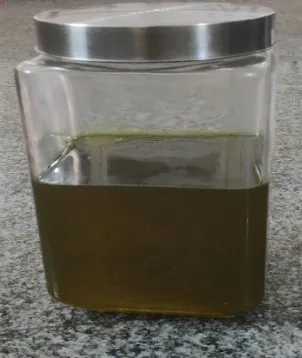
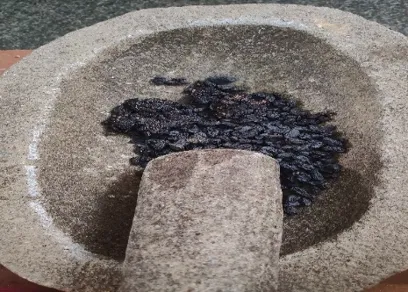
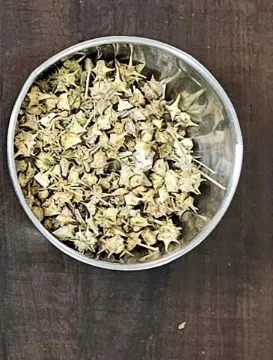
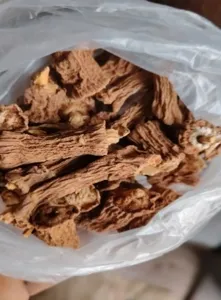
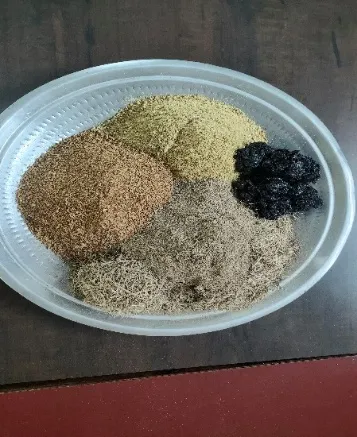
Murchita Ghrita Draksha Gokshura Sariva
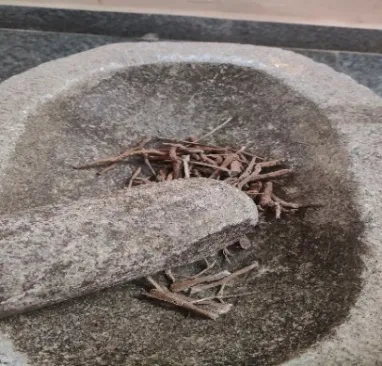
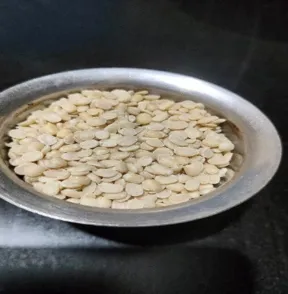
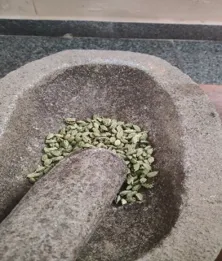
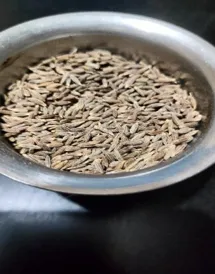
Punarnava Masha Ela Jeera
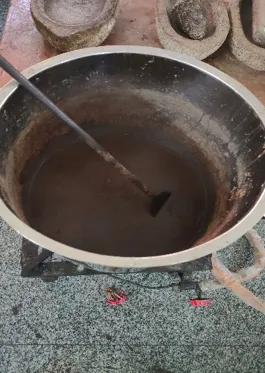
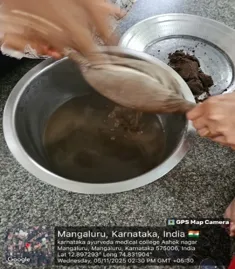
Preparation of Mridwikadi Kashaya
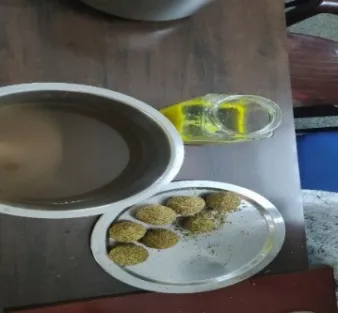
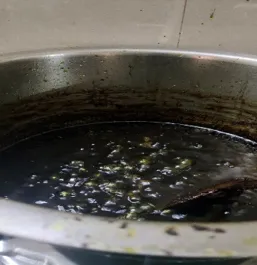
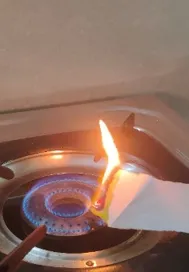
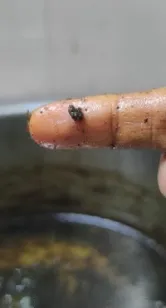
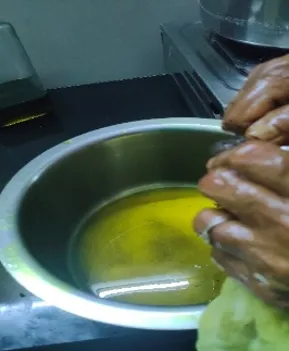
Preparation of Mridwikadi Ghrita
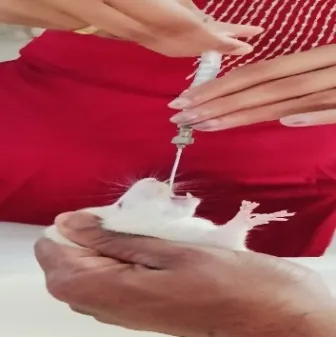
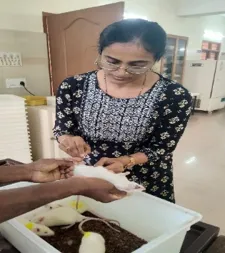
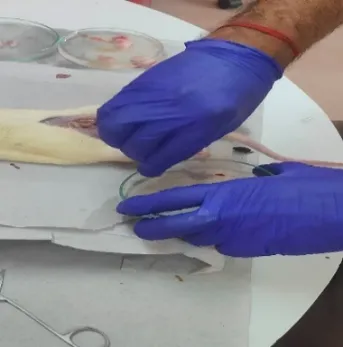
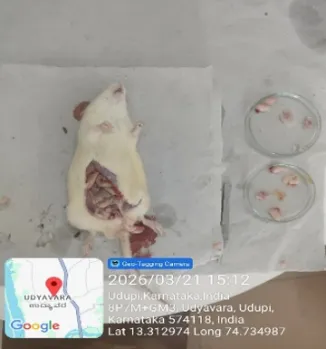
Experimetal feeding, injecting, semen collection and organ collection.
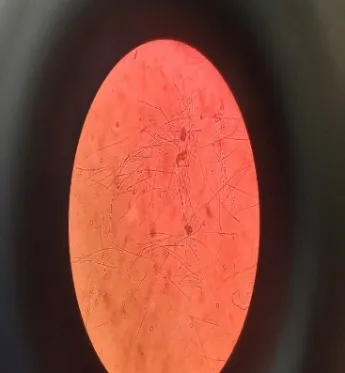
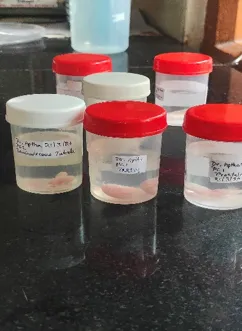
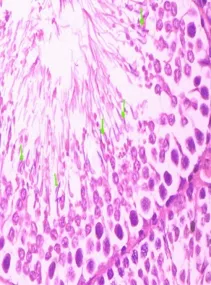
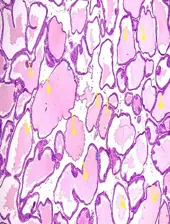
Semen analysis Organ preservation Histopathological slides
REFERENCES



Dr. Aptha S. M., Dr. Rachana C., Dr. C. Shristy Shetty, Dr. Shantala, A Pharmaceutico-Experimental Evaluation of Mridwikadi Ghritha in Shukravardhana with Special Reference to Spermatogenesis, Int. J. of Pharm. Sci., 2026, Vol 4, Issue 10, 3079-3090. https://doi.org/10.5281/zenodo.23524944
 10.5281/zenodo.23524944