

We use cookies to ensure our website works properly and to personalise your experience. Cookies policy
1Assistant professor SMVEC School of Pharmacy, Puducherry, India.
2,3,4,5SMVEC School of Pharmacy, Puducherry, India.
6Dean SMVEC School of Pharmacy, Puducherry, India.
Adverse drug reactions (ADRs) are an important and largely preventable cause of illness and healthcare spending. Inherited differences in drug-metabolizing enzymes, drug transporters and immune-response genes can change how a person responds to a drug, and the risk of certain ADRs with it. Pharmacogenomic (PGx) testing, interpreted against evidence-based guidelines, may help guide the choice of drug and dose. Pre-emptive testing is hard to put into practice in India, though. Population diversity, variant coverage, cost, and the step from a genetic result to a prescribing decision all stand in the way. This narrative review explains how a genotype becomes a phenotype and compares the main testing platforms. It then uses nortriptyline to show how CPIC and DPWG recommendations guide drug and dose selection. We propose, as a concept only, a targeted multiplex panel covering CYP2D6, CYP2C19, CYP2C9, CYP3A5, TPMT, NUDT15, DPYD, UGT1A1, VKORC1, SLCO1B1 and selected HLA-A and HLA-B alleles, with results stored so they can be reinterpreted as guidelines change. Such a panel could help identify selected gene–drug risks before prescribing. It cannot predict every ADR, and it does not replace clinical evaluation, drug-interaction review, laboratory monitoring or therapeutic drug monitoring. It may also miss rare, structural or India-specific variants. The framework has not been validated. Before it is used in Indian settings, analytical validation, population-specific variant coverage, clinical utility, cost-effectiveness and data protection will need to be evaluated.
Pharmacogenomics examines how genetic differences influence individual responses to medicines and can help explain why patients receiving the same drug and dose may experience different outcomes[1-3]. Variants in genes encoding drug-metabolizing enzymes, transporters, and drug targets can affect pharmacokinetics or pharmacodynamics. The Clinical Pharmacogenetics Implementation Consortium (CPIC) and the Dutch Pharmacogenetics Working Group (DPWG) publish drug–gene recommendations, PharmGKB curates pharmacogenomic knowledge, and regulatory agencies include selected pharmacogenomic information in drug labeling[4-6].
Multinational implementation projects, including U-PGx, have highlighted the importance of clinical decision support, harmonized data, and interoperability for translating PGx results into practice[7-10]. In India, implementation also requires attention to population diversity and to the practical translation of genotype results into clear, drug-specific recommendations. This review therefore proposes a conceptual reporting framework intended to support evidence-based prescribing; it is not a validated clinical reporting system.
Review scope and approach:
This narrative review brings together selected pharmacogenomic guidelines, primary studies, technical reviews, and regulatory resources relevant to genotype interpretation, testing platforms, pre-emptive panel implementation, and Indian population evidence. It is not a systematic review or meta-analysis, and no pooled estimate of the proposed panel’s clinical effectiveness is calculated. The panel presented here is a conceptual framework requiring further evaluation, not a validated clinical test. Sources were the CPIC, DPWG and PharmGKB resources and the guidelines, primary studies and reviews cited here. Because this was not a systematic search, no database search strategy is reported.
Burden of Adverse Drug Reactions and Inter-Individual Drug Response Variability:
Adverse drug reactions (ADRs) are a major source of preventable harm in the Indian healthcare system. A systematic review of Indian hospital studies showed a median ADR-related admission rate of 2.85%, with in-hospital ADRs at 6.34%, and elderly patients, polypharmacy, and intensive care were consistently identified as risk factors[11]. A South Indian tertiary hospital reported that 27% of reported ADRs led to hospitalization, and the direct and indirect cost burden exceeded ₹9.8 lakh during the study period[12], while a Mumbai emergency department study reported ADRs in 6.89% of admissions at an average hospitalization cost of ₹6,197 per patient — with nearly 60% of ADRs judged definitely or potentially avoidable[13]. National Global Burden of Disease data show that India’s death and disability rates from adverse treatment effects are higher than those of comparable middle- and high-middle-SDI countries[14].
Genetic associations have been reported for selected toxicities, including thiopurine-related myelosuppression and HLA-associated severe cutaneous reactions[15]. Indian studies have reported associations involving HLA-B*15:02 and HLA-B*13:01, including evidence from Indian patients and an Indian-origin cohort in Malaysia[16,17]. The IndiGen initiative provides an important resource for examining pharmacogenomic variation in Indian genomes[18,19]. Routine pharmacovigilance reports do not, by themselves, establish whether an ADR was caused by a genetic variant; consequently, the proportion of Indian ADRs attributable to pharmacogenomic variation remains uncertain[20].
Pharmacogenomics Basics:
Historically, pharmacogenetics has often referred to the study of individual genes and drug response, whereas pharmacogenomics may encompass broader genomic influences; the terms are nevertheless sometimes used interchangeably[1,21]. Genetic variants can alter the activity or expression of drug-metabolizing enzymes, transporters, and targets. The genotype is the observed genetic makeup, while the predicted phenotype represents its interpreted functional consequence. For selected genes, genotype results can be translated into predicted functional phenotypes such as poor, intermediate, normal, rapid, or ultrarapid metabolizer. The categories available and the translation rules differ by gene; they should not be applied universally to every gene in a panel. Clinical recommendations should be based on the relevant gene–drug guideline and the limitations of the assay[22-25]. The genotype itself does not change, but the effective phenotype can. A strong inhibitor of the same enzyme can make a normal metabolizer behave like a poor one (phenoconversion), so a genotype result should always be read alongside the patient’s current medicines.
Actionable drug–gene interactions fall into two main groups: those involving the Cytochrome P450 (CYP) family (CYP2D6, CYP2C19, CYP2C9, CYP3A5) which metabolize many medications used to treat depression, prevent blood clots, thin blood, and suppress the immune system[1,22]; and those involving non-CYP enzymes - TPMT/NUDT15 (thiopurine-induced myelosuppression), DPYD (fluoropyrimidine toxicity), and UGT1A1 (irinotecan-induced neutropenia)[15]. One issue applies to both categories: whether a "weak" enzyme is harmful or simply ineffective depends on whether the medication is active or a prodrug. An active medication will build up to toxic levels while a prodrug such as codeine (converted to morphine via CYP2D6) will fail to produce any therapeutic effect. The same genetic finding can therefore lead to opposite clinical decisions depending on the drug[23].
Another type of risk is related to the Human Leukocyte Antigen (HLA) system. Unlike the CYP and non-CYP enzymes which are involved in metabolism, the HLA system is involved in immune recognition. There are several well-documented associations between HLA alleles and adverse drug reactions: HLA-B*15:02 (carbamazepine-induced Stevens-Johnson syndrome), HLA-B*58:01 (allopurinol-induced reactions), HLA-B*57:01 (abacavir hypersensitivity), and HLA-B*13:01 (dapsone hypersensitivity)[15]. While the HLA-B*15:02 and HLA-B*13:01 associations have also been demonstrated in Indian populations[16,17], we found limited published validation of HLA-B*58:01 and HLA-B*57:01 in Indian populations. HLA-B*13:01 is discussed here as an Indian-validated association but is not included in the panel in Table 4. Inclusion was restricted to gene–drug pairs with published CPIC or DPWG guidance, and we did not identify such guidance for HLA-B*13:01 and dapsone; it remains a candidate for an India-specific version of the panel. Because HLA-associated risks are not generally managed by dose adjustment alone, a report should identify HLA risk alleles separately from metabolizer phenotypes and state the drug-specific action recommended by the relevant guideline. Table 1 lists the gene-drug pairs mentioned above along with their mechanism and clinical consequence.
Table 1: Representative Actionable Gene–Drug Pairs Discussed in This Review
| Gene | Mechanism | Representative Drug(s) | Clinical Consequence of Variant |
|---|---|---|---|
| CYP2D6 | Phase I metabolism (CYP450) | Codeine, tricyclic antidepressants, tamoxifen | Poor or ultrarapid metabolism can alter response; clinical effect depends on the drug and whether it is active or a prodrug[1,22,23]. |
| CYP2C19 | Phase I metabolism (CYP450) | Clopidogrel, proton pump inhibitors | Reduced CYP2C19 function can reduce clopidogrel activation; effects on other substrates are drug-specific[22]. |
| CYP2C9 | Phase I metabolism (CYP450) | Warfarin, phenytoin | Reduced-function alleles can affect exposure and toxicity; dose decisions should follow drug-specific guidance[1,22]. |
| CYP3A5 | Phase I metabolism (CYP450) | Tacrolimus | CYP3A5 expressers often require higher tacrolimus doses to reach target concentrations; therapeutic drug monitoring remains essential[1]. |
| TPMT / NUDT15 | Thiopurine methylation | Azathioprine, mercaptopurine | Deficient activity causes severe, potentially fatal myelosuppression[15] |
| DPYD | Pyrimidine catabolism | 5-fluorouracil, capecitabine | Deficient activity causes severe fluoropyrimidine toxicity[15] |
| UGT1A1 | Glucuronidation | Irinotecan | Reduced UGT1A1 activity can increase irinotecan-associated neutropenia risk; follow current drug-specific guidance[15]. |
| HLA-B*15:02 | Immune recognition (non-metabolic) | Carbamazepine | Strongly associated with Stevens-Johnson syndrome/TEN[15] |
| HLA-B*58:01 | Immune recognition | Allopurinol | Associated with severe cutaneous adverse reactions[15] |
| HLA-B*57:01 | Immune recognition | Abacavir | Hypersensitivity reaction; pre-treatment HLA screening is part of drug labeling[6] |
Testing Methods and Terminology:
CYP2D6 illustrates why assay design is as important as biological interpretation. Its extensive allelic diversity and structural variation mean that no routine assay detects every possible allele; laboratories can therefore produce different results when their variant coverage or interpretation methods differ[26-29].
Targeted assays such as real-time PCR, mass spectrometry-based genotyping, and microarrays test predefined variants and can be scalable, but they may miss variants outside the assay design[26,30]. A negative result should therefore be interpreted in light of the variants actually tested, rather than assumed to exclude all relevant variation. Next-generation sequencing (NGS) can broaden variant detection, but its coverage and ability to detect copy-number changes, hybrid alleles, regulatory regions, or other structural variants depend on the platform, assay design, and validation. Whole-exome sequencing may omit non-coding regions relevant to PGx, and NGS workflows require appropriate quality control and bioinformatics support[31-33]. No platform should be described as comprehensive without validation for the specific genes and variants claimed.
CYP2D6 structural variation includes deletions, duplications, hybrid genes involving the adjacent CYP2D7 pseudogene, and complex combinations that can affect phenotype[27-29]. These variants require suitable copy-number or structural-variant methods; short-read sequencing or targeted genotyping should not be assumed to detect them unless the assay has been validated to do so. Long-read sequencing may help resolve selected complex alleles, although its routine clinical role depends on platform and workflow validation[27,33]. The extent of CYP2D6 structural variation across diverse Indian populations requires further study[18,19].
The first challenge is naming what has been found. The star-allele system (for example CYP2D6*4) has been maintained by the Pharmacogene Variation Consortium (PharmVar) since 2018; PharmVar took over the previous CYP nomenclature database and provides a rating for the evidence supporting each allele's function[24,29]. However, there are still issues with standardization. "Default" calls are still common, and a CYP2D6 duplication can be reported as "*1/*2xN", "(*1/*2)dup", or "(*1/*2)xN" depending on which laboratory performs the test[27,29].
HGVS nomenclature is used to describe the specific nucleotide changes associated with each star allele[24]. Both CPIC and DPWG use a genotype-to-phenotype translation system based on adding up the activity values of all alleles. For CYP2D6, this allows different laboratories to assign the same phenotype from the same genotype, although as discussed in the next section, the two organizations do not always recommend the same dose for that phenotype[25].
Table 2: Pharmacogenomic Testing Platforms Compared
| Platform | Detection Principle | Scope | Turnaround & Cost | Key Limitation |
|---|---|---|---|---|
| Real-time PCR (TaqMan-style) | Probe-based detection of pre-specified SNPs | Single or few targeted variants | Hours; low cost | Misses any variant not on the pre-defined list[26,30] |
| Mass spectrometry (e.g., MassARRAY) | Mass-based genotyping of a fixed SNP panel | Tens to hundreds of pre-specified variants | Same day; low-moderate cost | Same “checklist” blind spot as PCR panels[26] |
| Genotyping microarray | Hybridization to probes for known variants | Hundreds to thousands of pre-specified variants | 1–2 days; moderate cost | Cannot detect novel or structural variants[29] |
| Targeted NGS gene panel | Base-by-base sequencing of selected PGx genes | Variants covered by the assay design; may include rare variants only when validated and reliably called | Several days; moderate–high cost, needs bioinformatics support | Interpretation, coverage, and structural-variant detection depend on panel design and bioinformatics[26,31] |
| Whole-exome sequencing | Sequencing of all protein-coding regions | Coding variants across captured exons; coverage of clinically relevant regions varies | 1–2 weeks; high cost | May miss promoter, deep-intronic, and structural variants relevant to PGx[31,32] |
| Long-read sequencing | Single-molecule reads spanning structural regions | Can resolve selected complex structural variants, including CYP2D6 rearrangements, depending on assay design | Days; largely a research tool | Not yet a routine clinical platform[28,33] |
Another factor is timing. Reactive testing occurs after a patient has been identified as needing a particular drug. Pre-emptive testing involves testing selected genes in advance and retaining results for future prescribing. The PREPARE cluster-randomized crossover implementation study, conducted across seven European countries, reported a reduction in the odds of clinically relevant adverse drug reactions (odds ratio about 0.70) with a pre-emptive 12-gene panel; the size and transferability of this effect should not be assumed for India without local evaluation[34,35].
A US-based cardiovascular model found pre-emptive testing cost-effective under its specified assumptions, but those estimates cannot be directly transferred to Indian healthcare settings[36]. Cost, access, and local clinical workflows are therefore important considerations when designing a proposed Indian reporting framework[10,34].
Platform selection, allele nomenclature, and the timing of testing can each affect the interpretation and clinical use of a PGx result. These technical considerations are important when translating a genotype into a drug-specific recommendation.
Turning Gene Activity into a Drug and Dose Decision:
The purpose of genotype-to-phenotype translation is to convert a genetic result into a drug-specific recommendation about medication selection or dosage, when an evidence-based recommendation is available. CPIC and DPWG have published recommendations for selected gene–drug pairs, although their guidance and classification systems are not identical[5,37,38].
Not every genotype or phenotype requires a change in treatment. The clinical action depends on the specific gene–drug pair, the relevant guideline, and the clinical indication. Nortriptyline, an antidepressant metabolized primarily by CYP2D6, provides an illustrative example. CPIC and DPWG recommendations differ in how they express dose changes for some CYP2D6 phenotypes; the recommendations summarized in Table 3 should therefore be interpreted within their respective guideline frameworks[5,39,40].
A clinical PGx report should present the detected genotype, the interpreted phenotype where applicable, the relevant drug–gene association, and the recommended clinical action with its supporting guideline. It should also identify assay limitations and cases in which no recommendation is available.
PGx recommendations should supplement clinical judgment and should be considered alongside the patient's indication, comorbidities, concomitant medicines, laboratory findings, and therapeutic drug monitoring when indicated.
Table 3: Illustrative CYP2D6-Guided Nortriptyline Recommendations from CPIC and DPWG [39,40]
| CYP2D6 phenotype | CPIC recommendation | DPWG recommendation |
|---|---|---|
| Poor metabolizer | Prefer an alternative not predominantly metabolized by CYP2D6. If a tricyclic antidepressant is still warranted, consider a substantially reduced starting dose (CPIC suggests 50% reduction) and use therapeutic drug monitoring. | Consider 40% of the usual nortriptyline dose and use therapeutic drug monitoring to guide treatment, according to the current DPWG guideline. |
| Intermediate metabolizer | Consider a 25% reduction in the recommended starting dose and use therapeutic drug monitoring. | Consider 60% of the usual nortriptyline dose and use therapeutic drug monitoring to guide treatment, according to the current DPWG guideline. |
| Normal metabolizer | Use the recommended starting dose; monitor according to usual clinical practice. | Use the usual dose; monitor according to usual clinical practice. |
| Ultrarapid metabolizer | Prefer an alternative not predominantly metabolized by CYP2D6 because of possible lack of efficacy. If a tricyclic is required, any dose increase should be specialist-guided and supported by therapeutic drug monitoring. | A higher dose (reported as 1.7 times the usual dose in the 2026 DPWG guideline) may be considered with therapeutic drug monitoring; consider an alternative where dose escalation or safety is unsuitable. |
Note: These are guideline-based examples, not prescribing instructions. CPIC and DPWG recommendations differ in their dose expressions and should be applied only after confirming the current guideline, the patient’s indication, co-medications, clinical status, and the availability of therapeutic drug monitoring. Do not combine recommendations from different guideline systems without explicit justification.
Why This Is Not Standard Practice Yet:
Several barriers limit pre-emptive PGx testing in routine care, including test availability, cost, interpretation of results, clinician awareness, and integration into prescribing workflows [9,10]. In settings where testing is performed reactively, results may help explain a prior reaction but cannot prevent that initial event. A pre-emptive approach may be useful for selected gene–drug pairs when supported by current evidence and an actionable clinical recommendation.
Without routine collection and linkage of genotype, medication, and outcome data, the contribution of genetic variation to ADRs may be difficult to quantify. A proposed panel should therefore be evaluated alongside existing pharmacovigilance and clinical workflows, rather than presented as a substitute for them. [20]
The Recommended Testing Approach:
The proposed targeted panel could be assessed using a validated multiplex genotyping platform, with additional copy-number or structural-variant assays where clinically necessary. The final platform should be selected according to the required variant coverage, analytical performance, turnaround time, cost, and availability. This is a conceptual proposal based on published evidence and has not been independently validated. Figure 1 outlines how the proposed workflow would run from sample collection to a prescribing decision.
Selection criteria. A gene–drug pair was considered for the conceptual panel when a current guideline links the genotype to a defined clinical action, either a CPIC recommendation (level A or B) or an actionable DPWG recommendation. CPIC evidence levels and DPWG recommendations are separate classification systems and are not interchangeable, so each pair should be judged against its own current guideline. The nortriptyline example in Table 3 uses the CPIC tricyclic antidepressant guideline (2016 update) [39] and the 2026 DPWG guideline [40]. For every other pair, the guideline version and date used should be taken from the current CPIC and DPWG listings [5,37] and recorded in the report.
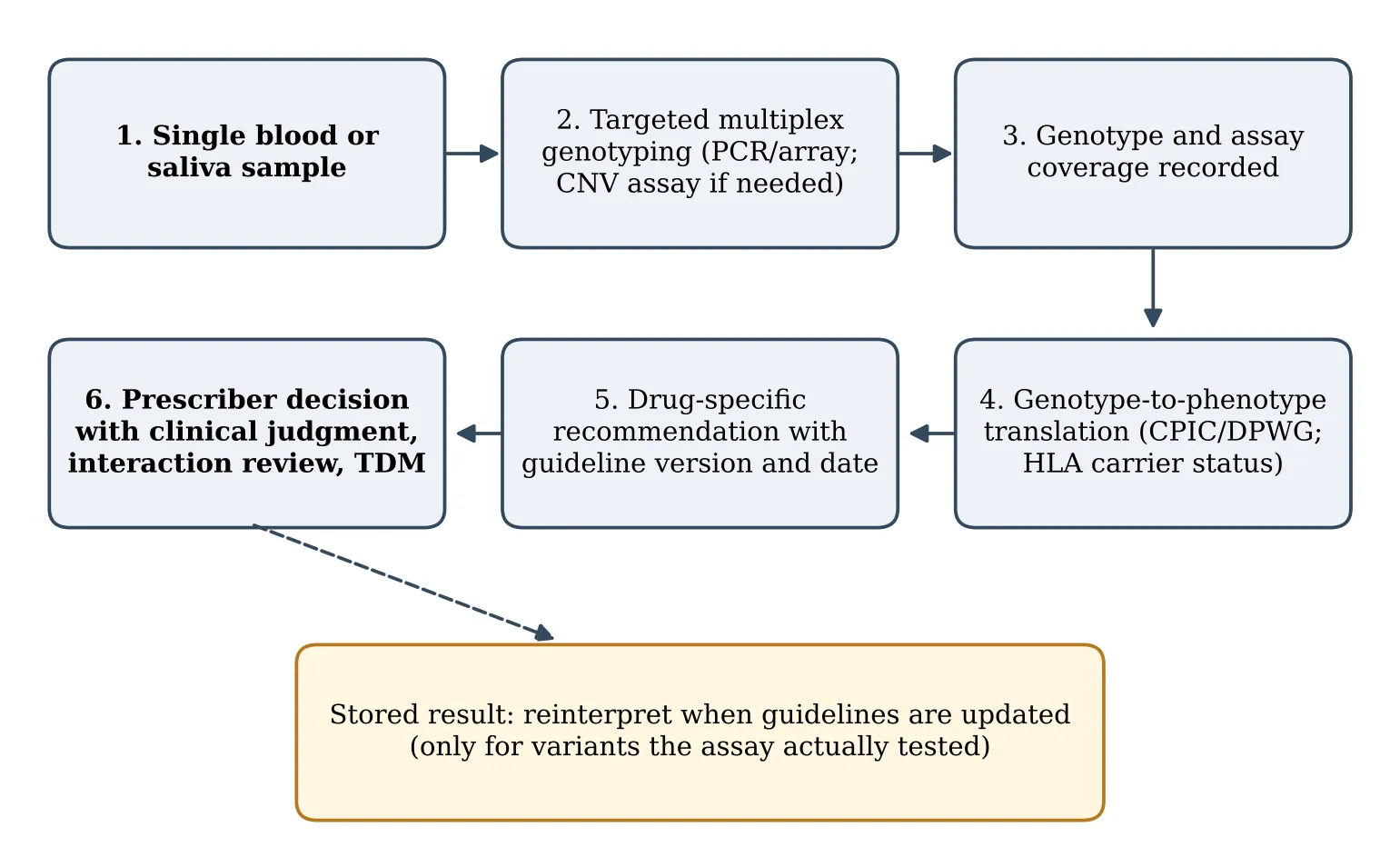
Figure 1: Proposed Workflow for a Pre-Emptive Targeted PGx Panel (Conceptual; TDM = Therapeutic Drug Monitoring)
Table 4: Core Panel Genes, Selection Basis and Medical Conditions Covered
| Gene | Why Selected (Representative CPIC/DPWG Actionable Pair) | Medical Conditions / Drug Classes Covered |
|---|---|---|
| CYP2D6 | Actionable CPIC guidance exists for selected CYP2D6–codeine and CYP2D6–tamoxifen scenarios; variant coverage and interpretation are assay-dependent[1,22,23]. | Depression and anxiety, pain management (codeine and other opioids), breast cancer (tamoxifen)[1,22,23] |
| CYP2C19 | Actionable CPIC guidance exists for CYP2C19–clopidogrel; use the current guideline and account for the clinical indication[22]. | Cardiovascular disease and stroke prevention (clopidogrel), acid reflux and peptic ulcer disease (proton pump inhibitors), depression[22] |
| CYP2C9 | Actionable guidance exists for selected CYP2C9–warfarin and CYP2C9–phenytoin scenarios; recommendations are drug-specific[1,22]. | Anticoagulation (warfarin), epilepsy (phenytoin), pain and inflammation (NSAIDs)[1,22] |
| CYP3A5 | CPIC level A for CYP3A5–tacrolimus | Organ transplantation (tacrolimus dosing)[1] |
| TPMT / NUDT15 | CPIC level A for TPMT/NUDT15–thiopurine pairs; risk of severe, potentially fatal myelosuppression | Autoimmune disease, inflammatory bowel disease, childhood leukemia (thiopurine drugs)[15] |
| DPYD | CPIC level A for DPYD–fluoropyrimidine pairs; severe, potentially fatal toxicity risk | Cancer chemotherapy — colorectal, breast, and gastrointestinal cancers (fluoropyrimidines)[15] |
| UGT1A1 | DPWG guidance is available for UGT1A1–irinotecan; confirm the current guideline version and local applicability before panel implementation[15]. | Cancer chemotherapy — colorectal and lung cancer (irinotecan)[15] |
| VKORC1 | CPIC level A for VKORC1–warfarin | Anticoagulation (warfarin dosing)[1,22] |
| SLCO1B1 | CPIC level A for SLCO1B1–statins | Cardiovascular disease (statin-associated muscle toxicity risk)[22,41] |
| HLA-B*15:02 / HLA-A*31:01 | Guidance exists for HLA-B*15:02 and HLA-A*31:01 with carbamazepine; the associated risks and recommended actions differ by allele and drug[15-17]. | Seizure disorders and other indications involving carbamazepine; oxcarbazepine recommendations are allele-specific[15-17]. |
| HLA-B*58:01 | CPIC level A for HLA-B*58:01–allopurinol | Gout (allopurinol)[15] |
| HLA-B*57:01 | CPIC level A for HLA-B*57:01–abacavir; pre-treatment screening is part of FDA/EU labeling | HIV treatment (abacavir)[6,15] |
A future implementation would need a validated reporting pipeline that links the detected genotype to the relevant current guideline, drug, indication, and clinical action.
The proposed panel is a preliminary candidate set, not a finalized or validated panel. Inclusion should depend on the strength of drug-specific evidence, the clinical action supported by the result, local prescribing patterns, allele coverage, assay performance, cost, and feasibility. A larger panel is not automatically more useful if the additional results do not support a validated clinical action.
Vanderbilt’s PREDICT program reported a high prevalence of potentially actionable genotypes among patients undergoing pre-emptive testing, illustrating that actionable results can be common in a selected clinical population[42]. The proportion expected in India cannot be inferred directly from a US cohort and requires population-specific assessment.
A report should record the genotype, the variants and structural changes assessed by the assay, the date of interpretation, and the guideline version used. Retaining these details may allow results to be reinterpreted when recommendations change, without repeating the same test when the existing assay provides the required information. This approach could support pre-emptive prescribing for gene–drug pairs with established clinical actions, while avoiding the implication that genotype alone determines the appropriate treatment.
Standard dosing is based on population-level evidence and is subsequently individualized according to clinical factors and treatment response. For selected gene–drug pairs, pre-emptive PGx information may help inform the initial choice or dose when a current guideline supports a specific action. It should not replace clinical assessment, review of drug interactions, laboratory monitoring, or therapeutic drug monitoring where these are indicated.
A pre-emptive result may remain useful over time for variants successfully measured because inherited genotype is generally stable. However, the clinical interpretation can change as guidelines are updated, and an existing targeted assay cannot provide information about variants it did not test. Reports should retain the genotype, assay coverage, date, and guideline version so that results can be reinterpreted when appropriate.
The proposed panel spans several therapeutic areas, including psychiatry, pain management, cardiology, oncology, transplantation, and selected severe drug hypersensitivity reactions. Its final composition would need to reflect local prescribing patterns, allele frequencies, assay performance, costs, and the strength of available evidence. The current list is a proof of concept, not a finalized clinical panel.
What the panel cannot do:
The panel would not detect pharmacokinetic or pharmacodynamic drug–drug interactions, account for pre-existing organ dysfunction, identify medication errors such as accidental double dosing, or predict hypersensitivity reactions unrelated to the specific alleles tested. These factors would continue to require standard clinical assessment and pharmacovigilance.
A targeted panel that tests predefined variants may miss rare, novel, or untested variants in genes included on the panel. Structural variants, including CYP2D6 deletions, duplications, and hybrid alleles, will be detected only if the assay is designed and validated for them[27-29]. A result should therefore state which variants and variant classes were assessed and avoid presenting a negative finding as exclusion of all possible genetic risk.
Variant selection also depends on the populations represented in discovery and validation studies. If a clinically relevant variant is not included in the assay design, it may be missed regardless of the assay's technical accuracy. Indian whole-genome resources, including IndiGen, can help characterize population variation, but further validation across India's diverse regional populations is needed[18,19]. The proposed panel is intended to prioritize selected actionable associations rather than claim comprehensive coverage of all populations, variants, or drug-related risks.
Limitations:
Pharmacogenomic evidence and allele-frequency estimates vary across ancestry groups and regional cohorts. Indian studies have reported CYP2C19*2 allele frequencies and CYP2C19 poor-metabolizer prevalence using different populations and methods; these measures are not interchangeable and should not be summarized as a single national estimate [43-45]. Reported CYP2C19*2 frequencies in several Indian cohorts are higher than those commonly cited for Europeans [43,44], which is one reason local data matter. India should not be treated as a genetically homogeneous population, and a panel validated in one regional cohort cannot automatically be assumed to perform equally in another.
These studies also illustrate why comparisons require caution: the North Indian study examined genotype and phenotype, the Tamilian study reported allele/genotype frequencies, and the Gujarati/Marwadi study assessed CYP2C19 activity by phenotyping[43-45]. Estimates obtained using different endpoints should not be compared as if they were the same measure. Regional validation and transparent reporting of the studied population are needed.
An important limitation is that rare or population-specific variants may remain uncharacterized when discovery cohorts do not adequately represent India's regional and genetic diversity. A panel based on currently known variants may therefore have incomplete coverage, even when it performs accurately for the variants it includes[18,19]. Other limitations are that the panel cannot detect drug–drug interactions, organ dysfunction, dosing errors, or hypersensitivity risks outside the HLA alleles tested. This is a narrative review rather than a systematic review; it does not report an exhaustive, preregistered literature search. The evidence base and clinical guidelines continue to evolve. Consequently, clinical utility and cost-effectiveness must be demonstrated in the intended setting. The Indian ADR estimates cited in this review describe the overall ADR burden and should not be interpreted as the proportion preventable by the proposed panel[11,13]. Prospective local evaluation is required before claiming that the panel reduces ADRs in Indian practice.
CONCLUSION:
This narrative review proposes a conceptual targeted pharmacogenomic panel to support individualized drug selection and dosing for selected gene–drug pairs. Its potential value depends on evidence-based panel selection, validated assay coverage, accurate genotype interpretation, clinician education, and integration with clinical decision support. The proposed panel would not explain all inter-individual variability or predict every ADR, and its clinical utility and cost-effectiveness in India have not been established. Future work should prioritize analytical validation, assessment across diverse Indian populations, evaluation of clinical and economic outcomes, and appropriate governance of genetic data. Computational decision-support tools may help link stored genotype results to current recommendations, provided that guideline versions, assay limitations, and clinical context are made explicit[5,8,34,37,38,46].
REFERENCES






M. Mercy Grow, M. Mohamed Irfan, S. Shanmugavel, P. Praveena, S. Ramya, M. Dhanalakshmi, A Targeted Pharmacogenomic Panel for Personalized Drug and Dose Selection: A Conceptual Framework for Predicting and Preventing Genetically Mediated Adverse Drug Reactions., Int. J. of Pharm. Sci., 2026, Vol 4, Issue 10, 3552-3563. https://doi.org/10.5281/zenodo.23636640
Severity: 8192
Message: substr(): Passing null to parameter #1 ($string) of type string is deprecated
Filename: frontend/article.php
Line Number: 706
Severity: 8192
Message: substr(): Passing null to parameter #1 ($string) of type string is deprecated
Filename: frontend/article.php
Line Number: 706
Severity: 8192
Message: substr(): Passing null to parameter #1 ($string) of type string is deprecated
Filename: frontend/article.php
Line Number: 741
Severity: 8192
Message: substr(): Passing null to parameter #1 ($string) of type string is deprecated
Filename: frontend/article.php
Line Number: 741
 10.5281/zenodo.23636640
Severity: 8192
Message: substr(): Passing null to parameter #1 ($string) of type string is deprecated
Filename: frontend/article.php
Line Number: 890
Severity: 8192
Message: substr(): Passing null to parameter #1 ($string) of type string is deprecated
Filename: frontend/article.php
Line Number: 925
Severity: 8192
Message: substr(): Passing null to parameter #1 ($string) of type string is deprecated
Filename: frontend/article.php
Line Number: 925
Severity: 8192
Message: substr(): Passing null to parameter #1 ($string) of type string is deprecated
Filename: frontend/article.php
Line Number: 957
Severity: 8192
Message: substr(): Passing null to parameter #1 ($string) of type string is deprecated
Filename: frontend/article.php
Line Number: 957