

We use cookies to ensure our website works properly and to personalise your experience. Cookies policy
Siddhi ?s Institute of Pharmacy Nandgaon , Murbad , thane , Maharashtra , India.
Gymnema sylvestre is an important medicinal plant belonging to the family Apocynaceae, commonly known as Gurmar or Sugar Destroyer. It has been traditionally used in Ayurvedic medicine for the management of diabetes mellitus and other health conditions. The leaves of this plant contain various bioactive phytoconstituents, mainly gymnemic acids, gymnemasaponins, flavonoids and other secondary metabolites. Gymnemic acids are considered the major active constituents responsible for its antidiabetic and antisweet properties.This review focuses on the botanical profile, geographical distribution, traditional uses, phytochemical constituents and pharmacological activities of Gymnema sylvestre. It also discusses its possible mechanisms of action, including stimulation of insulin secretion, reduction of intestinal glucose absorption and improvement in glucose utilization. Various pharmacological activities, such as antidiabetic, anti-inflammatory, antioxidant and antimicrobial activities, are also discussed.Special attention is given to extraction technologies, including Soxhlet extraction, microwave-assisted extraction (MAE) and ultrasound-assisted extraction (UAE), which help in obtaining bioactive compounds from the plant. Advanced analytical techniques such as HPLC and UPLC can be useful for the identification and standardization of its phytoconstituents. This review highlights the importance of Gymnema sylvestre as a medicinal plant and its potential applications in the development of standardized herbal formulations. Further research is required to establish its safety, efficacy and clinical applications.
This plant originates from the central and western parts of India, tropical Africa, and Australia.
Alternative Names: Sanskrit: Meshashringi, madhunashini,Hindi: Gur-mar,merasingi,Marathi: Kavali, kalikardori,vakundi, Gujrathi: Dhuleti, mardashingi, Telugu: Podapatri,Tamil: Adigam, cherukurinja, Kannada: Sannagerasehambu [1]. The term “Gymnema” has originated from the Hindu term “Gurmar” which means “destroyer of sugar,” and it is assumed that it can balance the excess sugar present in the body in Diabetes mellitus.[2] G. sylvestre (Asclepiadaceae) - vulnerable species Slow growing, perennial, medicinal, woody climber that occurs in central and peninsular India. The leaves which are popularly called “Gurmar” in India have the ability to suppress sweetness and usedfor treating diabetes mellitus for more than 2000 years; hence another nameis “Gurmar” meaning “Sugar destroying”. It has applications in food additives against obesity. [3]
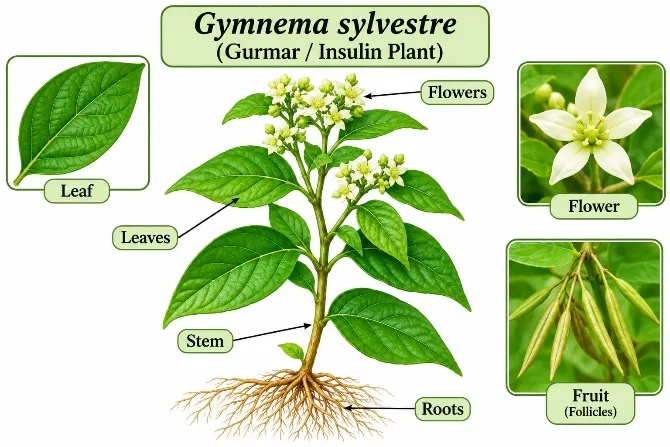
Figure 1: Gymnema Sylvestre (Gurmar) Plant
[42]
Botanical Profile :
It is an example of a pubescent shrub with young stems and branches [4] . It has a taproot system. The stems are cylindrical, branched, woody, twining, internodes terete, 0.7 to 17.2 cm long, 2 to 10 mm diameter [5].
The taxonomic classification of the plant is as follows [6]
Species : Gymnema Sylvester
Genus : Gymnema
Family : Apocynaceae
Sub family :Asclepiadaceae
Class : Magnoliopsida
Sub class : Asteridae
Kingdom : plantae
Sub kingdom : Tracheobionta
Geographical distribution :
There is also marked geographic variation with respect to this: for example, the DNA sequence, morphology, anatomy, and secondary metabolites of the plant from Vietnam and India differ.[7] According to the distribution data found in pharmacognosy summaries, it is also found in tropical Africa, Malaysia, Sri Lanka, Japan, Indonesia, Vietnam, and southern China.[8]
Traditional uses :
Conventionally, the leaves of G. sylvestre have been used as herbal medicine for diabetes and other conditions; on the other hand, the flowers and bark have been used in diseases involving phlegm.[9] It is a medicinal plant with several medicinal uses as stated in folk medicine, Ayurvedic system of medicine, and homeopathy.[10]
Moreover, this drug finds application in the formulation of ayurvedic products such as Ayaskri, Varunadi kasaya, Varunadighrtam, and Mahakalyanakaghrtam.[11]
Useful in treatment of dyspepsia, constipation, jaundice, piles, kidney and vesicle calculi, heart disease, asthma, bronchitis, amenorrhoea, conjunctivitis, and leucoderma.[12]
Different tribes in India use various parts of the plant for curing asthma, eye diseases, stomach disorders, parkinsonism, urinary disorders, and diabetes. These tribes include the Sahariya tribe from Madhya Pradesh, Junglee Irulas from Nilgiri hills, the Kol tribe from Chhattisgarh, and the Nayaks of Karnataka [13].
Phytochemical constituent :
Leaves of G. sylvestre have triterpene saponins of oleanane and dammarane type. Gymnemic acid and gymnemasaponin are among the main components, which belong to oleanane group of saponins whereas gymnemasides are saponins of dammarane type .[14]
Gymnemic acids exhibit antidiabetic, antisweetener, and anti-inflammatory properties. The antidiabetic combination of molecules has been found to be a set of gymnemic acids that have been isolated from the leaves of G. sylvestre .[15]
The mechanisms by which the constituents of gymnemic acid are thought to inhibit glucose absorption in the small intestines is unknown. There are possibly more than one mechanism at work here.[16]
Gymnema sylvestre contains certain secondary metabolites. These secondary metabolites are known as oleanane saponins and dammarane saponins. Oleanane saponins include two different classes such as gymnemic acid and gymnema saponins. The gymnema saponins include two aglycone saponins such as gymnemagenin and gymnestrogenin.[17,18,19]
Mechanisms of Gymnemic acid :
The mechanisms which might have contributed to the hypoglycemic effect on leaves extract of G. Sylvester or (Gymnemic acid) include:
i) Induces islet cell regeneration,
ii) Insulin secretion increases,
iii) Prevents glucose absorption in the intestine,
iv) Improves the use of glucose in that it increases the activity of the enzymes which utilize glucose through insulin dependent pathway. Increased phosphor lyase, reduced gluconeogenic enzymes, and sorbitol dehydrogenase .[20]
Another pathway through which adult onset of diabetes mellitus arises is the insulin resistance which iscaused by the inability of insulin to bond to thereceptor sites. The gymnema plant can solve the problem ofinsulin storage in this type of condition and requiresfurther study to prove its theory. If gymnema acts asdescribed above, it can be used not only in NIDDM but alsowell in juvenile onset of diabetes mellitus (IDDM), whereininsulin is injected using the syringe and is not producedby the pancreas. [21]
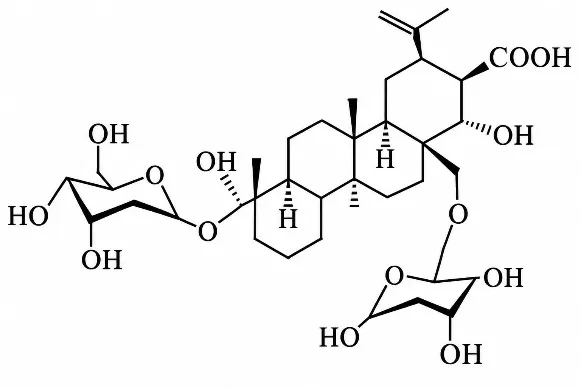
Figure 2: Molecular Stracture of Gymnemic Acid
[22]
Pharmacological activity :
The very first scientific validation for the use of G. sylvestre by humans was made about a century ago when the leaves of G. sylvestre were proven to decrease urine glucose in diabetic patients.[23]
1) Anti diabetic activity :
Anti-diabetic property is the most well-known benefit of Gymnema sylvestre. The glucose level reduction by ethanol extract of the plant was found to be 46%, compared to 26% and 12% in case of water extract and methanol extract respectively. [24]
Insulin secretion was increased by Gymnema sylvestre, and its role in insulin regeneration as well as regeneration of β-cells was also suggested.[25]
2) Anti inflammatory activity :
G. sylvestre in Ayurvedic medicine is known to have been extensively used and described as bitter, acrid, thermogenic, digestive, liver tonic, anodyne, and anti-inflammatory .[26] Tannins and saponins which are bioactive compounds in G. sylvestre are believed to be the reason behind its anti-inflammatory activity [27]
Methanoic extract of Gymnema sylvestre had anti-inflammatory effects in Wistar rats where carrageenan-induced inflammation was created in the rats. Methanolic extract of this plant had significant (p<0.05) reduction in carrageenan-induced rat paw edema.[28]
3) Antibiotics and Antimicrobial activity :
The antibiotic and antimicrobial activities of various extracts of G.sylvestre were tested against several bacterial strains, that is, S. aureus, E.coli, and B. subtilis; however, no activity was found against gram-negative bacteria. [29] Antimicrobial activity was carried out using the bacterium strains such as E. coli and B. cereus. The results were found to be significantly effective against the microbes.[30] The aqueous and methanolic extract of G. sylvestre leaves was found to have fair activity against the three Salmonella pathogens (Salmonella typhi, S. typhimurium and S. paratyphi). From the two extracts, the aqueous extract had greater activity against the pathogens.[31] Furthermore, antibacterial activity of the gymnemic acid, which is a triterpene saponin found in Gymnema sylvestre, was also tested against E. coli and B. cereus and it showed activity against the bacteria. In recent years, the antimicrobial activity of Gymnema sylvestre leaf extract has been improved using poly-ε-caprolactone nanofibers or ZnO nanoparticles .[32]
4) Anti oxidants activity :
Oxidative stress is an important element that contributes to the development of various chronic diseases such as diabetes, cancer, heart ailments, neurological diseases, and inflammatory conditions. The medicinal plant, G. sylvestre, is extensively researched because of its antioxidant capabilities, which are primarily due to the presence of high amounts of flavonoids, saponins, and polyphenols.[33] It has been found by various studies that the efficiency of antioxidants in G. sylvestre depends on the method of extraction and the solvents used. In this regard, methanolic leaf extract possesses a powerful radical scavenging effect, with DPPH inhibitory concentration up to 82.5% similar to ascorbic acid.[34]
Extraction method :
Extraction of the powdered plant stem was performed using a Soxhlet apparatus. The organic solvent chosen to carry out the extraction process was ethyl acetate. The use of ethyl acetate as an organic solvent in the Soxhlet apparatus is an excellent choice as far as selectivity, solubility, volatility, safety, and environmental aspects are concerned. In addition, ethyl acetate is a moderately polar solvent and dissolves a wide range of phytochemicals. Low boiling temperature of ethyl acetate makes it easy to isolate from the extracted phytochemicals and thus is useful in the concentration process . 350 ml of ethyl acetate were used for 35 g of powdered plant sample, and the extraction was performed at 65°C within 2 to 3 hours. To get a concentrated sample, a rotary evaporator was used, and the obtained concentrated fraction was preserved for future studies. [35,36] The extraction method is another critical factor that determines the amount of phytochemical yield obtained from G. sylvestre. The MAE and the liquid-liquid extraction methods have been applied in establishing the content of gymnemic acid from the leaves of G. sylvestre. The RP-HPLC method has been used to establish the content of gymnemic acid and found that the MAE performed better than liquid-liquid extraction (50% methanol 5 min at 20% power with minimum sample size).[37] Another recent study revealed that UAE resulted in the highest yield of ethyl acetate soluble fraction (EAGS) (106.83 mg/g sample) from G. Sylvester leaves with an amplitude of 50 W, time of 10.6 min, and 20 mL solvent/g of the sample. Moreover, UPLC-QToF-MSE analysis of phytochemical profile revealed 35 compounds, dominated by gymnemic acid VII.[38]
Future prospects of G.Sylvestre :
Emerging trends in both computational and experimental approaches have opened up avenues for isolating the active components of G. sylvestre that can be used in treating diabetes. The gymnemic acids along with other phytochemicals have proven to possess multi-targeted medicinal value via in silico approaches including computer-aided drug discovery (CADD) and network pharmacology. Such approaches have an effect on insulin signaling pathway, carbohydrate metabolism enzymes, and inflammatory biomolecules.[39] Furthermore, virtual screening experiments have identified some specific compounds that can inhibit aldose reductase, which is associated with complications caused by diabetes like retinopathy and neuropathy.[40] Further, the drug discovery potential of G. sylvestre extracts has been improved by testing with functional screening techniques. The novel mechanism of action of G. sylvestre for type 2 diabetes has been found since it was proved that the standardized extract of G. sylvestre stimulates insulin secretion and synthesis. [41]
CONCLUSION
Gymnema sylvestre is an important medicinal plant widely recognized for its traditional use in the management of diabetes mellitus. It contains several bioactive phytoconstituents, particularly gymnemic acids, which are mainly responsible for its antidiabetic and antisweet properties. Various studies have reported its pharmacological activities, including antidiabetic, anti-inflammatory, antioxidant and antimicrobial effects.Different extraction techniques, such as Soxhlet extraction, microwave-assisted extraction and ultrasound-assisted extraction, play an important role in extracting active constituents from the plant. Modern analytical techniques such as HPLC and UPLC help in the identification, estimation and standardization of bioactive compounds.From the perspective of Advanced Herbal Technology, the development of standardized extracts and effective herbal formulations of Gymnema sylvestre has significant potential. However, further studies are required to improve extraction efficiency, establish quality control parameters and evaluate its safety and clinical effectiveness. Thus, Gymnema sylvestre represents a promising medicinal plant for future herbal drug development.
REFERENCES




Shital Nimase, Harshala Golhe, Gauravi Dandkar, Tejal Shinde, Advanced Herbal Technology Approaches in Gymnema Sylvestre: Extraction, Phytochemical Characterization and Antidiabetic Potential, Int. J. of Pharm. Sci., 2026, Vol 4, Issue 11, 2115-2121. https://doi.org/10.5281/zenodo.24215917
 10.5281/zenodo.24215917