

We use cookies to ensure our website works properly and to personalise your experience. Cookies policy
1Student Wani College Of Pharmacy.
2Guide Deparment Of Pharmacy, Wani College Of Pharmacy, Ganegaon, Maharashtra, Affiliated to Dr Babasaheb Aambedkar Technological University, Lonere, Raigad.
Coronavirus disease 2019 (COVID-19) is an infectious disease caused by severe acute respiratory syndrome coronavirus 2 (SARS-CoV-2). The emergence of SARS-CoV-2 stimulated rapid development of molecular diagnostics, rapid antigen tests, serological assays, imaging approaches and emerging point-of-care technologies. Accurate diagnosis supports clinical management, infection-control decisions, surveillance and timely identification of patients who may benefit from antiviral therapy. Nucleic-acid amplification tests, particularly reverse transcription polymerase chain reaction (RT-PCR), remain important laboratory methods for detecting viral RNA, while rapid antigen tests provide faster results and are useful for point-of-care and self-testing. Serological assays detect host antibodies and have more limited roles in early diagnosis. Newer approaches include reverse transcription loop-mediated isothermal amplification (RT-LAMP), CRISPR-based detection, biosensors, microfluidic platforms and multiplex respiratory pathogen assays. Treatment has evolved from predominantly supportive care toward risk- and severity-based management. Antiviral therapy is most relevant during the early viral-replication phase in patients at increased risk of progression, while corticosteroids and selected immunomodulators are used mainly in appropriately selected patients with severe or critical disease. Nirmatrelvir/ritonavir and remdesivir are important antiviral options in current clinical guidance, whereas molnupiravir has a more restricted role. Supportive respiratory care, oxygen therapy and management of complications remain essential. This review summarizes established and emerging diagnostic methods, current therapeutic strategies, limitations, and future directions in COVID-19 management.
COVID-19 is caused by SARS-CoV-2, an enveloped, positive-sense single-stranded RNA virus belonging to the family Coronaviridae. The infection primarily involves the respiratory tract but may affect multiple organ systems. Clinical presentation ranges from asymptomatic infection and mild upper-respiratory symptoms to pneumonia, hypoxemic respiratory failure, thrombo-inflammatory complications and multiorgan dysfunction.
The COVID-19 pandemic accelerated diagnostic innovation. Early diagnosis depended largely on molecular detection of viral RNA. Subsequently, rapid antigen tests, antibody assays, isothermal amplification, CRISPR-based detection, biosensors and integrated point-of-care platforms expanded the available diagnostic landscape. The appropriate test depends on the clinical question, timing of illness, specimen quality, test performance and availability.
Therapeutic strategies have also changed with accumulating clinical evidence. Early treatment of selected high-risk patients focuses on inhibiting viral replication, while severe disease may require oxygen, corticosteroids and selected immunomodulatory therapy. Therefore, diagnosis and treatment should be integrated with assessment of disease severity and risk of progression.
SARS-CoV-2: Structure and Important Components
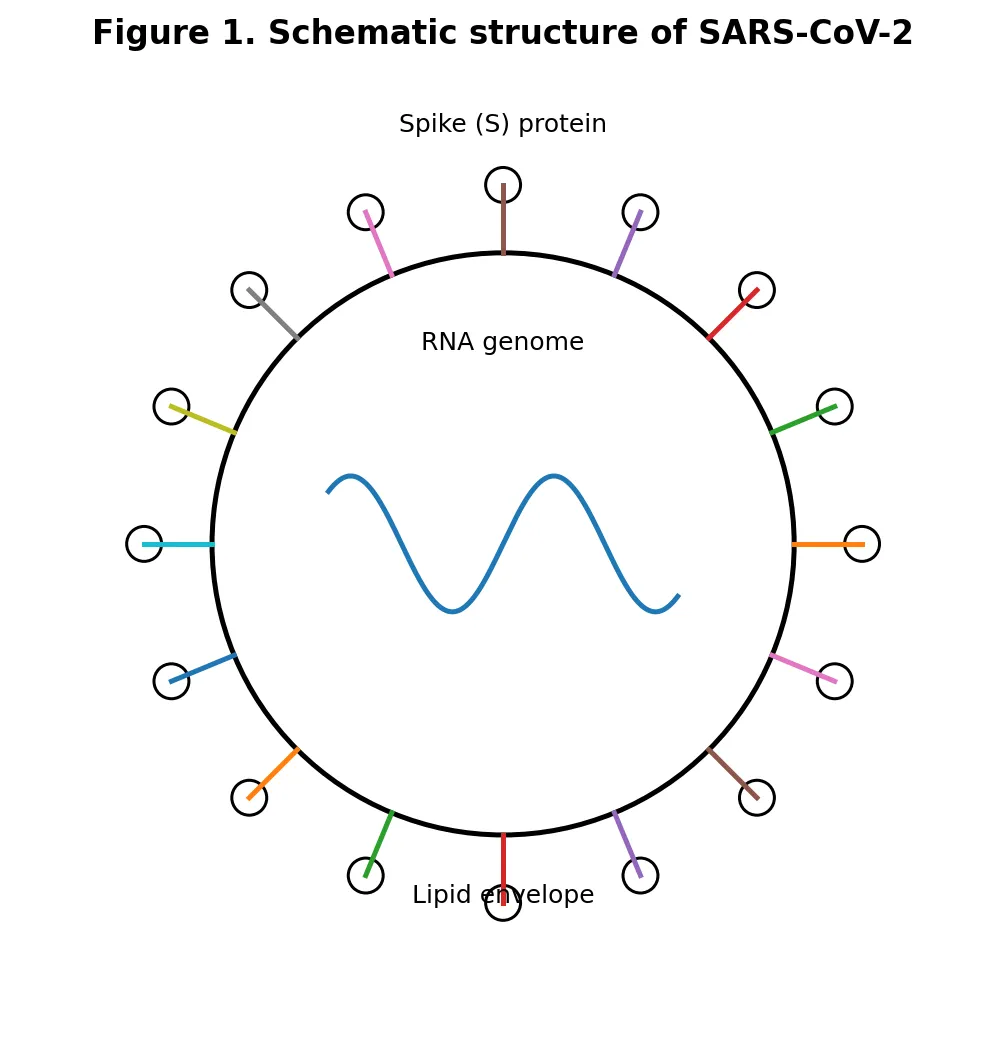
Figure 1: Schematic structure of SARS-CoV-2
SARS-CoV-2 is an enveloped RNA virus. Its structural proteins include spike (S), membrane (M), envelope (E), and nucleocapsid (N) proteins. The spike protein is involved in attachment and entry into host cells. The nucleocapsid protein associates with the viral RNA genome. These structural components are also important targets for diagnostic assays and research.
Pathogenesis of COVID-19
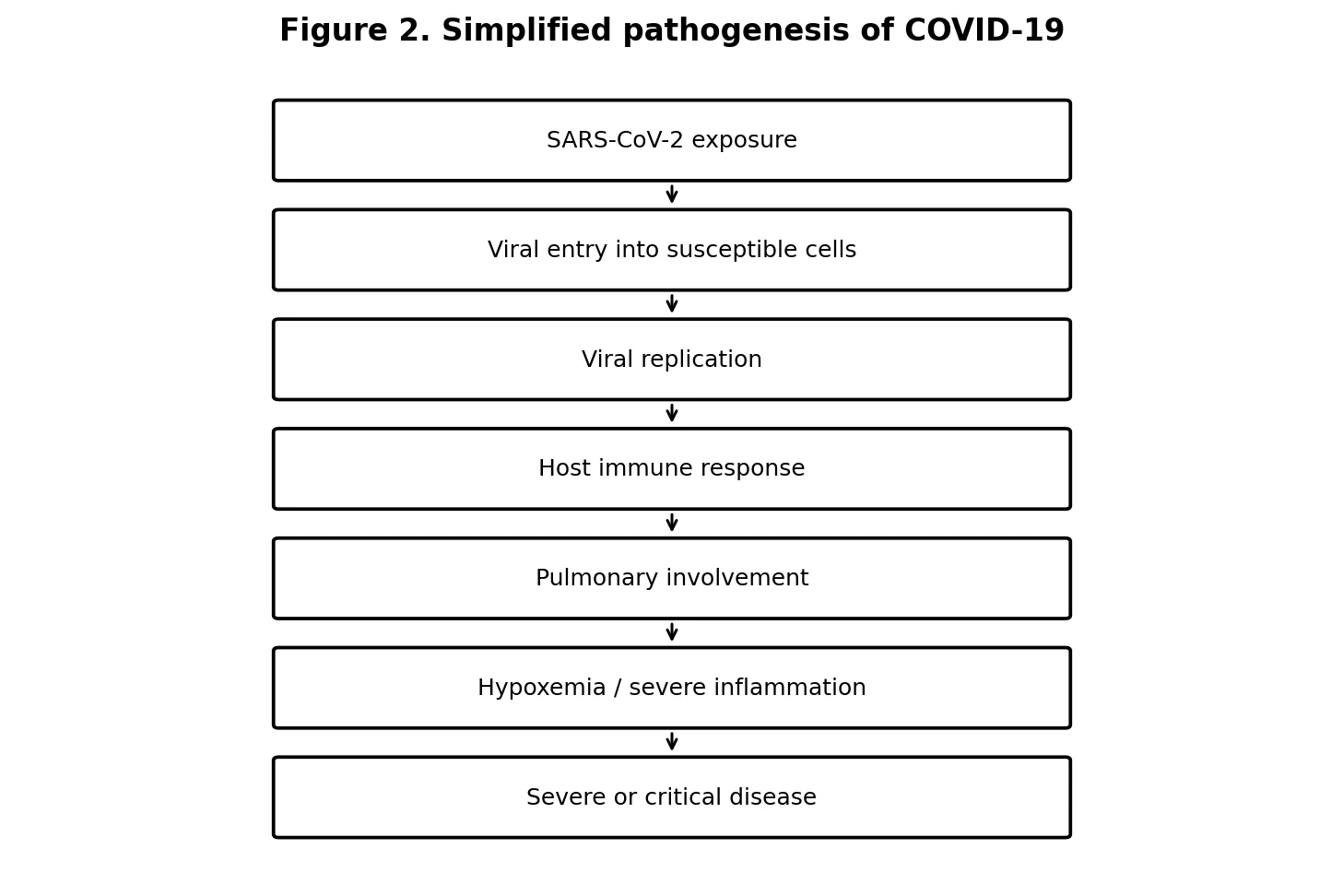
Figure 2: Pathogenesis of COVID-19
After exposure, SARS-CoV-2 reaches susceptible respiratory cells and initiates viral entry and replication. The host immune response contributes to viral clearance, but excessive inflammation in some patients can produce pulmonary injury and systemic complications. Disease severity is heterogeneous and is influenced by host factors, underlying conditions, immune status and other clinical variables.
Clinical Manifestations
Common clinical manifestations include fever, cough, sore throat, fatigue, headache, myalgia, nasal symptoms and altered smell or taste. More severe disease may involve pneumonia, hypoxemia, acute respiratory distress syndrome, thrombo-inflammatory complications, acute kidney injury and cardiovascular or multiorgan complications.
Diagnostic Methods
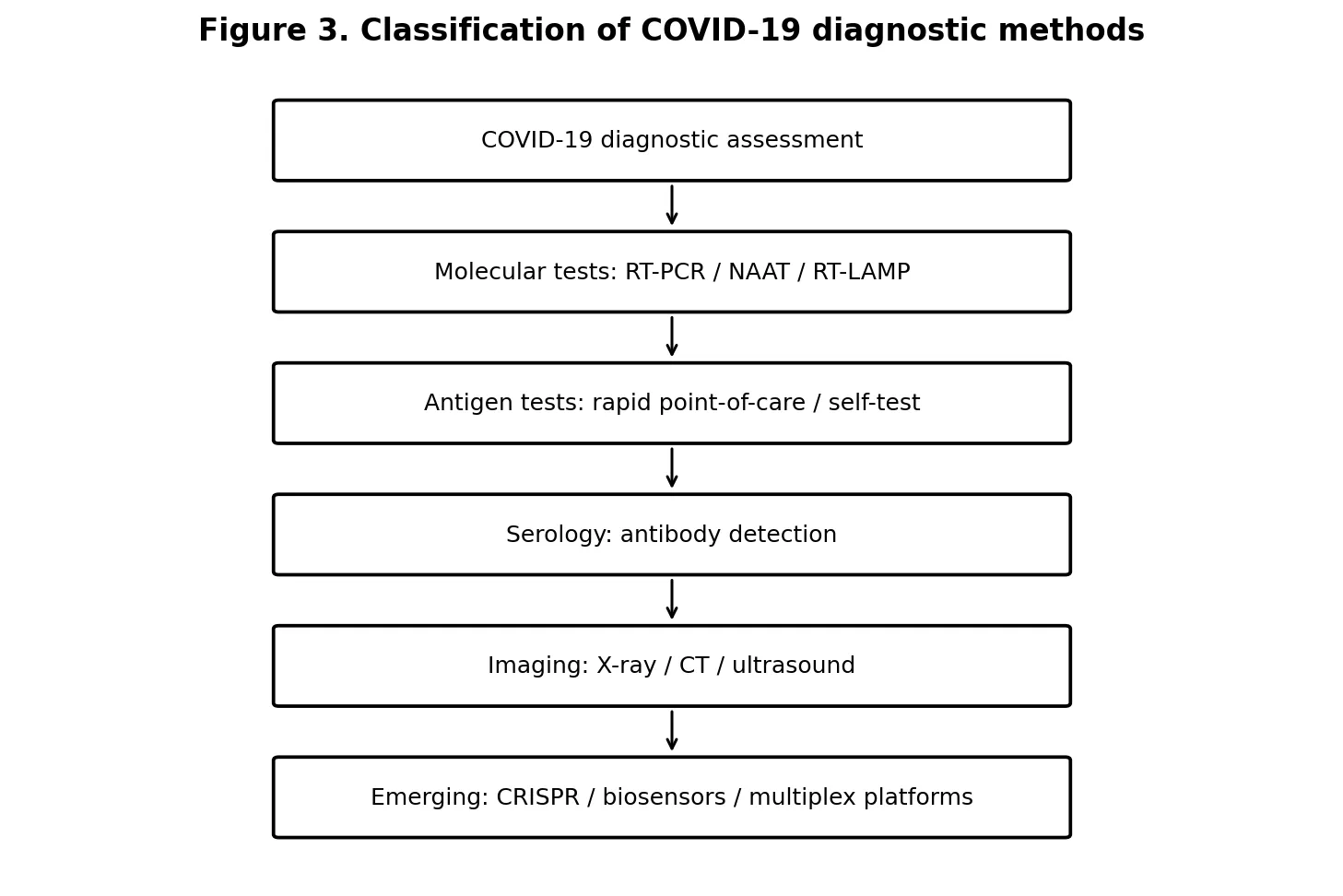
Figure 3: Classification of Covid-19 Diagnostic method
COVID-19 diagnostic methods can be broadly classified into direct detection of viral components, detection of host immune responses, and clinical/imaging assessment. Direct viral detection includes nucleic-acid amplification tests and antigen tests. Serology detects antibodies generated after infection or vaccination. Imaging assists assessment of pulmonary involvement but is not a specific replacement for laboratory confirmation.
Molecular Diagnostic Methods
1. Reverse Transcription Polymerase Chain Reaction (RT-PCR)
RT-PCR is a nucleic-acid amplification method widely used for laboratory detection of SARS-CoV-2 RNA. Because the viral genome is RNA, reverse transcription first generates complementary DNA, followed by amplification of selected target sequences. Fluorescence generated during amplification is measured by the instrument and interpreted according to the validated assay algorithm.
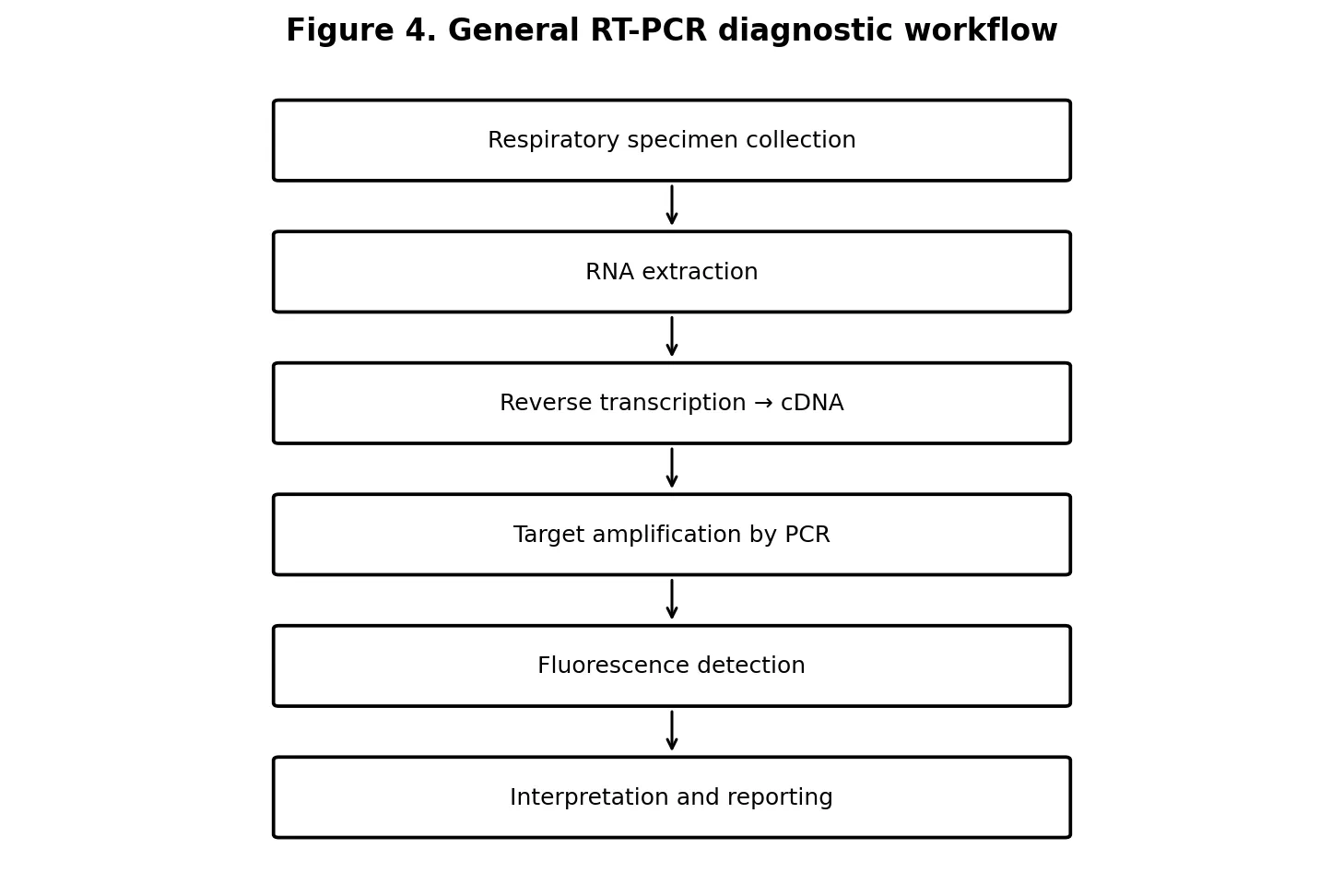
Figure 4: General RT-PCR Diagnostic workflow
Advantages
Limitations
2. RT-LAMP
Reverse transcription loop-mediated isothermal amplification (RT-LAMP) amplifies nucleic acid under near-constant temperature conditions and therefore does not require conventional thermal cycling. The method has been investigated for rapid and decentralized SARS-CoV-2 detection. Depending on assay design, amplification can be monitored by fluorescence, turbidity or color change.
Rapid Antigen Testing
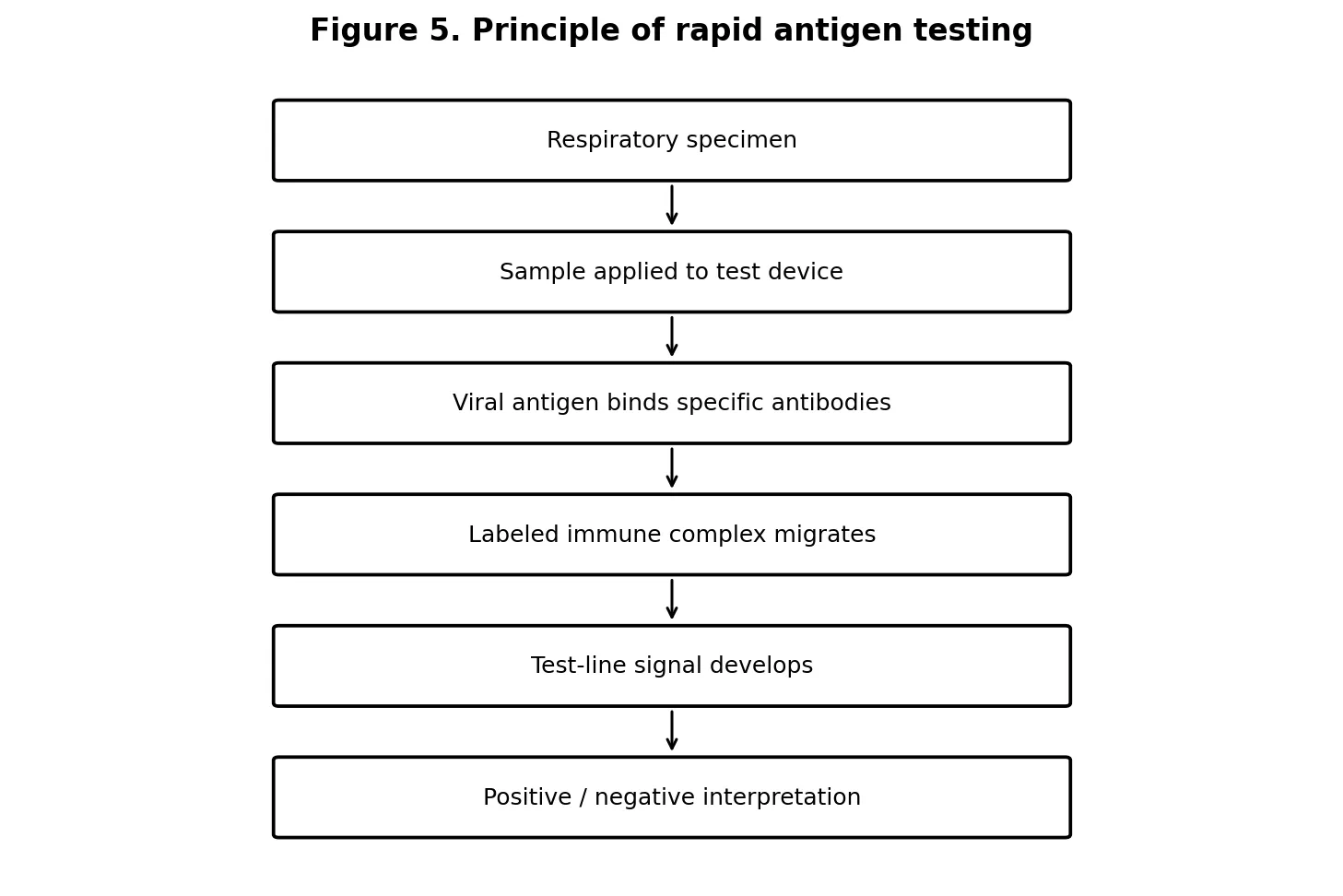
Figure 5: Principal of rapid antigen testing
Rapid antigen tests detect viral proteins, commonly nucleocapsid antigen, in respiratory specimens. They can provide results quickly and are useful for point-of-care testing and self-testing. Compared with molecular assays, antigen tests generally have lower analytical sensitivity, particularly when viral antigen concentration is low. A negative result should therefore be interpreted in the context of symptoms, exposure, timing and applicable testing guidance.
Advantages
Limitations
Serological / Antibody Testing
Serological tests detect antibodies generated by the host following infection or vaccination. Common targets include IgG, IgM or total antibody responses. Because antibody production takes time, serology is generally not the preferred method for detecting very early acute infection. It can be useful in selected epidemiological studies, seroprevalence investigations and other defined clinical or research questions.
Imaging Methods
Chest radiography, computed tomography (CT) and lung ultrasound may support assessment of respiratory involvement in selected patients. Imaging findings are not specific to SARS-CoV-2 and should be interpreted together with clinical findings and laboratory testing.
CRISPR-Based Diagnostic Methods
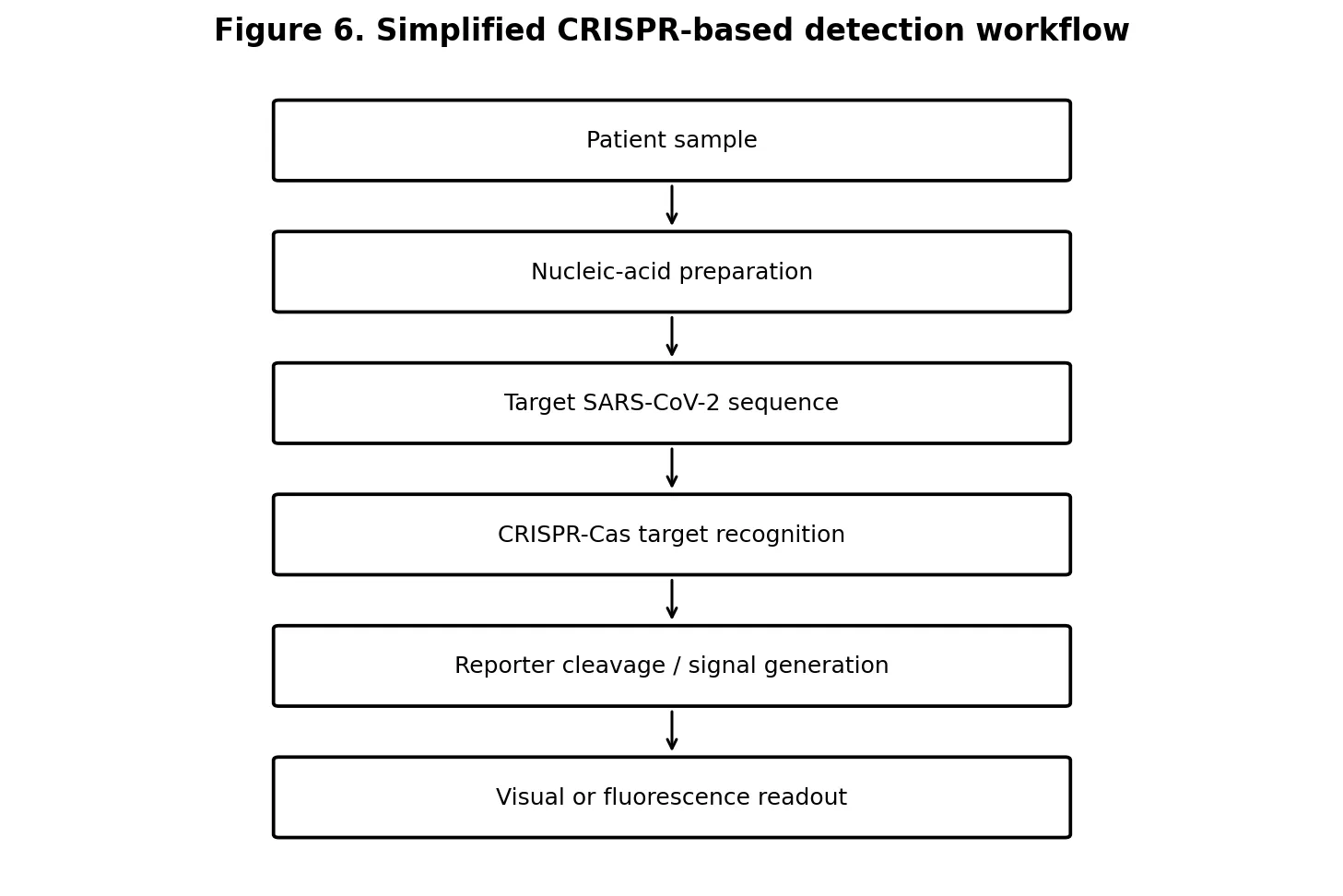
CRISPR-based diagnostic systems use sequence-specific recognition by CRISPR-associated enzymes to identify target nucleic-acid sequences. When a target is recognized, collateral reporter cleavage or another signal-generation mechanism can produce a detectable output. These approaches are being investigated for rapid, specific and portable molecular diagnostics.
Fig no 6 simplified CRISPR- based detection workflow
Biosensors and Emerging Diagnostic Platforms
Biosensor-based approaches have been explored for detecting viral proteins or nucleic acids using optical, electrochemical and nanomaterial-assisted mechanisms. Microfluidic devices can combine sample preparation, amplification and detection in compact formats. Multiplex respiratory panels can detect SARS-CoV-2 together with other respiratory pathogens, which may be useful when clinical symptoms overlap.
Comparison of Major Diagnostic Methods
| Method | Primary target | Speed | Major use | Important limitation |
|---|---|---|---|---|
| RT-PCR | Viral RNA | Moderate | Laboratory diagnosis | Laboratory infrastructure |
| RT-LAMP | Viral nucleic acid | Rapid | Point-of-care molecular testing | Assay optimization/validation |
| Rapid antigen | Viral protein | Very rapid | Point-of-care/self-testing | Lower sensitivity |
| Serology | Host antibodies | Rapid–moderate | Selected immune/epidemiological studies | Limited value in early acute infection |
| CT/X-ray | Pulmonary abnormalities | Rapid | Assessment of lung involvement | Not specific for COVID-19 |
| CRPR | Viral nucleic acid | Rapid potential | Emerging molecular diagnostics | Platform validation and availability |
Recent Advances in Treatment
COVID-19 treatment should be individualized according to disease severity, risk factors, timing of illness, contraindications, drug interactions and organ function. Current clinical guidance broadly separates early antiviral therapy for selected patients at increased risk of progression from anti-inflammatory treatment for appropriately selected patients with severe or critical disease.
Nirmatrelvir/Ritonavir
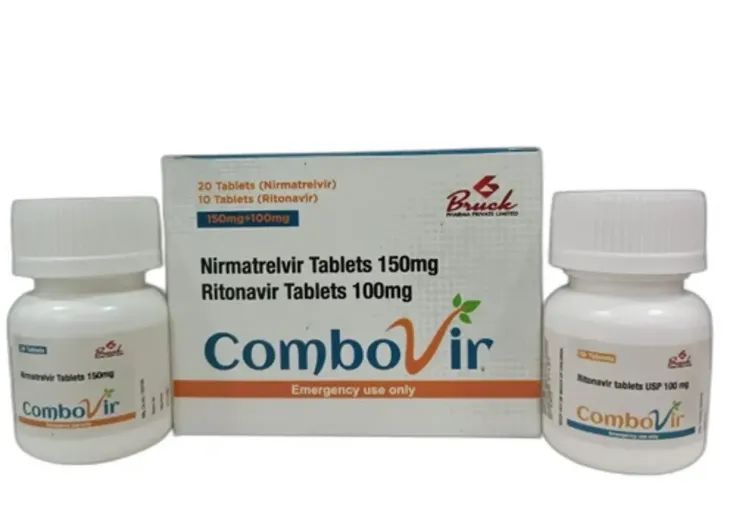
Figure 7: Nirmatrelvir/Ritonavir drug
Nirmatrelvir inhibits the SARS-CoV-2 main protease, thereby interfering with processing of viral polyproteins required for replication. Ritonavir inhibits CYP3A-mediated metabolism and increases nirmatrelvir exposure. It is an important oral antiviral option for selected nonhospitalized adults at increased risk of progression when started within the recommended treatment window. Drug–drug interactions are a major practical consideration.
Remdesivir
Remdesivir is a nucleotide analogue prodrug that is metabolized intracellularly to an active nucleotide analogue. It interferes with viral RNA synthesis through interaction with the SARS-CoV-2 RNA-dependent RNA polymerase. It is used in selected patients according to disease severity and current clinical guidance.
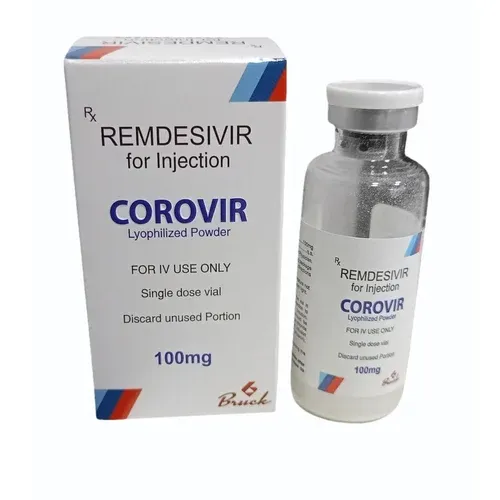
Figure 8: Remdesivir Injection
Molnupiravir
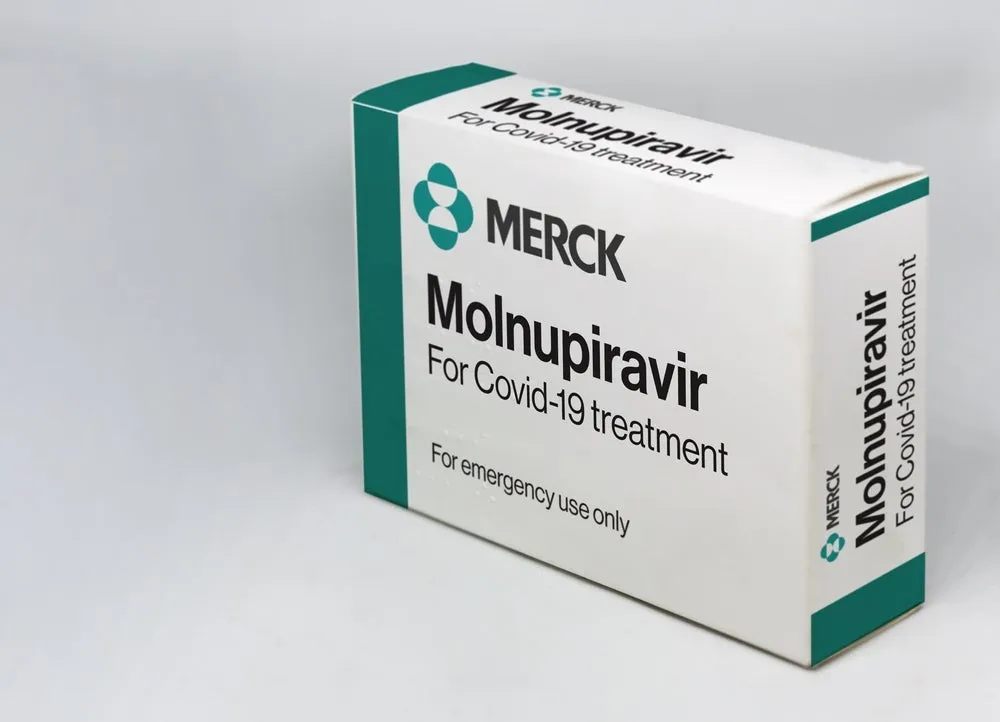
Figure 9: Molnupiravir tablet
Molnupiravir is an oral nucleoside analogue that introduces replication errors into viral RNA. Its clinical role is more restricted than preferred antiviral options and depends on patient-specific circumstances, availability, contraindications and current guidelines. Reproductive and other safety considerations must be reviewed before use.
Corticosteroids
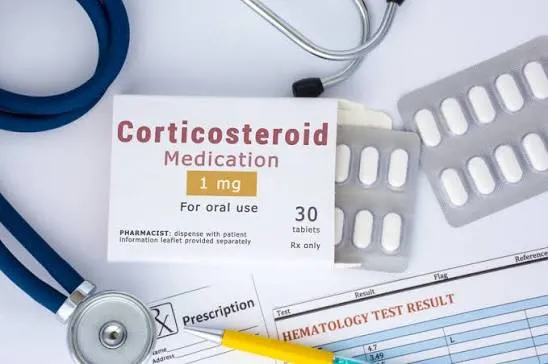
Figure 10: Corticosteroids medication
Corticosteroids, particularly dexamethasone in appropriate settings, reduce excessive inflammatory responses and are important in severe COVID-19 associated with oxygen requirement. They are not routinely beneficial for patients with mild disease who do not require supplemental oxygen, and inappropriate use may expose patients to unnecessary adverse effects.
Immunomodulatory Therapy
In selected patients with severe or critical disease, excessive inflammation may contribute to organ injury. Immunomodulatory agents such as interleukin-6 pathway inhibitors and Janus kinase inhibitors have been studied and are recommended in specific clinical circumstances by contemporary guidelines. Their use depends on disease severity, inflammatory status, timing, concomitant corticosteroid treatment and contraindications.
Oxygen and Supportive Management
Supportive care remains fundamental. Patients with hypoxemia may require supplemental oxygen and escalation to non-invasive or invasive respiratory support depending on clinical status. Additional management may include fluid and electrolyte care, fever control, nutritional support, monitoring for thrombotic and organ complications, and treatment of secondary complications when present.
Treatment by Disease Severity
| Clinical category | General approach | Examples of treatment considerations |
|---|---|---|
| Asymptomatic / mild, low risk | Supportive care and monitoring | Symptom management; no routine antiviral for low-risk patients |
| Mild–moderate, increased risk | Early antiviral assessment | Nirmatrelvir/ritonavir or remdesivir when appropriate; alternatives in selected circumstances |
| Severe with hypoxemia | Respiratory and anti-inflammatory management | Oxygen; corticosteroid-based therapy; selected additional immunomodulation |
| Critical disease | Intensive supportive care | Advanced respiratory support and guideline-directed anti-inflammatory/organ-supportive management |
Vaccination and Prevention
Vaccination remains an important strategy for reducing the risk of severe COVID-19. Preventive measures can also include appropriate ventilation, respiratory hygiene, staying home while acutely ill, testing when indicated, and protecting individuals at increased risk. Recommendations vary according to age, risk group, vaccine availability and national guidance.
Recent Advances in Diagnostic Technology
Recent Advances in Therapeutic Research
Challenges
Future Perspectives
Future COVID-19 management is likely to emphasize rapid decentralized diagnostics, multiplex respiratory testing, broad-spectrum antivirals, precision risk assessment and integrated digital health technologies. CRISPR diagnostics, biosensors and microfluidics may shorten the time from sampling to result. Therapeutic research is increasingly directed toward targets that are conserved across viral variants and toward combinations that may reduce the risk of resistance.
CONCLUSION
COVID-19 has driven major advances in both diagnostic science and therapeutics. RT-PCR remains an important molecular method, while rapid antigen testing offers speed and convenience for point-of-care and self-testing. RT-LAMP, CRISPR-based methods, biosensors, microfluidic systems and multiplex assays represent important areas of continuing development. Treatment has progressed toward severity- and risk-based care, with early antiviral therapy for selected high-risk patients and anti-inflammatory or immunomodulatory treatment for appropriately selected severe disease. Continued surveillance, diagnostic innovation, evidence-based prescribing and regular updating of clinical guidance are essential for effective management of COVID-19.
REFERENCES

Ghadge Murlidhar, Payal Ubale, COVID-19: Diagnostic Methods and Recent Advances in Treatment, Int. J. of Pharm. Sci., 2026, Vol 4, Issue 11, 2106-2114. https://doi.org/10.5281/zenodo.24215788
 10.5281/zenodo.24215788