

We use cookies to ensure our website works properly and to personalise your experience. Cookies policy
Institute of Pharmacy, Harish Chandra Post Graduate College, Bawan beegha, Varanasi.
Dengue is a major mosquito-borne viral disease with a broad clinical spectrum ranging from self-limiting febrile illness to severe dengue associated with plasma leakage, thrombocytopenia, hemorrhage, shock, and multi-organ dysfunction. Despite advances in diagnosis and supportive management, the lack of a widely effective specific antiviral therapy remains a major therapeutic challenge. Consequently, increasing attention has been directed toward medicinal plants and bioactive phytoconstituents as potential complementary therapeutic approaches. Among these, Carica papaya L. has attracted considerable interest because of its reported platelet-supportive, antioxidant, anti-inflammatory, immunomodulatory, and potential antiviral properties. However, variability in plant material, phytochemical composition, extraction procedures, dose, stability, and bioavailability limits the reproducibility and pharmaceutical translation of conventional C. papaya preparations. This review summarizes the current understanding of dengue virology, pathophysiology, clinical progression, diagnosis, therapeutic management, and major unmet therapeutic needs, with particular emphasis on the pharmacological potential and evidence supporting C. papaya leaf in dengue. The review further discusses the phytochemical basis, proposed molecular mechanisms, preclinical and clinical evidence, safety considerations, and limitations of conventional preparations. In addition, advanced drug-delivery systems, including liposomes, phytosomes, nanoemulsions, lipid nanoparticles, and microemulsions, are evaluated for their potential to improve the solubility, stability, bioavailability, and formulation consistency of herbal therapeutics. Particular emphasis is placed on microemulsion-based delivery as a rational strategy for improving the pharmaceutical performance of C. papaya leaf extract. Finally, current research gaps and future perspectives involving extract standardization, mechanistic validation, pharmacokinetic studies, formulation optimization, toxicological evaluation, and well-designed clinical trials are highlighted. Integrating standardized phytochemistry with advanced drug-delivery technologies may provide a promising pathway for the development of reproducible C. papaya-based therapeutic formulations for dengue management.
Dengue is a mosquito-borne viral disease caused by dengue virus (DENV), an enveloped, positive-sense single-stranded RNA virus belonging to the Flaviviridae family. It represents a major global health problem, particularly in tropical and subtropical regions where competent Aedes mosquito vectors are widely distributed. The clinical spectrum ranges from an uncomplicated febrile illness to severe dengue characterized by plasma leakage, hemorrhage, shock, and organ dysfunction. The increasing geographical distribution of dengue is associated with urbanization, population mobility, climatic variability, and expansion of Aedes vector habitats.
Current dengue management is predominantly supportive because effective broadly applicable antiviral therapy remains an unmet need. Management therefore focuses on early diagnosis, adequate fluid therapy, monitoring of hematological parameters, and prevention of complications. This therapeutic limitation has stimulated interest in medicinal plants and phytoconstituents with antiviral, antioxidant, anti-inflammatory, immunomodulatory, and platelet-supportive properties.
Among medicinal plants, Carica papaya L. has attracted considerable research interest because its leaves contain diverse bioactive constituents and have been investigated particularly for dengue-associated thrombocytopenia and inflammatory responses. However, variability in plant material, extraction procedures, phytochemical composition, dose, and bioavailability limits direct translation of conventional preparations into standardized pharmaceutical products.
Advanced drug-delivery systems may overcome some of these limitations by improving solubilization, stability, dispersion, bioavailability, and delivery of plant-derived bioactive constituents. Among these systems, microemulsions offer a promising approach because of their thermodynamic stability, nanoscale droplets, high solubilization capacity, and potential to improve the pharmaceutical performance of poorly soluble herbal constituents.
Table 1. Major therapeutic challenges in dengue and potential role of advanced delivery systems
|
Therapeutic challenge |
Potential implication |
Advanced delivery opportunity |
|
Limited specific antiviral therapy |
Dependence on supportive management |
Improved delivery of bioactive compounds |
|
Variable herbal composition |
Inconsistent therapeutic response |
Standardized pharmaceutical formulations |
|
Poor solubility of phytoconstituents |
Reduced bioavailability |
Enhanced solubilization |
|
Phytochemical instability |
Loss of biological activity |
Protection within delivery systems |
|
Variable absorption |
Unpredictable systemic exposure |
Improved dispersion and absorption |
|
Dose standardization |
Difficulty in reproducibility |
Controlled formulation design |
2. Dengue Virus: Virology and Biological Characteristics
Dengue virus is a member of the genus Flavivirus within the family Flaviviridae. Four antigenically distinct serotypes, DENV-1, DENV-2, DENV-3, and DENV-4, are responsible for human dengue infection. Infection with one serotype generally produces long-lasting immunity against that serotype, whereas protection against other serotypes is incomplete and transient.
DENV possesses an approximately 11-kb positive-sense single-stranded RNA genome enclosed within an enveloped virion. The genome encodes three structural proteins—capsid (C), premembrane/membrane (prM/M), and envelope (E) and seven non-structural proteins, NS1, NS2A, NS2B, NS3, NS4A, NS4B, and NS5. Structural proteins participate primarily in virion assembly and host-cell entry, whereas non-structural proteins regulate viral replication, polyprotein processing, membrane rearrangement, and immune evasion.
Following transmission through the bite of an infected female Aedes mosquito, DENV initially infects susceptible cells and undergoes intracellular replication. Viral entry, genome translation, RNA replication, assembly, maturation, and release occur through coordinated interactions between viral proteins and host-cell machinery. The biological outcome of infection is influenced by viral serotype and genotype, host immunity, age, genetic factors, and previous exposure to DENV.
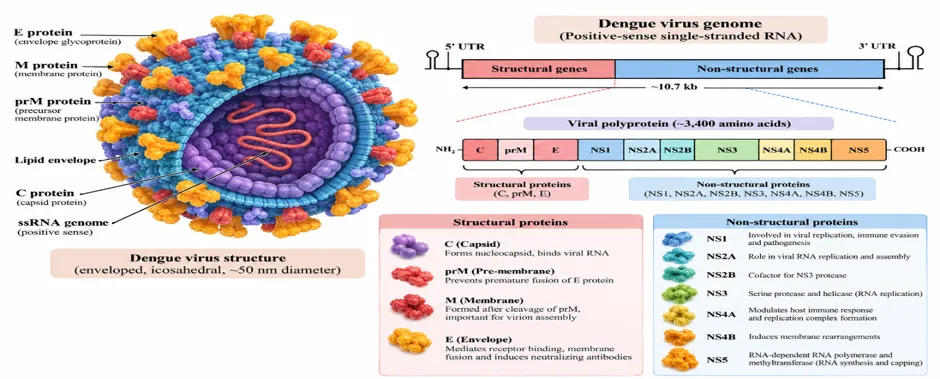
Figure 1. Structural organization and genome of dengue virus.
Table 2. Major dengue virus proteins and their functions
|
Protein |
Type |
Principal function |
|
C |
Structural |
RNA encapsidation and nucleocapsid formation |
|
prM/M |
Structural |
Virion assembly and maturation |
|
E |
Structural |
Host-cell attachment, entry and membrane fusion |
|
NS1 |
Non-structural |
Replication-associated and host-interaction functions |
|
NS2A |
Non-structural |
Viral replication and assembly |
|
NS2B |
Non-structural |
Cofactor for NS3 protease |
|
NS3 |
Non-structural |
Protease and helicase activities |
|
NS4A/NS4B |
Non-structural |
Replication-complex formation and immune modulation |
|
NS5 |
Non-structural |
RNA-dependent RNA polymerase and methyltransferase |
3. Pathophysiology and Pathogenesis of Dengue
Dengue pathogenesis results from a complex interaction between viral replication and host immune responses. Following mosquito-mediated inoculation, DENV infects susceptible cells and disseminates through the host. Viral replication activates innate immune mechanisms involving pattern-recognition receptors and induces production of interferons, cytokines, and chemokines. These responses contribute to viral control but may also promote excessive inflammation.
Secondary infection with a different serotype represents an important risk factor for severe disease. Pre-existing non-neutralizing antibodies may facilitate viral uptake through Fc-receptor-bearing cells, a phenomenon known as antibody-dependent enhancement (ADE). Enhanced viral infection can increase immune activation and contribute to disease severity.
A major pathological feature of severe dengue is endothelial dysfunction with increased vascular permeability. Cytokines, viral components, NS1-associated mechanisms, complement activation, and other inflammatory mediators can disrupt endothelial integrity, resulting in plasma leakage, hemoconcentration, pleural effusion, ascites, and potentially hypovolemic shock. Thrombocytopenia develops through multiple mechanisms, including reduced platelet production, increased destruction, immune-mediated mechanisms, and platelet activation/consumption.
Dysregulated inflammatory signaling, oxidative stress, endothelial injury, coagulation abnormalities, and immune activation collectively contribute to tissue injury. In severe cases, these processes may progress to hepatic, renal, neurological, cardiac, or gastrointestinal dysfunction and ultimately multi-organ failure.
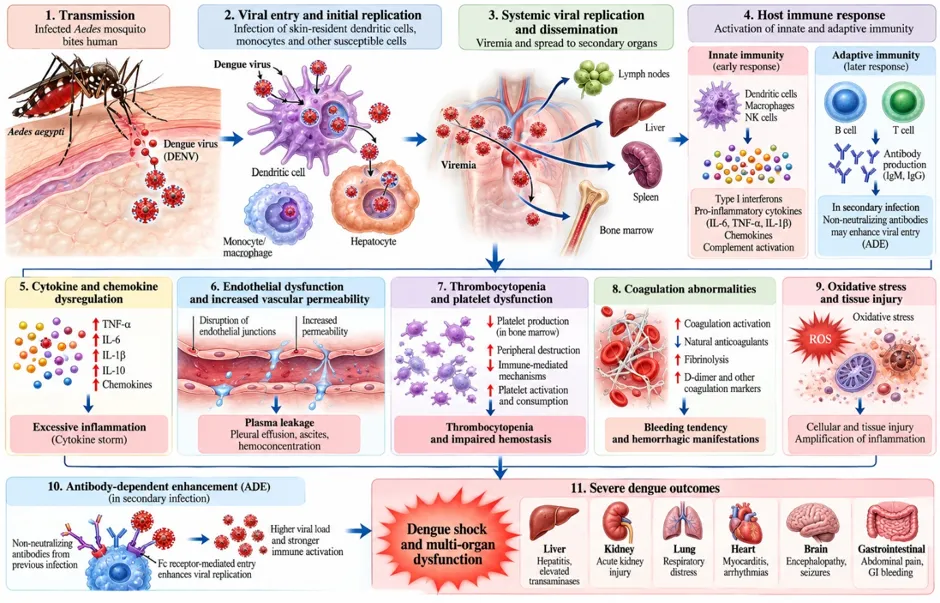
Figure 3. Integrated pathophysiological mechanisms involved in dengue progression
Table 3. Major pathological mechanisms in dengue
|
Pathological mechanism |
Major consequence |
|
Viral replication |
Systemic infection and cellular injury |
|
Innate immune activation |
Cytokine and interferon responses |
|
Immune dysregulation |
Excessive inflammatory response |
|
ADE |
Enhanced infection during certain secondary infections |
|
Endothelial dysfunction |
Increased vascular permeability |
|
Plasma leakage |
Hemoconcentration and hypovolemia |
|
Platelet dysfunction/reduction |
Thrombocytopenia and bleeding tendency |
|
Coagulation abnormalities |
Hemorrhagic manifestations |
|
Oxidative stress |
Cellular and tissue injury |
|
Excessive inflammation |
Organ damage and severe disease |
4. Clinical Manifestations and Disease Progression
The clinical course of dengue typically develops after an incubation period of approximately 4–10 days following infection. The disease progresses through febrile, critical, and recovery phases, although the clinical presentation varies among patients.
The febrile phase is characterized by sudden high-grade fever, headache, retro-orbital pain, myalgia, arthralgia, nausea, vomiting, rash, and variable hematological abnormalities. Most patients recover without major complications; however, a subset progresses to the critical phase, which commonly occurs around the time of defervescence. During this phase, increased vascular permeability may cause plasma leakage, hemoconcentration, hypotension, bleeding, and shock.
The recovery phase begins when vascular permeability normalizes and leaked fluid is gradually reabsorbed. Excessive fluid administration during this phase may contribute to fluid overload. Clinically, dengue can also be classified according to the presence or absence of warning signs and severe disease. Warning signs include abdominal pain or tenderness, persistent vomiting, clinical fluid accumulation, mucosal bleeding, lethargy or restlessness, liver enlargement, and progressive hematological changes.
Severe dengue is characterized by severe plasma leakage leading to shock or respiratory distress, severe bleeding, or severe organ involvement. Hepatic injury, acute kidney injury, neurological manifestations, myocarditis or cardiac dysfunction, and gastrointestinal complications may occur in severe disease.
Table 4. Clinical phases and major manifestations of dengue
|
Phase |
Major clinical features |
Important concerns |
|
Incubation |
Usually asymptomatic |
Viral replication |
|
Febrile |
High fever, headache, myalgia, rash, nausea |
Dehydration and early hematological changes |
|
Critical |
Defervescence, plasma leakage, thrombocytopenia |
Shock, bleeding, organ dysfunction |
|
Recovery |
Reabsorption of extravascular fluid, clinical improvement |
Fluid overload if overhydrated |
|
Severe dengue |
Severe plasma leakage, major bleeding or organ involvement |
Shock, multi-organ dysfunction |
Organ-specific complications
5. Diagnosis and Biomarkers of Dengue
Dengue diagnosis requires integration of clinical findings, disease stage, epidemiological exposure, and laboratory investigations. Because early dengue may resemble other febrile illnesses, laboratory confirmation is important, particularly in regions with high dengue transmission.
5.1 Clinical Diagnosis
Dengue should be suspected in patients presenting with acute febrile illness accompanied by headache, retro-orbital pain, myalgia, arthralgia, nausea, vomiting, rash, or leukopenia, particularly in endemic settings. Warning signs and evidence of plasma leakage should be assessed to identify patients at risk of severe disease.
5.2 Complete Blood Count and Hematological Changes
Complete blood count commonly demonstrates leukopenia and thrombocytopenia. Progressive hematocrit elevation may indicate plasma leakage and is particularly important during the critical phase. Serial hematological monitoring is therefore more informative than a single measurement.
5.3 Platelet Count as a Clinical Parameter
Thrombocytopenia is a characteristic hematological abnormality of dengue and results from impaired platelet production, increased peripheral destruction, immune-mediated mechanisms, and platelet consumption. However, platelet count alone does not reliably predict bleeding severity and should be interpreted with clinical findings and hematocrit changes.
5.4 NS1 Antigen Detection
Non-structural protein 1 (NS1) is detectable during the early phase of infection and can support diagnosis before the development of a significant antibody response. NS1 detection is particularly useful during the first days of illness.
5.5 RT-PCR and Molecular Diagnosis
Reverse transcription polymerase chain reaction (RT-PCR) enables detection of viral RNA and can provide serotype information during the early viremic phase. Molecular methods offer high analytical specificity but require appropriate laboratory infrastructure and technical expertise.
5.6 IgM and IgG Antibody Detection
Anti-DENV IgM generally becomes detectable after the initial days of infection and indicates recent infection, whereas IgG may persist for prolonged periods. The interpretation of IgM/IgG results should consider whether the infection is primary or secondary.
5.7 Rapid Diagnostic Tests
Rapid diagnostic tests combining NS1 antigen and/or antibody detection provide relatively accessible point-of-care testing. Their diagnostic performance varies with assay type, disease stage, serotype, and primary versus secondary infection.
5.8 Biochemical and Inflammatory Biomarkers
Elevated hepatic transaminases, altered renal parameters, and inflammatory mediators may accompany dengue. Biomarkers such as cytokines, chemokines, and endothelial injury markers have been investigated for predicting disease severity, although their routine clinical application remains limited.
5.9 Differential Diagnosis
Dengue may clinically overlap with chikungunya, Zika virus infection, malaria, enteric fever, leptospirosis, influenza, COVID-19, and other acute febrile illnesses. Differential diagnosis is therefore essential, particularly in endemic regions with multiple circulating infections.
5.10 Limitations of Current Diagnostic Approaches
Diagnostic sensitivity varies according to the timing of specimen collection, assay characteristics, serotype, and immune status. No single test provides optimal sensitivity throughout the entire disease course; therefore, stage-appropriate diagnostic testing and clinical correlation are essential.
Table 5. Major diagnostic approaches for dengue
|
Diagnostic method |
Principal target |
Major application |
|
CBC |
Hematological changes |
Monitoring disease progression |
|
NS1 antigen |
Viral NS1 protein |
Early diagnosis |
|
RT-PCR |
Viral RNA |
Early confirmation and serotyping |
|
IgM |
Anti-DENV antibody |
Recent infection |
|
IgG |
Anti-DENV antibody |
Previous/recent exposure and secondary infection |
|
Rapid tests |
NS1/antibodies |
Point-of-care diagnosis |
|
Biochemical markers |
Organ/inflammatory changes |
Assessment of severity |
6. Current Therapeutic Management of Dengue
There is currently no universally established specific antiviral treatment that directly eliminates DENV in routine clinical practice; therefore, management primarily aims to maintain adequate circulation, prevent shock, recognize warning signs early, and manage complications.
6.1 General Principles of Dengue Management
Management depends on disease severity, clinical phase, warning signs, comorbidities, and laboratory findings. Early recognition of the transition from the febrile to critical phase is essential because rapid deterioration may occur around defervescence.
6.2 Supportive and Symptomatic Therapy
Supportive treatment includes adequate oral or intravenous fluid replacement, monitoring of vital signs and urine output, nutritional support, and appropriate antipyretic therapy. Acetaminophen/ paracetamol is generally preferred for fever and pain, whereas aspirin and non-steroidal anti-inflammatory drugs are avoided because of bleeding risk.
6.3 Fluid Management and Prevention of Shock
Careful fluid management is the cornerstone of severe dengue treatment. Isotonic crystalloids are commonly used according to clinical status, hematocrit, urine output, and evidence of plasma leakage. Both inadequate resuscitation and excessive fluid administration can cause serious complications.
6.4 Management of Fever and Pain
Fever and pain are generally managed with paracetamol and physical cooling measures when appropriate. Drugs that increase bleeding risk should be avoided.
6.5 Management of Bleeding and Hemorrhagic Complications
Patients with clinically significant bleeding require assessment of hemodynamic status, hematological parameters, and coagulation abnormalities. Management is directed toward stabilization and treatment of the underlying cause rather than routine prophylactic transfusion.
6.6 Platelet Transfusion: Indications and Limitations
Routine prophylactic platelet transfusion based solely on a low platelet count is generally not recommended. Transfusion decisions should consider clinically significant bleeding, hemodynamic instability, invasive procedures, and the overall clinical condition.
6.7 Management of Severe Dengue
Severe dengue requires close monitoring and timely management of shock, severe bleeding, respiratory compromise, and organ dysfunction. Fluid therapy should be carefully titrated to avoid both persistent hypoperfusion and fluid overload.
6.8 Management of Organ Complications
Hepatic, renal, neurological, and cardiac complications require organ-specific supportive management. Patients with severe manifestations may require intensive-care monitoring.
6.9 Antiviral Drug Development for Dengue
Multiple antiviral strategies have been investigated, including inhibitors targeting viral entry, NS2B/NS3 protease, NS4B, NS5 polymerase, and host–virus interactions. However, achieving broad activity against all serotypes while maintaining adequate safety and clinical efficacy remains challenging.
6.10 Investigational and Emerging Therapeutic Approaches
Current research includes direct-acting antivirals, host-targeted therapies, monoclonal antibodies, immunomodulatory approaches, and repurposed drugs. Most remain under experimental or clinical investigation.
6.11 Limitations of Conventional Dengue Therapy
The major limitation is the predominance of supportive rather than disease-modifying treatment. In addition, rapid disease progression, absence of a broadly effective antiviral, and limited therapeutic options for severe disease highlight the need for novel pharmacological strategies.
Table 6. Current and emerging therapeutic approaches
|
Approach |
Therapeutic objective |
Current status |
|
Fluid therapy |
Prevent/treat hypovolemic shock |
Established |
|
Paracetamol |
Fever and pain control |
Established |
|
Blood products |
Management of significant bleeding |
Selective use |
|
Direct-acting antivirals |
Inhibit viral replication |
Investigational |
|
Host-targeted therapy |
Modulate host factors |
Investigational |
|
Monoclonal antibodies |
Neutralize virus |
Investigational |
|
Immunomodulatory therapy |
Control excessive inflammation |
Investigational |
|
Herbal therapeutics |
Multitarget pharmacological effects |
Requires further validation |
7. Therapeutic Challenges and Unmet Needs in Dengue
Despite improvements in diagnosis and supportive care, important therapeutic gaps remain. The absence of a broadly effective specific antiviral therapy represents the principal unmet need. DENV exists as four antigenically distinct serotypes with substantial genetic diversity, complicating the development of universally effective therapeutics.
Secondary infection with a heterologous serotype can produce complex immune responses, including ADE, which may increase the risk of severe disease. Furthermore, dengue can progress rapidly from an apparently uncomplicated febrile illness to plasma leakage, shock, bleeding, and organ dysfunction.
Thrombocytopenia remains another important clinical challenge, although platelet count alone is not an adequate indicator of bleeding risk. The absence of standardized pharmacological interventions specifically targeting platelet recovery, endothelial dysfunction, and viral replication further limits treatment options.
Safety is also critical because patients may already have hepatic, renal, or hematological abnormalities. Consequently, novel therapeutic candidates require rigorous evaluation of efficacy, toxicity, pharmacokinetics, standardization, and interactions with conventional supportive treatments.
Advanced drug-delivery systems may provide an opportunity to improve the pharmaceutical performance of promising bioactive compounds by enhancing solubility, stability, bioavailability, and formulation reproducibility.
Table 7. Major unmet therapeutic needs in dengue
|
Challenge |
Research requirement |
|
Lack of effective broad-spectrum antiviral |
Development of multitarget antivirals |
|
Serotype diversity |
Broad-spectrum therapeutic strategies |
|
ADE |
Safer immune-modulating approaches |
|
Plasma leakage |
Endothelial-protective strategies |
|
Thrombocytopenia |
Mechanism-based platelet-supportive therapies |
|
Rapid disease progression |
Early disease-modifying interventions |
|
Herbal variability |
Standardized extracts and formulations |
|
Poor bioavailability |
Advanced drug-delivery systems |
|
Limited clinical evidence |
Well-designed randomized trials |
8. Medicinal Plants and Phytoconstituents in Dengue Management
Medicinal plants represent a potential source of structurally diverse bioactive compounds that may act through multiple pharmacological pathways relevant to dengue. Unlike single-target synthetic agents, plant-derived preparations may provide combined antioxidant, anti-inflammatory, immunomodulatory, antiviral, and hematological effects. However, these potential benefits should be distinguished from clinically established efficacy.
Several medicinal plants have been investigated experimentally for dengue-associated effects, including Carica papaya, Azadirachta indica, Andrographis paniculata, Tinospora cordifolia, Ocimum species, and other traditionally used plants. Their reported activities are largely associated with flavonoids, phenolic compounds, terpenoids, alkaloids, polysaccharides, and other secondary metabolites.
8.1–8.2 Rationale and Traditional Use
Traditional medicinal systems have used numerous plants for fever, inflammation, infections, and hematological disorders. Their relevance to dengue has encouraged scientific investigation of extracts and isolated phytoconstituents.
8.3–8.8 Phytochemical and Pharmacological Potential
Phytoconstituents investigated in dengue-related research include flavonoids, phenolic acids, terpenoids, alkaloids, and other antioxidant molecules. Proposed activities include inhibition of viral replication, attenuation of inflammatory signaling, reduction of oxidative stress, immunomodulation, and potential effects on platelet production or survival.
8.9–8.11 Evidence From Experimental and Clinical Studies
In-vitro studies provide evidence for antiviral, antioxidant, or anti-inflammatory activity of selected plant extracts and compounds. Animal studies further investigate pharmacological mechanisms and safety. Clinical studies, particularly involving C. papaya leaf preparations, have reported potential effects on platelet recovery; however, differences in preparation, dose, study design, and outcome measures limit definitive conclusions.
8.12 Limitations of Herbal Approaches
Major limitations include variability in phytochemical composition, lack of extract standardization, inconsistent dosing, uncertain bioavailability, differences in extraction methods, limited pharmacokinetic information, and insufficient high-quality clinical evidence. Therefore, pharmaceutical formulation and standardization are essential for translating promising herbal evidence into reproducible therapeutic products.
Table 8. Potential pharmacological activities of medicinal plants in dengue
|
Pharmacological activity |
Potential relevance to dengue |
|
Antiviral |
Suppression of viral replication or entry |
|
Anti-inflammatory |
Reduction of excessive inflammatory signaling |
|
Antioxidant |
Attenuation of oxidative stress |
|
Immunomodulatory |
Regulation of host immune responses |
|
Platelet-supportive |
Potential improvement in thrombocytopenia |
|
Endothelial protective |
Potential reduction of vascular dysfunction |
|
Multitarget activity |
Simultaneous modulation of multiple disease pathways |
9. Carica papaya L.: Botanical and Phytochemical Profile
Carica papaya L. belongs to the family Caricaceae and is a fast-growing tropical plant cultivated extensively in Asia, Africa, and Central and South America. The plant is characterized by a soft, hollow stem, large palmately lobed leaves, and fruit containing numerous seeds. Leaves are of particular pharmacological interest because they contain a diverse range of secondary metabolites and nutritional constituents.
Traditionally, different parts of C. papaya have been used for digestive disorders, fever, inflammatory conditions, wound management, and other ailments. The leaves have subsequently attracted scientific interest because of their reported antioxidant, anti-inflammatory, immunomodulatory, antimicrobial, and hematological activities.
The phytochemical composition of C. papaya leaves is complex and can vary according to cultivar, geographical origin, maturity, environmental conditions, and extraction method. Major reported constituents include flavonoids, phenolic compounds, alkaloids, carotenoids, vitamins, minerals, enzymes, and other bioactive molecules.
9.1 Botanical Classification
|
Taxonomic rank |
Classification |
|
Kingdom |
Plantae |
|
Family |
Caricaceae |
|
Genus |
Carica |
|
Species |
Carica papaya L. |
9.2–9.4 Morphology, Distribution and Traditional Use
C. papaya is a perennial herbaceous plant widely cultivated in tropical and subtropical climates. Its leaves are large, palmately divided, and arranged near the upper portion of the stem. The plant grows efficiently under warm conditions and is extensively cultivated for its edible fruit. Leaves have traditionally been used in various herbal preparations, particularly for fever, digestive disorders, inflammatory conditions, and hematological complaints.
9.5–9.12 Phytochemical Constituents
The pharmacological potential of C. papaya leaves is associated with multiple classes of phytoconstituents. Flavonoids and phenolic compounds contribute substantially to antioxidant and anti-inflammatory activity, whereas alkaloids and other specialized metabolites may contribute to additional biological effects. Carotenoids, vitamins, minerals, enzymes, and proteins further contribute to the overall biochemical profile.
Table 9. Major phytochemical classes reported in Carica papaya leaves
|
Phytochemical class |
Representative constituents/examples |
Potential pharmacological relevance |
|
Flavonoids |
Quercetin and related flavonoids |
Antioxidant, anti-inflammatory |
|
Phenolics |
Phenolic acids and related compounds |
Antioxidant activity |
|
Alkaloids |
Carpaine and related alkaloids |
Potential pharmacological effects |
|
Carotenoids |
β-Carotene and related pigments |
Antioxidant activity |
|
Vitamins |
Vitamins A, C and other micronutrients |
Antioxidant and nutritional effects |
|
Minerals |
Calcium, potassium, magnesium and others |
Physiological functions |
|
Enzymes/proteins |
Papain-related and other proteins |
Biological and enzymatic activities |
|
Other metabolites |
Terpenoids and other secondary metabolites |
Diverse pharmacological activities |
10. Therapeutic Potential of Carica papaya Leaf in Dengue
The therapeutic interest in C. papaya leaves in dengue is primarily associated with their reported effects on thrombocytopenia, inflammation, oxidative stress, and immune responses. Importantly, the available evidence should be interpreted as promising but not conclusive, and C. papaya should not be considered a replacement for established supportive management.
10.1 Historical and Traditional Use
The use of C. papaya leaf preparations during dengue outbreaks has been reported particularly in South and Southeast Asia. Its popularity has stimulated experimental and clinical investigations into its potential effects on platelet recovery and disease-associated inflammatory responses.
10.2 Effects on Platelet Count
Several clinical and experimental studies have reported increased platelet counts following administration of C. papaya leaf preparations. Proposed explanations include enhanced platelet production, reduced platelet destruction, and modulation of hematopoietic pathways. However, differences in extract preparation, dosage, patient population, and study design limit direct comparison among studies.
10.3 Platelet Production and Megakaryopoiesis
Experimental evidence suggests that constituents of C. papaya may influence pathways associated with megakaryocyte maturation and platelet production. This potential effect is particularly relevant because thrombocytopenia is a prominent hematological abnormality in dengue.
10.4 Antiviral Potential
Certain phytoconstituents of C. papaya have demonstrated antiviral activity in experimental systems. Possible mechanisms include interference with viral entry, replication, or virus–host interactions. However, direct anti-DENV activity and its clinical relevance require further validation.
10.5 Anti-Inflammatory Activity
Flavonoids, phenolic compounds, and other constituents may attenuate inflammatory signaling by modulating mediators associated with excessive immune activation. Such activity could theoretically reduce inflammation-associated tissue injury.
10.6 Antioxidant Activity
Oxidative stress contributes to cellular injury during systemic viral infection. The antioxidant constituents of C. papaya may scavenge reactive oxygen species and enhance endogenous antioxidant defense mechanisms.
10.7 Immunomodulatory Effects
C. papaya leaf constituents may influence innate and adaptive immune responses. However, the precise immunological effects in dengue remain incompletely characterized and require mechanistic investigation.
10.8 Potential Protection Against Vascular Dysfunction
Because endothelial dysfunction and increased vascular permeability contribute to severe dengue, the antioxidant and anti-inflammatory properties of C. papaya may have potential endothelial-protective relevance. Direct evidence for prevention of dengue-associated plasma leakage, however, remains limited.
10.9 Potential Effects on Dengue-Associated Complications
Through combined hematological, antioxidant, anti-inflammatory, and immunomodulatory activities, C. papaya may have potential to influence selected manifestations associated with dengue. Nevertheless, evidence for reduction in severe complications, hospitalization, or mortality remains insufficient for definitive therapeutic conclusions.
10.10 Proposed Molecular Mechanisms
The overall therapeutic hypothesis involves simultaneous modulation of platelet-associated pathways, inflammatory signaling, oxidative stress, immune responses, and potentially viral replication.
Table 10. Potential therapeutic actions of Carica papaya leaf in dengue
|
Activity |
Proposed relevance |
|
Platelet-supportive |
Potential enhancement of platelet recovery |
|
Anti-inflammatory |
Modulation of excessive inflammatory responses |
|
Antioxidant |
Reduction of oxidative stress |
|
Immunomodulatory |
Regulation of host immune responses |
|
Antiviral |
Potential interference with viral processes |
|
Endothelial-protective |
Potential reduction of vascular injury |
|
Multitarget action |
Simultaneous modulation of disease-associated pathways |
11. Evidence-Based Evaluation of Carica papaya in Dengue
The evidence supporting C. papaya in dengue comprises in-vitro, animal, preclinical, and clinical investigations, with platelet recovery being the most frequently investigated outcome. Experimental studies provide a biological rationale for its use, whereas clinical studies have produced encouraging but heterogeneous results.
11.1–11.3 In-Vitro, In-Vivo and Preclinical Evidence
In-vitro investigations have explored antioxidant, anti-inflammatory, antiviral, and cellular effects of C. papaya extracts and constituents. Animal studies have additionally investigated hematological responses, platelet-related effects, and potential mechanisms. Collectively, these findings provide pharmacological support but cannot independently establish clinical efficacy.
11.4–11.5 Clinical Studies and Randomized Trials
Clinical investigations have reported potential increases in platelet counts and improvements in selected hematological parameters following C. papaya leaf administration. Some randomized studies have reported favorable platelet-related outcomes; however, differences in extract standardization, preparation, dosage, treatment duration, sample size, and concomitant supportive therapy complicate interpretation.
11.6 Systematic Reviews and Meta-Analyses
Systematic reviews and meta-analyses generally suggest a possible platelet-enhancing effect, but heterogeneity and methodological limitations reduce confidence in the evidence. Importantly, improvement in platelet count does not necessarily establish reduction in severe dengue, mortality, or other clinically meaningful outcomes.
11.7 Safety and Toxicological Evidence
Available studies generally suggest acceptable short-term tolerability of investigated preparations, but safety depends on dose, extraction method, preparation quality, and patient characteristics. Comprehensive toxicological and long-term safety data remain limited.
11.8 Dose and Administration Considerations
No universally standardized therapeutic dose of C. papaya leaf extract has been established for dengue. Variability in extract concentration and phytochemical composition makes direct dose comparison difficult.
11.9 Limitations of Existing Clinical Evidence
Major limitations include small sample sizes, heterogeneous preparations, inadequate standardization, variable endpoints, differences in disease severity, and limited pharmacokinetic information.
11.10 Research Gaps
Future studies should prioritize chemically standardized extracts, validated biomarkers, dose optimization, pharmacokinetic characterization, mechanistic studies, and adequately powered randomized controlled trials.
12. Mechanistic Basis of Carica papaya Activity in Dengue
The potential activity of C. papaya in dengue is likely multifactorial rather than dependent on a single pharmacological target. Its phytochemical constituents may interact with pathways involved in thrombopoiesis, inflammation, oxidative stress, immune regulation, endothelial integrity, and viral–host interactions.
12.1 Modulation of Platelet Production
One of the principal proposed mechanisms is enhancement of platelet production through modulation of megakaryopoietic pathways. This mechanism may contribute to the platelet recovery observed in some experimental and clinical studies.
12.2–12.3 Regulation of Inflammatory Mediators and Cytokines
Flavonoids and phenolic compounds may modulate inflammatory signaling pathways and cytokine production. Regulation of mediators such as TNF-α, IL-6, and other inflammatory molecules could potentially reduce excessive systemic inflammation.
12.4 Antioxidant Mechanisms
Polyphenolic constituents can neutralize reactive oxygen species and may support endogenous antioxidant systems. Reduction of oxidative stress may limit cellular injury and inflammatory amplification.
12.5 Modulation of Viral Replication
Selected phytoconstituents may interact with viral proteins or host factors involved in DENV entry and replication. Computational and experimental studies have suggested possible interactions with viral targets, although these mechanisms require experimental confirmation.
12.6 Endothelial Protection
By reducing oxidative and inflammatory stress, C. papaya constituents may theoretically help preserve endothelial integrity. This mechanism is particularly relevant to the vascular permeability characteristic of severe dengue.
12.7 Immunomodulatory Mechanisms
The extract may modulate immune-cell activity and inflammatory signaling, potentially contributing to a more balanced host response. The precise direction and magnitude of these effects in dengue remain to be established.
12.8 Potential Molecular Targets and Signaling Pathways
Potentially relevant pathways include NF-κB-associated inflammatory signaling, oxidative-stress pathways, cytokine signaling, platelet/megakaryocyte regulatory pathways, and viral replication-associated targets. These mechanisms should be validated experimentally rather than inferred solely from computational studies.
12.9 Integrated Mechanistic Model
Overall, the proposed mechanism can be conceptualized as a coordinated interaction among platelet-supportive, antioxidant, anti-inflammatory, immunomodulatory, endothelial-protective, and potential antiviral effects.
13. Limitations of Conventional Carica papaya Preparations
Table 13. Major limitations of conventional Carica papaya preparations
|
Limitation |
Pharmaceutical consequence |
|
Plant-material variability |
Variation in phytochemical profile |
|
Phytochemical variability |
Inconsistent biological activity |
|
Extraction-dependent composition |
Variable extract quality |
|
Poor standardization |
Difficult dose comparison |
|
Poor solubility |
Limited dissolution and absorption |
|
Chemical instability |
Loss of active constituents |
|
Dose variability |
Reduced reproducibility |
|
Low/variable bioavailability |
Reduced therapeutic exposure |
|
Batch-to-batch variation |
Inconsistent product performance |
|
Lack of optimized dosage form |
Limited clinical translation |
14. Advanced Drug Delivery Systems for Herbal Therapeutics
Table 14. Comparison of advanced drug-delivery systems
|
Delivery system |
Major advantage |
Important limitation |
|
Liposomes |
Versatile drug incorporation |
Physical/chemical instability |
|
Niosomes |
Good vesicular stability |
Surfactant-related limitations |
|
Phytosomes |
Improved phytoconstituent absorption |
Limited applicability to all constituents |
|
Nanoemulsions |
Enhanced solubilization and dispersion |
Physical stability considerations |
|
Microemulsions |
Thermodynamic stability and high solubilization |
High surfactant requirement |
|
SLNs |
Protection and controlled release |
Drug-loading limitations |
|
NLCs |
Higher loading capacity than SLNs |
Formulation complexity |
|
Polymeric nanoparticles |
Controlled release and targeting potential |
Polymer-related considerations |
|
Transferosomes |
Enhanced membrane transport |
Vesicle stability challenges |
15. Microemulsion-Based Drug Delivery for Herbal Extracts
Microemulsions are thermodynamically stable, isotropic, optically transparent or translucent dispersions consisting of oil, water, surfactant, and usually a co-surfactant. They generally possess nanoscale dispersed domains and can improve the incorporation and solubilization of compounds with limited aqueous solubility.
15.1 Definition and Basic Principles
Microemulsion formation occurs when appropriate proportions of oil, aqueous phase, surfactant, and co-surfactant reduce interfacial tension and facilitate spontaneous formation of a stable dispersed system.
15.2–15.6 Components of Microemulsion
The oil phase provides a lipophilic environment for poorly water-soluble constituents. Surfactants reduce interfacial tension and stabilize the oil–water interface, whereas co-surfactants improve interfacial flexibility and facilitate microemulsion formation. Water constitutes the aqueous phase and influences the final microstructure and physicochemical characteristics.
15.7 Mechanism of Microemulsion Formation
The surfactant and co-surfactant accumulate at the oil–water interface, reducing interfacial free energy and promoting formation of small dispersed domains. The resulting system depends strongly on the composition and ratio of the formulation components.
15.8 Pseudoternary Phase Diagrams
Pseudoternary phase diagrams are commonly employed to identify the microemulsion region and optimize the relative proportions of oil, Smix, and aqueous phase. Different surfactant-to-co-surfactant ratios can produce different phase boundaries and formulation domains.
15.9 Thermodynamic Stability
Unlike kinetically stable emulsions, microemulsions are thermodynamically stable systems under appropriate compositional conditions. Their stability is associated with favorable interfacial characteristics and low interfacial free energy.
15.10 Solubilization and Bioavailability Enhancement
Microemulsions can improve the apparent solubility and dispersion of poorly water-soluble phytoconstituents. The large interfacial area generated by small droplets may facilitate dissolution and potentially improve absorption.
15.11 Advantages
Major advantages include high solubilization capacity, improved dispersion, thermodynamic stability, ease of preparation, nanoscale droplets, and potential enhancement of bioavailability.
15.12 Limitations
Important limitations include the relatively high concentration of surfactants/co-surfactants that may be required, potential irritation or toxicity depending on the excipients and route of administration, limited drug-loading capacity for some compounds, and the need for careful optimization of formulation composition.
16. Potential of Carica papaya Leaf-Loaded Microemulsion for Dengue Management
The formulation of C. papaya leaf extract as a microemulsion represents a rational pharmaceutical strategy to address some limitations associated with conventional herbal preparations. The primary objective is not to alter the inherent pharmacological activity of the extract but to improve its physicochemical and biopharmaceutical performance.
16.1 Rationale for Microemulsion-Based Delivery
A microemulsion may provide a suitable environment for incorporating phytoconstituents with different polarity and solubility characteristics. Improved dispersion and solubilization may enhance formulation uniformity and potentially improve bioavailability.
16.2 Selection of Pharmaceutical Excipients
Selection of the oil, surfactant, co-surfactant, and aqueous phase should be based on extract solubilization capacity, formulation compatibility, safety, microemulsion-region size, stability, and intended route of administration.
16.3 Enhancement of Extract Solubilization
Incorporation into the internal phase or interfacial region can improve the apparent solubility and dispersion of poorly water-soluble phytoconstituents, potentially providing more uniform delivery.
16.4 Improvement in Physical Stability
An appropriately optimized microemulsion can minimize problems associated with sedimentation, phase separation, and poor dispersion. However, stability must be experimentally established under defined storage conditions.
16.5 Potential Enhancement of Bioavailability
The nanoscale dispersed domains and large interfacial area may facilitate dissolution and interaction with biological membranes, potentially improving absorption of selected phytoconstituents.
16.6 Protection of Bioactive Phytoconstituents
The formulation environment may provide some protection against degradation of susceptible constituents caused by environmental or physicochemical factors. The degree of protection depends on the individual phytoconstituent and formulation composition.
16.7 Potential Improvement in Therapeutic Consistency
A standardized extract incorporated into a reproducible formulation may reduce some variability associated with conventional administration. However, formulation standardization does not eliminate the inherent variability of the botanical starting material.
16.8 Important Formulation and Characterization Parameters
Evaluation should include droplet size, polydispersity index (PDI), zeta potential, pH, viscosity, conductivity, refractive index, extract/drug content, physical appearance, phase behavior, and stability. Together, these parameters provide information about formulation quality, dispersion characteristics, physical stability, and reproducibility.
16.9 Translational Potential and Challenges
A C. papaya leaf extract-loaded microemulsion could potentially provide a more standardized and pharmaceutically acceptable delivery platform than conventional extract preparations. However, translation requires extract standardization, identification/quantification of marker compounds, formulation reproducibility, comprehensive stability testing, pharmacokinetic studies, toxicity evaluation, and appropriately designed clinical studies.
17. Comparative Evaluation of Conventional and Advanced Carica papaya Delivery
Conventional C. papaya leaf preparations provide a simple means of administering plant-derived bioactive constituents but are associated with variability in solubility, stability, dose uniformity, and bioavailability. Advanced delivery systems can potentially overcome several of these limitations through controlled formulation design, improved solubilization, protection of labile constituents, and enhanced physicochemical consistency. However, these advantages remain formulation-dependent and require experimental and clinical validation.
Table 17. Comparison of conventional and advanced Carica papaya delivery systems
|
Parameter |
Conventional Extract |
Advanced Delivery System |
|
Solubility |
Variable |
Potentially improved |
|
Stability |
Limited |
Improved potential |
|
Dose uniformity |
Challenging |
Better control |
|
Bioavailability |
Variable |
Potential enhancement |
|
Phytoconstituent protection |
Limited |
Better protection |
|
Formulation reproducibility |
Variable |
Higher potential |
|
Pharmaceutical acceptability |
Limited |
Improved |
|
Physicochemical characterization |
Relatively limited |
Comprehensive |
|
Quality control |
Extract-dependent |
Formulation- and extract-dependent |
18. Regulatory, Safety and Translational Considerations
The development of C. papaya-based pharmaceutical products requires careful consideration of safety, standardization, quality control, and regulatory compliance. Although several studies have reported favorable short-term tolerability, the safety profile of a botanical preparation depends on plant source, extraction method, phytochemical composition, dose, duration, and patient characteristics.
18.1–18.3 Safety, Toxicology and Herb–Drug Interactions
Comprehensive toxicological evaluation is required before clinical translation. Potential herb–drug interactions should also be considered because dengue patients may receive multiple supportive medications and may have hepatic, renal, or hematological abnormalities.
18.4–18.6 Standardization, Quality Control and Reproducibility
Standardization should include authentication of plant material, controlled extraction, physicochemical characterization, identification or quantification of suitable marker compounds, and assessment of contaminants. Batch-to-batch consistency is essential for reproducible pharmacological activity.
18.7–18.8 Regulatory and Translational Challenges
Herbal formulations must satisfy appropriate quality, safety, efficacy, and manufacturing requirements. Translation from experimental studies to clinical application requires reproducible formulations, validated analytical methods, pharmacokinetic and toxicological data, and well-designed clinical trials.
19. Current Research Gaps
Table 18. Major research gaps and required research directions
|
Research gap |
Required direction |
|
Phytochemical variability |
Standardized chemical fingerprinting |
|
Unclear active constituents |
Marker-compound identification |
|
Limited mechanistic evidence |
Molecular and cellular studies |
|
Limited pharmacokinetic data |
ADME and bioavailability studies |
|
Dose uncertainty |
Dose-response investigations |
|
Limited toxicity data |
Acute, subacute and chronic evaluation |
|
Clinical heterogeneity |
Well-designed randomized trials |
|
Limited delivery-system studies |
Formulation and characterization studies |
|
Poor reproducibility |
Standardized manufacturing and QC |
|
Translational uncertainty |
Integrated preclinical–clinical development |
20. Future Perspectives
Future research should focus on transforming C. papaya from a traditionally used botanical preparation into a standardized, scientifically characterized and pharmaceutically reproducible therapeutic candidate. Advanced analytical techniques such as chromatographic and spectrometric fingerprinting can help establish chemical consistency and identify pharmacologically relevant markers.
Mechanistic investigations should integrate phytochemical profiling with molecular biology, cellular assays, computational approaches, and validated disease models. Pharmacokinetic and biodistribution studies are particularly important for determining whether potentially active constituents achieve therapeutically relevant exposure.
Advanced delivery platforms, including microemulsions, nanoemulsions, lipid nanoparticles, phytosomes, and other nanocarriers, may improve the pharmaceutical performance of standardized extracts. Among these, microemulsion-based delivery warrants further investigation for improving solubilization, dispersion, stability, and potentially bioavailability.
Ultimately, translation will require appropriately designed preclinical studies followed by adequately powered randomized clinical trials evaluating clinically meaningful outcomes rather than platelet count alone.
CONCLUSION
Dengue remains a significant global health challenge, with severe disease associated with plasma leakage, thrombocytopenia, inflammation, vascular dysfunction, and organ involvement. Current management is predominantly supportive, highlighting the need for safe and effective disease-modifying therapeutic approaches.
Carica papaya L. leaf has emerged as a promising botanical candidate because of its reported platelet-supportive, antioxidant, anti-inflammatory, immunomodulatory, and potential antiviral activities. However, variability in plant material, phytochemical composition, extraction procedures, dose, bioavailability, and clinical evidence limits definitive therapeutic translation.
Advanced drug-delivery systems offer a rational strategy for addressing several pharmaceutical limitations of conventional herbal preparations. In particular, microemulsion-based delivery may improve solubilization, dispersion, physicochemical stability, and formulation consistency of C. papaya leaf extract. Nevertheless, these potential advantages require systematic validation through standardized formulation studies, pharmacokinetic and toxicological investigations, and well-designed clinical trials.
REFERENCES

Prakarsh Giri, Dhananjay Rai, Dengue Fever Management: Pathophysiology, Therapeutic Challenges, Potential of Carica Papaya Leaf, and Advanced Drug Delivery Systems, Int. J. of Pharm. Sci., 2026, Vol 4, Issue 10, 3284-3304. https://doi.org/10.5281/zenodo.23572759
 10.5281/zenodo.23572759