

We use cookies to ensure our website works properly and to personalise your experience. Cookies policy
Department of Pharmaceutics , Indira gandhi institute of pharmaceutical sciences , Perumbavoor , Ernakulam , Kerala , 683549.
The present study aims to formulate and evaluate a herbal hair gel using Ficus benghalensis (Banyan aerial root) and Hibiscus rosa-sinensis (Hibiscus flower) extracts. Herbal ingredients are increasingly used in cosmetic preparations due to their natural origin and potential therapeutic properties. The selected plants contain various phytoconstituents such as flavonoids, tannins, phenolic compounds, saponins and glycosides, which are associated with antioxidant, antimicrobial and antifungal activities. The banyan aerial root extract was prepared using ethanol, while the hibiscus flower extract was prepared using methanol. Phytochemical screening was carried out to identify the bioactive constituents. Three different herbal hair gel formulations (F1, F2 and F3) were prepared using Carbopol 940 in varying concentrations along with polyethylene glycol, glycerine, methyl paraben and triethanolamine. The prepared formulations were evaluated for physical appearance, homogeneity, pH, spreadability, washability, and antifungal activity. The formulations showed satisfactory physical characteristics, with pH values ranging from 6.23 to 6.47. F1 exhibited the highest spreadability of 8.33 cm/sec, followed by F2 (7.5 cm/sec) and F3 (6.66 cm/sec). Antifungal evaluation against Candida albicans showed a zone of inhibition of 30 mm for the prepared gel. The study indicates that the combination of Ficus benghalensis and Hibiscus rosa-sinensis extracts has potential for developing herbal hair gel with promising antifungal activity. Further studies are recommended to establish its long-term stability and clinical effectiveness.
The term “cosmetic” means any article intended to be applied to the human body by means of rubbing, sprinkling, or by similar application for cleaning, beautifying, promoting attractiveness, altering the appearance of the human body, and for maintaining the health of the skin and hair; provided that the cosmetic has a mild effect on the human body. [1]
CLASSIFICATION
Classification of cosmetics based on their usage.
For Skin
| Usage | Main Products |
|---|---|
| Cleansers | Face Cleansing Creams, Foams |
| Conditioners | Lotions, Packs, Massage Creams |
| Protectors | Milky Lotions, Moisture Creams |
| Usage | Main Products |
|---|---|
| Base makeups | Foundations, Face Powders |
| Point Makeups | Lipstick, Blushers, Eye Shadow, Eye Liners |
| Nail Care | Nail Enamels, Nail Polish Removers |
| Usage | Main Products |
|---|---|
| Bath | Soaps, Liquid Cleansers |
| Suncares and Suntans | Sunscreen Creams, Sun Oils |
| Antiperspirants and Deodorants |
Deodorant Sprays |
| Bleaching, Depilatory | Bleaching Creams, Depilatory Creams |
| Insect Repellents | Insect Repellent Lotions and Sprays |
For Hair and Scalp
| Usage | Main Products |
|---|---|
| Cleansing | Shampoos |
| Treatments | Rinses, Hair Treatments |
| Hair Styling | Hair Mousses, Hair Liquids |
| Permanent Waves | Permanent Wave Lotions (Agent No.l, No.2) |
| Hair Colors and Bleaches | Hair Colors, Hair Bleaches, Color Rinses |
| Usage | Main Products |
|---|---|
| Hair Growth Promoters | Hair Growth Promoters, Hair Tonics |
| Treatments | Scalp Treatments |
For Oral
| Usage | Main Products |
|---|---|
| Toothpastes | Toothpastes |
| Mouthwashes | Mouthwashes |
Fragrances
Table 01: Classification of Cosmetics
| Usage | Main Products |
|---|---|
| Fragrances | Perfumes, Eau de Colognes [2] |
HAIR
Hair is a derivative of the skin. On the outside, it takes the form of slender, elastic tubes composed of dead, fully keratinized epithelial cells, but below the skin's surface, it consists of living hair follicles, cylindrical epithelial structures that extend to the dermis and the layer of fat under the skin. [3]
The hair shaft contains:
1) The medulla:mid-dermal area of wool consists of the pith or parenchyma of the hair, being made up of dispersed cells.it is in the center of the shaft while the cortex is the part that makes the most distance.
2) The cortex:It is the second area of the hair. The cortex is the outer covering and makes up to about 50-60% of the composition of hair like there are rods of the microfibrils together with the other components of the hair shaft.
3) The cuticle:outermost portion of the hair shaft. layer which encloses the whole hair shaft and is made of flat cells overlapping each other. Each cuticle cell can be around 0.3 to 0.5 micrometer in thickness and can be 50 micrometers long. The role of the cuticle is great in the protection of the cortex from any impact and also in the keeping the hair in clean and combed condition. [32]
One of the important structures of hair is the follicle. Historical structures in terms of their placement on the hair follicle are:
1. the outer root sheath (ORS): which is believed to be a place of stem cells which can differentiate into keratinocytes and melanocytes. ORS has a bulge other than the insertion of the arrector pili muscle and duct of the sebaceous gland. Beneath the ORS, on the dermal side, lies a wavy arrangement of two spin simultaneously oriented layers of collagen fibers which is called a glassy layer which is termed as dermal sheet of the collagen fiber.
2. The inner root sheath (IRS): made up of three layers by, Henle’s layer, Huxley’s layer and the cuticle layer may which connects the cuticle of the hair shaft and therefore connects the hair shaft with the follicle. The IRS cells produce substances such as keratins and trichohyalin which act intracellularly to bind the parts of the IRS together and allows them to support the hair shaft and bring it upwards. The IRS forms a barrier between the hair shaft and the ORS. The bulb is the part of the follicle that the hair production occurs actively. [4]
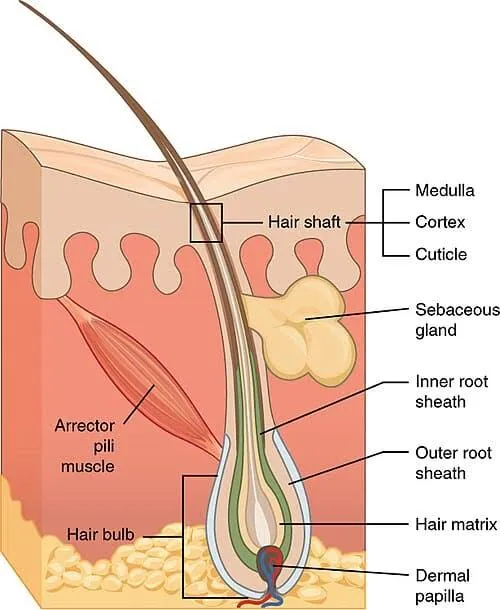
Figure 01: Structure of Hair
Hair Growth Cycle
There are three distinct phases of hair development
i. anagen or growth phase
ii. catagen or transitional phase
iii. telogen or resting phase.
In the anagen phase, the hair follicle actively grows and becomes larger and takes on the characteristic onion shape along with the formation of the hair fiber. The anagen phase contains six stages (I-VI). In anagen stages I-V, the hair progenitor cells divide, surround the growing dermal papilla, become deep into the skin and begin differentiation into the hair shaft and internal root sheath. This is followed by the formation of the hair shaft at stage VI when the process of restoration of hair-producing unit occurs by creating the epithelial hair bulb of the dermal papilla deep in the subcutaneous layer, where from the hair fiber appears at the surface of the skin. The process can take years in the hair follicle to complete.
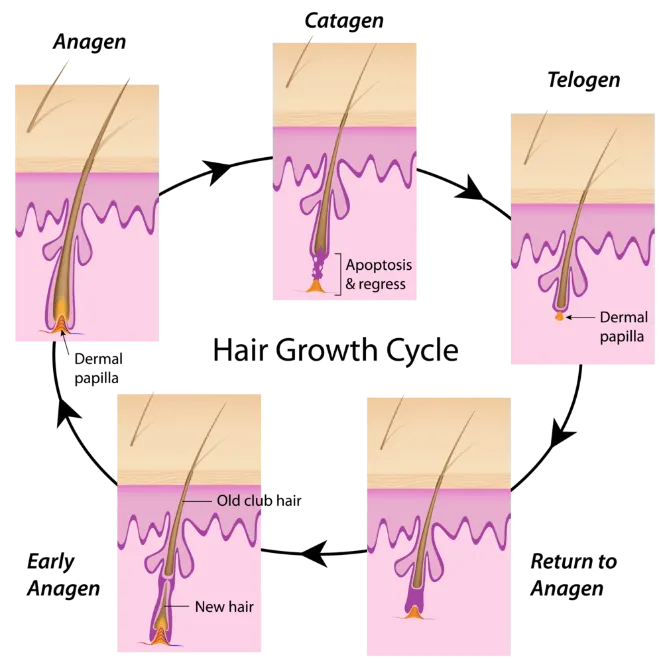
Figure 02: Hair Growth Cycle
The catagen phase begins with the finalization of the hair growth phase known as anagen. The catagen phase is characterized by considerable reductions in the activity of hair matrix keratinocytes and melanocytes leading to the completion of the process of hair shaft creation. At the same time, the hair follicle is subjected to degeneration that causes its size to shrink as the normal hair diameter reduces by approximately one-sixth. The process of catagen formation results in the formation of a special structure known as the club hair. A special keratin structure located at the base of the club hair becomes surrounded by epithelial cells of ORS and fixes the hair in the follicle telogen period. The dermal papilla turns into the group of resting cells situated near the contracted hair follicle epithelium and moves from the subcutis area to the border between dermis and subcutis so that it could retain the contact with the end part of the hair follicle. The stage lasts for few weeks.After the catagen phase, the telogen phase starts. From this time on the hair is in a quiescent state, which can last for several weeks (in the case of eyelashes) or as long as eight months (in the case of scalp hair). For the hair, however, there won't be any paintings during this stage. Moreover, the dermal papillae remain in the preceding state. A hair that is in the telogen phase does not show pigmentation, and the internal root sheath is absent. The dermal papillae of a hair in the telogen phase are tightly associated with a small cap of keratinocytes of the secondary hair germ along with the presence of hair follicle stem cells. About 10 to 15% of the hair currently is in the telogen phase. After this phase is over, the hair starts to shed (exogen phase). The hair follicle will return to the growth phase after some weeks with assistance from the stem cells of the bulge region. [5]
CONCEPT OF HAIR GEL
Gel is a semi-rigid, translucent, homogeneous mixtures of a liquid medium with cross-linked polymer molecules form via physical and chemical means depending on user choice of gelling agents. The term "gel" stems from the Latin word gelatinus meaning ‘like gelatin’. Thus, both the terms gel and jelly were defined in Latin. The origin of both words illustrates that all liquids are in fact solid states having the ability of proper type of deformation such that they maintain certain proportions of both liquids and solids. [6]
Structure of gel:
The gel's hardness results from a network of connected granular gelling agents. The coupling between the oil and other ingredients in the product (or something else) determines what type of structure the gel will exhibit, as well as what product will have a certain type of gel structure.
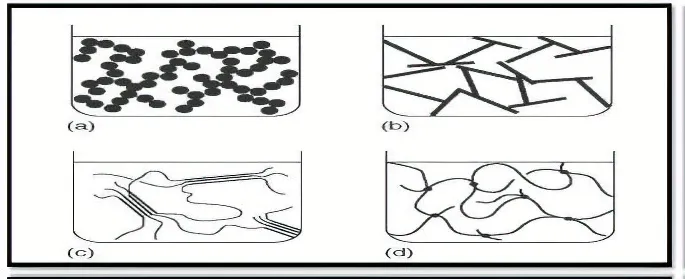
Figure 03: Structure of Gel
Some products contain only one hydrocolloid, which may consist of clusters (spherical or equidistant) either containing small or single macromolecules. These products are prepared in gel waxes.[7]
Ideal properties of gel:
Advantages:
Disadvantages:
LITERATURE REVIEW
AIM:
To formulate and evaluate hair gel using Ficus benghalensis (root) and Hibiscus rosa-sinensis (flower) extracts and to carry out the evaluation and comparison study of three different formulation (F1, F2, F3) with varying composition of gelling agent.
OBJECTIVES:
PLANT PROFILE
HIBISCUS FLOWERS [10]
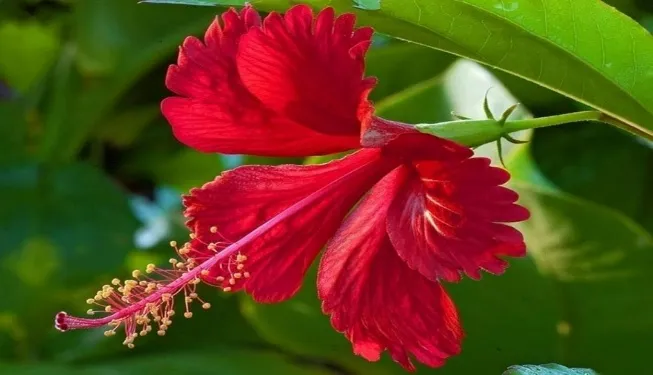
Figure 04: Hibiscus Flowers
Table 02: Plant Profile of Hibiscus
| Common Name | China rose, Jasum, Jaba |
|---|---|
| Scientific Name | Hibiscus rosa-sinensis L. |
| Family | Malvaceae |
| Division | Magnoliophyta |
| Class | Magnoliopsida |
| Order | Malvales |
Distribution:The plant can be found growing in its natural environment in tropical and subtropical regions of the world. Hibiscus rosa sinensis is of Tropical Asian origin. Indigenous to the southeast part of Asia (China), this type of hibiscus is commonly used as an ornamental plant in various parts of the world and as a houseplant. The majority of the varieties that are grown as decorative plants are hybrids. [11]
Morphology:Macroscopic viewpoint: Red flowers, unique smell, mucilaginous taste. Microscopic viewpoint: Presence of multi-cellular hairs, angular epidermis, and calcium oxalate crystals.Powder characteristics: Reddish color, apparent mucilage, and fiber structures. [12]
Chemical Constituents:It has been said that it has Tannins, Flavonoids, Steroids, Alkaloids, Saponins, Total Phenol, and Total Flavonoids. It is also reported to have plenty of Anthocyanins and flavonoids; cyanidin-3,5-diglucoside, cyanidin-3-sophoroside-5-glucoside, quercetin-3,7-diglucoside and quercetin-3-diglucoside. [13]
Uses
a. In pharmaceutical uses:
1. Hair growth stimulant: Hibiscus extracts stimulate hair follicle growth and decrease hair loss.
2. Healing agent: Helps speed the formation of epithelial cells and collagen.
3. Protection against ulcers: Protects stomach lining by means of flavonoids and antioxidants.
4. Protecting the heart: Helps decrease cholesterol levels and improves heart activity.
5. Antimicrobial effect: Effective against both Gram-positive and Gram-negative bacteria.
6. Antioxidant and anti-inflammatory properties: The plant extracts have lots of polyphenols and anthocyanin, which help to fight free radicals.
7. Blood pressure regulator: Hibiscus has been used as a natural means to lower blood pressure.
8. Lipids lowering: Some studies showed that hibiscus helps to decrease cholesterol and triglycerides, thus improving the cardiovascular health.
9. Antimicrobial action: The flower extracts have antibacterial and antifungal properties, which are helpful in medicines containing hibiscus.
b. In Cosmetics and Cosmeceutical uses:
1. For making face packs
2. For preparing anti-aging gels
3. Mucilage and antioxidants, it improves skin texture and strengthens hair
4. In hair care products, hibiscus extracts are included in the formula of shampoos/ hair oils/ conditioners to stimulate hair growth and minimize hair loss
5. For skin care, hibiscus has high alpha hydroxy acids and antioxidant content which helps exfoliate the skin; it makes skin brighter and reduce the signs of aging
6. For making natural dyes because the red color can be obtained from hibiscus flowers. [14], [15]
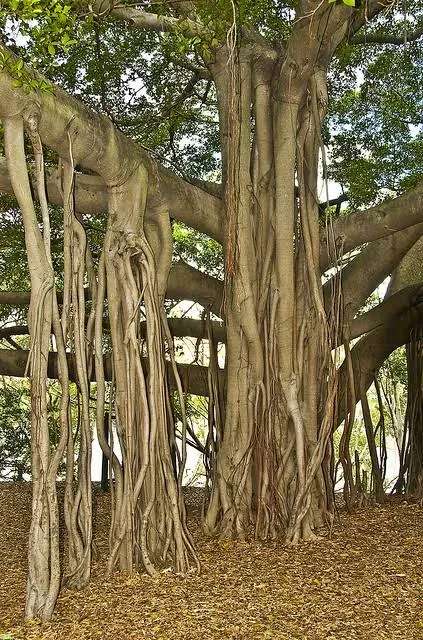
Figure 05: Banyan Aerial Root
BANYAN AERIAL ROOT [16]
Table 03: Plant Profile of Banyan Tree
| Common Name | Banyan tree |
|---|---|
| Scientific Name | Ficus bengalensis |
| Family | Moraceae |
| Division | Magnoliophyta |
| Class | Magnoliopsida |
| Order | Urticales |
Distribution: Ficus benghalensis is endemic to India in the wild where it thrives at elevations ranging from sea level to 610 meters and mainly in arid habitats.
It has a wide distribution across Asia in the Indian subcontinent through Myanmar, Thailand, Southeast Asia, southern China, and Malaysia. [17]
Morphology: The banyan tree is a towering and enduring evergreen tree measuring between 20 to 25 m in height. The tree possesses a broad struggle of branches that stretches horizontally across the sky and goes as far as about 100 m wide. The banyan tree originates as an epiphytic plant. Birds transport banyan tree seeds and deposit them at branch leaf forks where they later sprout as flowers. Consequently, this gives rise to aerial roots believed to take life away from the host tree, thus earning its title “strangler fig.” The trunk is exceptionally very big and ribbed. The tree bark appears smooth but very soft when young. Each leaf measures anything between 8 cm to 25 cm long and about 6-20 cm wide. The tree’s lamina has a leathery texture, very tough and bears a horse shape. The upper lamina surface is smooth while under it has some hair. The banyan tree produces sexual flowers of both genders separately. The banyan tree also has hollow flowers that are found in a pear-shaped structure. [18]
Chemical Constituents: Ficus benghalensis is composed of various important phytoconstituents responsible for the healing and pharmacological properties of the plant. The chemicals formed in the aerial roots include flavonoids, tannins, phenolic compounds, glycosides, saponins, steroids, carbohydrates, and proteins. [19]
Uses
PLAN OF WORK
Phase 1: Selection and authentication of banyan aerial root and hibiscus flower.
Phase 2:
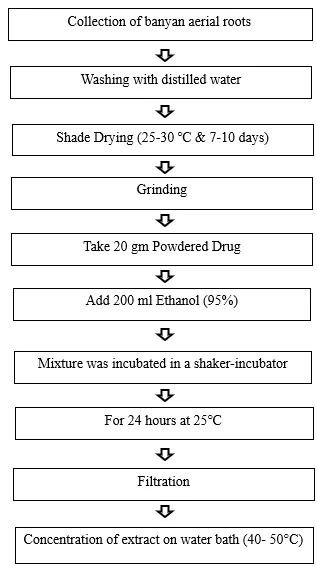
Extraction: Extraction of banyan aerial root: [22]
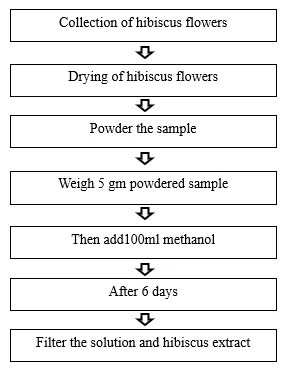
Collection of banyan aerial roots Washing with distilled water Shade Drying (25-30 ℃ & 7-10 days) Grinding Take 20 gm Powdered Drug Add 200 ml Ethanol (95%) Mixture was incubated in a shaker-incubator For 24 hours at 25℃ Filtration Concentration of extract on water bath (40- 50°C) Collection of hibiscus flowers Drying of hibiscus flowers Powder the sample Weigh 5 gm powdered sample Then add100ml methanol After 6 days Filter the solution and hibiscus extract
Phase 3:
Phytochemical Screening
Banyan aerial root
Hibiscus flower
Phase 4: Formulation of herbal hair gel using carbopol of F1, F2, F3 concentration.
Phase 5: Evaluation of Herbal Hair Gel
MATERIALS AND METHODS:
COLLECTION AND AUTHENTICATION OF PLANT MATERIALS
The banyan aerial root and hibiscus flowers were collected from Perumbavoor and authentified as Ficus benghalensis and Hibiscus rosa-sinensis by Dr. Justin R Nayagam, HOD Department of Botany, Union Christian College Aluva, Kerala.
PREPARATION OF PLANT EXTRACT
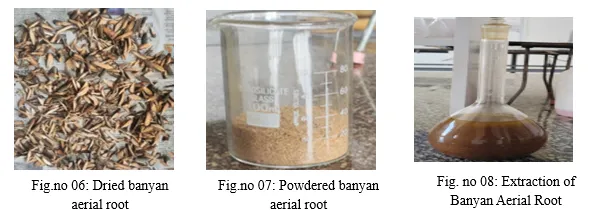
Banyan Aerial Root: Collected banyan aerial roots are washing with distilled water, Shade drying at 25-30°C for 7-10 days. Grinded to obtain a coarse powder. [4] Soaking 20 g of the powdered sample in one of the different solvents (ethanol, ethyl acetate, chloroform, methanol, acetone or water) at 200 ml. The mixtures were left to incubate in a shaker incubator for 24 h at 25°C. After incubation, the samples were filtered using Whatman filter paper and dried. [22]
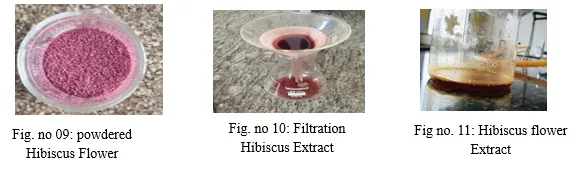
Hibiscus Flower:Collection of hibiscus flowers, drying and powdered. Weigh 5gm powdered sample and add100ml methanol. Filter the solution to obtain hibiscus extract. [23]
EXCIPIENTS USED IN THE HERBAL HAIR GEL
Carbopol 940: Carbopol 940 is a gelling-agent which can modify the physical properties of gel preparations. The concentration of carbopol 940 as a gelling-agent can be adjusted to obtain preparations which meet the requirements for the physical properties of gel, namely pH, viscosity, adhesion, spreadability, organoleptic and stability. Carbopol 940 can modify the release of active drug substances by their viscosity value. The higher the viscosity of a preparation, the more difficult the drug is released. This makes the use of carbopol 940 more focused on controlled release preparations [24]
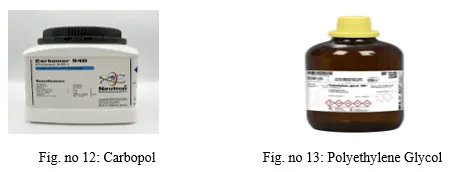
Polyethylene Glycol (PEG): PEGs have different kinds of PEG derived mixtures due to their terminal hydroxyl groups that can easily be linked with a lot of other chemicals and compounds including ethers, fatty acids, castor oil, amines, and propylene glycol among others. PEGs are extensively used in cosmetics as surfactants, emulsifiers, cleansing agents, humectants, and skin conditioners; however, information regarding such PEG-derived mixtures evaluated in this review is very limited. [25]
Glycerine: Glycerine has evolved from just being a simple moisturizer. Today, it is a multifunctional ingredient that plays an important role in modern cosmetic and cosmeceutical sciences, supported by solid biochemical and clinical evidence. Its functions as an agent for hydration, barrier repair, texture modification, and even the assistance of microbiome, accompanied by an excellent safety profile and sustainability, make it an indispensable component of modern and upcoming skincare innovations. Further researches and developing new products will most likely focus on aquaporin ingredients, systems cooperating with microbiome, improvement of utilization methods. [26]
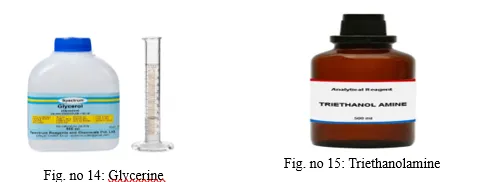
Triethanolamine:Triethanolamine is widely used in cosmetic formulation as a surfactant, pH adjuster, skin-conditioning agent, and hair-conditioning agent, while triethanolamine-sorbate function as preservative. In formulations, triethanolamine is commonly combined with fatty acids (such as stearic acid) to form emulsifiers, helping to stabilize creams and lotions. [27]
Methyl paraben: Methylparaben can be used by itself or in conjunction with other types of parabens in certain formulations because its impacts are synergistic.Because of their broad range of antimicrobial properties, low toxicity and stability, along with low volatility, parabens are great preservatives for cosmetics, pharmaceuticals and food against microbial and fungal growth. Hydroxybenzoates (parabens) are the alkyl esters derived from p-hydroxybenzoic acid, which is known to have
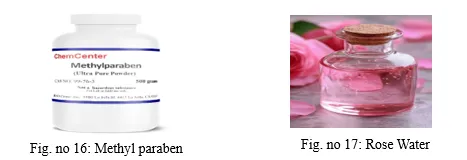
both antibacterial and antifungal properties. [28]
Distilled Water:Water plays a vital role in pharmaceutical industry as an excipient, extraction solvent, active ingredients producer and analytical reagents; it is also used for cleaning and heat transfer. Different water types are utilized in the manufacturing of pharmaceutical formulations, and the quality of the water must comply with the requirements depending on the properties of the drug and process in which the water is employed. [29]
Rose Water: Rose water appears as a clear liquid with the scent of rose. The percentage of extracted rose water from fresh rose flowers. Rose water contains high levels of flavonoids, anthocyanins, terpenes and glycosides. [30]
CHEMICAL TEST
Chemical Test for Banyan Aerial Root: [20]
Table 04: Chemical Test of Banyan Aerial Root
| SL NO | PHYTOCONSTITUENTS | TESTS | OBSERVATIONS |
|---|---|---|---|
| Alkaloids | Wagner's Test | Brown or reddish-brown precipitation | |
| Glycoside | Keller-Killiani Test | Brown ring | |
| Flavonoids | Lead Acetate Test | yellow precipitate | |
| Phenols | Ferric Chloride Test | blue-green or dark coloration | |
| Tannins | Ferric Chloride Test | blue-black or greenish-black colour | |
| Saponins | Foam Test | Formation of stable foam | |
| Steroids | Salkowski Test | reddish-brown ring | |
| Carbohydrates | Benedict’s Test | yellow or brick-red precipitate |
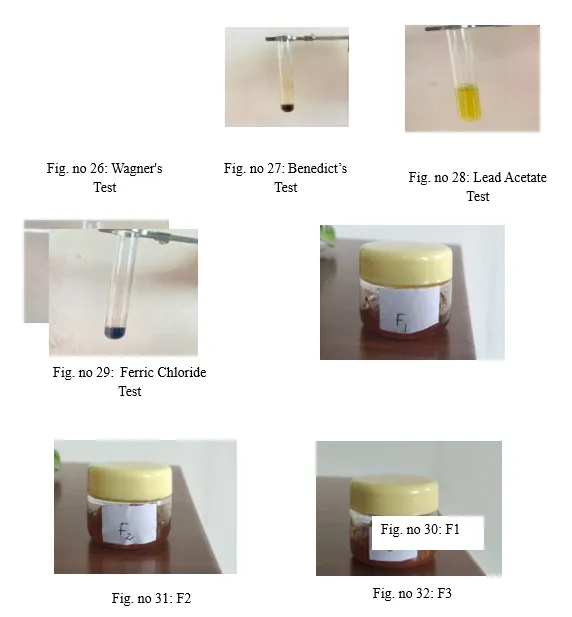
Chemical Test for Hibiscus Flowers: [32]
Table 05: Chemical Test for Hibiscus Flowers
| SL NO | PHYTOCONSTITUENTS | TESTS | OBSERVATIONS |
|---|---|---|---|
| Alkaloids | Wagner's Test | Brown or reddish-brown precipitation | |
| Carbohydrates | Benedict’s Test | yellow or brick-red precipitate | |
| Flavonoids | Ferric Chloride Test | blue-green or dark coloration | |
| Phenols | Ferric Chloride Test | blue-green or dark coloration |
FORMULATION OF HERBAL HAIR GEL
Three herbal hair gels were formulated using a varying concentration of carbopol. Methylparaben, polyethylene glycol and glycerine were weighed and dissolved in water before mixing with carbopol. A magnetic stirrer was used for stirring the blend under high speed. At the end banyan aerial root extract and hibiscus flower extract were added to the above blend. Triethanolamine was added drop wise in order to neutralize the preparation. A gel was produced. The formulation of herbal hair gel was stored at normal temperature conditions. [33]
Table 06: Formulation of Herbal Hair Gel
| SL NO | COMPOSITION | F1 | F2 | F3 | CATEGORY AND USE |
|---|---|---|---|---|---|
| Banyan aerial root Extract (ml) | 1.5 | 1.5 | 1.5 | Anti-fungal | |
| Hibiscus flower Extract (ml) | 0.5 | 0.5 | 0.5 | Soothing | |
| Carbopol (gm) | 0.5 | 1 | 2 | Gelling agent | |
| Methyl paraben (mg) | 75 | 75 | 75 | Preservative | |
| Polyethylene Glycol (ml) | 6.25 | 6.25 | 6.25 | Gelling agent, emulsifier | |
| Glycerine (ml) | 3 | 3 | 3 | Humectant | |
| Trietanolamine (ml) | 0.5 | 0.5 | 0.5 | Thickening agent, pH adjuster | |
| Rose water (ml) | q.s | q.s | q.s | Flavouring agent | |
| Distilled water (ml) | q.s | q.s | q.s | Vehicle |
EVALUATION OF HERBAL HAIR GEL
Physical appearance: The next criteria were used to analyze the prepared herbal hair gel:
The gel formulation was evaluated for the physical properties such as, phase separation, color, odor changes, rheological properties.
Color: The formulated hair gel was evaluated for color against white background.
Smoothness: The gel can be picked between the fingers and can be felt smoothly.
Homogeneity: The developed gel was checked for homogeneity by visual inspection once the gel was solidified in the jar/container. It was checked for the appearance, presence of any lumps.
pH: The pH of the gel formulation was measured using digital pH measurement. The probe was dipped into the gel formulation and the final pH was noted.
Washability: The gel prepared for use on hair has been applied to the body and then checked for how easily or extensively it can be washed off with the use of water.
Extrudability: After filling the hair gel formulation, it was poured in collapsible tubes and went through the process of extrudability assessment by fastening the tube in order to observe how easily it can be extruded.
Spreadability: An appropriate quantity of the gel formulation was put in between two pieces of glass slides, and a weight of 500 grams was applied for the period of five minutes. After the completion of the period of time, diameter of the spread formulation is assessed at different spots through calculation of the spread ability formula
S=M.L/T
S- Spreadability,
M- Weight tied to the upper slide
L-Length moved by the glass slide
T- Time in second taken to separate the slide completely each other. [32]
Anti-fungal activity: The antifungal qualities against Candida albicans were studied by the agar well diffusion method so as to determine the size of inhibitory zone, which is evidence of microorganism sensitivity to the chemical. [20]
Stability study: The studies of stability help in evaluating how drug quality varies during certain surrounding conditions, such as high humidity and sunlight etc., thus making it possible to define storage methods, shelf life and retesting period as the following. [33]
RESULT AND DISCUSSION
Phytochemical Screening of Banyan Aerial Root
Table 07: Phytochemical Screening of Banyan Aerial Root
| SL NO | PHYTOCONSTITUENTS | TESTS | RESULT |
|---|---|---|---|
| Alkaloids | Wagner's Test | +ve | |
| Glycoside | Keller-Killiani Test | +ve | |
| Flavonoids | Lead Acetate Test | +ve | |
| Phenols | Ferric Chloride Test | +ve | |
| Tannins | Ferric Chloride Test | +ve | |
| Saponins | Foam Test | +ve | |
| Steroids | Salkowski Test | +ve | |
| Carbohydrates | Benedict’s Test | +ve |
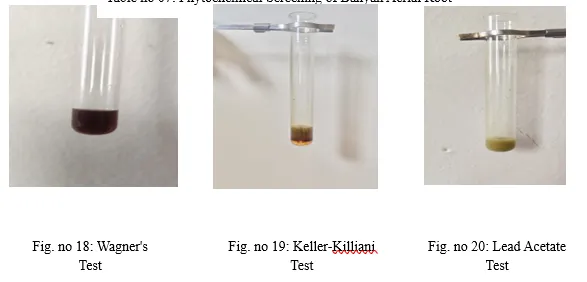
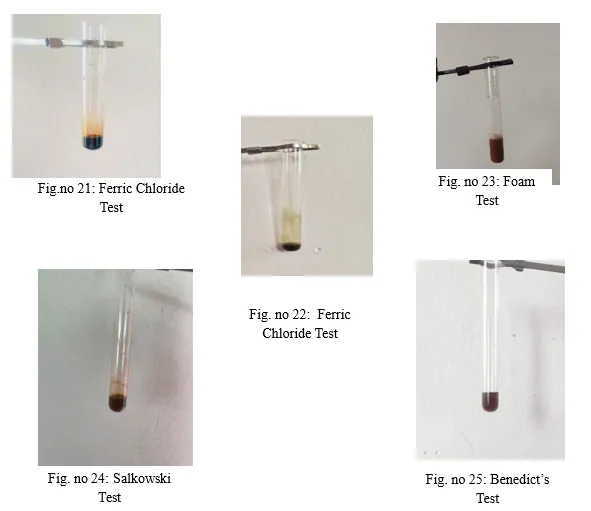
Table 08: Phytochemical Screening of Banyan Aerial Root
| SL NO | PHYTOCONSTITUENTS | TESTS | RESULT |
|---|---|---|---|
| Alkaloids | Wagner's Test | +ve | |
| Carbohydrates | Benedict’s Test | +ve | |
| Flavonoids | Lead Acetate Test | +ve | |
| Phenols | Ferric Chloride Test | +ve |
Phytochemical Screening of Banyan Aerial Root
igure 28: Lead Acetate Test
EVALUATION TESTS
PHYSICAL APPERANCE:
Table 09: Physical Appearance of Hair Gel
| PARAMETERS | F1 | F2 | F3 |
|---|---|---|---|
| COLOUR | Orange-brown | Orange-brown | Orange-brown |
| SMOOTHNESS | Good | Very Good | Good |
HOMOGENEITY: The thorough inspection of every herbal hair gel was done to check for the presence of lumps, flocculates, or aggregates. The homogeneity of the products was found satisfactory in each formulation. The results are indicated in Table no-6.
Table 10: Homogeneity of Hair Gel
| FORMULATION | F1 | F2 | F3 |
|---|---|---|---|
| RESULT | Good | Very Good | Bad |
MEASUREMENT OF pH:
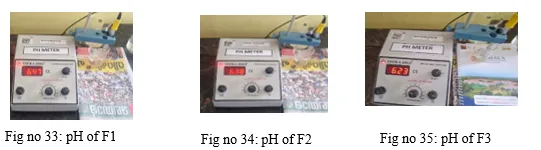
Table 11: Measurement of pH
| FORMULATIONS | pH |
|---|---|
| F1 | 6.47 |
| F2 | 6.38 |
| F3 | 6.23 |
The pH of the formulation (F1, F2, F3) were found to be nearer to the hair pH therefore these formulations are used on hair. The pH of all the hair gel formulations ranged between 6.2 to 6.5.
DETERMINATION OF SPREADABILITY:
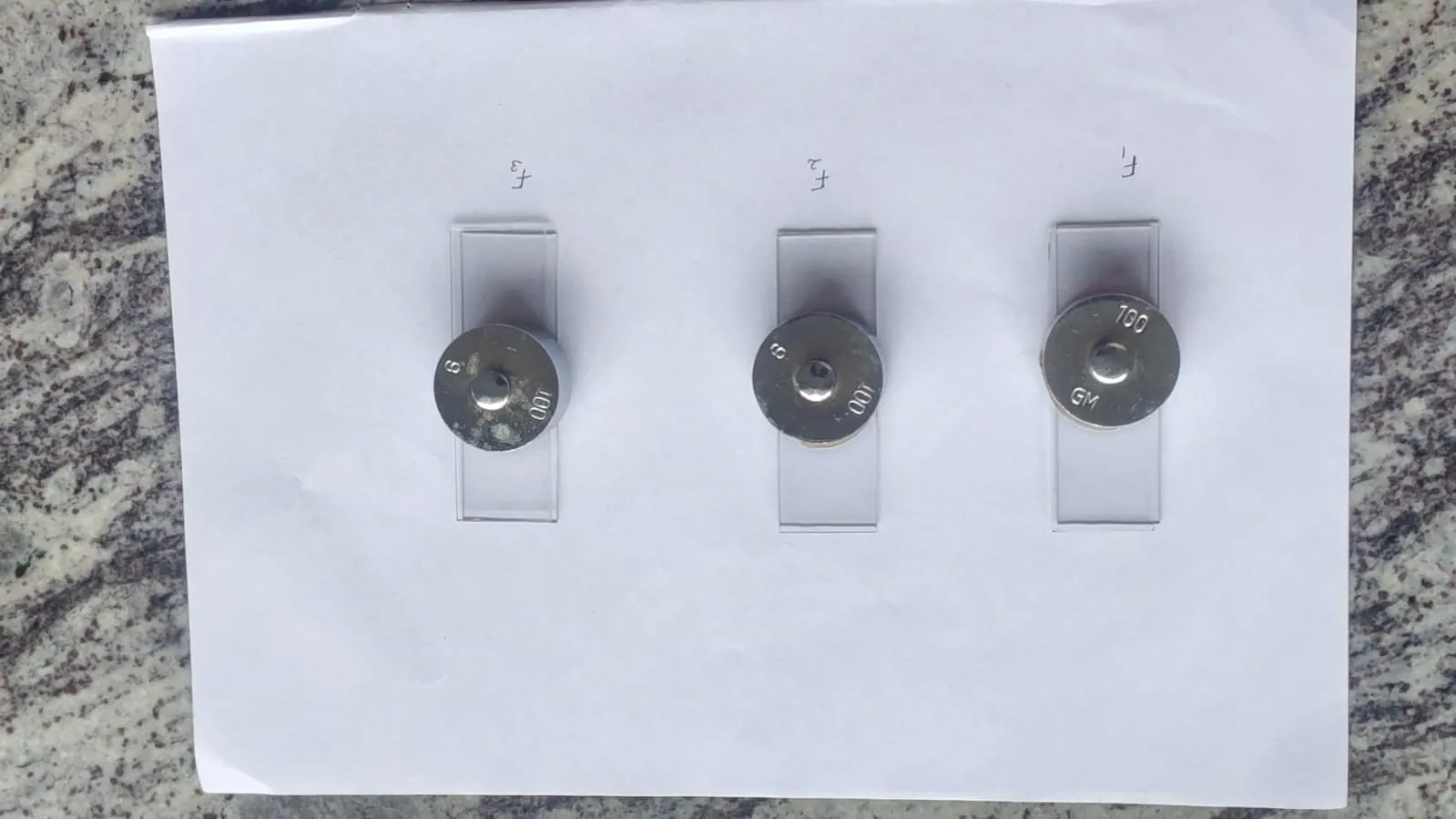
Figure 36: Spreadability of F1, F2, F3
Table 12: Spreadability of F1, F2, F3
| FORMULATIONS | SPREADABILITY (cm/sec) |
|---|---|
| F1 | 8.33 |
| F2 | 7.5 |
| F3 | 6.66 |
ANTI-FUNGAL ACTIVITY:
| Antifungal Activity against Candida albicans | |
|---|---|
| Sample (100 µl) |
Zone of Inhibition in Diameter (mm) |
| Solvent | Nil |
| Extract | Nil |
| Sample | 30mm |
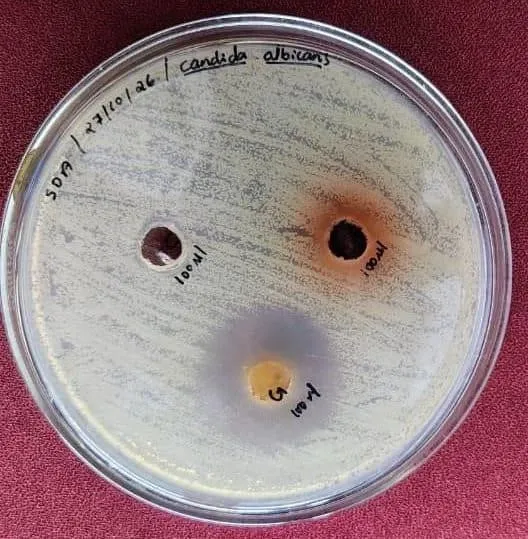
Figure 37: Antifungal Activity Against Candida albicans
The hair gel contains Ficus benghalensis and Hibiscus rosa-sinensis showed an inhibition zone of 30 mm which reflects antifungal activity against Candida albicans. This indicates that this formulation is effective in treating dandruff caused by the Candida fungus at high concentrations.
Table 13: Antifungal Activity Against Candida albicans
STABILITY STUDY
The stability investigations were carried out for all formulations over a duration of 3 months. Significant changes were found in the evaluated criteria such as appearance, pH at both temperatures. There is no significant changes colour and pH of hair gels are observed.
SUMMARY AND CONCLUSION
The present study successfully demonstrated the formulation and evaluation of herbal hair gel incorporating Ficus benghalensis and Hibiscus rosa-sinensis extracts as natural active ingredients. The increasing demand for safer and plant-based cosmetic products formed the basis of this research, aiming to develop an effective herbal alternative to synthetic hair gels that are often associated with adverse effects on hair and scalp health.
Neem and mint leaf extracts were effectively prepared using suitable extraction techniques and were confirmed through phytochemical screening to contain bioactive constituents such as alkaloids, flavonoids, tannins, phenols, glycosides, and terpenoids. These phytochemicals are known for their antifungal, antimicrobial, anti-inflammatory, and antioxidant properties, which contribute to improved scalp health and dandruff control. Three herbal hair gel formulations (F1, F2, and F3) were developed using Carbopol 940 as a gelling agent in varying concentrations.
All formulated gels exhibited satisfactory physical appearance, smooth texture, good homogeneity, acceptable washability, and ease of extrusion. The pH of the formulations was found to be within the suitable range for scalp application, indicating minimal risk of irritation. Among the three formulations, F1 demonstrated optimum spreadability and superior antifungal activity against Candida albicans, producing a notable zone of inhibition, thereby confirming its potential in managing dandruff and fungal scalp infections. Stability studies conducted over 30 days revealed no significant changes in physical characteristics or pH, indicating good formulation stability.
Overall, the findings suggest that the developed herbal hair gel, particularly formulation F1, is safe, stable, and effective. The study supports the potential use of Ficus benghalensis and Hibiscus rosa-sinensis based herbal formulations as natural, eco-friendly, and economical alternatives to conventional synthetic hair care products. Further studies involving long-term stability and clinical evaluation are recommended to substantiate its commercial applicability.
REFERENCES







Nezrin Noushad, Muhammed Shahil N. P., Nandhu Sunil, Abid Ummer, Dr. J. Nandhakumar, Dr. Sreekanth S. Kalathiparambil, Rajisha M. B., DESIGN and Performance Evaluation of Cosmetic HAIR Gel USING Ficus Benghalensis and Hibiscus Rosa-Sinensis, Int. J. of Pharm. Sci., 2026, Vol 4, Issue 11, 1824-1847. https://doi.org/10.5281/zenodo.24153050
 10.5281/zenodo.24153050