

We use cookies to ensure our website works properly and to personalise your experience. Cookies policy
Department of Pharmaceutics, JKK Munirajah Institute of Health Sciences College of Pharmacy, T.N. Palayam, Gobi, Erode District, Tamil Nadu, India – 638506.
The present study aimed to formulate and evaluate a microemulsion-based gel of alverine citrate, an antispasmodic drug, as an alternative delivery platform with sustained drug release. Preformulation studies comprised organoleptic evaluation, solubility, UV spectrophotometry and drug–excipient compatibility by Fourier transform infrared (FTIR) spectroscopy. Alverine citrate was a white, odourless, slightly bitter crystalline powder, slightly soluble in water, with ?max at 248 nm and a linear calibration (R² = 0.9987; 10–60 µg/mL). FTIR showed no major change in characteristic peaks, indicating compatibility with the excipients. Capryol 90, Tween 80 and PEG 400 were used as oil, surfactant and co-surfactant, and Carbopol 934 and HPMC K4M as gelling and release-controlling polymers. The drug-loaded lipid system showed 81.25% drug content, a zeta potential of ?10.8 ± 3.92 mV and a Z-average diameter of 2179 nm (PDI 0.240), indicating a fine emulsion rather than a true microemulsion. Six gels (F1–F6) were homogeneous with pH 6.2–6.8. From F1 to F6, viscosity and mucoadhesive strength (18.5–54.8 g) increased while spreadability decreased (9.8–4.9 g·cm/s). Cumulative in-vitro release at 24 h ranged from 36% to 92%. F5 gave the highest release (92%) with good mucoadhesive strength (46.2 ± 2.0 g) and acceptable spreadability, and was selected as the optimised formulation. Stability, ex-vivo permeation, safety and in-vivo studies are required.
Pharmaceutical research has gradually shifted from traditional dosage forms to more advanced delivery systems that aim to enhance drug solubility, stability, release, absorption, and overall effectiveness.1,2 The topical route is an important non-invasive method where a formulation is applied to the skin to create a local effect, or in some cases, to help deliver the drug into the body systemically. It prevents breakdown in the stomach and liver before entering the bloodstream, which can make it easier for patients to take. But the outer layer of the skin is a tough barrier, so special tools are needed to help drugs dissolve better, spread more easily, and move through the skin.3
Microemulsions are stable systems that remain balanced without needing extra energy, and they look the same from all directions. They usually consist of an oil part, a water part, a substance that helps mix the oil and water, and another helper substance that works with the first one. They can dissolve drugs in oil, water, and areas between them, and they provide a big surface area for contact with the skin. Their performance is affected by factors like the mix of ingredients, the ratio of surfactant to co-surfactant, the amount of oil and water, and the structure inside the droplets, not just by how big the droplets are.4,5 Because the microemulsion has low viscosity, it's not easy to use directly on the skin, so it's mixed with a polymeric gel. This creates a gel made from microemulsion that has the benefits of solubilizing and delivering ingredients through the skin, along with the thicker texture, ease of spreading, and longer staying power of a gel.6 Microemulsion-based gels have been used for different drugs like tapentadol,7 baicalin,8 methotrexate,9 sulconazole nitrate,10 celecoxib,11 repaglinide,12 and agomelatine.13
Alverine citrate is a type of medicine that helps reduce muscle spasms. It is used to treat symptoms like those seen in irritable bowel syndrome, stomach spasms, abdominal pain, and intestinal cramps.14,15 When taken by mouth, the body breaks it down into an active form called 4-hydroxy alverine.16 Other forms of alverine citrate that don't involve taking them by mouth, like rectal mucoadhesive microspheres, have also been studied.17 This study does not claim that topical alverine citrate is already a proven treatment; instead, it focuses on developing a new way to deliver the medicine.
The goal of this study was to create and test a gel made from a microemulsion containing alverine citrate, with the aim of better delivering the drug and keeping it released over a longer period. Six formulations (F1–F6), which include Capryol 90 as the oil, Tween 80 and PEG 400 as the surfactant and co-surfactant, and Carbopol 934 and HPMC K4M as gelling polymers, were made and tested for their appearance, how well they mix together, pH level, thickness, how easily they spread, how well they stick to the mucous membrane, and how quickly the drug spreads out in a lab setting.
MATERIALS AND METHODS
MATERIALS
Alverine citrate and HPMC K4M were obtained from Apex Laboratory Pvt. Ltd.; Capryol 90, Tween 80, PEG 400, Carbopol 934 and triethanolamine from Helikem Biotek; and distilled water and phosphate buffer from Royal Scientific Suppliers (Table 1). All other ingredients were of analytical grade.
Table 1: Materials Used and Their Sources
| S. No. | Material | Source |
|---|---|---|
| 1 | Alverine citrate | Apex Laboratory Pvt. Ltd. |
| 2 | Capryol 90 | Helikem Biotek |
| 3 | Tween 80 | Helikem Biotek |
| 4 | PEG 400 | Helikem Biotek |
| 5 | Carbopol 934 | Helikem Biotek |
| 6 | HPMC K4M | Apex Laboratory Pvt. Ltd. |
| 7 | Triethanolamine | Helikem Biotek |
| 8 | Distilled water | Royal Scientific Suppliers |
| 9 | Phosphate buffer | Royal Scientific Suppliers |
The instruments used were a REMI magnetic stirrer and centrifuge, an Elico L164 pH meter, a Brookfield viscometer, a Sigma ultrasonicator, a Shimadzu UV spectrophotometer and FTIR spectrometer, a Malvern Zetasizer and a Franz diffusion cell (Waico, borosilicate).
Preformulation Studies
The colour, odour, taste and physical appearance of alverine citrate were recorded. Its solubility was assessed in chloroform, ethanol, distilled water, CTC and diethyl ether. For UV spectrophotometric analysis, a solution of the drug was scanned in the UV–visible range to determine the wavelength of maximum absorption (λmax); a calibration curve was then prepared over 10–60 µg/mL and absorbance was measured at λmax. Drug–excipient compatibility was examined by FTIR spectroscopy: spectra of pure alverine citrate and of its physical mixture with Capryol 90, Tween 80, PEG 400, Carbopol 934 and HPMC K4M were recorded and compared for changes in characteristic peaks.
Formulation Of The Lipid Phase And Gels
Capryol 90, Tween 80 and PEG 400 were selected as the oil, surfactant and co-surfactant/co-solvent, respectively, on the basis of their reported use in lipid-based micro- and nanoemulsion systems,4,5 where screening of components by drug solubility is a recognised approach.18 Carbopol 934 was used as the mucoadhesive gelling polymer and HPMC K4M as a viscosity-enhancing, release-controlling polymer. Six formulations (F1–F6) were prepared with increasing proportions of Capryol 90 and Tween 80 and decreasing proportions of PEG 400 (Table 2).
Table 2: Composition of the Alverine Citrate Gel Formulations (G, Unless Stated)
| Ingredient | F1 | F2 | F3 | F4 | F5 | F6 |
|---|---|---|---|---|---|---|
| Alverine citrate | 60 mg | 60 mg | 60 mg | 60 mg | 60 mg | 60 mg |
| Capryol 90 | 5.0 | 7.5 | 10.0 | 12.5 | 15.0 | 17.5 |
| Tween 80 | 20.0 | 22.5 | 25.0 | 27.5 | 30.0 | 32.5 |
| PEG 400 | 20.0 | 18.0 | 16.0 | 14.0 | 12.0 | 10.0 |
| Carbopol 934 | 0.5 | 0.5 | 0.5 | 0.5 | 0.5 | 0.5 |
| HPMC K4M | 1.0 | 1.0 | 1.0 | 1.0 | 1.0 | 1.0 |
| Triethanolamine | q.s. | q.s. | q.s. | q.s. | q.s. | q.s. |
| Purified water | q.s. to 100 g | q.s. to 100 g | q.s. to 100 g | q.s. to 100 g | q.s. to 100 g | q.s. to 100 g |
Preparation of the lipid phase. Alverine citrate (60 mg) was weighed into a glass vial and mixed with PEG 400 under continuous magnetic stirring until a uniform dispersion/solution was obtained. Tween 80 was added gradually and mixed thoroughly, followed by gradual addition of Capryol 90 under continuous stirring. Purified water was then added dropwise with stirring to facilitate spontaneous emulsification, and stirring was continued for about 30 min. Where required, the preparation was sonicated for 10–15 min to improve homogeneity, and the volume was made up to 100 mL with purified water.
Preparation of the gels. The gels were prepared by the cold method. Carbopol 934 was dispersed in purified water and allowed to hydrate completely to obtain a uniform gel base. Alverine citrate was separately dissolved/dispersed in the required quantities of Tween 80 and PEG 400, and this drug-containing phase was gradually incorporated into the hydrated gel base under continuous stirring. The remaining excipients were added according to the composition in Table 2, and the mixture was stirred until homogeneous. The pH was adjusted with triethanolamine to obtain a suitable gel consistency, the volume was adjusted with purified water, and the gels were stored in airtight containers.
Evaluation Of The Lipid Phase
The lipid phase was examined visually and under a microscope for appearance, clarity, homogeneity and phase separation. For drug content, 1 g of the preparation was dissolved in 100 mL of phosphate buffer (pH 7.4), kept for 4 h with shaking and filtered; 1 mL of the filtrate was diluted to 10 mL with the same buffer and the absorbance was measured at 248 nm against the buffer as blank. The measured concentration was calculated as (OD of sample/OD of standard) × standard concentration (60 µg/mL), and the drug content (%) as (measured concentration/standard concentration) × 100. Zeta potential and size distribution were measured with a Malvern Zetasizer.
Evaluation Of The Gels
Appearance, homogeneity and pH. The gels were examined visually for colour, appearance, homogeneity, lumps and phase separation. The pH was measured with a calibrated digital pH meter.
Viscosity. Viscosity was measured at 25 ± 1 °C with a Brookfield digital viscometer using spindle no. 63 at 20, 40, 60, 80 and 100 rpm.
Spreadability. An excess of gel was placed between two glass slides and compressed to a uniform thickness with a 50 g weight for 5 min. A weight was then added to the pan and the time taken for the upper slide to move over the lower plate was recorded. Spreadability was calculated as S = (m × L)/t, where m is the weight tied to the upper slide, L is the length of the glass slide and t is the time taken in seconds.
Mucoadhesive strength. Mucoadhesive strength was determined by a modified physical balance method. A fixed weight was applied for a 5 min contact period to ensure uniform contact and then removed. Weights were gradually added to the opposite pan, and the weight required to detach the gel from the tissue was recorded as the mucoadhesive strength. Each formulation was tested in triplicate and results are expressed as mean ± SD.
In-vitro drug diffusion. Drug release was studied in a Franz diffusion cell (receptor capacity 30 mL; donor internal diameter 2.8 cm) fitted with a pre-soaked dialysis membrane, in line with the vertical diffusion cell approach used for in-vitro release testing of topical products.19 The receptor compartment contained phosphate buffer (pH 7.4) maintained at 37 ± 0.5 °C with continuous stirring. After equilibration of the membrane, gel equivalent to 8 mg of drug was placed in the donor compartment. Samples (1 mL) were withdrawn from the receptor compartment at predetermined intervals, replaced with an equal volume of fresh buffer, and assayed spectrophotometrically; the cumulative percentage drug release was calculated.
RESULTS AND DISCUSSION
Preformulation Studies
Alverine citrate was a white, odourless, slightly bitter crystalline powder (Table 3) with no visible abnormality, and was therefore considered suitable for further formulation studies. The drug was soluble in chloroform and ethanol, slightly soluble in distilled water and insoluble in CTC and diethyl ether (Table 4). The limited aqueous solubility is a formulation challenge for conventional aqueous vehicles and supports the use of an oil–surfactant–co-surfactant system, in which the drug can be held in different microenvironments.
Table 3: Organoleptic Properties of Alverine Citrate
| S. No. | Parameter | Observation |
|---|---|---|
| 1 | Colour | White |
| 2 | Odour | Odourless |
| 3 | Taste | Slightly bitter |
| 4 | Physical appearance | Crystalline powder |
Table 4: Solubility of Alverine Citrate
| S. No. | Medium | Solubility |
|---|---|---|
| 1 | Chloroform, ethanol | Soluble |
| 2 | Distilled water | Slightly soluble |
| 3 | CTC, diethyl ether | Insoluble |
The UV spectrum of alverine citrate showed an absorption maximum at 248 nm (Figure 1), which was used for all subsequent quantification. The absorbance increased with concentration over 10–60 µg/mL (Table 5, Figure 2); the regression equation was y = 0.00963x + 0.02347 with R² = 0.9987, indicating good linearity for estimation of the drug during formulation evaluation and release studies. Only linearity is reported here; full validation according to ICH Q2 (R2) is recommended.20
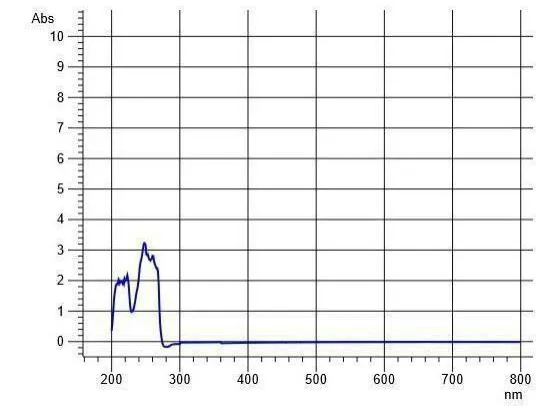
Figure 1: UV Spectrum of Alverine Citrate
Table 5: Calibration Data of Alverine Citrate at 248 nm
| S. No. | Concentration (µg/mL) | Absorbance |
|---|---|---|
| 1 | 10 | 0.118 |
| 2 | 20 | 0.214 |
| 3 | 30 | 0.316 |
| 4 | 40 | 0.407 |
| 5 | 50 | 0.516 |
| 6 | 60 | 0.593 |
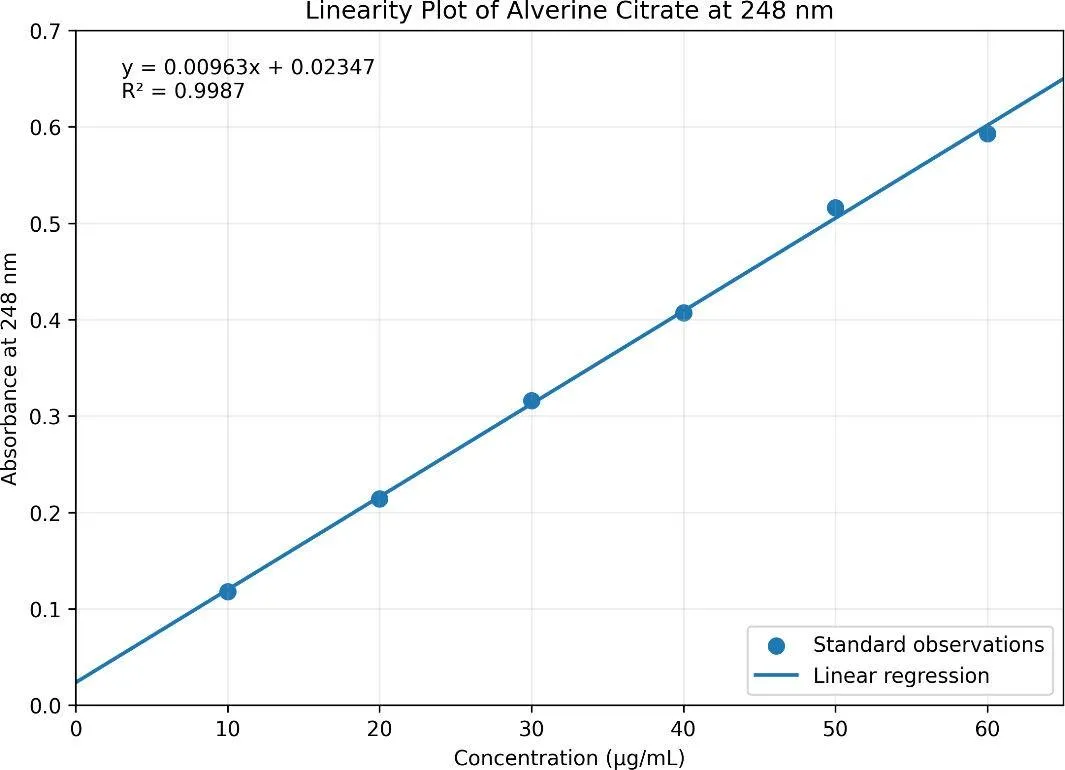
Figure 2: Calibration Curve of Alverine Citrate at 248 nm
The FTIR spectrum of alverine citrate (Figure 3) showed a broad O–H-related band in the region of 3445 cm−1, aliphatic C–H stretching at about 2913 cm−1, bands between 1630 and 1400 cm−1 associated with aromatic skeletal vibrations, CH2 bending and carboxylate-related vibrations, C–O and C–O–C stretching between 1229 and 1044 cm−1, and aromatic C–H out-of-plane bending at about 845 cm−1.
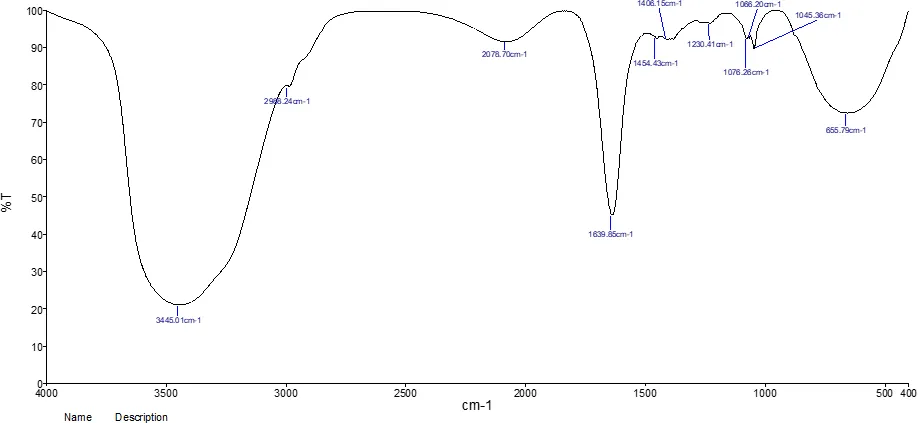
Figure 3: FTIR Spectrum of Alverine Citrate
The characteristic functional-group peaks of the drug were retained in the spectrum of the drug–excipient mixture (Figure 4, Table 6), and no major change in the characteristic spectral pattern was observed. The selected excipients were therefore considered compatible with alverine citrate under the conditions studied. The carbonyl-related band at 1639.95 cm−1 lies slightly below the nominal 1650–1750 cm−1 range, which is consistent with the carboxylate-related vibrations of the citrate salt. As FTIR of a physical mixture is a screening tool, complementary thermal analysis such as DSC, as used in a related microemulsion gel study,7 would strengthen this conclusion.
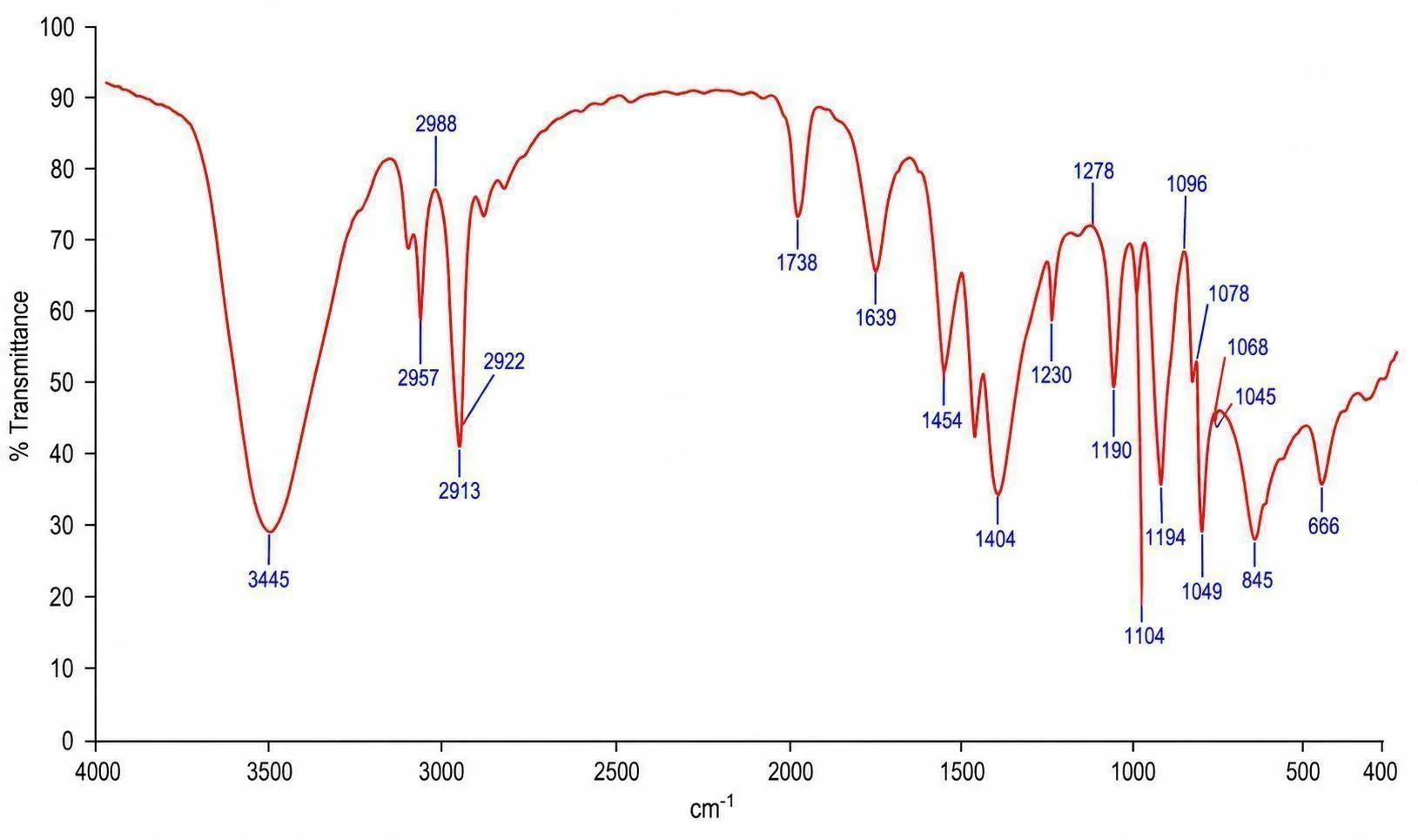
Figure 4: FTIR Spectrum of the Drug–Excipient Mixture (Compatibility Study)
Table 6: Characteristic FTIR Bands in the Drug–Excipient Compatibility Study
| S. No. | Functional group | Frequency range (cm⁻¹) | Peak observed (cm⁻¹) |
|---|---|---|---|
| 1 | O–H stretching | 3200–3600 | 3445.01 |
| 2 | C=O stretching (carboxyl group) | 1650–1750 | 1639.95 |
| 3 | C–O stretching (carboxyl group) | 1000–1300 | 1230.41 |
| 4 | O–H bending | 1300–1450 | 1404.15 |
Evaluation Of The Lipid Phase
The drug-loaded lipid phase was prepared as shown in Figure 5. Its drug content was 81.25%, indicating that alverine citrate was incorporated into the system while leaving scope for further optimisation of drug solubilisation, mixing efficiency and drug distribution. The zeta potential was −10.8 ± 3.92 mV with a single peak representing 100% of the population (Figure 6), indicating a net negative droplet surface charge but only limited electrostatic stabilisation.
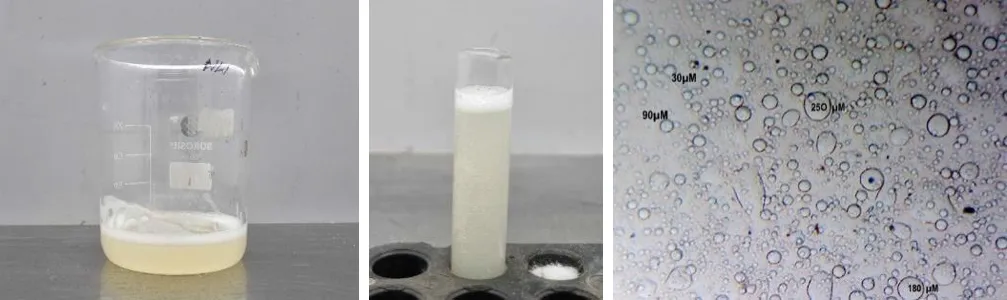
Figure 5: Preparation of the Lipid Phase and Its Microscopic Evaluation
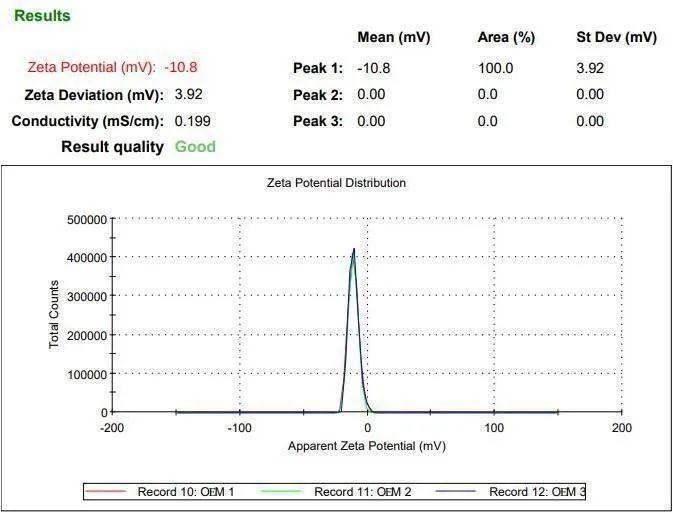
Figure 6: Zeta Potential of the Alverine Citrate Lipid Phase
Particle size analysis gave a Z-average diameter of 2179 nm with a polydispersity index (PDI) of 0.240; the major intensity peak was at 1843 nm (97.6%) and a minor population at 5513 nm (2.4%) indicated a small proportion of larger droplets or aggregates (Figure 7). Although the PDI shows acceptable uniformity, a micrometre-scale droplet size is larger than normally associated with microemulsions, which are generally described as nanoscale, thermodynamically stable systems.4,5 The lipid system prepared here is therefore better classified as a fine emulsion, and the term “microemulsion-based gel” should be read in this light. Reduction of globule size, for example by optimising the Smix composition and oil proportion, is a clear target for further work.
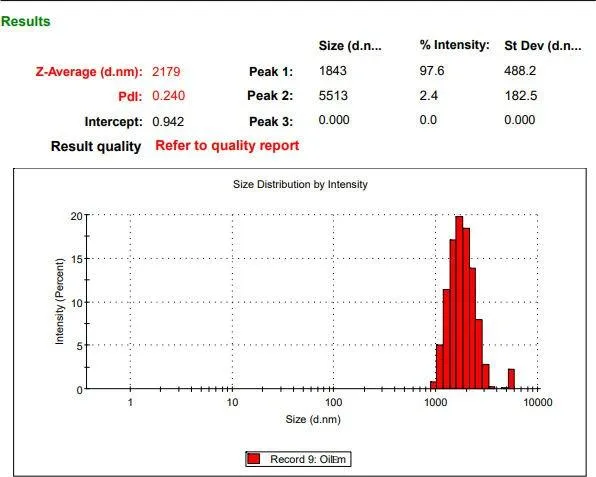
Figure 7: Size Distribution by Intensity of the Alverine Citrate Lipid Phase
Evaluation Of The Gels
All six gels (Figure 8) were free of major physical defects and homogeneous, with pH values of 6.2–6.8 (Table 7). The consistency increased progressively from a smooth, slightly soft gel (F1) to a very thick gel (F6), showing that the composition of the lipid phase influenced the physical consistency of the final gel. F4 and F5 combined uniformity with a firm/thick consistency, whereas F6 was so thick that application could be difficult.
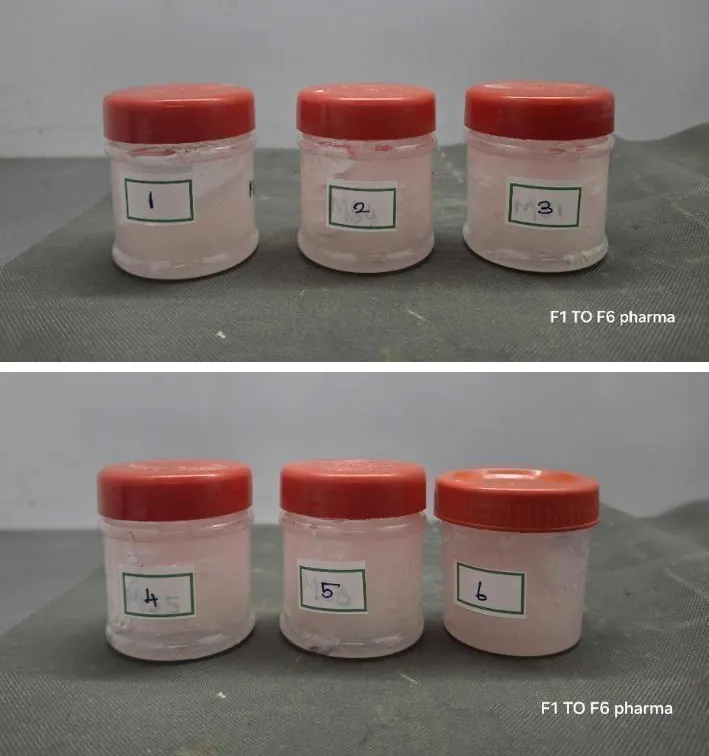
Figure 8: Alverine Citrate Gel Formulations F1–F6
Table 7: Physical Properties of the Gel Formulations
| Formulation | Homogeneity | Appearance | pH |
|---|---|---|---|
| F1 | Homogeneous | Smooth, slightly soft gel | 6.2 |
| F2 | Homogeneous | Smooth gel | 6.2 |
| F3 | Highly homogeneous | Uniform, good consistency | 6.6 |
| F4 | Highly homogeneous | Smooth, firm gel | 6.8 |
| F5 | Homogeneous | Thick, uniform gel | 6.8 |
| F6 | Homogeneous | Very thick, uniform gel | 6.8 |
Viscosity increased from F1 to F6 at every spindle speed (Table 8). All formulations showed a decrease in apparent viscosity with increasing rotational speed, indicating shear-dependent (shear-thinning) flow, which is favourable for spreading on application. The higher viscosity of F5 and F6 may favour residence time and mucoadhesion, but excessive viscosity can reduce spreadability and hinder drug diffusion, so viscosity has to be balanced against the other properties.
Table 8: Viscosity (cp) of the Gel Formulations at Different Speeds
| rpm | F1 | F2 | F3 | F4 | F5 | F6 |
|---|---|---|---|---|---|---|
| 20 | 18,500 | 24,200 | 31,800 | 39,600 | 47,900 | 56,500 |
| 40 | 16,400 | 21,500 | 28,200 | 35,100 | 42,500 | 50,100 |
| 60 | 14,800 | 19,400 | 25,500 | 31,700 | 38,400 | 45,200 |
| 80 | 13,500 | 17,700 | 23,200 | 28,800 | 34,900 | 41,100 |
| 100 | 12,300 | 16,100 | 21,100 | 26,200 | 31,700 | 37,400 |
Spreadability fell from 9.8 ± 0.4 g·cm/s (F1) to 4.9 ± 0.2 g·cm/s (F6), whereas mucoadhesive strength rose from 18.5 ± 1.2 g to 54.8 ± 2.3 g (Table 9). This inverse relationship between ease of spreading and viscosity/adhesion is expected: higher viscosity and stronger polymeric interactions contribute to greater adhesive strength and prolonged residence, but make spreading harder. F6 had the highest mucoadhesive strength but also the lowest spreadability and highest viscosity, making it less desirable overall; F5 retained high mucoadhesive strength with more practical handling.
Table 9: Spreadability and Mucoadhesive Strength of the Gel Formulations
| Formulation | Spreadability (g·cm/s) | Mucoadhesive strength (g) |
|---|---|---|
| F1 | 9.8 ± 0.4 | 18.5 ± 1.2 |
| F2 | 8.9 ± 0.3 | 24.3 ± 1.4 |
| F3 | 7.8 ± 0.4 | 31.6 ± 1.5 |
| F4 | 6.9 ± 0.3 | 38.7 ± 1.8 |
| F5 | 5.8 ± 0.3 | 46.2 ± 2.0 |
| F6 | 4.9 ± 0.2 | 54.8 ± 2.3 |
Values are mean ± SD.
The in-vitro release results differed considerably among the formulations (Table 10, Figure 9). F1–F3 and F6 released 36–46% of the drug at 24 h, whereas F4 and F5 released markedly more (89% and 92%, respectively). The 92% release from F5 is of the same order as the roughly 92% in-vitro release at 24 h reported for a tapentadol microemulsion gel.7 F6, despite having the highest viscosity and mucoadhesive strength, released only 40%, suggesting that excessive thickness restricts diffusion from the gel matrix. Viscosity alone, however, does not explain the results, because the least viscous gels (F1–F3) also released less than F4 and F5. The balance of Capryol 90, Tween 80 and PEG 400 in F4 and F5 may favour drug solubilisation and partitioning out of the gel, but this needs to be confirmed with replicate release profiles, additional sampling times, release-kinetic analysis and an assay range that covers the absorbance values obtained.
Table 10: Cumulative Drug Release (%) from the Gel Formulations
| Formulation | 6 h | 12 h | 24 h |
|---|---|---|---|
| F1 | 2.8 | 16.8 | 46 |
| F2 | 1.6 | 12.4 | 38 |
| F3 | 1.4 | 12.2 | 36 |
| F4 | 3.2 | 28.6 | 89 |
| F5 | 3.4 | 28.8 | 92 |
| F6 | 1.8 | 12.8 | 40 |
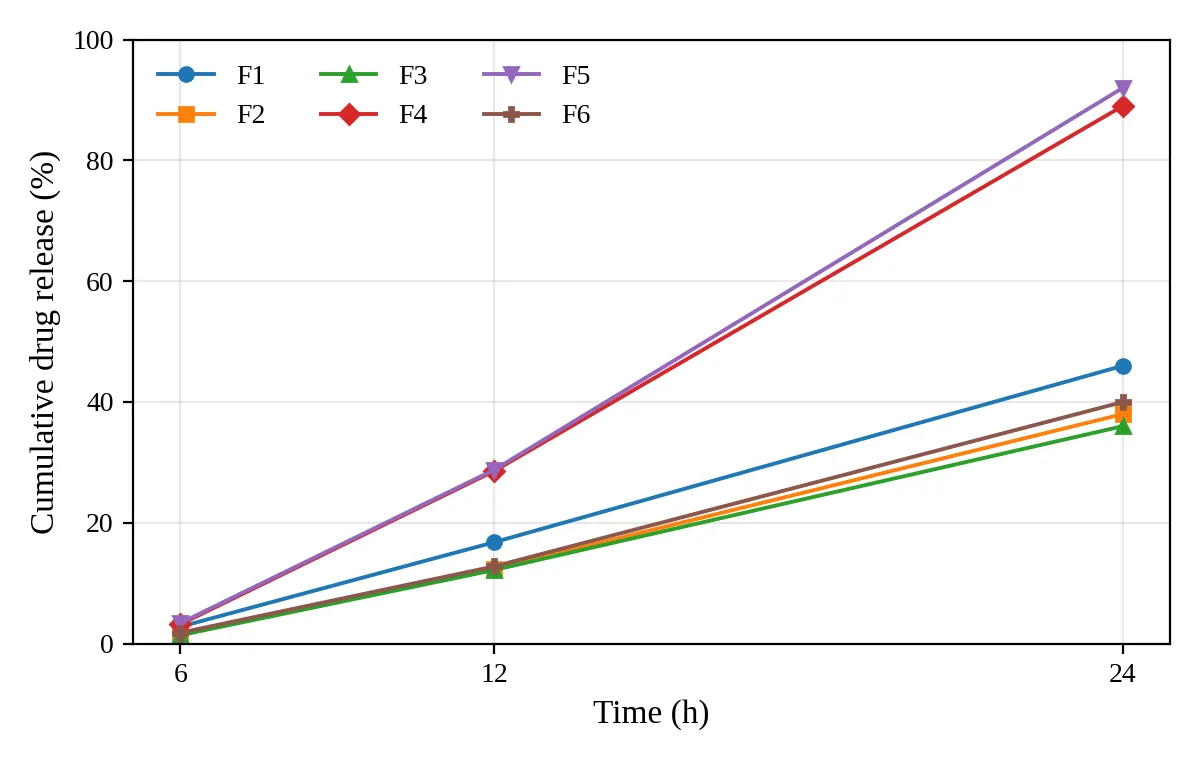
Figure 9: In-vitro Cumulative Drug Release Profiles of Formulations F1–F6
Considering the combined results, F5 was selected as the optimised formulation: it showed the highest 24 h release (92%), a mucoadhesive strength of 46.2 ± 2.0 g, a spreadability of 5.8 ± 0.3 g·cm/s, a pH of 6.8 and a thick, uniform appearance.
CONCLUSION
Six alverine citrate gels (F1–F6) based on a Capryol 90/Tween 80/PEG 400 lipid system with Carbopol 934 and HPMC K4M were prepared and evaluated. Preformulation studies supported the suitability of the drug (λmax 248 nm; R² = 0.9987) and FTIR indicated compatibility with the excipients. Increasing the oil and surfactant proportion raised viscosity and mucoadhesive strength and lowered spreadability, while in-vitro release was highest for F4 and F5 (89% and 92% at 24 h). F5 was selected as the optimised formulation (pH 6.8; viscosity 47,900 cP at 20 rpm; spreadability 5.8 ± 0.3 g·cm/s; mucoadhesive strength 46.2 ± 2.0 g). However, the lipid phase had a Z-average diameter of 2179 nm, characteristic of a fine emulsion rather than a true microemulsion, and a drug content of 81.25%. Further optimisation of globule size and drug loading, together with stability studies as per ICH Q1A (R2),21 ex-vivo permeation, safety and in-vivo evaluation, is required before the therapeutic potential of this system can be established.
ACKNOWLEDGEMENTS
The authors are grateful to the management of Annai JKK Sampoorani Ammal Charitable Trust and to Dr. P. Perumal, Principal, JKK Munirajah Institute of Health Sciences College of Pharmacy, T.N. Palayam, Gobi, Erode, for providing the facilities to carry out this work. The authors also thank Mr. G. Balaji and the formulation development team of Softgel Healthcare Private Limited for industrial guidance and facilities, and the teaching, laboratory, office and library staff of the college for their cooperation.
REFERENCES

Tamilarasan S., Elangovan S., Krishnamoorthy B., Perumal P., Formulation and Evaluation of Microemulsion Based Gel of Alverine Citrate, Int. J. of Pharm. Sci., 2026, Vol 4, Issue 10, 3121-3131. https://doi.org/10.5281/zenodo.23525380
 10.5281/zenodo.23525380