

We use cookies to ensure our website works properly and to personalise your experience. Cookies policy
Department of Pharmaceutics, Indira Gandhi Institute of Pharmaceutical Science, Perumbavoor (Affliated to Kerala Univesity of Health Sciences, Thrissur.
The growing demand for herbal cosmetics has increased interest in the development of skincare products containing natural and plant-derived ingredients. The present study aims to formulate and evaluate an herbal peel-off mask gel incorporating ixora flower (Ixora Coccinea), banana peel (Musa acuminata), and flaxseed (Linum usitatissimum). These ingredients contain various phytoconstituents that may contribute to the potential antioxidant, antibacterial and skin-conditioning properties of the formulation. Three different formulations (F1, F2, and F3) are prepared using a suitable gel base by varying the concentrations of polymers to investigate their influence on the physicochemical characteristics and performance of the final product. The prepared formulations are evaluated for organoleptic properties, homogeneity, pH, spreadability, drying time, film-forming ability, peelability, and stability. Phytochemical screening is carried out to identify the presence of selected phytoconstituents in the herbal ingredients. Furthermore, antioxidant and antimicrobial studies are performed to investigate the potential biological activities of the formulation. The evaluation of the three formulations provides a basis for comparing their physicochemical properties and identifying a formulation with suitable characteristics for topical cosmetic application. The study explores the potential use of Ixora, banana peel, and flaxseed in the development of a plant-based peel-off mask gel. The findings may provide a foundation for further research into herbal cosmetic formulations using naturally derived ingredients.
The definition of cosmetic is slightly varies between countries but the Federal Food, Drug & Cosmetic Act (FD&C Act) defines cosmetics as “any article intended to be rubbed, poured, sprinkled or sprayed on, or introduced into, or otherwise applied to, the human body or any part thereof for cleansing, beautifying, promoting attractiveness, or altering the appearance, and includes any article intended for use as a component of cosmetic” [1]. The term “cosmetic” is associated with the Greek word kosmos, meaning order or adornment. Cosmetics are products formulated for external application to the body, particularly the skin, hair, and teeth, to cleanse, enhance appearance, impart fragrance, and maintain the condition of external body surfaces. Their primary purpose is cosmetic enhancement and care rather than modification of normal physiological functions [2].
Generally cosmetic means are externally applied compositions which are spread out or put on various parts of the body. As well as primarily used on the skin as well as hair for cleansing, colouring, softening, protecting, boosting and also considering their good looks. There are various courses of cosmetics depending upon their usage [3].
FACE COSMETICS
The skin is the largest organ of the body. In addition to the primary covering of the body, the skin also permeability and metabolism, thermoregulation, and many other more important parts perform actively, and without taking care of. Enhances sensory capability. These internal factors pertaining to the subjects contribute to the variability of functional and structural diversity. Their sexual weakness, age, physiologic, psychologic and pathologic condition, and external factors with regard to the. Ons, temperature, wind and other factors in the -local environment e.g. dryness, effect of the sun, wind, etc [2]. Face cosmetics play an important role in modern daily life by enhancing personal appearance and boosting confidence. There are a variety of face makeup, like foundation, powder, blush, concealer, highlighter, primer etc. Each has a different purpose foundation for example helps develop a match complexion and conceals flaws, dark circles etc while highlighter and blush are colours and can increase the colour and shine of the face, making them look healthier and livelier [4].
Types of face cosmetics
1. Cleaning preparations
2. Shaving cream
3. Skin tonics
4. Face mask
5. Skin nourishing
FACE MASK
As a cornerstone of modern dermatology and skincare regimens, facial masks are highly valued for their capacity to administer potent topical active ingredients that yield rapid, clinically observable dermatological benefits [4]. Facial Masks is a cosmetic preparation that is applied to the face for a period of time and then removed. Facial masks are typically applied to cleansed and dry facial skin while the eyes and lips are avoided [5].
Types of facial mask:
1. Peel-off masks:
Peel-off masks create a single film after being put onto the face skin. The dried film is peeled off after 30 minutes. Peel-off masks work effectively in skin cleansing, purifying, and rejuvenation. The removal of the polymeric film leads to the removal of the excess skin cells and impurities and thus helps to give your face a fresh look [6].
2. Sheet masks:
Sheet masks are very flexible and usually contain active serum formulations used to address different skin conditions, namely:
a) Whitening
b) Anti-aging
c) Anti-sebum
In sheet masks, the sheet stabilizes the ingredients, thus eliminating the need to use additional stabilizers or thickeners [6].
3. Leave-on masks:
These types of masks are typically formulated as creme-gel or creams to provide deeper moisturization. The masks are evenly applied on the face and left on for 15-30 minutes or overnight, and the leftover product is then massaged into the skin. The goal of leave-on masks is to hydrate and soften the skin, as their formula consists of more emollients and humectants than other masks types [6].
4. Charcoal/Clay masks:
Charcoal and Clay masks belong to the group of masks that contain such ingredients as charcoal or clay. These components are effective in cleansing the face and increase the viscosity of the formula. Due to being natural materials that may promote the growth of microbes, the appropriate processing and preservation are important for this type of mask formula [6].
PEEL-OFF MASK
A peel-off mask is a cosmetic mask (also known as pack) that is applied to the skin in the form of a thin film and is peeled off after setting it will remove the dead cells and impurities from the pores of the skin [7].
The main uses of the peel-off mask were: -
Peel off mask is the gel which stimulates the metabolism because of its occlusive effect. Additionally, it serves as a skincare treatment targeting dark spots, dead skin cells, whiteheads, and blackheads, with a primary focus on unclogging pores [8].
The Right Way to Use a Peel-Off Mask: -
1. Make sure that your face is clean and dry. Make sure that your face does not have makeup, dust, and oil on it.
2. Squeeze the right amount of peel-off mask from the tube onto your fingers.
3. Apply the mask uniformly on your face, making sure not to put it on your eyes.
4. Wait for the mask to completely dry. It will take around 15-20 minutes.
5. When the mask is completely dried, peel it off your face from the edges, starting from the bottom.
6. Wash your face with warm water and pat it dry [6].
Ideal properties of peel-off mask: [9]
Advantages of peel-off mask: [10, 11]
LITERATURE REVIEW:
1. Suhada et al. (2025) evaluated the antioxidant capacity of a combined ethanol extract derived from Musa acuminata banana peels using the 1,1-diphenyl-2-picrylhydrazyl (DPPH) assay. Phytochemical screening of the extract confirmed the presence of key bioactive compounds, including flavonoids, tannins, saponins, and steroids/terpenoids. Consequently, these findings highlight the viability of upcycling agricultural banana peel waste into high-value natural antioxidants for food preservation, nutraceutical, and cosmetic applications.
2. Pooja Pagar et al. (2025) reviewed the cosmetic and exfoliating potential of flaxseed (Linum usitatissimum L.) as a sustainable ingredient for skincare applications. The authors highlight that flaxseed’s alpha-linolenic acid and lignans exert strong anti-inflammatory and antioxidant effects by downregulating pro-inflammatory cytokines, while its lipid and mucilage components work synergistically to restore the stratum corneum barrier and reduce trans epidermal water loss. Additionally, ground flaxseed particles and mucilage offer mechanical and film-forming enzymatic desquamation, delivering gentle exfoliation and improved skin suppleness. Despite key challenges regarding formulation stability and bioactive standardization, flaxseed emerges as a promising, eco-friendly alternative to synthetic agents in modern skincare.
3. Poulomi Ghosh et al., (2023) evaluated the pharmacological properties of the methanolic flower extract of Ixora coccinea, revealing a rich profile of alkaloids, Terpenoids, tannins, flavonoids, and phenols with a Total Phenolic Content and Total Flavonoid Content. The extract displayed notable broad-spectrum antimicrobial activity against Staphylococcus aureus, Pseudomonas aeruginosa, and Aspergillus niger. Furthermore, in vitro anti-inflammatory assays—including protein denaturation and membrane stabilization demonstrating efficacy comparable to standard aspirin. These findings position Ixora coccinea flowers as a potent natural candidate for managing microbial infections and chronic inflammatory condition disorders, supporting the need for further in vivo validation.
4. Wafaa M. Hikal et al. (2022) highlight banana peels as a valuable source of functional and nutritional compounds rather than mere agricultural waste. Their review emphasizes the significant antioxidant and antimicrobial properties of banana peels, which are driven by a rich profile of bioactive constituents including phenolics, flavonoids, alkaloids, tannins, saponins, carotenoids, and sterols. The authors conclude that these promising biological activities justify expanded research to fully characterize these active compounds and optimize their multi-purpose benefits. Consequently, utilizing banana peels offers a sustainable approach to transforming neglected plant waste into high-value applications for human health and industry.
5. Kavyashree Ghongade et al. (2021) explored the application of a novel natural red pigment extracted from dried Ixora coccinea flowers as a safe alternative to potentially carcinogenic and allergenic synthetic dyes in colour cosmetics. Using the flower extract alongside natural ingredients like beeswax and carnauba wax, the authors successfully formulated and evaluated lipsticks, rouges, and eye shadows. Physical characterization of the products demonstrated favourable cosmetic performance, including desirable melting points, strong application force, optimal thixotropy, and good skin adhesion. Furthermore, patch testing on human volunteers confirmed the absence of skin irritation, supporting the viability of Ixora coccinea flower extract as a biocompatible colorant for modern cosmetic formulations.
6. Hanaa et al. (2017) investigated the proximate composition, phytochemical profile, and antioxidant capacities of flaxseed (Linum usitatissimum L.) across four solvent systems: 70% acetone, 70% methanol, 70% ethanol, and water. Phytochemical screening confirmed that flaxseeds are rich in phenolic compounds, including lignans, phenolic acids, flavonoids, phenylpropanoids, and tannins. Using the DPPH free radical scavenging assay, the 70% methanol extract exhibited the highest antioxidant potency, outperforming the ethanol, acetone and water extracts. Consequently, the authors selected the methanol extract for GC-MS profiling, underscoring methanol as the optimal solvent for extracting high-potency antioxidant bioactive from flaxseed.
OBJECTIVES:
MATERIALS AND METHOD:
Plan of work:
a. Physical evaluation
b. Peelability
c. Spreadability
d. Drying time
e. pH measurement
f. Film-forming ability
g. Antioxidant property
h. Antibacterial property
Ingredients table:
| Si. No. | Ingredients | Category |
|---|---|---|
| 1 | Ixora coccinea | Antibacterial activity |
| 2 | Musa acuminata | Antioxidant |
| 3 | Linum usitatissimum | Soothing and film-forming ability |
| 4 | Polyvinyl alcohol | Film-forming agent |
| 5 | Sodium alginate | Supporting polymer |
| 6 | Glycerin | Humectant |
| 7 | Geogard ECT | Preservatives |
| 8 | Lavender oil | Perfuming agent |
| 9 | Purified water | Solvent |
Table no. 01 ingredients use
Plant profile and excipients:
1. Ixora coccinea flower
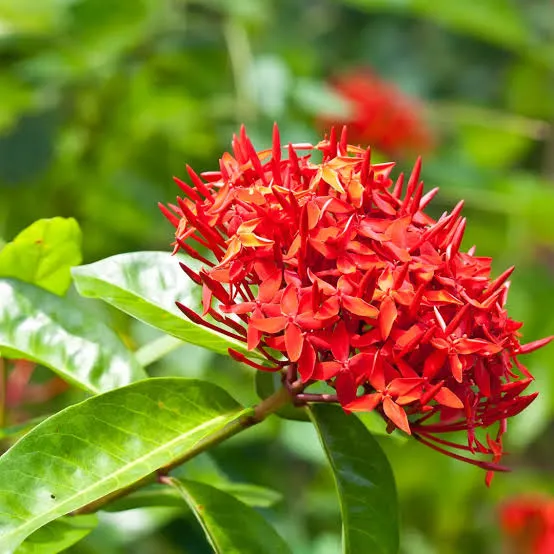
Figure 01: Ixora coccinea Flower
Morphology:
Ixora coccinea is a multi-branched evergreen shrub that generally grows 4–6 feet tall and may reach up to 10 feet under favourable conditions. It produces small tubular flowers arranged in rounded clusters called cymes, available in colours such as red, orange, yellow, pink, and white. In tropical regions, the plant can flower throughout the year, while in temperate regions, flowering mainly occurs during summer. [12].
Distribution:
Ixora coccinea, commonly known as Jungle Flame or Flame of the Woods, is native to tropical regions of South and Southeast Asia, including India, Sri Lanka, and Bangladesh. Due to its adaptability to different environmental conditions, it is widely cultivated in tropical and subtropical regions worldwide, including Florida. [12].
Phytoconstituents:
Ixora coccinea contains several bioactive phytochemicals, including triterpenoids, flavonoids, anthocyanins, and proanthocyanidins. Compounds such as lupeol, ursolic acid, oleanolic acid, rutin, and quercetin contribute to its antioxidant and anti-inflammatory properties. These constituents help neutralize free radicals, reduce oxidative stress, and contribute to the plant's antibacterial activity. [13].
Uses:
Ixora coccinea flower extract exhibits antimicrobial activity against various pathogenic microorganisms and is traditionally used to manage conditions such as dysentery and leucorrhoea. Its therapeutic potential is attributed to bioactive compounds, including flavonoids, anthocyanins, coumarins, lignans, alkaloids, tannins, saponins, and triterpenoids. The flowers are also used in cosmetic formulations as a natural colouring agent. [12,13]
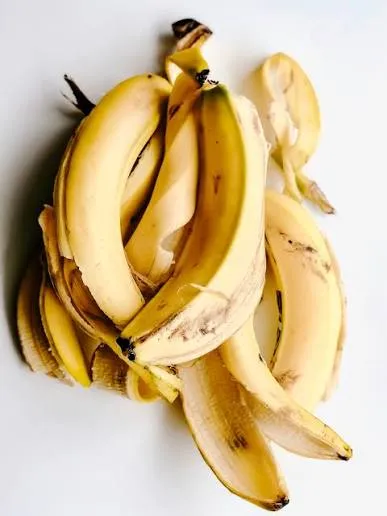
Figure 02: Musa acuminata Peel
Musa acuminata peel
Morphology:
Musa acuminata is an herbaceous perennial monocot characterized by an underground rhizome, corm, and a pseudostem formed by tightly packed leaf sheaths. It grows about 3–5 metres tall and has large, oblong leaves measuring approximately 2–2.5 metres in length, with colours ranging from green to purple. The plant produces inflorescences with female and male flowers, followed by fruits that develop a yellow pericarp upon maturity [14].
Distribution:
Musa acuminata originated in the tropical regions of Southeast Asia, with Malaysia considered an important centre of origin for AA and AAA cultivars. Due to its economic importance and adaptability to tropical climates, it is now widely cultivated worldwide, particularly in India, Brazil, and China. India is considered an important centre of banana diversity, with numerous cultivars and a long history of banana cultivation. [14].
Phytoconstituents:
Musa acuminata contains various bioactive phytochemicals, including saponins, terpenoids, steroids, anthocyanins, fatty acids, tannins, phenols, and alkaloids. These compounds are found in different plant parts, such as fruits, peels, flowers, leaves, pseudostems, and rhizomes. The phytochemical composition varies depending on the plant part and extraction method, highlighting its potential as a source of therapeutic compounds [15].
Uses:
Musa acuminata banana peel contains bioactive compounds such as flavonoids, anthocyanins, and alkaloids, which contribute to its antimicrobial and antioxidant properties. These constituents help neutralize free radicals, reduce inflammation, and may support wound healing. The presence of various phytochemicals highlights the nutritional and therapeutic potential of banana peel for herbal and cosmetic applications. [14, 15].
2. Linum usitatissimum L. Seed
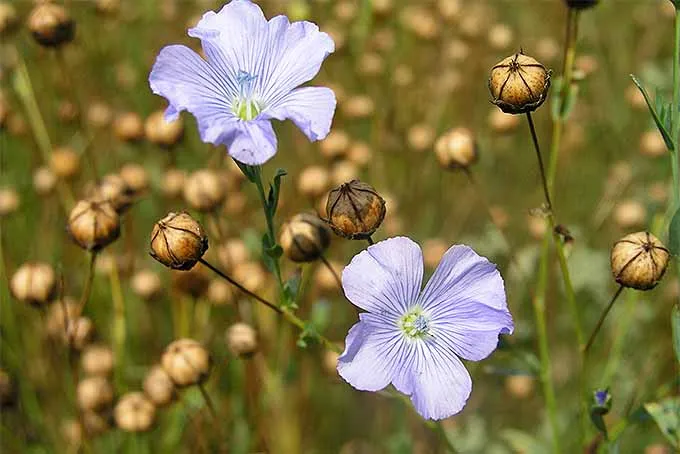
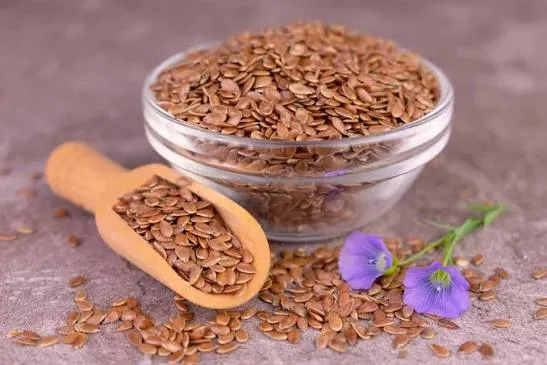
Figure 03: Linum usitatissimum Seed
Figure 04: Linum usitatissimum Flower
Morphology:
Linum usitatissimum is an erect annual plant that grows up to 1–2 feet in height, with a cylindrical stem and branched upper portion. Its leaves are alternate, sessile, linear to lanceolate, and have entire margins. The flowers are solitary with five petals, sepals, and stamens, while the fruit is a capsule containing flat, ovoid seeds. [16].
Description:
The exact origin of Linum usitatissimum is unknown, although it is believed to have originated in India. It is commercially cultivated as a fibre crop in countries such as Egypt, Algeria, Spain, Italy, and Greece, and as an oilseed crop in Turkey, Afghanistan, and India. It is also widely grown in subtropical regions, including South America, the USA, Canada, Russia, and other European countries. [16].
Phytoconstituents:
Flaxseed is a rich source of essential fatty acids, particularly alpha-linolenic acid (ALA), along with linoleic and oleic acids. It contains lignans such as secoisolariciresinol diglucoside (SDG), which exhibit antioxidant properties. The mucilage present in flaxseed contains water-soluble polysaccharides that provide excellent gelling, film-forming, and moisture-retention properties. [17].
Uses:
OTHER EXCIPIENTS:
A. Polyvinyl Alcohol (PVA)
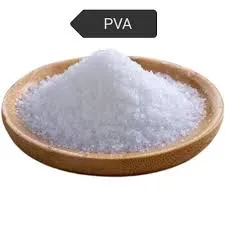
Polyvinyl Alcohol (PVA) is a synthetic polymer containing vinyl and alcohol groups in its chemical structure. It is widely used due to its excellent adhesive and film-forming properties. PVA is water-soluble, crystalline, and flammable in nature, with its flammability associated with the presence of alcohol groups [6].
Fig no. 05 polyvinyl alcohol
B. Sodium Alginate
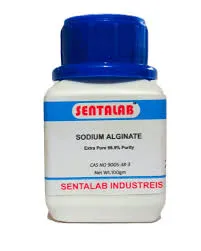
Sodium alginate is a natural polysaccharide obtained from brown seaweed and widely used as a film-forming agent in cosmetic formulations. It helps produce a smooth, flexible, and uniform film on the skin while improving the consistency, structure, and peelability of the mask [19].
Fig no. 06 sodium alginate
C. GLYCERIN
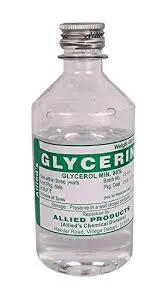
It is a triol-based compound. It is known as a humectant, which is an agent that helps to bring moisture from other parts of the body to the outer layer of skin, reduce dryness and revive the skin. It is also an emollient as it softens the skin [19].
Fig no. 07 glycerine
D. GEOGARD ECT
It is used as a preservative in the formulation. It having a broad spectrum of activity against microorganism and it’s a natural preservative.
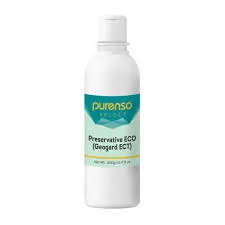
Fig no. 08 geogard ECT
E. LAVENDER OIL
It acts as a perfume. The family Lavandula, which consists of garden lavender, is very fragrant and has many uses. Lavender oil, which is usually obtained from the flowers of the plant, is used for massage and inhalation to have sedative effects [20].
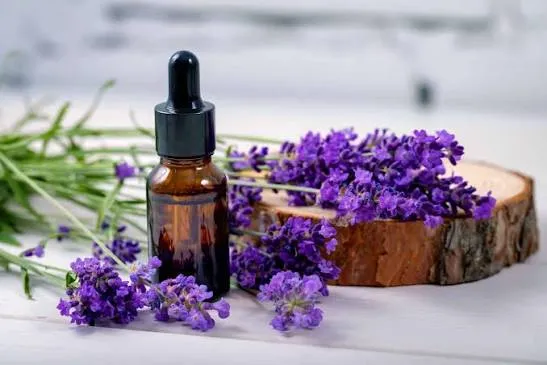
Figure 09: Lavender Oil
COLLECTION AND AUTHENTICATION OF PLANT MATERIALS
The ixora flower, banana peel, and flaxseed were collected from Odakkali, Thodupuzha and Ernakulam premises and authentified as ixora coccinea, musa acuminata, Linum usitatissimum by Dr. Justin R Nayagam, Professor and Head of the Department of Botany, Union Christian College, Aluva, Ernakulam, Kerala.
PREPARATION OF PLANT EXTRACT
Ixora coccinea flower:
Fresh flowers of ixora coccinea approximately 27 g in quantity were gathered and washed three times using double distilled water in order to remove dust particles. The flowers were put in a beaker having 270 ml of ethanol, where they underwent maceration for 94 hours after which they were filtered using a muslin cloth and later through Whatman filter paper number 1. The filtrate obtained was collected in a porcelain dish and place in water bath [21].
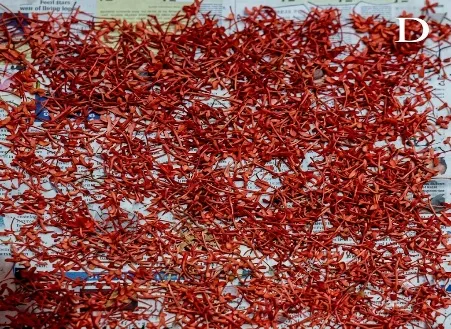
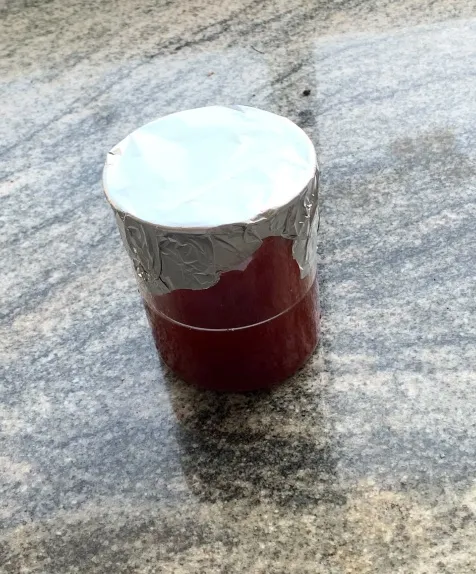
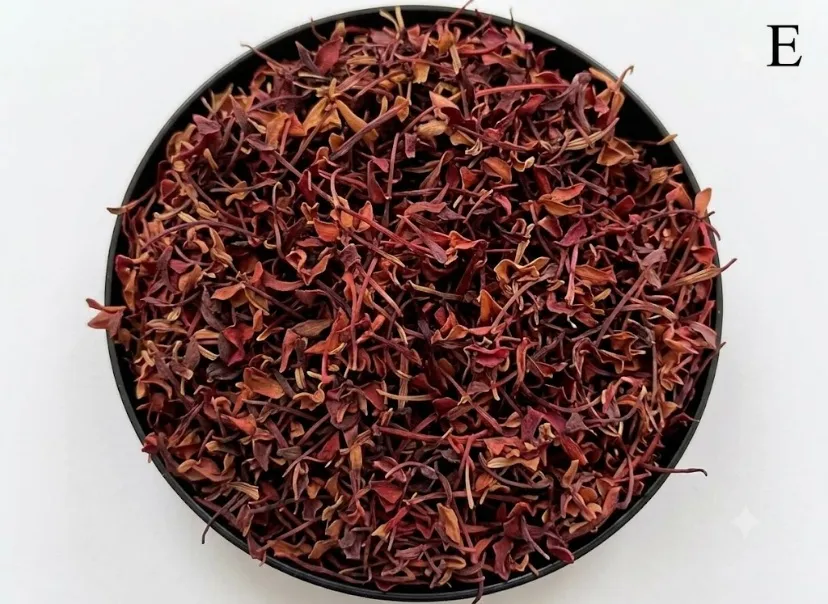
Fig no. 11 dried flowers
Fig no. 10 fresh flowers
Fig no. 12 maceration of dried flower
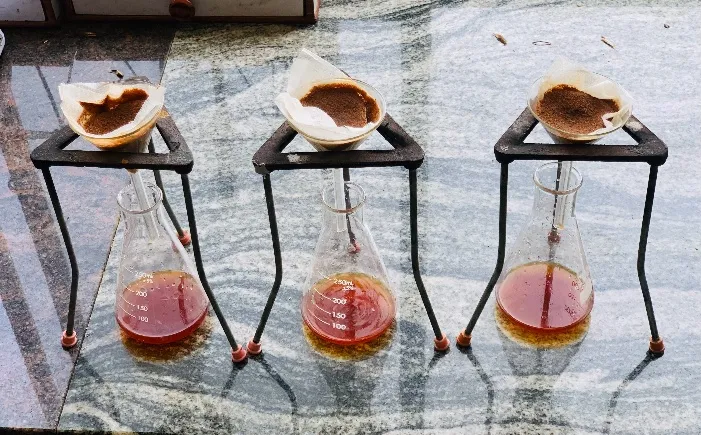
Figure 13: Extraction of ixora coccinea Flower
Musa acuminata peel:
The powder made from banana peels weighing 50 grams was kept in dark glass bottles to ensure the prevention of the degradation of the compounds by light exposure. These were macerated in 500 mL of 96 percent ethanol at intervals of every 24 hours for six days to enhance penetration of the solvent and maximize the extraction of the bioactive compounds. Once the maceration process was completed, the filtrate was separated from the solid residue by filtering using filter paper. The filtrate was then concentrated using a rotary evaporator at 50°C in order to remove the solvent. This procedure was carried out under controlled conditions to avoid any form of thermal degradation of the bioactive compounds [22].
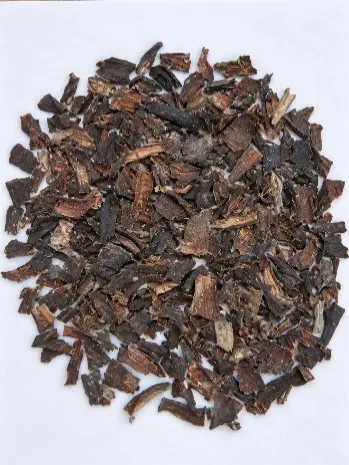
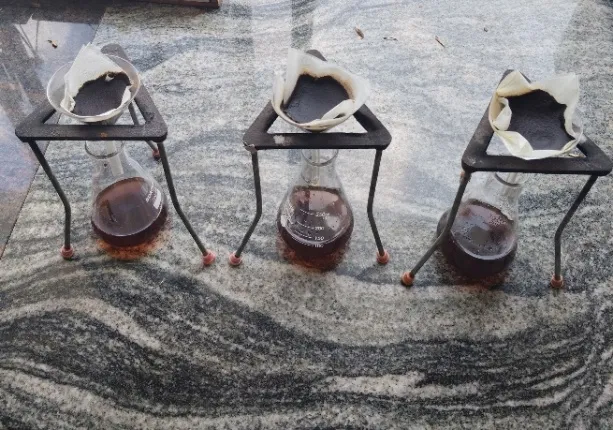
Figure 14: Dried Peel of Musa Acuminata
Fig no. 15 extraction of Musa Acuminata
Linum usitatissimum L. seed:
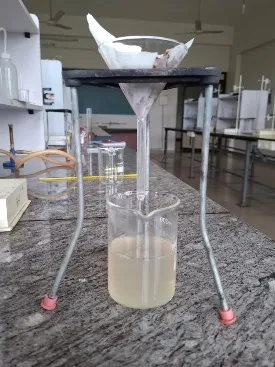
The mucilage was isolated from flax seeds on a weight basis. A 1000 mL beaker was used to put in 250 g of flax seeds and 900 mL of distilled water. The solution was boiled for 7 hours while stirring continuously at temperatures ranging between 50°C to 60°C so that the mucilage could come out in the distilled water. The boiling process continued until the volume of the solution reduced to half of its original volume. Then, the solution was filtered through muslin cloth to separate the marc from the filtrate [23].
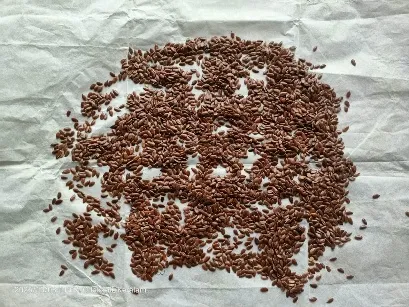
Figure 16: Dried linum usitatissimum l. Seeds
Figure 17: Extract Linum usitatissimum L. Seeds
FORMULATION OF PEEL-OFF MASK
| Si.no. | Ingredients | F1 | F2 | F3 |
|---|---|---|---|---|
| 1 | Ixora coccinea | 4.6 gm | 4.6 gm | 4.6 gm |
| 2 | Musa acuminata | 1gm | 1gm | 1gm |
| 3 | Linum usitatissimum | 4gm | 4gm | 4gm |
| 4 | Polyvinyl alcohol | 2.4 gm | 2.8 gm | 3.2 gm |
| 5 | Sodium alginate | 0.3gm | 0.3gm | 0.3gm |
| 6 | Glycerin | 2ml | 2ml | 2ml |
| 7 | Geogard ECT | 0.16ml | 0.16ml | 0.16ml |
| 8 | Lavender oil | 1ml | 1ml | 1ml |
| 9 | Purified water Table no. 2 Formulation table |
q.s | q.s | q.s |
Formulation table:
Evaluation of peel-off mask:
1. Physical appearance
The prepared formulations were visually examined for their colour, odour, smoothness, and transparency to assess their physical appearance.
The colour of the formulated peel-off mask was assessed visually by observing the formulation against a white background under suitable lighting conditions.
The odour of the prepared formulations (F1, F2 and F3) was evaluated organoleptically by gently smelling each formulation.
The grittiness of the formulations (F1, F2 and F3) was evaluated by gently rubbing a small quantity of each formulation between the fingertips and observing the presence or absence of any roughness.
The texture of the prepared formulations (F1, F2 and F3) was evaluated by gently spreading a small quantity of each formulation over the skin and observing its consistency, uniformity, and feel during application [6].
2. pH measurement:
The pH of the prepared peel-off mask was measured by digital pH meter. A total of 1 gram of gel was weighed and dissolved in 10 mL of distilled water, then stirred to ensure uniformity. The pH meter was then immersed, and the results were recorded [20].
3. Drying time:
A film drying time test was conducted to determine the time required for the peel-off mask gel to dry and form a film on the skin. The ideal drying time was considered to be 15–20 minutes [6].
4. Peelability:
A 4 × 4 mm film was applied to the slide and allowed to dry for 15–20 minutes. The dried film was then peeled off, and the ease of removal was observed [20].
5. Film-forming ability:
Approximately 2 g of the formulation was spread uniformly on a millimeter-marked glass plate (120 × 120 mm) to form a thin mask layer of about 1 mm thickness. The thinner layer was used to easily observe any defects in film formation [20].
6. Spreadability:
Place 1 g of peel-off gel between two glass slides. Apply a 50 g weight for 1 minute. Measure the spread diameter and repeat the test three times for consistency [6].
S=(M*L)/T
Were,
S= Spreadability
M=Weight placed on the slide
L=Diameter of circle in cm
T=Time in sec
7. Antioxidant assay:
The DPPH method was used to evaluate the antioxidant activity of the peel-off gel mask. Different concentrations (10-50 µg/mL) were mixed with DPPH solution and incubated in the dark for 30 minutes. Absorbance was measured at 517 nm using a UV-Visible spectrophotometer, and the percentage of radical scavenging activity was calculated [24].
% Scavenging = [(A??? control − A??? sample) / A??? control] × 100
IC50 = C1+ (50 -I2) * (C2-C1) / I2-I1
| SI. NO | IC50 value (ppm) | Category Antioxidant activity |
|---|---|---|
| 1 | <50 | Very strong |
| 2 | 50-100 | Strong |
| 3 | 100-150 | Moderate |
| 4 | 150-200 Table no. 3 antioxidant study |
Weak |
8. Antibacterial assay:
Sterilized equipment and distilled water were used under aseptic conditions. Nutrient broth was prepared, and extract concentrations of 25, 50, 75 and 100 mg/mL were prepared using 1% DMSO. The samples were inoculated separately with Staphylococcus aureus, and incubated at 37°C for 24 hours. Turbidity was observed, and the clear tube was considered indicative of antimicrobial activity and used to determine the MIC [25].
RESULT AND DISCUSSION:
The formulated peel-off masks (F1, F2, and F3) were subjected to comprehensive evaluation across various physicochemical and organoleptic parameters, including pH, peelability, spreadability, drying time, film-forming ability, and antioxidant, antibacterial.
1. Physical appearance
| Si. No. | Parameter | F1 | F2 | F3 |
|---|---|---|---|---|
| 1 | Colour | Dark brown | Dark reddish-brown | Light brown |
| 2 | Odour | pleasant | pleasant | pleasant |
| 3 | Texture | Semi-solid with slight non-uniformity | Smooth, semi-solid and uniform | Semi-solid with a slightly watery consistency |
| 4 | Grittiness | Slight grittiness | No grittiness | Gritty |
The prepared peel-off mask formulations (F1, F2 and F3) were evaluated visually for their colour, odour, appearance, texture, homogeneity and grittiness.
Table no. 4 physical appearence
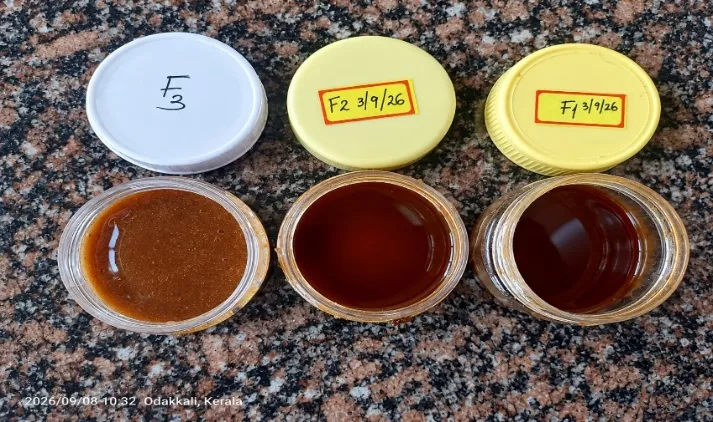
Fig no. 18 formulation of F1, F2, F3
Among the formulations, F2 showed a smooth, uniform and satisfactory physical appearance, indicating better physical characteristics compared with F1 and F3.
pH Measurement
| Si. No. | Formulation | pH |
|---|---|---|
| 1 | F1 | 5.38 |
| 2 | F2 | 5.74 |
| 3 | F3 Table no. 5 pH measurement |
5.98 |
The pH of the three formulations (F1, F2, F3) was determined by using the calibrated pH meter.
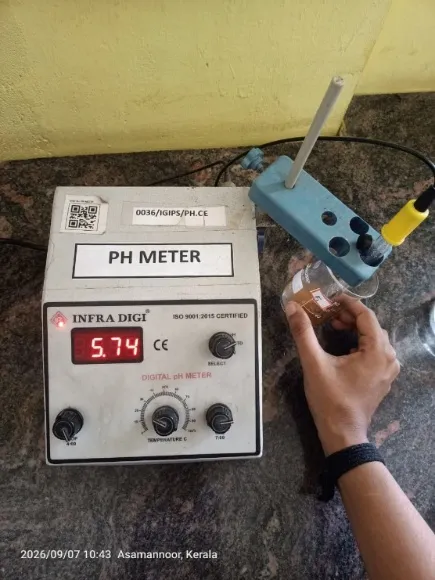
Fig no. 19 pH of F2
According to the evaluation all formulations (F1, F2, F3) showed pH values within the generally acceptable range for topical facial preparations. F2 showed a pH of 5.74, which is suitable for skin application.
Peelability
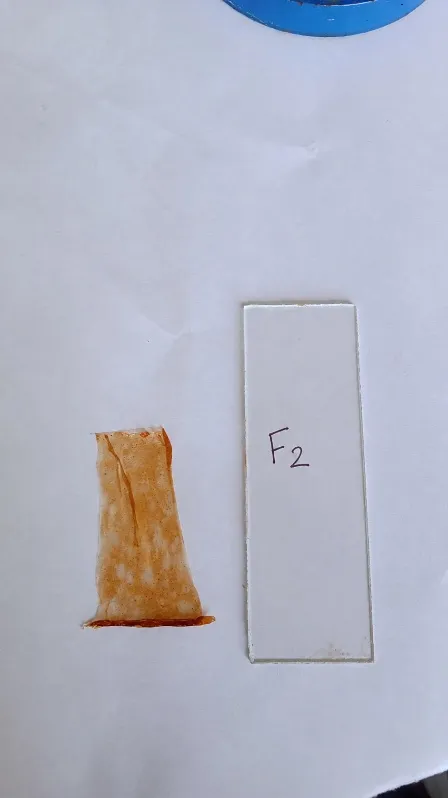
The formulation F1, F2, F3, are applied on the glass slide and allow to dry for 15-20 mints. And the dried film was peel-off.
| Si. No. | Formulation | Peelability |
|---|---|---|
| 1 | F1 | Moderate to peel |
| 2 | F2 | Easy to peel |
| 3 | F3 Table no. 6 peelability |
Moderate to peel |
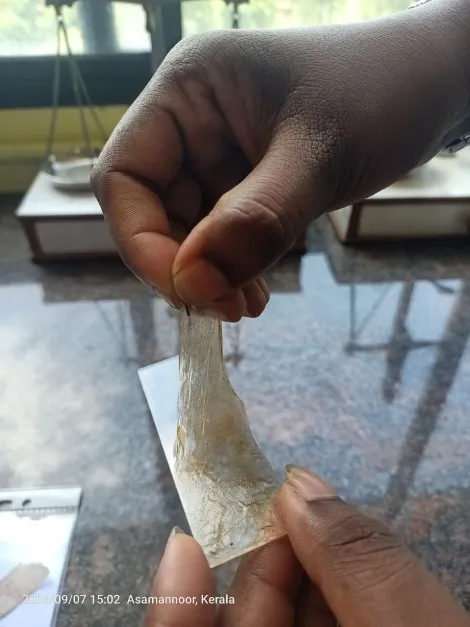
Figure 20: Peelability of F2
F1 showed difficult peelability, whereas F2 and F3 showed good peelability. Among the formulations, F2 exhibited good and satisfactory peelability, allowing easy removal of the dried film.
Film-forming
The formulation (F1, F2, F3) was spread over a glass slide to form a thin layer. Then the film was observed for any defects.
Fig no.21 film-forming of F2
| Si. No. | Formulation | Film-forming |
|---|---|---|
| 1 | F1 | Difficult |
| 2 | F2 | Good |
| 3 | F3 | Moderate |
Table no. 7 film-forming of F2
All formulations (F1, F2, F2) showed film-forming ability. F2 formed a smooth, continuous and uniform film, indicating satisfactory film-forming characteristics.
Drying time
The drying time of the prepared peel-off mask formulations was determined by observing the time required for the applied formulation to form a completely dry and non-sticky film.
| Si. No. | Formulation | Drying time |
|---|---|---|
| 1 | 1F1 | 25min |
| 2 | 2F2 | 18 min |
| 3 | F3 | 21 min |
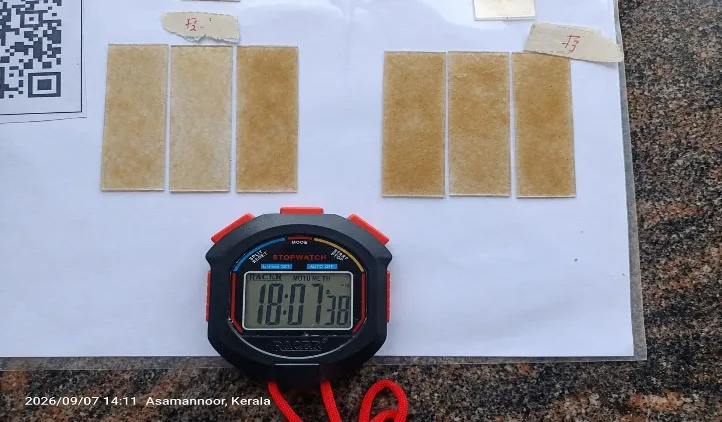
Figure 22: Drying Time of F2
Table no. 8 drying time
The drying time was found to be 25, 18 and 21 minutes for F1, F2 and F3, respectively. F2 showed the shortest drying time of 18 minutes, indicating faster formation of a dry, non-sticky film compared with F1 and F3.
Spreadability
Spreadability is very significant for ensuring patient compliance and also assists in the even spreading of the peel-off mask on the face. A well-designed peel-off mask requires less time to spread and thus has a high spreadability.
| SI. NO | Formulation | Spreadability (gcm/sec) |
|---|---|---|
| 1 | F1 | 32.14 |
| 2 | F2 | 50 |
| 3 | F3 | 37.50 |
Table no. 9 spreadability
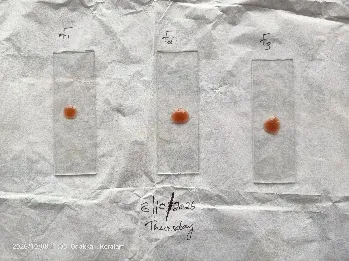
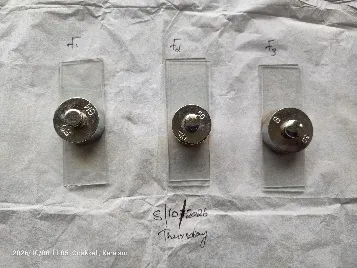
Fig no. 23 spreadability of F2
The spreadability values of F1, F2 and F3 were found to be 32.14, 50.00 and 37.50 g·cm/sec, respectively. F2 showed the highest spreadability, indicating easier and more uniform application of the formulation.
Based on the preliminary evaluation studies, including pH, spreadability, film-forming ability, drying time, and physical appearance, formulation F2 was found to exhibit better overall characteristics compared to F1 and F3. Therefore, F2 was selected as the optimized formulation for further evaluation. Further studies were planned to assess its antioxidant and antibacterial activities to investigate its potential additional benefits.
Antioxidant Activity by DPPH Assay
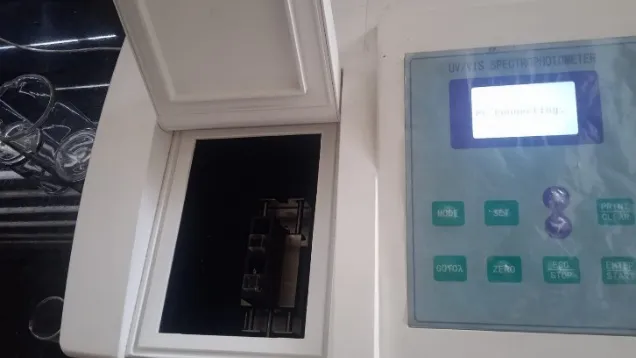
Figure 24: Antioxidant Study of F2
The antioxidant activity of the prepared peel-off mask formulation was evaluated by the DPPH (2,2-diphenyl-1-picrylhydrazyl) free-radical scavenging assay. The absorbance was measured at 517 nm, and the percentage inhibition was calculated.
The antioxidant activity of peel off mask (F2) was found to be 23.8 ppm.
Result: The antioxidant activity of the peel-off mask was found to be very strong.
Antibacterial assay
The antibacterial efficiency of F2 was investigated against clinical bacterial pathogens, Staphylococcus aureus, using the disc diffusion method.
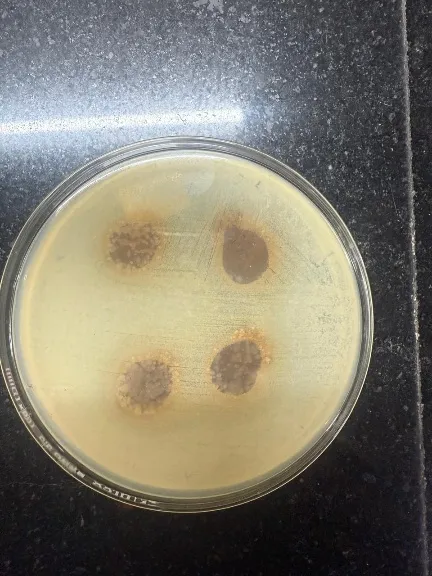
Figure 25: Antibacterial Study of F2
The peel-off mask showed Antibacterial activity against s. aureus
SUMMARY AND CONCLUSION
The present study was undertaken to formulate and evaluate a natural peel-off mask gel using Ixora coccinea, Musa acuminata, and Linum usitatissimum as herbal ingredients. The selected natural materials were incorporated based on their potential cosmetic benefits and the presence of bioactive constituents such as flavonoids, phenolic compounds, tannins, saponins, and terpenoids. The formulation was developed with the aim of providing a skin-friendly preparation with antioxidant, antibacterial, and moisturizing properties. The selected plant materials were subjected to proper identification, authentication, and preliminary phytochemical investigation to confirm the presence of important phytoconstituents. Suitable extraction procedures were carried out, and the obtained extracts were incorporated into the peel-off mask gel. Three different formulations, namely F1, F2, and F3, were prepared by varying the concentration of polymers to study their influence on the physical and functional characteristics of the formulations.
The prepared formulations were evaluated for various parameters including appearance, colour, homogeneity, pH, spreadability, drying time, film-forming ability, film thickness, removability, washability, and stability. The antioxidant activity of the formulations was evaluated using the DPPH radical scavenging method. The antibacterial activity was evaluated against Staphylococcus aureus using nutrient broth as the culture medium, and the antibacterial effect was assessed based on the presence or absence of visible turbidity at different concentrations of the formulation. The comparative evaluation of F1, F2, and F3 showed differences in their physical and functional characteristics due to the variation in polymer concentration. The F2 formulation exhibited satisfactory physical properties, acceptable pH, good spreadability, appropriate drying time, proper film formation, and ease of removal. The formulation also demonstrated antioxidant and antibacterial potential against Staphylococcus aureus, indicating the possible contribution of the selected herbal ingredients to the overall activity of the formulation.
Overall, the study indicates that Ixora coccinea, Musa acuminata, and Linum usitatissimum can be successfully incorporated into a peel-off mask gel. The developed formulation has potential as a natural, economical, skin-friendly, moisturizing, antioxidant, and antibacterial cosmetic preparation.
REFERENCES








Fathima Shehdiya K. T., Sneha Jose, Krishnanandha A. M., Mohammad Farhan M. V., Nandhana Shibu, J. Nandhakumar, Sreekanth S. Kaithavalappil, Riya Mathew, Formulation and Evaluation of Multi-Herb Peel-Off Mask, Int. J. of Pharm. Sci., 2026, Vol 4, Issue 11,
 10.5281/zenodo.24152382