

We use cookies to ensure our website works properly and to personalise your experience. Cookies policy
JES SND institute of pharmacy Babhulgaon Yeola Nashik -423401.
Natural plant components are used to make herbal dhoop, a product that keeps insects away. It is safe, non-toxic, and environmentally friendly, and it repels insects and mosquitoes using a special combination of plant extracts and fragrant oils.In this study, various quantities of essential oils and plant extracts were evaluated using a homemade mosquito stick in the room's corner where a lot of mosquitoes were present. However, many people dislike mosquito coils that contain synthetic pyrethroids, so chemical-based repellents are increasingly being avoided in favour of herbal ones. A variety of plant species and their essential oil blends have been shown to work well as insect and mosquito repellents, and because plant-based repellents are easily available and gentler on the environment, interest in safe, biodegradable alternatives to synthetic repellents is growing. Thus chemical based mosquito repellents were avoided and herbal mosquito repellents were preferred. It has been demonstrated that a variety of plant species and their essential oil blends work well as insect and mosquito repellents. There is a growing interest in safe and biodegradable alternatives to synthetic chemical repellents for use against mosquitoes since plant-based repellents are readily available and have less of an unfavorable effect on the environment. Therefore, attempts have been made to find out the novel formulations containing fixatives with combination of different ingredients for mosquito repellent Dhoop. The main ingredients were Marigold tagets, lemongrass, camphor, activated charcoal, clove, neem leaves and tulsi leaves, which were formulated individually and in different combinations.
One of the most significant insect pests harming both human and animal health is the mosquito. Female mosquitoes bite, which irritates people and animals, and they can also transmit many disease-causing organisms. Suitable habitats for mosquitoes exist almost everywhere, so they can be a nuisance in nearly any location. Controlling them effectively requires an understanding of their life cycle, the ability to identify the different kinds of mosquitoes, and knowledge of which control measures work best for each species and setting.
LIFE HISTORY
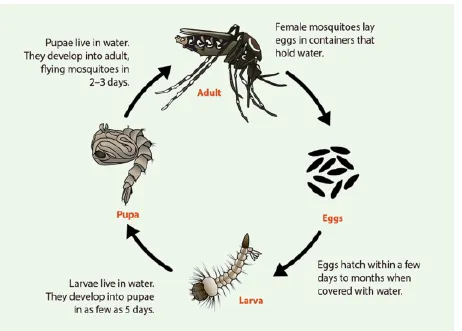
Figure 1: Life Cycle of Mosquito
Dhoop :
The calming fragrance of dhoop sticks soothes the mind and creates a peaceful atmosphere. Many plants have mosquito-repelling properties, which is valuable for protection against mosquito-borne disease. Because herbal dhoop is made from plants, it is environmentally friendly and usually free of adverse effects, so it protects against mosquitoes without harmful side effects. Natural coils are both effective and practical, whereas synthetic coils can be harmful because of the chemicals they release. The use of herbal smoke has deep roots in Indian tradition, and the Rig-Veda is among the oldest texts of Hindu civilisation.
EVALUATION PARAMETER :
1.Cage Test: A dhoop is lit close by while the mosquito is placed inside the cage.
You may observe how the mosquito behaves to determine whether the dhoop repels it. If the mosquito stays away from the dhoop region, the dhoop is working.
2. Mosquito Landing Test: For this test, you may have someone sit in a room with a burning dhoop and count how many mosquitoes touch their skin in a specific amount of time, such as five minutes
3. Fume test: This test determines the presence of certain chemicals by identifying the color and odor of the fumes generated when a product burns.
4. Toxicity test: To make sure the created dhoop is safe to use, a toxicity test is conducted. All of the preparation's ingredients, including charcoal, champhor, turmeric, and limonene oil, were non-toxic.
5. Irritability test: The purpose of the irritability test is to determine whether the prepared dhoop causes any health irritation.
Table 1: Evaluation Parameters
| Burning Time | 50 Min |
|---|---|
| Odour | Satisfactory |
| Irritation | No |
| Smoke Visibility | High |
| Ash weight | 0.9 |
| Mosquito repellent activity (min) | 15 |
PLANT PROFILE
1.Tulsi Leaves
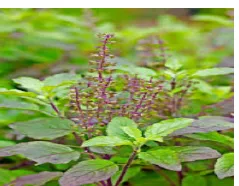
Figure 2: Image of Tulsi
Table 2: Taxonomical Classification of Tulsi
| Synonym | Holy basil |
|---|---|
| Biological Source | Tulsi consists of fresh and dried leaves of Ocimum sanctum Linn., belonging to family Labiatae. |
| Chemical constituent | Oleanolic acid, Ursolic acid, Rosmarinic acid, Eugenol, Carvacrol, Linalool, and β-caryophyllene, |
| Uses | • Natural Immunity Booster • Reduces Fever & Pain • Reduces Cold, Cough & Other Respiratory Disorder • Reduces Stress & Blood Pressure |
2.Neem leaves:
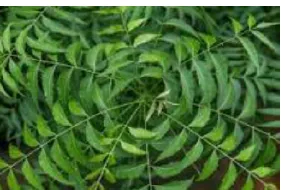
Figure 3: Image of Neem
Table 3: Taxonomical Classification of Neem
| Synonym | Neem leaves are also referred to as Azadirachta indica leaves. |
|---|---|
| Biological Source | Neem leaves come from the neem tree, scientifically known as Azadirachta indica, which is native to the Indian subcontinent and can also be found in other tropical and subtropical regions. |
| Chemical constituent | 1. Azadirachtin: Primary insecticidal component. 2.Nimbin: Bitter compound with antifungal properties. 3.Nimbidin: Bitter compound with antihistamine and antiviral properties. 4. Nimbolide: Exhibits anticancer properties. |
| Uses | Neem leaves have various traditional and modern uses. They are commonly used in Ayurvedic medicine for their antifungal, antibacterial, and anti-inflammatory properties. . |
3. Lemon grass:
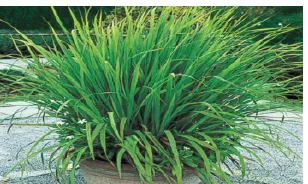
Figure 4: Images of Lemon Grass
Table 4: Taxonomical Classification of Lemon Grass
| Synonym | Lemongrass is also known as Cymbopogon or citronella grass |
|---|---|
| Biological Source | Lemongrass is a tropical grass native to regions such as India, Sri Lanka, and Southeast Asia. |
| Uses | Lemongrass is commonly used in culinary dishes, teas, and aromatherapy. It adds a lemony flavor and aroma to soups, curries, stir-fries, and marinades. Additionally, it's used in traditional medicine for its potential health benefits, such as relieving digestive issues and reducing inflammation. |
4. Clove
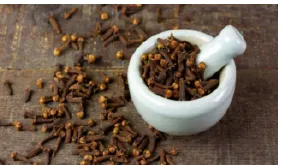
Figure 5: Image of Clove
Table 5: Taxonomical Classification of Clove
| Synonym | Clove is also known as Syzygium aromaticum or Eugenia caryophyllata. |
|---|---|
| Biological Source | Clove comes from the dried flower buds of the clove tree, scientifically known as Syzygium aromaticum or Eugenia caryophyllata, which is native to Indonesia and other parts of Southeast Asia. |
| Uses | Cloves have a wide range of uses. They are commonly used as a spice in cooking, particularly in savory dishes, baked goods, and beverages like mulled wine. Clove oil is utilized in aromatherapy for its soothing properties and is also found in dental care products due to its antiseptic properties. In traditional medicine, cloves are used for their analgesic and antiseptic properties, often used to relieve toothaches and sore throats. |
5.campher
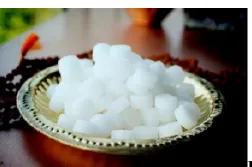
Figure 6: Image of Campher
Table 6: Taxonomical Classification of Camper
| Synonym | Camphor is also known as Cinnamomum camphora. |
|---|---|
| Biological Source | Camphor is derived from the wood of the camphor tree, scientifically known as Cinnamomum camphora, which is native to East Asia but also cultivated in other parts of the world. |
| Uses | Camphor has various uses, including medicinal, aromatic, and industrial applications. It is commonly used in topical treatments for its cooling and analgesic properties, often found in ointments, balms, and liniments for muscle and joint pain relief. Camphor is also used in aromatherapy for its soothing and decongestant effects. Additionally, it is used in the production of plastics, explosives, and as a flavoring agent in food and beverages (although this usage is regulated due to its potential toxicity). |
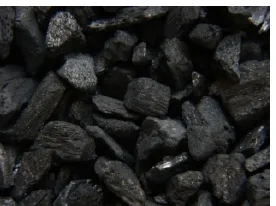
Figure 7: Image of Activated Charcoal
Table 7: Taxonomical Classification of Activated Charcoal
| Synonyms | Activated charcoal is also known as activated carbon. |
|---|---|
| Biological Source | Activated charcoal is a form of carbon that is processed to have small, low-volume pores that increase the surface area available for adsorption or chemical reactions. It is typically made from materials such as coconut shells, wood, peat, or coal. |
| Uses | Activated charcoal is widely used for various purposes due to its adsorptive properties. In medicine, it is used to treat certain types of poisoning or drug overdose by absorbing toxins in the gastrointestinal tract. It is also used in water filtration systems to remove impurities and odors. Additionally, activated charcoal is found in skincare products for its ability to absorb excess oil and impurities from the skin, and in air purifiers to remove pollutants |
7. Marigold Tagetes
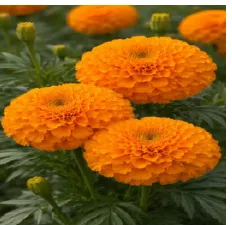
Figure 8: Image of Marigold Tagetes
Table 8: Taxonomical Classification of Marigold Tagetes
| Synonyms | Genda (Hindi/Marathi), African or Aztec marigold, French marigold (T. patula) |
|---|---|
| Biological Source | Fresh or dried flowers of Tagetes erecta L., family Asteraceae |
| Chemical constituents | Carotenoids (lutein and its esters, zeaxanthin), flavonoids (quercetagetin, patuletin), essential oil (limonene, ocimene, tagetone, piperitone), thiophenes (α-terthienyl), phenolic acids (gallic, syringic) |
| Uses | Natural yellow-orange colorant (lutein), antioxidant, anti-inflammatory, antimicrobial, wound healing, eye health supplements, insecticidal and nematicidal |
8. Coconut Shell Charcoal
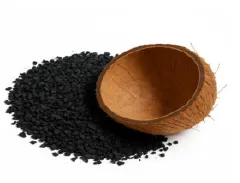
Figure 9: Image of Coconut Shell Charcoal
Table 9: Taxonomical Classification of Coconut Shell Charcoal
| Synonyms | Activated carbon or activated charcoal (after activation), Carbo activatus |
|---|---|
| Biological Source | Charred and activated endocarp (shell) of Cocos nucifera L., family Arecaceae |
| Chemical constituents | Mostly amorphous carbon (about 85-95%), with small amounts of ash and volatile matter. Activated grades have a highly porous structure with a large surface area. |
| Uses | Adsorbent and decolorizing agent (for example to remove color and chlorophyll from extracts and syrups), antidote in poisoning, flatulence and diarrhea, water purification |
INGREDIENTS :
Table 1: O . Procurement of Ingredients
| Sr. No. | Name of the Ingredients | Taken from |
|---|---|---|
| 1 | Lemongrass | Botanical Garden of SND College Of Pharmacy, Babhulgaon,Yeola |
| 2 | Campher | Local market, Yeola |
| 3 | Tulsi leaves | Botanical Garden of SND College Of Pharmacy, Babhulgaon,Yeola |
| 4 | Neem leaves | Botanical Garden of SND College Of Pharmacy, Babhulgaon,Yeola |
| 5 | Clove | Local market, Yeola |
| 6 | Activated charcoal | Local market, Yeola |
| 7 | Coconut Shell Charcoal | Local market, Yeola |
| 8 | Marigold tagetes | Botanical Garden of SND College Of Pharmacy, Babhulgaon,Yeola |
Instruments:
1. Analytical Weighing Balance
2. Spectrophotometer
3. Grinder
4. Glasswares and Equipment
Glassware
Using various glassware such as
1. beakers
2. flasks
3. measuring cylinders
4. stirring rods
For formulation development and preparation of dhoop mixtures.
EXPERIMENTAL WORK:
Procedure for preparation lemongrass mosquito reellent dhoop:
Preparation of lemongrass mosquito repellent dhoop Formulae:
Batch A and Batch B Formulae :
Batch A
| Ingredients | Quantity |
|---|---|
| Lemongrass powder | 2 gm |
| Neem powder | 2 gm |
| Tulsi powder | 2 gm |
| Clove powder | 1gm |
| Camphor & charcoal | 0.5gm |
| Turmeric | q.s |
| Coconut Shell Charcoal | q.s |
| Marigold tagetes extract oil | q.s |
Batch B
| Lemongrass powder | 1.5 gm |
|---|---|
| Neem leaves powder | 1.5 gm |
| Tulsi powder | 1.5 gm |
| Clove powder | 1g |
| Camphor & charcoal powder | 0.5gm |
| Marigold Tagetes extract oil | q.s |
| Turmeric powder | q.s |
| Coconut Shell Charcoal | q.s |
Preliminary Characterization: Drug identification
Assessment Test Of Marigold Tagetes And Different Plants Extracts
• Priliminary evaluation
• Lemongrass leaves –
• Neem leaves -
• Tulsi leaves -
• Clove -
• Camphor -
2) Drying the collected ingredient in the sun until they completletly dry
3) Grinding: The dried leaves are ground into a fine powder using a grinder.
RESULT:
Result of Preliminary Test:
A panel of five judges evaluated the sample's initial quality. Each trial's sample was assessed for sensory attributes.
An expert panel's assessment on color appearance and general suitability.
Result of Test performed
1) Lemongrass leaves powder
Procedure: dried lemmongrss leaves small peaces grind in the grinder machine

Figure 10: Preparing Lemongrass Powder
2) Neem leaves powder
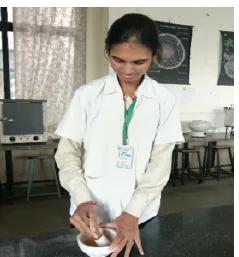
Figure 11: Grinding of Neem Leaves
3) Tulsi leaves powder result

Figure 12: Tulsi Leaves Grinding
4) camphor ,charcoal & clove mix to make powder
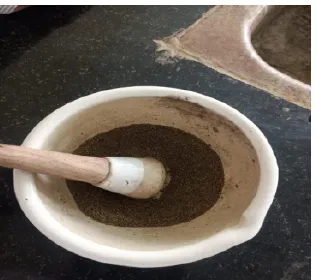
Figure 13: Grinding the Camphor ,Clove & Charcol
5) Result of campher, Clove before grinding
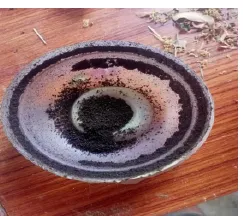
Figure 14: Result of Camphor, Clove & Charcoal Before Grinding
6) Mixing the all ingredients :
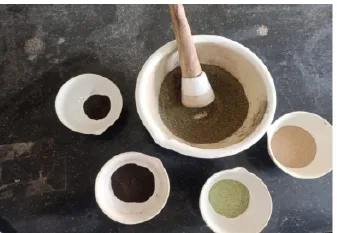
Figure 15: Mixing the All Ingredient Powder
7) IMAGE OF PRACTICALLY PREPARED DHOOP
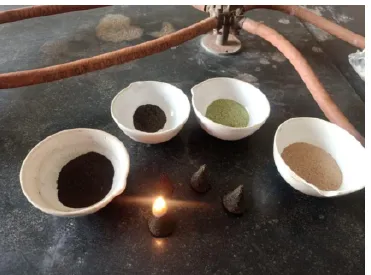
Figure 16: Practicaly Prepared Dhoop
Heat the Dhoop in oven
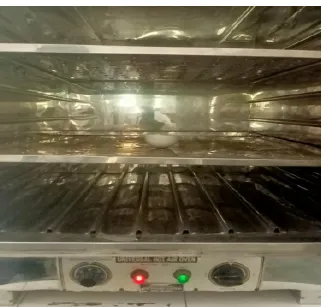
Figure 17: Heat the Dhoop in Oven
Measure the Ash weight
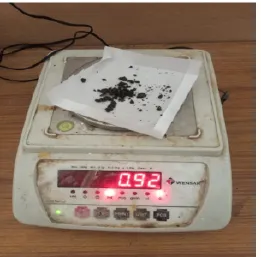
Figure 18: Ash Weight Calculation Measure by Weighing Balance
RESULT AND DISCUSSION:
As a result, we discovered that the dhoop made from the extract of lemongrass leaves may keep mosquitoes away. Lutein and Citronella, a natural insecticidal compound found in Marigold tagetes and lemongrass leaves, is an effective mosquito repellent, and burning lemongrass also leaves a pleasant fragrance that freshens the room. The insect repellent dhoop was made from Carotenoids (lutein and its esters, zeaxanthin), citronella, the main ingredient in of Marigold tagetes & lemongrass leaves. An analysis of the prepared dhoop showed that it had an instant impact. When plates with various aeromicroflora were exposed to the dhoop prepared using the previously described method, it was discovered that most mosquito development was inhibited.
DISCUSSION:
Making mosquito repellent is a traditional, natural method of keeping mosquitoes away. lutein and its esters, Citronella and limonene oils are used to deter insects. Marigold tagetes & Lemmongrass leaves can be used to make the described mosquito-repelling dhoop. Firstly Amalgamate dried Lemmongrass, neem and Tulsi leaves s into a fine powder. When the dhoop cones are dry, you may light them and set them up in a space to ward off mosquitoes. This natural method of keeping mosquitoes away works well, though it may not be as effective as chemical-based repellents. The smoke produced when burning dhoop can also irritate people with respiratory conditions. The dhoop should always be tested in a small location before being used in a bigger one. Overall, mosquito dhoop produced from lemongrass leaves is anatural and environmentally safe method of warding off insects. It’s a fantastic option for those who favour all-natural, chemical-free alternatives to conventional insect repellents.
CONCLUSION :
In conclusion, the mosquito repellent dhoop is a noteworthy development in mosquito control technology, providing a safe, efficient, and natural substitute for traditional pesticides.. With continued research, development and collaboration, mosquito repellent dhoop has the potential to have a meaningful impact on global health and well-being.
REFERENCES


Vikas Bhagwat, Nikita Jhadhav, Diksha Bansode, Akshay Harpade, Manish Ahire, Ganesh Ghule, Sarthak Nehe, Formulation and Evalution of Mosquito Repellent Dhoop by Using Marigold Tagetes and Different Plants Extracts ., Int. J. of Pharm. Sci., 2026, Vol 4, Issue 11, 2178-2189. https://doi.org/10.5281/zenodo.24216880
 10.5281/zenodo.24216880