

We use cookies to ensure our website works properly and to personalise your experience. Cookies policy
Department of Pharmaceutical Chemistry, SAGE University Indore, MP, India.
Epilepsy is one of the most common and disabling neurologic conditions, yet we have an incomplete understanding of the detailed pathophysiology and, thus, treatment rationale for much of epilepsy. Patients with epilepsy suffer from not only seizures but also a decline in quality of life due to psychological issues such as anxiety and depression, as well as social stigma. This article reviews the clinical aspects of epilepsy with the goal of providing introduction to aspects that might be amenable to scientific investigation. Seizures are defined, Types of seizures, diagnostic methods are reviewed, various clinical syndromes are discussed, and aspects of differential diagnosis, treatment, classification, mechanism of drugs, and various formulations of antiepileptic drugs are available in market. All over the study of epilepsy can be reviewed in this article.
Epilepsy is a chronic neurological disease characterized by recurrent, unprovoked seizures resulting from abnormal, excessive electrical activity in the brain. Epilepsy affecting approximately 50 million people worldwide and is reported as the third most common neurological disease in South Korea, only after stroke and dementia. [1,2] It is estimated that there are more than 10 million persons with epilepsy (PWE) in India. Its prevalence is about 1% in our population.[3] The prevalence is higher in the rural (1.9%) compared to urban population (0.6%)[4,5] In the Bangalore Urban Rural Neuro-epidemiological Survey (BURNS), a prevalence rate of 8.8/1000 population was observed, with the rate in rural communities (11.9) being twice that of urban areas (5.7).[6]
Patients with epilepsy suffer from not only seizures but also a decline in quality of life due to psychological issues such as anxiety and depression, as well as social stigma.[7] In addition, it has been reported that the suicide rate and the mortality rate due to accidents in patients with epilepsy are more than twice as high as those of the general population, emphasizing the necessity for systematic support for self-management in patients with epilepsy.[8]
TYPES OF SEIZURE
Divided into generalized seizures (originating in and engaging bilaterally distributed networks) and focal seizures (originating in one hemisphere).
1. Generalized Onset Seizures
Genetic Considerations
Generalized seizures may have a genetic component, but only a small number of people with generalized seizures have family members with the same condition. There is a slight increase in risk for generalized seizures in the children or other family members of an affected person with generalized seizures, but the severity of the seizures can vary from person to person. Genetic testing may reveal a cause for generalized seizures.
Sleep deprivation or drinking large amounts of alcohol can increase the excitatory response and increase the risk of generalized-onset seizures, especially in people with a genetic tendency to have them. Generalized seizures engage or affect networks on both sides of the brain simultaneously from the start.
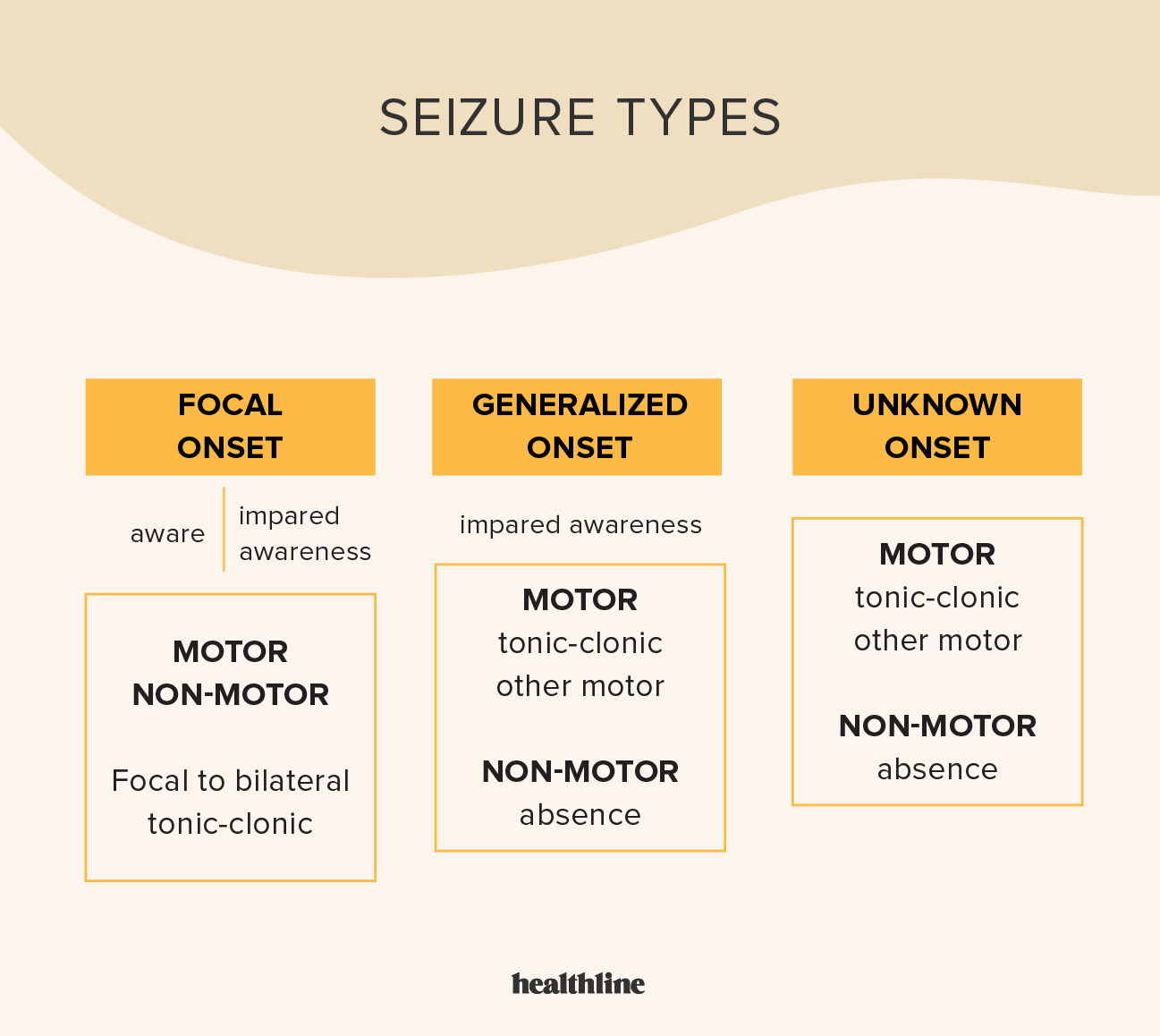
Figure 1: Types of Seizure
2. Absence Seizures (formerly petit mal): Cause a brief loss of awareness lasting a few seconds, often looking like a blank stare or rapid blinking. These are common in children. Childhood absence epilepsy shows up as brief staring episodes in children, usually starting between ages four and six. Children usually outgrow these. Juvenile absence epilepsy starts slightly later and can persist into adulthood; people with these kinds of seizures may develop tonic-clonic seizures in addition to absence of seizures in adulthood.
3. Focal Onset Seizures
Focal seizures start in one specific area or network on one side of the brain.
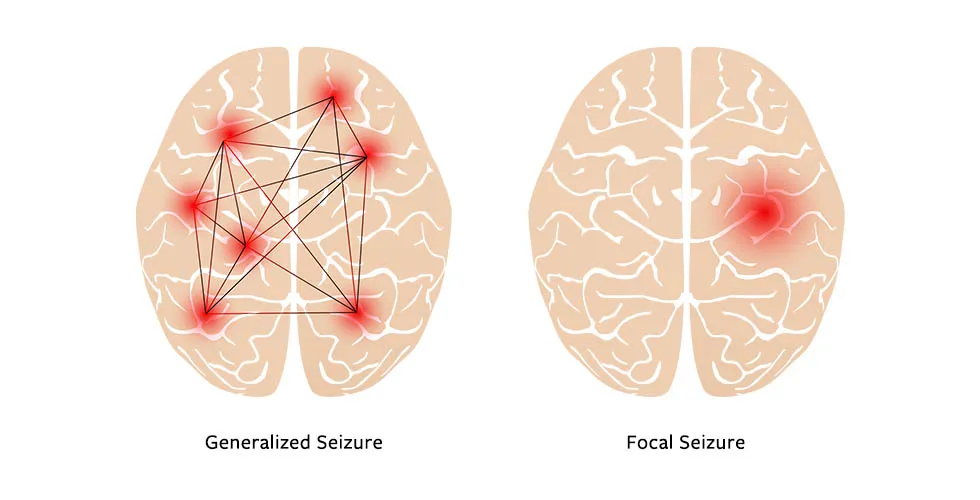
Figure 2: Images Og Generalized and Focal Seizure
• 4. Unknown Seizure
When the beginning of a seizure is not known, it’s now called an unknown whether focal or generalized seizure. A seizure could also be called an unknown onset if it’s not been witnessed or seen by anyone (for example when seizures happen at night or in a person who lives alone). [10,11]
EPILEPSY SYMPTOMS
The main symptom of epilepsy is repeated seizures. Symptoms can look different depending on the type of seizure. But many people have similar symptoms each time they have one.
Common symptoms include:
ETIOLOGY AND PATHOPHYSIOLOGY
According to the International League Against Epilepsy (ILAE), the etiology of epilepsy is categorized into six main groups: structural, genetic, infectious, metabolic, immune, and unknown.
1) Structural Factors:
Physical damage or abnormal formation in the brain—such as a stroke (the leading cause in adults over 35), traumatic head injury, brain tumors, scarring (like hippocampal sclerosis), or congenital brain malformations—can disrupt nerve cell pathways.
Structural epilepsies in older children and adults most commonly present with focal seizures and have very similar symptoms from event to event. In some cases, seizures can spread to both sides of the brain, leading to a generalized tonic-clonic seizure.
Persons with structural causes may also have other symptoms that reflect a structural abnormality in one brain area, such as difficulty:
Infants and young children with structural epilepsies may also present with focal seizures or may present with other seizure types such as infantile spasms or tonic seizures. In such cases, there is often a slowing of development once seizures begin.
In most persons with a structural epilepsy, the brain MRI is abnormal. [12]
2) Genetic Factors:
Specific gene changes or mutations can affect how brain cells communicate. These can be inherited from family members or occur spontaneously as new changes in a child.
Epilepsy is said to have a genetic cause if seizures are the result of a known or presumed underlying genetic change, referred to as a DNA variant. DNA variants impact the structure, function, or amount of a protein coded for by a gene.
If there is a DNA variant in a gene that codes for a protein expressed in the brain, the variant may lead to an increased likelihood of seizures. A DNA variant may be inherited from a parent, leading to genetic epilepsy, and therefore may be present in multiple family members. However, some genetic epilepsies are not inherited. DNA variants that cause epilepsy may occur spontaneously in a child without being present in either parent or other family members. Sometimes, epilepsy may be due in part to genetic factors, but additional environmental factors may play a role as well.
Heredity (genetics or the physical traits we get from our parents) plays an important role in many cases of epilepsy. Advances in science and medicine over the last decade have led to a better understanding of the ways genetic factors contribute to epilepsy. [13]
3) Infectious Diseases:
Brain infections like meningitis, viral encephalitis, HIV, or parasitic infections (such as neurocysticercosis) can scar or inflame brain tissue.
4) Metabolic Conditions:
Rare chemical or electrolyte imbalances in the body can disrupt normal brain function. A metabolic disorder is caused by an underactivity or blockage in enzymes responsible for breaking down the various parts of the food we eat to nourish the body. An issue with one of these enzymes can lead to problems metabolizing or “breaking down” one of the components in food (proteins, carbohydrates or “sugars,” fats or “lipids” or vitamins) or problems generating energy to sustain the body’s function.
The majority of persons with metabolic epilepsy present with symptoms in infancy or early childhood. Symptoms often include seizures, typically with other symptoms such as:
Types of Metabolic Disorders
5) Immune (Autoimmune) Factors:
An overactive or misdirected immune system can cause inflammation or attack nerve cells in the brain (such as in autoimmune encephalitis).
Autoimmune epilepsy (AE) is caused by a change in the body’s immune function. Seizures are the main features of AE.
Our immune system protects the body from foreign substances or things that could harm the body. Key cells for the immune response include macrophages, lymphocytes (B cells and T cells), and antibodies.
Antibodies are large proteins found in the blood or other body fluids that protect the body. Antibodies that target the brain may be the cause of autoimmune epilepsy. The most common antibodies target specific receptors in the brain, such as N-methyl-d-aspartate receptor (NMDAR), leucine-rich glioma-inactivated protein 1 (LGI1), and glutamic acid decarboxylase 65 (GAD65).
If these antibodies are associated with a tumor, they are called paraneoplastic. If an infection of the brain is present, it may be called autoimmune encephalitis. While the paraneoplastic syndromes are usually cancer related, the autoimmune encephalitis may occur with or without cancer. It is u exactly how often autoimmune epilepsy happens. It is estimated that 1 to 7 out of 20 (5-35%) people with new onset seizures may have an autoimmune cause. These include people with:
A sudden and severe onset of seizures is also a red flag that epilepsy could have an autoimmune cause. Finding an autoimmune cause to seizures is very important and will affect its treatment.
AE often begins with seizures developing over days to weeks. A person may have had an illness with fever too.
Studies suggest that immunotherapy may be very effective in AE. Immunotherapy is a way of treating the inflammation in the brain. The treatment is typically steroids (such as methylprednisolone or prednisone) given by mouth or into the blood stream (intravenous, IV). Immunoglobulin (IVIg) may also be given into the bloodstream.
How well this works depends on the type of antibody the person has:
Generally, those with cancer-related autoimmune epilepsy may not do as well as people with antibodies that target the surface of brain cells (e.g., NMDA receptor antibody or LGI-1 antibody encephalitis).
In paraneoplastic AE, treating the underlying tumor is also critical where feasible. Starting immunotherapy early in non-paraneoplastic AE is important to quickly stop seizures and prevent injury to brain cells. [15.16.17,18]
6) Unknown Causes:
In roughly 50% of cases, no clear structural, genetic, or environmental reason can be identified despite thorough testing.
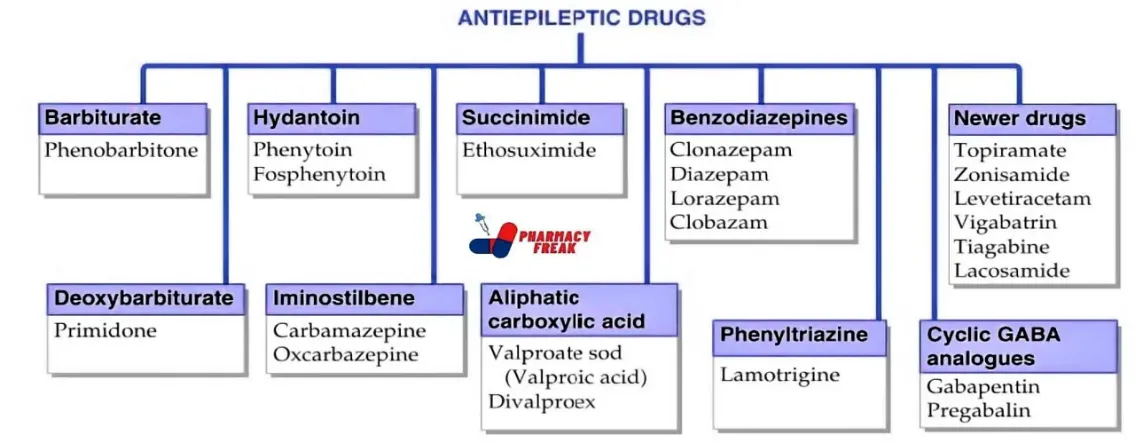
Figure 3: Classification of Antiepileptic Drug
CLASSIFICATION OF ANTIEPILEPTIC DRUG
A. Sodium Channel Blockers (Voltage-Gated Sodium Channel Inhibitors)
These drugs work by inhibiting voltage-gated sodium channels in neurons, reducing the excitability of these cells. By limiting the influx of sodium ions, these medications help stabilize neuronal membranes, making it less likely for seizures to occur. Common sodium channel blockers include:
B) Calcium Channel Blockers (Voltage-Gated Calcium Channel Inhibitors)
Calcium channel blockers, primarily used to treat conditions like hypertension and angina, can also have antiepileptic properties. These drugs reduce calcium influx into neurons, which can help control seizure activity. An example of such a drug is Ethosuximide, used for absence seizures.
C) GABA Enhancers (Gamma-Aminobutyric Acid Enhancers)
Gamma-aminobutyric acid (GABA) is an inhibitory neurotransmitter that helps regulate neuronal excitability. Drugs in this class enhance GABA’s inhibitory effects, reducing the likelihood of seizures. Some common GABA enhancers include:
D) Glutamate Inhibitors
Glutamate is an excitatory neurotransmitter, and excessive glutamate signaling can trigger seizures. AEDs in this class work by inhibiting glutamate receptors, reducing excitatory transmission. Topiramate is an example of a glutamate inhibitor used to treat various seizure types.
E) GABA Analogs
These drugs mimic the effects of GABA, the brain’s natural inhibitory neurotransmitter. By binding to GABA receptors, they enhance inhibitory signaling, helping to prevent seizures. Gabapentin and Pregabalin are common GABA analogs used in epilepsy management.
F) Carbonic Anhydrase Inhibitors
Carbonic anhydrase inhibitors like Zonisamide are used to control seizures. They work by reducing neuronal excitability and enhancing inhibitory neurotransmission.
G) Potassium Channel Modulators
AEDs in this class, like Ezogabine, modulate potassium channels, stabilizing neuronal membranes and reducing the likelihood of seizures.
H) Miscellaneous AEDs
Some antiepileptic drugs do not fit neatly into the above categories. For instance:
MECHANISM
Involves an imbalance between neuronal excitation (such as glutamate receptor overstimulation) and inhibition (such as GABA dysfunction).
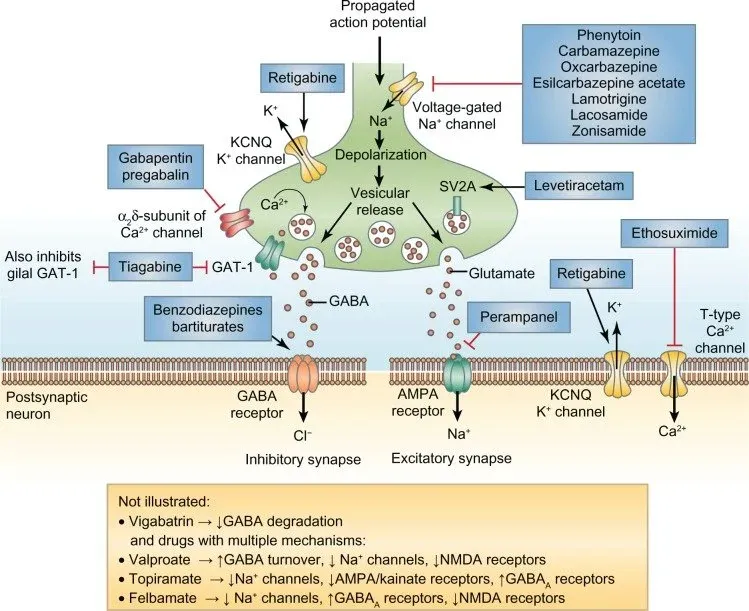
Figure 4: Mechanism of Antiepileptic Drugs
Established antiepileptic drugs (AEDs) decrease membrane excitability by interacting with neurotransmitter receptors or ion channels. AEDs developed before 1980 appear to act on sodium channels, gamma-aminobutyric acid type A (GABAA) receptors, or calcium channels. Benzodiazepines and barbiturates enhance GABAA receptor-mediated inhibition. Phenytoin (PHT), carbamazepine (CBZ), and possibly valproate (VPA) decreases high-frequency repetitive firing of action potentials by enhancing sodium-channel inactivation. Ethosuximide (ESM) and VPA reduce a low threshold (T-type) calcium-channel current. The mechanisms of action of the new AEDs are not fully established. Gabapentin (GBP) binds to a high-affinity site on neuronal membranes in a restricted regional distribution of the central nervous system. This binding site may be related to a possible active transport process of GBP into neurons; however, this has not been proven, and the mechanism of action of GBP remains uncertain. Lamotrigine (LTG) decreases sustained high-frequency repetitive firing of voltage-dependent sodium action potentials that may result in a preferential decreased release of presynaptic glutamate. The mechanism of action of oxcarbazepine (OCBZ) is not known; however, its similarity in structure and clinical efficacy to CBZ suggests that its mechanism of action may involve inhibition of sustained high-frequency repetitive firing of voltage-dependent sodium action potentials. Vigabatrin (VGB) irreversibly inhibits GABA transaminase, the enzyme that degrades GABA, thereby producing greater available pools of presynaptic GABA for release in central synapses. Increased activity of GABA at postsynaptic receptors may underline the clinical efficacy of VGB. [21]
DIAGNOSIS AND MANAGEMENT
For diagnose epilepsy, reviews symptoms and medical history. They have several tests to diagnose epilepsy and to detect the cause of seizures. They may include:
They have brain-imaging tests and scans that detect brain changes.
A) Electroencephalogram (EEG). This is the most common test used to diagnose epilepsy. In this test, small metal discs called electrodes are attached to scalp with an adhesive or cap. The electrodes record the electrical activity of brain.
In epilepsy, it's common to have changes in the pattern of brain waves. These changes occur even not having a seizure. It’s monitor patent on video during an EEG to detect and record any seizures. This may be done while they awake or asleep. Recording the seizures may help determine what kind of seizures you're having or rule out other conditions.
The test may be done in a healthcare professional's office or the hospital. Or you may have an ambulatory EEG. The EEG records seizure activity over the course of a few days at home.
You may get instructions to do something that can cause seizures, such as getting little sleep prior to the test.
A SPECT test uses a small amount of low-dose radioactive material. The material is injected into a vein to create a detailed, 3D map of blood flow during seizures. Areas of higher than typical blood flow may indicate areas where seizures occur.
Another type of SPECT test called subtraction ictal SPECT coregistered to MRI (SISCOM) may provide even more-detailed results. The test overlaps the SPECT results with brain MRI results.
B) Neuropsychological tests. These tests assess thinking, memory and speech skills. The test results help determine which areas of the brain are affected by seizures. Along with your test results, a combination of other techniques may be used to help pinpoint where in the brain seizures start:
Diagnosis of your seizure type and where seizures begin gives you the best chance for finding an effective treatment.
TREATMENT
Treatment can help people diagnosed with epilepsy have fewer seizures or even completely stop having seizures. Possible treatments include:
A) Medicines
Most people with epilepsy can become seizure-free by taking one anti-seizure medicine, also called an anti-seizure medicine. Others may be able to decrease the number and intensity of their seizures by taking more than one medicine.
Many children with epilepsy who aren't having epilepsy symptoms can eventually stop taking medicines and live a seizure-free life. Many adults can stop taking medicines after two or more years without seizures. Your healthcare team can advise you about the appropriate time to stop taking medicines.
Finding the right medicine and dosage can be complex. Your healthcare professional may consider your age, condition, how often you have seizures and other factors when choosing a medicine. Your healthcare professional also may review other medicines you're taking to ensure the anti-seizure medicines won't interact with them.
You may first take a single medicine at a low dose. Then your healthcare professional may raise the dosage gradually until your seizures are well managed.
There are more than 30 different types of anti-seizure medicines available. The medicines that you take depend on the type of seizures you have, your age and other health conditions.
Anti-seizure medicines may have some side effects. Mild side effects include:
More-serious but rare side effects include:
For the best seizure management possible with medicine, follow these steps:
At least half the people newly diagnosed with epilepsy become seizure-free with their first medicine. If anti-seizure medicines don't provide good results, you may be able to have surgery or other therapies. You'll likely have regular follow-up appointments with your healthcare professional to check on your condition and medicines.
B) Epilepsy surgery
When medicines do not provide enough management of seizures, epilepsy surgery may be an option. With epilepsy surgery, a surgeon removes the area of your brain that's causing seizures.
Surgery usually is done when tests show that:
For some types of epilepsy, minimally invasive approaches such as MRI-guided stereotactic laser ablation may help symptoms. These treatments may be used when open surgery is too risky. This procedure involves using a thermal laser probe directed at the area in the brain causing seizures. It destroys tissue to better manage seizures.
You may continue to take medicine to help prevent seizures after successful surgery. However, you may be able to take fewer medicines and reduce your doses.
In a small number of people, surgery for epilepsy can cause complications. Complications may include a permanent change in thinking abilities. Talk to your surgical team members about their experience, success rates and complication rates with the procedure you're considering.
C) Therapies
Apart from medicines and surgery, these potential therapies offer an alternative for treating epilepsy:
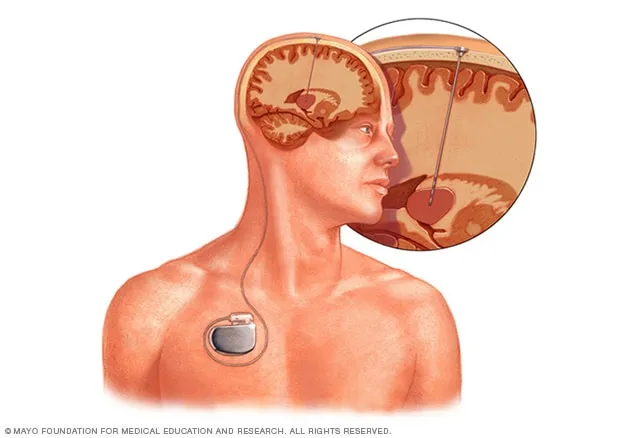
Figure 5: Implanted Vagus Nerve Stimulation
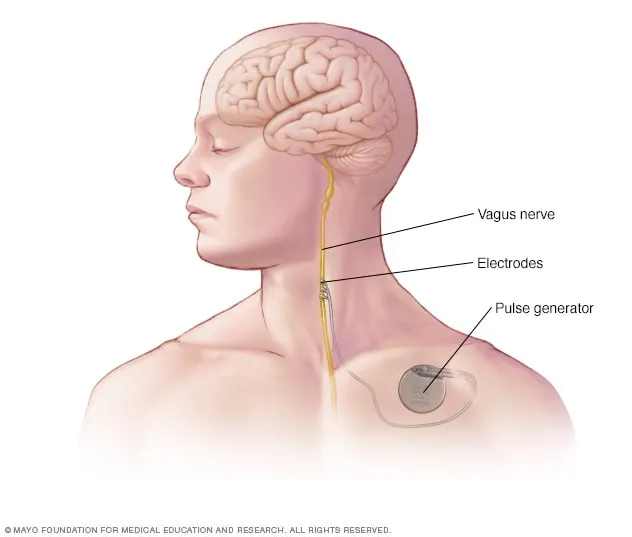
Fig 6: Deep Brain Stimulation
The battery-powered device sends bursts of electrical energy through the vagus nerve and to the brain. It's not clear how this inhibits seizures, but the device can usually reduce seizures by 20% to 40%.
Most people still need to take anti-seizure medicine. But some people may be able to lower their medicine dose. Vagus nerve stimulation side effects may include throat pain, hoarse voice, shortness of breath or coughing.
D) Ketogenic diet
Some children and adults with epilepsy reduce their seizures by following a diet high in fats and low in carbohydrates. This may be an option when medicines aren't helping to manage epilepsy.
In this diet, called a ketogenic diet, the body breaks down fats instead of carbohydrates for energy. After a few years, some children may be able to stop the ketogenic diet and remain seizure-free. It's important for this to be done under close supervision of healthcare professionals.
Experts don't fully know how a ketogenic diet works to reduce seizures. But researchers think that the diet creates chemical changes that suppress seizures. The diet also alters the actions of brain cells to reduce seizures.
Get medical advice if you or your child is considering a ketogenic diet. It's important to make sure that your child gets enough nutrients when following the diet.
Side effects of a ketogenic diet may include dehydration, constipation and slowed growth from not getting enough nutrition. Side effects also may include a buildup of uric acid in the blood, which can cause kidney stones. These side effects are not common if the diet is properly and medically supervised.
Following a ketogenic diet can be hard. Low-glycemic index and modified Atkins diets offer less restrictive alternatives that may still provide some improvement for seizures.
Potential future treatments
Researchers are studying many potential new treatments for epilepsy, including:
This treatment may work in people who have seizures that start in an area of the brain called the eloquent area. This area can't be removed because it would affect speech and movements. Or it might help people with seizure types that may not improve with responsive neurostimulation.
FORMULATIONS:
Antiepileptic drugs (AEDs)—also known as antiseizure drugs (ASDs)—are manufactured and delivered in various formulations to match chronic management, pediatric needs, and acute emergency care. [22]
Oral Formulations (Chronic Treatment)
Parenteral Formulations (Acute Seizures and Status Epilepticus)
Non-Invasive Rescue Formulations (Out-of-Hospital & Acute Care)
REFERENCES


Prachi Mandave, Dr. Hemant Swami, The Brief Review of the Epilepsy and ITS Drug Formulations, Int. J. of Pharm. Sci., 2026, Vol 4, Issue 10, 2805-2818. https://doi.org/10.5281/zenodo.23465710
 10.5281/zenodo.23465710