

We use cookies to ensure our website works properly and to personalise your experience. Cookies policy
School of pharmacy Rai University.
Herbal formulations always have lesser or no side effects comparatively with synthetic. The aim of present study involves preparation of herbal hair oil using the herbal ingredients like., Amla, Hibiscus, Moringa, Curry leaves, fenugreek seeds, pumpkin seeds, garlic, coconut oil, almond oil, hibiscus, kalonji seeds. Based on the above observations, mixture of crude drugs was prepared in the form of herbal hair oil by boiling method. We have used five formulas using different herbal drugs and all the formulation are showing anti-hair fall property with some of other beneficial activities like anti-dandruff activity, improves blood circulation to the scalp and roots, reduce hair pigmentation, anti-fungal activity, reducing the whitening of the hair. The formulated herbal oil was evaluated by using various parameters such as Organoleptic properties, specific gravity, stability, viscosity, Acid value, pH etc. and the value obtained from it are found to be similar to that of the standard values like there is no sedimentation, no grittiness and shows satisfying organoleptic properties and the results were determined and are reported in this work.
Cosmetics are substances used to enhance the appearance or odor of the human body[1]. Cosmetics include skin-care creams, lotions, powders, perfumes, lipsticks, fingernail and toe nail polish, eye and facial makeup, permanent waves, colored contact lenses, hair colors, hair sprays and gels, deodorants, baby products, bath oils, bubble baths, bath salts, butters and many other types of products. A subset of cosmetics is called "make-up," which refers primarily to colored products intended to alter the user’s appearance[2]. Many manufacturers distinguish between decorative cosmetics and care cosmetics[3].
1. In the last three-four decades the use of cosmetics has increased exponentially not only among females but the male population also indulges in their use. Hair dyes, hair oil, creams are as popular with males as with females. Most countries now have laws to control, manufacturing, label, sale etc. of cosmetics in such a way that use of cosmetics harmful to health is prevented[4]. The concept of beauty and cosmetics is as ancient as mankind and civilization. So, they use various beauty products that have herbs to look charming and young. Indian herbs and its significance are popular worldwide[5].
2 . Herbal cosmetics have growing demand in the world market and are an invaluable gift of nature[6]. There are a wide range of herbal cosmetic products to satisfy beauty regime. Adding herbs in cosmetics is very safe for our skin3-5. Herbal hair oils are one of the most well recognized hair treatments. Herbal hair oil not only moisturizes scalp but also reverses dry scalp and dry hair condition[7]. It provides numerous essential nutrients required to maintain normal functions of sebaceous gland and promote natural hair growth[8]. Keeping this point in consideration the present work was undertaken
Objectives:
Requirements of a herbal hair oil:
MATERIALS AND METHODS: This polyherbal hair oil is a promising formulation for hair care, given the well-known benefits of the various herbs included. Here are the potential benefits of each ingredient.
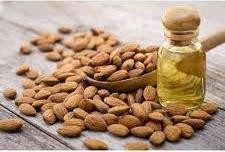
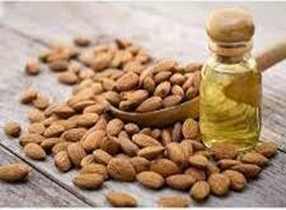
Almond oil: Almond oil is a good source of vitamin. E,another antioxidant that nourishes hair and prevents dryness and breakage[11]. It also contains fatty acids that help moisturize the scalp and promote healthy hair growth.Almond oil's biological source is the seeds of almond trees, specifically from the species Prunus dulcis (sweet almond) or Prunus amygdalus[18].
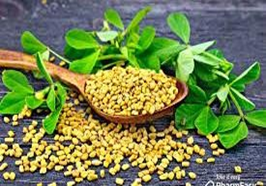
Fenugreek seeds: Fenugreek seeds are a rich source of protein and vitamins, which can help nourish and strengthen hair. They also contain mucilage, a substance that can help moisturize the hair and scalp[6,7]. The biological source of methi (also known as fenugreek) is the plant Trigonella foenum graecum. It's an annual plant belonging to the Leguminosae family[18].
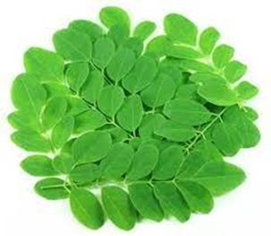
Moringa leaves: Moringa leaves are a rich source of vitamins, minerals, and antioxidants, which can help nourish and protect hair[10]. They also contain antibacterial and antifungal properties, which can help prevent scalp problemslike dandruff. The biological source of Moringa is Moringa oleifera Lam, tree belonging to the Moringaceae family[18].
Amla: Amla, also known as Indian gooseberry, is a rich source of vitamin C, an antioxidant that helps protect hair from damage and promotes hair growth[6,7]. It also contains tannins, which can strengthen hair follicles and prevent hair loss.The biological source of amla is the fruit of the Indian gooseberry tree, scientifically known as Phyllanthus emblica L. or Emblica officinalis Gaertn., belonging to the Euphorbiaceae family[18].
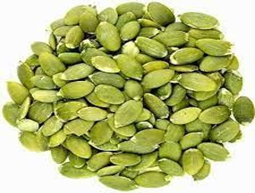
Pumpkin seeds: Pumpkin seeds are a good sourc of zinc, magnesium, and iron, which are all essential nutrients for healthy hair growth. They also contain antioxidants that can help protect hair from damage[6,10].Pumpkin seeds originate from plants of the genus Cucurbita, which belong to the family Cucurbitaceae. Common species that produce these seeds are Cucurbita maxima and other plants in the gourd family[18].
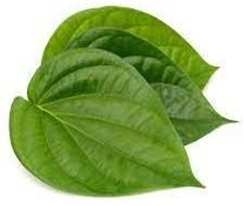
Betel leaves: Betel leaves have anti-inflammatory and antibacterial properties, which can help soothe an irritated scalp and prevent scalp infections[11]. The biological source of betel leaves is the. Betelvine plant, scientifically known as Piper betle. It is a perennial,evergreen creeper from the family Piperaceae[18,25].
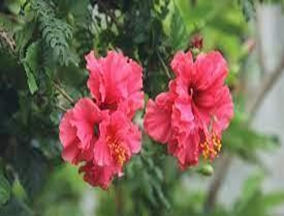
Hibiscus: Hibiscus flowers are a rich source of vitamins and antioxidants, which can help nourish and protect hair[11]. They also contain anthocyanins, which may help prevent premature greying[10,13]. The biological source of the common hibiscus is the flowering plant Hibiscus rosa-sinensis, from the genus Hibiscus and family Malvaceae[18,22].
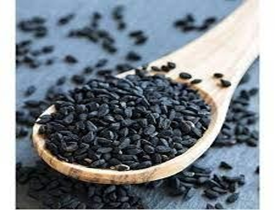
Kalonji seeds: Kalonji seeds, also known as black cumin seeds, have anti-inflammatory and antifungal properties, which can help soothe an irritated scalp and prevent scalp infections. They may also help promote hair growth[13]. Kalonji seeds originate from the biological source, the Nigellasativa plant, an annual flowering plant belonging to the Ranunculacea (buttercup) family[25,28].
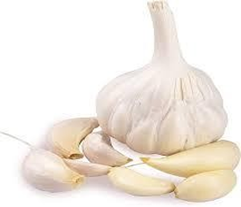
Garlic: Garlic has anti-inflammatory and antibacterial properties, which can help soothe an irritated scalp and prevent scalp infections[13]. It may also help promote hair growth. Garlic: Health benefits and usesThe biological source of garlic is the ripe bulb of the plant Allium sativum, which belongs to the Amary llidaceae family[25].
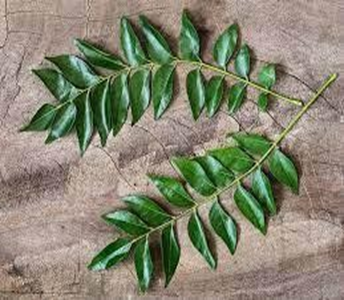
Curry leaves: Curry leaves have anti-inflammatory and antioxidant properties, which can help soothe an irritated scalp and protect hair from damage[17].They may also help,promote hair growth. The biological source of curry leaves is the plant Murraya koenigii, also known as the curry tree. It belongs to the Rutaceae family[18,22]
Coconut oil: Coconut oil is a popular hair oil, that is known for its moisturizing properties. It can help penetrate the hair shaft and provide deep conditioning[13]. Coconut oil's biological source is the mature kernel of the coconut palm, Cocos nucifera, a member of the palm family (Arecaceae)[22,18]. The dried kernel, known as copra, is processed to extract the oil, which is rich in medium-chain fatty acids like lauric acid[21].
Flavouring agent: The addition of a flavouring agent can help make the hair oil more pleasant to use[10]. So overall this polyherbal hair oil has the potential to provide a range of benefits for hair care, including:
Collection of plant part: For the preparation of herbal hair oil various plant materials were collectedviz.,amla,almondoil,tilloil,fenugreekseeds,moringaleaves,pumpkinseeds,betalleaves,hibiscus,shankapuspi,garlic ,cator oil, coconut oil from the Medicinal Plant Garden of rai university ahemdabad Gujrat India and was properly authenticated in the Department of Pharmacognosy[29].
Formulation Of Hair Oil :Accurately Weigh all of the fresh and dried herbs and leaf powder precisely[15]. Equally combine coconut oil, almonds oil, curry leaves, fenugreek seeds, moringa leaves, garlic cloves, pumpkin seeds, hibiscus, kalonji seeds, amla, Boil until the curry leaves get a deep brown colour[18,22]. The entire preparation was filtered through muslin fabric following the colour change. Ultimately, a tiny quantity of flavouring was mixed into the oil before it was put into an amber-colouredbottle[29].
Table 1: Formulation of herbal hair oil [31].
|
S.NO |
Ingredients |
Quantity (%) |
|
1 |
Amla |
1% |
|
2 |
Almond oil |
2% |
|
3 |
Fenugreek seeds |
2% |
|
4 |
Moringa leaves |
4% |
|
5 |
Pumpkin seeds |
2% |
|
6 |
Hibiscus |
1% |
|
7 |
Kalonji seeds |
1% |
|
8 |
Garlic |
4% |
|
9 |
Curry leaves |
1% |
|
10 |
Coconut oil |
|
|
11 |
Flavouring agent |
Q.S |
Evaluation of herbal hair oil:
1.Organoleptic properties: [17,15,25]
2.PH Determination: Take a ph paper and dip into the formulated hair oil and check for the colour change[17].
3.Acid Value : 10 ml of oil was added with 25ml of ethanol and 25ml of ether. Phenolphthalein was added as indicator and titrated with 0.1M Potassium hydroxide solution n = Number of ml of 0.1M KOH w = Wt. of oil[15].
4.specific gravity: Specific gravity of the prepared oil was determined using specific gravity bottle[13].
5.Stability Study: It is performed by keeping the prepared herbal hair oil in a closed container at cooled and dry place[27].
RESULT:
|
Colour |
Greenish brown |
|
Sensitivity |
No irritation |
|
Grittiness |
Smooth |
|
Sedimentation |
No sedimentation |
|
Acid value |
4.5 |
|
Specific gravity |
0.789 |
CONCLUSION:
Herbal hair oils represent a safe, effective, and eco-friendly alternative to synthetic hair care formulations. They combine the benefits of traditional medicinal plants with modern formulation techniques, offering nourishment to the scalp, prevention of hair fall, and promotion of healthy hair growth. The antioxidant, antimicrobial, and conditioning properties of herbal ingredients make these oils suitable for long-term use without harmful side effects. However, to ensure consistent results, standardization and quality control of herbal raw materials are essential.
Key Challenges Include:
1.Maintaining stability of active ingredients against oxidation,
2.temperature, and light.
3.Developing standardized extraction and formulation methods for reproducible quality.
4.Conducting clinical validation to support claims of hair growth and scalp health.
Final Recommendations:
For researchers, formulators, and students working on herbal hair oils, the following points are suggested:
1.Focus on Stability: Use innovative approaches such as nanoemulsions or natural preservatives to improve shelf life and prevent rancidity.
2.Standardize Ingredients: Develop reliable methods to ensure consistent phytochemical content and purity of plant extracts.
3.Expand Research: Explore lesser-known herbs with traditional claims of hair care benefits, such as hibiscus, bhringraj, amla, and fenugreek.
4.Conduct Clinical Studies: Move from lab-scale evaluations to controlled studies assessing hair growth rate, scalp condition, and consumer acceptability.
5.Adopt Green Formulation Technologies: Emphasize eco-friendly extraction, biodegradable packaging, and sustainable sourcing of raw materials.
6.Leverage Innovation: Combine herbal actives with modern delivery systems (like liposomes or gels) for improved absorption and efficacy.
The development of herbal hair oil formulations provides a promising bridge between traditional Ayurvedic wisdom and modern cosmetic science. With rising demand for natural, safe, and ethical hair care solutions, such formulations can play a key role in the cosmeceutical and pharmaceutical industries.
Future success will depend on maintaining scientific validation, product standardization, and sustainability, ensuring that herbal hair oils remain both effective and consumer-trusted.
REFERENCES

Navinraj D. Mourya*, Varsha Kare, A Comprehensive Review of Formulation and Evaluation of Herbal Hair Oil, Int. J. of Pharm. Sci., 2025, Vol 3, Issue 11, 3232-3239 https://doi.org/10.5281/zenodo.17669201
 10.5281/zenodo.17669201