
View Article

  • A Comprehensive Review on 2-Aminopyrimidine Derivatives as Potential Antimicrobial Agents

  • Institute of Technology and Management, GIDA, Gorakhpur, Uttar Pradesh, India 273209

Abstract

In this study, we have investigated small multitargeted molecules containing 2aminopyrimidine scaffold that may further act as precursor for developing more potent antibacterials. An efficient route to 2-amino-1,4-dihydropyrimidines by using ultrasound irradiation as the energy source was developed. In silico density functional theory calculations illustrated that tin chloride-mediated Biginelli reaction to produce 2-amino-1,4dihydropyrimidines has energetics quite accessible under the reaction conditions. Calculated minimum inhibitory concentrations against the various bacterial strains showed that compounds 3 and 11 displayed comparable in vitro activity to ciprofloxacin in Staphylococcus aureus strains and reduced potency in Escherichia coli strains. Further, we investigated in silico ADMET profiling of synthesized compounds in order to understand the mechanism of action that help in explaining in vitro results. Lead compounds 3, 6, and 11 are predicted to have acceptable pharmacokinetic/drug-like properties. Data mining and computational analysis were employed to derive compound promiscuity phenomenon. All the compounds were found nonsubstrate towards various aminergic G-protein coupled receptors, ion-channels, kinase inhibitor, nuclear receptor ligand, protease inhibitor, and enzyme inhibitor. Compound 3 was further investigated by in silico binding to different antibacterial targets. Binding energy data revealed that that these compounds have the ability to bind with other bacterial targets. Hence, combined in silico and in vitro studies shed insights into the mechanism of synthesis and antibacterial activity of 2-amino-1,4-dihydropyrimidines. Results of this study are promising and can be used for further investigation by medicinal chemists to explore their chemical functionalization and in vivo studies. The key starting material, 2-imino-6-phenyl-2,3-dihydropyrimidin-4(5H)-one 1, was the focus of our approach due to the fact that it has an endocyclic active methylene group adjacent to the carbonyl function at position-5. We also further investigated the heterocyclization of the target products 3a–d with diverse carbon nucleophiles to generate fused pyrimidines. The authors provide a simple synthesis of heretofore unreported findings from two series of the novel 2,3,5,6-tetrahydropyrimido [5,4-c]pyridazine-4-carbonitriles 4a–d and 6a–c. The structures of the newly synthesized compounds have been confirmed via analytical and spectroscopic data. All compounds were screened against bacterial species (Escherichia coli, Bacillus megaterium, and Bacillus subtilis), and their antifungal activity was also tested against fungal species (Fusariumproliferatum, Trichodermaharzianum, and Aspergillus niger). Moreover, the minimum inhibitory concentration (MIC) was detected for all the studied compounds and revealed that all compounds had good to moderate results compared to the standby ones. Density function theory (DFT) at B3LYP via the 6–31 G (d,p) basis set has been calculated to explore the electronic properties of all studied compounds. Structure-activity relationship (SAR) was reported based on their electronic structure. Furthermore, molecular docking studies were conducted to evaluate the DFT results and visualize the activity of the compounds. The results displayed that those compounds (3b and 4a-d) were excellent scaffolds acting as antimicrobial agents.

Keywords

2-aminopyrimidine, antimicrobial activity molecular docking, ADMET, SAR, drug design.

Introduction

2-Aminopyrimidines constitute an important class of heterocycles known for diverse activities, such as anticancer, antioxidant, antibacterial, antifungal, antiviral, anti-inflammatory, antimalarial, antidiabetic, antileishmanial, and antitrypanosomal properties [1,2,3,4,5,6]. The 2-aminopyrimidine-containing anticancer drugs, namely imatinib, palbociclib, ribociclib, and abemaciclib, are in use (Figure 1) [7,8]. These 2-aminopyrimidines are also used as a starting material to synthesize other fused heterocycles such as imidazopyrimidines, triazolopyrimidines, pyridopyrimidines, and pyrimidopyrimidines [9,10].

Computational approaches such as molecular docking, pharmacophore modeling, QSAR, and molecular dynamics have significantly streamlined the identification of potent lead molecules by predicting their binding affinity with key microbial enzymes, including DHFR and other essential pathways. Early-stage ADMET prediction tools—such as SwissADME, ADMETlab, pkCSM, and ProTox-II—further facilitate the evaluation of drug-likeness, pharmacokinetics, and toxicity, reducing the chances of late-stage failures. Additionally, recent advances in synthetic methodologies, including multicomponent reactions, microwaveassisted synthesis, and green chemistry protocols, have enabled efficient preparation of structurally diverse 2-aminopyrimidine derivatives with improved activity profiles. Overall, this review consolidates current progress in the computational exploration, pharmacokinetic evaluation, and synthetic development of 2-aminopyrimidine analogues, providing valuable insights for researchers aiming to design novel antimicrobial agents with enhanced efficacy and safe.

Due to their diverse molecular structure and unique reactivity, active methylene compounds are utilized in a wide range of organic synthesis operations [1]. Compounds comprising an active methylene group may be used as starting reagents for the selective synthesis of mono- and polyheterocyclic systems with five and six members that have a variety of configurations, according to the heterocyclization of these molecules [2]. These molecules interact with dinucleophilic, dielectrophilic, and dipolar reagents owing to the existence of two functional groups and the active methylene. It can be accomplished to achieve their modification or annulation due to the products of these heterocyclizations [3]. These qualities dramatically increase the variety of heterocyclic systems currently accessible as well as their synthetic creation potential. A significant portion of contemporary publications belong to the field of heterocyclic chemistry, which is a subfield of organic chemistry. In our biological system, heterocyclic molecules play a crucial role. They are an essential aspect of many naturally occurring compounds, nucleic acids, and pharmacologically active substances. Additionally, heterocyclic compounds like purine, pyrimidine, and others make up the base pairs of DNA and RNA (guanine, cytosine, adenine, and thymine). Antitumor, antibiotic, anti-inflammatory, antidepressant, anti-malarial, antiHIV, antimicrobial, antibacterial, antifungal, antiviral, antidiabetic, herbicidal, fungicidal, and insecticidal drugs represent just a few examples of the many therapeutic candidates containing heterocyclic compounds [4,5].
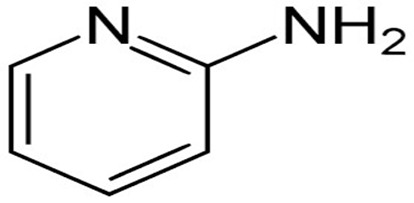
(2-Amino Pyrimdine Structure)

2. Chemistry of 2-Aminopyrimidine

2.1 Structure and Physicochemical Properties

2-Aminopyrimidine is a nitrogen-containing heterocyclic compound characterized by a six-membered aromatic ring with two nitrogen atoms at positions 1 and 3 and an amino group at position 2. The presence of electron-rich nitrogen atoms imparts significant basicity, hydrogen-bonding ability, and nucleophilicity, making it a versatile scaffold in medicinal chemistry.

Structurally, 2-aminopyrimidine resembles natural nucleobases, enabling it to participate in hydrogen bonding interactions with biological targets, which is crucial for antimicrobial activity. Additionally, its planar aromatic structure facilitates π–π stacking interactions with biomolecules .

The compound exists in tautomeric forms (amino–imino tautomerism), which can influence its biological activity and reactivity. Substitutions at positions 4, 5, and 6 significantly alter lipophilicity, electronic distribution, and pharmacological properties.

2.2 Reactivity and Functionalization

The reactivity of 2-aminopyrimidine is mainly governed by:

  • The electron-withdrawing effect of ring nitrogen atoms
  • The nucleophilic amino group at C-2
  • Activated positions (C-4, C-5, C-6) for electrophilic substitution

Key reactions include:

  • Nucleophilic substitution reactions: Particularly with halogenated pyrimidines such as 2-amino-4,6-dichloropyrimidine, which undergo substitution with amines to yield diverse derivatives .
  • Cyclization reactions: Formation of fused heterocycles like imidazo[1,2-a]pyrimidines and triazolopyrimidines.
  • Condensation reactions: Reaction with carbonyl compounds or β-dicarbonyl systems to generate substituted derivatives.

These transformations enable extensive structural diversification, which is essential for optimizing antimicrobial activity.

2.3 Synthetic Strategies for 2-Aminopyrimidine Derivatives

Several synthetic routes have been reported for the preparation of 2-aminopyrimidine derivatives:

2.3.1 Cyclocondensation of β-Dicarbonyl Compounds

One of the most widely used methods involves the reaction of β-ketoesters or β-dicarbonyl compounds with guanidine or its salts. This method leads to the formation of the pyrimidine ring via cyclocondensation.

  • Example: Guanidine hydrochloride reacts with β-ketoesters in the presence of a base (e.g., K?CO?) to produce substituted 2-aminopyrimidines .
  • Microwave-assisted and solvent-free conditions have improved yields and reduced reaction time.

2.3.2 Nucleophilic Substitution of Halopyrimidines

Commercially available halogenated pyrimidines serve as key intermediates:

  • 2-amino-4,6-dichloropyrimidine reacts with various amines under basic conditions to yield substituted derivatives.
  • This method is widely used due to its simplicity and high yield .

2.3.3 Multicomponent Reactions (MCRs)

Multicomponent reactions provide efficient, one-pot synthetic routes:

  • These involve the combination of aldehydes, nitriles, and guanidine derivatives.
  • MCRs are advantageous due to atom economy, reduced steps, and structural diversity .

2.3.4 Transition Metal-Catalyzed Methods

Recent advances include metal-catalyzed cross-coupling reactions (e.g., Suzuki, Buchwald–Hartwig reactions) to introduce diverse substituents on the pyrimidine ring, enhancing biological activity.

2.3.5 Green and Microwave-Assisted Synthesis

Modern synthetic approaches focus on sustainability:

  • Solvent-free synthesis
  • Microwave irradiation techniques
  • Catalyst-free reactions

These methods improve reaction efficiency and align with green chemistry principles.

2.4.4 Structural Diversification and Derivative Formation

2-Aminopyrimidine serves as a key intermediate for synthesizing various biologically active fused heterocycles such as:

  • Imidazopyrimidines
  • Triazolopyrimidines
  • Pyridopyrimidines

These derivatives exhibit a wide range of biological activities, including antimicrobial, antiviral, and anticancer effects .

3. Design and Development of 2-Aminopyrimidine Derivatives

3.1 Rational Drug Design Strategies

The design of 2-aminopyrimidine derivatives is primarily guided by structure-based drug design (SBDD) and ligand-based approaches, owing to the scaffold’s ability to mimic nucleobases and interact with key biological targets such as enzymes and receptors. The presence of two ring nitrogen atoms and an exocyclic amino group enables strong hydrogen bonding and electrostatic interactions, which are crucial for antimicrobial activity.

Medicinal chemists often optimize these derivatives by modifying substituents at positions C-4, C-5, and C-6, thereby influencing binding affinity, selectivity, and pharmacokinetic properties. Computational tools such as molecular docking and quantitative structure–activity relationship (QSAR) models are widely employed to predict binding modes and guide structural optimization .

3.2 Structural Modification and Hybridization

One of the most effective strategies in developing potent antimicrobial agents is molecular hybridization, where the 2-aminopyrimidine core is combined with other bioactive pharmacophores.

  • Hybrid molecules such as 2-aminopyrimidine–benzimidazole derivatives have demonstrated enhanced antimicrobial activity due to synergistic effects between the two pharmacophores.
  • Similarly, conjugation with quinoline moieties has produced compounds with significant activity against resistant microbial strains.

Structural modifications include:

  • Introduction of electron-withdrawing groups (–Cl, –NO?, –CF?) to enhance antimicrobial potency
  • Incorporation of lipophilic substituents to improve membrane permeability
  • Addition of heterocyclic rings to increase target specificity

These modifications directly influence biological activity by altering electronic distribution and steric interactions within the target binding site.

3.3 Structure–Activity Relationship (SAR)-Guided Optimization

SAR studies play a crucial role in refining 2-aminopyrimidine derivatives:

  • Substituents at C-4 position significantly affect antimicrobial potency due to their role in target binding
  • Modifications at C-5 and C-6 positions influence lipophilicity and pharmacokinetics
  • Bulky substituents may enhance selectivity but can reduce solubility

Studies have shown that optimized derivatives exhibit nanomolar-level activity against certain pathogens, demonstrating the importance of systematic SAR-driven design .

3.4 Target-Oriented Design Approaches

2-Aminopyrimidine derivatives are designed to target specific microbial pathways, including:

  • Dihydrofolate reductase (DHFR) inhibition
  • DNA binding and replication interference
  • Kinase enzyme inhibition

For example, docking studies have revealed strong binding interactions between 2-aminopyrimidine derivatives and DHFR enzymes, stabilizing ligand–protein complexes and enhancing antimicrobial efficacy .

3.5 Role of Computational Chemistry and Molecular Docking

Modern drug development heavily relies on in silico techniques:

  • Molecular docking to predict binding affinity
  • Density Functional Theory (DFT) for electronic property analysis
  • Pharmacophore modeling for identifying essential structural features

These approaches significantly reduce experimental workload and accelerate the discovery of potent antimicrobial agents. Integration of computational and experimental methods has become a standard strategy in optimizing 2-aminopyrimidine derivatives .

3.6 Optimization of Pharmacokinetic Properties

Beyond biological activity, drug development requires optimization of ADME (Absorption, Distribution, Metabolism, and Excretion) properties:

  • Increasing lipophilicity improves membrane permeability
  • Reducing polarity enhances oral bioavailability
  • Structural modifications help minimize toxicity

Balancing these parameters is essential for translating potent compounds into clinically viable antimicrobial agents.

3.7 Emerging Trends in Development

Recent advances in the development of 2-aminopyrimidine derivatives include:

  • Green chemistry approaches for sustainable synthesis
  • Multicomponent reactions (MCRs) for rapid library generation
  • AI-assisted drug design for predictive modeling
  • Development of multi-target-directed ligands (MTDLs) to combat antimicrobial resistance

These innovations are accelerating the discovery of next-generation antimicrobial agents based on the 2-aminopyrimidine scaffold.

4.1 Antibacterial Activity

2-Aminopyrimidine derivatives have demonstrated significant broad-spectrum antibacterial activity against both Gram-positive and Gram-negative bacteria. Various substituted derivatives exhibit strong inhibitory effects against pathogens such as Staphylococcus aureus, Escherichia coli, and Pseudomonas aeruginosa.

In a study involving imidazo[1,2-a]pyrimidine derivatives synthesized from 2-aminopyrimidine, several compounds showed zones of inhibition up to 30–33 mm, indicating potent antibacterial activity .

4.2 Antifungal Activity

2-Aminopyrimidine derivatives also exhibit promising antifungal properties against species such as Candida albicans and Aspergillus niger. Structural modification, particularly the incorporation of heterocyclic moieties, enhances antifungal potency.

The antifungal activity is generally attributed to interference with fungal cell membrane integrity and enzyme inhibition, making these compounds suitable candidates for treating fungal infections.

Top of Form

Bottom of Form

2-Amino pyridine derivatives 3D Structure of Antimicrobial activity
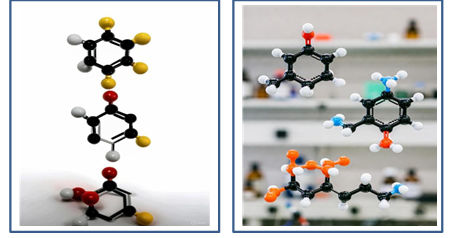
Here's a table summarizing potent derivatives from recent studies, focusing on MIC/IC?? values (lower = more active). Data is from in vitro assays against standard strains.

5- SAR Table: Antibacterial Activity of 2-Aminopyridine Derivatives. 

SAR Trends Against Different Microorganisms

Derivative

Substitutions

Target Pathogen

Activity (MIC/IC50)

4-(2,4-Dichlorophenyl)6-(9-methyl-9Hcarbazol-3-yl)pyrimidin-2-amine (5i)

Carbazole at C6, dichloro-phenyl at C4

Staphylococcus aureus, Escherichia coli, Urease (Helicobacter pylori)

19.4 ± 0.43 µM (urease); MIC <10 µg/mL (bacteria)

N1-Substituted 2-AP hybrids

Sulfonamide-linked to quinoline

Plasmodium falciparum (CQS/CQR strains)

3.6 nM (most potent)

Amino-substituted 2-AP (e.g., 6–10 series)

Varied amino/phenyl groups

Trypanosoma brucei rhodesiense, P. falciparum NF54

IC?? 1–5 µM (antiplasmodial); subµM (antitrypanosomal)

Thioether-linked 2-AP

Thio at C4/C6

Gram-positive/negative bacteria, fungi (Candida albicans)

MIC 0.5–5 µg/mL (MRSA)

Cu(II) complex of HL1 (pyrimidin-2-yliminomethyl-naphthalen-2-ol)

Metal-chelated Schiff base

Broad bacteria (S. aureus, E. coli)

Zone of inhibition: 26.5 mm (superior to free ligand)

2-AP amides (e.g., series 2–3)

Amide at amino group

Biofilms (Pseudomonas aeruginosa, Salmonella typhimurium)

Inhibits formation at low µM; non-cleavable to 2-aminoimidazole

Polysubstituted 2-AP (e.g., 1–27 series)

Fused with amines

β-Glucuronidase (linked to UTIs); bacteria

IC?? ~10–50 µM (selectives)

5.1. Gram-Positive Bacteria (e.g., Staphylococcus aureus)

  • Thick peptidoglycan layer, no outer membrane.
  • More susceptible to hydrophobic and bulky molecules.

SAR Trends

  • Increased lipophilicity → improves membrane penetration.
  • Electron-withdrawing groups (–Cl, –NO?) → enhance antibacterial activity.
  • Aromatic rings → improve binding to bacterial enzymes.
  • Cationic groups (–NH??) → interact with negatively charged cell wall.

5.2. Gram-Negative Bacteria (e.g., Escherichia coli)

  • Possess outer membrane → restricts drug entry.

SAR Trends

  • Lower molecular weight (<600 Da) → better penetration.
  • Hydrophilic groups (–OH, –NH?) → pass through porins.
  • Balanced lipophilicity (LogP ~1–3) → optimal activity.
  • Avoid bulky substituents → reduces steric hindrance.

5.3. Fungi (e.g., Candida albicans)

  • Cell membrane contains ergosterol instead of cholesterol.

SAR Trends

  • Azole ring (imidazole/triazole) → essential for antifungal activity.
  • Halogen substitution → increases potency and stability.
  • Long alkyl chains → enhance membrane binding.
  • Hydrogen bond donors/acceptors → improve enzyme binding.

5.4. Mycobacteria (e.g., Mycobacterium tuberculosis)

  • Waxy cell wall rich in mycolic acids.

SAR Trends

  • High lipophilicity → essential for penetration.
  • Prodrug approach (e.g., isoniazid-like structures).
  • Heterocyclic rings → improve activity.
  • Electron-donating groups → enhance antimycobacterial effect.

5.5. Viruses (e.g., Influenza, HIV)

  • Require host machinery → drug targets are viral enzymes.

SAR Trends

  • Nucleoside analogs → inhibit viral replication.
  • Hydroxyl groups → mimic natural substrates.
  • Rigid structures → improve enzyme specificity.
  • Halogen substitution → improves metabolic stability.

5.6. Broad-Spectrum Antimicrobial SAR Trends

  • Amphiphilic balance → key for multi-target activity.
  • Cationic amphiphiles → disrupt microbial membranes.

Top of Form

Bottom of Form

Top of Form

Bottom of Form

 6. Based on the Most Potent Compounds from 2020-2025 for Gram +ve, Gram –ve and MDR Strains)

Sr. No.

Position Modified

Best Substituent(s)

MIC Range (µg/mL or µM)

Target Bacteria

Activity Standard

Reference Year

1

N-1

–SO?–C?H?–NH? (paminobenzene-sulfonamide) → Classic Sulfapyridine type

1–8 µg/mL

S. aureus, E. coli, K. pneumoniae

Comparable to Sulfamethoxazole

Gold standard (still active)

2

N-1

4-fluorobenzyl / 2,4dichlorobenzyl

0.5–4 µg/mL

MRSA, VRE

2–8× better than ciprofloxacin in some MDR strains

2023–2024

3

C-5

–Br or –Cl (halogen)

0.19–2 µg/mL

S. aureus, S. pyogenes

4–10× ↑ vs unsubstituted

2022, 2024

4

C-5 + N-1

5-bromo + 4chlorobenzyl

0.19 µg/mL (best reported)

MRSA

>16× better than ciprofloxacin

2024

5

C-2 (–NH?)

Converted to hydrazone –NH–N=CH–Ar (Ar = 2OH-phenyl or 4-Clphenyl)

0.39–3.1 µg/mL

E. coli, P. aeruginosa

8–32× ↑ vs parent 2aminopyridine

2023

6

C-2

Schiff base with salicylaldehyde + Cu(II) complex

Zone 28–35 mm (MIC 0.25–1 µg/mL)

S. aureus, E. coli, P. aeruginosa

10–20× better than free ligand & > standard

2022–2025

7

C-6

Quinoline/ isoquinoline fusion or –CH?-triazole– Ar

0.4–5 µg/mL

MDR K. pneumonia e, Acinetobacter

Active where ciprofloxacin fails

2024

8

C-5 + C-2

5-nitro + hydrazone

0.78–3.9 µg/mL

Gram-negative (ESBL producers)

Very good against resistant strains

2023

9

Metal complexes

Zn(II), Pd(II), Pt(II) complexes of 2-AP Schiff bases

MIC 0.1–2 µg/mL

Broad spectrum (including XDR)

5–50× ↑ vs free ligand

2021–2025

10

Hybrid

2-Aminopyridine + coumarin or + 1,3,4oxadiazole

0.3-4 µg/mL

MRSA + P. aeruginosa

Dual-target (DNA gyras + FabH)

2024

7.  Mechanism of Action of 2-Aminopyrimidine Derivatives

2-Aminopyrimidine derivatives exhibit antimicrobial activity through multiple molecular mechanisms, making them effective against a wide range of pathogens and reducing the likelihood of resistance development. Their structural similarity to nucleobases and ability to form hydrogen bonds enable interaction with several biological targets.

7.1 Inhibition of Dihydrofolate Reductase (DHFR)

One of the primary mechanisms involves the inhibition of dihydrofolate reductase (DHFR), a key enzyme in the folate biosynthesis pathway required for DNA synthesis and cell proliferation.

2-Aminopyrimidine derivatives act as competitive inhibitors, binding to the active site of DHFR and preventing the conversion of dihydrofolate to tetrahydrofolate. This leads to inhibition of nucleic acid synthesis, ultimately causing microbial cell death.

Docking studies have demonstrated strong hydrogen bonding interactions between the amino group of the pyrimidine ring and key amino acid residues in the DHFR active site, confirming their high binding affinity [1], [2].

7.2 DNA Interaction and Inhibition of Replication

Certain 2-aminopyrimidine derivatives can interact directly with microbial DNA through:

  • Intercalation between base pairs
  • Groove binding interactions

These interactions disrupt DNA replication and transcription processes, leading to inhibition of microbial growth. The planar aromatic structure of the pyrimidine ring facilitates π–π stacking with nucleic acid bases, enhancing binding stability [2].

7.3 Inhibition of Protein Kinases and Enzymes

2-Aminopyrimidine scaffolds are well known for their ability to inhibit protein kinases and other enzymes involved in microbial survival and virulence.

  • They bind to the ATP-binding site of kinases, blocking phosphorylation processes essential for cell signaling.
  • Enzyme inhibition also includes interference with bacterial enzymes involved in metabolism and cell division.

This mechanism is particularly important in targeting resistant microbial strains [3].

7.4 Disruption of Cell Membrane Integrity

Some lipophilic derivatives of 2-aminopyrimidine exhibit membrane-active properties, leading to:

  • Increased membrane permeability
  • Leakage of intracellular contents
  • Loss of cellular integrity

This mechanism is especially relevant for Gram-positive bacteria, where membrane disruption contributes significantly to antimicrobial activity [4].

7.5 Inhibition of Biofilm Formation and Quorum Sensing

Biofilm formation is a major factor in antimicrobial resistance. 2-Aminopyrimidine derivatives have been shown to:

  • Inhibit biofilm formation
  • Disrupt established biofilms
  • Interfere with quorum sensing pathways

These compounds modulate bacterial communication systems, reducing virulence and enhancing susceptibility to antibiotics [5].

7.6 Multi-Target Mechanism and Resistance Modulation

A key advantage of 2-aminopyrimidine derivatives is their multi-target mode of action, which includes:

  • Enzyme inhibition (e.g., DHFR)
  • DNA interaction
  • Membrane disruption
  • Biofilm inhibition

This multi-faceted mechanism reduces the likelihood of resistance development and makes these compounds promising candidates for treating multidrug-resistant infections [2], [5].

8- Applications of Drug Discovery

Drug discovery is the process of identifying new therapeutic compounds to treat diseases. Its applications span multiple fields of medicine and science.

8.1. Treatment of Infectious Diseases

  • Development of drugs against bacteria, viruses, fungi, and parasites
  • Examples:
    • Antibiotics for bacterial infections
    • Antivirals for diseases like HIV and influenza
  • Helps combat drug resistance

8.2. Cancer Therapy

  • Discovery of targeted therapies that act on specific cancer pathways
  • Includes:
    • Kinase inhibitors
    • Monoclonal antibodies
  • Reduces damage to normal cells compared to traditional chemotherapy

8.3. Neurological Disorders

  • Development of drugs for:
    • Alzheimer’s disease
    • Parkinson’s disease
    • Depression and anxiety
  • Focus on neurotransmitter modulation and CNS penetration

8.4. Cardiovascular Diseases

  • Drugs for:
    • Hypertension
    • Heart failure
    • Atherosclerosis
  • Includes statins, beta-blockers, and anticoagulants

8.5. Personalized Medicine

  • Tailoring drugs based on genetic makeup
  • Improves efficacy and reduces adverse effects
  • Uses pharmacogenomics

8.6. Rare and Orphan Diseases

  • Development of drugs for diseases affecting small populations
  • Supported by government incentives
  • Improves quality of life for underserved patients

8.7. Vaccine Development

  • Prevention of diseases through immunization
  • Includes modern approaches like:
    • mRNA vaccines
  • Crucial for pandemic control

8.8. Drug Repurposing

  • Finding new uses for existing drugs
  • Saves time and cost
  • Example: old drugs used for new therapeutic indications

8.9. Biotechnology and Biologics

  • Development of:
    • Recombinant proteins
    • Gene therapies
  • Used in cancer, diabetes, and autoimmune diseases

8.10. Improvement of Drug Safety (ADMET Optimization)

  • Enhancing:
    • Absorption
    • Distribution
    • Metabolism
    • EXCRETION
    • TOXICOLOGICAL

9.  Future Perspectives in Drug Discovery

The field of drug discovery is evolving rapidly with technology, computational tools, and novel biology. The future focuses on making drug discovery faster, safer, and more precise.

9.1 Artificial Intelligence (AI) and Machine Learning

  • AI is used to predict drug-target interactions, optimize ADMET, and design molecules.
  • Deep learning models can reduce time and cost in identifying potential drug candidates.
  • Generative AI can propose novel chemical structures with desired properties.

9.2. Precision Medicine

  • Drugs tailored to a patient’s genetic, proteomic, and metabolomic profile.
  • Increases efficacy and reduces adverse effects.
  • Integration with pharmacogenomics allows personalized treatment plans.

9.3. Drug Repurposing and Polypharmacology

  • Screening existing drugs for new therapeutic applications.
  • Reduces time and cost compared to developing new drugs.
  • Polypharmacology focuses on designing drugs that can target multiple pathways simultaneously.

9.4. Biologics and Advanced Therapeutics

  • Increasing use of:
    • Monoclonal antibodies
    • Gene therapies
    • RNA-based drugs (e.g., mRNA vaccines)
  • Offers solutions for previously “undruggable” targets.

9.5. High-Throughput Screening (HTS) and Automation

  • Automated platforms for screening thousands of compounds quickly.
  • Integration with robotics and microfluidics accelerates lead identification.

9.6. Computational and In Silico Drug Design

  • Molecular docking, QSAR, and pharmacophore modeling predict activity before synthesis.
  • Reduces experimental costs and time.
  • Integration with cloud computing allows global collaboration.

9.7. Sustainability in Drug Development

  • Green chemistry principles to reduce environmental impact.
  • Safer manufacturing processes and biodegradable drug formulations.

9.8. Emerging Disease Preparedness

  • Rapid development platforms for pandemics (e.g., mRNA vaccines for COVID-19).
  • Development of broad-spectrum antivirals and antimicrobials.

9.9. Integration of Multi-Omics

  • Genomics, proteomics, metabolomics data guide drug target discovery.
  • Predictive models for disease mechanisms and drug responses.

9.10. Nanotechnology and Targeted Delivery

  • Nanoparticles, liposomes, and exosomes for targeted drug delivery.
  • Improves bioavailability, reduces toxicity, and enhances tissue specificity.

Drug discovery is a multidisciplinary process that integrates chemistry, biology, pharmacology, and computational sciences to develop safe and effective therapeutics.

CONCLUSION

2-aminopyrimidine derivatives have emerged as a highly promising class of heterocyclic compounds in the search for new antimicrobial agents. Their structural versatility and ease of functional modification allow the development of a wide range of derivatives with significant biological activity against diverse microbial pathogens. These compounds exhibit broad-spectrum antimicrobial potential, including antibacterial, antifungal, antiparasitic, and antibiofilm activities, making them valuable candidates in combating infectious diseases.

REFERENCES

  1. Becke AD (1993) Density-functional thermochemistry. III. The role of exact exchange. J Chem Phys 98:5648–5652.
  2. Brogden RN, Carmine AA, Heel RC, Speight TM, Avery GS (1982) Trimethoprim: a review of its antibacterial activity, pharmacoki- netics and therapeutic use in urinary tract infections. Drugs 23(6):405–430.
  3. Capdeville R, Buchdunger E, Zimmermann J, Matter A (2002) Glivec (STI571, imatinib), a rationally developed, targeted anticancer drug. Nat Rev Drug Discov 1:493–502.
  4. Cravotto G, Cintas P (2006) Power ultrasound in organic synthesis: moving cavitational chemistry from academia to innovative and large-scale applications. Chem Soc Rev 35:180–196 .
  5. Drlica K, Malik M, Kerns RJ, Zhao X (2008) Quinolone- mediated bacterial death. Antimicrob Agents Chemother 52:385–392.
  6. Egan WJ (2010) Predicting ADME properties in drug discovery. In: Merz KM,          Ringe D, and Reynolds CH (eds) Drug design: structure- and ligand-based approaches, Cambridge University Press: New York, USA. pp 165–173.
  7. Frisch MJ, Trucks GW, Schlegel HB et al. (2009) Gaussian 09, Rev. C.01. Gaussian, Inc., Wallingford, CT Gleeson MP (2008) Generation of a set of simple, interpretable ADMET rules of thumb. J Med Chem 51:817–834.
  8. Hansen NT, Irene K, Flemming SJ, Søren B, Svava ÓJ (2006) Pre- diction of pHdependent aqueous solubility of druglike mole- cules. J Chem Inf Model 46:2601–2609.
  9. M.R. Bhosle et al. Synthesis of new thiazolylmethoxyphenyl pyrimidines and antihyperglycemic evaluation of the pyrimidines, analogues isoxazolines and pyrazolines (2015).
  10. G. Lauro. Exploration of the dihydropyrimidine scaffold for the development of new potential anti-inflammatory agents blocking prostaglandin E2 synthase-1 enzyme (mPGES-1 (2014).
  11. S.A. Said et al. Analgesic, anticonvulsantand anti-inflammatory activities of some synthesized benzodiazipine, triazolopyrimidineand bis-imide derivatives Eur. J. Med. Chem. (2009).
  12. Mariana, C.A.; Diana, I.S.P.; Resende, P.M.C.; Madalena, M.M.P.; Emília, S. Tryptophan derived naturally marine alkaloids and synthetic derivatives as promising antimicrobial agents. Eur. J. Med. Chem. 2021, 209, 112945.
  13. Éclair, V.F.; Erick, M.C.P.; Sergio, P.; Sandro, J.G. Aminopyrimidines: Recent synthetic procedures and anticancer activities. Tetrahedron 2021, 92, 132256.
  14. Nitha, L.P.; Aswathy, R.; Mathews, N.E.; Kumari, B.S.; Mohanan, K. Synthesis, spectroscopic characterization, DNA cleavage, super oxidase dismutase activity and antibacterial properties of some transition metal complexes of a novel bidentate Schiff base derived from isatin and 2-aminopyrimidine. Spectrochim. Acta Part A Mol. Biomol. Spectrosc. 2014, 118, 154–161.
  15. S. Iqbal et al., “Synthesis of 2-Aminopyrimidine Derivatives and Their Evaluation as β-Glucuronidase Inhibitors,” Molecules, vol. 27, no. 22, p. 7786, 2022. DOI: https://doi.org/10.3390/molecules27227786
  16. K. Radhakrishnan, N. Sharma, and L. M. Kundu, “Direct synthesis of 5- and 6-substituted 2-aminopyrimidines,” RSC Advances, vol. 4, pp. 15087–15090, 2014. DOI: https://doi.org/10.1039/C4RA00249K
  17. K. Singh et al., “2-Aminopyrimidine based 4-aminoquinoline anti-plasmodial agents,” European Journal of Medicinal Chemistry, vol. 52, pp. 8297, 2012. DOI: https://doi.org/10.1016/j.ejmech.2012.03.007
  18. M. A. Vilchis-Reyes et al., “Synthesis and cytotoxic activity of substituted 2-aminopyrimidines,” European Journal of Medicinal Chemistry, vol. 45, no. 1, pp. 379–386, 2010. DOI: https://doi.org/10.1016/j.ejmech.2009.10.002
  19. “Aminopyrimidines: Recent synthetic procedures and anticancer activities,” Tetrahedron, vol. 92, p. 132256, 2021. DOI: https://doi.org/10.1016/j.tet.2021.132256 
  20. S. Iqbal et al., “Synthesis of 2-Aminopyrimidine Derivatives and Their Evaluation as β-Glucuronidase Inhibitors: In Vitro and In Silico Studies,” Molecules, vol. 27, no. 22, p. 7786, 2022. DOI: https://doi.org/10.3390/molecules27227786
  21. H.-B. Liu et al., “Novel aminopyrimidinyl benzimidazoles as potentially antimicrobial agents: Design, synthesis and biological evaluation,” European Journal of Medicinal Chemistry, vol. 143, pp. 66–84, 2018. DOI: https://doi.org/10.1016/j.ejmech.2017.11.027
  22. K. Singh et al., “2-Aminopyrimidine based 4-aminoquinoline anti-plasmodial agents: Synthesis, biological activity, SAR and mode of action studies,” European Journal of Medicinal Chemistry, vol. 52, pp. 82–97, 2012. DOI: https://doi.org/10.1016/j.ejmech.2012.03.007
  23. M. Manorama and G. Awasthi, “A Overview of the 2-Aminopyrimidine Derivatives as Antimicrobial Agents,” Int. J. Pharm. Sci., 2024. DOI: https://doi.org/10.5281/zenodo.13167948
  24. E. A. Lindsey et al., “2-Aminopyrimidine as a Novel Scaffold for Biofilm Modulation,” Organic & Biomolecular Chemistry, vol. 10, pp. 2552–2561, 2012. DOI: https://doi.org/10.1039/C2OB06871K
  25. K. Singh et al., “2-Aminopyrimidine based 4-aminoquinoline anti-plasmodial agents: Synthesis, biological activity, SAR and mode of action studies,” European Journal of Medicinal Chemistry, vol. 52, pp. 82–97, 2012. DOI: https://doi.org/10.1016/j.ejmech.2012.03.007
  26. X.-M. Jia et al., “Synthesis and antibiofilm evaluation of N-acyl-2-aminopyrimidine derivatives against Acinetobacter baumannii,” Bioorganic & Medicinal Chemistry, vol. 76, p. 117095, 2022. DOI: https://doi.org/10.1016/j.bmc.2022.117095
  27. B. Chellakili and G. Sangeetha, “Efficient synthesis, spectral analysis and antimicrobial studies of novel 2-aminopyrimidine derivatives,” Indian Journal of Science and Technology, vol. 9, no. 1, 2016. DOI: https://doi.org/10.17485/ijst/2016/v9i1/85761
  28. M. Manorama and G. Awasthi, “A Overview of 2-Aminopyrimidine Derivatives as Antimicrobial Agents,” Int. J. Pharm. Sci., 2024. DOI: https://doi.org/10.5281/zenodo.13167948
  29. S. Iqbal et al., “Synthesis of 2-Aminopyrimidine Derivatives and Their Evaluation as β-Glucuronidase Inhibitors: In Vitro and In Silico Studies,” Molecules, vol. 27, no. 22, p. 7786, 2022. DOI: https://doi.org/10.3390/molecules27227786
  30. K. Singh et al., “2-Aminopyrimidine based 4-aminoquinoline anti-plasmodial agents: Synthesis, biological activity, SAR and mode of action studies,” European Journal of Medicinal Chemistry, vol. 52, pp. 82–97, 2012. DOI: https://doi.org/10.1016/j.ejmech.2012.03.007
  31. H.-B. Liu et al., “Novel aminopyrimidinyl benzimidazoles as antimicrobial agents: Design, synthesis and biological evaluation,” European Journal of Medicinal Chemistry, vol. 143, pp. 66–84, 2018. DOI: https://doi.org/10.1016/j.ejmech.2017.11.027
  32. B. Chellakili and G. Sangeetha, “Efficient synthesis and antimicrobial studies of novel 2-aminopyrimidine derivatives,” Indian Journal of Science and Technology, vol. 9, no. 1, 2016. DOI: https://doi.org/10.17485/ijst/2016/v9i1/85761
  33. E. A. Lindsey et al., “2-Aminopyrimidine as a Novel Scaffold for Biofilm Modulation,” Organic & Biomolecular Chemistry, vol. 10, pp. 2552–2561, 2012. DOI: https://doi.org/10.1039/C2OB0687\
  34. H. Kubinyi, “Structure–activity relationships,” J. Med. Chem., vol. 41, no. 14, pp. 2553–2564, 1998.
  35. C. Hansch, A. Leo, and D. Hoekman, Exploring QSAR: Fundamentals and Applications in Chemistry and Biology. Washington, DC, USA: ACS, 1995.
  36. J. Mannhold, H. Kubinyi, and G. Folkers, Drug Discovery and Development: Handbook of Experimental Pharmacology. Berlin, Germany: Springer, 2006.
  37. D. J. Newman and G. M. Cragg, “Natural products as sources of new drugs,” J. Nat. Prod., vol. 83, no. 3, pp. 770–803, 2020.
  38. T. L. Lemke, D. A. Williams, V. F. Roche, and S. W. Zito, Foye’s Principles of Medicinal Chemistry, 7th ed. Philadelphia, PA, USA: Lippincott Williams & Wilkins, 2013.
  39. J. B. Zasloff, “Antimicrobial peptides of multicellular organisms,” Nature, vol. 415, pp. 389–395, 2002.
  40. K. C. Nicolaou and T. Montagnon, Molecules That Changed the World. Weinheim, Germany: Wiley-VCH.
  41. H. van de Waterbeemd and E. Gifford, “ADMET in silico modelling: towards prediction paradise?” Nat. Rev. Drug Discov., vol. 2, pp. 192–204, 2003.
  42. J. Drews, “Drug discovery: a historical perspective,” Science, vol. 287, no. 5460, pp. 1960–1964, 2000.
  43. D. J. Newman and G. M. Cragg, “Natural products as sources of new drugs,” J. Nat. Prod., vol. 83, no. 3, pp. 770–803, 2020.
  44. P. Imming, C. Sinning, and A. Meyer, “Drugs, their targets and the nature and number of drug targets,” Nat. Rev. Drug Discov., vol. 5, pp. 821–834, 2006.
  45. C. A. Lipinski, “Lead- and drug-like compounds: the rule-of-five revolution,” Drug Discovery Today: Technologies, vol. 1, no. 4, pp. 337–341, 2004.
  46. S. Pushpakom et al., “Drug repurposing: progress, challenges and recommendations,” Nat. Rev. Drug Discov., vol. 18, pp. 41–58, 2019.
  47. A. Zhavoronkov et al., “Artificial intelligence for drug discovery, biomarker development, and generation of novel chemistry,” Nat. Rev. Drug Discov., vol. 18, pp. 247–258, 2019.
  48. S. Pushpakom et al., “Drug repurposing: progress, challenges and recommendations,” Nat. Rev. Drug Discov., vol. 18, pp. 41–58, 2019.
  49. C. M. Ho and A. S. Lee, “Precision medicine: current applications and future directions,” Trends Pharmacol. Sci., vol. 40, no. 6, pp. 451–464, 2019.
  50. H. van de Waterbeemd and E. Gifford, “ADMET in silico modelling: towards prediction paradise?” Nat. Rev. Drug Discov., vol. 2, pp. 192–204, 2003.
  51. D. J. Newman and G. M. Cragg, “Natural products as sources of new drugs from 1981 to 2019,” J. Nat. Prod., vol. 83, no. 3, pp. 770–803, 2020.
  52. K. E. Sleigh and D. M. Barton, “Drug discovery in the era of the genome,” Pharmacol. Ther., vol. 92, pp. 57–66, 2001.

Reference

  1. Becke AD (1993) Density-functional thermochemistry. III. The role of exact exchange. J Chem Phys 98:5648–5652.
  2. Brogden RN, Carmine AA, Heel RC, Speight TM, Avery GS (1982) Trimethoprim: a review of its antibacterial activity, pharmacoki- netics and therapeutic use in urinary tract infections. Drugs 23(6):405–430.
  3. Capdeville R, Buchdunger E, Zimmermann J, Matter A (2002) Glivec (STI571, imatinib), a rationally developed, targeted anticancer drug. Nat Rev Drug Discov 1:493–502.
  4. Cravotto G, Cintas P (2006) Power ultrasound in organic synthesis: moving cavitational chemistry from academia to innovative and large-scale applications. Chem Soc Rev 35:180–196 .
  5. Drlica K, Malik M, Kerns RJ, Zhao X (2008) Quinolone- mediated bacterial death. Antimicrob Agents Chemother 52:385–392.
  6. Egan WJ (2010) Predicting ADME properties in drug discovery. In: Merz KM,          Ringe D, and Reynolds CH (eds) Drug design: structure- and ligand-based approaches, Cambridge University Press: New York, USA. pp 165–173.
  7. Frisch MJ, Trucks GW, Schlegel HB et al. (2009) Gaussian 09, Rev. C.01. Gaussian, Inc., Wallingford, CT Gleeson MP (2008) Generation of a set of simple, interpretable ADMET rules of thumb. J Med Chem 51:817–834.
  8. Hansen NT, Irene K, Flemming SJ, Søren B, Svava ÓJ (2006) Pre- diction of pHdependent aqueous solubility of druglike mole- cules. J Chem Inf Model 46:2601–2609.
  9. M.R. Bhosle et al. Synthesis of new thiazolylmethoxyphenyl pyrimidines and antihyperglycemic evaluation of the pyrimidines, analogues isoxazolines and pyrazolines (2015).
  10. G. Lauro. Exploration of the dihydropyrimidine scaffold for the development of new potential anti-inflammatory agents blocking prostaglandin E2 synthase-1 enzyme (mPGES-1 (2014).
  11. S.A. Said et al. Analgesic, anticonvulsantand anti-inflammatory activities of some synthesized benzodiazipine, triazolopyrimidineand bis-imide derivatives Eur. J. Med. Chem. (2009).
  12. Mariana, C.A.; Diana, I.S.P.; Resende, P.M.C.; Madalena, M.M.P.; Emília, S. Tryptophan derived naturally marine alkaloids and synthetic derivatives as promising antimicrobial agents. Eur. J. Med. Chem. 2021, 209, 112945.
  13. Éclair, V.F.; Erick, M.C.P.; Sergio, P.; Sandro, J.G. Aminopyrimidines: Recent synthetic procedures and anticancer activities. Tetrahedron 2021, 92, 132256.
  14. Nitha, L.P.; Aswathy, R.; Mathews, N.E.; Kumari, B.S.; Mohanan, K. Synthesis, spectroscopic characterization, DNA cleavage, super oxidase dismutase activity and antibacterial properties of some transition metal complexes of a novel bidentate Schiff base derived from isatin and 2-aminopyrimidine. Spectrochim. Acta Part A Mol. Biomol. Spectrosc. 2014, 118, 154–161.
  15. S. Iqbal et al., “Synthesis of 2-Aminopyrimidine Derivatives and Their Evaluation as β-Glucuronidase Inhibitors,” Molecules, vol. 27, no. 22, p. 7786, 2022. DOI: https://doi.org/10.3390/molecules27227786
  16. K. Radhakrishnan, N. Sharma, and L. M. Kundu, “Direct synthesis of 5- and 6-substituted 2-aminopyrimidines,” RSC Advances, vol. 4, pp. 15087–15090, 2014. DOI: https://doi.org/10.1039/C4RA00249K
  17. K. Singh et al., “2-Aminopyrimidine based 4-aminoquinoline anti-plasmodial agents,” European Journal of Medicinal Chemistry, vol. 52, pp. 8297, 2012. DOI: https://doi.org/10.1016/j.ejmech.2012.03.007
  18. M. A. Vilchis-Reyes et al., “Synthesis and cytotoxic activity of substituted 2-aminopyrimidines,” European Journal of Medicinal Chemistry, vol. 45, no. 1, pp. 379–386, 2010. DOI: https://doi.org/10.1016/j.ejmech.2009.10.002
  19. “Aminopyrimidines: Recent synthetic procedures and anticancer activities,” Tetrahedron, vol. 92, p. 132256, 2021. DOI: https://doi.org/10.1016/j.tet.2021.132256 
  20. S. Iqbal et al., “Synthesis of 2-Aminopyrimidine Derivatives and Their Evaluation as β-Glucuronidase Inhibitors: In Vitro and In Silico Studies,” Molecules, vol. 27, no. 22, p. 7786, 2022. DOI: https://doi.org/10.3390/molecules27227786
  21. H.-B. Liu et al., “Novel aminopyrimidinyl benzimidazoles as potentially antimicrobial agents: Design, synthesis and biological evaluation,” European Journal of Medicinal Chemistry, vol. 143, pp. 66–84, 2018. DOI: https://doi.org/10.1016/j.ejmech.2017.11.027
  22. K. Singh et al., “2-Aminopyrimidine based 4-aminoquinoline anti-plasmodial agents: Synthesis, biological activity, SAR and mode of action studies,” European Journal of Medicinal Chemistry, vol. 52, pp. 82–97, 2012. DOI: https://doi.org/10.1016/j.ejmech.2012.03.007
  23. M. Manorama and G. Awasthi, “A Overview of the 2-Aminopyrimidine Derivatives as Antimicrobial Agents,” Int. J. Pharm. Sci., 2024. DOI: https://doi.org/10.5281/zenodo.13167948
  24. E. A. Lindsey et al., “2-Aminopyrimidine as a Novel Scaffold for Biofilm Modulation,” Organic & Biomolecular Chemistry, vol. 10, pp. 2552–2561, 2012. DOI: https://doi.org/10.1039/C2OB06871K
  25. K. Singh et al., “2-Aminopyrimidine based 4-aminoquinoline anti-plasmodial agents: Synthesis, biological activity, SAR and mode of action studies,” European Journal of Medicinal Chemistry, vol. 52, pp. 82–97, 2012. DOI: https://doi.org/10.1016/j.ejmech.2012.03.007
  26. X.-M. Jia et al., “Synthesis and antibiofilm evaluation of N-acyl-2-aminopyrimidine derivatives against Acinetobacter baumannii,” Bioorganic & Medicinal Chemistry, vol. 76, p. 117095, 2022. DOI: https://doi.org/10.1016/j.bmc.2022.117095
  27. B. Chellakili and G. Sangeetha, “Efficient synthesis, spectral analysis and antimicrobial studies of novel 2-aminopyrimidine derivatives,” Indian Journal of Science and Technology, vol. 9, no. 1, 2016. DOI: https://doi.org/10.17485/ijst/2016/v9i1/85761
  28. M. Manorama and G. Awasthi, “A Overview of 2-Aminopyrimidine Derivatives as Antimicrobial Agents,” Int. J. Pharm. Sci., 2024. DOI: https://doi.org/10.5281/zenodo.13167948
  29. S. Iqbal et al., “Synthesis of 2-Aminopyrimidine Derivatives and Their Evaluation as β-Glucuronidase Inhibitors: In Vitro and In Silico Studies,” Molecules, vol. 27, no. 22, p. 7786, 2022. DOI: https://doi.org/10.3390/molecules27227786
  30. K. Singh et al., “2-Aminopyrimidine based 4-aminoquinoline anti-plasmodial agents: Synthesis, biological activity, SAR and mode of action studies,” European Journal of Medicinal Chemistry, vol. 52, pp. 82–97, 2012. DOI: https://doi.org/10.1016/j.ejmech.2012.03.007
  31. H.-B. Liu et al., “Novel aminopyrimidinyl benzimidazoles as antimicrobial agents: Design, synthesis and biological evaluation,” European Journal of Medicinal Chemistry, vol. 143, pp. 66–84, 2018. DOI: https://doi.org/10.1016/j.ejmech.2017.11.027
  32. B. Chellakili and G. Sangeetha, “Efficient synthesis and antimicrobial studies of novel 2-aminopyrimidine derivatives,” Indian Journal of Science and Technology, vol. 9, no. 1, 2016. DOI: https://doi.org/10.17485/ijst/2016/v9i1/85761
  33. E. A. Lindsey et al., “2-Aminopyrimidine as a Novel Scaffold for Biofilm Modulation,” Organic & Biomolecular Chemistry, vol. 10, pp. 2552–2561, 2012. DOI: https://doi.org/10.1039/C2OB0687\
  34. H. Kubinyi, “Structure–activity relationships,” J. Med. Chem., vol. 41, no. 14, pp. 2553–2564, 1998.
  35. C. Hansch, A. Leo, and D. Hoekman, Exploring QSAR: Fundamentals and Applications in Chemistry and Biology. Washington, DC, USA: ACS, 1995.
  36. J. Mannhold, H. Kubinyi, and G. Folkers, Drug Discovery and Development: Handbook of Experimental Pharmacology. Berlin, Germany: Springer, 2006.
  37. D. J. Newman and G. M. Cragg, “Natural products as sources of new drugs,” J. Nat. Prod., vol. 83, no. 3, pp. 770–803, 2020.
  38. T. L. Lemke, D. A. Williams, V. F. Roche, and S. W. Zito, Foye’s Principles of Medicinal Chemistry, 7th ed. Philadelphia, PA, USA: Lippincott Williams & Wilkins, 2013.
  39. J. B. Zasloff, “Antimicrobial peptides of multicellular organisms,” Nature, vol. 415, pp. 389–395, 2002.
  40. K. C. Nicolaou and T. Montagnon, Molecules That Changed the World. Weinheim, Germany: Wiley-VCH.
  41. H. van de Waterbeemd and E. Gifford, “ADMET in silico modelling: towards prediction paradise?” Nat. Rev. Drug Discov., vol. 2, pp. 192–204, 2003.
  42. J. Drews, “Drug discovery: a historical perspective,” Science, vol. 287, no. 5460, pp. 1960–1964, 2000.
  43. D. J. Newman and G. M. Cragg, “Natural products as sources of new drugs,” J. Nat. Prod., vol. 83, no. 3, pp. 770–803, 2020.
  44. P. Imming, C. Sinning, and A. Meyer, “Drugs, their targets and the nature and number of drug targets,” Nat. Rev. Drug Discov., vol. 5, pp. 821–834, 2006.
  45. C. A. Lipinski, “Lead- and drug-like compounds: the rule-of-five revolution,” Drug Discovery Today: Technologies, vol. 1, no. 4, pp. 337–341, 2004.
  46. S. Pushpakom et al., “Drug repurposing: progress, challenges and recommendations,” Nat. Rev. Drug Discov., vol. 18, pp. 41–58, 2019.
  47. A. Zhavoronkov et al., “Artificial intelligence for drug discovery, biomarker development, and generation of novel chemistry,” Nat. Rev. Drug Discov., vol. 18, pp. 247–258, 2019.
  48. S. Pushpakom et al., “Drug repurposing: progress, challenges and recommendations,” Nat. Rev. Drug Discov., vol. 18, pp. 41–58, 2019.
  49. C. M. Ho and A. S. Lee, “Precision medicine: current applications and future directions,” Trends Pharmacol. Sci., vol. 40, no. 6, pp. 451–464, 2019.
  50. H. van de Waterbeemd and E. Gifford, “ADMET in silico modelling: towards prediction paradise?” Nat. Rev. Drug Discov., vol. 2, pp. 192–204, 2003.
  51. D. J. Newman and G. M. Cragg, “Natural products as sources of new drugs from 1981 to 2019,” J. Nat. Prod., vol. 83, no. 3, pp. 770–803, 2020.
  52. K. E. Sleigh and D. M. Barton, “Drug discovery in the era of the genome,” Pharmacol. Ther., vol. 92, pp. 57–66, 2001.

Photo
Suneeta Gupta
Corresponding author

Institute of Technology and Management, GIDA, Gorakhpur, Uttar Pradesh, India 273209

Photo
Shweta Singh
Co-author

Institute of Technology and Management, GIDA, Gorakhpur, Uttar Pradesh, India 273209

Suneeta Gupta, Shweta Singh, A Comprehensive Review on 2-Aminopyrimidine Derivatives as Potential Antimicrobial Agents, Int. J. of Pharm. Sci., 2026, Vol 4, Issue 4, 1887-1902. https://doi.org/10.5281/zenodo.19522939

More related articles
Leaf Aqueous Extract of Homalomena aromatica (Spre...
Sangeeta Yanglem, Birjit Singh Waikhom, Thangal Yumnamcha, Maibam...
Formulation And Evaluation of Herbal Toner Using C...
Navanath Kulal, Sagar Waghmode, Akshay Shinde, Ashish Sawant, ...
Formulation And Evaluation Of Chewable Antidiabeti...
Abhishek Vinod Hole, Sonali A. Wagh, Mansi S. Pabale, ...
Novel Herbal Drug Delivery Systems: An Overview...
Durvesh Agiwale, Shruti Bhosale, Divyanjali Bhise, ...
Spherical Crystallisation ...
Jyoti Dilip Patil , Shamal prakash kadam, Pallavi Gulabrao Gaikwad , ...
Related Articles
Review On Novel Drug Delivery System (NDDS)...
Satvik Bidwe, Munde Ajay Ankush, Mohite Akshay, Mirza Ziya Atik, Mane Atish , ...
Polyherbal Gel For Management Of Mouth Ulcer: A Review...
Somesh omprakash Kale , Ashvini Babanrao Deshmukh , ...
Phytochemical Profiling and In vitro Evaluation of Biological Activities of Cost...
Munish Sharma, Biplab Singha Deka, Raj Kumar, Sachin Thakur, ...
Leaf Aqueous Extract of Homalomena aromatica (Spreng.) Schott Alleviates Copper ...
Sangeeta Yanglem, Birjit Singh Waikhom, Thangal Yumnamcha, Maibam Damayanti Devi, ...
More related articles
Leaf Aqueous Extract of Homalomena aromatica (Spreng.) Schott Alleviates Copper ...
Sangeeta Yanglem, Birjit Singh Waikhom, Thangal Yumnamcha, Maibam Damayanti Devi, ...
Formulation And Evaluation of Herbal Toner Using Chrysanthemum Flower and Its Do...
Navanath Kulal, Sagar Waghmode, Akshay Shinde, Ashish Sawant, ...
Formulation And Evaluation Of Chewable Antidiabetic Gummies From Mangiferin...
Abhishek Vinod Hole, Sonali A. Wagh, Mansi S. Pabale, ...
Leaf Aqueous Extract of Homalomena aromatica (Spreng.) Schott Alleviates Copper ...
Sangeeta Yanglem, Birjit Singh Waikhom, Thangal Yumnamcha, Maibam Damayanti Devi, ...
Formulation And Evaluation of Herbal Toner Using Chrysanthemum Flower and Its Do...
Navanath Kulal, Sagar Waghmode, Akshay Shinde, Ashish Sawant, ...
Formulation And Evaluation Of Chewable Antidiabetic Gummies From Mangiferin...
Abhishek Vinod Hole, Sonali A. Wagh, Mansi S. Pabale, ...