
Akshaya Institute of Pharmacy, Tumkur, Karnataka, India.
Introduction: The respiratory system is avital biological system in the human body responsible for the process of breathing. This exchange of gas is essential for cellular respiration which provide the energy necessary for bodily functions. Objective: Descriptive study to assess the knowledge and practice about respiratory diseases through Tumkur region. Methodology: The prospective observational study was undertaken for a three-month period, data of our study was collected on basis of inclusion and exclusion criteria. Result: A total number of 250 participants was covered, males (134) and females (116). The particularly the age group belong to 20-30 years (44%) 30-40 (20%) 40-50 (17.2%) and 50-60 found to be (18.8%). The participants based on social habits like smoker (24%), alcoholic (20%), smoker and alcoholic (16%) and participants without habit are (40%). Conclusion: Through this study we concluded that the most of participants have better knowledge than the practice. The clinical pharmacist plays a crucial role in educating the participants regarding the diseases. The study highlights the need for conducting awareness program regards, lifestyle modification and respiratory disease management among the participants.
The respiratory system is one of the most vital systems in the human body, responsible for the exchange of oxygen and carbon dioxide that sustains life. This system includes the nose, nasal cavity, pharynx, larynx, trachea, bronchi, and lungs.
It ensures that oxygen enters the bloodstream to fuel cells and tissues, while also removing carbon dioxide, a waste product of metabolism. Because of its direct exposure to the external environment, the respiratory system is highly vulnerable to various infectious agents, allergens, pollutants, and chronic health conditions. Disorders affecting this system are commonly referred to as respiratory diseases.
Respiratory diseases represent a significant global health concern. They affect people of all age groups and socioeconomic backgrounds, and their burden is particularly severe in low- and middle-income countries where healthcare resources may be limited. According to the World Health Organization (WHO), hundreds of millions of people suffer from chronic respiratory conditions, while acute infections like pneumonia remain among the leading causes of death in children under five years old. The prevalence of these diseases is also increasing due to rising pollution levels, smoking habits, occupational hazards, and lifestyle changes.
RESPIRATORY TRACT DISEASES
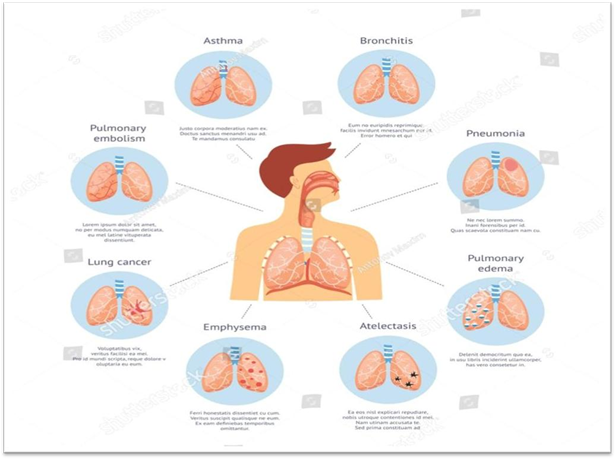
Respiratory Tract Diseases are Generally Divided into 2 Types
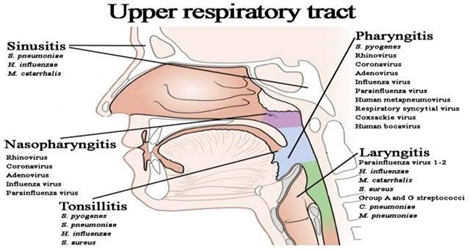
Effects of the upper part of the respiratory system
PATHOLOGY OF UPPER RESPOIRATORY TRACT INFECTION
EXAMPLE:
SIGNS AND SYMPTOMS
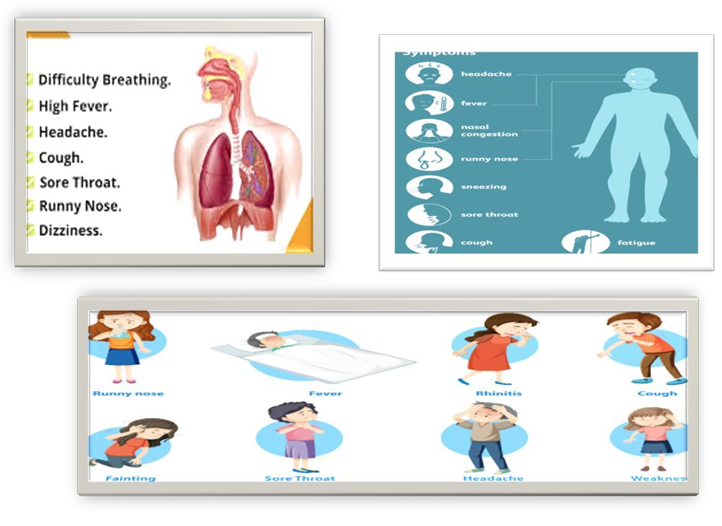
DIAGNOSIS
DRUG TREATMENT
|
DRUG |
DOSING |
DURATION OF TREATMENT |
|
ACETAMINOPHEN |
500 TO 1000 mg |
SINGLE DOSE |
|
INTRANASAL OXYMETAZOLINE |
2 SPRAY (0.05%) PER NOSTRIL 1 OR 2 TIMES PER DAY |
UPTO 10 DAYS |
|
AZITHROMYCIN |
500mg PER DAY |
3 TO 10 DAYS |
|
IBUPROFEN |
400mg 4 TO 6 HOURS |
MORE THAN 10 DAYS |
|
DEXTROMETHAORPHAN |
2 TSP (10ml) EVERY 4 HOURS |
EVERY 4 TO 12 HOURS |
|
AOMOXICILLIN |
500mg EVERY 8 HOURS |
UPTO 10 DAYS |
|
PENCILLIN |
500mg EVERY 6 TO 8 HOURS |
UPTO 10 DAYS |
|
PAXLOVID (combination of nirmatrelvir and ritonavir) |
1 NIRMATRELVIR 150mg AND 1 RITONAVIR 100mg (taken in combination) |
UPTO 5 DAYS |
|
LEVOFLOXACIN |
500mg ONCE A DAY |
10 TO 14 DAYS |
Affects the lower airways, including the:
PATHOLOGY OF LOWER RESPIRATORY TRACT DISEASE
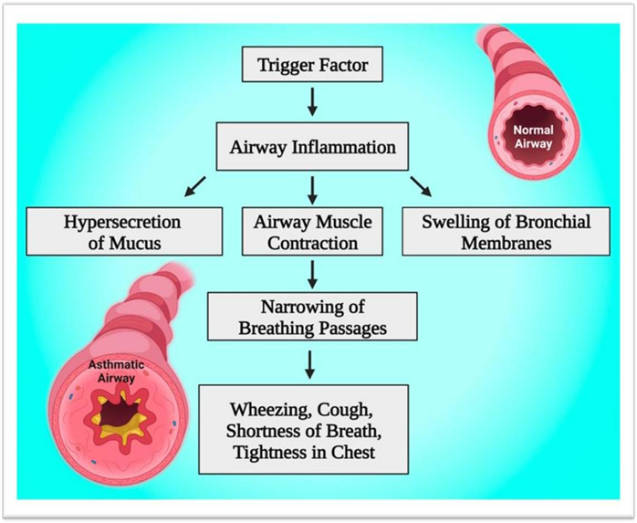
SIGNS AND SYMPTOMS
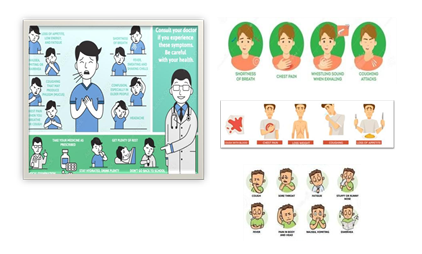
Diagnosis:
DRUG TREATMENT
|
DRUG |
DOSING |
DURATION TIME |
|
ISONIAZID |
300mg ONCE A DAY |
UPTO 6 MONTHS |
|
TURBUTALINE |
5mg 3 TIMES A DAY |
AS PRESCRIBED BY PHYSICIAN |
|
LEVALBUTEROL |
1.25mg PER DAY |
AS PRESCRIBED BY PHYSICIAN |
|
N-ACETYLCYSTEINE |
600mg PER DAY |
72 HOURS |
|
ETHAMBUTOL |
50mg ONCE IN A DAY |
1 TO 2 YEARS 0R MORE |
|
AOMOXICILLIN |
500mg EVERY 8 HOURS |
UPTO 10 DAYS |
|
PENICILLIN V |
500mg EVERY 12 HOURS |
UPTO 10 DAYS |
AIM:
A Descriptive study to assess the knowledge and practice about respiratory disease in Tumkur region
OBJECTIVES:
MATERIALS AND METHODS:
Study site:
Duration of study:
Study design:
Purposed sample size:
Source of data:
Study criteria:
Inclusion criteria:
Exclusion criteria:
Study procedure:
Materials used:
Methods:
Results:
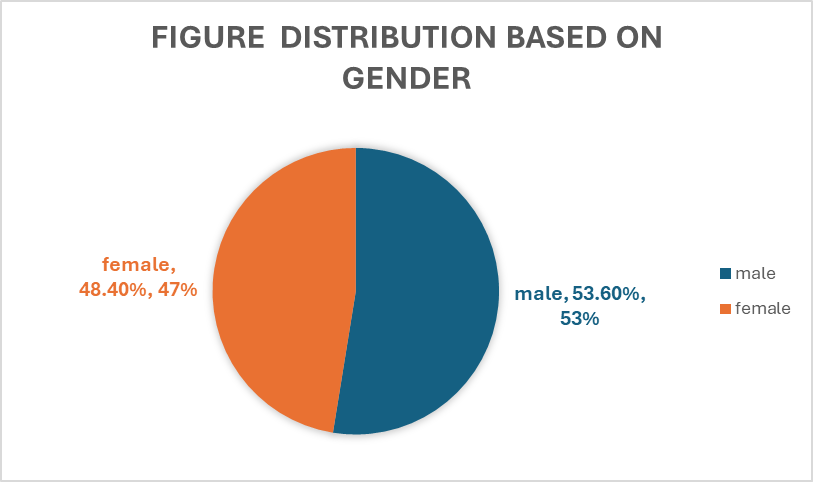
A descriptive study was collected for 3 months among respiratory diseases participants residing in Tumkur region on the community basis. a total number of 250 participants during the study period. out of 250 participants, 134 (53.6) were males and 116 (49.4) were females.
Table 01: Distribution of patients according to gender
|
Gender |
Total no. of participants (N=250) |
Percentage |
|
Males |
134 |
53.6% |
|
Females |
116 |
48.4% |
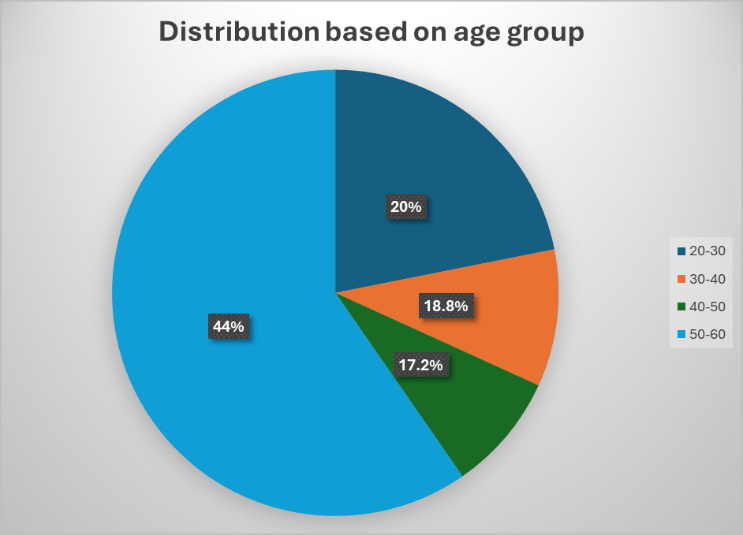
Among 250 participants, age range from 18 years to participants above 50 years. They are categorised into 4 groups, among these groups majority of the participants were from age above 20 i.e., 110 participants (44%) and only 13 participants (5.2%) were from age between 40- 50 years.
Table 2: Distribution of patients according to age groups
|
Age (years) |
No of participants (N=250) |
Percentage |
|
20-30 |
110 |
44% |
|
30-40 |
50 |
20% |
|
40-50 |
43 |
17.2% |
|
50-60 |
47 |
18.8% |
Distribution of 250 participants based on social habits was in 3 categories namely Smokers, Alcoholic, and smoker and Alcoholic. Among 250 participants were neither smokers nor alcoholic and were found to be smokers and alcoholic
Table 03: Distribution of participants based on social habits
|
Categories |
No. of participants (N= 250) |
Percentage |
|
Smoker |
60 |
24% |
|
Alcoholic |
50 |
20% |
|
Smoker & alcoholic |
40 |
16% |
|
Nil |
100 |
40% |
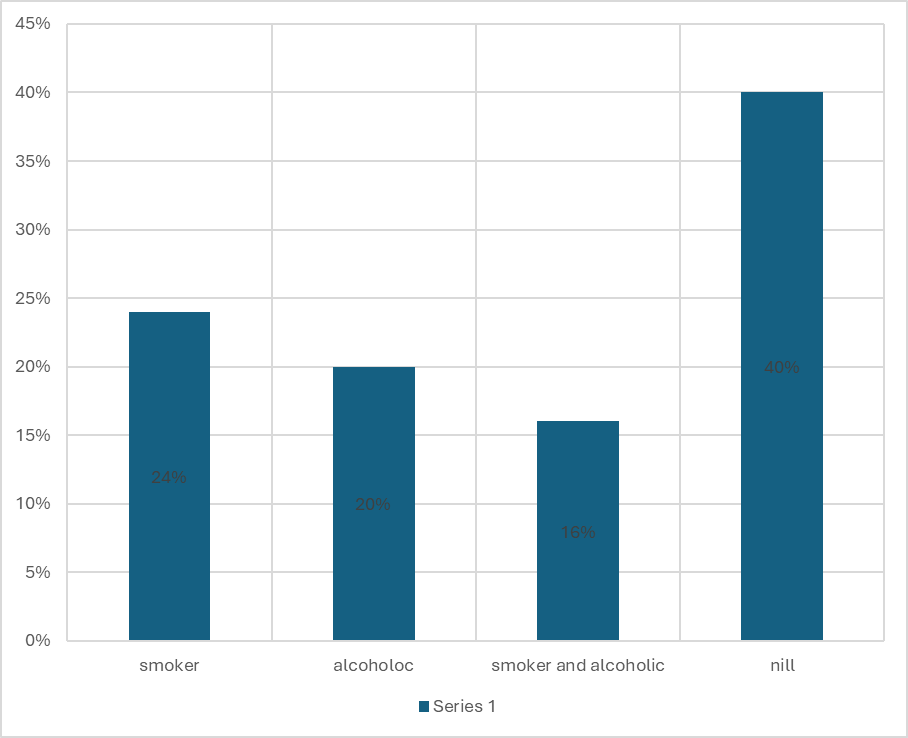
Table 04: Assessment of knowledge
|
Sr. No |
Questions |
% of Correct Response (yes) |
% of Wrong Response (No) |
|
1 |
Are you practicing any prevention measure / parameters for respiratory tract disease? |
83.2% |
16.8% |
|
2 |
Are you experiencing a persistent cough? |
78.4% |
21.6% |
|
3 |
Have you frequently do you practice these measures? |
77.2% |
22.8% |
|
4 |
Are you practice hand washing? |
54% |
46% |
|
5 |
Do you practice hand hygiene after every episode of coughing or sneezing? |
81.2% |
18.8% |
|
6 |
Are you producing more mucus or phlegm than usual? |
88% |
12% |
|
7 |
If you practicing any parameters of respiratory tract disease? |
64.8% |
35.2% |
|
8 |
Have you had frequent respiratory infection recently? |
31.6% |
68.4% |
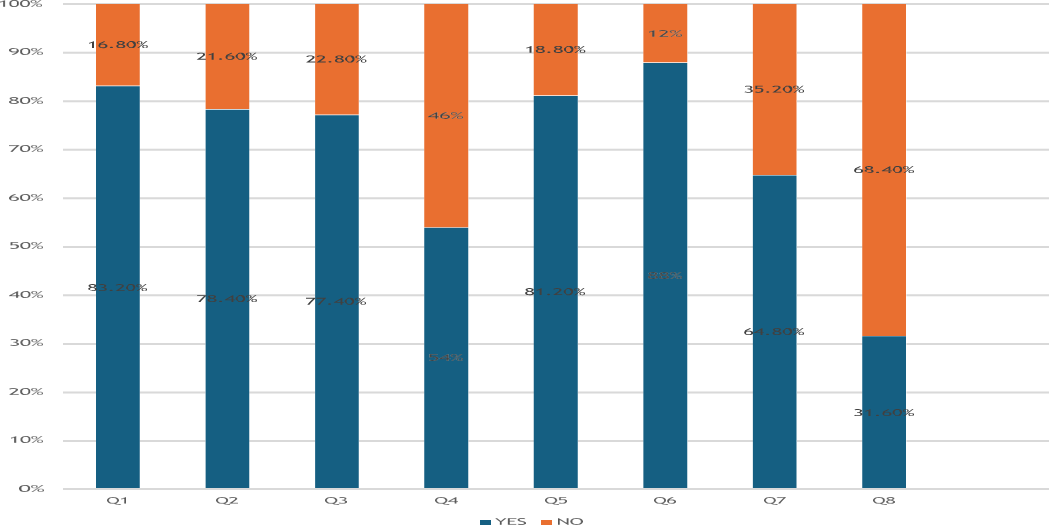
Table 05: Assessment of practice
|
Sr. no |
Questions |
% of Correct Response (yes) |
% of Wrong Response (No) |
|
1 |
Have you ever about respiratory tract disease? |
50.4% |
49.6% |
|
2 |
Have you known about transmission of respiratory tract diseases? |
35.6% |
64.4% |
|
3 |
There are any ways to prevent transmission of respiratory tract disease? |
52.4% |
47.6% |
|
4 |
You have any source of information? |
90.4% |
9.6% |
|
5 |
Do you know about respiratory hygiene? |
83.6% |
16.4% |
|
6 |
Do you know about hand hygiene? |
39.2% |
60.8% |
|
7 |
Can cough and sneezing prevent spread of disease to others? |
36% |
64% |
|
8 |
Do you have chest pain when you breath or cough? |
31.6% |
68.4% |
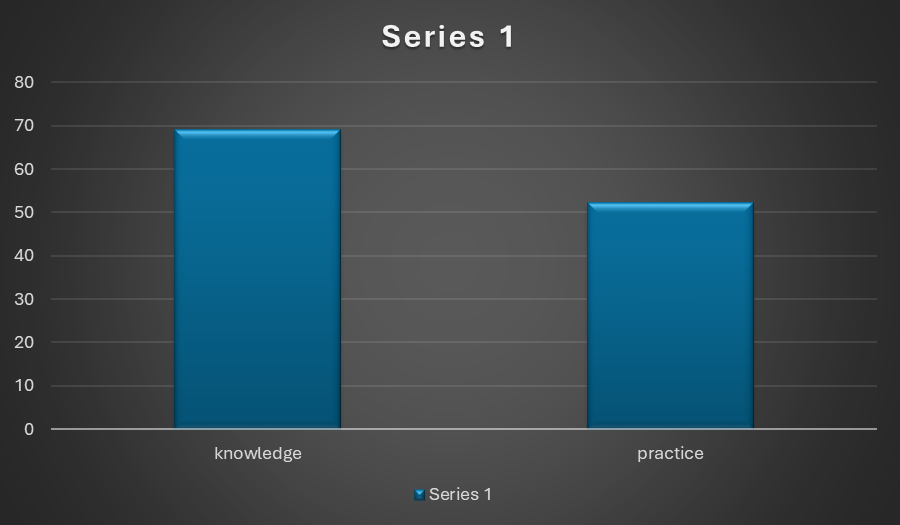
Comparison of YES response between assessment of knowledge & practice Questionaries
Yes, response is compared between both assessment of knowledge and assessment of practice Questionaries. In these 69.05% participants showed response for assessment of knowledge questionaries and only 52.4% participants showed response for assessment of practice questionaries.
DISCUSION
Respiratory disease are the conditions affecting the lungs and airways, which can range from mild infections like common cold to chronic and life-threatening conditions such has chronic abstractive pulmonary disease (COPD). abstractive diseases: this causes narrowed or blocked airways, making it difficult to exhale, include asthma and COPD. Restrictive disease: this involves a reduced lung capacity, as seen in condition like pulmonary fibrosis. infectious diseases caused by virus or bacteria, include pneumonia, tuberculosis and covid19.
In a descriptive study conducted over 3 months among respiratory disease participants in Tumkur region community basis, several key findings were observed from 250 participants. Here the gender distribution of 250 participants, 134 (53.6%) were males, and 116 (48.4%) were females. The age of the participants ranged from 20 years to above 50 years.
Participants were categorized into 4 age group that are 110 (44%) participants belong to the age group of 20-30 years, 50 (20%) participants belong to age group of 30-40 years, 43 (17.2%) participants belong to age group of 40-50 years, 47 (18.8%) participants belong to age group of 50 to above 50. the majority of participants the participants fell in to the age group of 20-30 years, accounting to the above data.
When we investigate the social habit of participant were divided into 4 categories based on social habits as follows smokers, alcoholic, smokers and alcoholic and nil the majority of participants (40%) neither smokers nor alcoholic. 24% were smokers, 20% were alcoholics, and 16% were both smokers and alcoholics.
CONCLUSION
This study was carried out to assess the knowledge, practice and awareness regarding respiratory tract disease in Tumkur region.
This study reveals that male participants are more participated than females. In this survey identified that majority of participants from 20-30 age group.
Based on the assessment of knowledge revels that majority of participants had good knowledge about respiratory tract disease.
Based on the assessment of practice revels that majority of participants had poor practice regarding respiratory diseases.
The practice of maintaining of self-hygiene to avoid the respiratory disease was low.
It’s important to aware about the signs and symptoms, risk factors, causes of respiratory disease that help in practicing healthy habits.
So, to reduce the respiratory diseases it requires standardized publicity and education strategies and good treatment facilities in order to improve the public health.
REFERENCES

Adharsh Adhoni, Pavan G R, Roopa, Adarsh Meti, Akash Benakatti, Dr. R S Meghasri, A Descriptive Study to Assess the Knowledge and Practice about Respiratory Diseases in Tumkur Region, Int. J. of Pharm. Sci., 2025, Vol 3, Issue 12, 3795-3804. https://doi.org/10.5281/zenodo.18069586
 10.5281/zenodo.18069586
