
Swathi College of Pharmacy, Nellore, Andhra Pradesh
Stress is a pervasive global health concern that affects individuals across all age groups, with students being particularly vulnerable due to academic pressures, including examinations, results, and placements. Stress is influenced by mental, environmental, and social factors, and prolonged exposure can significantly impact both mental and physical health. Common manifestations among students include anxiety, depression, loneliness, and headaches, while adults experience stress due to work demands, family responsibilities, and interpersonal issues. Coping strategies such as yoga, meditation, exercise, and spending quality time with family and friends have been shown to alleviate stress and promote overall well-being. At the physiological level, stress activates the hypothalamic-pituitary-adrenal (HPA) axis, resulting in the secretion of cortisol, the primary stress hormone. Acute stress triggers a transient rise in cortisol, aiding the body in coping with immediate challenges. However, chronic stress leads to sustained hypercortisolemia, which may result in hypertension, hyperglycemia, impaired immune function, mood disorders, and cognitive decline. Persistent Dysregulation of the HPA axis can also contribute to cortisol resistance, commonly observed in conditions such as post-traumatic stress disorder and burnout syndrome. Monitoring cortisol levels through serum, salivary, or urinary measurements provides an objective biomarker for evaluating stress and adrenal function. Early identification and management of stress are essential to prevent long-term adverse health outcomes. Recognizing stress symptoms, understanding underlying causes, and implementing effective coping mechanisms are crucial for maintaining mental and physical health in both students and working adults.
Stress is a significant global health issue and a crucial pathway through which social and environmental factors influence long-term health outcomes. The term stress is used to describe individual’s response towards force [1] .Numerous studies have shown that frequent exposure to stressful life situations and higher levels of perceived stress are linked with adverse mental and physical health outcomes. Furthermore, individuals who have experienced traumatic life events also show a consistent association with poorer overall health. A key biological mechanism that connects environmental influences with stress is the hypothalamic-pituitary-adrenal (HPA) axis. Cortisol, the main hormone released by this system, is vital in regulating several bodily functions, ranging from metabolism to immune responses. Dysregulation of the HPA axis has been widely recognized as a contributor to negative health outcomes. Chronic or repeated activation of this system due to prolonged stress or traumatic experiences can cause what is known as “allostatic load”. This concept refers to the cumulative biological burden those results from continuous stress exposure. Under normal conditions, cortisol and other stress hormones help the body adapt to challenges; however, excessive or sustained release can disrupt normal regulatory functions. Such Dysregulation is associated with cognitive decline, mood disturbances, and increased risk of physical illness. Therefore, maintaining balanced cortisol levels is essential for overall mental and physical health, as persistent imbalance may contribute to long-term adverse outcomes.
Cortisol, often referred to as the “stress hormone,” is the primary glucocorticoid produced by the adrenal cortex in response to stimulation of the hypothalamic-pituitary-adrenal (HPA) axis. Under normal physiological conditions, cortisol secretion follows a diurnal rhythm, peaking in the early morning (around 6–8 a.m.) and reaching its lowest levels at midnight. During stressful situations, the hypothalamus releases corticotrophin-releasing hormone (CRH), which stimulates the anterior pituitary to secrete adrenocorticotropic hormone (ACTH). ACTH then acts on the adrenal cortex to increase cortisol production. This hormonal surge helps mobilize energy by promoting gluconeogenesis, lipolysis, and protein catabolism, while also modulating immune and inflammatory responses. Acute stress typically causes a transient rise in serum cortisol levels, which helps the body cope with immediate threats. However, chronic or prolonged stress leads to sustained hypercortisolemia, which can have detrimental effects—such as hypertension, hyperglycemia, impaired immune function, and mood disorders like anxiety and depression. Over time, continuous activation of the HPA axis may also cause cortisol resistance or blunted cortisol responses, a phenomenon seen in individuals with post-traumatic stress disorder (PTSD) or burnout syndrome. Normal morning serum cortisol levels in healthy adults generally range from 5 µg/dL to 25 µg/dL (138–690 nmol/L), while lower values may be observed in the evening. Elevated cortisol levels above this range, when sustained, are indicative of chronic stress or Cushing-like conditions. Accurate assessment of cortisol levels through serum, salivary, or urinary cortisol testing—is widely used as a biomarker for evaluating stress response and adrenal function. Salivary cortisol, in particular, is a non-invasive measure that reflects the biologically active, unbound fraction of cortisol and is frequently used in psychoneuroendocrinology studies to assess stress-related disorders.
TYPES OF STRESS:
1. Eustress:
Eustress refers to a positive or beneficial type of stress. Although stress is often viewed negatively, certain stressors can actually enhance performance and motivation [2]. This kind of stress helps individuals build confidence, develop new skills, and stay focused on their goals. It usually occurs during situations that are challenging but achievable, such as working toward success, learning something new, or facing exciting life events.
2. Distress:
Distress is the harmful or negative kind of stress that occurs when situations are perceived as overwhelming, unpleasant, or beyond one’s control. Examples include losing a job, the death of a loved one, long-term illness, or going through a divorce. Such experiences can lead to sadness, frustration, or even depression [3].
3. Acute Stress:
Acute stress is a temporary form of stress that happens for a short duration. It can be either positive (Eustress) or negative (distress). During this period, a person might experience physical changes like increased heart rate, rapid breathing, or sweating. While mild acute stress can be stimulating, repeated or excessive exposure can result in anxiety, headaches, tension, or digestive problems [4].
4. Chronic Stress:
Chronic stress develops when stressful situations persist over a long period. Continuous exposure to stress such as financial troubles, workplace instability, chronic illness, or relationship conflicts can harm both physical and mental health. Over time, this ongoing stress can lead to emotional exhaustion, anxiety disorders, or cardiovascular problems. Societal and political tensions, such as prolonged conflicts or discrimination, can also contribute to widespread chronic stress among communities [5].
STAGES OF STRESS:
Stages of Stress:
Stress can occur in varying degrees — from mild tension to severe forms that impact overall well-being. The body experiences different phases when responding to a stressor, as described below: [6]
1. Alarm Stage:
This is the body’s initial reaction to a stressor. The senses send signals to the brain, which triggers the “fight or flight” response. The body becomes alert and prepares to face or escape the challenge. Adrenaline activates the “fight and flight response”, which the body intial response to stress [7].
2. Resistance Stage:
During this phase, the body attempts to adapt to the ongoing stress. It continues to stay alert and active, trying to maintain balance while managing the stressor. Since the body is still fighter the stressor, the individual may become irritable, tried and less capable to handle the demanding situations.
3. Exhaustion Stage:
If the stress persists for too long, the body’s energy reserves begin to wear out. Physical and mental fatigue set in, and the ability to cope effectively diminishes. Exhaustion only occurs if a stressor continues for long periods of time, week, month and even years [8].
4. Recovery Stage:
Once the stressor is removed or managed, the body gradually returns to its normal, balanced (homeostatic) state. This stage restores stability and allows recovery from the stressful experience.
Causes of stress:
Environmental:
Environmental stress is the strain or tension that arises due to unfavorable conditions in one’s surroundings, which can negatively influence both mental and physical health. Factors such as pollution, overcrowding, harsh weather conditions, and unsafe living environments can lead to increased stress levels.
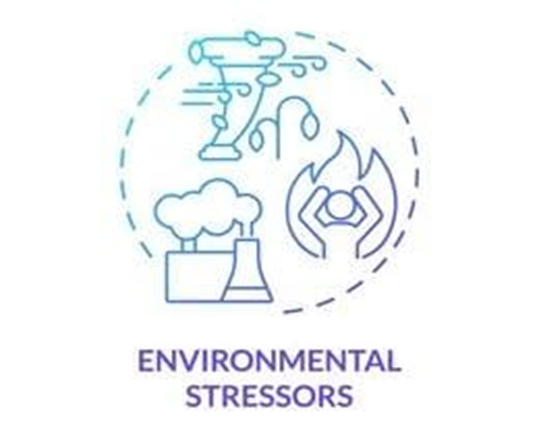
Figure: 1: Environmental stressors
Physiological Stressors:
Physiological stress refers to the internal conditions or bodily factors that create strain on the body’s normal functioning. These stressors can arise from physical illness, chronic pain, fatigue, hunger, dehydration, hormonal changes, or lack of proper sleep. Overexertion, poor diet, and inadequate rest also contribute to physiological stress, affecting overall health and energy levels [9].

Figure: 2: Physiological stress
Social stressor:
The pressure that arises from various social roles, such as being a parent, spouse, care giver, or employee. It lists examples of social stressors, including deadlines, financial problems, job interviews, presentations, conflicts, and the demand for time and attention. Other examples provided are the loss of a loved one, divorce, and co-parenting [10].
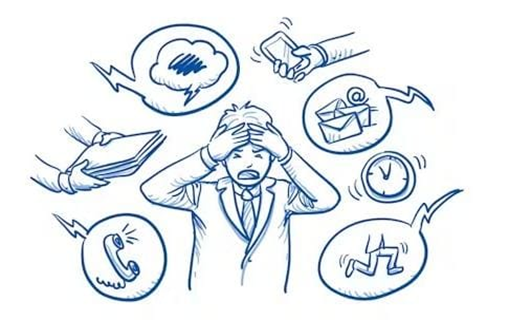
Figure: 3: Social stressor
Thoughts:
Stressful thought as negative or anxious thoughts that lead to feelings of stress. These thoughts can be about past events, current situations, or future worries and is often difficult to control and persistent.
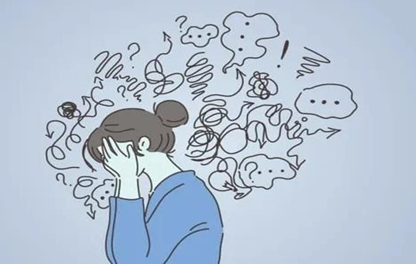
Figure: 4: Thoughts
SIGNS AND SYMPTOMS:
ROLE OF CORTISOL IN CHRONIC STRESS:
Cortisol, often known as the “stress hormone,” is produced by the adrenal cortex under the control of the hypothalamic–pituitary–adrenal (HPA) axis. It plays a vital role in helping the body manage and respond to stress. However, during chronic (long-term) stress, cortisol levels remain elevated for an extended period, leading to several harmful effects on the body.
1. Mechanism of Cortisol Release:
Stress Stimulus: When a person experiences stress, the hypothalamus releases CRH (Corticotrophin Releasing Hormone).
Pituitary Response: CRH stimulates the pituitary gland to release ACTH (Adrenocorticotropic Hormone).
Adrenal Activation: ACTH acts on the adrenal cortex, triggering the release of cortisol into the bloodstream.
Under normal conditions, cortisol levels rise and fall throughout the day, peaking in the morning and decreasing at night. Chronic stress disrupts this rhythm.
2. Effects of Chronic Cortisol Elevation:
Table: 1: Effects of Chronic Cortisol Elevation
|
System Affected |
Physiological Effects |
Long-Term Impact |
|
Metabolic System |
Increases blood glucose through gluconeogenesis |
Risk of type 2 diabetes and obesity |
|
Immune System |
Suppresses inflammation and immune response |
Increased infection risk and slower healing |
|
Cardiovascular System |
Increases blood pressure and cardiac output |
Can lead to hypertension and heart disease |
|
Central Nervous System |
Alters neurotransmitter balance |
Causes anxiety, depression, and memory impairment |
|
Musculoskeletal System |
Promotes protein breakdown |
Leads to muscle wasting and osteoporosis |
|
Reproductive System |
Reduces gonadal hormone secretion |
Causes irregular menstrual cycles or decreased fertility |
3. Feedback Dysregulation:
Prolonged stress can desensitize the HPA axis, meaning the negative feedback loop that normally suppresses cortisol release becomes less effective. As a result, cortisol remains chronically elevated, further worsening stress-related disorders.
4. Clinical Consequences:
5. Management Strategies:
Stress reduction techniques: Yoga, meditation, mindfulness, and deep-breathing exercises.
Lifestyle modifications: Balanced diet, regular exercise, adequate sleep.
Medical management: In severe cases, doctors may prescribe medications that regulate cortisol or treat related symptoms (e.g., antidepressants, anti-anxiety drugs).
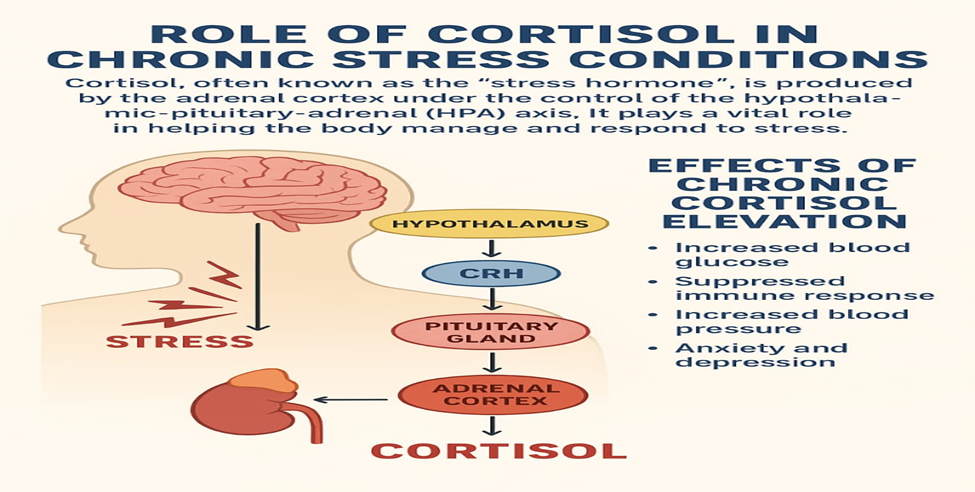
Figure: 5: Role of cortisol in chronic stress conditions
Risk factors: [11]
Heart disease: The text states that a "Type A" personality is more prone to high blood pressure and heart issues. Stress is said to increase coronary heart rate and the circulation of triglycerides.
Asthma: According to the text, stress can worsen bronchial asthma. It also mentions a study on the prevalence of asthma in children whose parents were under pressure, exposed to air pollution, or whose mothers smoked during pregnancy. The likelihood of allergies was higher in children whose parents were unsure about these factors.
Diabetes: The text explains that stress can worsen diabetes in two ways: by increasing harmful behaviors like poor and excessive consumption, and by directly raising blood sugar levels.
DIAGNOSIS OF INCREASED SERUM CORTISOL LEVELS IN STRESS CONDITIONS:
1. Clinical Evaluation:
History and Symptoms: Persistent fatigue, weight gain (especially in the face and trunk), muscle weakness, high blood pressure, anxiety, or depression.
Physical Examination: Signs such as a “moon face,” central obesity, or purple striae may indicate prolonged cortisol elevation.
2. Laboratory Tests for Cortisol Measurement:
Table: 2: Laboratory Tests for Cortisol Measurement
|
Test Name |
Sample Type |
Purpose / Interpretation |
|
Serum Cortisol Test |
Blood sample (usually morning sample at 8 AM) |
Measures baseline cortisol level; elevated levels may suggest stress or Cushing’s syndrome. |
|
24-Hour Urinary Free Cortisol Test |
Urine collected over 24 hours |
Measures total cortisol excretion; high levels indicate chronic elevation. |
|
Late-Night Salivary Cortisol Test |
Saliva sample collected at night . |
Detects loss of normal circadian rhythm elevated at night suggests abnormal HPA axis activity |
|
Low-Dose Dexamethasone Suppression Test (DST) |
Oral Dexamethasone followed by blood cortisol measurement |
Normally, Dexamethasone suppresses cortisol; failure to suppress indicates excessive cortisol production. |
|
ACTH Level Test |
Blood test |
Helps determine if the high cortisol is due to pituitary over activity (high ACTH) or adrenal overproduction (low ACTH). |
3. Imaging Studies:
4. Differential Diagnosis:
5. Normal Cortisol Ranges:
|
Time of Day |
Normal Serum Cortisol (µg/dL) |
|
Morning (6–8 AM) |
10–20 µg/dL |
|
Afternoon (4–6 PM) |
3–10 µg/dL |
|
Midnight |
<5 µg/dL |
Persistent values above the normal range, especially at night, indicate dysregulated cortisol secretion.
TREATMENT:
Stress management is defined as "building a healthy balance". It involves various strategies to help individuals cope with the complexities of modern life. The symptoms of stress can differ from person to person. The text states that stress can be prevented or managed through basic approaches [12].
EXERCISE:
Exercise can be a key, central method to compensate for stressor. Physical exercise not only promotes over all fitness, but it helps you to manage emotional stress and tension as well. That involves incorporating physical activity into your routine to help alleviate tension and improve mood.
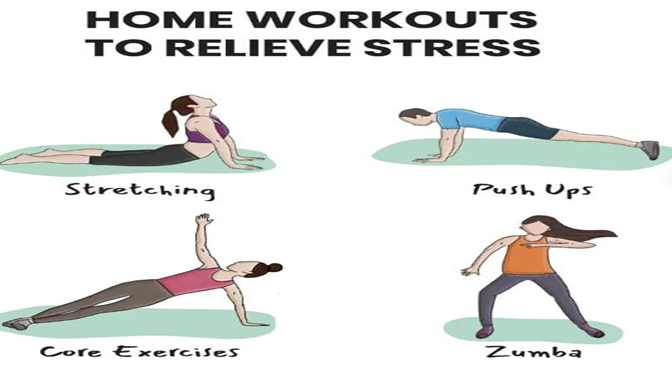
Figure: 6: Exercises to overcome stress
BREATHING AND RELAXATION:
Managing stress through breathing and relaxation can be achieved through various methods like; Deep breathing exercise and mindfulness practices. Which can help them nervous system and reduce stress hormones.
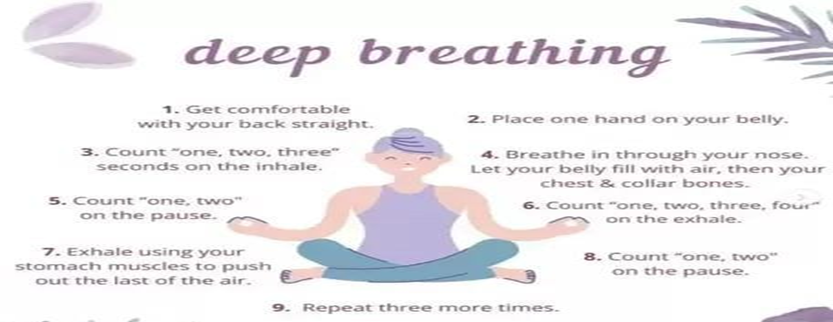
Figure: 7: Breathing exercise
Modifying environment:
This is a kind of protective method to shoo away stress from life. The person can go for shopping, outing, visit friends or go for a long vacation to get a change. This is one of the most prelevant stress management.
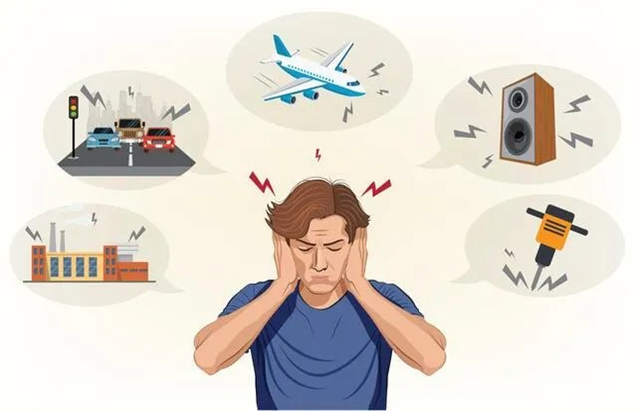
Figure: 8: Modifications of environment
Positive thinking:
When a person keeps a positive attitude regarding something then he is able to move whole heartedly towards is which also adds to his work efficiency. Thinking positively about stressor can help moderate stress.

Figure: 9: Positive thinking
Yoga:
Yoga is an ancient Indian form of exercise based upon the premises that the body and breathing are connected with the mind. One goal of yoga is to restore balance and harmony to the body and emotions, through numerous postural and breathing exercise.
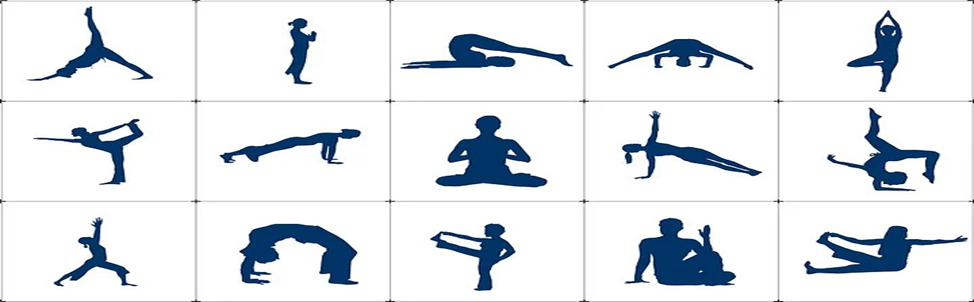
Figure: 10: Different types of Yoga steps
Meditation:
A few minutes of meditation can help a lot in relieving stress. Just sit up straight with both feet on the floor and eyes closed. Focus your attention on reciting out loud or silently - a positive mantra such as "I feel at peace" or "Love my self" Place on hand on your stomach to start and end the mantra with your breaths.
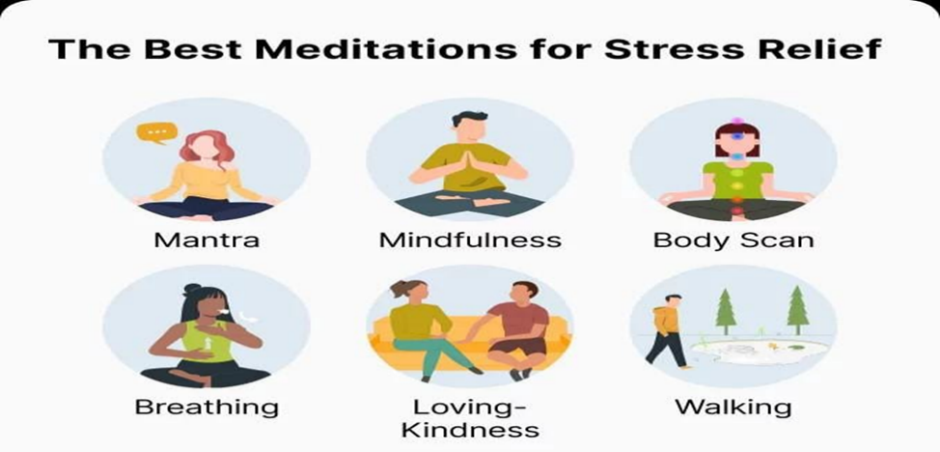
Figure: 11: Meditations for stress relief
Socialization:
The person should share the problems or the issue with friend, family members or someone significant. They suggest the maintaining good relationships with a few close friends may be a key to managing stress and staying healthy.
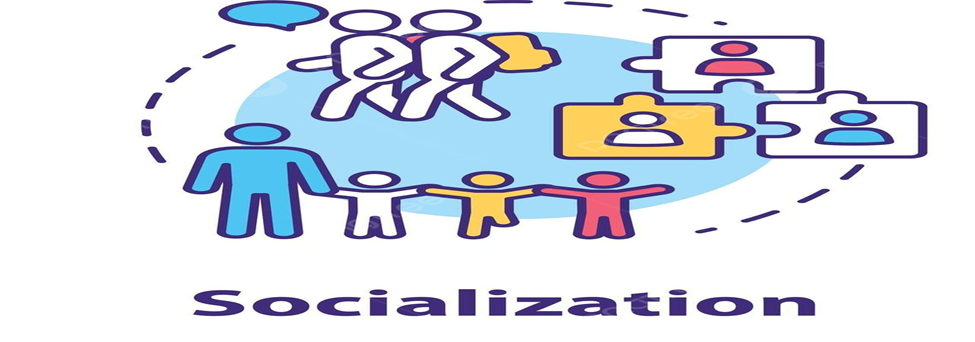
Figure: 12: Socialization
AIM & OBJECTIVE:
AIM:
To understand stress and manage it’s more effectively and develop an awareness of stress.
OBJECTIVES:
PLAN OF WORK:
PHASE I:
PHASE II:
PHASE III:
PHASE IV:
METHODOLOGY:
Participants:
We provide questionnaire google forms in their mobile phones, and we provide questionnaire forms personally. These participates age difference between 18-25 and 25-40, The collected data is based on daily stress in our life.
Measurements:
Online stress survey:
The online stress survey collected the information about the stress from students and other persons. In these survey questions about why students along with suffering from stress and observation of levels of cortisol. How they will rectify and manage the stress in their life.
Offline survey:
The offline survey collected the information about the stress from students and workers. In this survey we meet personally and we know about why they feel stress and what the side effects they experience are and how peoples manage their life in stress like exercise, meditation, positive thinking, yoga, reading books and also medicines etc.
Exercise: According to offline survey, during the exercise they feel some relaxation and they feel some energy in their body.
Meditation: It may give the peace of mind and forget about stress, some sessions of heart fullness also
Reading books: During the reading books and articles they are thinking positively and avoid stress and divert their mind easily.
Medications: Some of the peoples addicted medicines to reduce their stress and avoid stress.
RESULTS AND DISCUSSION:
Study gives the detailed information about the stress. In this study totally 100 responses collected. The present study was conducted to analyze their problems and solutions from participants. The data shows that the stress is common in any age.
A. RESPONDERS AGE PROFILE:
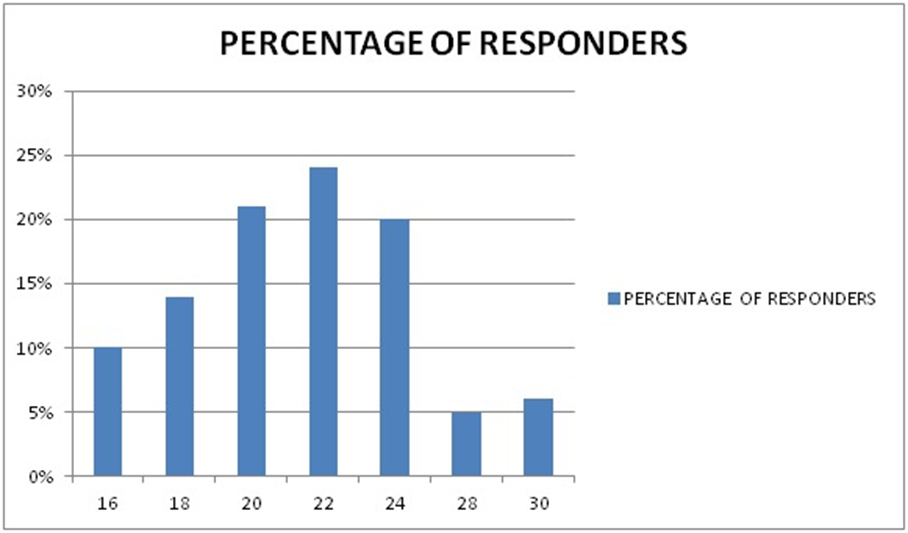
Figure: 13: RESPONDERS AGE PROFILE
B. GENDER PROFILE OF THE RESPONDERS:
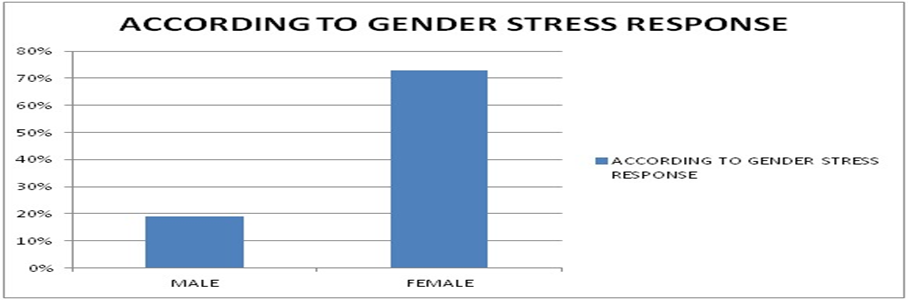
Figure: 14: Gender profile of the responders
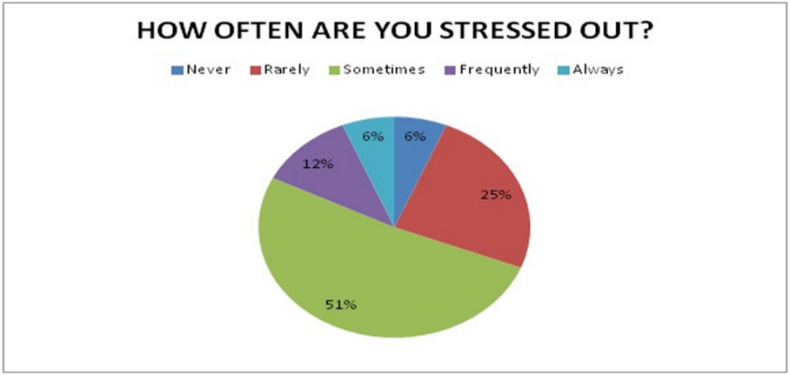
Figure: 15: Percentage of persons stressed out
2. If you are a student, why do you fell stressed out?
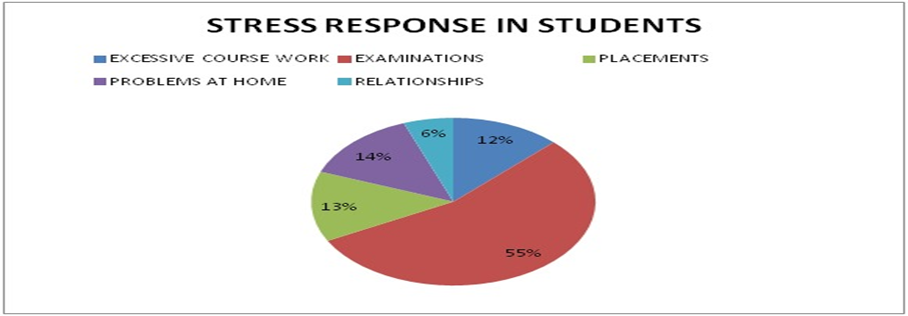
Figure: 16: Stress response in students
3. What techniques are do you use to come out of stress?
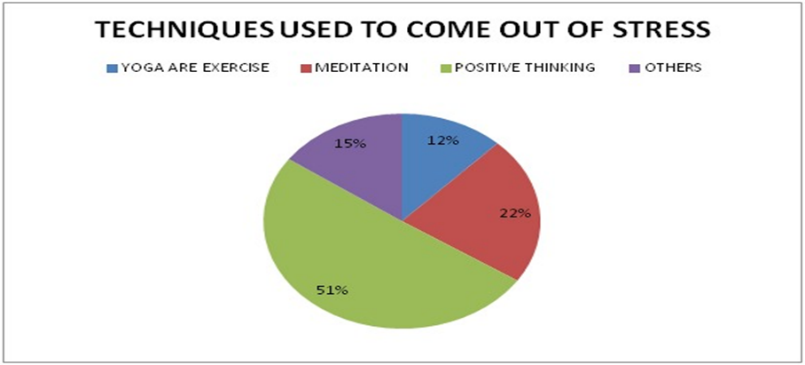
Figure: 17: Techniques used to come out of stress
4. According to before and after counseling the stress levels in individuals:
TABLE: 1: Stress levels before and after counseling
|
Participant Group |
Mean Stress Score (Before Counseling) |
Mean Stress Score (After Counseling) |
% Reduction in Stress Level |
|
Mild Stress Group |
45 |
30 |
33.3% |
|
Moderate Stress Group |
65 |
40 |
38.5% |
|
Severe Stress Group |
85 |
50 |
41.2% |
|
Overall Average |
65 |
40 |
38.4% |
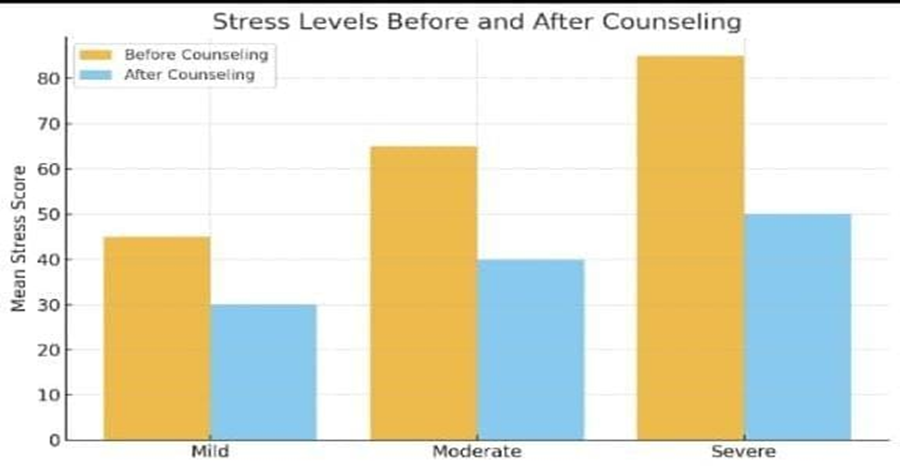
Figure: 18: Stress levels before and after counseling
5. Stress Levels Before and After Counseling with Follow-Ups:
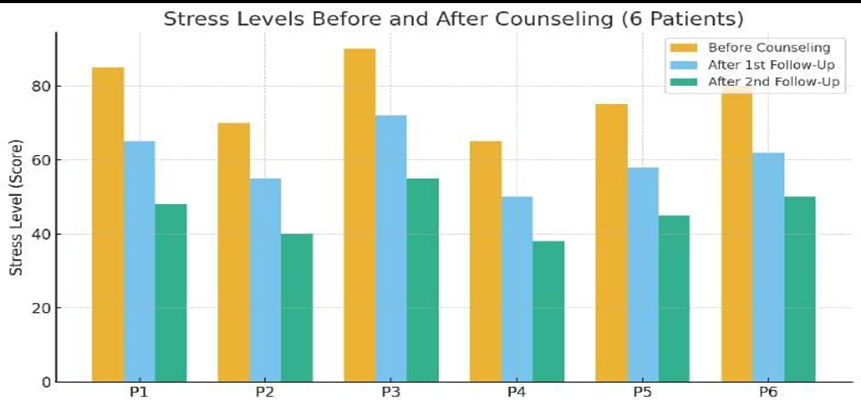
Figure: 19: Stress Levels Before and After Counseling with Follow-Ups
Counselling for Stress-Related Individuals:
1. Practice Relaxation Techniques:
2. Maintain Regular Physical Activity:
3. Promote Healthy Sleep Habits:
4. Encourage Balanced Nutrition:
5. Avoid Unhealthy Coping Methods:
CONCLUSION
The results mostly talk about stress is present in every one life. Stress is based on mental status, environmental status and social status. This result shows mostly students are faced stress in their life like examination stress, results stress, placement stress etc., this information useful for detection of stress and reduction of stress in life.
Students feel stress according to their exams, results, jobs, placements etc. They reduce the stress by yoga, meditation, exercise, chilling with friends, spending time with families etc. Stress affects the mental health and also physical health. The most common symptoms they faced are depression, loneliness and headache. In that time students want some encouragement, motivation for reducing and support their stress. Finally, understand the symptoms and causes of stress it helpful to recognize the stress in students.
According to those responses, not only student others also feel stress for their jobs, increments, family problems, relationship problems etc., they are feeling loneliness, anxiety, depression and high pressures with their work pressure. They struck between family and job, face so many problems. Recognize the stress at an early stage it helps to physical health and mental health. Whenever we feel stress discuss their emotions with their family, friends , and others etc.
Finally, we conclude mostly students are suffered with stress. The 70% students measured with stress for academic pressure. At that time, they were even ready to commit suicide. Remaining 30% workers, employees are feeling stress in their life. But they face stress by their daily activities, spending time with family and friends.
"Awareness and Encouragement Can Help Secure the Lives of Students and Others"
REFERENCES

Dr. Shaik Salma, T. Sree Vidya, Dr. B. Dinesh, Roshni Singh Chandel, Sagar Sahu, Dr. S. Nivedhitha, A Prospective Observation Study on Role of Serum Cortisol Levels in Stress Condition and its Management, Int. J. of Pharm. Sci., 2026, Vol 4, Issue 2, 433-448. https://doi.org/10.5281/zenodo.18471246
 10.5281/zenodo.18471246
