
1,2,4,5 KDK College of Pharmacy and Research Institute, Nagpur
3 Smt. Kusumtai Wankhede Institute of Pharmacy, Katol
To achieve controlled release and optimize therapeutic outcomes, drug delivery systems (DDS) are engineered platforms designed to transport active pharmaceutical ingredients to specific sites within the body. Modern DDS technologies aim to enhance patient adherence, minimize systemic adverse effects, and significantly improve the pharmacokinetic and bioavailability profiles of therapeutic agents. This review explores various DDS approaches including hydrogels, liposomes, polymeric micelles, and nanoparticles. Additionally, it discusses emerging innovations such as stimuli-responsive carriers and personalized delivery strategies that address current clinical challenges. The evolution of pharmacology and pharmacokinetics underscored the critical relationship between release mechanisms and therapeutic effectiveness, laying the foundation for the development of controlled-release systems. With the integration of advanced materials and nanotechnology, a new generation of drug delivery systems (NDDS) has emerged, offering improved targeting, sustained release, and user convenience. Each DDS platform possesses unique physicochemical characteristics that influence its performance and release dynamics. Ongoing research continues to refine these systems for specialized applications, including pulmonary and nasal routes of administration. Representative examples include liposomes, proliposomes, microspheres, gels, prodrugs, and cyclodextrin complexes, all of which exhibit distinct advantages in achieving efficient and safe drug delivery.
Technological devices known as drug delivery systems create and store drug molecules in forms that are appropriate for administration, such as tablets or liquids. By speeding up the delivery of medications to the precise location in the body, they maximize therapeutic effectiveness and reduce off-target accumulation [1,2]. One of the many ways that drugs can enter the body is through the mouth, albeit this is not the only way [3, 4]. Routes of delivery, including anal and transvaginal, nasal and ocular, buccal and sublingual, transdermal and subcutaneous, and intravesical [5,6]. The drug's constituents are in charge of its physiochemical characteristics and the modifications it affects in bodily systems when ingested. Due to improved systemic circulation and control over the drug's pharmacological action, DDS has been used successfully in the past few decades to treat illnesses and enhance health [7]
For more easy, regulated, and focused distribution, a number of drug delivery systems (NDDS) have recently been created utilizing cutting-edge technologies. Every medication delivery system has unique characteristics that affect its mechanism and rate of release. This is mostly because of the variations in their morphological, chemical, and physical properties, which will ultimately influence how well they bind to different pharmacological molecules [8]. Despite being a contentious idea, numerous researchers have seen this impact in a variety of human tumor types, and it serves as the foundation for the application of nanomedicine in the treatment of cancer. However, its lack of selectivity and higher toxicity are its drawbacks [9].
Early Period of Drug Delivery Systems
People relied on medicinal herbs back in the day. Despite their advantages, their drug delivery was inconsistent, homogeneous, and particular [10]. All medications were manufactured and kept in pill or capsule form prior to the use of controlled drug administration. When it comes into touch with gastrointestinal fluids, it dissolves, passes through the gut wall, and is subsequently taken up by blood capillaries and absorbed into the bloodstream. Advanced coating techniques including keratin, shellac, sugar, enteric coating, and pearl coating were also introduced in the 20th century; however, keratin and shellac were ineffectual because of their high pH and instability during storage, which prevented them from dissolving adequately in the small intestine.[11]
When Jatzkewitz created the first polymer-drug conjugate in 1955, he reported the first medicinal use of nanoparticles. The earliest nanotechnology, called liposomes (lipid vesicles), was found in the 1960s [12,13]. Constant drug release rates, self-regulating, long-term depot formulations, and formulations based on nanotechnology specifically, nanoparticle formulations were among the drug delivery systems that the researchers were interested in creating. Long-term depot-sustained drug-release formulations of peptide/protein medications were created during this time [14].
The current era of controlled release technology is the third generation of medication delivery devices. It must get past the biological and physicochemical obstacles that plagued the previous drug delivery methods in order to be advantageous and effective. While the biological barrier challenges are linked to systemic drug distribution problems, the physiochemical challenges are brought on by therapeutic proteins and peptides' high molecular weight, poor water solubility, and difficulty achieving targeted and controlled drug release [15,16].
Recent Drug Delivery Systems and Applications
The effective development of drug delivery systems based on organic, inorganic, and hybrid nanoparticles as drug carriers for active targeting particularly in chemotherapy has advanced significantly in recent years. Smaller particle size, higher permeability, increased solubility, efficacy, stability, toxicity, and prolonged delivery are some of the enhanced characteristics of recent drug delivery systems (DDS). Compared to traditional dose forms, they can greatly enhance the performance of medicinal agents [17,18].
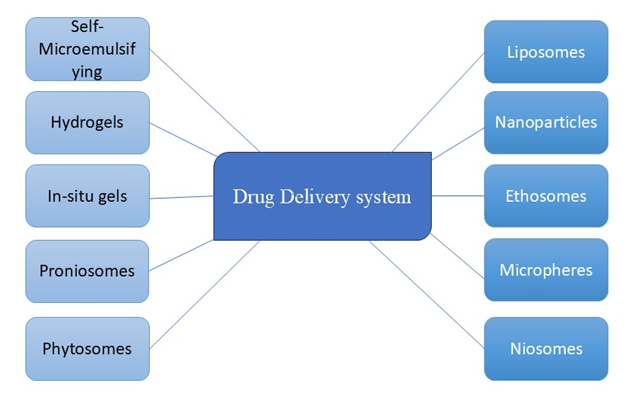
Fig. 1: Application of Drug Delivery System
Self-Micro Emulsifying Drug-Delivery System
Lipid-based pharmacological preparations have drawn a lot of attention lately, with self-micro emulsifying drug-delivery systems (SMEDDS) garnering particular attention [19]. Because medications cannot be absorbed through the gastrointestinal tract (GIT) unless they are in solution forms, low hydrophilicity is therefore a crucial component of bioavailability in this context [20]. In recent years, there has been an increase in the use of lipid-based carrier systems to increase the bioavailability of drugs that are less soluble in water [21]. Suspensions, dry emulsions, microemulsions, and self-emulsifying drug-delivery systems (SEDDS) are some of the different types of lipid-based carriers [22]. The two kinds of emulsifying agents utilized in microemulsions are surfactants (S) and co-surfactants (CoSs). [23,24]
In-Situ Gel Drug Delivery System
One of the most cutting-edge drug delivery methods is in-situ gel medicine administration. The in-situ gel drug delivery system's special ability to switch from Sol to Gel helps to improve patient comfort and compliance while facilitating a controlled and extended release of drugs [25]. Before entering the body, formulations in solution form often undergo a transformation into gel form under specific physiological conditions [26]. A solution can become a gel by combining a number of stimuli, including solvent exchange, temperature changes, and pH changes [27]. Numerous studies have employed parenteral, intraperitoneal, vaginal, nasal, injectable, oral, and rectal ocular methods. Numerous polymeric delivery systems for medications have been developed [28].
Applications of In-Situ Gel Delivery System
Additionally, traditional delivery techniques lead to limited therapeutic response and availability, which facilitates the removal of the medication from the eye. Viscosity enhancers, such as carbomers, hydroxypropylmethyl cellulose, carboxymethyl cellulose, and polyvinyl alcohol, are used in ocular preparations to increase the viscosity of the drug formulations, which improves bioavailability and precorneal residence length. To encourage the entry of corneal compounds like surfactants and preservers, chelating chemicals are used as penetration enhancers [29,30].
Polymers like gum gelan and gum xanthan are used in nasal in-situ production. Research has been done on the effectiveness of momethasone furoate as an in situ gel for the treatment of allergic rhinitis. The impact of in-situ gel on antigen-induced nasal symptoms was shown in vivo using sensitized rats as a model of allergic rhinitis [31,32].
A wide range of medications that come in liquid, semi-solid (such as emulsions, froths, and lotions), or suppositories in solid administration formulations can be prescribed using this technique. Traditional sup positories can be uncomfortable during penetration. Furthermore, the drug's first-pass action can be felt since suppositories can migrate upward into the gut due to their inability to be adequately maintained at a single rectum site [33].
A delivery system based on a thermoplastic graft copolymer undergoing in situ gelation has been developed for the continuous release of active substances: estrogens, peptides, progestins, and proteins. A recent study found that a combination of poloxamers and polycarbophils mucoadhesive thermosensitive gels increased and maintained the antifungal efficacy of clotrimazole medication compared to conformist formulations based on polyethylene glycol [34].
Micro Electro Mechanical Systems (MEMS) for Drug Delivery
Actuators, medicine delivery, motion sensing, accelerometers, and inkjet printing are just a few of the many industries that have found use for MEMS technology [35]. Together, these unique elements give MEMS devices their widely recognized multifunctionality and accuracy in comparison to other traditional drug delivery methods. Each of these characteristics’ functions in a strategic manner. For example, actuators are primarily essential to the drug release process because they pressurize the drug reservoir to promote drug release [36].
Combined Drug Delivery Approach
Combination drug administration has been shown to maintain efficacy and diminish drug resistance while lowering therapeutic dosage and adverse effects [37].
The use of combination approaches in pharmacological research and therapeutic investigations has increased, according to a study by Silva et al. [38].
Targeted Drug Delivery System
This method uses a variety of additional drug carriers, including artificial cells, liposomes, neutrophils, soluble polymers, biodegradable microsphere polymers, and micelles [39]. The RGD-peptides, an amino acid composed of Arg-Gly-Asp sequences, were grafted onto the surface of the nanoparticles. In order to efficiently target vβ3 integrin, this was done. Both cellular uptakes by the cancer cells and an efficient release of encapsulated medications were caused by the RGD peptide [40].
Herbal Drug Delivery
Many of the ingredients in plant extracts are likely to be damaged due to the stomach's rather acidic pH. Before entering the bloodstream, various compounds may undergo hepatic metabolism. As a result, the drug may not enter the bloodstream in the required dosage. If the medication does not reach the blood at the minimum effective level, as it is also known, there will be no therapeutic effect. Natural substances are easier and faster for the body to metabolize. They thereby offer better bloodstream absorption and have fewer, if any, side effects, resulting in more comprehensive and effective treatments. Bioactive and plant extracts have been used to create novel herbal formulations, including liposomes, phytosomes, nanoemulsions, microspheres, transferosomes, and ethosomes. [41]
Challenges Associated with Current Drug Delivery Systems
The quest to deliver drugs from different plant sources to their target sites for treatment in the body has advanced significantly in recent years, but there are still many limitations and challenges to what these systems can accomplish in treatment, some of which are discussed below. One of the main obstacles to the advancement of drug delivery systems is the paucity of literature and the variation in the literature that is available. Literature is crucial for the advancement of any research, and in this case, nanomedicine approaches to treatment [42].
Some of these delivery systems use large particles as carriers, which are not very good for treatment because they can cause problems like poor absorption and solubility, in vivo instability, poor bioavailability, target-specific delivery complications, and a number of negative side effects after administration [43]. This problem can be solved by using much smaller particles to deliver to the human biological system [44]. The toxicity of particles employed in distribution is another big difficulty that faces drug delivery systems in general, some of the nanomaterials utilized might be hazardous to human health and also the environment [45].
REFERENCES

Shruti Shende, Riddhi Shirbhate, Sakshi Bhope, Sapna Patel, Kamlesh Wadher, A Review of Recent Developments in Drug Delivery, Int. J. of Pharm. Sci., 2025, Vol 3, Issue 10, 2602-2609. https://doi.org/10.5281/zenodo.17441246
 10.5281/zenodo.17441246
