View Article

Abstract

Anemia, especially iron deficiency anemia, is a global health problem affecting nearly one-third of the population. Conventional haematinic preparations such as tablets and syrups are effective but often limited by side effects, poor palatability, and low patient compliance. This review aims to explore the formulation, evaluation, and potential of haematinic chocolate as an innovative nutraceutical approach for anemia management. A comprehensive review of literature was conducted on nutraceutical formulations, functional ingredients, and medicated chocolate systems. The focus was placed on formulation strategies, functional botanicals, evaluation parameters, advantages, limitations, and future directions. Chocolate serves as a palatable delivery system that effectively masks the metallic taste of iron while enhancing compliance. Functional ingredients such as beetroot, moringa, carrot powder, raisins, and almonds enrich the nutritional profile and contribute synergistically to hemoglobin improvement. Evaluation parameters confirm acceptability, nutritional value, and stability of haematinic chocolates. Haematinic chocolate represents a promising patient-friendly nutraceutical with therapeutic and functional benefits. Further research should focus on sugar-free formulations, nano-fortified iron systems, and clinical validation to establish large-scale applicability.

Keywords

Haematinic chocolate, Anemia, Nutraceuticals, Beetroot, Moringa,Carrot powder, Cocoa-based formulation

Introduction

Background:

Over the past two decades, nutraceuticals and functional foods have emerged as promising alternatives to conventional supplements. Chocolates have been increasingly investigated as carriers for vitamins, probiotics, and minerals due to their palatability, universal acceptance, and masking effect on unpleasant tastes.

Anemia is one of the most common nutritional and hematological disorders affecting people worldwide. It is defined as a condition in which the hemoglobin concentration or number of red blood cells (RBCs) is lower than normal, leading to reduced oxygen transport in the body.

According to the World Health Organization (WHO), anemia affects nearly 1 in 3 people globally, with a high burden in children, adolescents, and women of reproductive age. The most common form is iron deficiency anemia (IDA), caused by inadequate dietary intake of iron, poor absorption, or increased requirements during growth and pregnancy.

 Causes of Anemia

  • Nutritional deficiencies: Iron, vitamin B12, folate deficiency
  • Chronic blood loss: Heavy menstruation, gastrointestinal bleeding
  • Infections: Malaria, hookworm infestation
  • Chronic diseases: Kidney disease, cancer
  • Genetic conditions: Sickle cell anemia, thalassemia

Signs and Symptoms

  • Fatigue and weakness
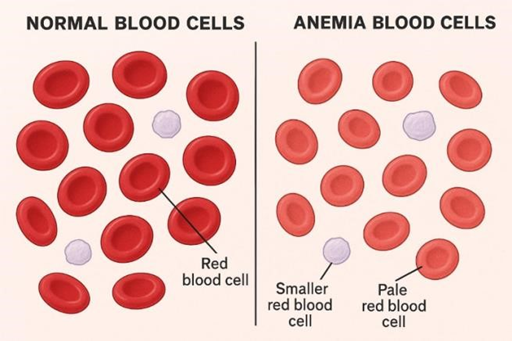
  • Pale skin and nails
  • Shortness of breath, rapid heartbeat
  • Dizziness and headaches
  • Brittle nails, hair fall Poor appetite, especially in children

FIGURE 1 : BLOOD CELLS

Iron deficiency anemia is the most common type of anemia, caused by insufficient iron in the body to produce adequate hemoglobin. Hemoglobin is the oxygen-carrying protein in red blood cells, and its shortage results in poor oxygen delivery to tissues.

Health Problems due to IDA

  1. General Weakness & Fatigue – Low hemoglobin reduces oxygen supply to tissues, causing tiredness.
  2. Poor Growth & Development in Children – Stunted growth, delayed milestones, learning difficulties.
  3. Cognitive & Concentration Problems – Poor memory, lack of focus, decreased academic/work performance.
  4. Weakened Immunity – More frequent infections.
  5. Pregnancy Complications – Risk of low birth weight, premature delivery, maternal mortality.
  1. Cardiac Strain – Fast heartbeat (tachycardia), risk of heart failure if untreated.
  2. Pica – Craving for non-food items like clay, ice, or starch.
  3. Physical Appearance Changes – Pale skin, brittle nails, hair loss.

 Management & Prevention

  • Iron-rich diet: Beetroot, carrot, moringa leaves, spinach, jaggery, nuts, meat, and liver.
  • Vitamin C intake: Enhances absorption of iron from plant-based foods.
  • Iron supplements: Tablets or syrups (though sometimes cause gastric side effects).
  • Nutraceuticals: Innovative formulations like haematinic chocolate improve compliance, especially in children.
  • Preventive measures: Regular deworming, balanced nutrition, and health awareness.

Iron Rich in Nuts and Seeds are nutritional powerhouse, containing healthy fats and protein and compounds that support cardiovascular health. The following options are rich in iron:

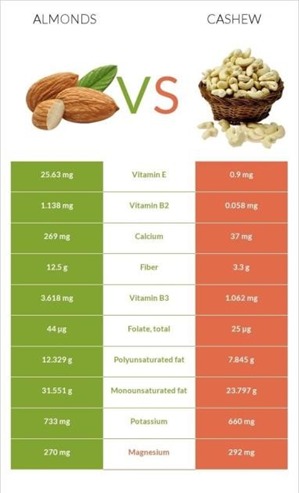
  • Almonds
  • Cashews
  • Pistachios
  • Pine nuts
  • Peanut

2. CHOCOLATE AS A CARRIER SYSTEM

Advantages:

  • Excellent taste and consumer acceptance.
  • Masks metallic taste of iron.
  • Cocoa contains flavonoids with antioxidant activity.
  • Good stability and easy molding/packaging.

Challenges:

  • Cocoa polyphenols can inhibit non-heme iron absorption.
  • Iron can cause lipid oxidation and off-flavors.
  • Requires optimized formulation and encapsulation techniques.

3. RATIONALE FOR HAEMATINIC CHOCOLATE

  1. Acceptability and compliance: High palatability increases likelihood of regular consumption vs tablets.
  2. Protection of actives: Cocoa butter/fat matrix can protect microencapsulated iron and vitamin C from moisture and oxidation during storage.
  3. Flexibility of formulation: Powdered plant ingredients (Moringa, beetroot, carrot), microencapsulated iron salts, vitamin C, and flavoring can be incorporated into dark, milk, or sugar-free chocolate.

4. Opportunity for complementary nutrients: Chocolate allows codelivery of vitamin C (enhances non-heme iron absorption), folate, vitamin B12 (where needed), and antioxidants to improve overall hematologic health.

4. COMPLEMENTARY PLANT HAEMATINICS

4.1 Beet Root Powder (Beta vulgaris)

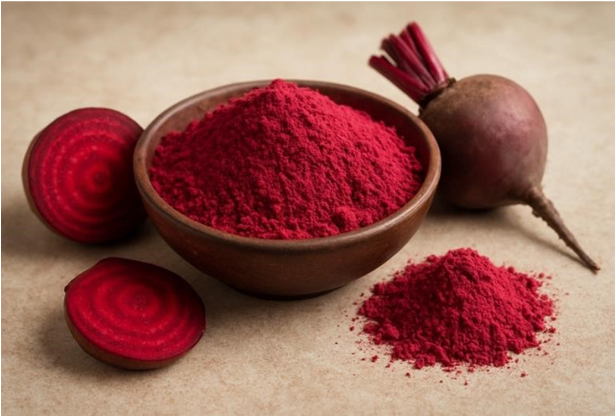
Beetroot (Beta vulgaris) is a root vegetable rich in natural pigments (betalains), nitrates, vitamins, minerals, and especially iron and folic acid. When dried and powdered, beetroot becomes a nutrient-dense supplement that can be easily incorporated into functional foods such as haematinic chocolates.

Nutritional Composition
  • Iron – helps in hemoglobin formation
  • Folic acid – essential for red blood cell synthesis
  • Vitamin C – improves absorption of non-heme iron
  • Dietary nitrates – enhance blood flow and oxygen delivery
  • Antioxidants (Betalains) – protect against oxidative stress

FIGURE 2: BEET

Health Benefits in Anemia

  • Boosts Hemoglobin – iron and folate increase RBC production.
  • Improves Oxygen Transport – nitrates dilate blood vessels, improving circulation.
  • Enhances Immunity – antioxidants reduce cell damage.
  • Supports Energy Levels – combats fatigue and weakness.
  • Safe Nutraceutical Ingredient – palatable and easily acceptable in chocolates.

 Role in Haematinic Chocolate

  • Acts as a natural iron source to manage iron deficiency anemia.
  • Provides color and mild sweetness, improving the taste and appearance of the product.
  • Works synergistically with carrot powder, moringa powder, and xylitol for enhanced nutritional value. 

4.2 Moringa (Moringa oleifera)

Moringa oleifera, often called the “drumstick tree” or “miracle tree,” is a quick-growing, drought-tolerant plant that comes from India and is grown in many warm and humid areas. For a long time, it has been used in Ayurvedic and traditional medicine because of its great health and nutrition benefits. Because it has a lot of vitamins, minerals, and active compounds, it is often called a “superfood.” It helps fight malnutrition and lack of essential nutrients, especially in poorer countries.

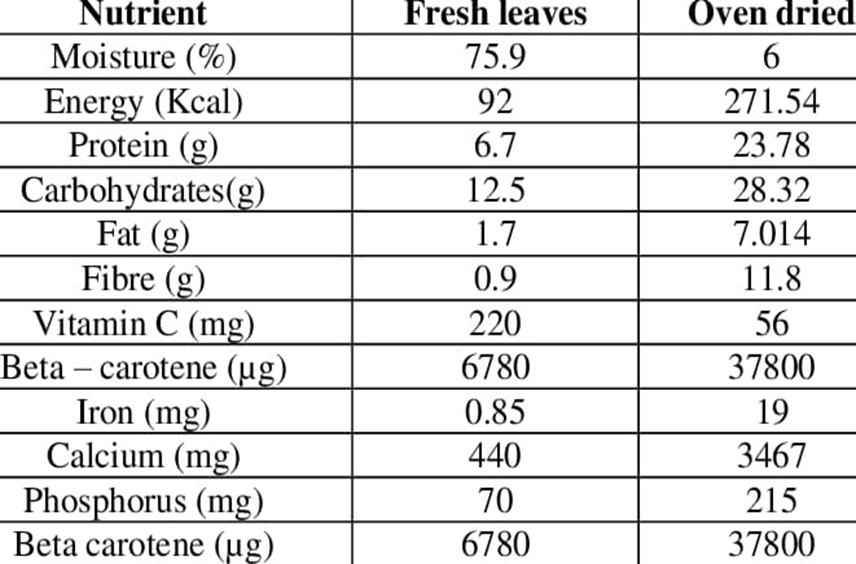
TABLE 1 : Nutritional value of moringa
Macronutrients:

  • It has a lot of plant-based protein (18–25%) and includes all the essential amino acids.
  • It has little fat but contains healthy unsaturated fats.

Micronutrients:

  • Iron helps prevent anemia.
  • Calcium, magnesium, potassium, and zinc are good for bones and body functions.
  • It has a lot of vitamins, including Vitamin A (from beta-carotene), Vitamin C, Vitamin E, and B-complex vitamins.

Phytochemicals:

  • It contains flavonoids like quercetin and kaempferol, polyphenols, glucosinolates, and isothiocyanates.
  • These have antioxidant, anti-inflammatory, and liver-protecting qualities.

 Comparative Values:

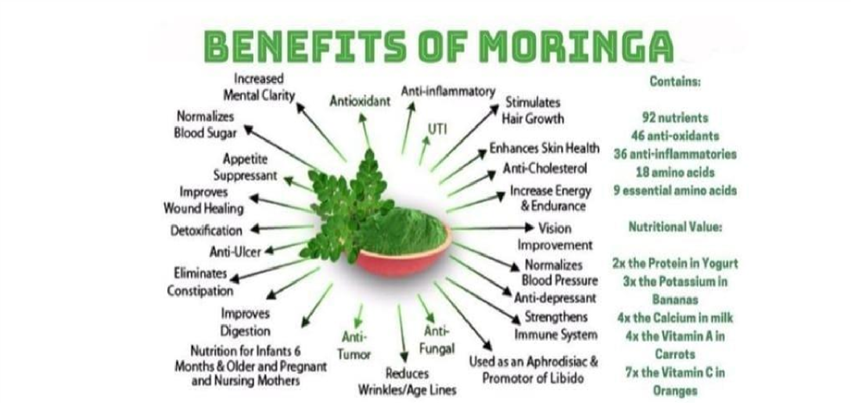
  • Moringa leaves have 7 times more Vitamin C than oranges.
  • They have 4 times more Vitamin A than carrots.
  • They have 3 times more potassium than bananas.
  • They have 2 times more protein than yogurt.

FIGURE 3: MORINGA

Role in Haematinic Chocolate

  • Iron Boost – The natural iron in moringa helps fight iron deficiency anemia.
  • Better Absorption – Vitamin C in moringa helps the body absorb non-heme iron more effectively
  • Added Nutrition – Adding moringa powder to haematinic chocolate makes it healthier by adding protein, antioxidants, and minerals
  • Improved Taste – Mixing moringa into chocolate hides the bitter taste of the powder, making it more enjoyable for people of all ages.
  • Smart Nutrition – Moringa-based haematinic chocolate is a tasty, easy-to-use food that helps prevent and manage anemia, especially in at-risk groups.

4.3 Carrot Powder (Daucus carota)

Carrot, or Daucus carota L., is a popular root vegetable known for its good nutrition and health benefits. Carrot powder is made by drying and grinding fresh carrots and is being used more often in special health foods and dietary supplements. It has more nutrients packed into a smaller amount than fresh carrots, stays good for longer, and is easier to use. Carrot powder is getting attention in haematinic chocolate because it has iron, antioxidants, and can help improve blood health.

Nutritional Value

Carrot powder has most of the healthy compounds found in fresh carrots, making it a great source of nutrients.

The important parts include:
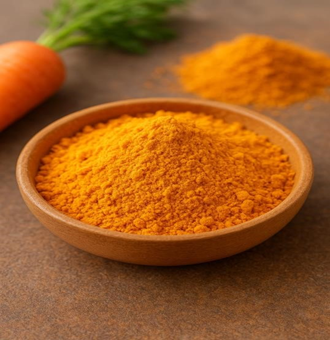
  • Vitamins: It has a lot of vitamin A (as beta-carotene), vitamin C, vitamin K, and a little bit of B vitamins.
  • Minerals: It contains iron, calcium, magnesium, potassium, and phosphorus.
  • Phytochemicals: It has carotenoids, phenolic compounds, flavonoids, and fiber.
  • Macronutrients: It gives carbohydrates (mostly natural sugars), a small amount of protein, and very little fat.

FIGURE 4: CARROT  POWDER

Health Benefits

  • Blood Health: The combination of iron, vitamin C, and betacarotene helps make hemoglobin and improves iron absorption.
  • Antioxidant Effects: Carotenoids and phenolics fight oxidative stress and protect red blood cells.
  • Immune Support: Vitamin A and C help the body fight infections and stay healthy.
  • Eye Health: High levels of beta-carotene help maintain vision and prevent night blindness.
  • Digestive Health: The fiber in carrot powder helps with digestion and prevents constipation.
  • Heart Health: Potassium and antioxidants both contribute to protecting the heart.

 Role in Haematinic Chocolate

Carrot powder is used in making chocolates that help build blood, or haematinic chocolates.

It:

  • Provides iron, which is important for making blood.
  • Helps the body absorb non-heme iron better when combined with vitamin C, and helps make red blood cells with beta-carotene. - Adds a natural orange color and a bit of sweetness, so less need for artificial colors and sweeteners.
  • Protects the nutrients in chocolate from damage caused by oxidation. - Makes chocolate healthier and more appealing to people looking for nutritious treats.

 4.4 Nuts and Dry Fruits 

Almonds:

Nutritional Profile:

  • Rich in protein, healthy fats, vitamin E, calcium, magnesium, and iron.
  • Contains polyphenols and antioxidants that improve blood vessel health.

 Role in Antiheamatinic Chocolate:

  • Contributes plant-based iron and improves hemoglobin synthesis.
  • Vitamin E protects red blood cells from oxidative stress.
  • Magnesium supports proper iron metabolism.

Cashews:

Nutritional Profile:

      • Good source of iron, zinc, copper, magnesium, and healthy monounsaturated fats.
      • Provides plant protein and essential amino acids.

Role in Antiheamatinic Chocolate:

  • Copper plays a vital role in iron absorption and red blood cell formation.
  • Iron content directly helps combat anemia.
  • Zinc supports immunity, which is often weak in anemic patients.

Raisins:

Nutritional Profile:

      • Naturally rich in iron, potassium, calcium, and dietary fiber.
      • Contains natural sugars (fructose, glucose) for instant energy.

Role in Antiheamatinic Chocolate:

  • Provides easily absorbable iron and helps increase hemoglobin.
  • Contains vitamin C traces, which enhance iron absorption.
  • Improves palatability and natural sweetness, reducing need for refined sugar.

5. FORMULATION STRATEGIES AND EXAMPLE FORMULATIONS

5.1 Design considerations

Choose dark or milk chocolate depending on target demographic and stability needs (dark chocolate often has lower moisture and higher polyphenols).

Prefer iron forms with balanced bioavailability and sensory neutrality (e.g., microencapsulated ferrous fumarate or ferric pyrophosphate).

Include vitamin C (ascorbic acid or natural sources like acerola powder) at levels known to enhance non-heme iron absorption (e.g., a molar excess relative to non-heme iron).

Control phytate/polyphenol levels from plant powders (processing: blanching, fermentation, enzymatic treatment, or using low-phytate extracts).

Consider sugar or sugar alternatives depending on population (children vs diabetics).

5.2 Example pilot formulations (per 100 g chocolate mass)

Formulation A - Dark haematinic chocolate (for general population)

  • Cocoa mass/cocoa liquor: 45 g
  • Cocoa butter: 15 g
  • Sugar (or sweetener): 25 g
  • Milk powder (optional): 5 g
  • Moringa leaf powder: 2 g
  • Beetroot powder: 2 g
  • Microencapsulated ferrous fumarate (equivalent to 10 mg elemental Fe per serving [20 g]): quantity per supplier specs
  • Ascorbic acid (or acerola powder): amount to provide 30–60 mg vitamin C per serving
  • Emulsifier (lecithin): 0.5 g
  • Flavor (vanilla): 0.1 g

Formulation B — Child-targeted sugar-reduced haematinic chocolate (smaller portion)

Adjust sugar and cocoa solids; include raisins/nut pieces for texture; iron dose per portion adjusted for pediatric requirements.

6. PROCESSING & MANUFACTURING CONSIDERATIONS

Compatibility: Test interactions between iron source and chocolate components. Iron can catalyze oxidation of lipids and degrade color/ flavor. Microencapsulation reduces such reactions.

Mixing: Add dry powders (Moringa, beetroot) after conching to preserve heat-sensitive vitamins; add microcapsules gently to avoid rupture.

Tempering: Standard tempering protocols apply; ensure added powders don’t disturb crystal formation.

Packaging: Oxygen- and light-barrier packaging recommended; include desiccant when moisture sensitive.

Shelf-life: Monitor rancidity (peroxide value), color stability (betalain from beetroot), and antioxidant retention.

7. EVALUATION METHODS

7.1 Physicochemical analyses

Proximate composition: moisture, ash, protein, fat, carbohydrate.

  • Iron content (total): atomic absorption/ICP-MS after digestion.
  • Vitamin C content: HPLC.
  • Lipid oxidation: peroxide value, TBARS.
  • Color and texture: colorimeter, texture analyzer.

7.2 In vitro bioaccessibility/bioavailability

Simulated gastrointestinal digestion (INFOGEST) + dialyzable iron or Caco-2 cell uptake assays to estimate absorption potential.

  • Phytate: iron molar ratio — assess inhibitors.

7.3 Sensory evaluation

Hedonic testing (9-point scale) with target consumers; triangle tests for detectability of fortificant; check for metallic off-notes.

7.4 Microbiological and safety testing

Standard microbial limits; heavy metal testing (lead, cadmium) — especially important when using root vegetable powders (beetroot may accumulate metals).

7.5 In vivo/clinical evaluation

Pilot randomized controlled trials measuring hemoglobin (Hb), serum ferritin, transferrin saturation, and adverse events over at least 8–12 weeks. Compare haematinic chocolate vs placebo or standard iron supplement.

8. FUTURE ASPECTS

Future research on antihaematinic chocolate should focus on:

Clinical validation: Conducting large-scale randomized controlled trials to confirm its efficacy in improving hemoglobin levels, serum ferritin, and overall iron status.

Technological advancements: Employing advanced delivery systems such as microencapsulation, liposomal iron, or nano-formulations to overcome stability and bioavailability challenges.

Population-specific formulations: Developing tailored products for children, adolescents, pregnant women, and the elderly with appropriate dosage forms (bars, bites, or spreads).

Public health integration: Exploring inclusion of antihaematinic chocolate in school feeding programs, maternal nutrition initiatives, and community health interventions.

Sustainability and accessibility: Utilizing locally available plant sources (e.g., beetroot, moringa, nuts) to reduce production cost while supporting local agriculture and ensuring widespread availability.

Regulatory and consumer awareness: Establishing clear guidelines, safety assessments, and educational campaigns to build trust and ensure proper consumption practices.

 Overall, antihaematinic chocolate represents a unique and patientfriendly nutraceutical approach that can complement existing strategies for anemia management, bridging the gap between therapeutic efficacy and consumer acceptability.

 9. CONCLUSION

Antihaematinic chocolate emerges as a novel nutraceutical formulation with significant potential in the management and prevention of anemia, particularly iron deficiency anemia. By combining iron-rich natural ingredients such as beetroot, carrot, and moringa powder with supportive nutrients like folic acid, vitamin C, and bioenhancers, chocolate offers a palatable and patient-friendly alternative to conventional supplements. Its wide acceptability across age groups, pleasant taste, and ease of compliance make it a promising vehicle for addressing nutritional deficiencies while simultaneously offering functional and sensory benefits. However, the success of such formulations depends on careful optimization of ingredient ratios, encapsulation strategies to enhance bioavailability, and maintaining sensory quality to ensure consumer acceptance.

REFERENCES

  1. Surkar, S. B., Dobariya, P. V., Vasoya, D., Patel, S. Preparation and Evaluation of Hematinics Chocolate (International Journal of Pharmaceutical Research and Applications, 2025)
  2. Pawar, Sarthak Haridas; Aher, Abhishek Sajesh; Dhumal, Prathamesh Keshav. Formulation and Evaluation of Hemoglobin Booster Herbal Chocolate (IJIRT, 2025)
  3. Gangrade, Akshita; Koka, Sweta S.; Sharma, Pravin K.; Gayakwad, Devshree; Gupta, Ashish; Darwhekar, G. N. A Review on Medicated Chocolate for Pediatrics (World Journal of Pharmaceutical Research, 2021)
  4. Design and Development of Medicated Chocolate (Journal of Drug Design & Research)
  5. Paul, Moumita; Ranabhat, Priyanka; Khatiwara, Deepika; Bagchi, Arnab. Review on Medicated Chocolate: Patient-Centered Approach to Drug Delivery (Journal of Applied Pharmaceutical Research, 2021) 
  6. World Health Organization. Anaemia (fact sheet). (WHO). Accessed 2025. 
  7. WHO Global Health Observatory — Anaemia in women and children (2023 data). 
  8. Faccinetto-Beltrán P, et al. Chocolate as Carrier to Deliver Bioactive Ingredients. Foods / PMC review. 2021. (Review of chocolate as carrier for bioactives). 
  9. Sultana S, et al. Nutritional and functional properties of Moringa oleifera. Foods/Science review (PMC). 2020. (Moringa nutritive profile). 
  10. Chen L, et al. Beetroot as a functional food: review. Frontiers/nutrition/PMC 2021. (Beetroot constituents and benefits). 
  11. Abedini A, et al. Fortification of chocolates with high-value plant substances. PMC. 2023. (Functional chocolate fortification review). 
  12. Global Burden of Disease Anaemia Collaborators. Findings from GBD 2021 on anaemia. Lancet/related (2023). (Burden of disease metrics). 
  13. Kassebaum, N. J., et al. (2021). The Global Burden of Anemia, 1990–2021: A systematic analysis for the Global Burden of Disease Study. The Lancet Global Health, 9(9), e619–e629.
  14. Singh, A., & Patel, R. (2022). Beetroot (Beta vulgaris L.): A functional food with potential health benefits. Frontiers in Nutrition, 9, 867245.
  15. Rajendran, S., & Mani, U. (2020). Iron-fortified foods: Innovative strategies to improve iron bioavailability and consumer acceptability. Food Reviews International, 36(6), 580–597.
  16. Sharma, N., & Kaur, P. (2022). Development and evaluation of nutraceutical chocolate fortified with Moringa and beetroot powder. Journal of Food Processing and Preservation, 46(4), e16531.
  17. Kim, Y., Lee, H., & Park, J. (2021). Microencapsulation of iron salts for food fortification: Techniques, stability, and sensory evaluation. Trends in Food Science & Technology, 110, 208–220.
  18. Saini, R. K., Sivanesan, I., & Keum, Y. S. (2022). Carotenoid and vitamin composition of Moringa oleifera and its potential role in anemia management. Journal of Food Biochemistry, 46(3), e14132.
  19. Agrawal, S., & Mehta, S. (2021). Chocolate-based nutraceuticals: An emerging trend in functional confectionery. Food Research International, 149, 110659.
  20. Khatri, R., & Patil, A. (2023). Iron deficiency anemia and nutraceutical interventions: Current status and future perspectives. Nutrition & Food Science International Journal, 12(2), 555834.
  21. Gupta, R., & Sharma, D. (2020). Utilization of natural food powders (carrot, beetroot, and moringa) in the development of functional chocolate. International Journal of Food Sciences and Nutrition, 71(5), 567–574.
  22. Jha, S., & Reddy, K. (2021). Role of vitamin C in enhancing nonheme iron absorption: A nutraceutical perspective. Critical Reviews in Food Science and Nutrition, 61(10), 1598–1612.
  23. Food and Agriculture Organization (FAO). (2022). Fortification of staple foods: Guidelines for micronutrient delivery. Rome: FAO Publishing.
  24. WHO/UNICEF/UNU. (2021). Iron deficiency anemia: Assessment, prevention, and control – A guide for program managers. Geneva: WHO Press.
  25. Dash, R., & Singh, N. (2023). Sensory and nutritional evaluation of fortified chocolates for anemia management. Journal of Food Science and Technology, 60(7), 2425–2436.
  26. Ahmed, M., & Hossain, M. (2022). Moringa oleifera as a natural source of iron and antioxidants for functional food development. Nutrients, 14(4), 841.
  27. WHO. (2024). Global nutrition targets: Anaemia policy brief. Geneva: World Health Organization.
  28. Singh, P., & Chauhan, S. (2024). Advances in microencapsulation for iron fortification in confectionery products. Food Hydrocolloids, 140, 108723.

Reference

  1. Surkar, S. B., Dobariya, P. V., Vasoya, D., Patel, S. Preparation and Evaluation of Hematinics Chocolate (International Journal of Pharmaceutical Research and Applications, 2025)
  2. Pawar, Sarthak Haridas; Aher, Abhishek Sajesh; Dhumal, Prathamesh Keshav. Formulation and Evaluation of Hemoglobin Booster Herbal Chocolate (IJIRT, 2025)
  3. Gangrade, Akshita; Koka, Sweta S.; Sharma, Pravin K.; Gayakwad, Devshree; Gupta, Ashish; Darwhekar, G. N. A Review on Medicated Chocolate for Pediatrics (World Journal of Pharmaceutical Research, 2021)
  4. Design and Development of Medicated Chocolate (Journal of Drug Design & Research)
  5. Paul, Moumita; Ranabhat, Priyanka; Khatiwara, Deepika; Bagchi, Arnab. Review on Medicated Chocolate: Patient-Centered Approach to Drug Delivery (Journal of Applied Pharmaceutical Research, 2021) 
  6. World Health Organization. Anaemia (fact sheet). (WHO). Accessed 2025. 
  7. WHO Global Health Observatory — Anaemia in women and children (2023 data). 
  8. Faccinetto-Beltrán P, et al. Chocolate as Carrier to Deliver Bioactive Ingredients. Foods / PMC review. 2021. (Review of chocolate as carrier for bioactives). 
  9. Sultana S, et al. Nutritional and functional properties of Moringa oleifera. Foods/Science review (PMC). 2020. (Moringa nutritive profile). 
  10. Chen L, et al. Beetroot as a functional food: review. Frontiers/nutrition/PMC 2021. (Beetroot constituents and benefits). 
  11. Abedini A, et al. Fortification of chocolates with high-value plant substances. PMC. 2023. (Functional chocolate fortification review). 
  12. Global Burden of Disease Anaemia Collaborators. Findings from GBD 2021 on anaemia. Lancet/related (2023). (Burden of disease metrics). 
  13. Kassebaum, N. J., et al. (2021). The Global Burden of Anemia, 1990–2021: A systematic analysis for the Global Burden of Disease Study. The Lancet Global Health, 9(9), e619–e629.
  14. Singh, A., & Patel, R. (2022). Beetroot (Beta vulgaris L.): A functional food with potential health benefits. Frontiers in Nutrition, 9, 867245.
  15. Rajendran, S., & Mani, U. (2020). Iron-fortified foods: Innovative strategies to improve iron bioavailability and consumer acceptability. Food Reviews International, 36(6), 580–597.
  16. Sharma, N., & Kaur, P. (2022). Development and evaluation of nutraceutical chocolate fortified with Moringa and beetroot powder. Journal of Food Processing and Preservation, 46(4), e16531.
  17. Kim, Y., Lee, H., & Park, J. (2021). Microencapsulation of iron salts for food fortification: Techniques, stability, and sensory evaluation. Trends in Food Science & Technology, 110, 208–220.
  18. Saini, R. K., Sivanesan, I., & Keum, Y. S. (2022). Carotenoid and vitamin composition of Moringa oleifera and its potential role in anemia management. Journal of Food Biochemistry, 46(3), e14132.
  19. Agrawal, S., & Mehta, S. (2021). Chocolate-based nutraceuticals: An emerging trend in functional confectionery. Food Research International, 149, 110659.
  20. Khatri, R., & Patil, A. (2023). Iron deficiency anemia and nutraceutical interventions: Current status and future perspectives. Nutrition & Food Science International Journal, 12(2), 555834.
  21. Gupta, R., & Sharma, D. (2020). Utilization of natural food powders (carrot, beetroot, and moringa) in the development of functional chocolate. International Journal of Food Sciences and Nutrition, 71(5), 567–574.
  22. Jha, S., & Reddy, K. (2021). Role of vitamin C in enhancing nonheme iron absorption: A nutraceutical perspective. Critical Reviews in Food Science and Nutrition, 61(10), 1598–1612.
  23. Food and Agriculture Organization (FAO). (2022). Fortification of staple foods: Guidelines for micronutrient delivery. Rome: FAO Publishing.
  24. WHO/UNICEF/UNU. (2021). Iron deficiency anemia: Assessment, prevention, and control – A guide for program managers. Geneva: WHO Press.
  25. Dash, R., & Singh, N. (2023). Sensory and nutritional evaluation of fortified chocolates for anemia management. Journal of Food Science and Technology, 60(7), 2425–2436.
  26. Ahmed, M., & Hossain, M. (2022). Moringa oleifera as a natural source of iron and antioxidants for functional food development. Nutrients, 14(4), 841.
  27. WHO. (2024). Global nutrition targets: Anaemia policy brief. Geneva: World Health Organization.
  28. Singh, P., & Chauhan, S. (2024). Advances in microencapsulation for iron fortification in confectionery products. Food Hydrocolloids, 140, 108723.

Photo
Tanuja Deshmukh
Corresponding author

Nootan Collage of Pharmacy, Kavathe Mahankal, Maharashtra, India

Photo
Shraddha Chavan
Co-author

Nootan Collage of Pharmacy, Kavathe Mahankal, Maharashtra, India

Photo
Anjali Sagare
Co-author

Nootan Collage of Pharmacy, Kavathe Mahankal, Maharashtra, India

Photo
Mayuri Bhosale
Co-author

Nootan Collage of Pharmacy, Kavathe Mahankal, Maharashtra, India

Tanuja Deshmukh, Shraddha Chavan, Anjali Sagare, Mayuri Bhosale, A Review on Haematinic Chocolate: A Novel Nutraceutical Approach for Anemia Management, Int. J. of Pharm. Sci., 2025, Vol 3, Issue 11, 1980-1990. https://doi.org/10.5281/zenodo.17596593

More related articles
Transferosomal Niacinamide: A Novel Approach for H...
Manish Yadav, Dakshita Dutta, Yashmi Jain, ...
Development and Evaluation of a Transdermal Patch ...
A. V. Manche, Omkar Pataskar, Sahil Oza, Dipali Parate, Akanksha ...
Related Articles
Psoriasis: An Updated Review of Pathophysiology, Clinical Spectrum, and Manageme...
Ghuge Tanuja, Pokale Shraddha, Bhise Gorakhnath , Salve Aniket , Kolhe Vishakha , ...
A Comprehensive Review Of Drug Device Combination...
Yashashri K. Deore, Sakshi V. Dashpute, Vaibhav B. Gunjal, Sejal R. Pagar, Shivraj P. Jadhav, Dhanan...
Formulation And Evaluation Of Chamomile And Jojoba Oil Infused Face Cream...
Dhuryav M. Nimkar , Yogita R. Choudhari , Neha K. Ghule, ...