
Department of Pharmacolgy, Vidyabharati College Of Pharmacy, Amravati
Microplastics are emerging airborne pollutants with growing concern regarding their respiratory health effects. Polypropylene (PP), one of the most widely produced polymers, has been increasingly detected in indoor dust, atmospheric particles, and human lung tissues. Inhaled PP microplastics can deposit in the lower respiratory tract, where they initiate oxidative stress, mitochondrial dysfunction, and activation of pro-inflammatory signaling pathways, including NF-?B and MAPK. These molecular events promote the release of cytokines such as TNF-?, IL-1?, and IL-6, leading to immune cell recruitment, epithelial barrier disruption, and progressive tissue remodeling. Experimental studies in animal and cellular models demonstrate inflammatory infiltration, collagen deposition, and persistent pulmonary injury following PP exposure. Emerging human evidence further confirms microplastic presence in lung tissue and biological fluids, suggesting potential systemic translocation. This review synthesizes current mechanistic insights, experimental findings, biomarker evidence, and mitigation strategies related to polypropylene-induced pulmonary inflammation
Microplastics have become widespread in the environment, contaminating the air we breathe, the water we drink, and the food we eat. Although scientific understanding is still developing, growing concern has arisen about the build up of microplastics in the human respiratory system and their possible health effects. This review provides a detailed overview of how microplastics influence the human lungs and airways and highlights the potential risks associated with their presence. When microplastics enter the respiratory tract, they can cause several harmful effects. Research has shown that these particles may trigger inflammation, oxidative stress, and a decline in normal lung function. Because of their extremely small size, microplastics can travel deep into the lungs, reaching the alveoli—the tiny sacs where gas exchange occurs. This deep penetration increases the likelihood of chronic respiratory conditions and raises the possibility that these particles might spread to other organs over time. The study of microplastics in the lungs faces many challenges. The lungs have a highly complex structure and delicate physiological balance, making it difficult to determine exactly how these particles behave once inhaled. Additionally, microplastics vary widely in shape, size, and chemical composition, which influences how they interact with lung tissues and the severity of their toxic effects. Understanding these variations is essential for assessing the potential long-term risks microplastics pose to human respiratory health.[1] The presence and toxicity of plastic in the environment have been studied for decades now, and plastic is recognized as a persistent organic pollutant that causes harmful health effects on living organisms [2]. Nevertheless, studies on human exposure to and the toxicity of plastic are scarce and focused predominantly on the oral route within contaminated food and beverages. Recent publications have reported the presence of plastic fragments in the human lungs, revealing inhalation as an additional route of absorption [3,4]. Plastic is a generic term including numerous polymers and rubbers that are used in the production of countless single-use and reusable products intended for human activities, such as toys, furniture, tires, vehicle interiors, medical and sport equipment, and carpets.[5] During the manufacturing process of these products, a plethora of chemicals, such as plasticizers, solvents, antioxidants, biocides, colorants, fillers, flame retardants, light stabilizers, nucleating agents, and fragrances, can be incorporated into the polymer matrix . These additives impart additional properties to the polymers, such as functionality, longevity, color, brightness, and homogenous blending of the final product. Plastics may also contain non-intentionally added chemicals, like by-products and breakdown products . Therefore, one plastic item is not a composite blend of a polymer but a cocktail of different chemicals. With use and aging, plastic items wear out, releasing countless fragments into the soil, water, and the atmosphere . MPs are plastic fragments with a size ranging from 5 mm to 0.001 mm, the smallest (<0.001 mm) being nanoplastics . MPs are predominant as dust and airborne particles in urban areas and indoor environments . Dust is easily resuspended in the air with the action of air flow (i.e., wind, ventilation systems, passing vehicles, doors opening/closing), making MPs available for inhalation . Human inhalation exposure to airborne MPs may vary during the day, depending on human activity and location.[6]
Workers may be exposed to indoor and outdoor airborne MPs during specific activities such as the production of plastic items, the treatment of plastic waste, road maintenance, and 3D printing . Children crawling on the floor can lead to resuspending MPs in the air at short distance to their nose and mouth. Knowing that children and adults spend on average 19 h and 21 h per day indoors (i.e., at home, in the workplace, and in a vehicle) , respectively, inhalation can therefore be considered as a chronic exposure route to airborne MPs, with concentration peaks depending on the activities.[7]
SOURCES OF MICROPLASTIC
Microplastics are prevalent environmental pollutants resulting from both primary and secondary sources. Understanding these sources is important for developing strategies to mitigate their impact.
Personal Care and Cleaning Products: Microbeads are tiny plastic particles, typically less than 1 millimeter in diameter. Microbeads, small plastic particles used in exfoliating products like facial scrubs and toothpaste, are major contributors to primary microplastics. These microbeads are often made from polyethylene and are not biodegradable. Studies have found that products such as facial scrubs can contain up to 350,000 microbeads per tube, and toothpaste can have between 1,700 to 6,400 microbeads per gram. These particles are wuashed down drains and are not completely removed by wastewater treatment plants, leading to their release into aquatic environments.[8]
Paints and Coatings Paints:varnishes, and coatings always contain microplastics to enhance durability and finish. These microplastics are released during application, wear, and removal processes. For example, marine coatings can release microplastics into the ocean, contributing to marine pollution. while paints, varnishes, and coatings serve essential functions in enhancing the durability and appearance of surfaces, their contribution to microplastic pollution cannot be overlooked. By adopting sustainable practices and materials, it is possible to mitigate the environmental impact of these products and protect our ecosystems.[9]
Plastic Pellets (Nurdles):Nurdles are small plastic pellets used as raw materials in plastic manufacturing. Accidental spills during transportation and handling can release these pellets into the environment. Once released, they can persist in aquatic ecosystems, posing threats to marine life . Nurdles, though small in size, pose significant environmental challenges due to their persistence and impact on marine life. Mitigating nurdle pollution requires comprehensive strategies involving legislation, industry accountability, and community engagement. By addressing the root causes of nurdle spills and promoting sustainable practices, we can work towards safeguarding our oceans and marine ecosystems for future generation.[10]
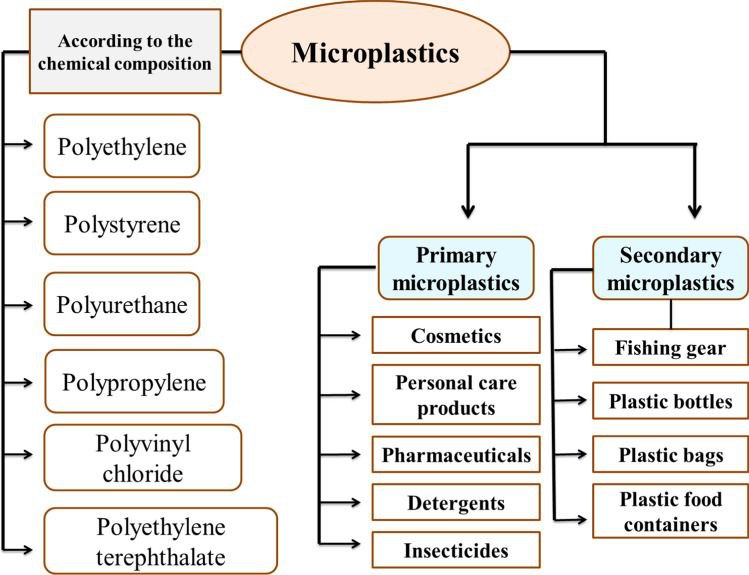
Figure1. Sources Of Microplastic[11]
Microplastics Impact on Health
Impact on Human Health Microplastics present potential health risks to humans, primarily through ingestion and inhalation. The key health concerns are summarized below:
Oxidative Stress:
Microplastics can increase the production of reactive oxygen species (ROS) within biological systems, disrupting the intracellular REDOX balance and leading to cellular damage, apoptosis, and necrosis. In the gut, microplastics contribute to intestinal toxicity by generating ROS, which may impair the mucosal barrier through the Notch signaling pathway. Additionally, ROS associated with autophagy can influence organoid differentiation via Notch signaling and regulate organoid apoptosis through oxidative stress pathways. Excess ROS also promotes lipid peroxidation, damages cell membranes and organelles, and inhibits antioxidant enzymes such as superoxide dismutase (SOD) and glutathione peroxidase (GPx). The underlying mechanisms of oxidative stress involve mitochondrial dysfunction, inflammatory responses, and direct interactions with cellular components, ultimately resulting in DNA damage, protein oxidation, and activation of inflammatory pathways, including NF-κBsignaling.[12]
Toxicological Effects:
Microplastic exposure through ingestion, inhalation, dermal contact, and subsequent distribution in the body can result in a range of toxicological effects. Studies have shown that microplastics can induce inflammation, oxidative stress, and endocrine disruption, which may negatively impact multiple organ systems, including the digestive, immune, respiratory, reproductive, and nervous systems. [13]
Inflammation:
Microplastics have the potential to activate immune responses, resulting in chronic inflammation in the affected tissues. This inflammatory response can further worsen oxidative stress. Studies using lung epithelial BEAS-2B cells have demonstrated the link between pulmonary toxicity and microplastic exposure. Microplastics can induce cytotoxicity and inflammation in BEAS-2B cells by increasing ROS production, compromising the protective pulmonary barrier, and elevating the risk of lung-related diseases.[14]
Bioaccumulation:
Microplastics can accumulate in biological systems over time, leading to prolonged exposure and potential health risks due to the leaching of harmful additives and associated contaminants. Smaller microplastic particles are more easily ingested and prone to accumulation, whereas particles reduced to the nanoscale may exhibit lower bioaccumulation. These processes underscore the potential long-term impact of microplastics on human health.[15]
Mechanisms Of Lung Inflammation Induced By Microplastic Toxicity
Oxidative Stress:
Microplastics can increase the production of reactive oxygen species (ROS) within biological systems, disrupting the intracellular REDOX balance and leading to cellular damage, apoptosis, and necrosis. In the gut, microplastics contribute to intestinal toxicity by generating ROS, which may impair the mucosal barrier through the Notch signaling pathway. Additionally, ROS associated with autophagy can influence organoid differentiation via Notch signaling and regulate organoid apoptosis through oxidative stress pathways. Excess ROS also promotes lipid peroxidation, damages cell membranes and organelles, and inhibits antioxidant enzymes such as superoxide dismutase (SOD) and glutathione peroxidase (GPx). The underlying mechanisms of oxidative stress involve mitochondrial dysfunction, inflammatory responses, and direct interactions with cellular components, ultimately resulting in DNA damage, protein oxidation, and activation of inflammatory pathways, including NF-κBsignaling.[12]
Cytokine & Chemokine Release, Inflammatory Cells:
Inhalation of airborne microplastics (MPs) has emerged as a significant environmental health concern due to their potential to induce pulmonary inflammation. Microplastic particles, particularly those with diameters less than 10 µm, can penetrate deep into the alveolar regions of the lungs, where they interact with alveolar macrophages, epithelial cells, and dendritic cells. Upon recognition as foreign materials, MPs activate cellular signaling cascades such as the nuclear factor-kappa B (NF-κB) and mitogen-activated protein kinase (MAPK) pathways, leading to the secretion of pro-inflammatory cytokines and chemokines. The major cytokines implicated in MP-induced inflammation include tumor necrosis factor-alpha (TNF-α), interleukin-1 beta (IL-1β), and interleukin-6 (IL-6). These mediators are central regulators of inflammatory responses, enhancing vascular permeability, immune cell recruitment, and tissue damage . In addition, interleukin-8 (IL-8/CXCL8) and monocyte chemoattractant protein-1 (MCP-1/CCL2) play pivotal roles in recruiting neutrophils and monocytes to sites of injury, further amplifying the inflammatory milieu. Experimental evidence from in vitro and in vivo studies supports that exposure to polystyrene and polyethylene microplastics elevates reactive oxygen species (ROS) generation, which in turn enhances cytokine and chemokine production . Chronic stimulation of these inflammatory mediators leads to epithelial injury, fibroblast activation, and collagen deposition, promoting pulmonary fibrosis and impaired respiratory function . The resulting sustained inflammatory state contributes to long-term pulmonary disorders, including chronic obstructive pulmonary disease (COPD) and interstitial lung fibrosis.[13,14]
Cellular Responses in Lung Inflammation: Macrophages and Epithelial Cells
Alveolar macrophages are the first immune responders in the lungs. They detect inhaled particles through pattern recognition receptors (e.g., TLRs), releasing inflammatory mediators such as TNF-α, IL-1β, and IL-6, and generating ROS and NO that promote oxidative stress . Prolonged activation shifts macrophages from M1 (pro-inflammatory) to M2 (repair/fibrotic) states, contributing to tissue remodeling . Airway epithelial cells act as both a physical barrier and immune sensors. When exposed to irritants, they activate NF-κBsignaling and secrete IL-6, IL-8, and MCP-1, attracting immune cells and amplifying inflammation . Chronic exposure leads to tight junction disruption, cell apoptosis, and airway remodeling . Crosstalk between macrophages and epithelial cells via cytokines like TNF-α, IL-1β, and GM-CSF forms a feedback loop that sustains inflammation and promotes fibrosis.[15,16]
Microplastic As Vectors: Copollutant And Contaminant
There is growing attention on the interactions between microplastics and various chemical substances, including metals and organic compounds. Understanding this relationship is essential, as microplastics can both act as sources of chemical contaminants and serve as carriers that transport pollutants in the environment. Regardless of the role they play, microplastics and the chemicals they carry pose potential risks to biological systems. Current research on these interactions is still limited, highlighting the need for more experimental studies to clarify the mechanisms involved and the principles underlying their toxicity. Additionally, there is a pressing need for laws and policies that encourage the development and use of biodegradable alternatives to microplastics, in order to minimize their environmental impact and reduce the harm caused by their associated chemical additives. [17]The plastic industry emerged in the 1920s and expanded rapidly after the 1940s. By 2014, global plastic production had increased nearly twentyfold compared with 1964. Annual production continued to rise, reaching more than 330 million metric tons in 2016 and about 360 million metric tons by 2018, despite growing awareness of plastic pollution and global efforts to reduce it.[18]Plastic waste generated on land has become a major contributor to marine pollution. In 2010, an estimated 275 million metric tons of plastic waste was produced by coastal nations, and roughly 5–13 million metric tons of this entered the oceans. Once in the marine environment, large plastic debris gradually breaks down through degradation and fragmentation, creating secondary microplastics that are even more difficult to manage. Microplastic generation has also surged, with global estimates ranging between 60 and 99 million metric tons in 2015. That same year, approximately six million metric tons of macroplastic and three million metric tons of microplastic were released into the environment as unmanaged stray waste. Scientific reports commonly highlight the visible presence of microplastics in food sources, their rising concentrations in ecosystems, and the potential risks they pose to environmental and human health.[19]
Although many synthetic materials are inevitably released into nature, they become a significant concern when their accumulation reaches levels that threaten ecological balance and public well-being. To effectively address the growing problem of microplastic pollution, it is essential to understand their sources, how they are transported, the processes that cause their degradation, where they accumulate, and the consequences they create for ecosystems and human health.[20]
Evidence from Experimental and Human Studies
Growing evidence from both in vivo, in vitro, and human investigations suggests that inhalation or deposition of microplastics (MPs) may lead to pulmonary inflammation, oxidative stress, epithelial-barrier disruption, and potentially fibrotic changes.
Experimental Evidence
Animal and cell-model studies have increasingly explored the respiratory impact of microplastic particles, especially polymer microspheres or fragments such as polystyrene (PS), polypropylene (PP), and polyvinylchloride (PVC). For example, in a murine model, Exposure to polystyrene microplastics triggers lung injury via targeting toll?like receptor 2 and activation of the NF?κB signal in mice (Cao et al., 2023) used intranasal instillation of PS-MPs (sizes 1-5 µm and 10-20 µm) and found histopathological evidence of lung inflammation, apoptosis, and collagen deposition. The study identified elevated TLR2 mRNA, oxidative stress and activation of the NF-κB pathway.[21]In a comparative exposure study, Pulmonary Toxicity of Polystyrene, Polypropylene, and Polyvinyl Chloride Microplastics in Mice (Danso et al., 2022) investigated PS, PP and PVC instilled in three mouse strains. They observed increased inflammatory cell infiltration (macrophages, neutrophils) in BALF, elevated IL-1β and IL-6, and activation of the NLRP3 inflammasome in PS- or PP-stimulated mice; PVC had less effect. [22]
More recently, an inhalation exposure study of PP microplastics (via inhalation rather than instillation) in rodents, Investigation of pulmonary inflammatory responses following polypropylene microplastic aerosol exposure (Tomonaga et al., 2024), reported persistent lung inflammation (measured by BALF markers CINC-1, CINC-2, MPO) up to 6 months post-exposure at 2 mg/m³ PP aerosol. [13]
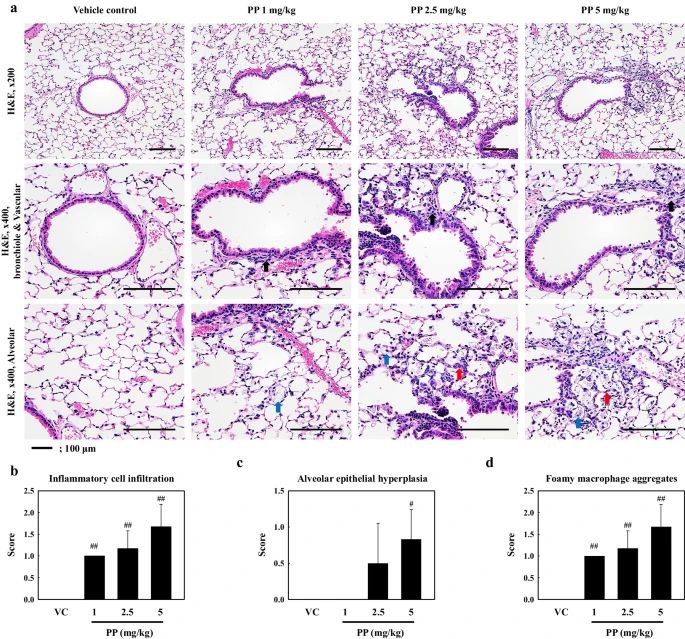
Figure 2. Histopathological Changes in Rat Lungs Following Polypropylene Nanoplastic Exposure [23]
Human Evidence
Although human epidemiological and exposure studies are still sparse, several investigators have documented the presence of MPs in human lung tissues and explored associations with markers of damage or inflammation. The landmark study, Presence of airborne microplastics in human lung tissue (Amato-Lourenço et al., 2021) analysed lung tissue samples (n = 20 decedents) by Raman spectroscopy and reported microplastic particles (size range ~1.6–16.8 µm) in lung parenchyma. Another key work, Detection of microplastics in human lung tissue using μFTIR spectroscopy (Jenner et al., 2022) studied 13 human lung tissue samples and detected MPs using μFTIR (≥3 µm). These findings confirm that inhaled MPs can deposit in human lungs.[24,25]
A more recent study, Microplastics in the Lung Tissues Associated with Blood Test Indices in Humans (Wang et al., 2023) quantified MPs in lung tissue from living patients and reported a size range typically ~20-100 µm; they found higher quantities in females and those living near major roads, and correlations with platelet (PLT), thrombocytocrit and fibrinogen (FIB) levels.[26]
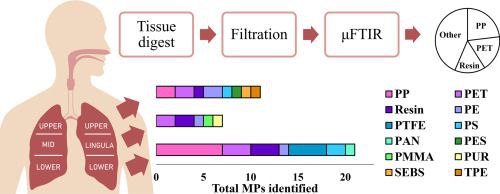
Figure 3. Graphical Abstract – Polypropylene Nanoplastic–Induced Human Lung Inflammation
[26]
Biomarkers and Assessment Approaches for Microplastic Exposure and Effects
Growing concern regarding the potential health impacts of micro- and nanoplastics (MNPs) has led to a rapid expansion of research in this field. Multiple international initiatives are underway to better characterize the hazards associated with environmental MNPs. A systematic literature search was conducted following PRISMA guidelines using two databases (PubMed and Embase). Article selection was performed through blinded screening of titles and abstracts based on predefined inclusion and exclusion criteria.[27]
Most available studies utilize methodological approaches traditionally applied to hazard assessment of nanomaterials and particulate pollutants. However, only a small number of investigations have directly quantified human exposure to MNPs or evaluated the associated health implications. This review summarizes current evidence on biomarkers of oxidative stress, inflammation, and genotoxicity examined in relation to MNP exposure across human, cellular, animal, and plant models.
Findings from both in vitro and in vivo studies consistently indicate that elevated oxidative stress and inflammatory responses represent the primary mechanisms of action, leading to chronic inflammation, immunotoxicity, and genotoxic damage. Identification of these biological endpoints—considered key initiating events (KIEs) in pathways leading to adaptive or adverse outcomes—supports the development of surrogate biomarker panels. Such biomarkers hold particular relevance for occupational environments where exposure levels are expected to be higher.[28]
Microplastics in Human Airways
Inhalation is now recognized as a major route of microplastic exposure, supported by multiple findings in human lung tissues. Microfibers have been detected in both diseased and normal lung samples, with polypropylene and PET being the most common polymers. Studies have also shown the presence of microplastics in Ground Glass Nodules, where tumor tissues typically contain higher quantities and more polymer types than normal tissues. Detection in bronchoalveolar lavage fluid further confirms that microplastics can reach the lower airways. Overall, these observations indicate that inhalation is a significant and plausible pathway for microplastic entry into the human respiratory system.[29]
Microplastics in Human Blood
The detection of microplastics in human blood represents a major advancement in human biomonitoring. Using advanced analytical methods, microplastics measuring 700 nm or larger have been identified in the bloodstream of healthy individuals. The most common polymers found include PET, polyethylene, polystyrene, and smaller amounts of PMMA, while polypropylene remained below quantifiable levels. Overall, the measured concentration of microplastics in blood averaged about 1.6 μg/mL, demonstrating that these particles can enter and circulate within the human vascular system.[30]
Microplastics in Human Urine
Urine is a common biomonitoring sample due to its non-invasive collection and ability to reflect chemical excretion. However, only one study has reported microplastics in human urine. In this work, urine from six volunteers was analyzed and particles between 4–15 μm were detected. Male samples contained polypropylene and polyethylene, while one female sample showed PVC and polyethylene vinyl acetate. These findings suggest possible differences in exposure, absorption, or excretion of microplastics between individuals or genders.[31]
Microplastics in Breast Milk
Breast milk is a nutritionally complex fluid and the primary food source for newborns. A pilot study analyzing samples from postpartum women detected microplastics at concentrations ranging from none to approximately 2.7 particles per gram, with an average of about 0.5 particles per gram. The most common polymers identified were polyethylene, PVC, and polypropylene. The particles were mainly irregular fragments or spheres, often pigmented, with sizes mostly between 4–9 μm, some ≤3 μm, and others >10 μm. Since breast milk is often the sole source of nutrition for infants—a highly vulnerable population—these findings highlight the need for further research on potential early-life health impacts.[32]
Mitigation Strategies & Policy Implications:
Plastic Degradation
Plastic degradation involves physical, chemical, photochemical, and biological processes that fragment or decompose polymers, influenced by environmental conditions, polymer type, and additives. Plastics persist for hundreds to thousands of years, contributing to global microplastic pollution and posing risks to ecosystems and human health.
Key degradation pathways:
1. Physical degradation: Mechanical forces such as waves, abrasion, and freeze–thaw cycles fragment plastics into smaller particles.
2. Chemical degradation: Oxidation and hydrolysis break polymer chains, often catalyzed by temperature, pH, or chemicals.
3. Photodegradation: UV radiation induces polymer oxidation and fragmentation, producing microplastic residues.
4. Biodegradation: Microbial enzymes metabolize plastics into simpler molecules, depending on environmental conditions and polymer composition.[33]
Bio-Inspired Technologies for Microplastic Mitigation
Biomimicry—emulating natural structures, materials, and systems—has inspired innovative solutions for microplastic mitigation. Examples include superhydrophobic surfaces modeled after lotus leaves, offering self-cleaning properties, and bioinspired materials replicating honeycomb, spider silk, gecko feet, and sharkskin features for enhanced mechanical or functional performance. Biomimetic materials, combining biological molecules with synthetic counterparts, are widely applied in water treatment, including hydrogels from chitin, cellulose, and proteins, and filtration membranes mimicking cell membrane selectivity. Superhydrophobic membranes, inspired by lotus leaves and butterfly wings, improve oil–water separation by enhancing selectivity, permeability, and self-cleaning. Current approaches focus on (i) biomimetic layers on synthetic membranes, (ii) biomolecule-based functional channels, and (iii) surface functionalization to replicate biological functions. These strategies aim to optimize pollutant rejection, water flux, structural stability, and sustainability, demonstrating the potential of biomimetic technologies in environmental applications.[34]
Governance and Management of Microplastic Pollution
Microplastic pollution poses significant global governance challenges due to its ubiquity, transboundary nature, and impacts on marine ecosystems, biodiversity, and human livelihoods. Despite growing research and public awareness, policies and mitigation strategies remain fragmented and largely non-binding. Effective management requires international cooperation, participatory governance, and the involvement of non-state actors to prevent microplastics from entering oceans. Global frameworks, including sustainable development goals, emphasize environmental justice, clean water, responsible consumption, sustainable cities, and marine conservation. Existing agreements, such as MARPOL Annex V and UNCLOS, aim to reduce direct marine pollution, highlighting the need for coordinated national and regional strategies to address this pervasive environmental threat.[35]
Microplastics originate from primary sources and from the fragmentation of larger plastic debris and are now detected across terrestrial, aquatic, and atmospheric environments, including remote regions and the human body. Key land-based sources include textile microfibers, tire and road wear particles, industrial plastic pellets, agricultural plastics, and wastewater treatment plant sludge, while marine sources arise from fishing, aquaculture, ship coatings, and other maritime activities. These particles often contain or transport hazardous additives and adsorbed pollutants, increasing ecological and human health risks. [36]Policy responses have progressively evolved from broad plastic waste management frameworks to more focused actions addressing microplastic contamination. Mitigation strategies are broadly classified into upstream and downstream approaches. Upstream strategies—such as circular economy implementation, consumer behavioral change, development of bio-based materials, market-based instruments, and source-specific interventions—are central to preventing microplastic release. Downstream strategies, including wastewater treatment, waste-to-energy conversion, degradation technologies, and litter cleanup, function as supplementary measures. Integrated and preventive approaches remain critical for effectively controlling microplastic pollution and limiting its environmental accumulation.[37]
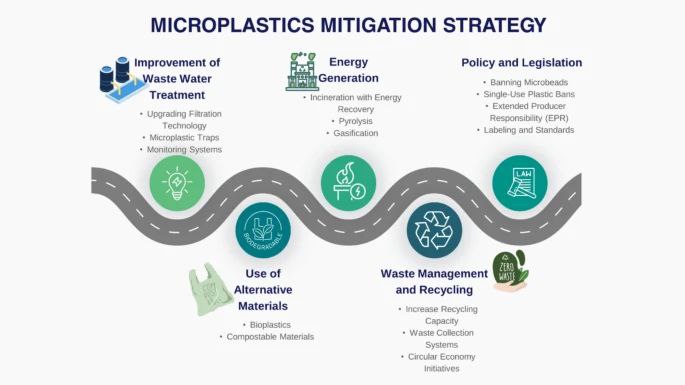
Figure 4. Microplastic Mitigation Strategies[38]
Management interventions for microplastic pollution in freshwater systems have expanded markedly in response to growing policy and regulatory attention. Research has predominantly focused on wastewater and sludge treatment plants, with most studies addressing microplastics as a broad category rather than targeting specific polymer types or particle morphologies.[39] Upstream interventions constitute the majority of reported approaches, emphasizing prevention and control before environmental release, while fewer studies examine reductions at the point of production or direct physical removal at sources. Among the available technologies, physical treatment methods—particularly membrane filtration and separation-based processes—are the most widely implemented and frequently demonstrate removal efficiencies exceeding 90% in wastewater, stormwater, and in situ water and sediment applications.[40] Chemical and biological methods are less commonly applied and are often integrated with physical processes within hybrid treatment systems to enhance performance. Despite the promising efficacy of many interventions under controlled or laboratory conditions, uncertainties remain regarding their scalability, economic feasibility, and effectiveness across diverse freshwater environments. Overall, sustainable control of microplastic pollution requires robust upstream interventions, with downstream treatment and in situ methods serving as complementary measures rather than standalone solutions, particularly in resource-constrained contexts.[41]
CONCLUSION
Polypropylene microplastics represent an emerging airborne contaminant with potential implications for respiratory health. Experimental evidence demonstrates that inhaled polypropylene particles can deposit in lung tissue and induce oxidative stress, activation of NF-κB–mediated inflammatory pathways, cytokine release, and inflammatory cell infiltration, with collagen deposition observed in animal models. Emerging human studies confirm the presence of microplastics in lung tissue and biological fluids, suggesting possible translocation beyond the respiratory system. However, current evidence is predominantly derived from experimental investigations, and data on chronic low-dose exposure and long-term clinical outcomes remain limited. Further interdisciplinary research, along with preventive upstream interventions and strengthened regulatory frameworks, is essential to better understand and mitigate the respiratory health risks associated with polypropylene microplastic exposure.
REFERENCES


Nikita Wankhade, Dr. Vivek Paithankar, Dr. Anjali Wankhade, J. V. Vyas., A Review on Polypropylene Microplastics and Respiratory Toxicit., Int. J. of Pharm. Sci., 2026, Vol 4, Issue 3, 1208-1220. https://doi.org/10.5281/zenodo.18977903
 10.5281/zenodo.18977903
