
Nirmala College of Pharmacy, Atmakur, Mangalagiri, Andhra Pradesh, India - 522503
Chronic and complex diseases, particularly cancer, require targeted and efficient drug delivery strategies to overcome the limitations of conventional therapeutics, such as poor specificity, systemic toxicity, and variable clinical outcomes. Advances in nanotechnology have led to the development of protein-lipid hybrid nanoparticles (PLHNs), which integrate the biocompatibility and drug-loading capacity of lipid-based carriers with the biological recognition and targeting functions of proteins. These hybrid systems offer improved stability, controlled drug release, and enhanced interaction with biological systems. Artificial intelligence (AI) has emerged as a powerful tool to rationally design and optimize PLHNs by predicting optimal lipid-protein combinations, particle size, surface charge, drug encapsulation efficiency, and targeting ligand selection. AI-driven approaches reduce empirical trial-and-error experimentation and enable precise tuning of nano-bio interactions. In targeted cancer therapy, AI-designed PLHNs exploit both passive targeting via the enhanced permeability and retention (EPR) effect and active targeting through protein- or peptide-mediated receptor recognition, leading to improved cellular uptake and controlled intracellular drug release. Beyond oncology, AI-optimized PLHNs demonstrate significant potential in the treatment of neurological, infectious, metabolic, and inflammatory diseases by enabling barrier penetration, sustained drug delivery, and disease-specific targeting. Their modular and biomimetic design supports the co-delivery of diverse therapeutic payloads, including small molecules, proteins, and nucleic acids. Overall, AI-designed protein-lipid hybrid nanoparticles represent a promising and versatile nanomedicine platform with strong potential to enhance therapeutic efficacy, improve translational predictability, and support the future development of precision and personalized medicine.
1.1 Introduction
Nanotechnology has emerged as a transformative paradigm in modern drug delivery, offering unprecedented opportunities to enhance therapeutic efficacy, safety, and precision. Nanoparticle-based delivery systems have been extensively explored for their capacity to improve drug solubility, protect labile therapeutic agents from premature degradation, prolong systemic circulation, and enable targeted delivery to specific pathological sites. Diverse nanocarrier platforms, including liposomes, polymeric nanoparticles, solid lipid nanoparticles, and inorganic nanostructures, have demonstrated significant potential in overcoming key pharmacokinetic and pharmacodynamic limitations associated with conventional dosage forms. These systems facilitate controlled drug release, improved bioavailability, and reduced off-target toxicity, thereby enhancing therapeutic outcomes.
However, despite extensive preclinical success and a growing number of regulatory approvals, the clinical translation of nanomedicines remains limited. Many conventional nanoparticles fail to demonstrate consistent in vivo performance due to complex biological interactions, including rapid opsonization, immune clearance, nonspecific biodistribution, and variability in patient-specific biological environments. Additionally, the inability of traditional formulation strategies to accurately predict nano-bio interactions has resulted in high attrition rates during clinical development. These challenges underscore the urgent need for next-generation drug delivery systems that not only possess optimized physicochemical properties but also integrate biological complexity with rational, predictive design strategies. Such advanced systems must be capable of adaptive targeting, enhanced biocompatibility, and reproducible therapeutic performance across diverse disease conditions.
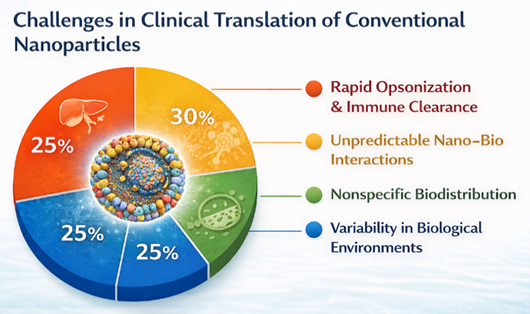
Figure 1: Challenges in Clinical Translation of Conventional Nanoparticles
1.2: Limitations of Conventional Nanoparticles
Table 1: Key Limitations of Conventional Nanoparticle-Based Drug Delivery Systems
|
Limitation |
Description / Impact |
|
Nano–bio interactions |
Unpredictable biological interactions affect targeting and efficacy |
|
Protein corona formation |
Alters surface properties and biodistribution |
|
Immune clearance |
Rapid uptake by liver and spleen reduces circulation time |
|
Stability issues |
Premature drug leakage and poor release control |
|
Biological heterogeneity |
Poor translation from preclinical to clinical settings |
|
Stimuli responsiveness |
Limited site-specific or on-demand drug release |
|
Manufacturing challenges |
Reproducibility and scalability issues |
|
Safety concerns |
Long-term accumulation and potential toxicity |
1.3 Emergence of Protein-Lipid Hybrid Nanoparticles
The emergence of protein-lipid hybrid nanoparticles mark a pivotal advancement in nanomedicine, driven by the growing recognition that conventional nanocarriers often fail to recapitulate the complexity of biological systems. Traditional lipid- or polymer-based nanoparticles, although effective in improving drug solubility and stability, frequently exhibit unpredictable biological interactions, rapid immune clearance, and limited targeting efficiency. Protein-lipid hybrid nanoparticles were developed to address these shortcomings by integrating the structural advantages of lipid-based carriers with the functional and biological specificity of proteins, thereby creating multifunctional and biomimetic delivery platforms.
Structurally, protein-lipid hybrid nanoparticles consist of lipid cores or bilayers that provide high drug-loading capacity, membrane fluidity, and biocompatibility, combined with surface-associated or embedded proteins that impart biological recognition and functionality. Proteins such as albumin, transferrin, antibodies, enzymes, and targeting peptides enable receptor-mediated uptake, prolonged systemic circulation, and selective accumulation at diseased sites. This dual-component architecture allows hybrid nanoparticles to more closely resemble endogenous assemblies such as lipoproteins and extracellular vesicles, promoting favourable interactions at the nano-bio interface and reducing nonspecific immune responses.
A defining advantage of protein-lipid hybrid nanoparticles is their ability to modulate protein corona formation, a major limitation of conventional nanocarriers. Rather than undergoing uncontrolled adsorption of plasma proteins, hybrid systems can be engineered to present predefined protein layers that stabilize nanoparticle identity and preserve targeting functionality in vivo. This controlled biomolecular interface enhances pharmacokinetic stability, improves biodistribution, and increases therapeutic precision. Additionally, protein–lipid hybrids demonstrate improved adaptability to complex biological environments, enabling responsiveness to disease-specific stimuli such as pH variations, enzymatic activity, and redox gradients.
From a translational perspective, protein–lipid hybrid nanoparticles offer significant advantages in terms of safety, versatility, and clinical applicability. Their components are often derived from endogenous or biocompatible materials, minimizing long-term toxicity and immunogenicity. Moreover, their modular design allows for the co-delivery of multiple therapeutic agents, including small molecules, proteins, and nucleic acids, making them suitable for combination therapies and personalized medicine. Collectively, these attributes position protein–lipid hybrid nanoparticles as next-generation drug delivery systems with substantial potential for targeted cancer therapy and a broad spectrum of multidisease applications.
1.4 Role of artificial intelligence in nanomedicine design
Artificial intelligence (AI) has emerged as a transformative enabler in nanomedicine by providing computational frameworks capable of analysing complex, high-dimensional datasets that govern nanoparticle behaviour in biological systems. Conventional experimental approaches are often insufficient to capture the non-linear and multiscale relationships between nanoparticle composition, physicochemical properties, and biological responses, resulting in prolonged development timelines and limited translational success.
AI-based methodologies, including machine learning and deep learning, enable systematic identification of structure property function relationships by integrating formulation parameters, molecular descriptors, and biological outcome data. These approaches allow predictive modelling of cellular uptake, biodistribution, toxicity, and therapeutic efficacy, thereby establishing a rational foundation for nanocarrier design.
Importantly, AI facilitates continuous model refinement through iterative learning from experimental feedback, improving prediction accuracy over time. This capability positions AI as a critical tool for managing the complexity of advanced nanocarriers, including protein-lipid hybrid nanoparticles, whose behaviour is governed by multiple interdependent variables.
A key contribution of AI in nanomedicine design lies in formulation optimization. AI-driven models can rapidly screen thousands of formulation permutations to predict optimal combinations of materials and processing parameters that yield desired performance outcomes. This capability is particularly valuable for complex nanocarriers, such as protein–lipid hybrid nanoparticles, where multiple variables interact synergistically to influence stability, targeting efficiency, and drug release kinetics. AI-guided optimization not only accelerates formulation development but also improves reproducibility and scalability, addressing critical barriers to clinical translation.
Artificial intelligence also plays a pivotal role in predicting nano-bio interactions, a major determinant of nanomedicine success. Computational models can simulate protein adsorption, cellular internalization pathways, immune recognition, and organ-level distribution, thereby providing early insights into in vivo behaviour. Importantly, AI-assisted toxicity and ADMET (absorption, distribution, metabolism, excretion, and toxicity) prediction enable early identification of safety liabilities, minimizing late-stage failures and supporting regulatory decision-making. Such predictive capabilities are particularly relevant for personalized nanomedicine, where patient-specific biological variability must be considered.
Beyond optimization and prediction, AI is increasingly being applied to enable adaptive and precision nanomedicine design. By integrating multi-omics data, disease biomarkers, and clinical parameters, AI systems can guide the customization of nanocarriers for specific disease phenotypes or patient populations. This paradigm shift transforms nanomedicine from static, one-size-fits-all platforms into intelligent therapeutic systems capable of responding to dynamic biological conditions. Collectively, the integration of artificial intelligence into nanomedicine design represents a critical advancement toward more efficient, safer, and clinically translatable nanotherapeutics, particularly in the development of sophisticated platforms such as protein-lipid hybrid nanoparticles.
1.5 Rationale for Combining Artificial Intelligence with Protein-Lipid Systems
Protein-lipid hybrid nanoparticles represent an advanced class of nanocarriers that combine the structural stability of lipid-based systems with the functional versatility of proteins. The wide variability in lipid composition, protein type, surface functionalization, and payload characteristics creates a highly complex formulation space that is difficult to optimize using conventional experimental approaches alone.
Artificial intelligence addresses this challenge by enabling informed selection and parameter control of critical formulation variables that govern nanoparticle performance. By analysing relationships between compositional factors and biological responses, AI supports rational decision-making in the design of protein-lipid hybrid nanoparticles, ensuring improved control over size, surface properties, stability, and targeting efficiency.
The integration of AI with protein-lipid hybrid systems therefore represents a strategic approach to managing formulation complexity and enhancing translational reliability, rather than a replacement of experimental validation. This synergy facilitates the development of robust, reproducible, and biologically effective nanocarriers for advanced therapeutic applications and improve translational predictability in advanced nanomedicine platforms.
2. SCOPE, OBJECTIVES, AND NOVELTY OF THE REVIEW
2.1 Scope of the Review
The scope of this review encompasses a comprehensive and critical evaluation of recent advancements in protein-lipid hybrid nanoparticle systems, with a particular emphasis on the integration of artificial intelligence in their design, optimization, and therapeutic application. The review covers fundamental aspects of protein-lipid hybrid nanocarrier architecture, including material selection, structural organization, and nano–bio interactions, while also examining state-of-the-art AI-driven methodologies employed in nanomedicine development. Special attention is given to targeted cancer therapy as a primary application area, alongside emerging multidisease applications such as neurodegenerative, inflammatory, infectious, and metabolic disorders. Additionally, the review addresses key challenges related to safety, scalability, regulatory translation, and clinical implementation, providing a holistic perspective on the current and future landscape of AI-enabled protein-lipid nanomedicine.
2.2 Objectives of the Review
The primary objective of this review is to systematically analyse how artificial intelligence is reshaping the design paradigm of protein-lipid hybrid nanoparticles and to elucidate its role in overcoming the biological and translational limitations of conventional nanocarriers. Specifically, this review aims to:
2.3 Novelty of the Review
The novelty of this review lies in its integrative and forward-looking approach that bridges artificial intelligence with protein–lipid hybrid nanotechnology, rather than treating these domains as independent research areas. Unlike existing reviews that focus solely on nanocarrier fabrication or AI applications in drug discovery, this article uniquely emphasizes AI-guided rational design of biomimetic protein-lipid systems, highlighting how predictive modelling and data-driven strategies can transform nanomedicine development. Furthermore, the review introduces a conceptual shift from static nanoparticle platforms to adaptive and intelligent nanotherapeutic systems capable of addressing biological heterogeneity and personalized treatment requirements. By critically synthesizing recent literature and outlining future research directions, this review provides a distinctive contribution to the field, positioning AI-designed protein-lipid hybrid nanoparticles as a cornerstone of next-generation precision medicine.
3. PROTEIN-LIPID HYBRID NANOPARTICLES: FUNDAMENTAL CONCEPTS
Protein-lipid hybrid nanoparticles represent an advanced class of nanocarriers that integrate the structural versatility of lipid-based systems with the functional and biological attributes of proteins. By combining synthetic lipid matrices with naturally occurring or engineered proteins, these hybrid platforms overcome many of the physicochemical and biological limitations associated with single-component nanocarriers. Their modular architecture enables precise control over nanoparticle stability, biological identity, and therapeutic functionality, making them particularly attractive for targeted and multifunctional drug delivery applications.
3.1 Structural Components
Lipid Matrix and Bilayer Systems
The lipid component forms the foundational framework of protein–lipid hybrid nanoparticles, typically organized as lipid bilayers, monolayers, or solid lipid cores. Commonly employed lipids include phospholipids, cholesterol, ionizable lipids, and polyethylene glycol (PEG)-modified lipids, which collectively contribute to membrane integrity, fluidity, and controlled drug encapsulation. Lipid bilayers enable efficient loading of both hydrophilic and hydrophobic therapeutic agents, while also offering protection against enzymatic degradation. Additionally, lipid composition can be strategically tuned to impart stimuli responsiveness, such as pH- or redox-sensitive drug release, enhancing site-specific therapeutic action.
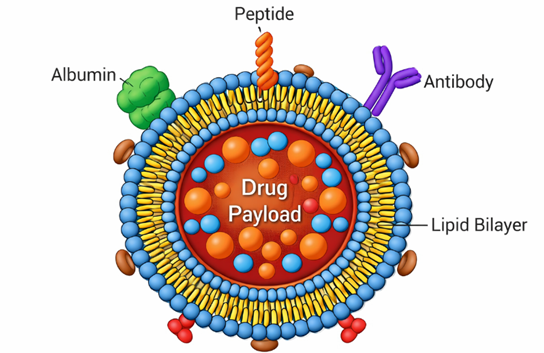
Figure 2: Structural architecture of Protein-Lipid Hybrid Nanoparticles
Protein Constituents
Proteins serve as functional elements within hybrid nanocarriers, conferring biological specificity, structural stability, and active targeting capability. Serum albumin is widely utilized due to its inherent biocompatibility, long circulation half-life, and natural affinity for tumour tissues via albumin-binding receptors. Peptides, including cell-penetrating and targeting peptides, facilitate receptor-mediated uptake and intracellular trafficking. Enzymes can be incorporated to enable catalytic activity or prodrug activation, while antibodies and antibody fragments provide high-affinity, antigen-specific targeting. The integration of proteins at the nanoparticle surface or core allows hybrid nanocarriers to closely mimic endogenous biological structures, thereby improving systemic compatibility and therapeutic precision.
3.2 Types of Protein-Lipid Hybrid Nanoparticles
Lipoprotein-Mimetic Nanoparticles
Lipoprotein-mimetic nanoparticles are designed to structurally and functionally resemble natural lipoproteins such as high-density lipoproteins (HDL) or low-density lipoproteins (LDL). These systems exploit endogenous lipid–protein assemblies to achieve efficient cellular uptake through native lipoprotein receptors. Their biomimetic nature enables immune evasion, prolonged circulation, and preferential accumulation in diseased tissues, particularly in cancer and cardiovascular disorders.
Protein-Coated Lipid Nanoparticles
In protein-coated lipid nanoparticles, a lipid core is enveloped by a protein shell, either through adsorption or covalent attachment. This protein corona is deliberately engineered, in contrast to uncontrolled protein adsorption seen in conventional nanoparticles. Such controlled protein coatings improve colloidal stability, reduce nonspecific interactions, and enhance targeting specificity. Albumin- and transferrin-coated lipid nanoparticles are prominent examples demonstrating improved pharmacokinetics and tumour targeting.
Peptide-Functionalized Lipid Nanocarriers
Peptide-functionalized lipid nanocarriers incorporate short bioactive peptides onto lipid surfaces to enable active targeting, cellular penetration, or endosomal escape. These peptides may recognize overexpressed receptors in pathological tissues or facilitate transmembrane transport. Compared to full-length proteins or antibodies, peptides offer advantages such as lower immunogenicity, easier synthesis, and improved formulation flexibility, making them suitable for precision nanomedicine applications.
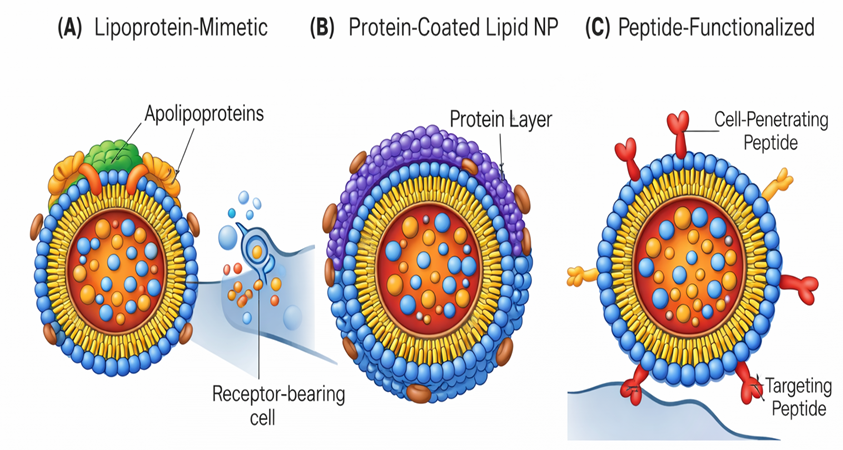
Figure 3: Classification of Protein-Lipid Hybrid Nanoparticles
3.3 Advantages Over Conventional Nanocarriers
Protein-lipid hybrid nanoparticles exhibit several distinct advantages over conventional nanocarriers, stemming from their synergistic structural and functional integration.
One of the most significant benefits is enhanced stability and prolonged circulation time. The lipid framework provides mechanical integrity, while the protein component imparts steric protection and biological camouflage, reducing opsonization and clearance by the mononuclear phagocyte system. This results in improved systemic persistence and increased accumulation at target sites.
Improved biocompatibility is another key advantage. The use of endogenous or biologically derived proteins minimizes cytotoxicity and immunogenic responses, enhancing safety profiles for long-term or repeated administration. Furthermore, the biomimetic nature of these hybrids aligns more closely with physiological systems, improving translational feasibility.
Finally, protein-lipid hybrid nanoparticles enable targeted and controlled drug delivery through receptor-mediated uptake, stimuli-responsive release, and multifunctional payload integration. The ability to incorporate targeting ligands, therapeutic agents, and responsive elements within a single platform allows precise spatial and temporal control over drug release. Collectively, these advantages position protein-lipid hybrid nanoparticles as a superior and next-generation alternative to traditional nanocarrier systems for cancer therapy and multidisease applications.
4. Role of Artificial Intelligence in Nanoparticle Design
Artificial intelligence is applied in nanoparticle research as a methodological tool to support computational optimization and model-based prediction of formulation and performance parameters. In protein-lipid hybrid nanoparticle systems, AI-driven approaches enable systematic analysis of formulation datasets to improve control over physicochemical characteristics, biological interactions, and therapeutic outcomes.
By integrating experimental data with computational models, AI facilitates quantitative evaluation of relationships between lipid composition, protein structure, surface functionalization, and nanoparticle behaviour. This approach enhances reproducibility, reduces experimental redundancy, and accelerates the development of optimized protein-lipid hybrid nanocarriers.
4.1 Machine Learning Approaches in Protein-Lipid Nanoparticle Design
Machine learning algorithms are widely employed for model-based prediction of key nanoparticle attributes, including particle size, surface charge, encapsulation efficiency, and colloidal stability. Supervised learning models such as support vector machines, random forest algorithms, and artificial neural networks are trained using formulation and experimental outcome data to identify correlations between design parameters and biological responses.
In protein-lipid hybrid nanoparticles, machine learning supports prediction of nano–bio interactions, cellular uptake efficiency, and protein corona formation. These predictions guide experimental formulation strategies by narrowing the design space and prioritizing promising lipid–protein combinations for further validation.
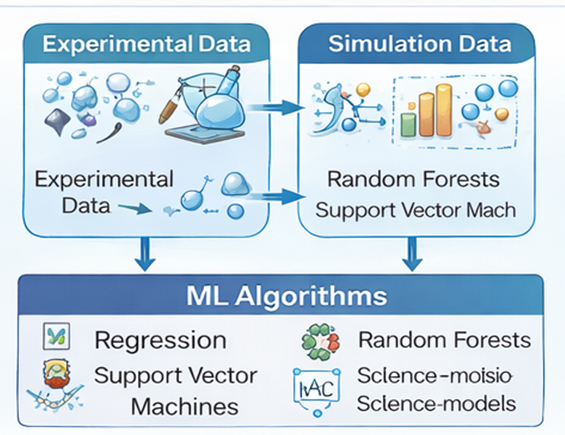
Figure 4: Schematic Representation of How Machine
Learning and Deep Learning Algorithms are Applied in Nanoparticle Design
4.2 Deep Learning and Advanced Predictive Modelling
Deep learning techniques enable high-dimensional analysis of complex datasets associated with multifunctional nanocarriers. Convolutional and deep neural networks are particularly effective for capturing non-linear relationships between molecular descriptors, formulation variables, and biological outcomes.
In protein-lipid hybrid nanoparticle research, deep learning models contribute to model-based prediction of biodistribution patterns, targeting efficiency, and therapeutic response. These approaches improve predictive accuracy when handling large datasets and support iterative refinement of nanoparticle design through continuous model updating.
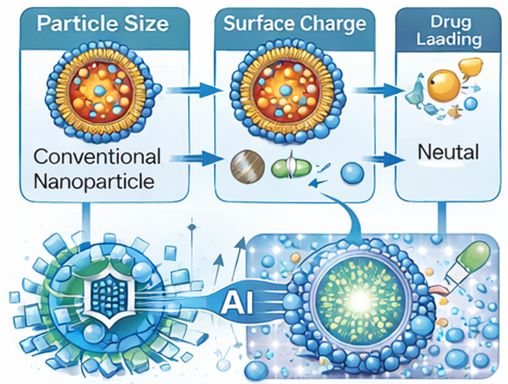
Figure 5: Illustration Depicting the AI-driven Optimization of
Key Nanoparticles parameters Such as Particle size, Surface charge, Drug loading
Drug loading capacity and release kinetics are also optimized using AI algorithms. Predictive models can evaluate lipid composition, protein binding affinity, and structural parameters to maximize payload encapsulation while ensuring controlled and stimuli-responsive drug release. This results in improved therapeutic efficacy and reduced off-target toxicity.
4.3 AI-Driven Computational Optimization of Nanoparticle Formulations
AI-driven optimization frameworks are employed for the computational optimization of protein-lipid hybrid nanoparticle formulations. Optimization algorithms evaluate multiple formulation variables simultaneously, enabling the identification of parameter combinations that enhance nanoparticle stability, targeting performance, and drug delivery efficiency.
This computational optimization approach supports systematic refinement of lipid composition, protein selection, and surface modification strategies. When integrated with experimental feedback, AI-assisted optimization improves formulation robustness and scalability, facilitating the development of protein–lipid hybrid nanoparticles suitable for advanced therapeutic applications.
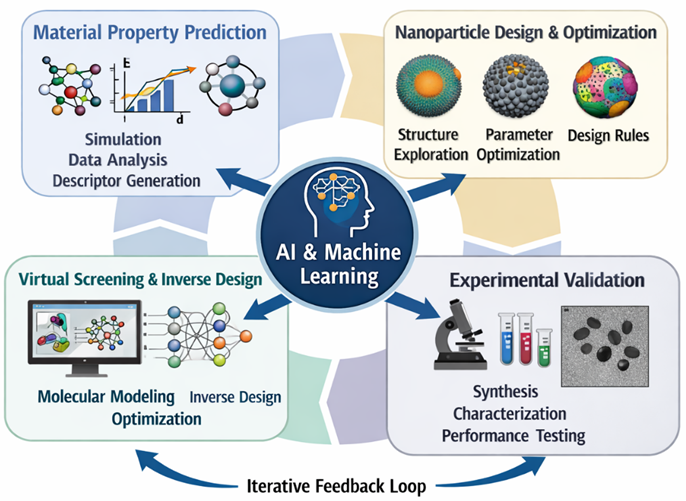
Figure 6: Conceptual Overview of AI-Integrated Computational
Tools for Nanoparticle Design
4.4 AI-Guided Design Workflow for Protein-Lipid Hybrid Nanoparticles
Figure 6 illustrates a holistic AI-guided formulation workflow for the design of protein–lipid hybrid nanoparticles. The workflow outlines sequential steps including data acquisition, model training, parameter optimization, and experimental validation. AI tools assist in the selection of lipid matrices and protein components, support evaluation of nano–bio interactions, and guide formulation decisions aligned with therapeutic and safety requirements.
The feedback loop between experimental outcomes and AI-assisted analysis enables continuous refinement of formulation parameters, resulting in biomimetic nanocarriers with improved consistency and translational potential.
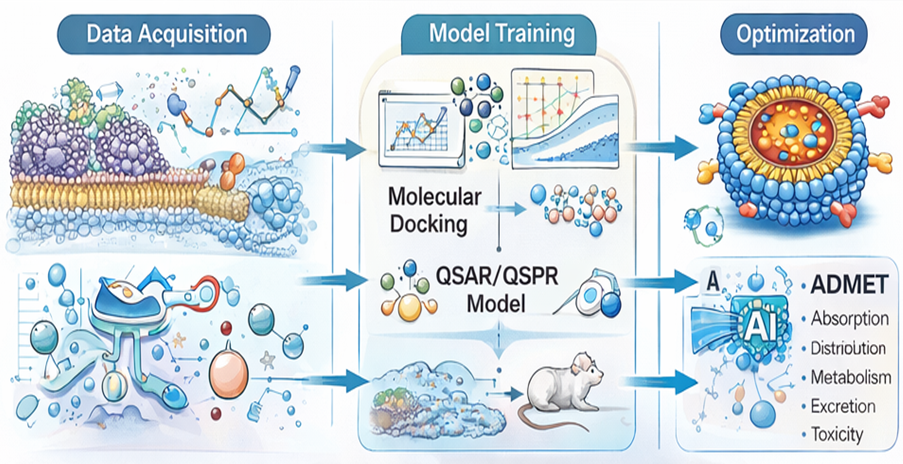
Figure 7: AI-Guided Design Workflow for Protein-Lipid Hybrid Nanoparticles
5. AI-Designed Protein–Lipid Hybrid Nanoparticles
The integration of artificial intelligence (AI) with protein-lipid hybrid nanotechnology has established a structured framework for the systematic design of advanced nanomedicines. AI-enabled approaches support coordinated analysis of formulation parameters and biological outcomes, allowing improved control over nanoparticle architecture, functional performance, and therapeutic behaviour. This framework is particularly suitable for protein-lipid hybrid systems, where compositional diversity and multifunctionality require precise coordination of multiple interacting variables.
Rather than relying on empirical formulation practices alone, AI facilitates AI-guided formulation workflows that combine experimental data analysis with predictive modelling and optimization strategies. This approach enhances formulation efficiency, reproducibility, and translational relevance in protein-lipid hybrid nanoparticle development.
5.1 AI-Guided Design Workflow
AI-guided design workflows establish an iterative formulation pipeline that integrates computational analysis with experimental validation to accelerate nanocarrier development and improve performance consistency.
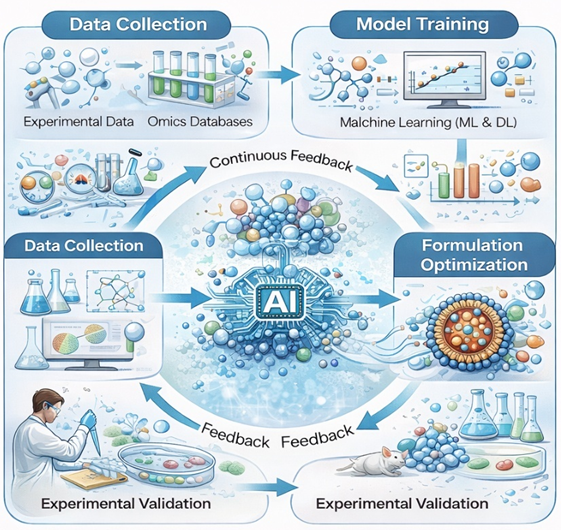
Figure 8: AI-Guided Design Workflow for Protein-Lipid Hybrid Nanoparticles
5.1.1 Data Collection and Preprocessing
AI-assisted nanoparticle development is grounded in the systematic collection of high-quality experimental datasets derived from nanomedicine studies and biological evaluations. These datasets include physicochemical descriptors (particle size, lipid composition, surface charge), protein characteristics (structure, stability, binding behaviour), drug properties, and biological outcomes such as cellular uptake, biodistribution, pharmacokinetics, and toxicity.
Preprocessing strategies, including data normalization, feature selection, and dimensionality reduction, are applied to enhance data quality and extract informative features. These steps ensure reliable input for subsequent predictive modelling and optimization processes.
5.1.2 Model Training, Validation, and Optimization
Machine learning and deep learning models are trained to establish quantitative relationships between formulation variables and nanoparticle performance metrics. Supervised learning methods enable model-based prediction of stability, targeting efficiency, and drug release behaviour, while unsupervised approaches identify formulation patterns and clusters within complex datasets.
Model validation is performed using cross-validation and external testing to ensure robustness and generalizability. Optimization algorithms support computational optimization of protein–lipid compositions by identifying parameter combinations that enhance therapeutic performance while minimizing off-target effects.
5.1.3 Experimental Validation and Feedback Integration
Predicted nanoparticle formulations are evaluated through in vitro and in vivo experimentation to confirm biological performance. Experimental results are systematically reintegrated into the AI workflow, enabling continuous refinement of predictive models. This feedback-driven process improves formulation reliability, reduces experimental redundancy, and enhances translational predictability.
.5.2 AI-Driven Functionalization Strategies
AI supports precision functionalization of protein–lipid hybrid nanoparticles by guiding surface engineering and stimulus-responsive behaviour based on predictive modelling.
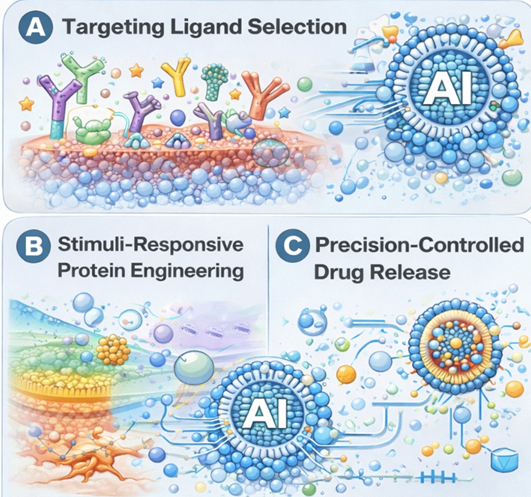
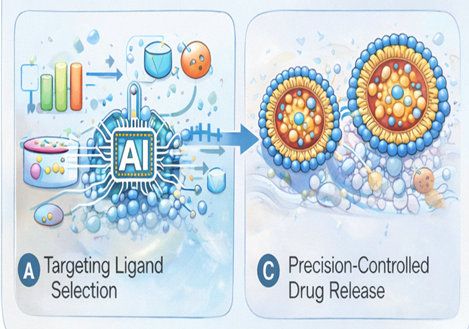
Figure 9: AI-Driven Functionalization Strategies in Protein-Lipid Hybrid Nanoparticles
5.2.1 Targeting Ligand Selection
AI algorithms analyse receptor expression profiles and ligand–receptor interaction datasets to guide selection of targeting moieties such as peptides, antibodies, and protein domains. Model-based prediction is used to optimize ligand density, orientation, and binding affinity, enhancing active targeting efficiency while reducing nonspecific interactions.
5.2.2 Stimuli-Responsive Protein Engineering
Deep learning-based protein design tools enable engineering of proteins responsive to physiological stimuli such as pH variation, enzymatic activity, redox conditions, or temperature changes. These engineered proteins facilitate controlled activation or site-specific drug release within pathological microenvironments, improving therapeutic precision.
5.2.3 Precision-Controlled Drug Release
By integrating drug physicochemical properties with protein–lipid interaction data, AI enables prediction of drug loading efficiency and release kinetics. This supports the design of nanocarriers capable of sustained, triggered, or sequential drug release, improving therapeutic index and reducing systemic toxicity.
5.3 Recent Advances and Case Studies
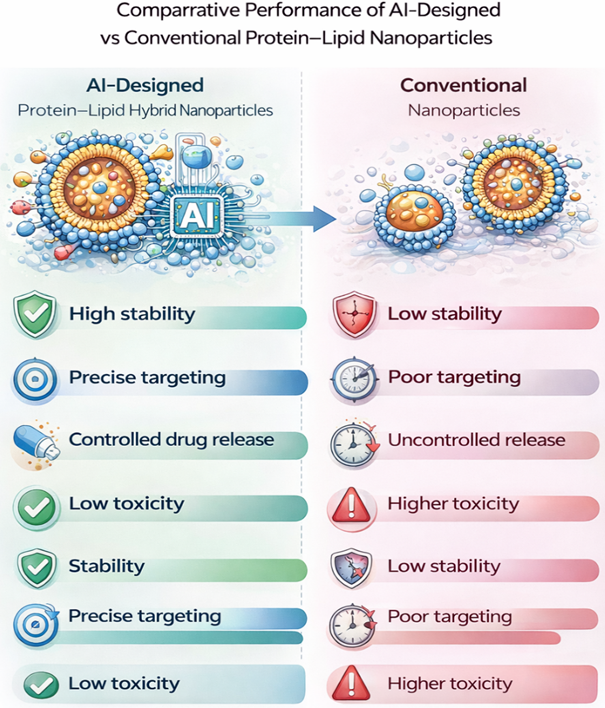
Figure 10: Comparative Performance of AI-Designed Vs Conventional
Protein-Lipid Nanoparticles
5.3.1 AI-Assisted Protein–Lipid Nanoparticle Systems
Recent studies indicate that AI-assisted protein–lipid hybrid nanoparticles demonstrate improved performance across applications such as cancer therapy, gene delivery, and immunotherapy. AI-guided formulation has been associated with enhanced circulation time, improved targeting specificity, and reduced immunogenicity compared with conventionally developed systems.
5.3.2 Comparative Performance and Translational Impact
Comparative evaluations consistently show that AI-designed protein–lipid hybrid nanoparticles exhibit superior stability, reproducibility, and in vivo predictability. Furthermore, AI-guided approaches contribute to reduced batch-to-batch variability and improved scalability, addressing critical challenges associated with clinical translation and regulatory approval.
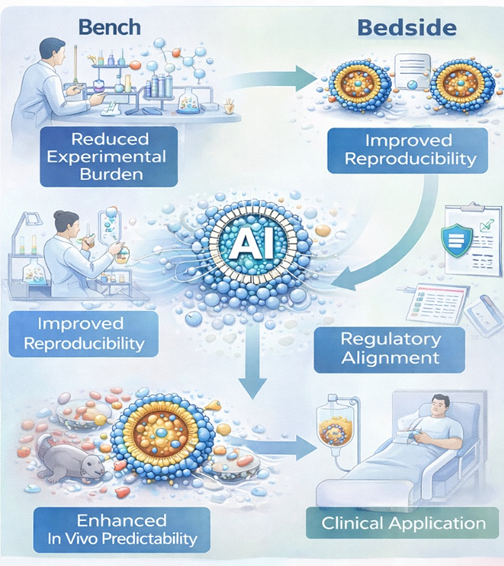
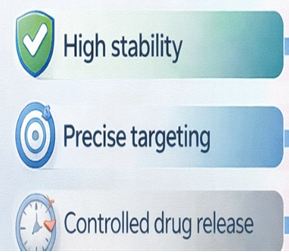
Figure 11: Translational Impact of AI in Protein -Lipid Hybrid Nanomedicine
6. CASE STUDIES AND RECENT ADVANCES IN AI?DESIGNED NANOCARRIERS
The application of artificial intelligence in nanocarrier development has progressed from conceptual frameworks to experimentally validated and preclinically supported advances. Recent studies demonstrate that AI-assisted approaches can improve formulation efficiency, enhance delivery performance, and strengthen prediction of biological outcomes, addressing key challenges in nanomedicine development.
6.1 Representative Advances in AI-Assisted Nanocarrier Design
6.1.1 AI-Optimized Lipid Nanoparticle Delivery Platforms
Machine learning approaches have been applied to optimize lipid nanoparticle (LNP) formulations for nucleic acid delivery, particularly in mRNA-based therapeutics. By analysing experimentally generated formulation and performance datasets, AI models have identified ionizable lipid candidates with improved delivery efficiency compared with established benchmark lipids such as MC3 and SM-102, which are used in clinically approved formulations. These AI-assisted discoveries demonstrate improved RNA delivery and reduced dependence on extensive empirical screening, highlighting the practical utility of AI in identifying functional nanocarrier components.
6.1.2 Model-Based Prediction Using PBPK and Deep Learning
Zhuomeng Lin and co-workers reported a deep learning framework integrated with physiologically based pharmacokinetic (PBPK) modelling to predict tumour delivery efficiency of nanoparticles based on physicochemical features. This hybrid modelling strategy demonstrated superior predictive accuracy compared with conventional machine learning approaches, illustrating how AI can enhance prediction of in vivo nanoparticle behaviour one of the most significant barriers to clinical translation.
6.1.3 AI-Assisted Optimization of Hybrid Nanocarriers
Artificial neural network–genetic algorithm (ANN-GA) models have been employed to optimize mannose-functionalized lipid nanocarriers for macrophage-targeted delivery. The optimized formulations exhibited favourable characteristics, including particle sizes below 100 nm, positive surface charge, and high functionalization efficiency (>85 %), all of which are critical for stability, circulation, and active targeting. These findings validate the role of AI-assisted optimization in refining hybrid nanocarrier design.
6.1.4 AI-Guided Nanocarrier Design for Herbal Drug Delivery
AI models, particularly artificial neural networks, have been used to guide formulation of polymeric nanoparticles for phytoconstituent delivery, including compounds such as quercetin and silymarin. AI-guided formulations demonstrated improved prediction of encapsulation efficiency and particle size, resulting in enhanced bioavailability, controlled release behaviour, and superior therapeutic outcomes in preclinical disease models compared with conventionally developed systems.
Table 2: Comparative Performance Analysis of Conventional and AI-Designed Nanocarriers
|
Parameter |
Conventional Nanocarriers |
AI-Designed Nanocarriers |
|
Formulation strategy |
Empirical, iterative experimentation |
AI-guided parameter selection and optimization |
|
Delivery efficiency |
Variable and often suboptimal |
Improved through AI-assisted lipid and hybrid design |
|
In vivo predictability |
Poor correlation with in vitro data |
Enhanced via model-based prediction and PBPK integration |
|
Targeting specificity |
Primarily passive targeting |
Improved through AI-guided functionalization |
|
Development time |
Prolonged |
Reduced through predictive modelling |
These examples demonstrate that AI?enhanced nanocarriers not only outperform their conventional counterparts in key functional metrics such as drug loading, stability, and targeting specificity but also significantly accelerate the design process, reduce experimental burden, and improve the likelihood of clinical translation. Such case studies underscore the practical, validated impact of AI in tailoring nanocarrier design to meet specific therapeutic needs.
6.2 Clinical Translation Highlights of Nanocarrier Systems
Nanocarrier technologies have achieved notable success in clinical translation, validating the feasibility of advanced delivery systems and providing a strong foundation for future AI-guided designs.
6.2.1 Approved Nanocarrier Products
Several lipid-based nanocarriers have received regulatory approval, establishing key precedents for clinical nanomedicine. Lipid nanoparticle-based mRNA vaccines developed during the COVID-19 pandemic demonstrated exceptional clinical efficacy and safety by enhancing mRNA stability and cellular delivery. These successes highlight the clinical potential of optimized nanoscale delivery platforms.
Approved nanomedicines such as Doxil® (liposomal doxorubicin) and Onpattro® (patisiran lipid nanoparticles) further illustrate the translational success of lipid nanocarriers, offering improved pharmacokinetics, reduced systemic toxicity, and enhanced therapeutic index compared with free drug formulations.
6.2.2 Hybrid and Lipid Nanocarriers in Translational Research
Protein-lipid and lipid-polymer hybrid nanoparticles have also demonstrated strong translational promise. Core–shell lipid–polymer hybrid nanoparticles encapsulating chemotherapeutic and molecularly targeted agents have shown enhanced tumour targeting, serum stability, sustained intracellular release, and reduced systemic toxicity in preclinical cancer models, supporting the potential of hybrid nanocarriers in oncology.
6.2.3 Ongoing Clinical Trials Involving Nanocarrier Therapeutics
Numerous lipid-based and hybrid nanocarrier systems are currently under clinical investigation across a range of therapeutic areas:
6.2.4 Implications for AI-Designed Nanocarriers
Although explicitly AI-designed protein–lipid hybrid nanoparticles have not yet reached widespread clinical evaluation, the demonstrated clinical success of lipid and hybrid nanocarrier platforms strongly supports their translational feasibility. AI-guided design strategies are expected to further enhance this trajectory by improving formulation predictability, reducing preclinical attrition, and optimizing in vivo performance prior to human testing.
Table 3: Clinical Translation Status of Nanocarrier Systems
|
Nanocarrier Type |
Clinical Status |
Examples |
|
Lipid nanoparticle vaccines |
Approved |
COVID-19 mRNA vaccines |
|
Liposomal chemotherapy |
Approved |
Doxil® |
|
Lipid siRNA delivery |
Approved |
Onpattro® |
|
Lipid/polymer hybrid systems |
Preclinical / Translational |
CSLPHNPs in cancer models |
|
LNP gene and immunotherapy |
Clinical trials |
mRNA-based LNP platforms |
|
Retinoid-conjugated LNPs |
Phase II trials |
BMS-986263 |
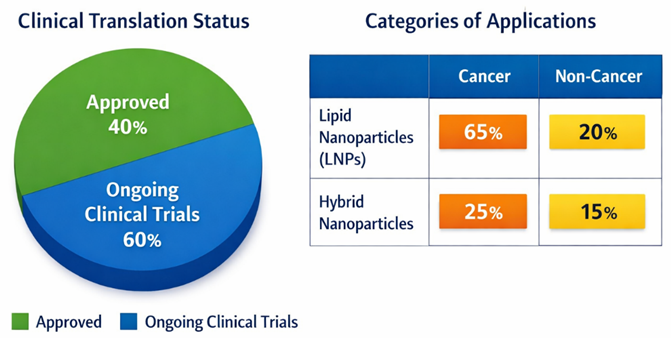
Figure 12: Cancer vs Non-Cancer Applications” and “LNPs vs Hybrid Nanoparticles
Key Takeaways
7. TARGETED CANCER THERAPY APPLICATIONS
Targeted cancer therapy aims to enhance the therapeutic index of anticancer agents by increasing drug accumulation within tumour tissues while reducing systemic toxicity. Protein–lipid hybrid nanoparticles provide adaptable platforms for achieving tumour-specific delivery, controlled drug release, and improved therapeutic efficacy. The integration of artificial intelligence supports formulation refinement and targeting precision without altering the underlying biological mechanisms.
7.1 Tumour Targeting Strategies
Passive Targeting (EPR Effect)
Protein–lipid hybrid nanoparticles exploit the enhanced permeability and retention (EPR) effect characteristic of tumour vasculature. Leaky endothelial junctions allow nanoparticles (typically 50-200 nm) to preferentially accumulate within tumour tissue, while impaired lymphatic drainage prolongs retention. AI-assisted formulation design supports fine adjustment of particle size, surface charge, and hydrophilicity to improve EPR-mediated accumulation and reduce off-target distribution.
Active Targeting via Receptor-Ligand Interactions
Active targeting is achieved by decorating nanoparticle surfaces with ligands such as peptides, antibodies, or aptamers that bind selectively to overexpressed cancer cell receptors (e.g., HER2, EGFR, transferrin receptor). Protein-lipid hybrid nanoparticles can present multiple ligands simultaneously, enhancing multivalent binding and cellular internalization. AI-based models assist in optimizing ligand density, spatial arrangement, and surface presentation to ensure effective receptor engagement while maintaining nanoparticle stability and circulation time.
7.2 Cancer Types and Therapeutic Outcomes
Protein–lipid hybrid nanoparticles have demonstrated therapeutic relevance across multiple cancer types:
HER2- or folate-receptor-targeted hybrids enhance tumour accumulation of doxorubicin and paclitaxel, improving efficacy and reducing cardiotoxicity.
EGFR-targeted hybrid nanoparticles enable selective delivery of chemotherapeutics or siRNA, helping overcome multidrug resistance.
Transferrin- or lactoferrin-modified nanocarriers facilitate transport across the blood-brain barrier, supporting glioblastoma therapy.
pH- and enzyme-responsive hybrids exploit tumour microenvironment characteristics for site-specific drug release.
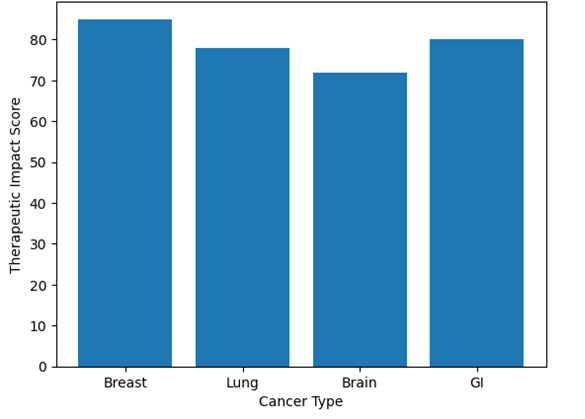
Graph 1: Therapeutic Impact of Protein-Lipid Hybrid Nanoparticles in cancer
7.3 Therapeutic Payloads
Protein–lipid hybrid nanoparticles support diverse therapeutic payloads:
Key Notes
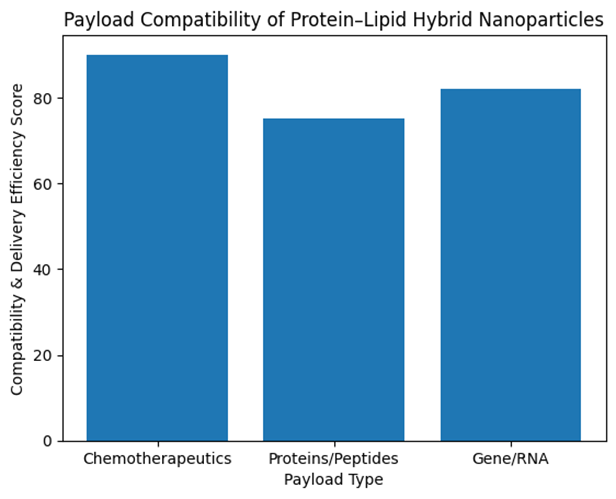
Graph 2: Payload Compatibility of Protein-Lipid Hybrid Nanoparticles
8. MULTIDISEASE APPLICATIONS BEYOND CANCER
Protein–lipid hybrid nanoparticles offer adaptable delivery systems for diseases beyond oncology, including neurological, infectious, metabolic, and inflammatory disorders. AI-assisted formulation strategies enable disease-specific tuning of carrier properties without altering core delivery principles.
8.1 Neurological Disorders
Blood–Brain Barrier Targeting
Hybrid nanoparticles functionalized with transferrin, lactoferrin, or peptide ligands facilitate receptor-mediated transport across the blood–brain barrier. AI-assisted optimization supports adjustment of particle size and surface chemistry to enhance brain uptake while minimizing peripheral clearance.
Neurodegenerative Diseases
In Alzheimer’s, Parkinson’s, and related disorders, hybrid nanoparticles deliver neuroprotective small molecules, peptides, or nucleic acids to affected regions. Controlled release and enhanced stability improve therapeutic performance and reduce off-target effects.
8.2 Infectious Diseases
Antiviral and Antibacterial Delivery
Hybrid nanoparticles enable targeted delivery of antiviral and antibacterial agents to infected tissues. Surface functionalization improves pathogen-specific uptake, while AI-assisted design supports optimization of release kinetics and carrier stability to enhance antimicrobial efficacy.
Vaccine and Immunotherapy Platforms
Protein-lipid hybrid nanocarriers stabilize antigens, co-deliver adjuvants, and promote uptake by antigen-presenting cells. AI-assisted formulation improves encapsulation efficiency and immunogenic consistency, supporting vaccine development for emerging infections.
8.3 Metabolic and Inflammatory Disorders
Diabetes
Hybrid nanoparticles enable sustained delivery of insulin, GLP-1 analogues, or gene-based therapeutics. Surface engineering improves pharmacokinetics and reduces dosing frequency.
Autoimmune and Inflammatory Diseases
Targeted nanocarriers deliver immunomodulatory agents to inflamed tissues in conditions such as rheumatoid arthritis and inflammatory bowel disease. AI-assisted formulation supports fine-tuning of targeting and release behaviour.
Key Advantages
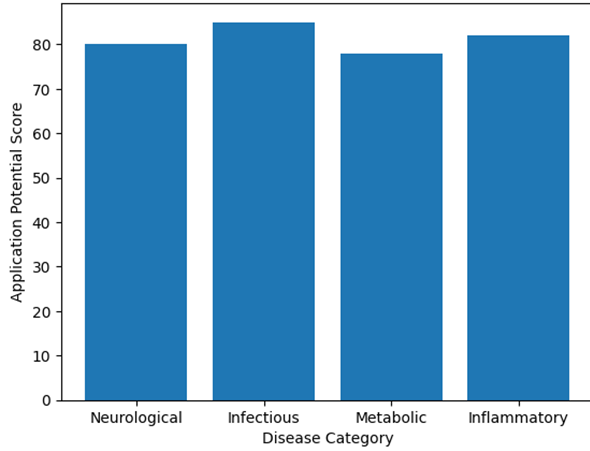
Graph 3: Multi-disease Application Potential Beyond Cancer
9. SAFETY, TOXICITY, AND REGULATORY CONSIDERATIONS
Clinical translation of protein-lipid hybrid nanoparticles requires comprehensive evaluation of safety, immunogenicity, and regulatory compliance. AI-assisted predictive tools support early risk identification and formulation refinement.
9.1 Biocompatibility and Immunogenicity
Protein Corona Effects
Adsorption of plasma proteins can alter nanoparticle behavior and biodistribution. Careful protein selection and surface engineering reduce adverse corona formation while preserving targeting functionality.
Immune Response Modulation
Naturally derived proteins enhance biocompatibility, whereas synthetic components may trigger immune recognition. AI-assisted modelling of nano-bio interactions support immunogenicity reduction.
9.2 AI-Based Toxicity and Risk Prediction
9.3 Regulatory and Clinical Translation Challenges
Hybrid nanoparticle complexity complicates standardization and batch reproducibility. Regulatory agencies require rigorous characterization, reproducible manufacturing, and transparent documentation of AI-assisted design processes.
10. CHALLENGES AND LIMITATIONS
Despite the rapid progress of AI-designed protein-lipid hybrid nanoparticles, several scientific, technical, and regulatory challenges must be addressed to enable widespread clinical adoption.
1. Limited High-Quality Datasets
AI models rely heavily on large, well-annotated datasets that integrate physicochemical properties, biological interactions, and in vivo outcomes. However, nanomedicine datasets are often fragmented, heterogeneous, and generated using non-standardized experimental protocols. Limited availability of high-quality, curated datasets restricts model generalizability and predictive accuracy, particularly across different disease indications and patient populations.
2. Algorithm Bias and Interpretability
Many AI models, especially deep learning architectures, function as “black boxes,” limiting interpretability of predictions. Algorithmic bias may arise from overrepresentation of specific nanoparticle types, disease models, or experimental conditions, potentially leading to misleading conclusions. Enhancing model transparency through explainable AI frameworks is essential for building confidence among clinicians, formulators, and regulatory authorities.
3. Manufacturing Scalability and Reproducibility
While AI can optimize nanoparticle design at the laboratory scale, translating these formulations into scalable, GMP-compliant manufacturing processes remains challenging. Maintaining batch-to-batch consistency in protein-lipid composition, particle size distribution, and surface functionality is critical for clinical translation and regulatory approval.
4. Ethical and Regulatory Concerns Related to AI
The integration of AI into nanomedicine introduces ethical considerations related to data privacy, algorithm accountability, and decision-making transparency. Regulatory agencies currently lack comprehensive guidelines specifically addressing AI-driven formulation design, creating uncertainty in validation, documentation, and approval pathways. Harmonized regulatory frameworks are required to ensure safe and responsible deployment of AI-assisted nanomedicines.
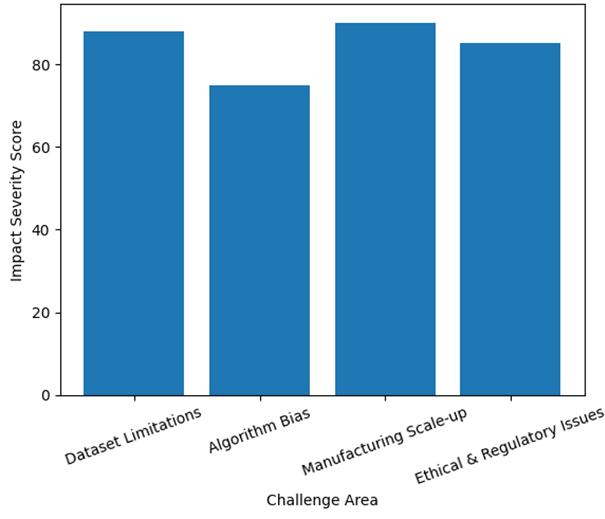
Graph 4: Challenges in AI-Designed Protein- Lipid Hybrid Nanoparticles
11. Future Perspectives
AI-assisted protein-lipid hybrid nanocarriers are expected to advance therapeutic development by improving formulation precision, adaptability, and translational reliability.
11.1 AI-Driven Personalized Nanomedicine
Future nanocarrier systems are likely to be tailored to patient-specific characteristics, including genetic profile, disease phenotype, and therapeutic response. AI-assisted analysis of clinical and formulation data can support the customization of nanoparticle composition, targeting ligands, and release behavior, enabling more precise and effective treatment strategies.
11.2 Integration with Multi-Omics Data
The integration of genomics, proteomics, metabolomics, and lipidomics with AI-assisted analytical frameworks will enhance understanding of disease-specific nano-bio interactions. This approach supports informed selection of protein and lipid components, facilitating precision nanomedicine across diverse disease conditions.
11.3 Advanced Formulation Optimization Strategies
Future developments will focus on AI-supported refinement of formulation parameters based on experimental and preclinical datasets. Such strategies enable systematic adjustment of nanoparticle size, surface characteristics, and payload compatibility, reducing trial and error experimentation and improving translational success.
11.4 Clinical Trial Acceleration Using AI
AI-assisted data analysis can improve clinical trial design by supporting dose selection, patient stratification, and identification of early indicators of therapeutic response. These approaches have the potential to reduce development timelines, lower costs, and increase the likelihood of successful clinical translation of protein-lipid hybrid nanomedicines.
12. CONCLUSION
This review highlights the transformative potential of AI-designed protein–lipid hybrid nanoparticles as next-generation drug delivery systems for targeted cancer therapy and multidisease applications. By integrating biomimetic nanocarrier architectures with data-driven AI approaches, these systems address key limitations of conventional nanoparticles, including limited targeting specificity, formulation variability, and challenges in clinical translation.
AI-assisted design strategies enable systematic optimization of nanoparticle composition, surface functionalization, and therapeutic payload delivery. Data-guided safety assessment and pharmacokinetic evaluation further support improved translational reliability. The clinical success of lipid-based and hybrid nanocarriers provides a strong foundation for the advancement of AI-optimized hybrid systems toward real-world therapeutic use.
Looking forward, the convergence of artificial intelligence, multi-omics insights, and advanced nanotechnology is expected to accelerate the development of precision nanomedicine. Continued interdisciplinary collaboration among formulation scientists, data scientists, clinicians, and regulatory authorities will be essential to fully realize the clinical potential of AI-designed protein–lipid hybrid nanocarriers.
REFERENCES









V R Teja Sruthi Pagadala, P. Rithisha, S K Asma, Hasrat Mirza, P. Niveditha Spurthi, B. Rohini, L. Geethanjali, S K Samrin, S K Karishma, AI-Designed Protein-Lipid Hybrid Nanoparticles for Targeted Cancer Therapy and Multi-Disease Applications, Int. J. of Pharm. Sci., 2026, Vol 4, Issue 2, 2933-2959. https://doi.org/10.5281/zenodo.18684677
 10.5281/zenodo.18684677
