

We use cookies to ensure our website works properly and to personalise your experience. Cookies policy
A.R. College of Pharmacy & G.H Patel Institute of Pharmacy, Vallabh Vidhyanagar, Anand, Gujarat, India 388120
Green Analytical Chemistry (GAC) has emerged as a transformative approach that integrates the principles of green chemistry into analytical method development to reduce environmental impact, enhance safety, and improve sustainability. This review highlights major advancements in environmentally friendly analytical practices, focusing on greener sample preparation techniques such as SPE, SPME, SBSE, MAE, UAE, SFE, and DLLME, all of which significantly reduce solvent consumption, waste generation, and analysis time. Progressive solvent innovations including natural deep eutectic solvents, liquefied gases, supercritical fluids, and ethanol-based systems offer safer alternatives to traditional hazardous organic solvents. Developments in chromatographic techniques, including superheated water chromatography, supercritical fluid chromatography, high–water-content LC systems, miniaturized LC formats, and AQbD-driven green HPLC methods, demonstrate strong potential to replace or minimize the use of toxic solvents while maintaining high analytical performance. Advancements in green instrumentation and ionization technologies such as low-thermal-mass GC, MAI, SAI, and integrated multi-ionization MS platforms further reduce energy consumption, reagent use, and waste. Overall, the evolution of GAC underscores a crucial shift toward analytical methods that are not only accurate and robust but also safer, cleaner, and aligned with global sustainability goals, making it a key pillar of future pharmaceutical and environmental analysis.
"Green chemistry" is the development of chemical products and processes that reduce or eliminate the use of dangerous substances. Green chemistry covers the whole life cycle of a chemical product, including its creation, usage, and final disposal. The goal of green analytical chemistry is to reduce or eliminate the use of toxic and hazardous reagents, solvents, and techniques in the
pre-treatment, determination, and preparation stages of the analysis process [1].
Green chemistry, often referred as sustainable chemistry, is concerned with technical approaches that minimize pollution and the consumption of non-renewable resources. While its main focus is on a more sustainable approach to the environment, it also employs less costly techniques that yield better outcomes. "Green chemistry" seeks to eradicate or significantly reduce the generation of hazardous substances in all chemical processes.
Green Analytical Chemistry (GAC) is a developing discipline that incorporates the ideas of green chemistry with analytical procedures, seeking to reduce the environmental and human health implications typically associated with chemical analysis[2]. By limiting the use of hazardous reagents, conserving energy, and preventing the creation of hazardous waste, GAC aims to align analytical processes with the overall goals of sustainability. GAC is based on the 12 green chemistry principles, which offer an extensive framework for developing and using green analytical techniques.
Paul Anastas and John Warner developed the term "green chemistry" in the early 1990s [3]. The "design of chemical products and processes that reduce or eliminate the use and generation of hazardous substances" is how green chemistry is defined [4]. Green chemistry, also referred to as sustainable chemistry, focuses on technological ways to reduce pollution and the use of non-renewable resources. Although it is primarily dedicated to a more sustainable approach to the environment, it works on low-cost methods that are more effective and produce better results [5].
There are three ways that the negative environmental effects of analytical procedures have been mitigated:
Principles
The 12 principles of green chemistry offer a basic framework for developing chemical processes and products that prioritize human health and the environment. These concepts guide the creation of safer, more effective, and environmentally friendly analytical processes. The 12 principles of Green Analytical Chemistry (GAC) are depicted in Figure 1, emphasizing important tactics like minimizing waste, atom economy, safer chemicals, energy efficiency, and real-time analysis that together direct the creation of green and sustainable analytical methods. The first concept, waste prevention, focuses on creating analytical procedures that do not produce waste instead of handling it after the fact, which is an important factor in high-throughput labs [7].
In order to safeguard analysts and the environment, less hazardous chemical synthesis and safer chemical design focuses on reducing toxicity in reagents and solvents used during analysis. Because it promotes the use of non-toxic, biodegradable, or less hazardous solvents—such as water, ionic liquids, or supercritical carbon dioxide—instead of hazardous organic solvents, the idea of safer solvents and auxiliaries is especially pertinent to analytical chemistry [8].
Another crucial factor is energy efficiency, a requirement for the creation of methods that use less energy when operating in gentler environments like room temperature and pressure. This is demonstrated by the use of alternate energy sources to speed up operations without requiring excessive energy inputs, such as microwave-assisted or ultrasound-assisted techniques. The idea of renewable feedstocks promotes the substitution of renewable resources, such as bio-based solvents or reagents made from natural materials, for limited ones. Analytical procedures are simplified and resource-efficient by reducing derivatives, which reduces the requirement for transient chemical changes like protection or deprotection stages. The fundamental idea of catalysis encourages the use of catalytic reagents rather than stoichiometric ones in analytical procedures, improving selectivity and lowering material consumption while minimizing environmental effects.
By ensuring that chemicals and materials employed in analytical procedures break down into harmless products at the end of their lives, the design for degradation concept helps to prevent long-term environmental pollution. In analytical chemistry, real-time analysis for pollution prevention is very important. It promotes techniques that monitor and regulate processes in real-time to stop dangerous byproducts before they arise. Lastly, the necessity to design processes with a lower risk of accidents, explosions, or hazardous discharges in order to ensure a safer working environment is highlighted by the intrinsically safer chemistry for accident prevention. When combined, these ideas offer a thorough plan for rethinking analytical chemistry to satisfy the requirements of environmental responsibility, safety, and sustainability. The field actively helps to reduce the ecological impact of scientific research and industrial operations by incorporating these ideas into the development of analytical procedures, which also aligns with the concept of green chemistry [9,10].
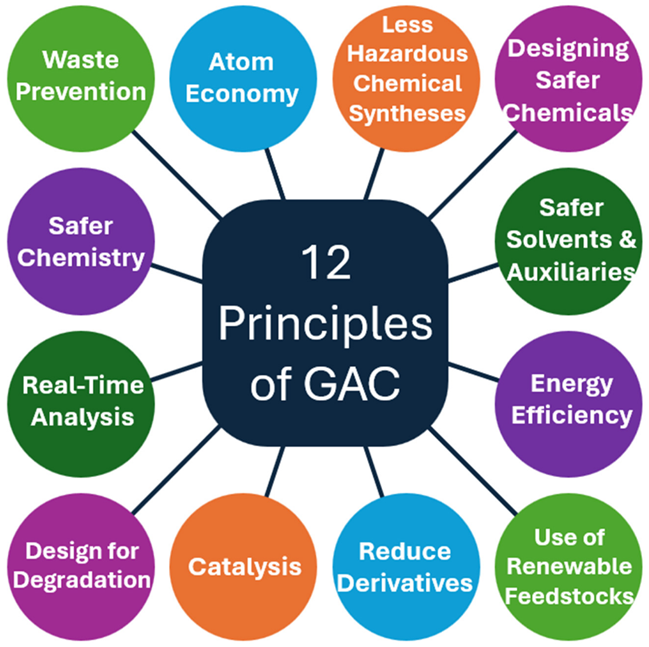
Fig 1: 12 Principles of Green Analytical Chemistry
Principles[11]:
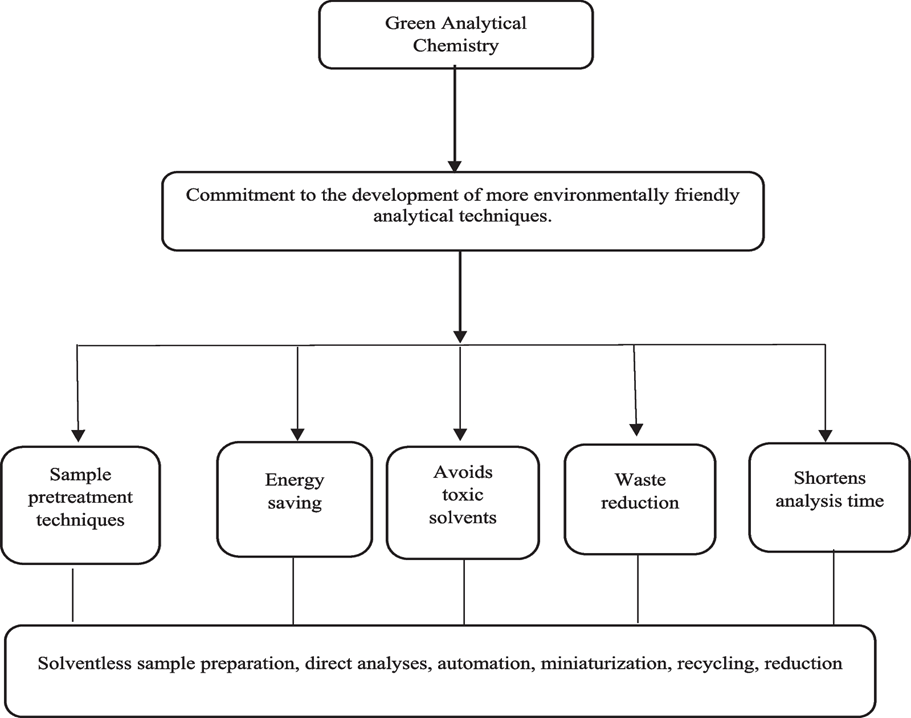
Fig 2 Methodological introduction of green analytical chemistry principles
THE THREE Rs OF GREEN ANALYTICAL CHEMISTRY
Most of green analytical chromatography efforts have focused on either lowering the amount of solvent used and waste generated overall, or substituting existing solvents with more ecologically friendly ones. Although the approach is commonly employed in industrial-scale chromatography, little research has been done on solvent recycling using distillation or other techniques in analytical chromatography.
GREEN SAMPLE PREPARATION
SPE is a widely used technique for sample preparation. In SPE, an aqueous sample is passed over a short column of a suitable solid sorbent, where solutes are adsorbed. The analyzed materials are enriched when they are extracted from the absorbent in trace quantities of highly eluting organic solvents. Solid phase extraction produces less waste and consumes a tiny amount of solvent. It is therefore seen as an environmentally beneficial strategy.
This technique uses silica fiber coated with the proper adsorbent phase. Both concentration on the fiber layer and direct extraction of the analyte from the solution are employed.
Substances in food samples might be separated by combining SPME with high-performance liquid chromatography (HPLC), GC/mass spectrometry (MS), GC, and LC-MS.
Instead of a fiber in this case, analytical materials are absorbed into a polymer (such polydimethylsiloxane) matrix wrapped around a magnetic stir rod. The main difference between SBSE and SPME is the significantly larger volume of sorptive phase used in SBSE. The result is improved sensitivity, especially when using large sample volumes or materials with low partition coefficients. Since the coating's capacity to collect volatile analytes enables them to be thermally desorbed directly into a GC, this method is completely solvent-free in this case. Tiny quantities of a diluent are used to desorb non-volatile analytical material, maintaining the method's sustainability.
An aqueous sample, an extracting solvent that is immiscible with water, and a dispersive fluid that is soluble in each phase make up the three-phase solution used in this procedure. An incredibly fine emulsion is produced by combining the two different solvents and rapidly introducing the resultant solutions into the samples. Analytes may therefore be transported in the scattered extraction solution very rapidly. The emulsion is centrifuged once it has been formed. Using a micro syringe, the phase of increasing extraction density is extracted and introduced to a desired analytical apparatus.
This process, also referred as accelerated solvent extraction (ASE), requires solvent to be extracted at temperatures and pressures higher than the solvent's boiling point at atmospheric pressure. At the higher temperature, the solvent's viscosity and surface tension drop while the analytes' solubility and diffusion rate increase. The extractant can more easily enter the matrix pores with increased pressure. It achieves effective extraction in a shorter amount of time with less energy, uses less solvent, and allows the use of non-toxic solvents like ethanol and methanol.
In MAE, microwave radiation is used to accelerate the extraction process. In order to extract analytes into a solvent or a water-based solution, the MAE concept relies on heating the system as the result polar molecules absorbing microwaves, which warms the solvent that interacts with the material. While normal ovens should only operate at 2.45 GHz, the full microwave frequency range of 300 MHz to 100 GHz can be utilized. The MAE's rapid heating, high temperatures, and ease of use are its main advantages. The limited heating of the examined solvent due to the dielectric constant is one of its disadvantages.
Since it is a safe and sustainable extraction method, ultrasound-assisted extraction (UAE), a technology that employs ultrasound during the preapplication operations, may be chosen.
UAE is now acknowledged as a practical and secure replacement for traditional methods of food production. Therefore, compared to other extraction methods, ultrasound is a low-cost, multidirectional, flexible, and simple to use technology.
Supercritical fluid extraction (SFE) is a simple, completely automated, and green analytical method. A procedure that uses water or other non-toxic solvents is referred to be a "environmentally benign sample preparation method" (such as "typical SFE"). Clean extract is one of SFE's advantages as it uses less solvent and requires less time to extract. Analyte extraction is finished without the need for further cleaning steps. The most common use of nontoxic and non-polluting extraction fluids is made possible by this method's sample pretreatment stage.
Key Components of GAC :
The field of GAC research aims to develop analytical methods that are more sustainable and generate less hazardous chemicals. GAC is based on the goal of green chemistry, which is to make chemical reactions and processes more environmentally benign. Among the fundamental components of GAC are:
GREENER ORGANIC SOLVENTS
In order to keep samples liquid and make it easier to separate important components, solvent is required for both sample preparation and analytical procedures. Innovative solvents are being developed and used to replace standard organic solvents, which are known for their high volatility, combustibility, and toxicity, as a result of recent developments in applying the principles of green chemistry into analytical techniques.
Alternative solvents for sample preparation
The most sustainable, economically feasible, environmentally friendly and safe solvent is water. The simplest and most used technique for extraction using water as the solvent is maceration. Water's properties can be gently changed by adding certain substances. Both hydrotropic and micellar extractions require water and an additional material, either a hydrotope or a surfactant. These amphiphilic compounds can enhance the dissolution of water-hating substances in aqueous environments by generating micelles and aggregates, respectively.
Combinations of naturally occurring solids having melting points significantly lower than any of their individual components are known as Natural Deep Eutectic Solvents (NADESs).
The creation of hydrogen bonds between molecules that link hydrogen bond donors and acceptors is the main reason for this uniqueness. Given that NADESs are readily recyclable and environmentally friendly solvents.
Liquefied gases are those that have the potential to liquefy in their vapour pressure within a pressurized vessel at a pressure between 1 and 100 bar. They have the advantage of dissolving natural compounds at very low temperatures, shielding sensitive components from deterioration, and their volatility makes it easy to separate them from the extracts. The use of liquefied gases as environmentally acceptable extraction solvents, such as dimethyl ether, n-propane, and n-butane, is being documented in an increasing number of studies.
Supercritical fluids (SFs) are substances at pressures and temperatures above their critical values.
The main advantage of an SFs is that it can be adjusted for density by varying pressure and/or temperature, which enables the selective extraction of particular analytes. Furthermore, because SFs have almost little surface tension, they may penetrate microporous surfaces and leave very little solvent residue in the finished extract. Carbon dioxide (CO2) is the most often utilized SF due to its moderate substantial temperature and pressure of 31 °C and 74 bar, respectively. This fluid is also inert, tasteless, odorless, inexpensive, and not environmentally friendly[20].
Ethanol can be used in place of acetonitrile since, from the perspective of green analytical chemistry, acetonitrile has several drawbacks, including flammability, high cost, and volatility. Because ethanol is readily accessible and non-toxic, it is used in place of acetonitrile. But one of ethanol's drawbacks is its high viscosity, which may be addressed by raising the mobile phase's temperature or utilizing UPLC equipment[21].
Superheated Water Chromatography: Instead of employing organic solvents like watermethanol and water-acetonitrile as eluents, water is heated to a high temperature (80–250 °C). Water can take the role of organic modifiers since its polarity diminishes with warmth.
The following are the benefits of utilizing superheated water: water is readily accessible, affordable, nonflammable, and ecologically acceptable; it also has a low UV cutoff, which permits detection at a lower wavelength and lowers disposal costs. However, there are several drawbacks, such as the requirement for high temperatures that cause thermally liable chemicals to degrade and the insolubility of lipophilic compounds in water, necessitating the use of more temperature-resistant packing materials, such as polymeric phases[21].
Supercritical Fluid Chromatography: Similar to supercritical water chromatography, carbon dioxide is employed as a supercritical fluid that provides an alternative to organic solvent. The use of pressurized carbon dioxide in the supercritical state as an eluent has the benefit of having solvent qualities comparable to hydrocarbons obtained from petrochemicals, making it a more environmentally friendly option than often used normal-phase solvents (such as hexane or heptanes). Additionally, the low viscosity of carbon dioxide leads to higher flow rates and quicker separations[21].
Enhanced Fluidity: These methods include the addition of large amounts of soluble gases to polar liquids, such as alcohol. This method's benefits include low viscosity, higher solute diffusion coefficients, accurate solvent strength control, and high efficiency. Additionally, this method of liquid chromatography has been used to other separation techniques, including size exclusion chromatography, chiral separations, and normal- and reversed-phase LC[21].
Using more sustainable solvents as mobile phase
In chromatography, high-purity organic solvents are required in very large volumes as the mobile phase. Reversed phase liquid chromatography frequently uses methanol (MeOH), ethanol (EtOH), acetonitrile (ACN), acetone, ethyl acetate, or their mixtures with water. In terms of environmental friendliness, EtOH, acetone, and ethyl acetate are favored among these solvents, and some efforts are made to substitute them for the more dangerous acetonitrile and methanol.
Ethanol's high viscosity is a drawback when compared to acetonitrile. One organic mobile phase constituent that is somewhat hazardous is ethanol. Acetone is another more ecologically friendly substitute for acetonitrile, even if the separation efficiency is statistically comparable.
It's crucial to concentrate on using more ecologically friendly solvents in this discipline as normal phase systems are utilized to identify some substances that are nonpolar and non-volatile (like lipids). Cyclopentyl methyl ether, hexamethyldisiloxane, isopentyl acetate, and 2-methyltetrahydrofuran have all been successfully used as mobile phase components.
Advances in Green Analytical Chemistry
Green gas chromatography (GC) and liquid chromatography (LC) have advanced significantly as a result of the search for eco-friendly analytical methods. Reducing or doing away with the use of hazardous gases and solvents has been the main focus of attempts to improve sustainability in gas chromatography. For example, using hydrogen as a carrier gas rather than conventional helium reduces environmental risks while simultaneously addressing the high cost and availability of helium. Because hydrogen has a higher diffusivity and a lower viscosity than helium, it provides chromatographic benefits such as quicker analysis times and better resolution.
1. Gas Chromatography
Temperature programming is considered as the second most important parameter to control after column selectivity, in Gas Chromatography. Increasing column temperature during Gas Chromatography analysis is referred to as temperature-programmed gas chromatography (TPGC). The advantages of TPGC is that it gives better separation for solutes with a wide boiling points range, improved peak symmetry for solutes with high retention factors, and improved detection limits. It allows the removal of unwanted heavier sample components from the column that could otherwise compromise the integrity of the chromatographic system. In 2001, Low Thermal Mass technology was introduced to achieve ultrafast temperature programming and an unprecedented cooldown time with a power consumption of approximately 1% of conventional gas chromatography. LTMGC is considered a green technique because resistive heating of a GC column brings about two main advantages: reduction of power consumption by approximately a factor of 200 and increased speed of column heating (up to 1800 °C/min; achievable rates depend on column mass, configuration and column void times), which can potentially reduce the analysis time[22].
Çetintürk et al. [23] developed a novel GC-MS/MS method using hydrogen as a carrier gas for the analysis of persistent organic pollutants (POPs) like dioxins and PCBs. Their method maintains baseline resolution for important congeners while cutting analysis time by 2.5 times. The approach proved to be economical, eco-friendly, and dependable for long-term environmental study, despite a modest reduction in sensitivity. The potential of hydrogen as a sustainable substitute for helium in cutting-edge analytical applications is highlighted in this paper. Although hydrogen (H2) has benefits as a sustainable carrier gas in gas chromatography, it must be carefully managed due to its flammability and explosion danger. To reduce these dangers, modern GC systems have a number of safety measures, including as regulated flow regulation, automated shut-off valves, and integrated leak detectors. Additionally, on-demand electrolytic hydrogen generators reduce the need for high-pressure storage, further enhancing safety [24]. These developments make sure H2 may be utilized effectively while reducing possible risks, making it a competitive substitute for helium in analytical applications.
In addition, by allowing quick heating and cooling cycles, the advancement of low thermal mass (LTM) technology in GC systems has significantly reduced energy consumption, increasing analytical efficiency[25].
Additionally, comprehensive two-dimensional gas chromatography (GC×GC) has become a potent instrument that provides improved separation capabilities while maintaining green chemistry principles[26]. Comprehensive two-dimensional gas chromatography (GC × GC) has the potential to be a green analytical technique, as indicated by Arena et al. [27], who highlighted its improved separation efficiency and sensitivity for complex matrices.
Their approach reduced the requirement for substantial sample preparation and solvent use by combining GC × GC with triple quadrupole mass spectrometry, which is in line with green chemistry principles. In complex vegetable oil matrices, the GC × GC-QqQMS approach ensured accurate quantification by providing better separation and successfully separating co-eluting phthalates such as DiNP and DiDP. In keeping with the principles of green analytical chemistry, it also improved sensitivity, attaining low detection limits (0.02–0.63 mg/kg) without pre-concentration while drastically lowering solvent consumption using a dilution-only sample preparation.
Liquid Chromatography
The decrease in the use of organic solvents and the investigation of substitute, less hazardous solvents have been indications of a change in liquid chromatography towards more environmentally friendly techniques. Traditionally, liquid chromatography uses large amounts of organic solvents, which raises operating expenses and environmental issues[28,29].
By using supercritical fluids or water-rich mobile phases, methods like high-performance liquid chromatography (HPLC) have been modified to reduce the need for dangerous organic solvents. This strategy comprises techniques like water-only reversed-phase liquid chromatography (WRP-LC) and per aqueous liquid chromatography (PALC), which use high water content mobile phases to minimize or completely do away with the use of organic solvents like methanol and acetonitrile. While WRP-LC uses polar-embedded or polar-end-capped columns to provide efficient separation with no environmental impact, PALC uses silica-based stationary phases[30]. By increasing safety, cutting expenses, and minimizing the production of hazardous waste, these developments are in line with the principles of green analytical chemistry and are therefore useful instruments for the development of environmentally friendly techniques in analytical labs.
The trade-offs in separation performance, efficiency, and sustainability are highlighted by comparing traditional LC techniques, green LC with high water content, and downsized capillary LC systems. Green LC techniques can result in longer retention durations and slight decreases in sensitivity even if they lessen the need for organic solvents like acetonitrile and methanol. However, these disadvantages can be lessened with appropriate optimization employing polar-embedded stationary phases, preserving resolution on par with conventional LC.
Pure water, ionic liquids, and bio-based solvents have the potential to be environmentally friendly substitutes, according to a recent study on sustainable solvents in reversed-phase LC[31].
While modern solvents like Cyrene and deep eutectic solvents (DESs) require additional adjustment to match the efficiency of acetonitrile-based systems, organic modifiers like ethanol and isopropanol retain chromatographic performance comparable to classic solvents. Research indicates that when paired with high-temperature LC methods or modified stationary phases, green solvents can attain similar peak symmetry and separation efficiency. For reliable results, certain mobile phase compositions are required since some solvents, including dimethyl carbonate, have poor water miscibility.
A unique method combining capillary-based separation methods with contactless atmospheric pressure ionization (C-API) was presented by Chen et al. [32] . This technique uses a small, tapered capillary that functions as an ionization emitter and separation channel, allowing for very effective analyte preconcentration and detection with little solvent consumption. The method lowers waste production, gets rid of the requirement for complicated interface components, and drastically cuts down on analysis time. Chen et al.'s study, which easily aligns with green chemistry principles while maintaining excellent sensitivity and performance, marks a potential step toward the downsizing and sustainability of analytical procedures by utilizing this design's simplicity and cost-effectiveness.
Grinias et al. [33] found that capillary systems had better peak capacities and theoretical plates, especially for typical alkylphenone combinations, when comparing different capillary columns (0.2–0.3 mm i.d.) with conventional columns. The idea that miniaturization increases separation yields is supported by this, even if it calls for specialized equipment to manage high backpressures and low flow rates. The ability of these tiny LC methods to improve separation efficiency while drastically lowering solvent and sample consumption has drawn attention. These developments in miniaturized LC show a dedication to lessening the environmental impact of analytical procedures in addition to being consistent with the tenets of green analytical chemistry. Laboratories can get superior analytical performance while fostering environmental sustainability by adopting these advancements.
Supercritical Fluid Chromatography (SFC) [34] has become a well-known green analytical method that is consistent with environmental responsibility and sustainability. Supercritical carbon dioxide (SC-CO2), an ecologically safe substitute for the organic solvents frequently utilized in conventional liquid chromatography, is used as the main mobile phase in this method. This considerable drop in solvent usage avoids possible environmental risks, saves operating expenses, and reduces chemical waste.
Supercritical CO2 has a high diffusivity and low viscosity, SFC provides exceptional efficiency and adaptability, allowing for quick separations with excellent precision.
By increasing the solubility of polar analytes, modifiers like methanol or ethanol increase its application and expand the spectrum of chemicals that may be successfully examined [35].
Supercritical Fluid Chromatography (SFC) is especially useful for evaluating thermally labile substances, like cannabis, because it may prevent the thermal deterioration that is often associated with gas chromatography, as Pila Áro Rodríguez et al. [36] demonstrated. In order to guarantee the stability of cannabis during the analytical procedure, they emphasized in their study the use of low-temperature conditions and optimal backpressure.
The selectivity and resolution of SFC have been improved by advancements in stationary phase technology, such as the advent of sophisticated silica-based columns and hybrid materials, making it appropriate for intricate separations in food, pharmaceutical, and environmental investigations.
Supercritical fluid chromatography (SFC) has effectively used hybrid materials, such as bridging ethylene hybrid (BEH) silica-based columns. These columns are appropriate for high-throughput applications because they provide better peak shape, increased mechanical stability, and decreased silanol activity. For example, BEH columns have been utilized in ultra-high-performance SFC-MS (UHPSFC/MS) for quick lipid analysis, allowing for the effective separation of many lipid classes in a matter of minutes [37].
According to Plachý et al. [38], silica-based columns have become an essential component in Supercritical Fluid Chromatography (SFC) because of their flexibility and versatility through a variety of chemical changes. Because of their polar surface, which facilitates hydrogen bonding and dipole–dipole interactions, traditional silica columns are often used to separate moderately polar and non-polar chemicals. However, developments in stationary phase design have been pushed by problems like as interactions with free silanols. The creation of hybrid silica-based columns with polar-embedded groups or end-capping methods that lower silanol activity and improve stability under high-pressure SFC conditions is covered by Plachý et al. additionally, advances in bonded ligand chemistries such as diol, cyano, amine, and alkyl groups have greatly expanded their usefulness by enabling precise control over selectivity through hydrogen bonding, ionic interactions, and π–π interactions. These developments, together with the addition of sub-2 µm particles, have enhanced peak symmetry, efficiency, and resolution, further solidifying the importance of silica-based columns in contemporary SFC systems.
Additionally, the combination of SFC with mass spectrometry (MS) has created new opportunities for high-throughput analysis, allowing for real-time monitoring and minimizing the need for costly sample preparation[39].
Improved pressure control systems and automated solvent recycling units are examples of instrumentation innovations that have further decreased energy use and enhanced the ecological credentials of SFC systems. Furthermore, compatibility and ionization efficiency have improved with the development of sophisticated interfaces for SFC-MS, such as the "pre-BPR splitter with sheath pump" and the "BPR and sheath pump with no splitter." These interfaces provide stable baselines and increased sensitivity by preventing solute precipitation and enhancing desolvation[40].
In addition, the combination of sub-2 µm particle size columns and ultrahigh-performance supercritical fluid chromatography (UHPSFC) technology has greatly enhanced resolution and shortened analytical times[41]. These developments have maintained SFC-MS's environmental sustainability while broadening its use for the investigation of complex matrices, from nutrients and food pollutants to medicines.
Additionally, because supercritical CO2 can be obtained from industrial waste streams, it promotes a circular economy and helps achieve carbon neutrality. There are plenty of chances to use CO2 produced by industrial operations more effectively. The manufacturing of ammonia, cement, and fossil fuel power plants are examples of large-volume sources that offer a consistent supply of CO2 that may be collected and used for a variety of purposes, such as a solvent in supercritical fluid operations [42]. As SFC develops further, it shows that excellent analytical performance and environmental awareness may coexist in addition to offering a sustainable substitute for traditional chromatographic methods. These developments establish SFC as an essential instrument in the search for more environmentally friendly analytical techniques in a variety of scientific and commercial fields.
Kokilambigai et al. [43] applied analytical quality by design (AQbD) and more ecologically friendly solvent techniques to optimize the HPLC method in the assessment of atorvastatin calcium. To eliminate variables that could affect method development, the Central Composite Design was used. A Zorbax Eclipse plus C18 column (150 x 4.6 mm, 5 μm) was used for the analysis. The optimum chromatographic analysis was achieved using 0.5% v/v aqueous acetic acid: EtOH (42.5: 57.5%v/v) with a flow of 0.91 mL/min since pure EtOH with water as mobile phase results in large peaks with needless fronting and asymmetry. Using a photodiode array, detection was carried out at 246 nm. The run-time for atorvastatin was 12 minutes, and the Rt was 6.27 minutes. Between 10 and 150 μg/mL, there was strong linearity and a correlation coefficient (R2>0.9999). A study on forced degradation found that atorvastatin is more susceptible to deterioration under acidic stress. The developed method obtained a total score of 90, meaning it was environmentally friendly because it complied with all green requirements.
Perumal et al. [44] reported a quick, easy, specific, accurate, repeatable, and eco-friendly method for identifying the presence of escitalopram (ESC) and etizolam (ETZ) in the formulation utilizing a Quality by Design-based HPLC technique. The best way to separate ESC and ETZ and the byproducts of their degradation is to use Phenomenex column C18 with EtOH and phosphate buffer (60:40%v/v), with a flow rate maintained at 1 mL/min and monitored at 254 nm using a dual absorption detector. The ETZ and ESC were found to have retention times of 6.5 and 3.5 minutes, respectively. The proportion recovered for ESC and ETZ was determined to be 99.55 and 99.94 percent, respectively.
Vieira-Sellai et al. [45] developed an ecologically friendly HPLC method to measure zidovudine (ZDV), lamivudine (3TC), and nevirapine (NVP). This approach uses ethanol as both the MP for the drug analysis and the solvent for sample preparation. The analysis was carried out in a gradient mode using a C18 column (ARV4 5 µm 250×3.0 mm, Interchim), injecting a volume of 10 µL at a flow rate of 0.4 mL/min. A photodiode array (PDA) detector was used for detection at 270 nm. Five standard solutions ranging from 80 to 120% of the nominal concentration (37.5 μg/mL for 3TC, 75.0 μg/mL for ZDV, and 50.0 μg/mL for NVP) were prepared in order to assess linearity. The method ensures high accuracy because the mean recoveries are between 99.95% and 100.27%. On the ECO Scale, this method has a score of 75, meaning it is ecologically friendly.
Using stress studies and RP-HPLC green analytical chemistry principles, Sukumar et al. [46] suggested a simple, efficient, and repeatable method for analyzing atorvastatin (ATO), ezetimibe (EZB), and fenofibrate (FF). These medications were separated in a 90:10 ratio on MP using the buffer (0.1% triethanolamine in water) and EtOH, while the stationary phase (SP) was Inertsil ODS 3 (250 mm x 4.6 mm), 5 μm column, using a photodiode array detector (PDA) detector at a wavelength of 256 nm. According to the forced degradation studies, the ATR deteriorates more than 5% in acid, peroxide, and heat, whereas EZB decays more than 15% during alkali hydrolysis. ATO, EZB, and FF have Rt values of 2.86, 6.723, and 11.13, respectively. The developed techniques' ECO Scale displays a score of 91 with subtle green hues.
Apremilast, its enantiomer, and its seven impurities in the pharmaceutical material were estimated using a single reversed-phase HPLC method developed by Vijaykumar et al.[47] Using immobilized chiral SP with a chiral selector "tris (3,5-dimethyl phenyl carbamate) derived from amylose-Chiralpak IA-3 (250 mm×4.6 mm, 3 μm) column at 25 °C with green MP consisting of buffer (0.01 M NH4HCO3, PH 8.0) and ACN in equal ratio at (0.4 mL/min)," Apremilast chromatographic separation from its enantiomer product. Research on forced degradation revealed two contaminants: impurity-2 (open ring acid impurity) and impurity-5 (deacetylated impurity). The range of impurity recoveries is 96.1–102.1%. The recommended method's AGREE matric score was found to be 0.66 since it uses less ACN than other well-established approaches.
For the measurement of olopatadine hydrochloride, Kowtharapu et al. [48] developed a linear, precise, accurate, robust, eco-friendly, and sustainable LC technique. The isocratic chromatography process was optimized and validated using a Boston eco-friendly C8 column (150 x 4.6 mm, 5 μm i.d.). An MP of pH 3.5 sodium dihydrogen phosphate buffer and ACN in a ratio of 75:25 (%v/v) was used, with a flow rate of 1.0 mL/min and a column temperature of 30 °C. At 299 nm, the detection was done. The correlation coefficient from the linearity experiment was more than 0.999, the accuracy results ranged from 99.9 to 100.7%, and the relative standard deviation (RSD) from the precision was 0.5. An exceptional analytical eco-score of 77 was obtained using the analytical eco-scale instrument.
Fawzy et al.[49] suggested a dependable, specific, eclectic, and environmentally friendly HPLC–UV approach for the simultaneous analysis of the novel combination of metformin hydrochloride (MTF), pioglitazone hydrochloride (Pio), and glibenclamide (GBC) as well as with MTF hazardous contaminants. The recommended strategy is green as it has a short run period and low environmental dangers. Contaminants and antihyperglycemic drugs were separated and quantified using gradient elution on a VDSpher Pur 100 C18-E (250 mm x 4.6 mm x 5 m) column. The mobile phase consisted of 0.1 M heptane sulfonic acid with a pH of 2.2 and ACN at a flow rate of 1.5 mL/min, and photodiode array detectors (PDAs) were used for detection at 225 nm. MTF, Pio, and GBC had retention intervals of 3.640, 5.062, and 7.788 minutes, respectively. The score of 0.76 from the analytical AGREE tool indicates that it is green.
Kannaiah et al. [50] devised a simple, reliable, accurate, efficient, and environmentally friendly method for determining ketoconazole and beclomethasone using RP-HPLC & multi-analytical UV spectrophotometric methodology. The spectroscopic technique for estimation, which is the first approach, covers three environmentally acceptable methods: the absorption ratio, first-order absorption ratio, and area under curve approaches. The second approach used an ODS reversed-phase column (250 x 4.6 mm, 5 µm) and a design-based RP-HPLC technology to provide an environmentally friendly rotatable CCD analytical quality. An MP of EtOH: 0.1 M potassium dihydrogen phosphate buffer (pH 2.5) 33: 67%v/v with a flow of 1.0 mL/min produced the best chromatographic separation. The method's greenness was assessed using the analytical eco scale, green analytical procedure index (GAPI), and AGREE, and it was found to be green.
In order to forecast favipiravir in its medical dose form, Subhadip et al. [51] developed an ecologically sound, robust, fast, accurate, specific, linear, and precise RP-HPLC technology. They then compared it using ANOVA and in-vitro dissolution investigations. Separation was achieved using a C18 column (4.6 mm x 150 mm, 3 µm spherical particles), MeOH, EtOH, and H2O (25:35:40%v/v/v) as the MP, with a flow of 0.80 mL/min, a Rt of 7.216 min, at a temperature of 25 °C, and detected at 236 nm in isocratic mode with a run-time of 10 minutes. The highest proportion of degradation was shown to be caused by oxidative stress. Over 98% of people recovered on average. With an eco scale score of 92, the developed processes are much safer and more ecologically friendly.
Sepideh et al. [52] developed a simple, fast, affordable, and eco-friendly HPLC assay for measuring capecitabine in plasma using a Teknokroma C18 (150 mm x 4.6 mm, 5 µm particle size) reversed-phase guard column. People with breast and colorectal cancer are often given capecitabine, an oral 5-fluorouracil (5-FU) prodrug. Formic acid solution (pH=3): The MP for the extraction was EtOH (55:45%v/v) flowing at a rate of 1.0 mL/min and UV detection at 310 nm. The column's internal temperature was set at 50 °C. A zinc sulphate-ethanol solution was used to precipitate the protein from the sample. This method produces a high recovery of capecitabine in human plasma, ranging from 95.98 to 102.50%.
Sneha et al. [53] developed an analytical method for measuring domperidone aspirin in bulk or formulation using HPLC that is inexpensive, fast (short retention time), simple, accurate, dependable, and sustainable. Using an MP of 10 mM KH2PO4: ACN (20:80%v/v) pH 3.5, separation was done isocratically on a Prontosil C-18 column (4.6x250 mm, 5 μ particle size). A UV-visible detector was used to capture chromatograms at 231 nm.
Saroj et al. [54] developed a dependable and eco-friendly RP-HPLC method for fenoverine measurement by fusing the ideas of GAC. Separation was achieved on a Spherisorb C18 column (150 x 4.6 mm, 3 µm) using a mobile phase of methanol and ammonium acetate buffer 20 mM (81:19% v/v), a flow rate of 1.0 mL/min, a column oven temperature of 33ºC, and UV detection at 262 nm. The chromatogram showed that fenoverine peaked at 7.8 minutes in the unstressed state. A forced degradation study found that significant degradation happens in hydrolytic circumstances with 10% H2O2. The linear concentration was determined to be between 0.5 and 160 µg/mL, with detection and quantitation limits of 0.1 and 0.3 µg/mL, respectively. It was discovered that the recovery percentage was 99.7%. With an efficiency analysis trees (EAT) value of 41.82 for the proposed HPLC technique and a score of 44.01 for the literature method, it was determined that the developed approach had less of an impact on nature due to its complete lack of ACN.
Mansour et al. [55] developed and validated a novel, simple liquid chromatographic technique for the detection of brivaracetam together with piracetam and carbamazepine. AMP of ACN: H2O with 0.1% triethylamine in a ratio of 30:70%v/v at pH 6.5 adjusted with orthophosphoric acid was used to achieve separation on a Promosil C18 column (100 mm ×4.6 mm, 5 µm particle size) at a column temperature of 25 °C. The UV detector employed a 215 nm wavelength for detection, the flow rate was 0.6 mL/min, and the run time was around 9 minutes. Retention times for piracetam, brivaracetam, and carbamazepine were found to be 1.4, 4, and 8 minutes, respectively. It was discovered that the recovery rates ranged from 94.8 to 101.05%. The limits of quantification for piracetam, brivaracetam, and carbamazepine were 3.7, 2.3, and 1.8 µg/mL, respectively. The analytical Eco-Score for the suggested approach was found to be 85.
Totoli et al. [56] created a rapid, safe, and environmentally friendly analytical method for identifying daptomycin in lyophilized powder. Separation was conducted on an Agilent Zorbax C18 analytical column (4.6×150 mm, 5 μm) using an MP of EtOH-H2O (55:45%v/v) around pH 4.5, pumped at a flow rate of 0.6 mL/min for an 8-min run time, and UV detection at 221 nm using a DAD detector. The retention time for daptomycin was 5.8 minutes. The method's linearity was confirmed within the range of 20.0 to 70.0 μg/mL. The rate of recovery was almost 100%. The RSD values were less than 2%, indicating sufficient accuracy. The LOQ was 5.68 μg/mL, while the LOD was 1.87 μg/mL.
In order to separate and identify Panobinostat and its degradant product, Bhukya et al. [57] devised and validated a stability-indicating HPLC technique. A Waters X bridge C18 3.0 µm (50 x 4.6 mm) column was utilized for the study. Mobile phase A was 10 mM NH4COOH buffer that had been adjusted to pH 3.0 using HCOOH and ethanol, while mobile phase B was gradient elution mode. The injection volume is 3 µL, the mobile phase flow rate is 0.5 mL/min, and the UV wavelength is 277 nm. From 12 to 300 µg/mL, the technique established a linear relationship with R2≥0.998.
In order to determine levetiracetam using HPLC, Michael et al. [58] developed a green, accurate, selective, and stability-indicating technique. The Lichrosorb RP-18 (250 x 4.6 mm i.d., 5 μm particle size) column was used for the analysis. Phosphate buffer (pH 3.1) and acetonitrile (87:13%v/v) mobile phase were used to accomplish the separation at a flow rate of 1.0 mL/min. UV detection was performed at 210 nm. The drug's Rt was discovered to be 5.6 minutes. The technique's greenness was assessed using the AGREE program, yielding a score of 0.82.
Using EtOH as the green alternative solvent, Duan et al. [58] developed and validated a green HPLC method for the simultaneous analysis of nine sulphonamides, which was successfully applied to samples of milk and beef. The following characteristics are present in the Venusil XBP C18 column (Lanzhou Acetch Technologies Co., Ltd., Lanzhou, China): 250 mm, 4.6 mm in diameter, and 5 µm in particle size were used. The mobile phase had a pH of around 3. Additionally, each sample produced no more than 30 milliliters of waste. The following criteria—persistent, bioaccumulative and toxic (PBT), hazardous, corrosive, and waste—represent the four quadrants of the greenness profile. The suggested approach received an exceptional score of 86 on the analytical Eco Scale.
Habib et al. [59] developed a green micellar HPLC method for evaluating atorvastatin calcium and amlodipine besylate in binary combinations and tablet dosage forms in 8 minutes using quality by design principles and green analytical chemistry. A mobile phase of 0.17 M sodium dodecyl sulphate solution (pH 2.9) with 10%v/v n-butanol, a flow rate of 1.5 mL/min, and a column temperature of 45 °C using an X-BridgeTM (150 mm x 4.6 mm, 5 μm) were the ideal conditions. For atorvastatin and amlodipine, fluorescence detection was set at 276/378 nm and 366/442 nm, respectively. The method was validated for tablets and shown linear responses for both medications in the range of 0.2–25 μg/mL.
Elsheikh et al. [60] developed and validated stability-indicating methods for modafinil (MDF) and the byproduct of its acid-induced degradation. An XTERRA MS C-18 column (100 mm x 4.6 mm, 5 μm id), EtOH-H2O (30:70, %v/v) as the MP at 40 °C at a flow of 1 mL/min, and UV scanning at 220 nm were all employed in this ecologically friendly HPLC process. The HPLC chromatogram of MDF at 50 g/mL has a Rt of 3.628 and that of its degradation product at 10 g/mL has a Rt of 1.129, with a minimum time to retention of 3.6 min. The linearity ranged from 2 to 10 μg/mL. The accuracy was determined to be 100.01%. LOD and LOQ were 0.127 and 0.384 μg/mL, respectively. Scores of 90 are obtained using the developed HPLC Eco Scale techniques.
Instrumentation
Significant progress has been made in green instrumentation, with an emphasis on efficiency, sustainability, and less environmental effect. Among these, the creation of portable and compact equipment has been a significant turning point. These instruments are perfect for both field applications and laboratories since they are made to utilize less resources, produce less waste, and require less power. On-site environmental sample analysis is made possible by portable spectrometers, chromatographs, and electrochemical analyzers. This eliminates the need for sample transportation and preservation, which frequently entail energy-intensive procedures and extra waste. Additionally, these tools frequently call for lower sample sizes and reagent usage, which is consistent with green chemistry concepts.
Matrix-Assisted Ionization (MAI), a novel mass spectrometry approach developed by Trimpin et al.[61], accomplishes ionization by subjecting the matrix: analyte sample to sub-atmospheric pressure without the need of lasers, high voltages, or heat. MAI minimizes problems like sodium adduction and chemical background while providing outstanding sensitivity and selectivity, allowing the study of both volatile and non-volatile substances . It is a useful tool for intricate biological and environmental research due to its resilience and simplicity. This method offers improved sensitivity, robustness, and simplicity by doing away with the necessity for high-energy inputs like lasers, high voltages, or desolvation gases. Its promise to make mass spectrometry more accessible and sustainable is demonstrated by its applications in pharmaceutical studies and clinical diagnostics [62-64].
An automated multi-ionization mass spectrometry platform that combines matrix-assisted ionization (MAI), solvent-assisted ionization (SAI), and electrospray ionization (ESI) was created by Karki et al.[65]. This novel technology is especially useful for complicated mixes and pharmaceutical applications since it minimizes sample consumption and carryover while supporting high-throughput studies. When taken as a whole, these developments demonstrate a revolutionary move in mass spectrometry toward more environmentally friendly and effective analytical techniques [66-68].
CONCLUSION
A key strategy for converting conventional analytical techniques into safer, more environmentally friendly, and sustainable approaches is Green Analytical Chemistry (GAC). GAC focuses on avoiding hazardous chemicals, lowering solvent usage, increasing energy efficiency, and implementing cleaner instrumentation by using the 12 principles of green chemistry. Sample preparation innovations like SPME, SBSE, MAE, UAE, SFE, and DLLME show how cutting-edge methods may drastically cut waste, speed up processing, improve analytical performance, and lessen environmental effect.
In the same way, the development of chromatographic techniques such as the use of more environmentally friendly solvents, supercritical fluid chromatography, high-water-content LC systems, and smaller instrumentation demonstrates a significant move toward sustainable substitutes without sacrificing analytical quality.
Innovations in instrumentation and the development of sophisticated mass spectrometry ionization methods also help to ensure safer operations and improved sustainability by lowering power consumption, sample quantities, and chemical waste.
Analytical chemistry may achieve high precision and accuracy while greatly decreasing its ecological impact, as demonstrated by the ongoing development of green sample preparation techniques, greener solvents, sophisticated chromatographic technologies, and energy-efficient equipment. In addition to promoting environmental preservation, the continuous transition to GAC improves laboratory safety, reduces operating expenses, and synchronizes analytical research with global sustainability objectives.
REFERENCES


Priyesh Patel, Priti Talaviya, Dr. Dharmendrasinh Baria, Advances in Green Analytical Chemistry for Pharmaceuticals, Int. J. of Pharm. Sci., 2026, Vol 4, Issue 1, 1022-1043. https://doi.org/10.5281/zenodo.18208841
 10.5281/zenodo.18208841