

We use cookies to ensure our website works properly and to personalise your experience. Cookies policy
Dr. Vitthalrao Vikhe Patil Foundation’s College of Pharmacy, Vadgaon Gupta (Vilad Ghat), Post MIDC, Ahilyanagar.
The well-known medicinal plant Acacia nilotica has long been used to treat a variety of infections, ulcers, pain, and inflammatory conditions. Rich phytochemicals including tannins, flavonoids, alkaloids, saponins, glycosides, terpenoids, and phenolic compounds are found in its various parts and contribute to its broad pharmacological potential. The goal of this study is to assess the anti-inflammatory properties of A. nilotica extracts, specifically those derived from the bark and leaves. Through the use of Swiss albino mice's paw edema model induced by formalin, the extracts showed a notable reduction in inflammation at various dosages. Paw swelling was significantly reduced in the early phase by the 100 mg/kg dose, and the maximum late-phase activity was observed with the 150 mg/kg dose. In some stages, the extracts showed activity similar to that of the common medication diclofenac, despite the fact that the response was not strictly dose dependent. These results underline the need for additional isolation and characterization of A. nilotica's particular bioactive compounds for potential therapeutic uses in the future and justify the plant's traditional use for inflammatory conditions.
Many diseases are linked to inflammation. Many researchers are currently searching for new anti-inflammatory drugs with minimal side effects because the drugs currently on the market themselves cause ulcers. Numerous plant-based medications have been in use for ages with no negative side effects. In order to create medications that are both more affordable and more effective, it is imperative that efforts be made to introduce new medicinal plants. A vast natural supply of beneficial compounds that could be the basis for the creation of new medications can be found in plants. One significant alternative for the therapeutic treatment of a variety of illnesses and conditions is the use of medicinal plants. Surprisingly, 80% of people on the planet still use traditional medicine. The World Health Organization supports conventional medications because they are affordable, widely accessible, and have few side effects. Many of the medicinal herbs and spices that are used in daily life are also used as herbal remedies. Traditional medicine has long utilized Acacia nilotica to treat stomach and ulcer problems, as well as diarrhea, snake bites, malaria, smallpox, fever, and scabies. The pharmacological properties and phytoconstituents of A. nilotica seeds and leaves have been extensively studied, but the anti-inflammatory properties of A. nilotica pod extract have not. Thus, the current study's objective is to assess the anti-inflammatory properties of Acacia nilotica pod extracts.(1)
Many of the plants listed in the traditional African pharmacopoeia are used by the local populations to treat pain and inflammation. Some of them are used to treat burns and wounds in addition to reducing pain and inflammation. This pertains to Acacia nilotica var adstringens.
The tree Acacia nilotica is extremely resistant to drought. It spans Africa, Australia, South America, and other temperate regions of the world, ranging from coastal to sub-alpine and from high rainfall to arid areas. It can be found in Africa from Senegal to Egypt and further south to Mozambique, South Africa (in Natal), and the Indian Ocean Islands from East Africa. A. nilotica grows in the river valleys 5-8 in Senegal. The leaves, bark, seeds, roots, gum, flowers, fruits, and young pods of this Acacia tree all have anticancer, antimutagenic, antispasmodic, antipyretic, antidiabetic, antifungal, antiviral, antibacterial, antihypertensive, antioxidant, wound, anti-inflammatory, and antinociceptive properties. The leaves, bark, seeds, roots, gum, flowers, fruits, and young pods of this Acacia tree all have anticancer, antimutagenic, antispasmodic, antipyretic, antidiabetic, antifungal, antiviral, antibacterial, antihypertensive, antioxidant, wound, anti-inflammatory, and antinociceptive properties9,10. The purpose of the current study was to assess the hydro- methanolic extract of A. nilotica pods’ (Mimosaceae) analgesic, anti-inflammatory, and healing properties. (2)
According to Badi et al. (1989), the seeds of A. nitotica naturally break the dormancy of their seed coats and germinate abundantly and vigorously as the floodwater subsides. It may be possible to identify the crucial elements involved in breaking the dormancy of the seed coat by simulating the natural environment. higher percentage of Acacia origena and A seeds that germinate. Hot water treatment of pilispinah seeds (Demel 1998) was associated with potential adaptation to frequent fires in their natural environment (Sabiiti C Wein 1987). Additionally, fire has been demonstrated to be a potent natural factor in reversing the seed coat dormancy of Tectona grandis (Laurie 1974) and Acacia mangium (Bowen C Eusibio 1981) in the seasonal wet and dry tropics, which experience frequent fires during the dry season. Breaking the seed coat dormancy may be the result of pods and seeds being soaked in tree-shaded Mayaa soil for an extended period of time. Additionally, it was hypothesized that seeds with damaged seed coats from infection or other physical causes would germinate (Lamprey et al. 1974). The primary This study's goal was to determine the factors that disrupt the riverine's seed coat dormancy natural environments of A. nilotica, in order to developing suitable germination method. In particular, how long seeds are soaked and soil, pods, and shade were examined. (13)
Our knowledge of its therapeutic potential and medicinal qualities has grown dramatically as a result of computational research and in vitro/in vivo experiments. Significant understanding of the interactions between bioactive substances and potential protein targets can be gained through computational methods [11]. The effectiveness of V. nilotica extracts in animal models has been confirmed by in vivo studies, which lend support to these computational studies and imply that they may be used to treat a range of illnesses. Due to its active ingredients, V. nilotica has been shown in numerous studies to have therapeutic potential for diseases like cancer, diabetes, inflammation, hypertension, hyperlipidemia, and Alzheimer's disease. The study's goals include assembling in vitro/in vivo investigations and demonstrating the function of phytochemicals derived from V. nilotica. (20).
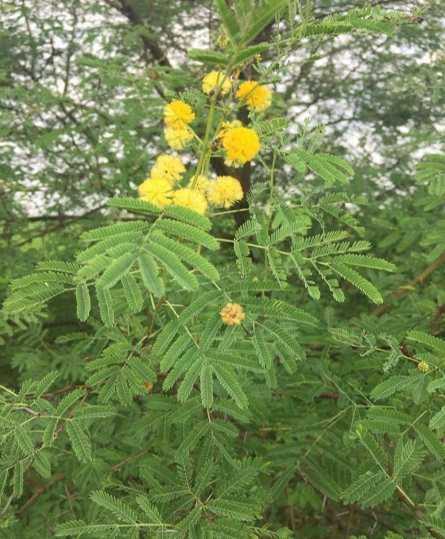
SCIENTIFIC CLASSIFICATION:
Kingdom: Plantae
Subkingdom: Tracheobionta
Super division: Spermatophyta
Division: Magnoliophyta
Class: Magnoliopsida
Subclass: Rosidae
Order: Fabales
Family: Fabaceae
Genus: Acacia
Species: Nilotica (3)
ORIGIN’S DISTRIBUTION:
Originating in the tropical and subtropical regions of Africa, the Middle East, and the Indian subcontinent, Acacia nilotica (L.) Wild is also known as prickly acacia in Australia. Due to its many uses as a nitrogen-fixing species, farmers greatly favor it, which results in its widespread distribution across a variety of fields. Raj A. (2014) Introduced to Queensland from India in the late 1890s for ornamental purposes, this plant is an important multipurpose species (Kaur K, 2005) (MP, 1989). It is a complex species with nine subspecies, three of which are indigenous to the Indian subcontinent and the other nine of which are native to the African tropics. According to Champion HG (1968), it thrives in Southern Tropical thorn forests and Southern Tropical dry deciduous forests.(3)
Known as prickly acacia in Australia, Acacia nilotica (L.) Willd. ex Del. (Mimosaceae) is indigenous to the tropics and subtropics of Africa, the Middle East, and the Indian subcontinent. Farmers greatly favor this multipurpose, nitrogen-fixing species, which is why it is so common in the field (Raj 2014). Introduced to Queensland from India in the late 1890s as an ornamental tree (Bolton 1989), it is a necessary multipurpose plant (Kaur et al., 2005). Nine subspecies make up this complex species, three of which are indigenous to the Indian subcontinent and six of which are native to the tropics of Africa. According to Champion C Seth (1968), it is a species of Southern Tropical dry deciduous forest and Southern Tropical thorn forest. (17)
INDIAN NAMES:
Bengali: Babla, Babul.
Gujrathi: Babaria, baval, Kaloabaval.
Hindi: Babul, Kikar.
Kannad: Gobbli, Karijali.
Malyalam: Karivelan, Karuvelum.
Marathi: Babhul, Vedibabul.
Orisa: Bambuda, Baubra.
Punjabi: Sak.
Tamil: Kaluvelamaram, Karuvelam.
Telgu: Nallatumma, Tuma. (4)
Botanical Distribution:
Growing throughout the world's tropical and subtropical belts, Acacia arabica has an exceptionally wide range of habitats. In addition to spreading into Arabia, Egypt, tropical Africa, and as far south as Natal, it grows widely throughout India, Sri Lanka, Baluchistan, and Waziristan. This species is unique because it can withstand some of the most extreme conditions, including drought and intense heat that can reach temperatures of up to 50°C. Its remarkable ecological flexibility and adaptability to a variety of climates are highlighted by the wide natural range it has established, which extends from the Indian subcontinent to Africa and the Middle East. (16)
One essential multifunctional plant is Acacia nilotica (L.) Del. syn. Acacia Arabica (Lam.) Willd. (Mimosaceae). Naturally occurring, Acacia nilotica is essential to traditional agropastoral and rural systems. It is a 5–20 m tall tree with a dense, spherical crown, stems and branches that are typically dark to black in colour, cracked bark, greyish slashes, and reddish, low-quality gum that exudes.
Young trees have axillary pairs of thin, straight, light, grey spines that are typically 3 to 12 pairs long and 5 to 7.5 cm (3 in) long; mature trees typically have no thorns. Bright golden- yellow flowers in globulous heads measuring 1.2 to 1.5 cm in diameter are arranged either whorly or axillarily on peduncles that are 2-3 cm long and found at the tips of the branches. Pods are thick, hairy, white-grey, and severely constricted. Shortly stalked, the pod is 3 or 4 inches long by ¾ wide, roughly constricted between the 2–6 seeds, flat aside from the seeds, smooth, and pale, with fainter transverse reticulating veins and a strong fibrous marginal rib. (18)
CHEMICAL CONSTITUENTS:
|
Phytochemical Class |
Constituents (Example) |
|
Tannins |
Gallic acid, Ellagic acid, Catechin, Epigallocatechin gallate |
|
Flavonoids |
Quercetin, Kaempferol, Luteolin |
|
Phenolic Compound |
Ferulic acid, Caffeic acid, Chlorogenic acid |
|
Saponins |
Triterpenoid saponins (A. nilotica saponins A C B) |
|
Alkaloids |
N-methyltryptamine, DMT (trace) |
|
Polysaccharides |
Arabinose, Galactose, Rhamnose- based gums |
|
Fatty acid C Oils |
Linoleic acid, Oleic acid, Palmitic acid, Stearic acid |
|
Proteins C Amino acids |
Arginine, Lysine, Glutamic acid |
|
Sterols C Triterpenes |
β-sitosterol, Lupeol |
|
Others (Minor Constituents) |
Carbohydrates, Reducing sugars, Minerals |
Bark:
The plant contains terpenoids, tannins, alkaloids, saponins, and glycosides, according to a phytochemical analysis of ethanol and petroleum ether extracts of A. nilotica's stem bark (Jame, 2018). Deshpande (2013) found that the ethanol extract contained carbohydrates and anthraquinone, whereas Okoro et al. (2014) found that the ethanolic extracts of A. nilotica contained tannins and sterols but no alkaloids, saponins, or glycosides.

Figure-2 Bark of Acacia Nilotica
Leaves:
The leaves of A. nilotica contain tannins, alkaloids, and sterols, according to phytochemical screening of ethanolic extracts; glycosides, saponins, resins, and flavonoids were not found (Okoro et al., 2014). Nonetheless, alkaloids, flavonoids, tannins, cardiac glycosides, and saponins were reported by Das et al. (2016).
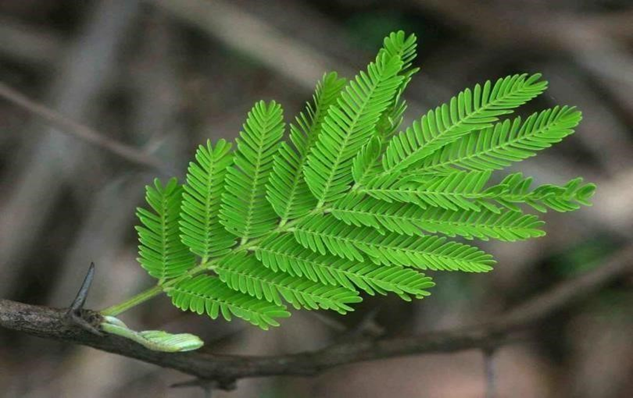
Figure 3: Leaves of Acacia Nilotica
Roots:
Okoro et al. (2014) demonstrated that the aqueous extract of A. nilotica roots contains tannins, saponins, flavonoids, terpenes, phenols, alkaloids, and anthraquinones, while the ethanolic extract contains sterols and tannins (Alli et al., 2014).
Pods:
Eltegani et al. (2017) tested the presence of alkaloids, flavonoids, saponins, tannin, cardiac glycoside, sterol, and carbohydrates in A. nilotica pods using a different solvent (Fig. 2). They made use of petroleum ether extracts, water, and ethanol. Alkaloids, flavonoids, tannins, saponins, and carbohydrates were found in both water and ethanol, and sterol was found in both extracts; however, no saponins or carbohydrates were found when petroleum ether was used. Furthermore, Oladosu et al. (2007) used an aqueous methanol extract to identify alkaloid, Saponins, tannins and carbohydrates.
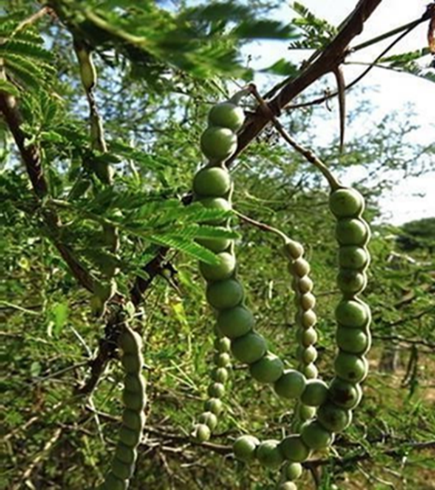
Fig 4: Pods Of Acacia Nilotica
Flowers:
Alkaloids, flavonoids, glycosides, tannins, terpenoids, saponins, and steroids were found in the flower (Fig. 3) extract of A. nilotica, according to the results of phytochemical screening (Bhat et al., 2023).(5)
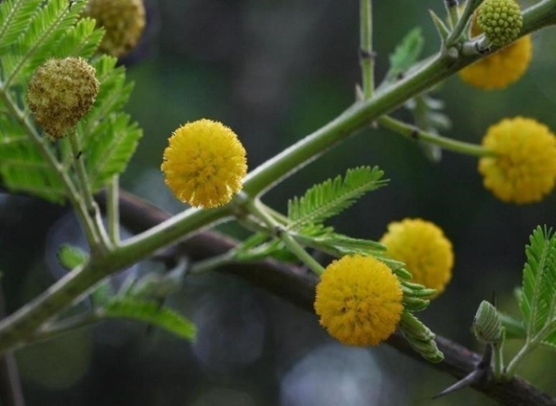
Figure 5: Flower Of Acacia Nilotica
Gum:
L-rhamnose, L-arabinose, galactose, and four aldobiouronic acids are found in gum. 6-o-(β- glucopyranosyluronic acid)-D-galactose; 6-o-(4-o-methyl-β-D-glucopyranosyluronic acid)- D-galactose; 4-o-(α-D-glucopyranosyluronic acid)-D-galactose; and 4-o-(4-o-methyl-α-D- glucopyranosyluronic acid)-D-galactose -D galactose. (6)
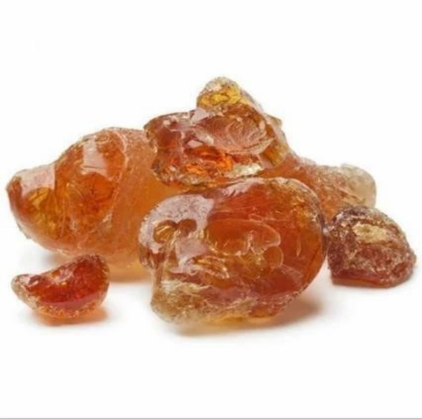
Figure 6: Gums Of Acacia Nilotica
Fruits:
Fruit: It has a high proportion of phenolic components, including leucocyanidin, m-digallic acid, gallic acid, its methyl and ethyl esters, protocatechuic and ellagic acids, m-digallic dimer 3,4,5,7-tetrahydroxy flavan-3-ol, oligomer 3,4,7-trihydroxy flavan 3,4-diol, 3,4,5,7- tetrahydroxy flavan-3-ol, and (-) epicatechol. Mucilage and saponins are also found in fruit. 36 32% of it is tannin. (6).
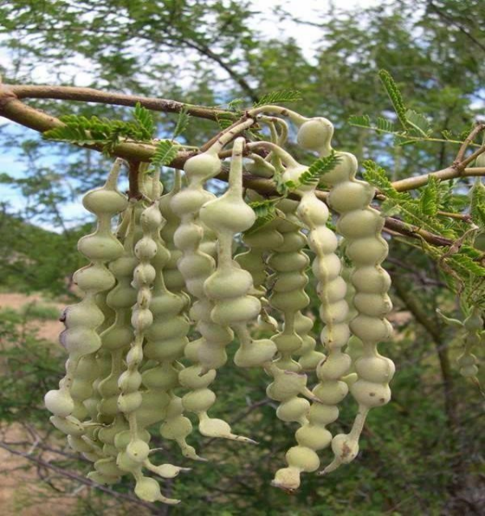
Figure 7: Fruits Of Acacia Nilotica
MEDICINAL USES AND PHARMACOLOGICAL EFFECTS:
Antioxidant Activity:
In the lipid peroxidation assay, water extract or fractions of A. nilotica (L.) have the ability to scavenge peroxyl radicals, and the results demonstrate the plant's antioxidant activity. Using maceration extraction, the plant extracts' bark powder with various solvents demonstrated scavenging activity (Del, 2009). According to a different study, A. nilotica is a readily available source of natural antioxidants that can be taken as a supplement to help treat conditions like diabetes, cancer, inflammation, and other conditions caused by free radicals (Amos et al., 1999). Additionally, hydroxyl groups found in phenolic compounds that can scavenge free radicals may be the cause of A. nilotica's high scavenging ability (Kalaivani and Mathew, 2010). (7)
Antidiabetic Activity:
Anti-diabetic effects have been verified by studies. In folk medicine, however, pods and tender leaves are thought to be highly helpful in the treatment of diabetes mellitus (Gilani et al., 1999). (7)
Analgesic C Antipyretic:
At 200 and 400 mg/kg body weight of the tested rats, Lukman A. et al. [9] demonstrated the antipyretic and analgesic properties of an aqueous extract of Acacia nilotica root. Majumdar et al. [38] looked into another very helpful application of Acacia nilotica and found that its ethanol leaf extract has catalytic activity, which is used in the synthesis of gold nanoparticles. (8)
Antimutagenic Activity:
According to Arora S. et al. [35], in tester strains of Salmonella typhimurium, acetone extract of the bark powder of Acacia nilotica demonstrated antimutagenic activity against direct- acting mutagens (4-nitro-o-phenylenediamine (NPD) and sodium azide (NaN3)) as well as indirect-acting mutagens (2-aminofluorene (2-AF)). (8)
Antibacterial Activity:
Bacillus subtilis, Escherichia coli, Pseudomonas fluorescens, Staphylococcus aureus, and Xanthomonas axonopodis pv. Malvacearum were all susceptible to the antibacterial activity of Acacia nilotica's methanol leaf and bark extracts. 38 Amin et al. (2013) investigated the antibacterial activity of methanol, acetone, and water extracts of various parts of Acacia nilotica (L.) Delile, Calotropis procera (Aiton) W.T. Aiton, Adhatoda vasica Nees, Fagoniaar abica L., and Casuarina equisetifolia L. against 34 clinical isolates and two reference strains of Helicobacteri. The agar dilution method was used to determine the extracts' minimum inhibitory concentrations (MICs), which were then compared to some common antibiotics used in the triple therapy for H. pylori eradication, such as amoxicillin, clarithromycin, tetracycline, and metronidazole. The anti-H. pylori activity of methanol and acetone extracts from Acacia nilotica and Calotropis procera was found to be less effective than that of amoxicillin and clarithromycin, but it was stronger than that of metronidazole and nearly equal to that of tetracycline. 41 According to Mohan Lal Saini et al. (2008), who looked at comparative antimicrobial studies of Acacia species, A. nilotica showed the highest activity against three bacterial strains: Salmonella typhi, Staphylococcus aureus, and Escherichia coli. 42 The antibacterial activity of seed extracts of A. nilotica, P. Juliflora and L. Leucocephala was determined in vitro using disc diffusion method against different bacterial strains viz. S. aureus, E. coli, P. aeruginosa, K. pneumonae S. typhi. Several extracts, including n-hexane, chloroform, acetone, alcohol, and water, were obtained by subjecting dried powder to a series of hot extraction processes. In contrast to standard Amikacin (30 mg/ml), the assay was conducted at a dose of 100 mg/ml. Acetone, alcohol, and water extracts of A. nilotica showed a maximum inhibition zone of 10 mm against E. coli, S. typhi, S. aureus, and P. aeruginosa, respectively. (9)
Anti-inflammatory Activity:
80% alcohol was used to extract the fresh Acacia arabica willd flowers, and the concentrated extract was then fractionated as usual. It was discovered that isoquercetin was present in the ethyl acetate fraction. UV, NMR, paper chromatographic, and chemical analyses were used to characterize the structure. According to studies on acute and long-term anti- inflammatory effects, the yellow pigment showed encouraging results. Additionally, it demonstrated a significant percentage of bacteriostatic protection against the gram- positive organism Bacillus subtilis. (9)
Antiulcer Activity:
Bansal and Goel (2012) investigated the effects of several extracts of young seedless pods— ethanolic, 50% hydroethanolic (50:50), 70% hydroethanolic (70:30), and aqueous—on pylorus ligation-induced gastric ulcers in rats. Various parameters like, volume of gastric acid secretion, pH, free acidity, total acidity, ulcer index , mucin content and antioxidant studies were determined and were compared between extract treated, standard and vehicle control following ulcer induction. The most potent extract was also tested for gastric ulcers brought on by NSAIDs and swimming stress. In ulcers caused by pyloric ligation, the results demonstrated strong antiulcer activity. Furthermore, the 70% hydroethanolic extract outperformed the 50% hydroethanolic extract in terms of protection. Additionally, 70% hydroethanolic extract demonstrated notable mucoprotection. (9)
Precautions s adverse drug reaction:
Gum arabic injections intravenously may harm the kidneys and liver, and the medication occasionally causes bloating, intestinal gas, more frequent bowel movements, and skin inflammation. Certain medications may change how they work or cause undesirable side effects when combined with herbs. Additionally, some of it causes obstruction. (15)
MATERIAL & METHODS:
Plant Collection & Exxtract Preparation:
For authentication, the stems of A. nilotica were transported to the Department of Botany, University of Swabi (UoS), Khyber Pakhtunkhwa (KP), Pakistan, after being gathered from Swabi in the province of Khyber Pakhtunkhwa (KPK). Specimens bearing voucher number (UOS/Bot-121) were added to the UoS herbarium. (10). The seeds of A. nilotica were extracted from mature, dried pods that were gathered from the
Kalli Pashchim area of the Lucknow district in Uttar Pradesh, India. Seeds from the CSIR- National Botanical Research Institute in Lucknow, Uttar Pradesh, India, were verified; a voucher specimen (LWG No.-102994) was obtained and placed in the herbarium. The seeds were first broken using a low-speed mixer grinder (Philips HL1641/D), and then the seed coat and cotyledon were manually separated. The endosperm portion was then extracted by sieving after the seed coat was ground at a medium speed.(11)
In December 2015, Acacia Catechu seed (ACS) was gathered from Hosur, Tamil Nadu, India, and verified by Green Chem Lab in Bengaluru, Karnataka, India. After being shade-dried, the seeds were ground into a fine powder. 2.5 kg of powdered ACS were extracted using 10 L of ethanolic solution at 65°C for one hour after this seed powder was run through a 100 mesh sieve. The extract was changed and gathered after one hour of extraction. Ten liters of ethanolic solution were used twice to extract the marc, an insoluble residue. 150 g of powder extract was produced by evaporating the extract at 65°C in a Buchi rotary evaporator (Switzerland). The prepared extract had a 6% w/w yield. (14)

Isolation and purification of endospermic gum:
Alcohol precipitation method23 was used to separate the gum from the seed endosperm. For twenty-four hours at room temperature, seed endosperm was immersed in distilled water at a 1:10 ratio. An overhead stirrer (VELP Scientific DLS) was used to agitate the mixture for one hour. After centrifuging, the homogenized mixture was gathered in a beaker. The precipitated solution was left overnight at room temperature after the absolute ethanol was gradually added to the beaker while being continuously stirred with a glass rod. The liquid was then decanted. The precipitate was dried in a Lyophilizer (Labconco-FreeZone Plus 4.5) to produce purified gum.
Scanning Electron Microscopy-Energy Dispersive Spectroscopy (SEM-EDS):
Using SEM-EDS (JEOL: JSM 6490 LV), solated gum was examined for surface topography compositional data. 2.5% glutaraldehyde was used to fix the gum sample, followed by 0.1 M phosphate buffer washing and 1% osmium tetroxide fixing. Acetone was used to dehydrate the sample in increments of 30, 50, 70, 90, 95, and 100%. The sample was then dried using a critical point dryer. Carbon tape was used to mount the dried sample on aluminum stubs, and a sputter coater was used to make it conductive before it was examined.
X-ray diffraction (XRD) analysis:
X-ray diffraction (Bruker: D8 Advance Eco) was used to characterize the gum that was separated from the seed endosperm in order to gather data regarding crystallinity. The gum sample was ground into a powder, put in the sample holder in the middle in an adequate quantity, and then spread thinly with a glass rod. After being dried in a desiccator, the sample was moved into a sample holder and examined. Optics and Split were the detector systems. DIFFRAC (TOPAS) and DIFFRAC (EVA) software were used to analyze the diffractograms. The ICDD PDF-4 Axiom 2020 database was utilized.(11)
Test for acute toxicity:
Mice (20–25g) were split into distinct groups of six animals each, and given varying doses of the methanolic extract of A. nilotica (500, 1,000, 1,500 mg/kg) intraperitoneally (i.p.). For seven days following the extract's administration, the animals were monitored for any signs of acute toxicity, such as behavioural abnormalities. Blood was drawn from the retero- orbital plexus seven days later. For biochemical analysis, the serum was separated. (21)
Physiochemical Study: (11)
Moisture content:
One gram of the powdered sample was precisely weighed, put in a glass petridish, and evenly distributed. After that, the petridish was placed in an oven set to 105°C for one hour. The sample was then left to cool in the desiccator, and the moisture content was determined by recording the sample's weight.
% Moisture content = Initial weight – Final weight ×100
Initial weight
Hygroscopicity:
Hygroscopicity was determined using the following formula after 1 g of the powdered sample was stored for a week in a sealed humidity desiccator that was filled with saturated sodium chloride solution.
Hygroscopicity = Final weight − Initial weight ×100
Initial weight
Water Holding capacity:
Endospermic gum was submerged in water for 24 hours to measure its water-holding capacity. The water-holding capacity was demonstrated by the percentage weight differences between the dry and wet samples.
pH:
After calibrating the pH meter (Horiba Scientific: LAQUA PH1200) using buffer solutions of pH-4, pH-7, and pH-10, the pH of a 1% solution was measured at room temperature.
Specific gravity:
Using a pycnometer (25 mL) at 25°C, the specific gravity of a 1% solution in relation to distilled water was measured.
Specific gravity = Density of solution
Density of water
Swelling Index:
After adding 1 g of the sample to a 25 mL stoppered measuring cylinder, the starting height was noted. 25 mL of distilled water was then added, and the mixture was shaken for one hour at 10-minute intervals. For twenty-four hours, the measuring cylinder was left at room temperature. determined the swelling index by measuring the sample volume.
Foaming Index:
1 g of seed endosperm and isolated gum were added to 100 mL of distilled water to create a 1% sample solution, which was then boiled for 30 minutes and allowed to cool to room temperature. The decoction (1–10 mL) was then poured into each of the ten glass test tubes that had been arranged in series. To measure the foam height, each test tube was shaken and left to stand for fifteen minutes.
Angle of Repose:
The lifted funnel was used to pass a 1 g powder sample. The powder pile's height and diameter were measured. Diameter was used to calculate radius. The angle of repose was determined using height and radius.
Angle of repose = tan-1 (Height of powder pile)
(Radius of powder pile)
Bulk Density & Tapped Density:
A graduated measuring cylinder with a 10 mL capacity was filled with a 1 g powder sample, and the initial volume occupied by the powder was noted. After 100 taps on the cylinder, the final volume occupied by the powder was measured. Calculations were made for bulk density and tapped density.
Bulk density = Weight of powder
Initial volume of powder
Tapped density = Weight of powder
Tapped volume of powder
True Density:
Using xylene as the immersion fluid and the liquid displacement method, the true densities of the endosperm and gum powders were calculated as follows
True density = w × Specific gravity
[(a+w) – b]
Porosity:
Using the following formula, porosity was calculated from the true and tapped densities of powder samples.
Porosity = 1 –( Tapped density )× 100
(True density)
Carr’s Index & Housner’s Ratio:
Bulk and tapped densities were used to calculate the Carr index and Hausner's ratio, which showed the behavior of powder samples' compressibility and flow ability.
Carr index = Tapped density − Bulk density ×100
Tapped density
Hausner′s ratio = Bulk density
Tapped density
Preparation of reagents and extracts used for bioassay:
Mechanism Anti-inflammatory action:
The following method was used to prepare the plant extract used to measure its anti- inflammatory activity:
Animal Model:
In this study, Swiss albino mice weighing an average of 20 g were employed. These animals were kept in the Animal House's experimental room at Kenyatta University's Department of Biochemistry and Biotechnology. To acclimate the animals, the room was maintained at a controlled temperature of 25 ± 2°C, 55% humidity, and a 12-hour light-to-12-hour darkness photoperiod. The mice were housed in a cage and given unlimited access to water and standard lab food. (12)
Determination of anti-inflammatory activity:
A formalin-induced inflammation test, as outlined by Hosseinzadeh and Younesi, was used to ascertain the extract's anti-inflammatory impact in mice. Each mouse's left hind paw received an intraperitoneal injection of 0.05 ml of 2.5% formalin to cause inflammation. Using venier calipers, hourly variations in paw sizes and the decrease in edema surrounding the paw were measured. (12) With the aid of irritants, rats can easily develop an inflammatory response in the form of paw edoema. When injected into the dorsum of a rat's foot, substances like carrageenan, formalin, bradykinin, histamine, 5-hydroxytryptamine, mustard, or egg whites cause acute paw edoema within a few minutes. The most widely used model in experimental pharmacology is paw edoema caused by carrageenan. Therefore, the same was chosen to test EEAN and AEAN's anti-inflammatory effects in rats. (19).
DISCUSSION -
The late phase of formalin-induced pain was significantly reduced by the aqueous bark extract of A. Nilotica in this study, albeit not in a dose-dependent way. When compared to the control, the reference medication, diclofenac, did significantly reduce chronic pain. Paw licking time was significantly reduced by the plant extract at a dose of 50 mg/kg body weight when compared to the baseline and control.
By reducing paw edema, mice treated with A. Nilotica leaf extracts demonstrated some anti-inflammatory activity against formalin-induced edema.0 As compared to the other dose levels and the reference medication, the mice treated with the plant extract at a dose of 100 mg/kg body weight demonstrated a greater inhibition of inflammation in the first hour, as evidenced by a reduction in paw diameter to 81.73%. When compared to the control, the aqueous bark extract of A. Nilotica exhibited an anti-inflammatory effect, albeit one that was not dose dependent.
All mice given A. Nilotica leaf extracts at doses of 50, 100, and 150 mg/kg body weight showed a decrease in inflammation to 83.88%, 76.46%, and 80.07%, respectively, in the second hour. The extract was more comparable to the reference medication, diclofenac, and the control at a dose level of 100 mg/kg body weight, despite the fact that the anti- inflammatory efficacy was not dose dependent.
The plant extract exhibited dose- dependent anti-inflammatory activity in the third hour. At doses of 50 mg/kg and 100 mg/kg body weight, the anti-inflammatory qualities of A. N ilotica aqueous leaf extracts were equivalent to those of the reference medication. The mice given 150 mg/kg of the herbal extract showed the strongest anti-inflammatory effect at this hour, reaching 69.15%. (12).
TESTS FOR IDENTIFICATION (4)
|
Sr No. |
Test |
Observation |
Inference |
|
1 |
Ferric chloride test for phenolic compounds &tannins |
Take 50mg of the extract is dissolved in 5ml of distilled water. A few drops of a neutral 5%ferric chloride solution are added to this. |
Phenolic compounds are indicted by a dark green colour |
|
2 |
Mayer’s test:- |
Add 2 drops of Mayer’s sided reagent to test tubes after taking a few Mili lliters of plant sample extract |
Alkaloids are present when a white, creamy precipitate appers. |
|
3 |
Wagner’s Test:- |
A small amount of plant extract is mixed with a few drops of wager’s reagent along the test tubes sides |
A reddish-brown precipitate |
|
4 |
Dragendroff’s Test:- |
Take 2 mg of ethanolic extract of dragendroff’s reagent. After adding 5 ml of disitilled water 2ml of Hcl was added until acid reaction took place.dragendroff reagent 1ml was added to this |
Alkaloids are pesant when an orange or orange red ppt forms. |
|
5 |
Glyocoside Test: - (Borntrager’s Test): - |
After adding 3ml of chloroform & shaking 2ml of filtered hydrolyte, the chloroform layer is separated and 10%ammonia solution is added. |
Glycosides are indicated by a pink colour. |
|
6 |
Flavonoids Test: - |
Take 5ml of each extract was mixed with 3ml of 1% aluminium chloride solution |
There was a yellow tint that suggested flavonoids were present |
|
7 |
Terpenoids Test (Salkowski Test): - |
Take 2 ml of chloroform was combined with 5ml of each extract and 3ml of concentrated H2SO4 was gradually added to create a layer. |
The interface developed a reddish brown colour, indicating the presence of Terepenoids |
|
8 |
Saponin Test:- |
Distilled water is added to the extract (50mg) to make 20ml.For 15 minutes, the suspension is shaken inside a graduated cylinder. |
Saponin is present when there is a 2cm layer of foam |
FUTURE PROSPECTS:
There is an urgent need to separate and identify new compounds from various parts of the tree that may have cytotoxic and antimutagenic properties, based on the various studies conducted on various parts of A. nilotica. The ability of naturally occurring polyphenolic compounds to spread and offer protection against specific mutagens and carcinogens is therefore crucial. The potential interaction of the A. nilotica extract with serotonin (5-HT) receptors, which are linked to hypertension, was also investigated. It also includes other serotonin-blocking substances that could be investigated further for a more thorough interaction with different serotonin receptor subtypes (Gilani et al., 1999). The presence of phenolic compounds in A. nilotica contributes to its high scavenging activity. To determine the specific elements that make up an antioxidant system and develop their use in the food and pharmaceutical industries, more research is necessary (Kalaivani and Mathew, 2010a). By eliminating oxidative species that cause carcinogenesis by oxidative damaging deoxyribonucleic acid (DNA), umbelliferon, a strong antioxidant that was isolated from the A. nilotica plant and food, is linked to the prevention of cancer and aging. Certain diseases can be avoided by adding antioxidants to functional foods, which prevent the production of free radicals. Investigating the antioxidant activity of the functional components found in the extract from A. nilotica is crucial because the majority of antimu-tagenic compounds work by scavenging free radicals (Singh et al., 2009b).However, there is a dearth of literature regarding gallotannins’ effectiveness as antiplasmodial agents, necessitating further research (Jigam et al., 2010). Given the plant’s potential applications, it is strongly advised to cultivate it widely in order to maximize production for the benefit of humankind.
Acacia nilotica's therapeutic potential points to a number of exciting avenues for future study. Its anti-inflammatory, antioxidant, antimutagenic, and antimicrobial properties should be isolated and identified by future research. Clarifying mechanisms of action can be aided by sophisticated analytical methods and molecular research, particularly when it comes to interactions with pathways like oxidative stress mediators and serotonin receptors. The plant's gallotannins and polyphenols, which are still poorly understood, must also be assessed for their cytoprotective, antiplasmodial, and anticancer properties. Its development into pharmaceutical or herbal formulations with clinical approval will be aided by standardizing extraction techniques and creating safe, efficient dosages. A nilotica to nutraceuticals and functional foods may improve preventative healthcare practices.
CONCLUSION:
Because of its rich phytochemical composition, which includes tannins, flavonoids, phenols, alkaloids, and saponins, Acacia nilotica has substantial medicinal value, according to the results of experiments and the reviewed literature. Numerous pharmacological activities, including antioxidant, antimicrobial, antidiabetic, analgesic, antimutagenic, and especially anti-inflammatory effects, are facilitated by these compounds. The aqueous bark and leaf extracts of A. nilotica effectively reduce inflammation, with responses comparable to the standard drug diclofenac at certain doses, as demonstrated by the formalin-induced paw edema model. The overall findings support the plant's traditional use in treating inflammatory conditions, even though the activity was not always dose dependent. To identify particular active ingredients, investigate their mechanisms, and create standardized formulations, more research is required.Thus, Acacia nilotica has great potential as a safe, natural, and easily accessible source for the development of anti-inflammatory medications in the future.
REFERENCES

A. R. Thanage, Kate Sarthak, Kedar Ajinkya, Khade Sayli*, Hodgar Vrushabh, Anti-Inflammatory Activity of Acacia Nilotica Seeds, Int. J. of Pharm. Sci., 2025, Vol 3, Issue 12, 54-68 https://doi.org/10.5281/zenodo.17775785
 10.5281/zenodo.17775785