
Vidyaniketan College of Pharmacy, Anjangaon Surji, Amravati, Maharashtra 444705
Artificial intelligence based Machine Learning (ML) models are developed in recent times and it’s used majorly in various fields like medicines, bioengineering or biotechnology, microbiology, molecular structure modeling, etc. Nowadays, AI is found more productive and transformative in the various health sectors, majorly the pharma sector. Traditionally the processes, cost, complex analysis and various factors lead to the difficulties in the studies as well as the researches, this leads to alteration in the accuracy and low realistic results. There are various Machine learning algorithms such as ANN (Artificial neural network), RF (Random Forest), CNN (Convolutional neural network), and SVM (Support vector machine), which are incorporated to smoothen and shorten the processes of studies and the research as well. This article aims to reveal the collaborative processing of Pharmacognostic studies and research together with the AI based Machine Learning models along with the recent case studies and the challenges associated with the adoption of AI in Pharmacognosy and Phytomedicine.
Pharmacognosy is the branch of science that deals with the scientific and systematic study of structural, physical, chemical, and biological characters of crude drugs along with their history, method of cultivation, collection and preparation for the market. Whereas, phytomedicine or phytopharmaceutical drug is defined as a purified and standardized fraction from a medicinal plant extract containing a qualitatively and quantitatively identified bioactive or phytochemical compound. and powerful therapeutic effects, making them an underlying component of drug discovery, which leads to a long time and deep efforts to get it completed so there was a need of someone who can play a vital role in the shorten or reduce the time as well as the undergoing efforts. Drug discovery undergoes several methods and processes which are known for their costly, time-consuming, and unsuccessful procedure. A new drug’s development or discovery can take a long time, around over ten years and costs over 2.6 billion US dollars on average for an entire process. By looking towards the consumer’s demand for information on food and nutrients rises, the growth of the nutrition industry, driven by consumer choices. AI has the potential to expand the range of characterized and interpret FFIs (Functional food ingredients) by systematic discovery and characterizing effects of bioactive ingredients [1]. The application of artificial intelligence involves its expertise in processing large-scale datasets and reconstructing the complex biological processes, and offers the potential to greatly enhance the speed of optimizing, identifying, and redirecting natural compounds for use in clinical emplacement (fig.1). Machine learning (ML) and deep learning (DL) are the AI-based tools, which have been embedded in the modeling of molecular interactions, identification of novel therapeutic targets, and prediction of compound activity, therefore help in reducing the time and cost of the drug discovery and its accessibility. There are commonly used public resources which allows the assembling and benchmarking of these datasets span chemical structures and its bioactivity (i.e, PubChem, ChEMBL, DrugBank), there are few libraries based on natural product structure such as COCONUT, Natural Products Atlas are being used; genome mining and biosynthetic gene clusters (MIBiG, IMG-ABC), metabolomics and spectral repositories (GNPS, MassBank, MoNA, HMDB) are also found helpful [2].
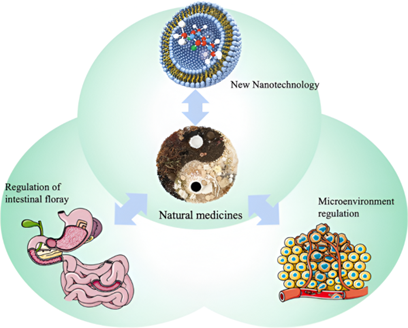
FIG.1 AI IN PHARMACOGNOSY AND PHYTOMEDICINE [3].
INTRODUCTION TO AI TECHNOLOGIES FOR PRODUCT RESEARCH
There is a long and successful history of drug discovery with the use of natural products, as they are used for many foods and drug administration (FDA)-approved drugs which are based on plants, microbes, or marine sources of organisms. With the involvement of the powerful technological tools, we can identify new compounds along with their therapeutic activities more rapidly with high efficiencies that can help to resolve the global public health issues. Artificial intelligence is a powerful and potential tool in the research and exploration of natural products. The study with AI will help to explore the applications regarding research and development of natural products beyond the imagination. Analysis of large datasets can be automated with AI algorithms to faster and more accurately identify the potential for new natural products than that of traditional methods. Another important application of AI is the analysis of high-throughput screening data, a technique used to screen large numbers of compounds for specific biological activities. High-throughput screening (HTS) is appropriate for the screening procedure of many thousands of compounds against a molecular target or cellular assay exceptionally fast, more improved. This procedure of screening is generally time-consuming, exhausting, and expensive. AI has the potential to make predictions based on the patterns and knowledge and by utilizing these predictions [4]; AI accelerates Lead optimization process which involves refining the chemical structure of a compound to enhance its efficacy, safety, and pharmacokinetic activities by identifying structure-activity relationships (SARs) and suggesting modifications to improve drug properties. Machine learning (ML) models analyze datasets to pinpoint the molecular features for the desired biological activities, the integration of data from omics studies, cheminformatics, and bioinformatics, AI models can predict how natural products will interact with multiple targets i.e help in multi-target drug discovery. AI models have the ability to predict novel bioactivities of natural products by analyzing their chemical structures and known pharmacological information. These predictions can uncover the unexpected therapeutic applications for existing compounds and expand their utility [5].
AI BASED PLANT’S IDENTIFICATION AND AUTHENTICATION
There were a number of problems faced during the manual identification of plants, such as contradictions while practicing tradition, limitations in the taxonomic expertise, and human insight or basic discrimination. The AI techniques followed with the advancement working as a bridge for the identification of plants by filling a gap between traditional taxonomic practices and modern computational achievements, ultimately resulting in more accurate and efficient methods that support scalability methods for identification of plant species. The complicated challenges in any sector can find their best solution under the influence of AI techniques. AI helping researchers while working on the various methodologies to get more perception into the identification of image data [6]. Herbal medicines grew its roots very deep in the traditional systems including Ayurveda, Traditional Chinese Medicine, and Persian medicine. These systems are widely and historically used for scientific validation. Biologically active components such as curcumin (Curcuma longa), eugenol (Eugenia caryophyllata) and menthol (Mentha piperita) having their potential to work as an anti-inflammatory, antioxidant, or immunomodulatory which makes them an ideal for clinical research. Compound identification, optimization of formulations, and permitting personalized medicine getting accelerated for their transformative development of drug substances with AI, but their applications to herbal therapies for the treatment of diseases is still underexplored [7]. There are various positions in pharmacognostic studies where there is a deep analysis is needed and one of them is the adulteration, there are various types of adulterations such as: substitution with inferior commercial varieties, adulteration using artificially manufactured substances, direct or intentional adulteration and there are various analytical techniques developed to overcome or detect these adulterations such as microscopy, macroscopy, chromatographic techniques (liquid chromatography, gas chromatography) and spectroscopic techniques (nuclear magnetic resonance spectroscopy, UV-vis and spectrophotometry). The AI-based detection or identification and authentication carried out with the steps as follows [8]:
Natural product drug discovery and optimization with AI:
Analytical techniques are margins to explore the hidden aspects or elements of a sample including its molecular structure, molecular mass, isotropic characteristics, absorbance, and frequency modes of molecules like samples using analytical techniques have several margins during exploration. The extracted data gathered from analytical techniques undergoes manual and computational interpretation for establishing chemical fingerprint of a phytochemical or phytocompositions. The simulated data for the preprocessing of Raman spectra utilized by convolutional neural network (CNN) with a removal of cosmic ray, baseline subtraction, and signal smoothing. Machine learning proved more effective in integrating analytical technologies by involving complex operations for analyses, and supply prediction tools based on automation. Machine learning algorithms like CNN (Convolutional neural network), ANN (Artificial neural network), SVM (Support vector machine), and RF (Random forest) were found to be prosperous in assisting the spectroscopic and chromatographic techniques to process the spectral data and for structural elucidation [9]. Traditional bioassay-directed isolation methods are both economically and logistically costly, and they were unable to meet the growing need for new therapeutics. Also, numerous phytochemicals are present in minute quantities in plant cores, making them difficult to isolate and structure-elucidate. Recent development results in the standardization of traditional screening approaches. Recent methods of extraction include: ultrasound-assisted extraction or sonication, microwave-assisted extraction, and supercritical fluid extraction, where modern methods are improved to enhance yields and stability of the compounds [10]. Data Collection and Preprocessing Predictive modeling and drug discovery data were collected from different publicly available omics and clinical datasets followed to preprocess multi-omics data for integration. Where missing data were filled using imputation methods, and data normalization to achieve uniformity across the different datasets. Predictive Machine learning models such as random forests, and support vector machines (SVMs) were used for the predictions of drug-drug interactions and ADMET (Absorption, Distribution or dissolution, Metabolism, Excretion, and Toxicity) properties. According to guidelines, these models were optimized using hyperparameter tuning for better accuracy. For the molecular representation and structural prediction, the deep learning model was used by collaborating with the convolutional neural networks (CNNs) and recurrent neural networks (RNNs) [11].
OMICS IN PHYTOCHEMISTRY WITH AI
“Omics” technologies associated with plant defense research, each of them have unique characteristics that underlying plant responses through molecular mechanisms relating pathogens and environmental exaggerated conditions factors. The various types of omics in phytochemistry or phytomedicine are as follows [12]:
It has become a potential tool for the separation of genetic foundations of plant defense system. This review explores the current and future applications by relating with both biotic and abiotic stress responses in plants that help to reduce the time and expenses over the genome sequencing and overcomes the limitations in bioinformatics. The revolutionary CRISPR-Cas9 technology originated from the bacteria to use it as a defense mechanism against pathogens like viruses, bacteria and transformed genome editing to provide better opportunities for crop engineering.
It’s a study of an organism’s complete set of RNA transcripts present within specific cells or tissues i.e., transcriptome, it has potential uses for the analysis of gene expression in responses with the various stimuli. These analyses of gene expression changes are essential during the growth and stress response and functional studies. The comparative analysis helps in the exploration of distinct gene expression within crop species undergoing stressful conditions; it helps in the identification of shared genes and shows intricate cross-talk pathways in plants.
Proteomics is the study of proteins, which plays a vital role in understanding how plants respond to both biotic and abiotic stresses. There are four main aspects of proteomics i.e sequence, structural, functional, and expression proteomics which allow a complete or extensive view of the complex interactions within plant cells. Its integration with phosphoproteomics helps to explore the diverse function in response to stressors, and allows the identification of both resistant and susceptible crop cultivars against the pathogenic challenges.
Metabolomics is a study of metabolites which are formed during the metabolic processes in organisms. It does readily understand the plant metabolome under stress conditions. This allows the next-generation sequencing, where it provides molecular responses in crops, for a broader understanding of biochemical processes for influencing the genes abilities. Various metabolomics techniques, such as LC/ GC-MS, GC/EI-TOF-MS, HPLC, and NMR, are being employed in crop study. Plant metabolite is a diverse group of more than one million metabolites with biologically active properties for plant’s growth and development [9].
It is the systematic study of acquiring and analyzing multi-dimensional traits in various growth stages of crops. This process depends on a three step approach i.e trait identification, data conversion into quantifiable measurements, and computational methodologies for analysis. Phenotyping platforms are essential in the initial phases, while machine learning (ML) algorithms play a vital role in subsequent stages. ML is highly preferred over traditional methods in plantomics data analysis as it can handle large, complex datasets. These sequencing techniques help biologists to explore complicated associations and decode the complex stress responses in plants.
CASE STUDIES ON AI IN PHARMACOGNOSY AND PHYTOMEDICINE
AI-based image recognition systems utilize convolutional neural networks to analyze images of plant’s fruits, leaves, flowers and the plant itself. These systems are trained on large datasets of labeled images, enabling them to learn the differentiating characteristics of various plant species. For instance, these studies have demonstrated that CNNs can achieve high accuracy in the classification of plant species based on leaf morphology, where some models report accuracy rates exceeding 90%. The ability to quickly process and analyze visual data makes. For this purpose, there is training of models on images, improved at multilevel processes. The processes are as follows [13]:
1. Images are taken in different conditions, with different angles, in lighting conditions and backgrounds to be robust and trained for all possible cases.
2. Then all images preprocessed for computer models. This includes resizing of images to a standard, common size, and normalizing the pixel intensity to increase the rate of understanding.
3. The processed data is divided into three main sets as a training set (on which the model will be trained), a validation set (with which the models and optimized hyperparameters will be evaluated), and a test set (which is essential for unseen data for final evaluation).
4. Now the images are set as inputs to the computer vision model, e.g. CNN. At this stage, the model will gather the information of shape, texture, color, and structural features of leaves and flowers from the images.
5. The data then reaches the several layers of the neural network, where it will be analyzed and transformed into a linear feature that could be classified.
6. After this stage, the model makes a final decision on whether an object belongs to a particular class to get classified.
b. The identification of medicinal plants with similar leaves by comparing to the models developed by previous studies can be more effective with the implementation of a DL models based on CNN. This model was trained over 800 images of different medicinal plants with an accuracy of 85%. The plant classification was performed on the basis of conventional learning methods by their texture, shape and color features using LBP (Local Binary Pattern) and Haralick algorithms, and then classified by Linear Discriminant Analysis (LDA), Logistic Regression (LR), Classification and Regression Tree (CART), and Random Forest (RF). The performance was 82.38% obtained from RF algorithm, the accuracy was 97.2%. Munner and Fati recognized Malaysuan herbs using an automated classification system such as the shape and texture are classified using a DL model. There was a suggestion for CNN model to be focused on the color images of leaves. The metrics including accuracy, precision and sensitivity of 97.6, 93.4 and 95.2%, respectively. They employ the DA techniques to increase the dataset images, achieving a 94.7% accuracy rate in plant identification [14].
CHALLENGES IN THE ADOPTION OF AI IN PHARMACOGNOSY AND PHYTOMEDICINE
AI needs a large volume of data for training purposes, there are many cases, where the accessibility of data is limited, or the data may be below the desired quality leading to the alteration of accuracy and reliability. Ethical considerations have gone challenging since AI-based approaches may raise concerns about fairness and bias. For example, if the data used to train an ML algorithm is unrealistic or inconsistent then it may result in inaccurate or unfair predictions [15]. One of the greatest obstacles in AI-driven research within traditional medicine is its scarcity of data. The standardization of the terminologies is essential for the accumulation of the data. Compared to conventional medicine, the standardization of terms in traditional drugs is lagging. Interpretability and transparency of AI driven models raise problems regarding the reliability and reproducibility. Ethical considerations such as privacy protection and informed consent must be addressed when there is an analysis of sensitive healthcare data [16]. There are many herbal compounds that lack comprehensive experimental data on their pharmacological properties and safety profiles therefore the Standardization of data across the diverse herbal formulations is challenging, which affect the development of robust predictive mode. AI was groundbreaking in the field of Pharmacognosy but there must be a more precise quality of data for the interpretation and processing [17]. There are various situations where the AI found to be challenging for its adoption i.e Toxicity and safety considerations, Difficulty in assessing biological activity, Overexploitation and Unsustainable approaches, Inadequate quality assurance measures, High cost and technical expertise, lack of uniform guidelines and interaction with the modern medicines [18].
FUTURE DIRECTIONS
Artificial intelligence has its deep roots in the modern pharmacognostic studies as well as the research purposes, there are many AI and ML or machine learning models involved such as convolutional neural network (ResNet-50, Xception, VGG16), support vector machine, probabilistic neural network, random forest, Partial Least Square-Discriminant Analysis (PLS-DA), Deep Learning (DL) Encoders (Autoencoders), Qualitative Structure-Activity Relationship (QSAR) Models, Deep Neural Network (DNN), etc. For example, recently, Deep Mind has made its significant contributions to the field of AI research with the development of AlphaFold, a revolutionary software platform that helps in advancing our understanding of biology. It’s a powerful algorithm that uses protein sequence data and AI to predict the protein’s three-dimensional structures. The use of AI in the discovery of drugs has helped to combat COVID-19 pandemic which has been a promising area of research during the last few years. ML algorithms have been used to analyze large datasets of potential compounds and to identify those with the most potential for treating the virus .The powerful algorithms and machine learning model’s collaboration can help to improve the accuracy and efficiency of clinical trials, as AI algorithms can analyze the large datasets collected during the trials to identify trends and the potential adverse effects of the drugs being tested [15]. AI found its involvement in various fields of Pharmacognosy such as, natural product and herbal medicine standardization, phytochemical analysis, botanical authentication, Ethnopharmacology data mining, standardization and quality control. AI speeds up the identification with virtual screening, toxicity prediction, resulting revolution in the drug discovery [19].
CONCLUSION
As discussed in the above article it is revealed that AI found helpful in the enhancement of the productivity of work with the increase in the prediction’s positive results obtained from the recognition techniques based on ML algorithms. There is a term ‘omics’ refers to the plant’s defense or responses to the foreign particles or substances i.e the pathogens for the protection of adoption purposes and for studying these responses in plants for the manufacturing or preparation of the medicinal substances from plant compounds for the mitigation, prevention or treatment of the disease state in human being. There are different ‘omics ‘i.e Genomics, Transcriptomics, Proteomics, Metabolomics, and Phenomics which required a well-trained and professional individuals along with the costly equipment’s and long-going processes to get involve into the studies and research projects but due to the integration of AI and ML into these procedures made them simpler and economical which conclude that the future of Pharmacognosy and phytomedicine together with AI and ML technologies will make strong and deep roots towards the successful, brilliant results and predictions like COVID-19 vaccine manufacturing which can make evidence for the pharma working together with artificial intelligence.
REFERENCES




Rupeshri Netkar, Gaurav Kirdak, Shreyash Mahore, Chetan Sawarkar, Applications of Artificial Intelligence in Plants Based Pharmacognosy and Phytomedicine Studies, Int. J. of Pharm. Sci., 2026, Vol 4, Issue 3, 4134-4143. https://doi.org/10.5281/zenodo.19354600
 10.5281/zenodo.19354600
