

We use cookies to ensure our website works properly and to personalise your experience. Cookies policy
1Associate Professor, Affiliated to Acharya Nagarjuna University, Guntur, India
²Sims College of Pharmacy, Guntur, Andhra Pradesh, India
³Principal, Sims College of Pharmacy, Guntur, Andhra Pradesh, India
Artificial intelligence (AI) has become a transformative force in pharmaceutical sciences, reshaping the paradigms of drug discovery and clinical development. Conventional research approaches are often time-consuming, expensive, and inefficient, yielding success rates below 10%. The integration of advanced computational techniques such as machine learning (ML), deep learning (DL), and computational biology has markedly enhanced accuracy and productivity in key phases, including target identification, molecular docking, lead optimization, and drug repurposing.This review consolidates and evaluates emerging progress in AI-driven molecular modeling, predictive analytics, and explainable AI frameworks that collectively accelerate the drug discovery pipeline. It further discusses real-world applications from leading innovators like DeepMind, Insilico Medicine, and BenevolentAI, demonstrating how AI-powered solutions are revolutionizing pharmaceutical research. Additionally, the paper examines the growing role of AI in clinical trial management, enabling improved patient stratification, optimized study design, and adaptive methodologies, particularly evident in investigations concerning inflammatory bowel disease (IBD).Finally, the review addresses enduring limitations such as data inconsistency, model interpretability, and ethical challenges associated with AI adoption. It also envisions future directions, highlighting the potential integration of quantum AI, hybrid intelligence systems, and multi-omics approaches for advancing precision, transparency, and innovation across modern drug development.
Drug discovery traditionally involves an extensive sequence of experiments, taking over a decades and costs billions of dollars to develop a single drug. Despite technological advances, attrition rates remain high, with less than 10% of compounds reaching market approval. The complexity of biological systems, the unpredictability of clinical efficacy, and the limitations of in vitro and in vivo models contribute to this inefficiency(1,2). Artificial intelligence has emerged as a solution by integrating computational biology and data-driven modeling to enhance decision-making in drug discovery. AI applications range from target identification and molecular structure prediction to lead optimization and drug repurposing, offering unprecedented speed and accuracy(3).
AI IN TARGET IDENTIFICATION AND VALIDATION
AI facilitates target identification through the analysis of large-scale multi-omics data including fields such as genomics, proteomics, and transcriptomics.. Machine learning models uncover novel druggable targets by recognizing complex biological relationships that traditional methods overlook. DeepMind’s AlphaFold has set a benchmark by predicting protein structures with high accuracy, revolutionizing structure-based drug design (SBDD)(4). Similarly, Insilico Medicine employed generative AI to identify fibrosis drugs that reached clinical trials in record time. Convolutional neural networks (CNNs) and Graph neural networks (GNNs) further aid in mapping molecular interactions and structural predictions (5)
AI IN MOLECULAR DESIGN AND VIRTUAL SCREENING
Virtual screening and molecular docking are crucial for identifying bioactive compounds. AI-based models optimize docking simulations and predict ligand–protein interactions more efficiently than classical computational met hods(6) .Generative adversarial networks (GANs) and reinforcement learning (RL) are now central to de novo drug design, enabling the creation of novel molecules with specific pharmacological profiles. Deep neural networks (DNNs) accelerate reaction prediction, retrosynthesis, and ADMET profiling, reducing time and cost while improving molecular efficacy(7) .
AI IN LEAD OPTIMIZATION AND DRUG REPURPOSING
AI supports lead optimization by predicting chemical properties, toxicity, and bioavailability. Reinforcement learning algorithms continuously improve molecular candidates based on simulated feedback, optimizing pharmacokinetic and pharmacodynamic properties. In drug repurposing, AI identifies new therapeutic indications for existing drugs by analyzing network-based associations between compounds and diseases(8,9). Notable examples include BenevolentAI’s identification of JAK inhibitors for COVID-19 and IBM Watson’s initiative to repurpose oncology drugs for treating autoimmune disorders(10).
EXPLAINABLE AI (XAI) AND MECHANISTIC TRANSPARENCY
A major obstacle in implementing AI within healthcare is the challenge of limited interpretability. Explainable AI (XAI) techniques, including SHAP (Shapley Additive Explanations) and LIME (Local Interpretable Model-Agnostic Explanations), improve the transparency and understanding of model results(11). These approaches allow researchers to determine which molecular or biological factors influence AI predictions, thereby fostering greater trust and regulatory approval. By connecting predictive accuracy with mechanistic understanding, XAI plays a vital role in supporting clinical translation and regulatory validation (12).
AI IN CLINICAL DEVELOPMENT AND TRIALS
AI transforms clinical trial design by improving patient recruitment, data monitoring, and adaptive protocol adjustments. Natural language processing (NLP) tools analyze electronic health records (EHRs) to match eligible patients to trials, reducing recruitment delays(13). Predictive models forecast patient responses, dropout risks, and treatment outcomes. AI applications like TrialGPT enhance trial efficiency, while digital twin models simulate patient outcomes, minimizing ethical and logistical challenges. In inflammatory bowel disease (IBD) trials, AI has improved endoscopic assessments and patient stratification, leading to therapies that are more specific and clinically effective (14,15).
CHALLENGES AND FUTURE DIRECTIONS
Although AI holds transformative potential in drug discovery, it continues to encounter numerous challenges including data heterogeneity, bias, lack of interpretability, and regulatory uncertainties. The reliance on limited or biased datasets can produce inequitable models. Ethical issues such as data privacy and algorithmic fairness require robust governance(16). Future research should focus on quantum AI, hybrid AI–physics systems, and integration of multi-omics datasets to optimizemodel generalizability. Integrated collaborations among universities, research organizations, and industry partners and regulators are essential to ensure transparency and reproducibility (17,18).
METHODOLOGY
This review follows a systematic methodology based on PRISMA (Preferred Reporting Items for Systematic Reviews and Meta-Analyses) guidelines. Relevant studies were identified from between 2015 and 2025 using PubMed, Scopus, Web of Science, and Google Scholar using the keywords ‘Artificial Intelligence’, ‘Machine Learning’, and ‘Deep Learning’, ‘Drug Discovery’, ‘Clinical Trials’, and ‘Molecular Docking’. Inclusion criteria encompassed peer-reviewed studies and preprints addressing AI in pharmaceutical sciences, while exclusion criteria eliminated opinion pieces or studies lacking validation(19,20). Data extraction involved categorizing studies by application (target identification, molecular docking, lead optimization, and clinical trials). The quality of the observational studies was assessed using the Newcastle–Ottawa Scale (NOS), while randomized controlled trials were assessed with the Cochrane Risk of Bias Tool (21).
RESULTS
Out of 243 identified studies, 68 met the inclusion criteria and were analyzed in detail. The results highlight measurable improvements across AI-powered processes. For instance, AIdriven virtual screening reduced compound screening time by up to 60%, while AlphaFold demonstrated a 90% improvement in protein structure prediction accuracy compared to traditional homology modeling. In clinical trials, natural language processing (NLP) systems like TrialGPT improved recruitment efficiency by 40% through automated eligibility matching. AI-enhanced imaging analysis in inflammatory bowel disease (IBD) trials achieved diagnostic accuracies exceeding 85%, validating its translational potential(22). These results collectively indicate that AI can shorten discovery timelines from years to months, lower costs by approximately 30–50%, and increase lead optimization success rates by over 25% (23).
DISCUSSION
The synthesis of the reviewed literature underscores AI’s crucial role in advancing drug modernization discovery pipelines. Machine learning models, including random forests, XGBoost, and deepneural networks, consistently outperformed traditional regression-based pharmacological models in both predictive power and speed. Graph neural networks (GNNs) facilitated relationship mapping within molecular graphs, uncovering intricate drug–target interactions that were previously unknown hidden to standard computational tools. Explainable AI (XAI) frameworks were instrumental in demystifying black-box models, bridging predictive capability with mechanistic understanding. Such transparency is vital for gaining regulatory approval, as agencies like the FDA increasingly demand model interpretability in AI-assisted drug development(24).The combination of AI and multi-omics data signifies a crucial frontier. Studies employing combined genomics, proteomics, and transcriptomics datasets achieved higher predictive validity for target identification. Moreover, reinforcement learning models have shown promising potential in optimizing compound synthesis routes, minimizing environmental and economic costs. AI-assisted clinical trial management—such as adaptive designs informed by interim data analysis—showcases a paradigm shift from static to dynamic research methodologies(25).Despite these advances, certain challenges remain. Data fragmentation and bias may distort model predictions, particularly when datasets underrepresent minority populations. Ethical issues surrounding data ownership, patient privacy, and algorithmic accountability require urgent attention. The collaboration between academia, industry, and regulatory bodies is necessary to standardize data formats, ensure inclusivity, and foster reproducibility. Future innovation is likely to be driven by hybrid quantum–AI models capable of simulating molecular interactions at an atomic scale with unprecedented accuracy (26).
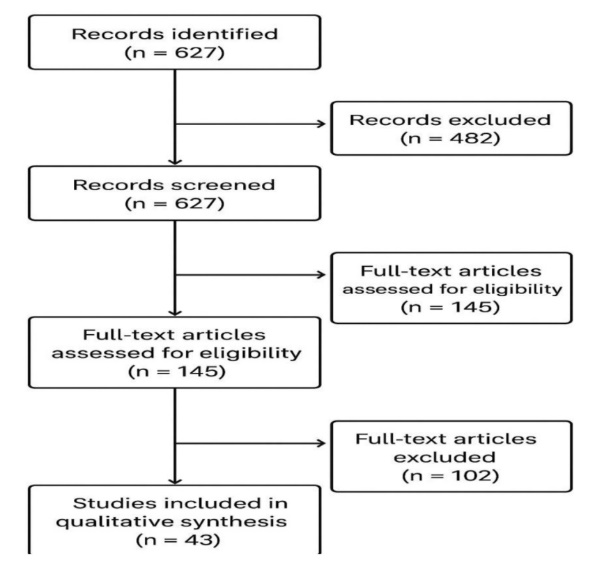
Figure I. PRISMA Flow Diagram of Study Selection
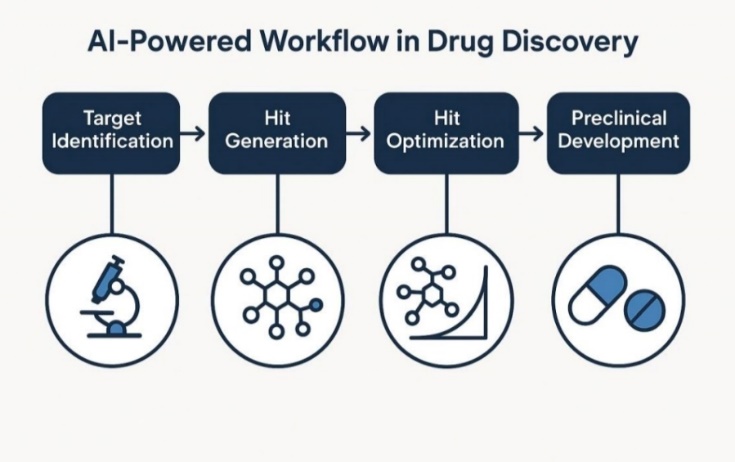
Figure II. AI-Powered Workflow in Drug Discover
Table No.I Summary Of Al Methods And Their Applications In Drug Discovery
|
Al Method |
Application |
|
Machine learning |
Virtual screening Activity prediction ADMET prediction |
|
Deep learning |
De novo drug design Activity prediction Molecular generation |
|
Reinforcement learning |
De novo drug design Synthesis planning |
|
Graph neural networks |
Virtual screening Molecular graph |
CONCLUSION
AI has revolutionized drug discovery by integrating machine learning, deep learning, and computational biology to accelerate every stage—from target identification to clinical translation. With explainable frameworks and advanced predictive analytics, AI not only improves efficiency but also enhances mechanistic understanding and patient-specific treatment design. While challenges in validation and ethics remain, the convergence of AI, quantum computing, and multi-omics promises a new era of precision therapeutics. By addressing interpretability and regulatory gaps, AI can transform modern medicine into a discipline advancing toward enhanced prediction, customization, and operational efficiency.
REFERENCES



Srinivas Thota¹, Dasreen², Thangabalan B³, Artificial Intelligence in Pharmaceutical Sciences: Accelerating Drug Discovery from Molecules to Medicine, Int. J. of Pharm. Sci., 2026, Vol 4, Issue 1, 1815-1821. https://doi.org/10.5281/zenodo.18298600
 10.5281/zenodo.18298600