

We use cookies to ensure our website works properly and to personalise your experience. Cookies policy
1 Assistant Professor, Department of Microbiology, Mohamed Sathak Hamid College of Arts and Science College for Women Ramanathapuram District, India.
2,3 Assistant professor, Department of home science, Mohamed sathak Hamid arts and science college for women Ramanathapuram, India.
4 Dr. M. G. R. Educational and research institute, Velappanchavadi, Chennai-77, India.
5 Department of Pharmaceutics, Saveetha College of Pharmacy, Saveetha Institute of Medical and Technical Sciences, Saveetha Nagar, Thandalam, Chennai, Tamil Nadu -602105, India.
6 Assistant Professor, Department of Chemistry, Vardhaman College, Bijnor, Uttar Pradesh, India.
7 Department of Pharmacy, Baba Farid College of Pharmacy, Ludhiana, India.
Aspidofractinines are a structurally diverse group of monoterpene indole alkaloids, which are common in the Apocynaceae family with the genus Kopsia being a heavily studied group of alkaloid due to cardiovascular pharmacology potential. This review shall offer a detailed phytochemical and pharmacological overview of the cardiovascular effects of these alkaloids with a focus on their hypotensive and bradycardic effects, structure-activity, and the mechanism of action. Phytochemical studies have also found aspidofractinine alkaloids to be ubiquitous in a variety of Kopsia species, including Kopsia teoi, Kopsia dasyrachis, Kopsia singapurensis and Kopsia hainanensis where the alkaloid profiles of the species are species-specific and represent species-specific biosynthetic capacities and evolutionary histories. These compounds exhibit cardiovascular pharmacology with a reduction in mean arterial blood pressure and heart rate in an initial dose-dependent manner after intravenous injection of normotensive and spontaneously hypertensive rat models. A critical structure-activity relationship has been developed that shows that the presence of a 3-to-17 oxo-bridge, which substitutes the normal pentacyclic aspidofractinine skeleton by a heptacyclic one, is the fundamental change in heptacyclic structure that causes hypotensive activity to become pressor activity as is the case with kopsingine (hypotensive) and kopsidine A. Mechanistic research using selective autonomic antagonists has explained the role of both central and peripheral mechanisms, where the hypotensive effect must involve intact ganglionic transmission as shown by the attenuation of the hypotensive effect of hexamethonium and modulation of a-adrenoceptors as shown by the reversal of the hypotensive effect of pressor effects by pretreatment with phentolamine. A comparative pharmacologic study of small structural changes such as demethoxylation and hydrogenation do not affect activity of the qualitative nature of cardiovascular responses, and indicates that the aspidofractinine skeleton has the principal pharmacophoric components. Combining phytochemical, pharmacological, and mechanistic evidence puts aspidofractinine-type alkaloids among the good lead compounds in the development of antihypertensive drugs and as significant pharmacological reagents in the study of cardiovascular regulation.
As a phytochemical isolation, aspidofractinine-type alkaloids have been extracted and purified using classical alkaloid isolation methods starting with acid-base extraction and then using chromatographic separation methods such as column chromatography, thin-layer chromatography and preparative-high-performance liquid chromatography. The detailed description of such compounds largely depends on the high-order spectroscopic procedures, and the two-dimensional NMR techniques, including COSY, HMQC and HMBC, are important in determining the connectivity patterns and stereochemical structures [1]. The extraction and purification of minor alkaloids can sometimes take several chromatographic processes, and can produce only milligrams of compound, enough to support the structural elucidation of the compound but inadequate to support large-scale pharmacological testing. The semisynthetic modification of naturally occurring aspidofractinine alkaloids such as electrochemical conversions of kopsingine to oxo-bridged derivatives have been used to give valuable insight into the chemical reactivity and structure-activity relationships of such compounds and produce analogs which might otherwise be not readily available through natural product isolation only. Bringing together phytochemical isolation, structural characterization, and pharmacological assessment is a holistic view of these complex natural products that has spanned the disciplines of natural product chemistry, pharmacology and medicinal chemistry [2]. Aspidofractinine-type alkaloids are examples of how plant secondary metabolites can be used to discover new pharmacological agents with distinctive pharmacologic effects and indications of use in the management of cardiovascular disease where novel therapeutic agents are also badly required. The aspidofractinine-type alkaloids, having itself a complicated pentacyclic monoterpene indole skeleton, are solely and nearly entirely restricted to the plant family Apocynaceae; the genus Kopsia is the most prolific and valuable source of such bioactive natural products. Apocynaceae is the commonly called dogbane family, a huge and rather extensive collection of about 4,000 to 5,000 species found in 350 to 400 genera, most of which have long been known to have the ability to make structurally diverse and pharmacologically active indole alkaloids [3]. The genus Kopsia has become a veritable treasure trove of monoterpenoid indole alkaloids with extensive phytochemical studies having shown that aspidofractinine-type alkaloids are one of the major classes of alkaloids present in these plants, alongside aspidospermane, eburnane, akuammiline, and corynanthean-type alkaloids. Kopsia is a genus of shrubs and small trees native to the tropical and subtropical parts of Southeast Asia (Malaysia, Thailand, Vietnam, southern China, Indonesia and the northeastern part of the Indian subcontinent) with the center of diversity being the Malay Peninsula and the island of Borneo [4]. It is remarkable how phytochemical distributions of aspidofractinine-type alkaloids can display spectacular speciation-specific patterns which have a significant chemotaxonomic impact allowing scientists to differentiate closely related Kopsia species using their alkaloid patterns. Kopsia teoi, one of the most widely investigated species, has been found to be a highly productive supplier of aspidofractinine-type alkaloids, producing a large number of derivatives such as kopsingine, kopsaporine, kopsanol, kopsiginol and kopsinganol, many of them in minimal quantities in the stem bark and leaves of this plant, though. The phytochemical studies on Kopsia teoi have demonstrated that the alkaloid content can both differ among different plants, as well as seasonally in the same plant population, an effect with significant consequences to the reliable isolation of these compounds to pharmacological tests. Equally, aspidofractinine-type alkaloids, such as singaporentines, kopsiloscines, N(1)-formylkopsininic acid, N(1)-formylkopsininic acid-N(4)-oxide, 15-hydroxykopsamine, and the previously prepared 3-isokopsinine have been produced by Kopsia singapurensis, species endemic to the Malay Peninsula and Singapore which are abundantly produced in the lowland swampy forests. These alkaloids are also distributed differently across Kopsia singapurensis depending on the plant part under consideration, roots, leaves, and stem bark generally displaying different alkaloid profiles which represent diverse levels of biosynthetic activity and may have ecological significance [5-7].
Kopsia hainanensis, a native species of the Hainan province of China, has recently been the focus of an intensive phytochemical research that has greatly contributed to our knowledge regarding the distribution of aspidofractinine-type alkaloids in the genus. An in-depth examination of the twigs and leaves of Kopsia hainanensis has led to the isolation and identification of 18 different alkaloids of various structural classes with three aspidofractinine-type alkaloids as compounds 8, 9, and 10. Notably, the latter investigation, because it reported the first occurrence of compounds 10-17 containing several aspidofractinine derivatives in this specific species, and since 1, 2, 7, and 12-17 had not hitherto been reported in the entire genus Kopsia, highlights the astonishing chemical diversity that is yet to be uncovered in this plant lineage. The chemotaxonomic implications of such results are enormous since the occurrence/occurrence of certain aspidofractinine alkaloids can be a useful form of information with regard to determining the evolutionary affiliations between Kopsia species and can potentially be used to clarify some of the taxonomic obscurities that botanists have long grappled with regarding this genus [8].
The range of aspidofractinine-type alkaloids has been reported in other genera of the Apocynaceae, though much less frequently and less diverse. An example is the genus Pleiocarpa, which was revealed to synthesize aspidofractinine-type alkaloids as evidenced by the extraction of several compounds of this type in Pleiocarpa pycnantha stem bark. Not only did this African species produce monomeric aspidofractinine alkaloids, but new dimeric structures in which two aspidofractinine units are linked by a methylene moiety, e.g., the compound pleiokomenine A, and mixed dimers between aspidofractinine and pleiocarpamine-type structures were produced. The occurrence of this set of complex dimeric alkaloids in the Pleiocarpa pycnantha implies that the biosynthetic proficiency of producing aspidofractinine alkaloids is perhaps more extensively spread throughout the Apocynaceae than has been previously realized, but the structural diversity and abundance of such compounds in Kopsia species is incomparable [9]. Also, alpidofractinine-type alkaloids were reported to be produced by a genus, Alstonia, containing over 60 species growing in the tropical and subtropical areas of Africa, Central America, Southeast Asia, Polynesia and Australia, such as N-oxo-14,15-didehydroaspidofractinine was isolated in Alstonia mairei, endemic to the Yunnan, Guizhou and Sichuan provinces of China. The observation also contributes to the general occurrence of aspidofractinine alkaloids in the Apocynaceae family and the possibility of finding new derivatives by exploring the not well studied species [10].
Most of the taxonomic patterns of the phytochemical distribution of aspidofractinine-type alkaloids are not only based on variations in the specific structural subtypes of aspidofractinine rather than just on the variations in taxonomy pattern. Extensive surveys of the alkaloids of Malaysian Kopsia species have reported that 14 species have so far been studied and a total of 164 different indole alkaloids have been produced which include aspidofractinine-type alkaloids that are one of three major classes as well as aspidospermane and eburnane types. This quantitative evaluation of diversity of alkaloids highlights the importance of the Kopsia genus as source of chemical novelty and the need of further phytochemical investigation [11]. It has been demonstrated that the Malaysian Kopsia pauciflora, Kopsia griffithii, Kopsia dasyrachis, Kopsia larutensis, Kopsia profunda, Kopsia arborea and Kopsia terengganensis each make their own contribution to this impressive diversity, with each species having its own set of alkaloid fingerprint providing evidence of the evolutionary history and ecological adaptations of the plant. Seasonal and geographical differences in the alkaloid composition of various Kopsia species provide another twist to the phytochemical distribution pattern of alkaloid-biosynthetic pathways and the concentration of particular metabolites in the plant tissues since other factors such as rainfall, temperature, soil composition, and interaction with biotrophs can further affect the expression of the alkaloid-biosynthesis pathways and accretion of certain metabolites in the plant tissues [12-14].
Classical phytochemical procedures are normally applied in the isolation and characterization of aspidofractinine-type alkaloids in their natural sources, and follow the steps of collection and authentication of plant material followed by drying, grinding and extraction with organic solvents such as ethanol, methanol or chloroform. Acid-base partitioning of the crude extracts is then done to concentrate the alkaloid fraction, and successive chromatographic separation methods such as column chromatography on silica gel, Sephadex LH-20, alumina, then preparative thin-layer chromatography and high-performance liquid chromatography, are used to purify a compound one at a time [15]. The structural exegeses of these alkaloids have been largely based on the high-resolution spectroscopic techniques, with one-dimensional and two-dimensional nuclear magnetic resonance spectroscopy, high-resolution mass spectrometry, infrared spectroscopy, and ultraviolet-visible spectroscopy being essential in determining the connectivity, stereochemistry, and substitution patterns of these complex molecules. Nuclear Overhauser effect spectroscopy and electronic circular dichroism have been successfully used together to fully assign the stereochemical structure of aspidofractinine alkaloids, and single-crystal X-ray diffraction has been used to conclusively confirm the structure of individual compounds [16].
The ecological role of aspidofractinine-type alkaloids in their natural occurrence is an area of ongoing research and evidence indicates that these compounds are defense chemicals to prevent plants against herbivorous insects, pathogenic fungi and competitive plants. The biosynthetic complexity and the metabolic expenditure of the biosynthesis of these alkaloids speaks in favor of their ecological value since plants would not sustain the biosynthetic complexity to generate such compounds, without their having some important selective benefits [17]. The observed seasonal change in alkaloid levels in certain Kopsia species could be indicative of adaptive changes to differing strategies of herbivore pressure or other environmental stress factors, the response to ecological signals being a change in the degree of chemical defense. Moreover, the aspidofractinine pattern of tissue location in individual plants with highest concentrations usually in young leaves, stem bark, and roots is consistent with the distributions of any type of defense compound that protects the most vulnerable or valuable plant tissues against attack.
1.1 Natural Sources and Phytochemical Distribution
The ethnopharmacological context of phytochemical distribution of aspidofractinine-type alkaloids based on the traditional medicinal properties of Kopsia species used in different Asian medical systems has been used to select species to be studied by phytochemists. Kopsia officinalis was used as traditional Chinese medicine to treat rheumatoid arthritis, dropsy and tonsillitis, and preparations of Kopsia root were also used as poultice on ulcerated noses, in the treatment of tertiary syphilis in Malay folk medicine. The local variant of Kopsia singapurensis, also called selada or white kopsia, has been identified to have medicinal properties and traditional knowledge has given useful leads to the nature of bioactivity of the constituent alkaloids in the plant. The interaction of traditional medicine, especially this use of aspidofractinine alkaloids, has been especially productive; the known ethnobotanical use of the genus Kopsia has led to increased interest in these species and has given the first reason why their constituents should be studied pharmacologically [18]. The difficulties related to the phytochemical study of aspidofractinine-type alkaloids encompass the fact that most of the compounds are frequently very scarce, including low levels of minor alkaloids that, in many cases, may be found in trace amounts, and that require a considerable amount of extraction and purification to provide material amounts sufficient to carry out structural characterization and biological assessment. The isolation of kopsinol, kopsiginol, and kopsinganol of Kopsia teoi, such as, involved working with large volumes of plant material to get quantities large enough to allow spectroscopic analysis, which is an important factor in the practical problems of natural products research. The discovery of high-performance liquid chromatography with diode array detection and liquid chromatography-mass spectrometry methods of analysis, which have been shown to be sensitive methods, has provided substantial assistance in detecting and identifying small amounts of alkaloids in more intricate plant extracts, enabling more thorough profiling of the alkaloid content of Kopsia species and directing the targeted production of hitherto unknown compounds [19]. The use of metabolomic methods on the distribution of aspidofractinine alkaloids is set to further expedite the process of identifying new compounds and give a greater understanding of the biosynthetic connection of various structural subtypes. The distribution of aspidofractinine-type alkaloids is natural, being found mainly in genus Kopsia, family Apocynaceae, and also in the genus Pleiocarpa and Alstonia. The fact that these alkaloids are now remarkably chemically diverse (there are more than 160 known compounds of these alkaloids of Malaysian Kopsia species alone) is a testimonial of the evolutionary triumph of the biosynthetic pathways leading to their production and why further phytochemical exploration of under-explored species and populations is important. Species-specific distribution, seasonal and geographical variations and tissue-specific concentration of these alkaloids are offering valuable information about the ecological functions and biosynthetic control of these intriguing natural compounds. Given the ongoing increase in the discovery of the phytochemical distribution of aspidofractinine alkaloids due to the use of improved analytical methods and the study of unexplored species, the possibility of finding new compounds with distinctive structural features and promising pharmacological activity is large, which guarantees the further topicality of these plants as sources of chemical diversity in drug discovery and development [20].
2. KEY CARDIOVASCULAR EFFECTS
The cardiovascular activities of aspidofractinine-type alkaloids are the most well-investigated pharmacological activities in the class of natural products, having complex profile of effects with the combination of hypotensive (blood pressure-lowering) and bradycardic (reducing heart rate) activities as well as intricate structure-activity interaction that characterize the cardiovascular pharmacology of the alkaloid compounds. Experimental studies of the cardiovascular effects of these alkaloids were carried out using anesthetized spontaneously hypertensive rats (SHR) and normotensive Wistar-Kyoto rats and gave a solid experimental platform on the nature and degree of the cardiovascular activity of these alkaloids [21]. IV injections of typical aspidofractinine-type alkaloids especially kopsingine and its congeners cause impressive and dose-related decreases in mean arterial blood pressure (MABP), and these effects were found in a dose-range ranging between 0.2 to 10.0 mg/kg body weight. The hypotensive effect sets in exceedingly fast and is felt after five seconds of intravenous administration that instantly differentiates the compounds among the numerous synthetic antihypertensive drugs that take much time to attain their peak actions. The hypotensive effect generally persists between ten and thirty seconds after injection, and the action time, although variable according to the alkaloid and dosage given, is usually prolonged three or five minutes after the greatest doses have been given, and this rapid redistribution between central and peripheral compartments indicates effective metabolic clearance or quick redistribution of the alkaloid [22].
2.1 Hypotensive (Blood Pressure-Lowering) Activity
Aspidofractinine-type alkaloids have been reported to have the hypotensive effect most extensively on kopsingine, the prototype substance of this structural group in cardiovascular pharmacology research. Kopsingine in the intravenous doses of 0.2 -10mg/kg showed linear, dose dependent effects on the reduction of mean arterial blood pressure in spontaneously hypertensive rats; the degree to which it led to reduction in blood pressure depending on the dose injected. The hypotensive effect has a typical progression where the first rapid drop of blood pressure is maintained at the lowest level about thirty-sixty seconds and then gradual recovery takes place and fully recovers at the highest level, say, in three to five minutes with the maximum dose [23]. Notably, comparative experiments on the spontaneously hypertensive rats and the normotensive Wistar-Kyoto rats have found that the extent and pattern of hypotensive response to kopsingine are similar in these two strains meaning that hypotensive effects of these alkaloids are not weakened by the existing hypertension and that their mechanisms of action are still effective in both normotensive and hypertensive situations. The therapeutic implication of this observation is that these compounds may have a chance of being used effectively in hypertimental patients without reflecting exaggerated effects in normotensive individuals, which is a desirable property of antihypertensive agents to reduce the chances of iatrogenic hypotension. This hypotensive effect is not limited to kopsingine, but seems to be a broader group of structurally related aspidofractinine alkaloids, and thus, appears to be a class effect and not a feature of one compound. Kopsaporine (or 12-demethoxykopsingine) is hypotensive with activity similar to kopsingine, proving the methoxy group at the 12-position to be not critically involved in blood pressure-lowering activity. Likewise, 14,15-dihydrokopsingine which is a hydrogenated version of kopsingine with the double bond between the 14 and 15 positions being reduced, still has complete hypotensive action, indicating that the hypotensive activity of the molecule does not require the unsaturation of the 14,15 location. The preservation of hypotensive activity in all these structural variants suggests that the core aspidofractinine skeleton has the fundamental pharmacophoric components necessary to produce the effect of blood pressure lowering, and the peripheral substituents are only modulating and not determining components in the action of blood pressure lowering. Nonetheless, comparative potency of various aspidofractinine derivatives does show some inconsistencies, and the strength and time of hypotensive responses are subtly different in terms of how certain structural alterations result in the alteration in the pharmacokinetic and pharmacodynamic nature of this type of molecules [24-26].
Mechanistic explanation of hypotensive effect of aspidofractinine alkaloids the use of a serial of pharmacological intervention studies, with selective autonomic antagonists, has succeeded in explaining the role of both central nervous system outcome, and peripheral vascular outcome in the mechanism of action. The hypotensive effects of kopsingine were greatly reduced by pretreatment with hexamethonium a ganglionic blocking agent that prevents the transmission by the sympathetic and parasympathetic autonomic ganglia, which suggests that the effect of the depressor cannot be fully expressed in the absence of intact ganglionic transmission. This observation indicates that at least part of the hypotensive action of these alkaloids is the regulation of autonomic discharge of the central vasomotor centers a possible mechanism of which is the action on central nervous system pathways, which control the sympathetic tone. Ganglionic blockade is known to weaken the hypotensive response of the body, suggesting that these alkaloids are not the active agents by direct vasodilatory action upon vascular smooth muscle because they would still be effective in the presence of ganglionic blockade. Rather the reliance on intact ganglionic transmission suggests that a neuro-pathway dependent mechanism is involved, in which the alkaloids may be centrally acting to decrease sympathetic outflow or increase parasympathetic activity or in which the alkaloids may be acting on the autonomic ganglia to alter signal transfer [27].
Additional mechanistic understanding has been developed through investigation of phentolamine which is a-adrenoceptor antagonist which inhibits the activity of catecholamines at a-adrenergic receptors. Pretreatment with phentolamine gave an impressive reversal of the depressor effects of kopsingine where the hypotensive effect was replaced by a pressor effect which is typified by an increase in the mean arterial blood pressure. This reversal is good evidence that aspidofractinine alkaloids hypotensive activity is a a-adrenoceptor modulation and is probably an agonist or partial agonist of a-adrenergic receptors in the peripheral vasculature. This observation based on a-adrenoceptor blockade revealing a pressor activity indicates that the alkaloids might have both vasodilatory and vasoconstrictor effect and the overall hypotensive effect is due to the preponderance of vasodilatory activity under normal physiological conditions. Blockage of the a-adrenergic receptors by phentolamine removes the vasoconstrictor component, permitting previous pressor mechanisms that had been obscured by it to be observed. This is a dual activity associated with compounds that interplay with two or more receptor systems or which have complex pharmacodynamic profiles in which they act directly on receptors, and indirectly, through autonomic reflexes [28].
2.2 Bradycardic (heart rate-reducing) effects
Along with the hypotensive effects, the hypotensive action of aspidofractinine-type alkaloids showed considerable and dose-dependent decreases in heart rate, and the bradycardic effects have a temporal distribution that fits the pattern of the blood pressure changes. Bradycardia also has a rapid onset and occurs within seconds of intravenous injection and the highest heart rate decrease again coincides in time with the highest decrease in blood pressure. The extent of bradycardia is dose-dependent, as an increased dose will give a greater decrease of heart rate and the duration of bradycardic effect is relatively similar to that of hypotensive effect, with the heart rate returning to normal levels as the blood pressure returns to normal. The fact that bradycardia is a recurring phenomenon in all aspidofractinine derivatives that testable show both pressor and hypotensive actions is evidence that the chronotropic actions of such compounds may be either partially or completely independent of those that regulate vascular tone. The significance of this dissociation of influences on heart rate with blood pressure is of pharmacological interest showing that such alkaloids could act at several sites in the cardiovascular regulatory system and that there is a potential separation between the molecular targets of chronotropic and vascular actions [29-31].
The mechanism that is seen to mediate the bradycardic action of aspidofractinine alkaloids in contrast to the one that mediates their hypotensive action is seen by the very different levels of sensitivity to autonomic antagonists. In contrast to the hypotensive effects, which were greatly inhibited by hexamethonium, the brady cardic effect of these alkaloids was not substantially inhibited by ganglionic blockade, indicating that the slowing of heart rate could be due to direct effects on cardiac pacemaker tissue or alteration of cardiac autonomic inputs by pathways which do not require intact ganglionic transmission. Likewise pretreatment with an antagonist of muscarinic acetylcholine receptor which prevents the effect of parasympathetic on the heart (atropine) did not significantly affect the bradycardic responses to aspidofractinine alkaloids, suggesting these compounds do not exert their chronotropism effect by acting on the parasympathetic nervous system. Lack of atropine sensitivity allows the elimination of the possibility of a mechanism acting direct at muscarinic receptors or of an increase in vagal outflow, since such mechanisms would be counter inhibited by atropine. This resistance to ganglionic blockade and insensitivity to muscarinic antagonism implicates direct inhibition of sinoatrial node automaticity of the bradycardic actions of these alkaloids, possibly by inhibition of the pacemaker current or by altering calcium or potassium channels in cardiac pacemaker cells [32]
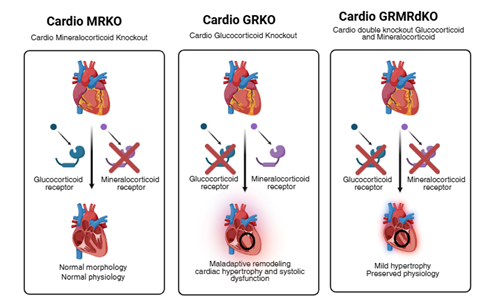
Fig: 1 Dose-response relationships, time course of action, comparative effects on blood pressure and heart rate
2.3 Structure-Activity Relationships
One of the most intriguing subjects in the cardiovascular pharmacology of aspidofractinine-type alkaloids is probably the complex structure-activity relationship, which defines whether a particular compound exerts a hypotensive or pressor action, and the absence or presence of a particular structural feature is the defining factor of the pharmacological effect. A comparative study of a group of naturally occurring aspidofractinine alkaloids has indicated that compounds that have the standard aspidofractinine skeleton with no further bridging between the 3 and 17 positions always cause hypotensive and bradycardic effects. Kopsingine, kopsaporine, kopsamine, methyl 11, 12-methylenedioxychanofruiticosinate, and 14, 15-dihydrokopsingine are also included in this group and reliably decrease mean arterial blood pressure when given intravenously to anesthetized rats [33]. But the addition of 3-to-17 oxo-bridge that is turning the pentacyclic aspidofractinine skeleton to heptacyclic skeleton makes a fundamental change in the cardiovascular profile, and the hypotensive activity is changed into a pressor activity that is marked by a great increase in mean arterial blood pressure. This transformation, with typical effects of dose-dependent pressor effects instead of the usual hypotensive effects of non-bridged aspidofractinine derivatives, is typified by kopsidine A, a heptacyclic oxo-bridged alkaloid that was isolated as a leaf constituent in Kopsia teoi.
Substrate-level investigation of the structural basis of this dramatic reversal of pharmacological activity has been approached by semisynthetic studies, which allow one to perform controlled oxidation of hypotensive aspidofractinine alkaloids to oxo-bridged ones. Oxidation of kopsingine using the electrochemical method results in the outcome of the oxo-bridged derivative that is pressor-active in heart assays, and thus the oxo-bridge between 3-to-17 is found to be required and sufficient to change hypotensive activity to pressor activity. Such a strictness of structure-activity relationship is amazing because even small structural changes which do not change the overall aspidofractinine skeleton, like demethoxylation to form kopsaporine or hydrogenation to form 14,15-dihydrokopsingine cannot cause an important change on the hypotensive activity and instead the formation of the oxo-bridge, which leads to the formation of a complete inversion of the pharmacological effect. The mechanistic explanation behind this inversion is probably the change in the three-dimensional structure of the molecule that influences its affinity to the cardiovascular receptors and ion channels, and the oxo-bridge increases conformational constraints that shift the pharmacodynamics of the substance under consideration to vasodepressor instead of vasopressor [34].
It is astonishing that all the aspidofractinine derivatives when tested, regardless of their effects on blood pressure, all of them have a bradycardic effect. Kopsidine A, although it increases blood pressure, yet, decreases the heart rate, proving that the bradycardic effect does not depend on the direction the blood pressure changes. Such a dissociation implies that there are different molecular targets controlling the chronotropic regulation compared to those controlling the vascular OE and the structural requirement of the bradycardic activity is not as severe as that of specifying the direction of blood pressure effects. The bradycardic activity in the entire structural range of aspidofractinine alkaloids could be due to interactions with cardiac pacemaker channels or the autonomic regulatory pathways which remained unchanged despite the occurrence of the oxo-bridge or not. The therapeutic implications of such a structure-activity relationship are considerable, in that they imply that, selective modification of the aspidofractinine skeleton has the potential to produce compounds with selective hypotensive activity, free of bradycardia, or compounds with pure bradycardic activity, free of vascular activity, depending upon the therapeutic indication under pursuit [35]. The structure activity relationships that can dictate the cardiovascular effects of aspidofractinine alkaloids are not limited by the presence or absence of the oxo-bridge, but include the effects of stereochemistry, substitution patterns as well as the effects of small structural changes on the pharmacokinetic profiles of such alkaloids. Stereochemical configuration of different chiral centers of the aspidofractinine frame may modify the orientation of functional groups that are important and subsequently impact binding affinity and selectivity at cardiovascular targets. The potency and duration of action can be increased or decreased by the substitution at 12, 14, 15, and the presence of a methoxy group, a methylenedioxy bridge, as well as unsaturation patterns can affect intrinsic activity in molecular targets and vulnerability to metabolic inactivation. Combination of structure-activity relationship with computational modelling methods has the potential to come up with predictive models that may be used in the development of compounds that may have better cardiovascular profiles than the parent alkaloids and which may have the potential to elicit the desirable hypotensive effect on the heart of the parent alkaloids, or which may be used in the selective bradycardic effect of the heart in the treatment of tachycardia or atrial fibrillation. Further studies on the structure-activity relationships in this alkaloid class are one of the bright perspectives of the development of new therapeutic agents based on natural product scaffolds, which will follow the example set by the phytochemical and pharmacological study of such interesting compounds [36-38].
3. MECHANISMS OF ACTION
The clarification of the mechanisms of action of the cardiovascular effects of aspidofractinine-type alkaloid is an advanced cross-road between pharmacological research, neurophysiological research, and molecular pharmacology, which shows a complicated and multi-layered pattern of the interaction of these natural products with the cardiovascular regulatory system. The mechanistic model that has been developed due to a long-term study of selective pharmacological antagonists, ganglionic blocking agents and receptor-specific modulators proves that the effects of cardiovascular alkaloids are mediated by a complex interaction between those mechanisms of the central nervous system, peripheral vascular and the modulation of autonomic pathways [39]. This complexity of mechanistic relationships is further increased by the amazing structure-activity relationships that determine whether the individual alkaloids become hypotensive or pressor actions, and whether the availability of the 3-to-17 oxo-bridge is a critical determinant which alters the mechanistic pathway into a vasodepressor or vasopressor responses. These mechanisms have been studied in whole around the studies that have been done on anesthetized spontaneously hypertensive rats and normotensive Wistar-Kyoto rats and pharmacological interventions have given insights on the level of specific receptor systems and pathways involved [40].
3.1 Central Mechanisms
The participation of the central nervous system mechanisms in the cardiovascular effect of aspidofractinine-type alkaloids was initially hinted at the remarkable speed with which the effects of these compounds occur after intravenous injection. The hypotensive and bradycardic reactions that take place within five seconds of injection cannot be attributed to distribution to peripheral tissues and it is more probable that these alkaloids pass rapidly through the blood-brain barrier to reach central vasomotor centers within the brainstem. The main action mechanisms have been examined strictly using hexamethonium, a blocking ganglionic agent, which blocks the transmission by inhibiting both the sympathetic and parasympathetic ganglia by preventing nicotinic acetylcholine receptors at the ganglionic synapse [41]. The level of pretreatment with hexamethonium (20 mg/kg) attenuated the hypotensive response to kopsingine significantly, which showed that the transmission of the intact ganglionic neurons is a requirement of a complete expression of the depressor effect. This observation gives substantial evidence that the hypotensive action of aspidofructinine alkaloids is, at least partially, the effect of a change of autonomic outflow of the central vasomotor centres, since ganglionic blockage would be likely to abolish the effects of any centrally-mediated change of autonomic outflow.
Aspidofractinine alkaloids are also likely to act on the nucleus tractus solitarius, the rostral ventrolateral medulla, the caudal ventrolateral medulla, which make up the major centres of baroreceptor afferent signal integration and sympathetic outflow to the cardiovascular system, in the specific central nervous system regions. The nucleus tractus solitarius is the major destination of the baroreceptor afferent projections of the carotid sinuses and aortic arch which receive and process feelings of the arterial pressure and send them to cardiovascular regulatory centers downstream. The presympathetic neurons that synthesize tonic sympathetic outflow to the heart and blood vessels are located in the rostral ventrolateral medulla, and its activity is inhibited by the activity of the caudal ventrolateral medulla and nucleus tractus solitarius. Aspidofractinine alkaloids have a rapid onset of action, which is why they may either work directly on these brainstem nuclei, perhaps acting upon the release of neurotransmitters, neuronal excitability, or the activity of particular ion channels or receptors expressed in cardiovascular neurons [42].
The major effects of aspidofractinine alkaloids could also be the contacts with the endogenous neurotransmitter systems that control cardiovascular processes. The participation of a-adrenergic processes, which is indicated by the inhibition of hypotensive stimuli to the pressor stimuli after pretreatment by phentolamine, is possibly also involving the central nervous system, where a2-adrenergic receptors are very instrumental in the control of sympathetic discharges. The effect of the antihypertensive drug clonidine on the central a2-adrenergic receptors (resulting in suppression of sympathetic discharge as well as a drop in arterial blood pressure) also closely resembles the cardiovascular properties of the aspidofractinine alkaloids. With the phentolamine reversal experiments, there is a possibility that these alkaloids are agonists at central a2-adrenergic receptors but the capacity of phentolamine to cross the blood-brain barrier and respond to central adrenergic receptors is limited and so the reversal that is seen in such cases may possibly be due to peripheral a-adrenoceptor blockage and not central antagonism. However, the high speed of central penetration of these lipophilic alkaloids allows considering seriously the possibility of direct action of these alkaloids on the brainstem cardiovascular centers, and the discovery of the particular molecular targets in the central nervous system is also one of the areas of future research [43].
3.2 Peripheral Mechanisms
Besides their centrally acting effects, aspidofractinine-type alkaloids also have important peripheral effects which lead to their overall cardiovascular profile especially when interacting with a-adrenergic receptors on vascular smooth muscle cells. Peripheral a-adrenoceptor the strongest support of the role of peripheral a-adrenoceptors is provided by the literature using phentolamine, a non-selective a-adrenoceptor antagonist, that inhibits a1- and a2-receptor subtypes. Pretreatment of phentolamine also reversed the hypotensive effect of kopsingine dramatically and the pressor action was converted to a depressor action that was marked by substantial increases in the mean arterial blood pressure. It is an extraordinary reversal of pharmacological effect suggesting that net hypotensive activity of aspidofractinine alkaloids is the algebraic sum of opposite vasodilator and vasoconstrictor activity with the former usually dominating in circumstances where a-adrenoceptor function remains intact [44]. Blockage of the a-adrenergic receptors by phentolamine causes the loss of the vasoconstrictor component, and this effect reveals other receptor systems or direct vascular influences by the other pressor mechanisms originally suppressed. To interpret the phentolamine reversal experiments, the complex pharmacology of a adrenergic receptors and their localization in the cardiovascular system should be taken into adrenergic receptors are located in the vascular smooth muscle cells of the cardiovascular system where activation causes vasoconstriction and elevation of arterial pressure, but the a2 -adrenergic receptors are located on both the presynaptic sympathetic nerve terminals (they mediate feedback inhibition of norepinephrine release) and Phentolamine reversal of hypotensive responses to pressor responses indicates that aspidofractinine alkaloids could have an inherent activity at a1-adrenergic receptors, and these c-action effects of a1-adrenergic activities are normally counteracted by other activity-relaxing mechanisms. It is still unclear as to what kind of vasodilator mechanisms are normally activated to counteract a1-mediated vasoconstriction, although it may be direct vasodilator effects on vascular smooth muscle, endothelium-dependent vasodilation mediated by the release of nitric oxide or prostacyclins, or indirect vasodilation via decreased sympathetic outflow via central actions [45].
3.3 Autonomic pathway involvement
The sympathetic and parasympathetic branches of the autonomic nervous system contribute to the cardiovascular actions of aspidofractinine-type alkaloids and the autonomic pattern of involvement varies between the hypotensive and bradycardic effect. The role of sympathetic pathways in the hypotensive response is highly supported because hexamethonium attenuates depressor effects and the phentolamine reverses pressure effects, both of which block their transmission by the sympathetic and parasympathetic ganglia and a-adrenergic receptors respectively on vascular smooth muscle. These studies suggest that the hypotensive action of these alkaloids is dependent upon intact sympathetic ganglionic transmission and entails a-adrenergic receptor modulation, which implies a process that decreases sympathetic discharge to the peripheral vasculature, decreases a-adrenergic receptor activation, or both. The relevant sympathetic pathways are probably those that are sympathetic of resistance arteries and arterioles where sympathetic tone decreases result in vasodilation and reduction in total peripheral resistance causing decreases in arterial blood pressure. The complicated interaction of central and peripheral processes of the cardiovascular effects of aspidofractinine alkaloids is further illustrated by the variability of the pharmacological interventions on hypotensive and bradycardic response [46]
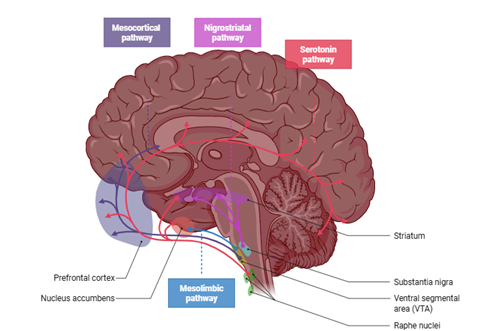
Fig: 2 Central pathways (brainstem nuclei), peripheral α-adrenergic mechanisms, autonomic pathway involvement
Although hexamethonium had a profound effect in inhibiting hypotensive effects, it had no significant effect on bradycardic effects, which suggests that the neural pathways of these two aspects of the cardiovascular response are dissociative at the level of ganglionic transmission. In the same manner, phentolamine reversed hypotensive but did not change the bradycardic effects to a significant extent indicating that the a-adrenergic processes that change vascular reactivity did not also mediate the chronotropic processes. Such a functional dissociation between vascular and cardiac effects is typical of compounds that are active at several points in the cardiovascular regulatory system, and offers possibilities of developing selective agents that are active in one or more of the components of the cardiovascular response [47-50]. The definitive explanation of the specific molecular targets of aspidofractinine alkaloids in the autonomic nervous system and the cardiovascular tissues to which they are innervated is an important goal of further research, and the possible disclosures of new strategies in the treatment of high blood pressure and other heart diseases can be made. These natural products are mechanisticly complex, but this is not a drawback, but rather a good chance to find new pharmacological principles which can be used in therapeutical practice. Indeed, the most striking observation that has come out during comparative pharmacological investigations is the regularity of the bradycardic effects that are observed to accompany the hypotensive response as well as the pressor response in all aspidofractinine derivatives commercialized so far. Irrespective of the effect of a given alkaloid reducing or increasing blood pressure, all compounds delivered significant slowing in heart rates that were dose-dependent and followed a temporal pattern such as that of the blood pressure changes [51]. Kopsidine A with all its pressor effects induced bradycardia as firmly as the hypotensive alkaloids, showing that the chronotropic effects are entirely independent of the direction of change of blood pressure. Such dissociation of vascular and cardiac actions implies that aspidofractinine alkaloids have more than one, separable, mechanism of action and the pathways through which these drugs regulate heart rate are independent of the pathways through which they regulate vascular tone. The uniformity of the bradycardic activity of the whole structural range of these alkaloids could reflect the interaction of those with cardiac pacemaker channels, including the hyperpolarization-activated cyclic nucleotide-gated channels that conduct the pacemaker current If, or with autonomic regulatory mechanisms that are not dependent on the presence or absence of the oxo-bridge. Comparatively to pharmacology, this observation is important since it suggests that the molecular determinants of chronotropic activity are not as stringent as that of vascular action that more selective agents that may, contrary to hypertension, lower the heart rate without raising blood pressure, or vice versa, might be developed [52].
Mechanistic studies using selective autonomic antagonists have further contributed to the comparative pharmacological profile of these alkaloids as they have shown differences in sensitivity patterns between the compounds that give information on the mechanism of action of the respective compound [53]. Atropine, a muscarinic acetylcholine receptor antagonist which prevents parasympathetic action on blood vessels and the heart, was established not to antagonize the cardiovascular response of either kopsingine or kopsamine in spontaneously hypertensive rats. This absence of effect on a number of hypotensive alkaloids shows that the cardiovascular effects of aspidofractinine-type compounds are not directed by activation of the parasympathetic nervous system, and thus rules out the possibility that increased vagal tone or direct action on muscarinic receptors mediates the cardiovascular actions of aspidofractinine-type compounds [54]. Conversely, the hexamethonium, a ganglionic blocking agent, which, by inhibiting both sympathetic and parasympathetic ganglionic neuro-transmitters, blocks the nicotinic acetylcholine receptor of the ganglionic synapse, showed varying sensitivity between the various alkaloids. The effect of kopsingine on depressor activity was greatly inhibited by hexamethonium prior to the intake, indicating that the intact ganglionic transmission is critical to its maximum expression of the hypotensive effect and proposes the role of central mechanisms or autonomic ganglionic modulation [55]. Even greater differentiation among compounds was given by the comparative response of phentolamine, a non-selective a-adrenoceptor antagonist that blocks both a1 and a2 receptor subtypes. Phentolamine pretreatment has overturned all the depressor effects of kopsingine to pressor responses, which has immense implication to the mechanistic interpretation of hypotensive activity. This paradox indicates that kopsingine is a vasodilator as well as a vasoconstrictor, the net effect of which is hypotension due to dominance of vasodilator, and that a-adrenergic receptor blockage is revealing to the activity of previously silent pressor mechanisms through direct action on the vascularity or other receptor systems. In the case of kopsamine, phentolamine had a significant inhibitory effect on both the depressor and bradycardic effects of the compound, indicating that a-adrenergic mechanisms play a role in the vascular and cardiac actions of the compound, but the specific receptor subtypes interacted with and also the relative roles of central versus peripheral a-adrenergic receptors may be different between compounds [56].
Species-specific difference in alkaloid profiles and the possibility of a synergistic or antagonistic effect of co-occurring alkaloids in crude plant extracts are also considered in the comparative pharmacology of aspidofractinine-type alkaloids. The production of typical assemblages of aspidofractinine alkaloids by different Kopsia species is indicative of their distinct biosynthetic potential and evolutionary lineages. Kopsia teoi is a source of kopsingine, kopsaporine, and kopsidine A, kopsia dasyrachis is a source of kopsamine and methyl 11,12-methylenedioxychanofruiticosinate, and kopsia singapurensis is a source of singaporentines, kopsiloscines, and a great many other aspidofractinine derivatives [57]. Their pharmacological characteristics could not be the same as those of the purified compounds in that an additive, synergistic or antagonistic interaction between co-occurring alkaloids may exist and have profound implication on the traditional uses of these plants in medicine. The heterotrophic action of the Kopsia species in different Asian traditional medicine systems, such as the Chinese traditional medicine where Kopsia officinalis is used to treat rheumatoid arthritis, dropsy, tonsillitis, and the Malay folk medicine where Kopsia root preparations are used to poultice ulcerated noses in tertiary syphilis, may be a combination of the multiple alkaloids using complementary action to generate therapeutic effects that cannot be ascribed to any one specific constituent [58].
The comparative pharmacological study has also provided significant similarities between aspidofractinine alkaloids and other categories of cardiovascular-active natural products besides bringing out their distinct characteristics that make them different to other natural and synthetic antihypertensives. Hypotensive effects of kopsingine and its congeners with their fast onset and comparatively brief duration of action have some similarity to those of some indole alkaloids in other genera of Apocynaceae, including reserpine and ajmalicine of the Rauwolfia alkaloids, but the mechanisms of action are dissimilar [59]. In comparison to reserpine, which inactivates catecholamine stores by an extended period of action by inactivating the vesicular monoamine transporter activity, leading to slower onset and prolonged antihypertensive action that may last days to weeks, the aspidofractinine alkaloids have a faster action, but has a shorter-acting mechanism, and depends on a-adrenoceptor-mediated effects and ganglionic transmission, giving a more characteristic pharmacological action of a-adrenergic antagonists, like prazosin, The therapeutic implications of this mechanistic difference include the aspidofractinine alkaloids having good rapid action and titratability, to fine-tune dose according to immediate blood pressure effect, and reserpine having a long half-life that makes dose optimization difficult and obstructs its further clinical applications. The relative pharmacological properties of these compounds therefore place them as valuable pharmacological reagents in the study of cardiovascular regulatory processes as well as the possible attractive lead compounds in the development of new antihypertensive agents with new action mechanisms that may fulfill unmet clinical requirements in the treatment of hypertension and associated cardiovascular conditions [60].
CONCLUSION
The systematic study of the aspidofractinine type alkaloids on a phytochemical and pharmacological basis has made such natural products an impressive group of compounds with interest and important cardiovascular properties and interesting structure-activity interactions. The extensive array of investigations covering the isolation of phytochemicals, structural characterization, pharmacological analysis, and mechanistic investigations, have shown that the alkaloids have a distinct pharmacological profile with rapid-onset, dose-dependent hypotensive and bradycardic effects that is not shared by many of the currently available antihypertensive agents. The basic finding that the occurrence or lack of one structural motif the 3-to-17 oxo-bridge predicts the presence or absence of hypotensive or pressor effects of the compound is one of the most striking examples of structure-activity relationships in the field of natural product pharmacology, and a strong example of how biological activity is specific to molecular architecture. Such a structure-activity relationship has far-reaching implications on the pharmacological activity of these compounds as well as future drug development projects because it implies that selective biomodulation of the aspidofractinine skeleton might produce compounds with ideal therapeutic properties selective to particular clinical indications.
REFERENCES

Dr. V. Priya Lakshmi, M. Sangeetha, G. Deepa, Sivaranjani S, Snega Boopathy, Saurabh Ahalawat, Yuvraj, Aspidofractinine Type Alkaloids in Cardiovascular Therapeutics: Emerging Phytochemical Insights and Mechanistic Perspectives, Int. J. of Pharm. Sci., 2026, Vol 4, Issue 4, 1375-1394. https://doi.org/10.5281/zenodo.19479099
 10.5281/zenodo.19479099