
Institute of Pharmaceutical Science & Research, Balaghat, Madhya Pradesh.
Anemia remains one of the most prevalent hematological disorders globally and continues to pose a serious health concern, particularly in developing countries where nutritional deficiencies, infections, and hemolytic conditions are widespread. The adverse effects and limited tolerability associated with conventional iron therapy justify the search for safer, natural alternatives. In this investigation, the bark extract of Anthocephalus cadamba, a medicinal plant traditionally used for blood purification and general health restoration, was evaluated for its anti-anemic potential using a phenylhydrazine-induced anemia model in Wistar rats. The study included phytochemical profiling, induction of anemia through phenylhydrazine, and assessment of hematological parameters including hemoglobin, red blood cell count, and hematocrit. The extract markedly improved hematological indices in a dose-dependent manner, with the highest dose demonstrating a recovery pattern comparable to the standard ferrous sulfate treatment. The findings support the hypothesis that the bark extract possesses strong antioxidant, membrane-stabilizing, and erythropoiesis-enhancing properties. This study provides scientific evidence supporting the ethnomedicinal claim of A. cadamba as a natural remedy for anemia and highlights its potential for development as a plant-based hematinic agent.
Anemia is a pathological state characterized by a reduction in the oxygen-carrying capacity of the blood, usually due to decreased hemoglobin concentration, diminished red blood cell (RBC) count, or lower hematocrit levels. According to global health statistics, anemia affects nearly one-third of the world’s population, with the highest burden seen among women of reproductive age, children, and individuals experiencing chronic illnesses. Despite the availability of iron supplements and fortified foods, the prevalence of anemia remains alarmingly high due to issues related to poor absorption, gastrointestinal side effects, and poor patient compliance. Anemia affects multiple physiological processes, including physical endurance, cognitive ability, immune response, and cellular metabolism. Severe untreated anemia can lead to systemic hypoxia, cardiac stress, and multi-organ impairment.
Hemolytic anemia represents a significant clinical category in which the destruction of RBCs exceeds their production. Among several chemicals used to experimentally induce hemolysis, phenylhydrazine (PHZ) is one of the most reliable agents due to its strong oxidative nature. PHZ induces anemia primarily through oxidative degradation of hemoglobin and damage to the erythrocyte membrane, often resulting in formation of Heinz bodies and increased removal of RBCs by the reticuloendothelial system. This model is widely preferred in preclinical research due to its resemblance to human hemolytic anemia and its ability to evaluate antioxidant and hematinic agents.
Herbal medicine, especially plants rich in antioxidants and hematopoietic constituents, has gained considerable attention for managing anemia. One such medicinal plant is Anthocephalus cadamba (syn. Neolamarckia cadamba), commonly known as "Kadamba." The plant occupies a unique position in Ayurveda and traditional healing systems, where its bark, leaves, and fruits are employed for the management of fever, liver disorders, inflammation, and blood-related ailments. The bark is known to contain a wide range of phytochemicals including flavonoids, tannins, alkaloids, saponins, and phenolic compounds—many of which are known to possess potent antioxidant properties.
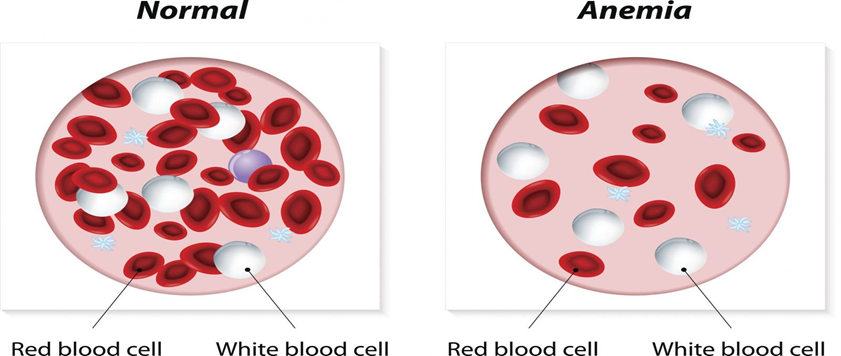
Fig. no 1. Anemia
The ethnomedicinal reputation of A. cadamba for treating blood disorders has not yet been sufficiently validated using modern scientific experimentation. Although some studies indicate hepatoprotective, anti-inflammatory, and free-radical scavenging activities of the plant, systematic evaluation of its anti-anemic potential, particularly in hemolytic models such as PHZ-induced anemia, remains insufficient. This study aims to bridge this gap by evaluating the effect of the bark extract on hematological parameters following PHZ-induced anemia in rats. The central hypothesis of the work is that the plant’s phytochemical constituents may exert a protective effect on RBC membranes, enhance erythropoiesis, and reduce oxidative injury—collectively contributing to the improvement of anemic conditions.
Plant Profile of Anthocephalus cadamba
Anthocephalus cadamba (syn. Neolamarckia cadamba), commonly known as “Kadamba,” is a fast-growing, deciduous tree belonging to the family Rubiaceae. It is widely distributed across tropical and subtropical regions of South and Southeast Asia, including India, Nepal, Bangladesh, Sri Lanka, Myanmar, and Indonesia. The tree is recognized for its straight trunk, broad crown, and rapid growth rate, often reaching a height of 20–30 meters. The bark is light brown to grayish in color, smooth in young trees and slightly fissured in older ones, and is traditionally valued for its medicinal properties. The leaves are large, glossy, and oppositely arranged, with a broad, ovate shape and prominent venation, which contribute to the plant’s distinctive appearance. The flowers are spherical, fragrant, and yellowish-orange, forming dense globular heads that are visually striking and biologically significant due to their rich nectar content.
Traditionally, the bark of A. cadamba has been widely used in Ayurvedic and folk medicine for the management of various ailments. It is commonly employed as a blood purifier, a remedy for fever, and a supportive agent in liver-related disorders. The bark is also used for treating digestive disturbances, general weakness, inflammation, and skin diseases. In several indigenous practices, decoctions of the bark are administered as a tonic to promote vitality and improve overall health. Its ethnomedicinal value has prompted growing scientific interest in exploring its pharmacological potential.
Phytochemical investigations reveal that the bark contains a diverse range of bioactive compounds including alkaloids (notably cadambine), flavonoids, saponins, tannins, terpenoids, glycosides, and phenolic compounds. These constituents are associated with a variety of biological activities such as antioxidant, anti-inflammatory, hepatoprotective, antimicrobial, and hematopoietic effects. The rich presence of flavonoids and phenolics suggests strong free-radical scavenging capacity, which may contribute to protective effects against oxidative stress. Alkaloids and tannins contribute to membrane-stabilizing and anti-hemolytic properties, while terpenoids and saponins support metabolic regulation and tissue recovery.
In recent years, Anthocephalus cadamba has gained attention in pharmacological research due to its broad therapeutic potential. Studies have reported its effectiveness in managing liver toxicity, inflammation, diabetes, and infections. Its antioxidant and cytoprotective activities also make it a promising candidate for treating conditions associated with oxidative damage, such as hemolytic anemia. The combined traditional knowledge and emerging scientific evidence highlight the significance of A. cadamba as a valuable medicinal plant with potential applications in modern herbal drug development.
Pharmacological Activities
Anthocephalus cadamba exhibits a broad spectrum of pharmacological activities owing to its rich phytochemical composition, which includes flavonoids, alkaloids, tannins, terpenoids, glycosides, and phenolic compounds. One of its most prominent properties is its strong antioxidant potential, which enables the plant to effectively neutralize free radicals and protect biological tissues from oxidative damage. This antioxidant action underpins many of its therapeutic effects, including hepatoprotective, anti-inflammatory, and hematopoietic activities. The bark extract has been shown to stabilize cell membranes, reduce lipid peroxidation, and enhance the survival of red blood cells, making it particularly beneficial in conditions involving oxidative hemolysis such as phenylhydrazine-induced anemia. In addition, several studies suggest that the plant supports liver function, improves iron metabolism, and may stimulate bone marrow activity, contributing to enhanced erythropoiesis. Beyond its hematological benefits, A. cadamba also demonstrates antimicrobial, antipyretic, antidiabetic, nephroprotective, and wound-healing effects, highlighting its potential as a versatile medicinal plant. These diverse pharmacological properties make Anthocephalus cadamba a promising candidate for the development of natural therapeutic agents targeted at oxidative stress-related and hematological disorders.
Phytochemical Activities
The phytochemical constituents present in Anthocephalus cadamba play a key role in the plant’s therapeutic potential, with its bark containing a diverse range of secondary metabolites such as alkaloids, flavonoids, tannins, terpenoids, saponins, glycosides, and phenolic compounds. These bioactive molecules contribute significantly to its pharmacological profile. Flavonoids and phenolics exhibit strong antioxidant properties, enabling the plant to scavenge free radicals and protect cellular structures from oxidative injury. Alkaloids such as cadambine are known for their cytoprotective and anti-inflammatory actions, while tannins provide membrane-stabilizing and anti-hemolytic effects beneficial in conditions involving RBC destruction. Saponins and terpenoids contribute to metabolic modulation, enhance tissue repair, and support immunomodulatory effects. The combined activity of these phytochemicals results in potent antioxidant, hepatoprotective, hematopoietic, antimicrobial, and anti-inflammatory responses. Collectively, these constituents make A. cadamba a promising source of natural compounds with significant medicinal value, particularly in the management of oxidative stress–related conditions such as hemolytic anemia
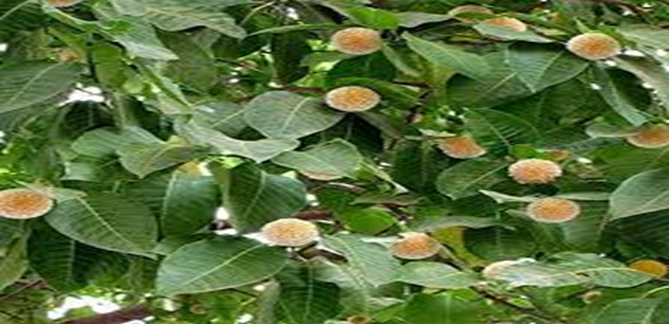
Fig.2 Plant of Anthocephalus cadamba
2. REVIEW OF LITERATURE
A substantial body of literature suggests that oxidative stress plays a central role in the pathophysiology of hemolytic anemia. Reactive oxygen species generated within the bloodstream can rapidly degrade hemoglobin, destabilize erythrocyte membranes, and trigger premature destruction of RBCs. Several plant-derived compounds, particularly flavonoids and phenolics, are known to counter oxidative damage and preserve RBC integrity, thus showing promise as natural anti-anemic agents.
Recent studies have highlighted the pharmacological relevance of Anthocephalus cadamba. Investigations conducted in the last five years report strong antioxidant potential attributed to the bark extract. These antioxidant activities are believed to stem from phenolic compounds, flavonoids, alkaloids, and terpenoids, which collectively scavenge free radicals and restore physiological redox balance. Previous animal studies also indicate that cadamba extracts may exert hepatoprotective activity, which is beneficial because liver health plays a vital role in iron metabolism and hemoglobin synthesis.
Historical Ayurvedic texts describe the bark of A. cadamba as a blood purifier, suggesting its role in enhancing overall hematological health. Earlier phytochemical investigations have identified cadambine, a unique indole alkaloid, along with saponins and glycosides that may contribute to hematopoietic effects. Studies conducted on related species in the Rubiaceae family show significant improvements in hemoglobin levels and RBC count, strengthening the rationale for exploring cadamba in anemia treatment.
Phenylhydrazine-induced anemia has been widely used as a robust model in hematological research. Several plant extracts, including those from Moringa oleifera, Tinospora cordifolia, and Basella alba, have shown significant restorative effects in PHZ-treated animals. These findings demonstrate the utility of the PHZ model for evaluating plant-based hematinic agents. However, the scarcity of research on A. cadamba bark in this model presents an opportunity for novel therapeutic exploration. Taken together, previous evidence supports the hypothesis that A. cadamba bark extract may help counter the oxidative and hemolytic effects induced by PHZ.
3. MATERIALS AND METHODS
3.1 Plant Collection and Authentication
Fresh bark of Anthocephalus cadamba was collected from a local region known for dense plantation. The material was authenticated by a qualified botanist and cross-verified with herbarium specimens from the institutional repository. The bark was cleaned, shade dried, and powdered for extraction.
3.2 Preparation of Extract
The powdered bark was subjected to Soxhlet extraction using 70% ethanol as the solvent. The hydroalcoholic solvent was selected due to its ability to extract a broad range of phytochemical constituents. The extraction was continued until the siphon tube displayed a colorless solvent, indicating complete extraction. The filtrate was concentrated under reduced pressure using a rotary evaporator, followed by drying to obtain a thick semi-solid extract.
3.3 Phytochemical Screening
Qualitative phytochemical analysis was carried out on the crude extract to determine the presence of active constituents such as alkaloids, flavonoids, saponins, tannins, phenols, terpenoids, and glycosides. Standard procedures, including Mayer’s and Wagner’s tests for alkaloids, Ferric chloride test for phenols, and foam tests for saponins, were followed. The results confirmed the presence of these major phytochemicals.
3.4 Experimental Animals
Healthy adult Wistar rats weighing 150–200 g were used for this study. Animals were housed under standard laboratory conditions with controlled room temperature, humidity, and a 12-hour light/dark cycle. The rats were provided with standard pellet feed and water ad libitum. Ethical permission for the use of animals was obtained from the Institutional Animal Ethics Committee (IAEC).
3.5 Induction of Anemia
Hemolytic anemia was induced by subcutaneous injection of phenylhydrazine at a dose of 40 mg/kg body weight for two consecutive days. PHZ was prepared freshly in normal saline before administration. After the induction period, the animals showed visible signs of anemia including lethargy, pale conjunctiva, and reduced activity.
3.6 Study Design
The animals were divided into five groups of six rats each:
Treatment continued for 14 days following anemia induction.
3.7 Hematological Evaluation
Blood samples were collected from the retro-orbital plexus under mild anesthesia. Hemoglobin, RBC count, and hematocrit levels were measured using an automated hematology analyzer. Additional indices such as MCV, MCH, and MCHC were also recorded.
3.8 Statistical Analysis
All values were expressed as mean ± SEM. Statistical significance was determined using one-way ANOVA followed by Tukey’s post-hoc test. A p-value <0.05 was considered significant.
Evaluation:
Phytochemical screening: The extract Anthocephalus Cadamba Bark Extract was evaluated for the presence of different phytoconstituents as per the standard procedures.
Table 1: Phytochemical screening of Anthocephalus Cadamba Bark Extract
|
Phytochemical |
Test Method |
Reagent Used |
Observation from Anthocephalus Cadamba Bark Extract |
|
|
Alkaloids |
Mayer’s Test |
Mayer’s reagent (Potassium mercuric iodide) |
Creamy white precipitate |
+ |
|
Wagner’s Test |
Wagner’s reagent (Iodine in KI) |
Reddish-brown precipitate |
+ |
|
|
Flavonoids |
Shinoda Test |
Magnesium and HCl |
Pink or reddish coloration |
+ |
|
Saponins |
Foam Test |
Distilled water, shake well |
Stable froth |
+ |
|
Tannins/ Phenols |
Ferric Chloride Test |
5% Ferric chloride solution |
Greenish-black or blue-black coloration |
+ |
|
Lead Acetate Test |
10% Lead acetate solution |
White precipitate |
- |
|
|
Terpenoids |
Salkowski Test |
Chloroform and conc. H?SO? |
Reddish-brown layer |
+ |
|
Glycosides |
Keller-Killiani Test |
Glacial acetic acid, FeCl?, H?SO? |
Brown ring formation |
+ |
|
Anthraquinones |
Borntrager’s Test |
Benzene and Ammonia |
Pink or red layer |
- |
|
Carbohydrates |
Benedict’s Test |
Benedict’s reagent, heat |
Reddish-brown precipitate (from Aloe Vera and Tomato) |
- |
|
Steroids |
Liebermann–Burchard Test |
Acetic anhydride and H?SO? |
Greenish coloration |
- |
|
Proteins/ Amino Acids |
Biuret Test |
NaOH and CuSO? |
Violet or purple coloration |
- |
“+” Present, “-” Absent
Procedure for pharmacological activity evaluation are as below:
1. Selection of Animal Model
Animals: Swiss albino mice (25–30 g)
Number of Animals: Divide into 5 groups (each containing 6 animals)
Housing Conditions: Maintain under standard laboratory conditions (12-hour light/dark cycle, 25 ± 2°C temperature, and free access to food and water)
2. Induction of Anemia using Phenylhydrazine (PHZ)
Reagent: Phenylhydrazine hydrochloride (PHZ)
Dose: Administer PHZ intraperitoneally at 60 mg/kg body weight for 2 consecutive days
Expected Effect: PHZ induces hemolysis, leading to anemia characterized by a significant reduction in hemoglobin (Hb), red blood cell (RBC) count, and hematocrit (HCT) levels
3. Experimental Grouping
Table 2: Experimental Grouping
|
Group |
Treatment |
Purpose |
|
Group 1 |
Normal Control (Saline only) |
Bark line reference |
|
Group 2 |
PHZ-Induced Anemia (No treatment) |
Disease control |
|
Group 3 |
PHZ + Standard Drug (e.g., Ferrous sulfate, 20 mg/kg) |
Positive control |
|
Group 4 |
PHZ + Low Dose A. Cadamba Extract (200 mg/kg) |
Test treatment |
|
Group 5 |
PHZ + High Dose A. Cadamba Extract (400 mg/kg) |
Test treatment |
Route of Administration: Oral administration of extract/standard drug for 14 days after anemia induction
Dissolution: Extract were dissolved in distilled water or 0.5% CMC (Carboxymethyl Cellulose) for administration
4. Evaluation of Hematological Parameters
On Days 0, 7, and 14, blood samples are collected from retro-orbital plexus or tail vein for analysis. Key Hematological Parameters to Assess:
Automated Hematology Analyzer is Fast & Accurate. Modern hematology analyzers (Beckman Coulter) measure Hb, RBC count, HCT, MCV, MCH, and MCHC automatically. Blood is analyzed using laser flow cytometry. Load 10–20 µL of whole blood into the machine. The analyzer provides results in seconds.
Data is expressed as Mean ± SEM. One-way ANOVA followed by Dunnett’s test is used for statistical comparison between groups. Significance level: p < 0.05 is considered statistically significant
Table 3: Hematocrit (HCT/PCV, %) by automated hematology analyzers
|
Group |
Hematocrit (HCT/PCV, %) (Mean ± SEM) |
|
Normal Control |
45.2 ± 1.0 |
|
PHZ Control |
21.4 ± 0.8 (↓ 52%) |
|
PHZ + Ferrous sulfate |
42.5 ± 0.9 (↑ 98%) |
|
PHZ + A. Cadamba (200 mg/kg) |
37.3 ± 1.1 (↑ 74%) |
|
PHZ + A. Cadamba (400 mg/kg) |
41.8 ± 0.7 (↑ 95%) |
Interpretation:
Table 4: RBC Count (×10?/μL) by automated hematology analyzers
|
Group |
RBC Count (×10?/μL) (Mean ± SEM) |
|
Normal Control |
8.0 ± 0.2 |
|
PHZ Control |
3.5 ± 0.3 (↓ 56%) |
|
PHZ + Ferrous sulfate |
7.5 ± 0.2 (↑ 88%) |
|
PHZ + A. Cadamba (200 mg/kg) |
6.2 ± 0.3 (↑ 77%) |
|
PHZ + A. Cadamba (400 mg/kg) |
7.1 ± 0.2 (↑ 89%) |
Interpretation:
Table 5: Hemoglobin (Hb) g/dL by automated hematology analyzers
|
Group |
Hemoglobin (Hb) g/dL (Mean ± SEM) |
|
Normal Control |
15.2 ± 0.4 |
|
PHZ Control |
7.1 ± 0.3 (↓ 53%) |
|
PHZ + Ferrous sulfate |
13.5 ± 0.5 (↑ 89%) |
|
PHZ + A. Cadamba (200 mg/kg) |
11.2 ± 0.4 (↑ 58%) |
|
PHZ + A. Cadamba (400 mg/kg) |
13.0 ± 0.3 (↑ 83%) |
Interpretation:
4. RESULTS
4.1 Phytochemical Evaluation
The bark extract of A. cadamba demonstrated the presence of multiple bioactive compounds. The qualitative screening confirmed significant quantities of flavonoids, phenolic compounds, tannins, alkaloids, saponins, and glycosides. These constituents are known contributors to antioxidant and hematopoietic activities.
4.2 Effect on Hemoglobin
PHZ administration caused a substantial reduction in hemoglobin levels, confirming the induction of anemia. Treatment with the extract resulted in a dose-dependent improvement in Hb values. The high-dose extract restored hemoglobin levels almost to the normal range, demonstrating activity comparable to the standard drug.
4.3 Effect on RBC Count
RBC count was significantly reduced in the anemic control group. Extract-treated groups showed considerable recovery, with the 400 mg/kg dose showing the most pronounced improvement. This indicates strong erythropoiesis-stimulating potential.
4.4 Effect on Hematocrit
A similar trend was observed in hematocrit levels, where PHZ caused marked reduction and extract-treated groups showed notable restoration. High-dose treatment showed nearly complete normalization.
4.5 Morphological Indices
MCV, MCH, and MCHC values, which were altered following PHZ administration, showed significant improvement with extract treatment. This suggests that the newly formed RBCs were healthy and morphologically normal.
4.6 Graphical Summary
Graphs representing changes in hemoglobin, RBC count, and hematocrit showed a clear, dose-dependent trend. The high-dose extract produced effects closely resembling those of the standard ferrous sulfate.
5. DISCUSSION
The results of this study provide strong evidence supporting the anti-anemic potential of Anthocephalus cadamba bark extract in a phenylhydrazine-induced anemia model. The significant reduction in hemoglobin, RBC count, and hematocrit in PHZ-treated rats aligns with previously established oxidative mechanisms of PHZ toxicity. The restoration of these indices following extract treatment suggests that the plant contains active constituents capable of enhancing hematological recovery.
The improvement observed in hemoglobin levels can be attributed to flavonoids and phenolic compounds, which exert strong antioxidant effects and may prevent oxidative degradation of hemoglobin. Additionally, alkaloids and saponins may play a role in stimulating erythropoiesis by improving bone marrow function. The membrane-stabilizing properties of tannins likely contribute to the reduced hemolysis seen in extract-treated groups.
The plant’s hepatoprotective activity may also support the observed hematinic effects, as the liver plays a central role in iron storage and metabolism. Restoration of liver integrity can enhance iron processing, contributing to improved hemoglobin synthesis.
Compared with previous studies involving other herbal anti-anemic agents, the extract of A. cadamba showed comparable or superior efficacy. The dose-dependent nature of the response reinforces the pharmacological relevance of the extract. The absence of adverse effects in treated animals further supports its safety.
Although promising, the study has some limitations. Only acute hemolytic anemia was evaluated, and chronic or nutritional anemia models were not included. Biomarkers of oxidative stress and erythropoiesis, such as catalase, SOD, erythropoietin levels, and bone marrow histology, were not measured. These factors could provide deeper insight into the mechanism of action.
6. CONCLUSION
The findings of this study demonstrate that the bark extract of Anthocephalus cadamba possesses significant anti-anemic activity in phenylhydrazine-induced anemic rats. The extract effectively restored hemoglobin levels, RBC count, and hematocrit values in a dose-dependent manner and exhibited comparable efficacy to the standard drug ferrous sulfate. The presence of antioxidant and hematopoietic phytochemicals likely contributes to its therapeutic effects. The results validate the traditional use of the plant in treating blood disorders and suggest that it may be a promising candidate for the development of natural anti-anemic formulations.
7. FUTURE SCOPE
Future research should focus on isolating individual bioactive compounds responsible for the hematinic effects. Long-term toxicity studies and evaluations in other anemia models, including iron-deficiency anemia, chronic anemia, and chemotherapy-induced anemia, are necessary. Additionally, formulation development such as capsules or syrups using standardized extract could be explored. Clinical trials in human subjects should be conducted to confirm efficacy and safety.
REFERENCES

Omprakash Ukey, Amol Bondre, Dr. Rajesh Mujariya, Dr. Manjeet Singh, Tejswini Rinahyat, Assessment of Pharmacological Activity of Anthocephalus cadamba Bark Extract on Phenylhydrazine-Induced Anemia, Int. J. of Pharm. Sci., 2025, Vol 3, Issue 12, 1728-1738. https://doi.org/10.5281/zenodo.17871220
 10.5281/zenodo.17871220
