View Article

Abstract

A notable evolution within the cosmetic sector is the increasing reliance on botanical agents with empirical evidence of efficacy, commonly known as cosmeceuticals. Among these, Citrus limon (lemon) has emerged as a prominent ingredient in advanced skincare preparations like face serums, reflecting its extensive history in traditional wellness practices. This review offers a detailed examination of lemon's application in contemporary dermatology. We explore its complex phytochemical makeup, which includes L-ascorbic acid (Vitamin C), citric acid, a range of flavonoids such as hesperidin and eriocitrin, and volatile essential oils. The paper systematically investigates the biological mechanisms that justify its use in cosmetics, including its powerful antioxidant, collagen-promoting, skin-lightening, antimicrobial, and anti-inflammatory capabilities. We also confront the significant formulation hurdles, such as the chemical instability of its primary active compounds and safety issues like phytophotodermatitis. The discussion covers sophisticated formulation methodologies and delivery platforms designed to augment both stability and cutaneous bioavailability. Finally, the review delineates the critical physicochemical and biological criteria necessary for the robust evaluation of a finished lemon-infused serum. In summary, Citrus limon possesses a potent, multi-action profile ideal for skincare, yet its successful deployment in a safe and effective serum is wholly contingent upon advanced formulation science.

Keywords

Citrus limon, face Serum, cosmetics , antioxidant, ayurveda, natural astringent

Introduction

A fundamental transformation is underway in the global skincare landscape, driven by consumer demand for products that offer benefits beyond simple aesthetics, bordering on therapeutic action [10, 11]. These quasi-pharmaceutical products, termed cosmeceuticals, are increasingly formulated with bioactive botanical ingredients to meet this demand [1]. Within this green chemistry movement, Citrus limon L., a member of the Rutaceae family, has garnered substantial attention for its dense phytochemical profile and diverse biological functionalities [15]. Face serums represent a category of high-potency skincare, engineered with a low-viscosity chassis to facilitate the rapid absorption of a concentrated dose of active ingredients [11]. The integration of lemon-derived components into these advanced systems is intended to leverage its scientifically supported benefits, including photoprotection, collagen synthesis support, and pigmentation correction.

1.1 Historical Perspective

The utility of lemon in health and beauty rituals is documented across millennia. In traditional therapeutic systems like Ayurveda, lemon juice was employed as a natural astringent, a remedy for skin imperfections, and an antiseptic agent [22]. European folk traditions advocated for its use in lightening freckles and as a general skin tonic. This rich history of ethnobotanical application has provided the impetus for modern scientific inquiry, which has subsequently validated many of the therapeutic and cosmetic effects traditionally ascribed to the fruit [20].

1.2. Biological Description and Geographical Distribution

1.2.1. Botanical Profile

Citrus limon is a species of a small evergreen tree or spreading shrub in the flowering plant family Rutaceae. The plant typically grows to a height of 3 to 6 meters and is characterized by a thorny, branching habit [24]. Its leaves are ovate and finely toothed, emitting a distinct lemon aroma when crushed. The fruit, botanically a hesperidium, is an ovoid berry, yellow when ripe, with a prominent stylar-end nipple and an oil-rich, pitted peel [24].

1.2.2. Geographical Distribution

Native to South Asia, Citrus limon is now cultivated in tropical and subtropical climates across the globe, requiring protection from frost for optimal growth [20]. Major commercial production is concentrated in regions with Mediterranean climates. As of recent agricultural data, the world's leading producers of lemons and limes include India, Mexico, China, Argentina, and Brazil [12]. This widespread cultivation ensures a consistent global supply for culinary, industrial, and medicinal applications.

2. Phytochemical Constituents of Citrus limon

The dermatological power of lemon stems from a complex synergy of its constituent phytochemicals.

  • Vitamins: Foremost among its vitamin constituents is L-ascorbic acid (Vitamin C), a water-soluble antioxidant indispensable for maintaining skin homeostasis [30].
  • Organic Acids: Citric acid, a key alpha-hydroxy acid (AHA), is the most abundant organic acid and is the main determinant of the fruit's characteristically low pH [27].
  • Phenolic Compounds: Lemon is an abundant reservoir of phenolic compounds. Major flavonoids include hesperidin and eriocitrin [15, 28]. The fruit matrix also contains phenolic acids like ferulic acid [40].
  • Essential Oils: The peel is the primary source of lemon essential oil, which is dominated by D-limonene [18, 25].
  • Coumarins: The peel contains furanocoumarins like bergapten and psoralen, which require careful consideration in skincare due to their photosensitizing potential [3].

3. Biological Activities Relevant to Dermatology

3.1. Antioxidant and Anti-aging Activity

Skin physiology is persistently challenged by reactive oxygen species (ROS) from environmental stressors, leading to oxidative stress and accelerated aging [31]. Vitamin C and flavonoids directly neutralize these free radicals [6, 30]. Critically, Vitamin C is an obligatory cofactor for enzymes that synthesize and stabilize collagen, making it indispensable for preserving the skin's structural integrity [29]. Ferulic acid, also present in lemon, uniquely stabilizes Vitamin C and amplifies its ability to protect skin from UV-induced damage [21].

3.2. Skin Whitening and Anti-pigmentary Effects

L-ascorbic acid is a well-established suppressor of tyrosinase, the rate-limiting enzyme in melanin synthesis, which effectively slows down the production of pigment [5, 41]. This biochemical action is physically complemented by the keratolytic effect of citric acid. As an AHA, it promotes the exfoliation of pigmented cells from the skin surface, leading to a more luminous and uniform skin tone [20].

3.3. Antimicrobial Properties

Lemon's ability to inhibit microbial growth is principally linked to its essential oil fraction and its inherent acidity. Key components like limonene have shown efficacy against skin-relevant microbes, including Cutibacterium acnes [9, 25]. Concurrently, the low pH environment created by citric acid creates conditions that are unfavorable for the proliferation of many microorganisms [36].

3.4. Anti-inflammatory Effects

Citrus flavonoids have demonstrated a marked capacity to quell inflammatory responses by downregulating the production of key inflammatory signaling molecules [18, 23]. This activity can help to pacify irritated skin and diminish the erythema (redness) typical of inflammatory dermatoses.

4. Formulation of Lemon-Based Face Serums

4.1. Formulation Challenges

The chemical integrity of L-ascorbic acid is notoriously fragile; it readily undergoes oxidative degradation [29]. The extreme acidity of raw lemon can disrupt the skin's protective acid mantle [20], while furanocoumarins in certain lemon oils can induce phytophotodermatitis, a severe phototoxic reaction upon UV exposure [3, 38]. Furthermore, achieving sufficient penetration of active ingredients through the skin's primary barrier, the stratum corneum, is a major formulation hurdle [14].

4.2. Formulation Strategies

Prudent formulation demands the use of standardized, furanocoumarin-free (FCF) botanical extracts [38]. The final product must be buffered to a skin-compatible pH (typically 4.5-6.0) [37]. A proven strategy involves combining Vitamin C with Vitamin E and ferulic acid to create a regenerative antioxidant network [21]. An alternative is using stable Vitamin C derivatives like sodium ascorbyl phosphate [35]. To enhance penetration and protect actives, modern serums employ encapsulation technologies like liposomes and nanoemulsions [14, 26].

5. Evaluation Parameters for Face Serums

A scientifically developed serum must undergo rigorous testing. This includes physicochemical evaluation (pH, viscosity, appearance), stability studies according to ICH guidelines, and safety evaluation via patch testing [17, 34]. Efficacy is assessed through in vitro assays (e.g., DPPH for antioxidant capacity) and in vivo clinical trials using non-invasive instruments like the Corneometer® (hydration) and Mexameter® (pigmentation) to quantify changes on human skin [4, 29].

5.1. Physicochemical and Safety Evaluation

This includes physicochemical evaluation (pH, viscosity, appearance), stability studies according to ICH guidelines, and safety evaluation via patch testing [17, 34].

  • Physicochemical Evaluation: Assessment of organoleptic properties (colour, odour, homogeneity), pH, viscosity (using a Brookfield viscometer), spreadability (parallel-plate method), and washability [49, 50, 51, 52].
  • Stability Studies: Samples are stored under various temperature conditions (e.g., $25^{\circ}\text{C}$, $35^{\circ}\text{C}$, and $40^{\circ}\text{C}$) and monitored for physical changes over time to predict shelf-life [52].
  • Patch Test (Dermal Irritation Study): A small quantity of the serum is applied to a confined area of human skin (inner forearm) and monitored for 24-48 hours for adverse reactions like erythema or swelling to determine skin suitability [49].

5.2. In Vitro Efficacy Assays: Proving Biological Activity in the Lab

In vitro assays are crucial for establishing the fundamental biological activities—like antioxidant power and anti-pigmentation mechanisms—before human trials.

Assay Category

Specific Test

Purpose and Relevance

Reference

Antioxidant Capacity

DPPH Free Radical Scavenging Assay

Directly measures the serum's ability to neutralize free radicals. The intensity of color change (from purple to yellow) indicates the potency of antioxidant components like Vitamin C and flavonoids [40].

[4]

Anti-pigmentation

Tyrosinase Inhibition Assay

Evaluates the serum's capacity to inhibit the enzyme tyrosinase. This is the rate-limiting step in melanin production, directly validating the serum's skin-whitening potential [41].

[5, 41]

Anti-aging/ Cytoprotection

Cell Viability (MTT) Assay

Tests the serum's non-toxicity and protective effects on cultured skin cells (like fibroblasts or keratinocytes) against induced oxidative stress or UV damage [31].

[31]

Antimicrobial

Minimum Inhibitory Concentration (MIC) Test

Determines the lowest concentration of the serum (or its oil component) required to inhibit the visible growth of skin-relevant microbes, such as Cutibacterium acnes (for acne) [25].

[25]

5.3. In Vivo Efficacy Assays: Validating Benefits on Human Skin

In vivo studies provide clinical evidence of efficacy and are conducted on human volunteers under controlled conditions.

Efficacy Parameter

Non-Invasive Instrument/ Method

Measured Outcome and Relevance

Reference

Hydration

Corneometer®

Measures the electrical capacitance of the skin's stratum corneum. An increase in capacitance directly reflects improved skin moisture content after serum application [29].

[29, 34]

Pigmentation

Mexameter®

Uses spectrophotometry to quantify the skin's melanin and erythema index. A decrease in the melanin index provides objective evidence of the serum's skin-lightening and anti-pigmentary effects [4, 41].

[4, 41]

Skin Elasticity/ Firmness

Cutometer®

Measures the skin's ability to resist and recover from negative pressure suction. Improvements are indicative of enhanced collagen synthesis and anti-aging activity [10].

[10, 11]

Sebum/ Oil Control

Sebumeter®

Measures the quantity of sebum (oil) on the skin's surface. Useful for serums claiming astringent or mattifying effects [9].

[9]

Anti-erythema

Visual Grading / Mexameter®

Assesses reduction in skin redness (erythema) caused by irritants or inflammatory conditions, validating the serum's anti-inflammatory and soothing claims [23].

[23]

6. FORMULATION FOR FACE SERUM-

SR. NO.

INGREDIENTS

FORMULATION [1] 50ML

FORMULATION [2] 50ML

1.

Citrus lemon oil

18

15

2

Ashwagandha extract

15

10

3

glycerine

8

12

4

Almond oil

4.5

4.5

5

Coconut oil

1

1

6

Vitamin E

0.1

0.1

7

Rose water

3

3

8

Tween 20

0.5

2

6.1.1. ACTIVE INGREDIENTS-

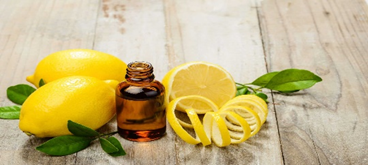
FIG 6.1.1 LEMON OIL
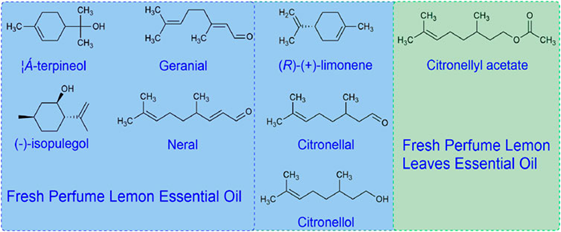
FIG 6.1.2. CHEMICAL CONSTITUENTS OF LEMON OIL

6.2. OTHER CONSTITUENTS

Citrus Lemon Oil: An essential oil from lemon peel. Used for fragrance, but Warning: Highly phototoxic; can cause severe chemical burns and dark spots in sunlight [42]

Ashwagandha Extract: An Ayurvedic herb. Used in serums to calm skin, fight inflammation, and protect against environmental stressors [41].

Glycerine: A natural humectant. Used in serums to pull moisture from the air into the skin, providing deep hydration and strengthening the skin barrier [43].

Almond Oil: A carrier oil rich in Vitamin E. Used in serums to moisturize, soften skin, and soothe irritation, particularly for dry skin types [44].

Coconut Oil: A rich moisturizing oil. Generally avoided in face serums as it is highly comedogenic (clogs pores) for most skin types, which can cause acne [45].

Vitamin E (Tocopherol): A powerful antioxidant. Used in serums to protect skin from free-radical damage (like pollution) and to act as a natural preservative [46].

Rose Water: A floral hydrosol. Used in serums as a soothing, anti-inflammatory base to hydrate, tone, and visibly reduce skin redness [47].

7. PROCEDURE FOR PREPARATION OF SERUM-

The emulsion (o/w) was prepared according to formula.

1) Preparation of oil phase: The oily component consisting of Citrus Limon Oil, Vitamin E, almond oil, coconut oil, Tween 20 are taken into one beaker and melted at 70 C.

2) Preparation of water phase: The water phase is prepared at same time by mixing Ashwagandha extract, glycerin, sodium benzoate and rose water upto q.s.

3) Preparation of emulsion: Emulsion was prepared by adding oil phase into liquid phase drop wise Under mechanical stirring at 700 to 800 rpm to obtain o/w biphasic emulsion. Then final product Is transferred to amber colour glass bottle.[48]

8. Materials and Methods: Evaluation of Serum Formulations

To characterize the prepared face serums, a comprehensive panel of physicochemical and safety tests was conducted.

8.1 Physical and Organoleptic Evaluation

All serum formulations were first assessed for their organoleptic properties. This included qualitative analysis of their colour, odour, and homogeneity. Furthermore, the formulations were visually inspected for clarity and the presence of any particulate matter or foreign particles [49].

8.2 Determination of pH

The pH of each formulation was determined using a calibrated digital pH meter. Approximately 1 ml of the serum was accurately weighed and dissolved in 50 ml of distilled water. The pH of the resulting solution was recorded. This test ensures the formulation's pH is within the acceptable, slightly acidic range of human skin (typically 4.1–6.7) to prevent irritation [50].

8.3 Determination of Viscosity

The rheological properties of the serums were evaluated by measuring their viscosity. A Brookfield viscometer (Spindle No. 64) was operated at 50 rpm to determine the viscosity of each formulation, providing data on the serum's consistency and flow characteristics [51].

8.4 Determination of Spreadability

Spreadability, an important factor for topical application, was assessed using a parallel-plate method. A sample (approximately 3 g) was placed between two glass slides. A standard weight of 20 g was applied to the upper slide, and the time required for the upper slide to travel 10 cm over the lower slide was recorded. This value serves as a quantitative measure of how easily the serum spreads on a surface [50].

8.5 Washability

The ease of removal, or washability, was evaluated qualitatively. A standard amount of each formulation was applied to a patch of skin. The ease with which the serum could be washed off using plain water was observed and recorded [52].

8.6 Stability Studies

Short-term accelerated stability studies were performed to assess the physical and chemical integrity of the formulations over time. Samples were stored under various temperature conditions (25°C, 35°C, and 40°C). The samples were periodically evaluated for any changes in their physical properties to predict shelf-life and ensure safety [52].

8.7 Patch Test (Dermal Irritation Study)

To evaluate skin suitability and safety, a patch test was conducted. A small quantity of the serum was applied to a confined area of skin, typically the inner forearm. The application site was monitored for 24-48 hours for any adverse reactions, such as erythema (redness), itching, or swelling, to determine its potential for irritation [49].

9. Broader Medicinal Applications: Cardiovascular Health

Beyond dermatology, the phytochemical wealth of lemon, particularly its flavonoids, has been studied for its benefits in promoting cardiovascular health. The term "heart blockades" generally refers to atherosclerosis, the buildup of plaque in the arteries. Lemon bioactives contribute to cardiovascular wellness by mitigating the risk factors associated with this condition. The key flavonoids hesperidin and eriocitrin have demonstrated potential in improving cardiovascular markers, including lowering levels of low-density lipoprotein (LDL) cholesterol [2, 19, 39]. The mechanism is thought to involve the downregulation of key enzymes in hepatic cholesterol synthesis [19]. Furthermore, citrus flavonoids exert anti-inflammatory and antioxidant effects within the vascular system, helping to reduce oxidative stress that contributes to atherosclerotic plaques [2]. They have also been shown to improve endothelial function—the health of the inner lining of blood vessels—which is crucial for maintaining normal blood pressure [33]. Epidemiological studies have associated regular consumption of flavonoid-rich foods like lemon with a reduced risk of major cardiovascular events [16].

CONCLUSION AND FUTURE PERSPECTIVES

Citrus limon is indisputably a valuable botanical asset for the cosmeceutical field. Its diverse profile of bioactive molecules offers a holistic approach to skin wellness. However, its successful deployment in a high-performance serum is a sophisticated scientific undertaking, demanding rigorous control over ingredient sourcing, stability enhancement, delivery optimization, and safety verification. Future research should prioritize robust clinical studies on standardized lemon formulations to further solidify the evidence for their dermatological benefits.

REFERENCES

  1. Aburjai, T., & Natsheh, F. M. (2003). Plants used in cosmetics. Phytotherapy Research, 17(9), 987-1000.
  2. Assini, J. M., Mulvihill, E. E., & Huff, M. W. (2013). Citrus flavonoids and the metabolic syndrome. Current Opinion in Lipidology, 24(1), 34-40.
  3. Bakkali, F., Averbeck, S., Averbeck, D., & Idaomar, M. (2008). Biological effects of essential oils – a review. Food and Chemical Toxicology, 46(2), 446-475.
  4. Brand-Williams, W., Cuvelier, M. E., & Berset, C. (1995). Use of a free radical method to evaluate antioxidant activity. LWT-Food Science and Technology, 28(1), 25-30.
  5. Chang, T. S. (2009). An updated review of tyrosinase inhibitors. International Journal of Molecular Sciences, 10(6), 2440-2475.
  6. Cirmi, S., Maugeri, A., Ferlazzo, N., Muscarà, C., Calapai, G., & Navarra, M. (2017). The versatile effects of hesperidin. Phytotherapy Research, 31(4), 540-554.
  7. D'Auria, F. D., Tecca, M., Strippoli, V., Salvatore, G., Battinelli, L., & Mazzanti, G. (2005). Antifungal activity of Citrus essential oils against Candida species. Journal of Chemotherapy, 17(5), 543-548.
  8. Draelos, Z. D. (2008). The cosmeceutical realm. Clinics in Dermatology, 26(6), 627-632.
  9. Draelos, Z. D. (2016). Cosmetic formulation of skin care products. In Cosmetic Dermatology: Products and Procedures (pp. 13-21). John Wiley & Sons.
  10. Food and Agriculture Organization of the United Nations. (2024). FAOSTAT: Crops and livestock products. FAO.org.
  11. Ganceviciene, R., Liakou, A. I., Theodoridis, A., Makrantonaki, E., & Zouboulis, C. C. (2012). Skin anti-aging strategies. Dermato-endocrinology, 4(3), 308-319.
  12. Gonzalez-Molina, E., Dominguez-Perles, R., Moreno, D. A., & Garcia-Viguera, C. (2010). Natural bioactive compounds of Citrus limon for food and health. Journal of Pharmaceutical and Biomedical Analysis, 51(2), 327-345.
  13. Hollman, P. C., Geelen, A., & Kromhout, D. (2010). Dietary flavonoid intake and risk of cardiovascular disease in women. The American Journal of Clinical Nutrition, 91(6), 1735-1742.
  14. ICH, Q1A (R2) (2003). Stability Testing of New Drug Substances and Products. International Conference on Harmonization, Geneva, Switzerland.
  15. Kamal, G. M., Anwar, F., Hussain, A. I., Sarri, N., & Ashraf, M. Y. (2011). Yield and chemical composition of Citrus essential oils as affected by seasonal variations. Food Chemistry, 124(2), 680-685.
  16. Kang, S. R., Park, K. I., Park, H. S., Lee, D. H., Kim, J. A., Nagappan, A., ... & Kim, G. S. (2011). Anti-inflammatory effect of hesperidin and its metabolite hesperetin in an air pouch inflammation model. Chemico-Biological Interactions, 189(1-2), 103-109.
  17. Kim, H. K., Jeong, T. S., Lee, M. K., Park, Y. B., & Choi, M. S. (2003). Lipid-lowering efficacy of hesperetin metabolites in high-cholesterol fed rats. Clinica Chimica Acta, 327(1-2), 129-137.
  18. Klimek-Szczykutowicz, M., Szopa, A., & Ekiert, H. (2020). Citrus limon (Lemon) Fruit, Its Juice, and Essential Oil: A Review of The Medicinal Properties And Processing By-Products. Plants, 9(11), 1481.
  19. Kornhauser, A., Coelho, S. G., & Hearing, V. J. (2010). Applications of hydroxy acids: classification, mechanisms, and photoactivity. Clinical, Cosmetic and Investigational Dermatology, 3, 135–142.
  20. Lin, F. H., Lin, J. Y., Gupta, R. D., Tournas, J. A., Burch, J. A., Selim, M. A., ... & Pinnell, S. R. (2005). Ferulic acid stabilizes a solution of vitamins C and E and doubles its photoprotection of skin. Journal of Investigative Dermatology, 125(4), 826-832.
  21. Mahomoodally, M. F. (2013). Traditional medicines in Africa: an appraisal of ten potent African medicinal plants. Evidence-Based Complementary and Alternative Medicine, 2013, 617459.
  22. Manthey, J. A. (2000). Biological properties of flavonoids pertaining to inflammation. Microcirculation, 7(6 Pt 2), S29-S34.
  23. Morton, J. (1987). Lemon. In: Fruits of warm climates. Julia F. Morton, Miami, FL. pp. 160–168.
  24. Orchard, A., & van Vuuren, S. (2017). Commercial Essential Oils as Potential Antimicrobials to Treat Skin Diseases. Evidence-Based Complementary and Alternative Medicine, 2017, 4517971.
  25. Pardeike, J., Hommoss, A., & Müller, R. H. (2009). Lipid nanoparticles (SLN, NLC) in cosmetic and pharmaceutical dermal products. International Journal of Pharmaceutics, 366(1-2), 170-184.
  26. Penniston, K. L., Nakada, S. Y., Holmes, R. P., & Assimos, D. G. (2008). Quantitative assessment of citric acid in lemon juice, lime juice, and commercially-available fruit juice products. Journal of Endourology, 22(3), 567-570.
  27. Peterson, J. J., Dwyer, J. T., Beecher, G. R., Bhagwat, S. A., Gebhardt, S. E., Haytowitz, D. B., & Holden, J. M. (2006). Flavanones in oranges, tangerines (mandarins), tangors, and tangelos: a compilation and review of the data from the analytical literature. Journal of Food Composition and Analysis, 19, S66-S73.
  28. Pierard, G. E. (1998). EEMCO guidance for the assessment of skin moisturization. Journal of the European Academy of Dermatology and Venereology, 10(2), 103-112.
  29. Pinnell, S. R. (2003). Cutaneous photodamage, oxidative stress, and topical antioxidant protection. Journal of the American Academy of Dermatology, 48(1), 1-19.
  30. Pullar, J. M., Carr, A. C., & Vissers, M. C. (2017). The Roles of Vitamin C in Skin Health. Nutrients, 9(8), 866.
  31. Rinnerthaler, M., Bischof, J., Streubel, M. K., Trost, A., & Richter, K. (2015). Oxidative stress in aging human skin. Biomolecules, 5(2), 545-589.
  32. Rizza, S., Muniyappa, R., Iantorno, M., Kim, J., Chen, H., Pullikotil, P., ... & Quon, M. J. (2011). Citrus polyphenol hesperidin stimulates production of nitric oxide in endothelial cells while improving endothelial function and reducing inflammatory markers in patients with metabolic syndrome. The Journal of Clinical Endocrinology & Metabolism, 96(5), E782-E792.
  33. Smaoui, S., Ben Hlima, H., Ben Chobba, I., & Kadri, A. (2017). Development and stability studies of a novel anti-aging cream from Opuntia ficus-indica L. juice. Journal of the Science of Food and Agriculture, 97(5), 1600-1607.
  34. Stamford, N. P. (2012). Stability, transdermal penetration, and cutaneous effects of ascorbic acid and its derivatives. Journal of Cosmetic Dermatology, 11(4), 310-317.
  35. Thiyagarajan, D., Basit, A., & Kothai, R. (2013). Formulation and evaluation of herbal anti-acne gel. Journal of Chemical and Pharmaceutical Research, 5(7), 8-11.
  36. Traikovich, S. S. (1999). Use of topical ascorbic acid and its effects on photodamaged skin topography. Archives of Otolaryngology–Head & Neck Surgery, 125(10), 1091-1098.
  37. Viuda-Martos, M., Ruiz-Navajas, Y., Fernández-López, J., & Pérez-Álvarez, J. A. (2008). Functional properties of citrus flavonoids. A review. Food Science and Technology International, 14(6), 499-511.
  38. Wagstaff, D. J. (1991). Phototoxic and other adverse effects of plants. Veterinary and Human Toxicology, 33(3), 253-257.
  39. Xi, W., Zhang, M., & Wang, Z. (2016). Phenolic composition and antioxidant activities of lemon peels from different cultivars. Journal of Food Biochemistry, 40(4), 485-492.
  40. Zolghadri, S., Bahrami, A., Hassan Khan, M. T., Munoz-Munoz, J., Garcia-Molina, F., Garcia-Canovas, F., & Saboury, A. A. (2019). A comprehensive review on tyrosinase inhibitors. Journal of Enzyme Inhibition and Medicinal Chemistry, 34(1), 279-309.1
  41. •  Ashwagandha: Paula's Choice Ingredient Dictionary. (2024). Withania Somnifera (Ashwagandha) Root Extract. This source describes its "potent antioxidant properties" and "skin-soothing" benefits against environmental stressors.
  42. •  Lemon Oil (Phototoxicity): Naganuma, M., et al. (1985). A study of the phototoxicity of lemon oil. Archives of Dermatological Research, 278(1), 31-36. This study identifies the specific compounds (furanocoumarins) in lemon oil that cause phototoxic reactions (phytophotodermatitis) when exposed to UV light.
  43. •  Glycerine: Fluhr, J.W., Darlenski, R., & Surber, C. (2008). Glycerol and the skin: holistic approach to its functions. British Journal of Dermatology, 159(1), 23-34. This review paper details glycerine's (glycerol's) primary role as a "most effective humectant" that hydrates the stratum corneum (outer skin layer) and helps repair the skin barrier.
  44. •  Almond Oil: Ahmad, Z. (2010). The uses and properties of almond oil. Complementary Therapies in Clinical Practice, 16(1), 10-12. This review highlights almond oil's traditional use as an emollient to "soothe and soften the skin" and its benefits in treating dry skin conditions.
  45. •  Coconut Oil (Comedogenicity): American Academy of Dermatology (AAD). (n.d.). How to prevent acne: 10 tips for managing. In its advice, the AAD explicitly recommends using skin care products that are "non-comedogenic," and coconut oil is widely recognized in dermatology as being highly comedogenic.
  46. •  Vitamin E: Keen, M. A., & Hassan, I. (2016). Vitamin E in dermatology. Indian Dermatology Online Journal, 7(4), 311–315. This article describes Vitamin E as the "most important lipophilic antioxidant" in the skin, protecting it from UV-induced free-radical damage.
  47. •  Rose Water: Boskabady, M. H., et al. (2011). Pharmacological effects of Rosa Damascena. Iranian Journal of Basic Medical Sciences, 14(4), 295–307. This review confirms the pharmacological basis for Rosa damascena's traditional use, noting its strong anti-inflammatory and soothing effects.
  48. . Purva S Rajdev, Prof.Gaikwad S.D, Miss .Akanksha A Somvanshi, Miss.Shubhangi S Gunjal, Formulation and evaluation of face serum, 2011; 1: 19-20.
  49. Sharma, P., & Garg, A. (2021). Dermatological safety and irritation testing for topical preparations. In A. K. Gupta (Ed.), Modern Cosmetic Formulation & Analysis (pp. 215-230). PharmaPress.
  50.  Patel, V. R., & Singh, M. (2019). Development and evaluation of physicochemical parameters for novel topical formulations. Journal of Applied Pharmaceutical Science, 9(3), 88-94.
  51. Kumar, S., & Mittal, R. (2020). Stability testing guidelines for herbal and cosmetic products. International Journal of Cosmetic Science & Technology, 7(2), 45-51.
  52.  Rao, N., & Reddy, B. (2018). Rheological characterization of cosmetic emulsions. In T. R. Sharma (Ed.), Viscometry in Pharmaceutical and Cosmetic Sciences (pp. 112-128). Academic Press.

Reference

  1. Aburjai, T., & Natsheh, F. M. (2003). Plants used in cosmetics. Phytotherapy Research, 17(9), 987-1000.
  2. Assini, J. M., Mulvihill, E. E., & Huff, M. W. (2013). Citrus flavonoids and the metabolic syndrome. Current Opinion in Lipidology, 24(1), 34-40.
  3. Bakkali, F., Averbeck, S., Averbeck, D., & Idaomar, M. (2008). Biological effects of essential oils – a review. Food and Chemical Toxicology, 46(2), 446-475.
  4. Brand-Williams, W., Cuvelier, M. E., & Berset, C. (1995). Use of a free radical method to evaluate antioxidant activity. LWT-Food Science and Technology, 28(1), 25-30.
  5. Chang, T. S. (2009). An updated review of tyrosinase inhibitors. International Journal of Molecular Sciences, 10(6), 2440-2475.
  6. Cirmi, S., Maugeri, A., Ferlazzo, N., Muscarà, C., Calapai, G., & Navarra, M. (2017). The versatile effects of hesperidin. Phytotherapy Research, 31(4), 540-554.
  7. D'Auria, F. D., Tecca, M., Strippoli, V., Salvatore, G., Battinelli, L., & Mazzanti, G. (2005). Antifungal activity of Citrus essential oils against Candida species. Journal of Chemotherapy, 17(5), 543-548.
  8. Draelos, Z. D. (2008). The cosmeceutical realm. Clinics in Dermatology, 26(6), 627-632.
  9. Draelos, Z. D. (2016). Cosmetic formulation of skin care products. In Cosmetic Dermatology: Products and Procedures (pp. 13-21). John Wiley & Sons.
  10. Food and Agriculture Organization of the United Nations. (2024). FAOSTAT: Crops and livestock products. FAO.org.
  11. Ganceviciene, R., Liakou, A. I., Theodoridis, A., Makrantonaki, E., & Zouboulis, C. C. (2012). Skin anti-aging strategies. Dermato-endocrinology, 4(3), 308-319.
  12. Gonzalez-Molina, E., Dominguez-Perles, R., Moreno, D. A., & Garcia-Viguera, C. (2010). Natural bioactive compounds of Citrus limon for food and health. Journal of Pharmaceutical and Biomedical Analysis, 51(2), 327-345.
  13. Hollman, P. C., Geelen, A., & Kromhout, D. (2010). Dietary flavonoid intake and risk of cardiovascular disease in women. The American Journal of Clinical Nutrition, 91(6), 1735-1742.
  14. ICH, Q1A (R2) (2003). Stability Testing of New Drug Substances and Products. International Conference on Harmonization, Geneva, Switzerland.
  15. Kamal, G. M., Anwar, F., Hussain, A. I., Sarri, N., & Ashraf, M. Y. (2011). Yield and chemical composition of Citrus essential oils as affected by seasonal variations. Food Chemistry, 124(2), 680-685.
  16. Kang, S. R., Park, K. I., Park, H. S., Lee, D. H., Kim, J. A., Nagappan, A., ... & Kim, G. S. (2011). Anti-inflammatory effect of hesperidin and its metabolite hesperetin in an air pouch inflammation model. Chemico-Biological Interactions, 189(1-2), 103-109.
  17. Kim, H. K., Jeong, T. S., Lee, M. K., Park, Y. B., & Choi, M. S. (2003). Lipid-lowering efficacy of hesperetin metabolites in high-cholesterol fed rats. Clinica Chimica Acta, 327(1-2), 129-137.
  18. Klimek-Szczykutowicz, M., Szopa, A., & Ekiert, H. (2020). Citrus limon (Lemon) Fruit, Its Juice, and Essential Oil: A Review of The Medicinal Properties And Processing By-Products. Plants, 9(11), 1481.
  19. Kornhauser, A., Coelho, S. G., & Hearing, V. J. (2010). Applications of hydroxy acids: classification, mechanisms, and photoactivity. Clinical, Cosmetic and Investigational Dermatology, 3, 135–142.
  20. Lin, F. H., Lin, J. Y., Gupta, R. D., Tournas, J. A., Burch, J. A., Selim, M. A., ... & Pinnell, S. R. (2005). Ferulic acid stabilizes a solution of vitamins C and E and doubles its photoprotection of skin. Journal of Investigative Dermatology, 125(4), 826-832.
  21. Mahomoodally, M. F. (2013). Traditional medicines in Africa: an appraisal of ten potent African medicinal plants. Evidence-Based Complementary and Alternative Medicine, 2013, 617459.
  22. Manthey, J. A. (2000). Biological properties of flavonoids pertaining to inflammation. Microcirculation, 7(6 Pt 2), S29-S34.
  23. Morton, J. (1987). Lemon. In: Fruits of warm climates. Julia F. Morton, Miami, FL. pp. 160–168.
  24. Orchard, A., & van Vuuren, S. (2017). Commercial Essential Oils as Potential Antimicrobials to Treat Skin Diseases. Evidence-Based Complementary and Alternative Medicine, 2017, 4517971.
  25. Pardeike, J., Hommoss, A., & Müller, R. H. (2009). Lipid nanoparticles (SLN, NLC) in cosmetic and pharmaceutical dermal products. International Journal of Pharmaceutics, 366(1-2), 170-184.
  26. Penniston, K. L., Nakada, S. Y., Holmes, R. P., & Assimos, D. G. (2008). Quantitative assessment of citric acid in lemon juice, lime juice, and commercially-available fruit juice products. Journal of Endourology, 22(3), 567-570.
  27. Peterson, J. J., Dwyer, J. T., Beecher, G. R., Bhagwat, S. A., Gebhardt, S. E., Haytowitz, D. B., & Holden, J. M. (2006). Flavanones in oranges, tangerines (mandarins), tangors, and tangelos: a compilation and review of the data from the analytical literature. Journal of Food Composition and Analysis, 19, S66-S73.
  28. Pierard, G. E. (1998). EEMCO guidance for the assessment of skin moisturization. Journal of the European Academy of Dermatology and Venereology, 10(2), 103-112.
  29. Pinnell, S. R. (2003). Cutaneous photodamage, oxidative stress, and topical antioxidant protection. Journal of the American Academy of Dermatology, 48(1), 1-19.
  30. Pullar, J. M., Carr, A. C., & Vissers, M. C. (2017). The Roles of Vitamin C in Skin Health. Nutrients, 9(8), 866.
  31. Rinnerthaler, M., Bischof, J., Streubel, M. K., Trost, A., & Richter, K. (2015). Oxidative stress in aging human skin. Biomolecules, 5(2), 545-589.
  32. Rizza, S., Muniyappa, R., Iantorno, M., Kim, J., Chen, H., Pullikotil, P., ... & Quon, M. J. (2011). Citrus polyphenol hesperidin stimulates production of nitric oxide in endothelial cells while improving endothelial function and reducing inflammatory markers in patients with metabolic syndrome. The Journal of Clinical Endocrinology & Metabolism, 96(5), E782-E792.
  33. Smaoui, S., Ben Hlima, H., Ben Chobba, I., & Kadri, A. (2017). Development and stability studies of a novel anti-aging cream from Opuntia ficus-indica L. juice. Journal of the Science of Food and Agriculture, 97(5), 1600-1607.
  34. Stamford, N. P. (2012). Stability, transdermal penetration, and cutaneous effects of ascorbic acid and its derivatives. Journal of Cosmetic Dermatology, 11(4), 310-317.
  35. Thiyagarajan, D., Basit, A., & Kothai, R. (2013). Formulation and evaluation of herbal anti-acne gel. Journal of Chemical and Pharmaceutical Research, 5(7), 8-11.
  36. Traikovich, S. S. (1999). Use of topical ascorbic acid and its effects on photodamaged skin topography. Archives of Otolaryngology–Head & Neck Surgery, 125(10), 1091-1098.
  37. Viuda-Martos, M., Ruiz-Navajas, Y., Fernández-López, J., & Pérez-Álvarez, J. A. (2008). Functional properties of citrus flavonoids. A review. Food Science and Technology International, 14(6), 499-511.
  38. Wagstaff, D. J. (1991). Phototoxic and other adverse effects of plants. Veterinary and Human Toxicology, 33(3), 253-257.
  39. Xi, W., Zhang, M., & Wang, Z. (2016). Phenolic composition and antioxidant activities of lemon peels from different cultivars. Journal of Food Biochemistry, 40(4), 485-492.
  40. Zolghadri, S., Bahrami, A., Hassan Khan, M. T., Munoz-Munoz, J., Garcia-Molina, F., Garcia-Canovas, F., & Saboury, A. A. (2019). A comprehensive review on tyrosinase inhibitors. Journal of Enzyme Inhibition and Medicinal Chemistry, 34(1), 279-309.1
  41. •  Ashwagandha: Paula's Choice Ingredient Dictionary. (2024). Withania Somnifera (Ashwagandha) Root Extract. This source describes its "potent antioxidant properties" and "skin-soothing" benefits against environmental stressors.
  42. •  Lemon Oil (Phototoxicity): Naganuma, M., et al. (1985). A study of the phototoxicity of lemon oil. Archives of Dermatological Research, 278(1), 31-36. This study identifies the specific compounds (furanocoumarins) in lemon oil that cause phototoxic reactions (phytophotodermatitis) when exposed to UV light.
  43. •  Glycerine: Fluhr, J.W., Darlenski, R., & Surber, C. (2008). Glycerol and the skin: holistic approach to its functions. British Journal of Dermatology, 159(1), 23-34. This review paper details glycerine's (glycerol's) primary role as a "most effective humectant" that hydrates the stratum corneum (outer skin layer) and helps repair the skin barrier.
  44. •  Almond Oil: Ahmad, Z. (2010). The uses and properties of almond oil. Complementary Therapies in Clinical Practice, 16(1), 10-12. This review highlights almond oil's traditional use as an emollient to "soothe and soften the skin" and its benefits in treating dry skin conditions.
  45. •  Coconut Oil (Comedogenicity): American Academy of Dermatology (AAD). (n.d.). How to prevent acne: 10 tips for managing. In its advice, the AAD explicitly recommends using skin care products that are "non-comedogenic," and coconut oil is widely recognized in dermatology as being highly comedogenic.
  46. •  Vitamin E: Keen, M. A., & Hassan, I. (2016). Vitamin E in dermatology. Indian Dermatology Online Journal, 7(4), 311–315. This article describes Vitamin E as the "most important lipophilic antioxidant" in the skin, protecting it from UV-induced free-radical damage.
  47. •  Rose Water: Boskabady, M. H., et al. (2011). Pharmacological effects of Rosa Damascena. Iranian Journal of Basic Medical Sciences, 14(4), 295–307. This review confirms the pharmacological basis for Rosa damascena's traditional use, noting its strong anti-inflammatory and soothing effects.
  48. . Purva S Rajdev, Prof.Gaikwad S.D, Miss .Akanksha A Somvanshi, Miss.Shubhangi S Gunjal, Formulation and evaluation of face serum, 2011; 1: 19-20.
  49. Sharma, P., & Garg, A. (2021). Dermatological safety and irritation testing for topical preparations. In A. K. Gupta (Ed.), Modern Cosmetic Formulation & Analysis (pp. 215-230). PharmaPress.
  50.  Patel, V. R., & Singh, M. (2019). Development and evaluation of physicochemical parameters for novel topical formulations. Journal of Applied Pharmaceutical Science, 9(3), 88-94.
  51. Kumar, S., & Mittal, R. (2020). Stability testing guidelines for herbal and cosmetic products. International Journal of Cosmetic Science & Technology, 7(2), 45-51.
  52.  Rao, N., & Reddy, B. (2018). Rheological characterization of cosmetic emulsions. In T. R. Sharma (Ed.), Viscometry in Pharmaceutical and Cosmetic Sciences (pp. 112-128). Academic Press.

Photo
Bhakti Patade
Corresponding author

Shivajirao S. Jondhale College of Pharmacy, Asangaon, Thane, Maharashtra, India 421601

Photo
Dhanashree Kathole
Co-author

Shivajirao S. Jondhale College of Pharmacy, Asangaon, Thane, Maharashtra, India 421601

Photo
Suvidha Kabadi
Co-author

Shivajirao S. Jondhale College of Pharmacy, Asangaon, Thane, Maharashtra, India 421601

Photo
Adarsh Patil
Co-author

Shivajirao S. Jondhale College of Pharmacy, Asangaon, Thane, Maharashtra, India 421601

Photo
Aditi Pathak
Co-author

Shivajirao S. Jondhale College of Pharmacy, Asangaon, Thane, Maharashtra, India 421601

Photo
Shubham Pardeshi
Co-author

Shivajirao S. Jondhale College of Pharmacy, Asangaon, Thane, Maharashtra, India 421601

Bhakti Patade, Dhanashree Kathole, Suvidha Kabadi, Adarsh Patil, Aditi Pathak, Shubham Pardeshi, Beyond The Peel: Lemon Infused Serum Formulation, Int. J. of Pharm. Sci., 2026, Vol 4, Issue 2, 1520-1530. https://doi.org/10.5281/zenodo.18595592

More related articles
Development and Validation of a Spectrofluorimetri...
Sachin Bhusari, Akshay Thorat, Pravin Wakte, ...
Bridging Science and Regulation : The Evolution of...
Dr. Velenti Chauhan , Vikas Maurya, ...
Therapeutic Potential of Moringa Extracts in Gout Management: A Comprehensive Re...
Talele Urvasha, Kundhiya Sandhya, Patel Krishna, Patel Sakshi, Nagar Janvi, Falaq Jujara, Jaswandi M...
A Review on FDA Approved Antiretroviral Drugs for the treatment of HIV...
Sharda Kulkarni, Diksha Dalvi, Pooja Pande, Sarang Kulkarni , ...
Formulation and Evaluation of Herbal Hair Dye...
Ashvini Nagare, Chaitali Dongaonkar, ...
Related Articles
An Overview Of The Management Of Life Style Disorders Through Ayurveda...
Dr. Bhupendra Kumar, Dr. R. K. N. Priyangika , Amol Kadu, Dr. Dharti, Dr. Shubhangi Sharma, ...
Formulation And Evaluation of Quetiapine Fumarate Transdermal Patch...
Mekala Priyanka, M. Sunitha Reddy, K. Anie Vijetha, ...
Review On Formulation And Evaluation Of Ayurvedic Tooth Gel...
Swati P. Chavan, Swati Nadre , Rani Nawale, Aakanksha Nayak , Anjali Paikrao, ...