

We use cookies to ensure our website works properly and to personalise your experience. Cookies policy
1 Balwantrao Chavan College of Pharmacy, India
2,3,5 Shri Sambhaji College of Pharmacy, Khadkut, India
4 Datta Meghe University of Pharmaceutical Sciences, India
Natural herbs with blood-purifying potential have been used for centuries in traditional medicine systems such as Ayurveda, Siddha, and Unani. Among these, Parijaat (Nyctanthes arbor-tristis), Tulsi (Ocimum sanctum), Neem (Azadirachta indica), and Aloe vera (Aloe barbadensis Miller) hold exceptional therapeutic relevance due to their detoxifying, anti-inflammatory, antimicrobial, and immunomodulatory actions. This review summarizes their phytochemistry, mechanisms of blood purification, pharmacological properties, and evidence-based therapeutic applications. It aims to provide a consolidated understanding of how these plants contribute to systemic detoxification and support human health.
Blood purification, or Rakta Shodhana is a foundational concept in Ayurvedic science. It refers to the process of removing metabolic wastes, toxins, inflammatory mediators, and disease-causing impurities from the bloodstream to maintain optimal physiological balance 1,2] . Although the human body naturally detoxifies through the liver, kidneys, skin, lungs, and lymphatic system, modern lifestyle factors such as pollution, adulterated food, stress, and infections increase the toxin load, resulting in numerous health issues including inflammation, skin disorders, metabolic imbalance, and low immunity [3,4].
Herbal medicine, especially Ayurveda, has long emphasized the use of specific plants with natural detoxifying and blood-purifying abilities. Among them, Parijaat (Nyctanthes arbor-tristis), Tulsi (Ocimum sanctum), Neem (Azadirachta indica), and Aloe vera (Aloe barbadensis Miller are four of the most widely used and therapeutically important medicinal plants [5–7]. These herbs have been traditionally recommended for improving liver function, cleansing the bloodstream, regulating inflammation, enhancing immune responses, and promoting overall systemic health [8–10] .
Modern scientific studies strongly support these traditional uses. Research has shown that these plants contain potent bioactive compounds such as flavonoids, iridoids, essential oils, terpenoids, anthraquinones, tannins, and antioxidants, which contribute to detoxification at cellular and organ levels [11–14] . These phytochemicals act as natural antioxidants, anti-inflammatory agents, antimicrobials, and hepatoprotective compounds, helping neutralize toxins, reduce oxidative stress, and support the body’s natural cleansing mechanisms [15–18] .
In biomedical terms, blood purification corresponds to reducing oxidative stress markers, supporting liver and kidney enzymatic functions, improving metabolism, eliminating free radicals, and boosting immune activity [19,20] . With the limitations and side effects of synthetic detox agents, natural herbs are increasingly preferred due to their safety, affordability, accessibility, and holistic benefits [21–23]
Herbs such as Parijaat, Tulsi, Neem, and Aloe vera are extensively used in Indian households and globally for the management of skin diseases, fever, chronic inflammation, digestive disorders, infections, and lifestyle-associated metabolic disturbances [24–27] . Their broad traditional use aligns with emerging scientific evidence, making them highly relevant for modern herbal therapy and integrative medicine.
This comprehensive review brings together the scientific foundation behind the blood-purifying potential of these four medicinal plants. It discusses their phytochemical profiles, pharmacological activities, detoxification mechanisms, therapeutic applications, and contemporary research findings. The goal is to provide updated, authentic, and structured knowledge for researchers, pharmacists, and healthcare students, and to support future research in medicinal plant science and natural detoxification [28–30].
NEED OF THE STUDY
The rise in lifestyle disorders, environmental pollution, chemical exposure, and unhealthy dietary patterns has significantly increased the toxin burden on the human body [1–4]. Although the liver, kidneys, digestive tract, and lymphatic system naturally remove harmful metabolites, the overwhelming quantity of external and internal toxins often exceeds the body’s detoxification capacity, leading to oxidative stress, inflammation, and chronic diseases.[11,16,19]
Traditional herbs such as Parijaat, Tulsi, Neem, and Aloe vera have long been used for blood purification and systemic detoxification [5–10]. However, despite their popularity in Ayurveda, folk medicine, and home remedies, there is limited consolidated scientific documentation describing their phytochemistry, pharmacology, and biological mechanisms in one comprehensive source [12–15].
Furthermore, many modern detox agents are synthetic, expensive, or associated with adverse effects, making natural alternatives more desirable [21–23]. The growing global shift toward herbal medicine and integrative healthcare further justifies the need to explore and scientifically validate these plants [18,22,28].
A comprehensive review is required to bring together traditional knowledge, modern scientific evidence, pharmacological data, and future research perspectives for these four major detoxifying plants. Such a consolidated document will benefit researchers, pharmacists, students, and healthcare professionals by providing clear, scientifically backed information [25–30].
Therefore, this study is needed to:
NEED OF THE STUDY
The increasing prevalence of lifestyle diseases—obesity, diabetes, skin disorders, metabolic syndrome, allergies, chronic inflammation, and oxidative stress—has drawn attention towards natural ways of detoxification. Urban pollution, contaminated food, pesticide exposure, and stress all contribute to increased toxin burden in the bloodstream.
Synthetic detox drugs may provide relief but often come with limitations such as high cost, toxicity, side effects, or limited suitability for long-term use. Due to these drawbacks, people are turning back to herbal detox agents that are natural, safer, and more compatible with the human body.
Thus, this study aims to provide a humanized, detailed, and research-based review of Parijaat, Tulsi, Neem, and Aloe vera, emphasizing their blood-purifying actions.
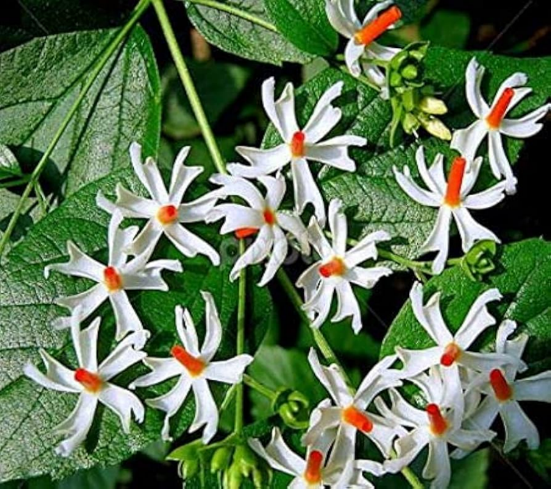
2. PARIJAAT (Nyctanthes arbor-tristis)
2.1 Traditional Significance
Parijaat, also known as “Night-flowering Jasmine” or “Harsingar,” is valued in Ayurveda for its ability to cleanse the blood, strengthen immunity, and relieve chronic inflammatory conditions.
2.2 Phytochemistry
Major constituents include:
2.3 Pharmacological Actions Relevant to Blood Purification
2.4 Therapeutic Applications
3. TULSI (Ocimum sanctum)
3.1 Traditional Significance
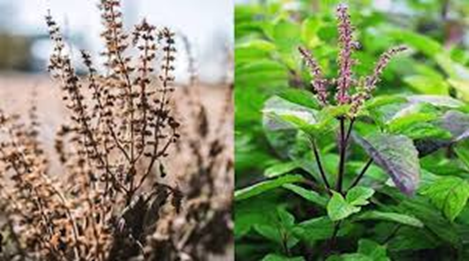
Tulsi, called the “Queen of Herbs,” is central to Ayurveda for purifying the blood and promoting longevity. It is frequently used as an adaptogen to counter stress-induced metabolic imbalance
Modern scientific research has increasingly validated what traditional Ayurvedic wisdom has taught for centuries—that tulsi (Ocimum sanctum Linn.), often referred to as the “Queen of Herbs,” possesses a remarkable range of psychological, physiological, and therapeutic benefits. Contemporary studies demonstrate that tulsi supports stress reduction, improves cognitive function, enhances immunity, and protects against metabolic and inflammatory disorders. These findings echo ancient Hindu and Ayurvedic traditions, which honour tulsi not only as a medicinal herb but also as a sacred plant symbolising purity, protection, and wellbeing.
In many Indian households, tulsi occupies a central place—worshipped in courtyards, consumed as a herbal infusion, used in home remedies, and incorporated into spiritual practices. This unique blend of cultural reverence and daily utility highlights tulsi’s multidimensional role in supporting physical health, mental clarity, and emotional balance. Modern science essentially provides empirical backing to these age-old practices, validating tulsi as a holistic health enhancer rather than just a simple aromatic plant.
3.2 Phytochemistry
Contains:
3.3 Blood-Purifying Mechanisms
3.4 Therapeutic Applications
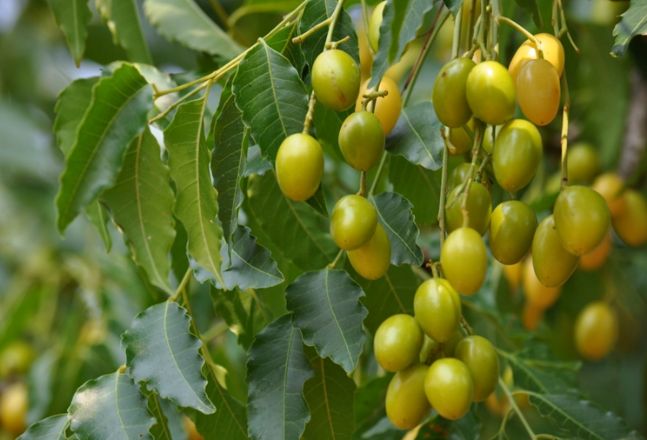
4. NEEM (Azadirachta indica)
4.1 Traditional Significance
Neem is regarded as one of the most potent natural blood purifiers in Ayurveda, Unani, and folk systems. It is commonly used to treat chronic skin infections, high toxin load, and metabolic disturbances.
4.2 Phytochemistry
Key constituents:
4.3 Blood-Purifying Actions
4.3.1 Pharmacological Actions Supporting Blood Purification
Tulsi exhibits a broad spectrum of pharmacological activities that contribute to its traditional reputation as a natural blood purifier (Rakta Shodhak). Modern phytochemical and biomedical studies have highlighted several mechanisms through which tulsi helps maintain healthy blood physiology:
Tulsi contains essential oils rich in eugenol, carvacrol, and linalool, which exhibit strong inhibitory effects against numerous pathogenic bacteria, fungi, and even certain protozoa. By suppressing bloodborne pathogens and reducing microbial load, tulsi supports internal cleansing and protects the body from systemic infections.
The liver is the central organ responsible for metabolic detoxification. Tulsi has been shown to improve hepatic enzyme activity, protect hepatocytes from oxidative damage, and enhance the breakdown of toxins and metabolic byproducts. Through these hepatoprotective actions, tulsi indirectly contributes to clearer, healthier blood.
Chronic inflammation can alter blood viscosity, increase inflammatory mediators, and lead to tissue damage. Tulsi’s bioactive phytoconstituents- particularly flavonoids and phenolic compounds- help modulate inflammatory pathways, reduce oxidative stress, and promote a more stable internal environment.
Studies indicate that tulsi can help normalise blood glucose, triglycerides, and cholesterol by improving insulin sensitivity and lipid metabolism. This balancing effect on metabolic parameters not only enhances blood quality but also protects against complications associated with diabetes and dyslipidemia.
4.4 Therapeutic Applications
The diverse therapeutic properties of tulsi enable its application across multiple clinical and traditional health conditions:
Tulsi’s antimicrobial, anti-inflammatory, and antioxidant properties make it highly beneficial in managing various skin disorders. It helps reduce microbial colonisation in acne, soothes inflammatory lesions in dermatitis, and supports healing in chronic conditions like psoriasis.
In diabetes, oxidative stress—caused by excessive free radicals—damages tissues and blood vessels. Tulsi’s rich antioxidant profile helps neutralise these radicals, reduce glycation stress, and support healthier glucose homeostasis, thereby preventing diabetic complications.
Tulsi demonstrates notable antiviral and antiparasitic activities, making it useful in conditions ranging from common viral fevers to protozoal infections. Its immune-modulating properties enhance the body's natural defense mechanisms, improving resilience and recovery.
By improving digestive fire (Agni), reducing microbial imbalance, and promoting healthy gut function, tulsi aids in eliminating toxins (Ama) from the gastrointestinal tract. This contributes not only to improved digestion but also to overall systemic purification and vitality.
5.1 Traditional Significance
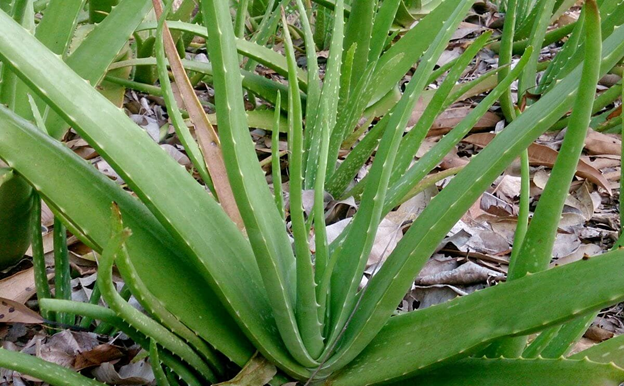
Aloe vera has been treasured for centuries across Ayurvedic, Unani, and traditional folk medicine systems. Although popularly celebrated for its soothing effects on burns and skin injuries, its significance extends far beyond dermatological use. In Ayurveda, Aloe vera is considered a natural rejuvenator (rasayana) as well as a gentle internal cleanser. When consumed in regulated doses, its cooling, hydrating, and restorative nature helps cleanse the gastrointestinal tract, support liver function, and maintain the purity of blood (rakta shuddhi). Traditional healers have long used Aloe juice to balance body heat, improve digestion, and stimulate healthy elimination, ultimately promoting systemic detoxification and vitality.
5.2 Phytochemistry
Aloe vera contains a rich diversity of bioactive compounds, each contributing to its therapeutic profile:
These long-chain sugars exert immunomodulatory, wound-healing, and anti-inflammatory effects.
Potent antioxidants that reduce oxidative stress and protect cellular structures from damage.
Support protein synthesis, tissue repair, and overall metabolic activity.
Known for anti-inflammatory, hepatoprotective, and lipid-lowering actions.
This rich phytochemical profile gives Aloe vera its distinctive role as a detoxifying and healing agent.
5.3 Mechanisms of Blood Detoxification
Aloe vera supports blood purification through multiple interconnected physiological pathways:
Aloe vera enhances hepatocyte (liver cell) repair and regeneration, helping the liver efficiently metabolize toxins, drugs, and metabolic waste. Its sterols and antioxidants reduce liver inflammation and support optimal enzyme functioning.
Traditional and modern evidence suggests that Aloe vera improves digestion, reduces intestinal stagnation, and promotes regular bowel movements. This helps prevent toxin reabsorption and supports the smooth elimination of waste products—an essential part of systemic detoxification.
Through flavonoids, vitamins, and polysaccharides, Aloe vera reduces oxidative stress and modulates inflammatory pathways. By lowering systemic inflammation, it contributes to cleaner, healthier blood circulation.
Aloe gel contains essential minerals such as magnesium, calcium, and potassium, which help maintain fluid-electrolyte balance. This supports cellular detoxification, hydration, and efficient nutrient transport within the bloodstream.
5.4 Therapeutic Applications
Aloe vera’s wide range of therapeutic benefits makes it a valuable herb in both traditional and contemporary health practices:
Its mild laxative anthraquinones stimulate bowel movements, while polysaccharides soothe the gut lining. This dual action helps clear digestive toxins and improves gastrointestinal health.
Aloe’s hydrating, antioxidant, and epithelial-healing properties make it effective for acne, sun damage, dermatitis, and general skin rejuvenation. Its internal detox effects also reflect externally as clearer, healthier skin.
Acemannan and other polysaccharides enhance macrophage activity, stimulate immune responses, and improve overall resistance to infections.
Aloe vera has shown potential in lowering fasting blood glucose, improving insulin sensitivity, and reducing oxidative stress associated with diabetes, making it useful in metabolic regulation.
6. Comparative Overview of the Four Herbs
A holistic understanding of Parijaat, Tulsi, Neem, and Aloe vera reveals that each herb contributes uniquely to the broader concept of blood purification. Their therapeutic value is derived from distinct phytochemical profiles, yet they share overlapping actions such as detoxification, microbial control, and inflammatory modulation. The table below presents a comparative overview while highlighting the individuality of each herb.
|
Plant |
Key Pharmacological Actions |
Major Phytoconstituents |
Ideal Therapeutic Uses |
|
Parijaat |
Strong anti-inflammatory, antipyretic, antioxidant |
Iridoids, flavonoids |
Useful in fever, arthritis, inflammatory skin diseases |
|
Tulsi |
Adaptogenic, detoxifying, immunomodulatory |
Eugenol, ursolic acid, flavonoids |
Effective for stress disorders, respiratory illness, diabetes |
|
Neem |
Broad-spectrum antimicrobial, hepatoprotective |
Azadirachtin, nimbin, quercetin |
Beneficial for skin disorders, infections, liver detox |
|
Aloe vera |
Hydrating, antioxidant, gut-healing |
Aloin, acemannan, vitamins |
Supports digestive detox, skin repair, and metabolic balance |
7. Safety and Toxicity Profile (Expanded & Humanised Version)
While these herbs are widely recognized as safe in traditional medicine, understanding their safety profiles is essential for responsible use, especially when integrating them into modern therapeutic systems:
Though highly valued for its antimicrobial and detoxifying properties, neem should be avoided during pregnancy due to its potential to stimulate uterine activity. Neem oil, in particular, can be toxic if ingested in large doses.
The yellow sap (latex) found beneath the leaf rind contains potent anthraquinones such as aloin. While effective as a laxative, excessive intake may lead to abdominal cramps, dehydration, or diarrhea. The clear inner gel, however, is generally safe.
Parijaat leaves contain bitter glycosides, which, in high doses, may cause gastric irritation. Recommended therapeutic doses are typically well tolerated.
Tulsi is considered one of the safest medicinal herbs. Mild reductions in blood glucose may occur, so individuals on antidiabetic medications should consume it cautiously.
Overall, adhering to traditional dosage guidelines ensures safety and prevents adverse effects, especially when combining herbs or using them in chronic conditions.
FUTURE SCOPE
Despite the well-established therapeutic potential of Parijaat, Tulsi, Neem, and Aloe vera, several important avenues remain unexplored. Future research can further strengthen their scientific foundation and expand their application in modern healthcare.
1. Development of Standardized Herbal Formulations
There is immense potential to create standardized, clinically validated formulations derived from these herbs. Future work may focus on designing:
Standardization will ensure consistent dosing, enhanced efficacy, and global acceptance of herbal detox agents.
2. Advanced Phytochemical Profiling
Modern analytical techniques such as LC–MS/MS, GC–MS, FTIR, NMR, and HPTLC can be employed to identify novel active compounds. Such profiling will clarify which molecules contribute to blood purification, detoxification, and immunomodulatory effects. This can also aid in quality control and authenticity verification of raw herbal material.
3. Mechanistic Studies at the Molecular Level
Although traditional medicine provides strong empirical evidence, molecular research remains limited. Future investigations should focus on:
These studies will help connect classical Ayurvedic principles with modern biochemical pathways.
4. Clinical Trials on Humans
Human trials remain a major gap in current research. Well-structured randomized clinical studies can evaluate:
Clinical validation is essential for integrating these herbs into mainstream medical practice.
5. Nanotechnology-Based Delivery Systems
Innovative nanocarriers can significantly enhance herbal efficacy. Delivering herbal actives through nanogels, nanoparticles, phytosomes, nanoemulsions, and liposomes may improve:
This approach aligns herbal therapy with modern pharmaceutical advancements.
6. Application in Metabolic and Chronic Disorders
These herbs show strong potential in long-term health management. Further studies should explore their utility in:
Their antioxidant and anti-inflammatory profiles make them promising candidates for chronic disease modulation.
7. Encouraging Sustainable Cultivation Practices
As demand for herbal medicines grows, sustainable sourcing becomes crucial. Future efforts must focus on:
This ensures continuous availability of high-quality medicinal herbs without harming the ecosystem.
8. Exploration of Synergistic Herbal Combinations
Ayurveda emphasizes the power of synergistic formulations. Scientific evaluation of combinations such as:
can reveal enhanced detoxification and therapeutic outcomes compared to single-herb treatments.
In summary, Parijaat, Tulsi, Neem, and Aloe vera hold extraordinary potential for future herbal drug development. By integrating traditional knowledge with modern scientific approaches—phytochemistry, molecular biology, nanotechnology, and clinical research—these plants can be transformed into standardized, globally recognized natural blood purifiers. With continued innovation and sustainable cultivation, they can play a significant role in preventive healthcare, chronic disease management, and modern phytopharmaceutical development.
8. CONCLUSION
Parijaat, Tulsi, Neem, and Aloe vera collectively represent some of nature’s most powerful blood-purifying botanicals, each offering a unique therapeutic spectrum. Their long-standing use in traditional medicine systems, coupled with expanding scientific evidence, highlights their potential in addressing modern health challenges. These herbs work through multiple mechanisms- detoxification, immunomodulation, hepatoprotection, antimicrobial activity, and metabolic regulation- to support optimal blood quality and overall systemic health.
As environmental pollutants, dietary toxins, and lifestyle-related disorders continue to rise globally, these botanicals provide safe, accessible, and holistic solutions. Their integration into modern healthcare practices can bridge the gap between traditional healing and evidence-based medicine. To fully realize their therapeutic potential, future clinical studies should focus on standardized extracts, dosage optimization, and synergistic combinations.
In essence, these four herbs reaffirm the timeless principle that nature offers comprehensive tools for restoring balance, cleansing the bloodstream, and supporting long-term wellbeing.
Herbal detoxification is gaining renewed importance due to rising toxin exposure and lifestyle-related disorders. Parijaat, Tulsi, Neem, and Aloe vera are four exceptional plants that offer scientifically validated, gentle, and effective blood-purifying benefits.
The present review focused on four major herbal plants—Parijaat (Nyctanthes arbor-tristis), Tulsi (Ocimum sanctum), Neem (Azadirachta indica), and Aloe vera (Aloe barbadensis Miller)—all of which hold a long-standing reputation as natural blood purifiers in Ayurveda and traditional medicine systems. Their therapeutic relevance is attributed to a rich profile of bioactive phytochemicals such as flavonoids, terpenoids, iridoids, phenolic compounds, anthraquinones, essential oils, and polysaccharides.
A critical analysis of published literature revealed that these plants possess remarkable medicinal properties, including antioxidant, anti-inflammatory, hepatoprotective, antimicrobial, immunomodulatory, and detoxifying activities. These actions collectively support the purification of blood by reducing toxin load, enhancing liver function, combating free radicals, and preventing infections that affect blood quality.
Parijaat is especially effective in anti-inflammatory and antipyretic activity, Tulsi demonstrates strong adaptogenic and immunomodulatory effects, Neem is the most potent antimicrobial blood purifier, and Aloe vera excels in digestive detoxification and liver support. Together, these plants offer a holistic and naturally synergistic approach to maintaining blood health.
Overall, this review provides consolidated evidence supporting the traditional claims and modern scientific basis behind these medicinal plants. Their relevance is particularly significant in today’s context where toxin exposure, pollution, dietary imbalances, and lifestyle stress are widespread. These herbs offer safe, accessible, and cost-effective natural alternatives for systemic detoxification.
REFERENCES

Dr. Kshitija Deshmukh, Vishal Rathod, Vishal Giri, Supriya Sawant, Shital Bhosale, Comprehensive Review on Natural Blood-Purifying Plants: Parijaat, Tulsi, Neem, and Aloe vera, Int. J. of Pharm. Sci., 2025, Vol 3, Issue 12, 1235-1248. https://doi.org/10.5281/zenodo.17840977
 10.5281/zenodo.17840977