
1,2,3,4 IVM’s Krishanrao Bhegde Institute of Pharmaceutical Education & Research, Talegaon Dabhade
5 SSP Siddhi College of Pharmacy, Chikhli
In the market available so many options for reduce the dark circles under eye. Herbal serum one of the best options for this. The primary objective of preparing a herbal under eye serum is to formulate a natural, safe, and effective product that helps in reducing dark circles under the eyes, minimizing puffiness and eye bags, moisturizing and nourishing the delicate under-eye skin, preventing and reducing fine lines and wrinkles, improving blood circulation around the eyes using herbal extracts.This is achieved by incorporating herbal ingredients rich in antioxidants, anti-inflammatory agents, vitamins, and skin-rejuvenating properties (e.g., aloe vera, cucumber extract, green tea, almond oil, etc.). For the preparation we used watermelon extract: Ciitrullus lanatus & kajoic acid in combination of other herbal contents which provide better & efficient effect against dark circles. After evaluation such as color, odor, pH, density, sensitivity test , we concluded it is one of best product with safe & effective result.
Cosmetic Science:
Cosmetic science is an interdisciplinary field that focuses on the research, development, formulation, manufacturing, and evaluation of cosmetic products intended to enhance or alter the appearance, texture, and health of skin, hair, nails, and other external body parts. It encompasses both the art and science of creating products that are safe, effective, aesthetically pleasing, and compliant with regulatory standards.
Skincare Products
Haircare Products
Makeup or Color Cosmetics
Fragrances
Personal Hygiene and Toiletries
Cosmeceuticals and Dermatological Products
Herbal Under-Eye Serums
In the context of “Design, Development and Evaluation of Under-Eye Herbal Serum”, the Drugs and Cosmetics Act is crucial because:
Recent Developments
With the growing herbal and Ayurvedic cosmetic market, the regulatory framework continues to evolve:
Introduction to under-eye herbal formulation
The human eye is one of the most expressive and sensitive areas of the face, and the skin surrounding it—particularly the under-eye region—is delicate, thin, and vulnerable to various dermatological concerns. The under-eye area is often the first place to show visible signs of aging, stress, fatigue, dehydration, and environmental damage. Common concerns include dark circles, puffiness, fine lines, wrinkles, and under-eye bags, which can significantly affect an individual’s appearance and confidence. In response to these challenges, the cosmetic and pharmaceutical industries have invested heavily in developing topical solutions that are both safe and effective. Among these, under-eye serums, especially those formulated using herbal or botanical ingredients, have gained remarkable attention for their gentle yet targeted therapeutic action.
Under-eye herbal serums represent a new frontier in the convergence of traditional herbal medicine and modern cosmetic science. These formulations are lightweight, fast-absorbing liquids enriched with concentrated active ingredients derived from medicinal plants. Unlike conventional creams and moisturizers, serums are designed to penetrate deeper into the skin, delivering potent herbal actives directly to the affected tissues. Their non-greasy texture and high efficacy make them ideal for use in the sensitive periocular region, where heavy creams may lead to pore clogging or milia formation.
Rationale for Herbal-Based Formulations
The growing inclination toward natural and organic skincare products has significantly influenced consumer preferences in recent years. This shift is driven by increasing awareness of the side effects associated with synthetic ingredients, including allergies, irritation, and long-term toxicity. Herbal ingredients, on the other hand, are biocompatible, environmentally friendly, and offer multifunctional benefits. Plants like Aloe vera, Cucumber (Cucumis sativus), Licorice (Glycyrrhiza glabra), Green tea (Camellia sinensis), and Chamomile (Matricaria chamomilla) have demonstrated anti-inflammatory, antioxidant, depigmenting, and soothing properties that are especially valuable in under-eye treatments.
For example, Aloe vera is known for its skin-hydrating and anti-inflammatory effects, making it ideal for reducing puffiness and fine lines. Licorice extract contains glabridin, a natural skin-lightening agent that helps reduce hyperpigmentation and dark circles. Cucumber has a high-water content and cooling effect that alleviates swelling and refreshes tired eyes. The use of such herbs aligns with Ayurvedic and naturopathic traditions, while also being supported by modern pharmacological studies.
Market Trends and Demand
The global cosmetic industry has seen a substantial increase in the demand for targeted eye care products. According to market research, the eye care segment within the skincare industry is projected to grow steadily due to increased awareness of eye aesthetics, especially among the urban population. The demand for under-eye serums is being fueled by:
Herbal formulations offer a niche yet growing market segment that combines efficacy with safety, a combination highly favored by health-conscious consumers. These products also cater to vegan, cruelty-free, and chemical-free trends, thus expanding their appeal globally.
Scientific Foundation and Formulation Challenge
Despite the popularity of herbal ingredients, designing an effective under-eye herbal serum involves several scientific challenges. These include:
Hence, a well-designed under-eye serum requires a multidisciplinary approach encompassing pharmacognosy, pharmaceutics, dermatology, and cosmetic science. Scientific evaluation through in vitro and in vivo studies is crucial to validate its safety and efficacy. Additionally, sensory testing and user acceptability are essential to ensure commercial viability.
Regulatory and Quality Considerations
The production and marketing of herbal cosmetics in India are regulated by the Drugs and Cosmetics Act, 1940, and subsequent amendments. Although herbal serums fall under the cosmetic category, they must comply with quality and safety standards, including microbial limits, preservative use, and labelling requirements. Compliance with Good Manufacturing Practices (GMP) and quality testing (e.g., pH, viscosity, skin irritation, and patch tests) is necessary to ensure consumer safety.
Table no.1: Summary of Under-Eye Problems with Symptoms, Causes, and Herbal Remedies
|
Under-Eye Problem |
Symptoms |
Causes |
|
Dark Circles |
Dark pigmentation under the eyes |
Genetics, aging, lack of sleep, sun exposure, allergies |
|
Puffy Eyes / Bags |
Swelling or sagging under the eyes |
Fluid retention, aging, sleep disturbances, allergies |
|
Fine Lines & Wrinkles |
Crow’s feet, creases under and around the eyes |
Aging, UV exposure, dehydration, repetitive expressions |
|
Milia |
White, keratin-filled bumps |
Blocked follicles, heavy creams, skin trauma |
|
Tear Trough Deformity |
Hollow or sunken appearance under the eyes |
Aging, genetics, fat loss |
|
Dermatitis |
Redness, itching, scaling |
Allergens, harsh cosmetics, environmental triggers |
|
Xanthelasma |
Yellowish plaques around the eyes |
Lipid metabolism disorders, high cholesterol |
|
Periorbital Edema |
Swelling around the eyes |
Kidney disorders, allergies, hormonal changes |
|
Hypervascularity |
Blue or purple discoloration under thin skin |
Thin skin, visible blood vessels, allergies |
|
Eye Fatigue / Stress |
Redness, dryness, tired appearance |
Screen overuse, digital fatigue, poor sleep |
Table no. 2: Types of Under-Eye Herbal Serums
|
Type of Serum |
Primary Purpose |
Formulation Type |
|
1. Anti-Dark Circle Serum |
Reduces pigmentation and brightens under-eye area |
Water-based gel or lotion |
|
2. Anti-Puffiness Serum |
Reduces under-eye bags and swelling |
Cooling gel or roll-on formula |
|
3. Anti-Wrinkle / Anti-Aging Serum |
Smooths fine lines and improves elasticity |
Oil-based or emulsion-based |
|
4. Hydrating Serum |
Provides deep hydration to delicate under-eye skin |
Gel or hyaluronic acid-based |
|
5. Soothing/Calming Serum |
Relieves irritation, itching, or inflammation |
Water or gel-based |
|
6. Depigmentation / Brightening Serum |
Evens skin tone and reduce dullness |
Water-based serum or light emulsion |
|
7. Antioxidant-rich Serum |
Fights oxidative stress and rejuvenates tired eyes |
Emulsion or gel |
|
8. Firming / Collagen-Boosting Serum |
Enhances firmness and tightens skin |
Light oil or water-based serum |
|
9. Herbal Eye Repair Serum |
Multi-functional: targets multiple issues (dark circles, wrinkles, hydration) |
Multi-phase serum or lotion |
|
10. Ayurvedic Eye Serum |
Based on traditional Ayurvedic formulations |
Herbal decoction-infused serum |
MATERIAL & METHODS
Watermelon Extract
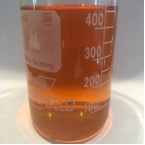
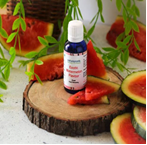
fig No1: Watermelon Extract
Kingdom: Plantae
Phylum: Tracheophyta
Class: Magnoliopsida
Order: Cucurbitales
Family: Cucurbitaceae
Genus: Citrullus
Species: C. lanatus
Kajoic acid
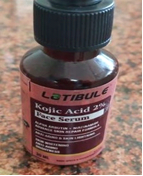
fig no 2:- kajoic acid
Kingdom: Fungi
Phylum: Ascomycota
Class:Eurotiomycetes
Order:Eurotiales
Family:Trichocomaceae
Genus: Aspergillus
Species:Aspergillus oryzae
Uses: Pharmaceutical and Cosmetic Uses: Skin Whitening, Hyperpigmentation Treatment, and Antioxidant, Antimicrobial, Anti-inflammatory
Liquorice Powder
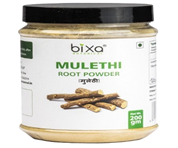
Fig.no.3:Liquorice Powder
Kingdom: Plantae
Phylum: Tracheophyta
Class: Magnoliopsida
Order: Fabales
Family: Fabaceae
Genus: Glycyrrhiza
Species: G. glabra
Aloe Vera Gel
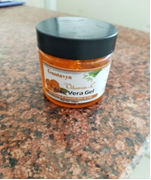
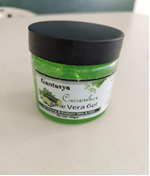
Fig no 4. Aloe Vera Gel with (vitamin C) & (Cucumber extract)
Kingdom: Plantae
Phylum: Tracheophyta
Class: Liliopsida
Order: Asparagales
Family: Asphodelaceae
Genus: Aloe
Species: A. barbadensis
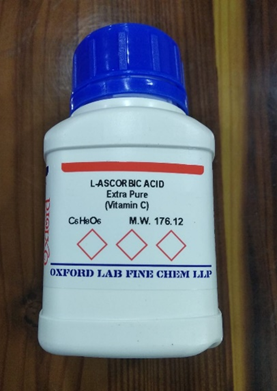
Ascorbic Acid
Kingdom:Plantae
Phylum:Magnoliophyta (Angiosperms)
Class: Magnoliopsida (Dicotyledons)
Order:Malpighiales
Family:Phyllanthaceae
Genus:Phyllanthus
Species:Phyllanthus emblica
Potato Starch Extract
fig no 5. Potato Starch Extract
Kingdom: Plantae
Phylum: Tracheophyta
Class: Magnoliopsida
Order: Solanales
Family: Solanaceae
Genus: Solanum
Species: S. tuberosum
Avacado Oil
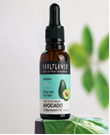
Fig no 6 Avocado Oil
Kingdom : Plantee
Phylum: Tracheophyta
Class: Magnoliopsida
Order: Laurales
Family: Lauraceae
Genus: Persea
Species: P. americana
Jojoba oil
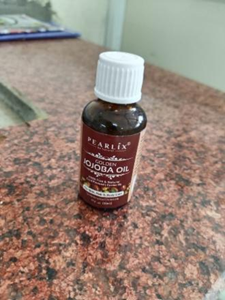
Fig no 7. Jojoba Oil
Kingdom: Plantae
Phylum: Tracheophyta
Class: Magnoliopsida
Order: Caryophyllales
Family: Simmondsiaceae
Genus: Simmondsia
Species: S. chinensis
Olive oil
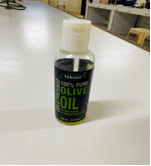
Fig no 8. Olive Oil
Kingdom: Plantae
Phylum: Tracheophyta
Class: Magnoliopsida
Order: Lamiales
Family: Oleaceae
Genus: Olea
Species: O. europaea
Almond oil
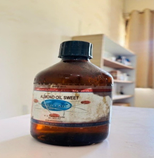
Fig no 9. Almond Oil
Kingdom: Plantae
Phylum: Tracheophyta
Class: Magnoliopsida
Order: Rosales
Family: Rosaceae
Genus: Prunus
Species: P. amygdalus
Sandalwood Oil
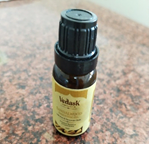
Fig no 10 Sandalwood Oil
Kingdom: Plantae
Phylum: Tracheophyta
Class: Magnoliopsida
Order: Santalales
Family: Santalaceae
Genus: Santalum
Species: S. album
Saffron Oil
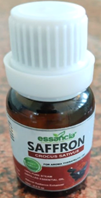
fig no11. Saffron oil
Kingdom: Plantae
Phylum: Tracheophyta
Class: Liliopsida
Order: Asparagales
Family: Iridaceae
Genus: Crocus
Species: C. sativus
Tea tree oil
fig no.12-Tea Tree Oil
Kingdom: Plantae
Phylum: Tracheophyta
Class: Magnoliopsida
Order: Myrtales
Family: Myrtaceae
Genus: Melaleuca
Species: M. alternifolia
Methyl Paraben
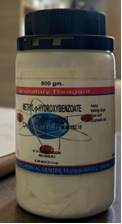
fig 12 Methyl Paraben
Glycerin
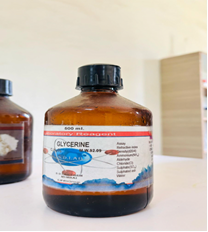
Fig-13 Glycerine
Vitamin E
Table No. 1: Under-Eye Herbal Serum Formulation Table
|
Phase |
Ingredient |
Function |
Quantity Taken |
|
Aqueous |
Kojic acid |
Skin brightening, anti-pigmentation |
1 ml |
|
Liquorice powder |
Anti-inflammatory, lightening |
2 gm |
|
|
Watermelon extract |
Hydration, antioxidant |
2 ml |
|
|
Ascorbic acid (Vit C) |
Antioxidant, brightening |
2 gm |
|
|
Glycerine |
Humectant, hydration |
2 ml |
|
|
Aloe vera gel |
Soothing, moisturizing |
2 ml |
|
|
Potato starch extract |
Depuffing, brightening |
2 gm |
|
|
Oil |
Avocado oil |
Nourishing, moisturizing |
1 ml |
|
Jojoba oil |
Moisturizing, balances sebum |
1 ml |
|
|
Olive oil |
Antioxidant, emollient |
1 ml |
|
|
Almond oil |
Reduces dark circles |
1 ml |
|
|
Vitamin E oil |
Antioxidant, improves elasticity |
1 ml |
|
|
Sandalwood oil |
Soothing, anti-inflammatory |
1 ml |
|
|
Saffron |
Brightening, skin tone enhancer |
1 ml or few strands |
|
|
Methyl paraben |
Preservative |
2 ml |
|
|
Tea tree oil |
Antibacterial (use with caution near eyes) |
1 ml |
Total Volume:
Table No. 2: Formulation Table of Herbal Eye serum
|
Ingredients |
F1 |
F2 |
F3 |
F4 |
|
Kojic Acid |
1 ml |
2 ml |
1 ml |
2 ml |
|
Liquorice Powder |
2 g |
3 g |
2 g |
2 g |
|
Watermelon Extract |
2 ml |
1 ml |
2 g |
1 ml |
|
Ascorbic Acid |
2 g |
2 g |
2 ml |
2 ml |
|
Glycerine |
2 ml |
2 ml |
2 ml |
1 ml |
|
Aloe Vera Gel |
2 ml |
1 ml |
2 ml |
2 ml |
|
Potato Starch Extract |
2 g |
1g |
1g |
2g |
|
Avocado Oil |
1 ml |
1 ml |
1 ml |
1 ml |
|
Jojoba Oil |
1 ml |
1 ml |
1 ml |
1 ml |
|
Olive Oil |
1 ml |
1 ml |
1 ml |
1 ml |
|
Almond Oil |
1 ml |
1 ml |
1 ml |
1 ml |
|
Vitamin E Oil |
1 ml |
1 ml |
1 ml |
1 ml |
|
Tea tree Oil |
1ml |
1ml |
1ml |
1ml |
|
Methyl Paraben |
0.5 ml |
0.5 ml |
0.5 ml |
0.5 ml |
Procedure
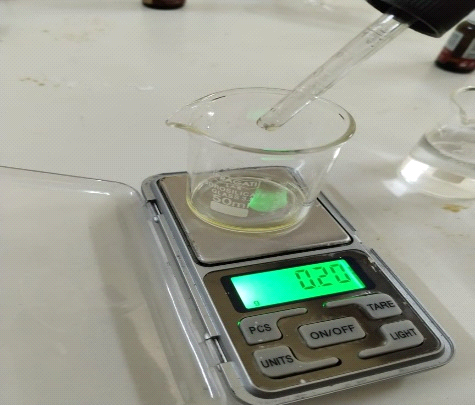
Fig. no15. Weighing of ingredients
Preparations of Phases
Phase A: - Aqueous Phase
Mixed Liquorice Powder, Potato starch Extract, kojic Acid, Ascorbic Acid, Aloe Vera gel, Glycerine, Watermelon Extract, Methyl Paraben in water with continuous stirring at 30-40C
Phase B: - Oil Phase
Mixed Avocado oil, Jojoba Oil, Olive Oil, Almond Oil, Vitamin E, Tea Tree Oil with continuous stirring. Add Oil phase in Aqueous phase drops wise with continuous stirring at 40c until get the homogeneous phase.
Fig.no: 16 mixing of Oil & Aqueous phase in magnetic stirrer
Evaluation of herbal serum:
Density is calculated with the help of specific gravity bottle.
Weight of empty bottle (W1)
Weight of bottle + eye serum(W2)
Weight of bottle+ water (W3)
PH is observed with the help of pH meter.
Evaluation Table:
|
Parameters |
F1 |
F2 |
F3 |
F4 |
|
Colour |
Brown |
Dark Brown |
Brown |
Brown |
|
Odour |
Fruity Flavour |
Fruity Flavour |
Fruity Flavour |
Fruity Flavour |
|
pH |
5.9 |
6.4 |
6.3 |
6.7 |
|
Density |
0.3 g/mol |
0.5 g/mol |
0.3g/mol |
0.3g/mol |
|
Irritability |
No |
No |
No |
No |
Fig.no 17.Formulations F1,F2,F3,F4.
Irritation test
Selected voluntarily here eight girls of age 22-25 years & applied directly in their skin to observed the irritation if any. Due present of all herbal ingredients, no irritation caused by the freshly prepared Herbal eye serum of Citrullus lanatus with kojic acid.
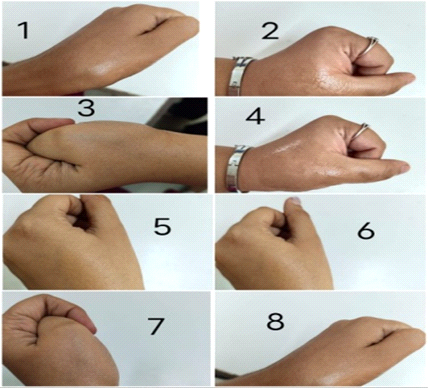
Fig no 18-Irritability Results
RESULT AND CONCLUSION
Herbal under eye serum preparations, formulated from ingredients like Citrullus lanatus (watermelon), have shown promising results in reducing dark circles, puffiness, and wrinkles, with most participants expressing high satisfaction. These herbal serums are generally considered safe and effective, offering a natural alternative to traditional cosmetic products. Further research is recommended to delve deeper into the specific mechanisms of action and optimize formulations. After evaluation studies it was observed that the F2 was suited best and effective for the treatment of dark circles.
REFERENCES



Yugandhara Kangralkar, Vidhi Jain , Sharda Kulkarni, Siddhi Dalvi, Sarang Kulkarni, Design Development and Evaluation of Under Eye Herbal Serum Citrullus Lanatus with Kojic Acid, Int. J. of Pharm. Sci., 2025, Vol 3, Issue 6, 1882-1895. https://doi.org/10.5281/zenodo.15628404
 10.5281/zenodo.15628404
