

We use cookies to ensure our website works properly and to personalise your experience. Cookies policy
Jayoti Vidyapeeth Women’s University Jaipur
Tulsi, often known as holy basil Ocimum sanctum(OS), is a member of the Lamiaceae family and has been used for more than three millennia in Ayurveda.Known as the “Elixir of Life,” Tulsi has been used for centuries to cure a variety of illnesses, such as inflammatory, gastrointestinal, and respiratory troubles.Numerous studies conducted in recent years have demonstrated its neuroprotective effect, which is ascribed to its abundance of phytoconstituents, including flavonoids, ursolic acid, apigenin, rosmarinic acid, and eugenol.These substances have strong immunomodulatory, adaptogenic, antiinflammatory, and antioxidant properties that protect the nervous system.Tulsi has been shown in both experimental and clinical research to ameliorate anxiety and depression, lower oxidative stress, attenuate neuroinflammation, improve memory and cognitive function, and guard against chemotherapyinduced neuropathy.The pharmacological actions of Ocimum sanctum are examined in this review, with particular attention paid to how it affects the nervous system and its potential as a treatment adjunct for neurological illnesses.
Lamiaceae family that originates from the Indian subcontinent and has been utilized in Ayurvedic medicine Tulsi, known as Tulasi in Sanskrit and holy basil in English, is a valued aromatic herb from the cine for over 3000 years. Within the Ayurvedic tradition, tulsi is commonly referred to as an “Elixir of Life” due to its healing abilities and has been recognized for its effectiveness in treating a variety of prevalent health issues [K. Nadkarni and A. Nadkarni et.al]. According to the Indian Materia Medica, extracts from tulsi leaves are indicated for addressing conditions such as bronchitis, rheumatism, and fever. Additional therapeutic applications reported include the management of epilepsy, asthma or difficulty breathing, hiccups, cough, skin and blood-related disorders, parasitic infections, nerve pain, headaches, wounds, and inflammation as well as oral health problem. Drops of leaves have been used to cure earaches while the tea infusion has been utilised to treat hepatic and stomach issues. Additionally, historically, the roots and stems were used to cure snake and mosquito bites. [A. P. Committee, S. S. Hebbar, H. J. Dadysett, R. Chopra and I. Chopra et.al] According to ancient literature, Tulsi, often known as the "Queen of Herbs," is a sacred and therapeutic plant. One of the most significant symbols of Hinduism is this. The Sanskrit word "Sanskrit" (meaning "Matchless one") is the source of the name Tulsi [Ghosh, G.R. Tulasi et.al]. The one who pleases Lord Vishnu is its other name, Vishnupriya. Tulsi has been a focus of many scientific investigations, with its pharmacological properties and diverse therapeutic uses being discussed in over one hundred publications in the past decade alone. A variety of in vitro and animal research demonstrate that tulsi leaves exhibit strong pharmacological effects, including adaptogenic [E. JothieRichard, T. Suanarunsawat, F. J. Sutili, K. Aruna et.al].
• Varieties of Ocimum Sanctum
A. Ocimum Sanctum (Holy basil)
Holy Basil (HB), also known as Ocimum Sanctum, is highly revered in India, where it is closely associated with both Hinduism and Ayurveda and represents prosperity, health, and wealth. It has more therapeutic qualities than other species in its group. Different localreligious.Diverse kinds have proliferated as a result of beliefs, and they go by many colloquial names, including Holy Basil in English, Rama Tulsi and Krishna Tulsi in Sanskrit, Trittavu in Malayalam, Tulshi in Marathi, Tulasi in Tamil, and Thulsi in Telugu. It's crucial to distinguish it from Ocimum Tenuiflorum because they are interchangeable with Ocimum Sanctum.
B. MEDITERRANEAN BASIL
Also known as Sweet Basil, Mediterranean Basil reigns as the most widespread basil variety globally, thriving across Asia, Europe, the Americas, and Africa. As the most consumed herb worldwide, it goes by several monikers such as the King of Herbs, Royal Herb, Great Basil, and Saint-Joseph’s-Wort. Widely utilized in culinary creations, it’s a staple in various cuisines like Italian and Thai. Here are some of the diverse varieties of Mediterranean Basil-
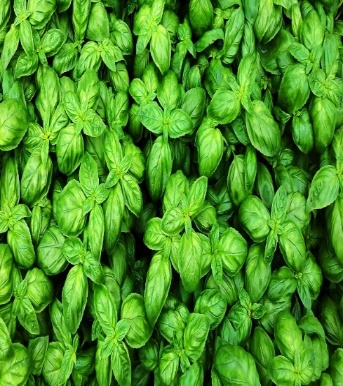
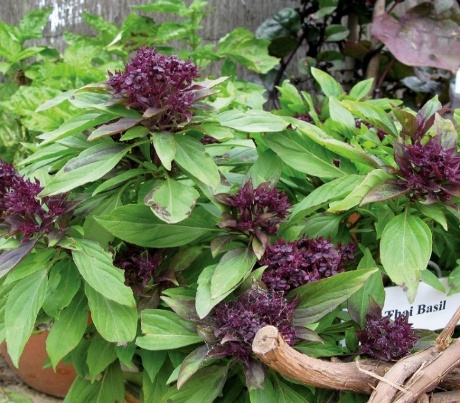
1. Sweet Basil (Ocimum Basilicum) 2. Thai Basil (Ocimum Thyrsiflora)
SOURCE /Fig. 1: https://www.learningherbs.com/blog/sweet-basil-uses#gsc.tab=0
Fig.2: https://www.diggers.com.au/products/thai-basil
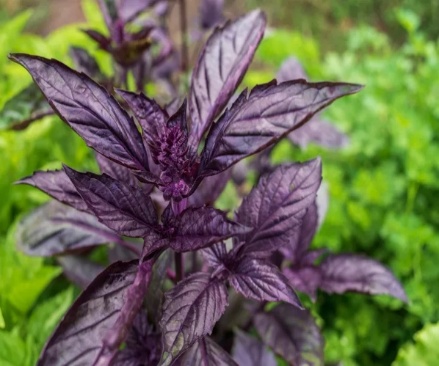
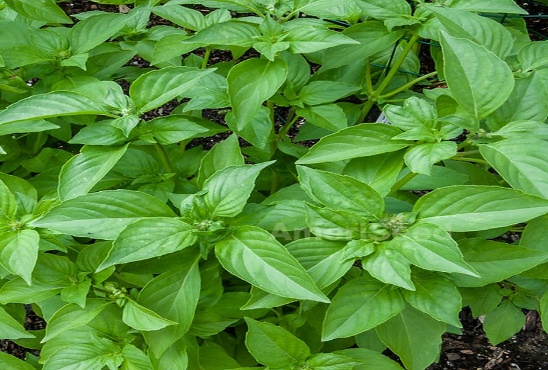
3. Purple Basil (Ocimum Basilicum) 4. Lemon Basil (Ocimum Citriodorum)
SOURCE/Fig.3: https://www.thespruce.com/growing-purple-basil-8643631
Fig.4: https://www.biocarve.com/product-page/lemon-basil
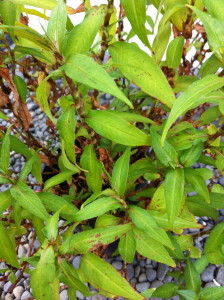
5. Vietnamese Basil (Ocimum Cinnamon)
SOURCE/Fig.5 : https://www.juliebiuso.com/blog/2014/03/vietnamese-mint/
6. American Basil (Ocimum Americanum)
7. African Blue Basil (Ocimum Kilimandscharicum)
8. Italian Genovese Basil (Ocimum Basilicum)
9. Lettuce Basi
10. Green Ruffles Basil
11. Cardinal Basil
12. Greek Basil
13. Spicy Globe Basil
14. Summer Long
Morphology
It is erect, branched fragmented shrub with the height of about 30- 60cm when mature. Its leaves are simple, aromatic, branched, opposite, obtuse, elliptical and have dentate margins. They are up to 5cm long. Flowers are elongate raceme in close whorls and purple in colour. Seeds are radish yellow and fruits are small [Kumar PK. et.al ] . It is planted after rainy season and harvested after few months [Joseph B. Ethan et.al].
TAXONOMY
Kingdom- Plantae
Subkingdom - Tracheobionta
Superdivision- Spermatophyta
Division- Magnoliophyta
Class- Magnoliopsida
Subclass- Asteridae
Order- Lamiales
Family- Lamiaceae
Genus- Ocimum
Species- O. sanctum
Tulsi Plant as Per Ayurveda
Using all of the plant components of tulsiOcimum Sanctumis advised by Ayurvedic physicians.In order to organize its juice, we must gathernearly every aerial component of the tulsi plant, including leaves, fragile branches, tender roots, seeds, and flowers.Wash them thoroughly with running, clearwater.Cut them into small pieces, then use a mortar and pestle to crush them into a soft paste.Press the prepared mixture onto a thin cotton cloth to extract the pure Tulsiliquid.In Ayurvedic medicine, tulsi is utilized as a medication and plant extracts are used to treat heart disease, inflammation, stomach issues, headaches, and common colds.Several types of malaria and poisoning.Traditional uses for tulsi include fresh leaves, dried powder, herbal tea, and mixtures with ghee or honey.There are two varieties of common tulsi plants, or Osmium sanctum.[SenP., Prakash P, Gupta N. et.al]
1.Ram Tulsi are tulsi plants with green foliage.
2.Krishna tulsi are tulsi plant with purple leaves.
Medicinal Properties as Per Ayurveda
1.Tulsi has Anti-inflammatory qualities because it balances Vata. Therefore, applying it externally to a swollen area aids in reducing pain and swelling.
2. Tulsi is a remedy for a lot of skin conditions. It works well for itching, skin rashes, and bug bites. Trees of this species are useful in treating ringworm infections.
3.Nasyakarmauses fresh Tulsi leaf juice. This method aids in the relief of head and neck conditions and headaches.
4. Tulsi leaf extract is used to lessen scarring, pimples, and acne.
5. Tulsi preparations are beneficial for constipation, intestinal parasites, and indigestion, according to Ayurveda.[Singh S, Taneja M.et.al]
6. Trampled leaves of Tulsi are extremely efficient in fever, cough, bronchitis and other medicinal problem of lungs.
7. Tulsi is used to cleanse blood and as a heart tonic.
Techniques for Extracting:
There are different methods of extractions as shown in figure- 6
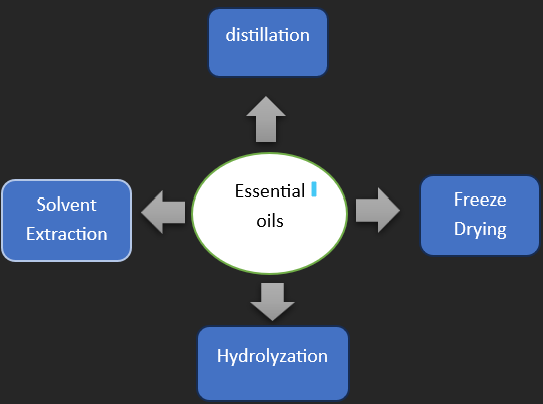
Distillation
a. Distillation by steam
b. Distillation by fractions
a) The oldest and most conventional technique for extracting oil is steam distillation. [Essential OilsRichardAnsahHerman,et.al].The steam distillation method is the most often used approach in the extraction of essential plant oils.93% of the essential oils are extracted using this approach, with the remaining 7% potentially being removed using additional techniques [OzelMZandHKaymaz2004et.al]. In a different study,described the application of the steam distillation extraction procedure to assess the antioxidant qualities of essential oils utilizing component 2, 2diphenylpicryl hydrazyl (DPPH). Compared to the oils extracted by hydro distillation (HD), it was said to have a higher yield of antioxidant components [Babu, K.G. Det.al]. The steam distillation method is the most often used approach in the extraction of essential plant oils [Inanother study, Yildirim et al]. b) Since the first refineries were constructed in the late 19th century until the present, fractional distillation has been progressively improved as an inexpensive and energy efficient upgrading method [EboibiBEOPrado, J. Met.al]. By separating components according to their boiling points, fractional distillation could be used to increase the quality of bio crude. Each fraction may have unique qualities from the original bio crude as well as other fractions [Masango, P. Cleaneret.al].The steam distillation process is the most widely used approach in the extraction of essential plant oils[Insecticidalandgenotoxicactivityofplantet.al].
Extraction of Solvents
One of the most popular and widely utilized techniques for obtaining essential oils from plants is solvent extraction.Thus, a variety of solvents, including methanol, ethanol, petroleum ether, and hexane, were also used to extract eugenol.The existence of additional unwanted soluble pollutants in the meal is the primary obstacle to solvent extraction.6Nevertheless, eugenol and other essential oils can still be extracted from a variety of fragrant herbs using this method.After grinding and wrapping the clove buds on xlter paper, the paper is subjected to the extraction thimble and injected into the 500 mL container.An appropriate organic solvent is used for extraction in the Soxhlet equipment.7 Using a rotary vacuum evaporator, the extracted materials are concentrated at 50 C to complete the process.[Sethi,J.,Sood2000et.al].Using methanol as a solvent, this method was recently investigated and found to be effective in extracting eugenol from tulsi plant leaves.They added that the speed of agitation had no effect on the extraction efficiency of eugenol.[Wang and others, 2005 et.al].
The Mechanism of Neuroprotection
Synaptic Plasticity and Neurogenesis
O. Sanctum's polyphenols support neurogenesis and improve synaptic plasticity, both of which are essential for preserving neural network integrity and cognitive abilities. The stimulation of neurotrophic pathways, such as the Brain-Derived Neurotrophic Factor(BDNF) and Nerve Growth Factor (NGF ) pathways, promotes neurogenesis, the process of creating new neurons.It has been demonstrated that polyphenols like apigenin and rosmarinic acid increase BDNF and NGF, which aids in the survival, differentiation, and maturation of new neurons [Mandel S, Youdim MBH et.al]. These substances improve synaptogenesis, or the creation of new synapses, and raise dendritic spine density, which is essential for synaptic transmission and plasticity. Learning and memory processes, which are frequently compromised in Neurodevelopmental Disorders (NDDs), are supported by improvements in synaptic architecture [Mattson 2004MP.et.al]. Furthermore, O. sanctum's significance in promoting neurogenesis and synaptic health is further highlighted by the presence of flavonoids such vicenin and orientin [Satyamitra M, Mantena S et.al].
Mechanistic Synergy in Complex Neurodegenerative Environments
Oxidative stress, Inflammation, apoptosis, and impaired neurogenesis are interrelated processes in NDDs. While chronic inflammation suppresses neurotrophic factors like BDNF, oxidative stress activates Nuclear Factor kappa-B(NF-κB), leading to increased inflammation and neuronal death [Halliwell B, Block ML, Glass CK, et.al]. A more thorough understanding of the therapeutic potential of O. sanctum in complex neurodegenerative conditions [Mattson MP 2006et.al].
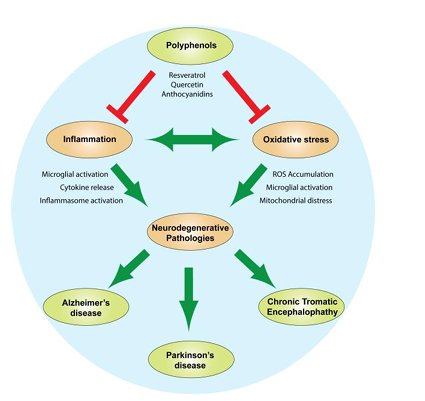
Fig.7: Polyphenols such as Resveratrol, Quercetin, and Anthocyanidins present in the O. Sanctum mitigate the progression of NDDs by modulating Inflammation and Oxidative stress pathways in the second half. Hence, polyphenols inhibit Inflammation and Oxidative stress, reducing key processes that drive NDDs like Acute Stress(AS) and chronic traumatic encephalopathy.
Tulsi, or holy basil, has the Following Effects on the Nervous System
1.Neuroprotective Effect-Tulsi’s antioxidants, which include rosmarinic acid, flavonoid, and eugenol, lessen free radicals and oxidative stress. This improves brain cell survival and reduces neuronal damage.
2. Inflammatory Reduction-
Tulsi extracts lower cytokines that promot inflammation.In neurodegenerative illnesses including Alzheimer's, Parkinson's, and neuropathy, this reduces neuroinflammation.
3. The Anti-stress and Anti-anxiety effect-
According to clinical studies, Tulsi enhances sleep quality and lessens the symptoms of stress, anxiety, and sadness.
4.Improving Cognitive Function-
Tulsi has been shown to enhance memory, learning, and focus in both animal and human research.
5. Protection Against Neuropathy- In vincristineinduced neuropathy, a side effect of chemotherapy, tulsi extracts decreased oxidative stress and nerve discomfort [P.Pattanayak, P., Behera et.al.].
Impact on the Central Nervous System (CNS)
By controlling the expression of inflammatory mediators and signalling pathways, including the nuclear factor kappa B (NF-κB) pathway, Holy Basil extracts have been shown in studies to reduce inflammation. This regulation has a key role in lowering chronic inflammation, which is commonly linked to mood disorders including depression and neurodegenerative illnesses [Kamelnia, E.; Mohebbati et.al]. Holy basil preparations have been found to boost the body's antioxidant defences, protecting neuronal cells from oxidative stress-induced death. For instance, studies using a range of scenarios, including those involving Hydrogen peroxide (H2O2)-induced neurotoxicity, have shown that Holy Basil may significantly lower oxidative stress indicators [Nor, S.Y.; Seyed, Hening, P.; Mataram et.al]. Recent clinical research has examined how Holy Basil affects neurogenesis and cognitive function. 300 mg of an ethanolic extract was given daily for 30 days in a study that showed significant improvements in cognitive metrics, such as task error rates and reaction times, when compared to a placebo group. Additionally, there were decreases in salivary cortisol levels, indicating better stress management and cognitive performance [Sampath, S.; Mahapatra et.al]. Significant reductions in perceived stress and improvements in sleep quality were seen in a different study using a standardised extract of 125 mg given twice daily for eight weeks. This was evidenced by lower hair cortisol levels and higher scores on sleep quality assessments [Lopresti, A.L.; Smith, S.J et.al]. According to these findings, Holy Basil may have neuroprotective and cognitive-improving qualities for people.
Neurogenesisinaction
By encouraging the growth of new nerve cells in the adult brain, apigenin and similar substances included in tulsi enhance adult neurogenesis and are also utilised to treat neurological conditions, traumas, and illnesses [Taupin, P. Apigenin et.al]. Through direct binding, apigenin boosts the neurotrophic activities of brain-derived neurotrophic factor (BDNF), which may be used as a therapy for depression and neurodegenerative illnesses [Gao, A.X.; Xia et.al]. According to Kalivarathan et al., apigenin may increase BDNF signalling by boosting GLP (glucagon-like polypeptide)-1, which aids in insulin release, hence modulating brain insulin signalling during calorie excess [Kalivarathan, J.; Kalaivanan et.al].Apigenin has been shown to have neuroprotective benefits in experimental animals through the modulation of many signalling pathways linked to inflammation, oxidative stress, and cell death. Apigenin's function in neurological illnesses (such as multiple sclerosis, Parkinson's disease, and Alzheimer's disease), cancer, cardiovascular diseases, cognitive and memory impairments, and toxicity linked to trace metals and other chemicals has been noted in a number of research [Charrière, K.; Schneider et.al].
Pharmacological Activities
1. Anti-Inflammatory activity- Holy basil possesses potent anti-inflammatory properties due to its rich content of phytochemicals like eugenol, rosmarinic acid, and flavonoids. these compounds inhibit inflammatory enzymes and mediators, reducing inflammation in the body and providing relief from inflammatory conditions such as arthritis [baliga et al., 2013; Prakash 2005 et al.].
2. Anti-stress effect- Holy basil's ability to reduce stress in a chronic varied stress paradigm and its mechanism of action were investigated in vitro utilising both cell-free and cell-based assays. rats were administered a chronic varied stress regimen after being fed ocimum sanctum. cortisol release was suppressed by ocimum sanctum and its contents. ocimum sanctum was therefore shown to be useful in managing the effects of stress, and its anti-stress properties may be attributed to both blocking the Corticotropin-Releasing Hormone Receptor 1 (CRHR1) receptor and inhibiting the production of cortisol [E.jothierichard e et.al].
3. Neuroprotective Effect- The main cause of neuropathy is oxidative stress and nerve damage due to free radicals. The antioxidants present in Tulsi (Holy Basil) neutralize ROS (Reactive Oxygen Species) and protect nerve cells from damage [Tewari D.2018 et.al].
4. Immunomodulatory Effects- Due to its immunomodulatory qualities, holy basil aids in immune system regulation. It is well recognised to boost the body's natural defences against infections and promote the development of immune cell. [Baliga et al., 2013].
Health Benefits of Tulsi in our Daily Life
1.Healing Benefits- Ocimum sanctum, or Holy Basil, possesses various therapeutic properties. Its leaves act as a nerve tonic, enhancing memory, and aid in removing mucus from bronchial tubes. They also strengthen the abdomen and stimulate secretion. Additionally, the seeds are adhesive.
2.Fever and Cold Relief- Ocimum Sanctum leaves are particularly effective against fevers. During the rainy season when diseases like malaria and dengue are prevalent, boiling tender Ocimum Sanctum (Tulsi) leaves with tea can serve as a preventive measure. Tulsi juice can also help reduce body temperature.
3.Cough Relief- Ocimum Sanctum is a key ingredient in many Ayurvedic cough syrups and helps loosen mucus in conditions like bronchitis and asthma. Chewing tulsi leaves can alleviate cold and flu symptoms.
4.Respiratory Disorders- Ocimum Sanctum helps improve respiratory conditions.Bronchitis, asthma, influenza, coughing, and colds can all be effectively treated with a decoction of its leaves made with honey and ginger.
5.Treatment for renal Stones- Ocimum Sanctum enhances renal function.Kidney stone removal through the urinary tract can be facilitated by routinely consuming basil leaf juice with honey for six months.
6.Heart Health- By lowering blood cholesterol levels, Ocimum Sanctum can aid in the treatment of heart disorders.
7. Dental Health- The leaves of Ocimum Sanctum are useful in treating infections and mouth sores.A few leaves can be chewed to help relieve these condition.
8. Skin Conditions- Roundworm infections and leucoderma can be treated with Ocimum Sanctum juice administered topically.
9. Relief of Headaches- Ocimum Sanctum is a natural way to relieve headaches. When applied topically, a sandalwood paste or a decoction of its leaves might relieve forehead pain.
10. Eye Health- Vitamin Adeficiencyinduced night blindness and eye pain can be alleviated by consuming Ocimum sanctum juice [Tyagi, M., Tyagi, N., et.al].
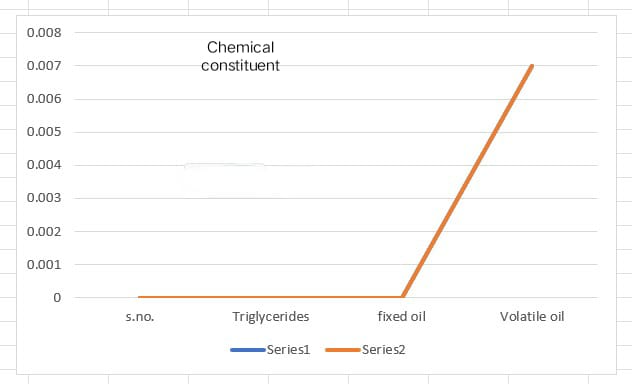
Fig.8: This Chart Showing Chemical Constituent of Triglycerides, Fixed oil, Volatile oil.
CONCLUSION
Holy basil (Ocimum sanctum) is a rare example of how conventional knowledge and contemporary scientific evidence can coexist.It is a promising option for the treatment of neurological illnesses because of its many phytoconstituents, which offer neuroprotective, adaptogenic, and cognitiveenhancing qualities.Its functions in lowering oxidative stress, controlling neuroinflammation, boosting learning and memory, and strengthening stress resilience are all supported by evidence.Additionally, its ability to prevent neuropathy raises the possibility of its use as a supportive treatment for neurodegenerative diseases and chemotherapy.Largescale human trials and standardized formulations are necessary to determine its efficacy, safety, and dosage recommendations, although promising preclinical and early clinical results.With more investigation, Tulsi might prove to be a useful complementary strategy for treating nervous system diseases and enhancing brain health. Preclinical and clinical studies demonstrate how Tulsi can prevent brain cells from degenerating by regulating oxidative stress, inhibiting inflammatory mediators through NF-κB signalling, and boosting endogenous antioxidant defences. Its polyphenolic chemicals promote neurogenesis, synaptogenesis, and synaptic plasticity—processes critical to memory, learning, and cognitive function—by strongly stimulating neurotrophic pathways, including BDNF and NGF. Together, these processes support the integrity of brain networks and show promise in treating neurodegenerative conditions including Parkinson's disease, Alzheimer's disease, and neurological impairments brought on by stress. Additionally, Recent clinical investigations have shown that Tulsi has significant positive effects on the central nervous system by lowering cortisol levels, boosting cognitive function, strengthening stress resilience, and promoting sleep quality. O. Sanctum is positioned as a multitarget therapeutic drug rather than just a symptomatic treatment due to its synergistic activity against interrelated disease processes, such as oxidative stress, inflammation, apoptosis, and poor neurogenesis.
Tulsi has extensive systemic health advantages that span the respiratory, cardiovascular, dermatological, immunological, and metabolic domains in addition to its neuroprotective function. Its usefulness in pharmaceutical and nutraceutical compositions is further supported by the efficient production of its essential oils and active ingredients from a variety of extraction methods, including steam distillation and solvent extraction. Ocimum sanctum is an all-around medicinal plant that has been scientifically proven to have great promise for managing and preventing complicated neurological and systemic conditions. However, more carefully planned clinical trials and mechanistic research are needed to ensure standardised dose, long-term safety, and translational efficacy despite a wealth of preclinical data. A natural, comprehensive, and scientifically supported approach to neuroprotection and general health promotion may be provided by incorporating tulsi into contemporary treatment approaches.
REFERENCES


Neha Kumawat, Sarila Khan, Dr. Praveen Parihar, Ayushi Maloo, Effect Of Holy Basil on Nervous System, Int. J. of Pharm. Sci., 2026, Vol 4, Issue 2, 3422-3434. https://doi.org/10.5281/zenodo.18722300
 10.5281/zenodo.18722300