

We use cookies to ensure our website works properly and to personalise your experience. Cookies policy
12345Research student, Mount Zion College of Pharmaceutical Sciences and Research, Adoor
6 Associate Professor, Mount Zion College of Pharmaceutical Sciences and Research, Adoor
Facial scrubs play a vital role in cosmetic skincare by facilitating exfoliation, removal of dead skin cells, and enhancement of skin texture and radiance. In recent years, there has been a growing demand for herbal cosmetic formulations owing to their safety, biocompatibility, eco-friendliness, and reduced adverse effects compared to synthetic products. The present study aimed to formulate and evaluate a polyherbal face scrub gel using natural ingredients with exfoliating, antioxidant, anti-inflammatory, and skin-nourishing properties. The formulation incorporated dragon fruit powder, poppy seeds, turmeric powder, alovera gel and rose water as active herbal components, along with carbopol 940 as the gelling agent and suitable excipients to ensure stability and skin compatibility. The prepared face scrub gel was evaluated for various physicochemical and cosmetic parameters including organoleptic properties, pH, consistency, spreadability, viscosity, grittiness, foamability, washability, irritability, and stability under different temperature conditions. The pH of the formulation was maintained within the acceptable skin-friendly range, and the scrub exhibited satisfactory spreadability, smooth texture, uniform dispersion of exfoliating particles, and good washability without causing skin irritation. Stability studies indicated no significant changes in physical characteristics over the test period. The results demonstrate that the formulated polyherbal face scrub gel is stable, safe, and effective, and can serve as a promising natural alternative to synthetic exfoliating cosmetic products for regular skincare applications.
The skin is the largest organ of the body and protects it from physical, chemical, and microbial harm. The outermost skin layer, called the stratum corneum, is made of dead cells that are naturally removed over time [1]. However, pollution, sunlight, excess oil, and poor hygiene can cause dead cells and dirt to build up on the skin [2]. This buildup can cause acne, dullness, uneven skin, and early aging [3]. In cosmetic products, mainly skin-care formulations such as cleansers, moisturizers, scrubs, and masks etc. are widely used to maintain the skin healthy and prevent dermatological problems [4].Definition of cosmetic as per Food drug and Cosmetic act: Cosmetics are defined as Article meant to be poured, rubbed, sprinkled, Sprayed, or injected into the human body for Cleansing, beautifying, boosting attractiveness, or Altering appearance without harming structure of Function [1].A face scrub is a semi-solid cosmetic product that contains small exfoliating or abrasive particles. These particles help to remove dead skin cells, dirt, and excess oil from the skin surface by gentle rubbing action [5]. This process of exfoliation helps to clean the skin deeply, make the skin surface smooth, and improve blood circulation in the skin. Scrubbing also helps other skincare products penetrate better into the skin, making them more effective [6].Gels are semi-solid dosage forms and are widely used among cosmetic preparations because of their light texture and easy application. Face scrubs prepared in gel form offer several advantages, such as being non-greasy, easy to spread, and comfortable on the skin. The presence of fine exfoliating particles in gel scrubs increases their popularity, as they effectively remove dead skin cells and impurities while leaving the skin healthy, fresh, and naturally glowing [7].Herbal scrubs use natural exfoliating agents which are biodegradable and gentle on the skin. Herbal face scrubs are considered safer, more eco-friendly and better suited for sensitive skin than chemically formulated scrubs. Because of safety concerns and the growing preference for natural cosmetics, herbal face scrubs have become more popular in modern skincare [8].On the other hand, many synthetic scrubs contain microplastic beads or strong chemicals that can irritate the skin and harm the environment. Therefore, the formulation and evaluation of herbal face scrubs have gained much attention in cosmetic science [9].
BENEFITS OF FACE SCRUB GEL
MATERIALS AND METHOD
Materials: Red dragon fruit powder, alovera gel, carbapol 940, phenoxyethanol, triethanolamine, SLS, rose water, turmeric, poppy seed, distilled water
Equipment’s: beaker, measuring cylinder, glass road
Instruments: Digital weighing balance, Mechanical stirrer
HERBAL INGREDIENTS
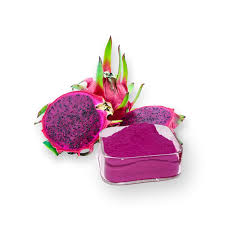
Figure No: 1 Dragon fruit powder
>Possess anti-oxidant, anti-inflammatory, and anti-ageing property [11]
2. Turmeric powder
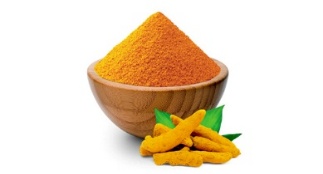
Figure No:2 Turmeric powder
> Anti-inflammatory.
>Anti-bacterial.[13].
3. Aloe vera gel
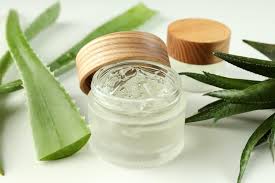
Figure No: 3 Aloe vera gel
> Used in cosmetics, dermatology products, Promotes tissue repair
> Reduces acne and pigmentation.
> promotes glowing skin
>Used in digestive health supplements [12].
4. Poppy seed
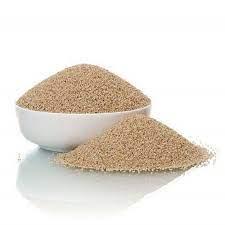
Figure No: 4 Poppy seed
Odor – Mild, nutty aroma.
Taste – Sweet and nutty.
> skin conditioner in cosmetic and pharmaceutical formulations.
>It helps to moisturize dry skin, reduce irritation
> promote a soft and smooth texture.
>A natural,gentle exfoliant that helps to removes dead skin cells [15].
EXCIPIENTS
|
Sl.No |
Excipients |
Functions |
|
|
Carbapol 940 |
Viscosity enhancer, thickener, suspending agent, binder. |
|
|
Phenoxyethanol |
Preservative, stabilizer, solvent. |
|
|
Triethanolamine (TEA) |
Alkalizing agent, surfactant |
|
|
Sodium Lauryl Sulphate(SLS) |
Anionic surfactant, clensing agent, foaming agent, wetting agent. |
|
|
Rose water |
Refreshing aroma, natural toner |
|
|
Distilled water |
Hydration, balancing Ph |
FORMULATION TABLE.
Table no 1: Formulation of polyherbal face scrub gel;
|
Ingredients |
F1 |
F2 |
F3 |
F4 |
|
Dragon fruit |
0.45g |
0.45g |
0.45g |
0.45g |
|
Poppy seed |
0.3g |
0.15g |
0.45g |
0.22g |
|
Turmeric |
0.09g |
0.09g |
0.09g |
0.09g |
|
Alovera gel |
1g |
1g |
1g |
1g |
|
Carbapol 940 |
0.24g |
0.19g |
0.3g |
0.15g |
|
Phenoxyethanol |
0.3ml |
0.3ml |
0.3ml |
0.3ml |
|
Triethanolamine |
0.21ml |
0.17ml |
0.3ml |
0.15ml |
|
SLS |
0.15g |
0.15g |
0.15g |
0.15g |
|
Rose water |
5ml |
5ml |
5ml |
5ml |
|
Distilled water |
q.s – 30ml |
q.s -30ml |
q.s -30ml |
q.s -30ml |
PROCEDURE FOR POLYHERBAL FACE SCRUB
PREPARATION OF GEL BASE: Weigh required quantity of distilled water and rose water together in a clean beaker at room temperature. Sprinkle required quantity of carbapol 940 slowly into the water with continuous stirring to avoid lumps. Allow it to hydrate for 24 hours. If it contains small lumps, use a homogenizer (use moderate speed) or a spatula to break them up.
PREPARATION OF FACE SCRUB: Dissolve required amount of SLS into a small portion of water and then add into the prepared gel with stirring. Mix dragon fruit powder, turmeric powder in a separate small container to get an even blend. Slowly incorporate these powders into the hydrated carbapol gel while mixing to avoid clumping. Add alovera gel into the above mixture and stir continuously until it mixes properly. Slowly add triethanolamine dropwise while stirring. Gelation will occur; viscosity will increase. Monitor pH-target pH 5.5-6.5. add TEA bit at a time-stop when desired viscosity and pH are reached. Add phenoxy ethanol into the gel and mix gently. Finally add poppy seed and mix slowly evenly suspend them. Check final pH, viscosity and appearance.
EVALUATION OF POLYHERBAL FACE SCRUB
The evaluation of a face scrub is necessary to ensure its quality, safety, effectiveness, and acceptance by users. This evaluation parameter provides information about the stability, quality, usability, and skin safety of the face scrub formulation [14].
1.Organoleptic Properties
Visual observation of face scrub was done to evaluate the following parameters;
• Color
• Oduor
• Texture
• Consistency
2.Consistency
The consistency of the formulation and particles were used to check the texture and other properties of the preparation on the skin such as stiffness, greasiness effect. Preparation found semisolid in nature [15].
3.Spreadability
The sample was taken and applied between two glass slides and it was made to compress by keeping 100g weight for 5 minutes then the slide is removed and spreadability was measured [16].
S = ml/t
Where,
• S= spreadability.
• m= weight placed on slide.
• l= length of glass slide.
• t= time taken in seconds.
4. Viscosity
Viscosity of the formulation was determined by brook field viscometer at 100 rpm, using spindle number 7. The scrub sample was placed in the sample holder of the viscometer and allowed to settle for 5 minutes, and viscosity measured [17]
5. Irritability Test
A small amount of scrub can be applied on the skin and kept for few minutes, check whether there is irritancy [18].
6. Washability
Take a little amount of prepared scrub and applied it on the skin, then rinsed with normal water [19].
7. Grittiness
The grittiness test for face scrub involves evaluating the texture and abrasiveness of its exfoliating particles. This test is carried out by inspecting the product visually and also, by rubbing a small amount between fingers to assess the grittiness of the particle [20].
8. Foamability
Foamability shows how well the face scrub produce foam during use, especially in formulations containing surfactants [21]. It is tested by shaking a diluted sample in a measuring cylinder and noting the amount of foam formed. Good foamability helps in better cleansing and user satisfaction [22].
9. Stability Studies
The objective of stability studies is to ensure that product will remain stable still the consumer has used the entire product. The stability not only indicates stability of base formulation but also indicates the stability of other ingredients present in formulation. So, the stability study of prepared face scrub was carried out at room temperature and accelerated condition to check the physical characteristics such as color, odor, pH and consistency [23].
10. Evaluation of pH of Face Scrub
The pH was determined by using a digital pH meter with pH value was found in the range of 3-6 for the scrub, which are considered to be acceptable to avoid the risk of irritation [24].
RESULTS AND DISCUSSION
The formulated face scrub was evaluated for various physicochemical parameters. The results obtained from these evaluation studies are given below;
|
Sl.No |
Parameters |
F1 |
F2 |
F3 |
F4 |
|
|
Color |
Yellowish brown |
Yellowish brown |
Yellowish brown |
Yellowish brown |
|
|
Odor |
Pleasant |
Pleasant |
Pleasant |
Pleasant |
|
|
Texture |
Smooth |
Smooth |
Smooth |
Smooth |
|
|
pH |
3.68 |
3 |
5.78 |
2.05 |
|
|
Irritability |
No redness and inflammation |
No redness and inflammation |
No redness and inflammation |
No redness and inflammation |
|
|
Spreadability |
4.8 |
4.1 |
5.6 |
4.5 |
|
|
Viscosity |
10720 |
8630 |
12230 |
7810 |
|
|
Washability |
Good |
Good |
Good |
Good |
|
|
Grittiness |
Consist of gritty particles |
Few gritty particles |
Consist of gritty particles |
Few gritty particles |
|
|
Foamability |
5cm |
10cm |
8cm |
5cm |
|
|
Stability studies |
No change |
No change |
No change |
No change |
DISCUSSION
In this study, the Dragon fruit face scrub gel was formulated and evaluated. The scrub consists of dragon fruit, poppy seed, turmeric, aloe vera gel and other excipients which has exfoliating activity, cleanses dirt particles, reduces dark spots, and moisturizes the skin respectively. Dragon fruit and poppy seed is a natural exfoliating agent which removes dead cells when rubbed on the skin. Different formulations F1, F2, F3 and F4 were prepared and tested for various evaluation parameters such as organoleptic properties, pH, consistency, spreadability, viscosity, irritability, washability, Grittiness, foamability and stability studies. The formulation F3 was found to be very effective when compared to other three formulations.The prepared face scrub formulations possessed an acceptable colour, Odor, appearance, and texture. The pH of F3 formualtion was found to be within the range of 5.78, which is close to the normal pH of human skin and the consistency was smooth with gritty particle. F3 shows acceptable viscosity was in the range of 12,230cp and easily spreadable with 5.6 cm/sec. Also, the scrub was easily washable with normal water. The formulations are stable and maintain quality while storage. Thus, the developed formulation can be used as an effective scrub for topical application and safe for regular use which can helps to achieve healthy and glowing skin.
CONCLUSION
The skin has exposed continuously to the environmental factor, it causes accumulation of dead skin cells, dullness, suntan etc. For this condition’s herbal face scrub gel formulations (F1-F4) were developed and evaluated. Evaluation testes such as pH, viscosity, spreadability, consistency, irritability, washability, grittiness, stability studies and foamability were conducted for all the formulations. Among them formulation F3 show overall performance. The face scrub gel provides effective exfoliation without causing irritation and possess good washability and is easily applicable. Based on the evaluation result F3 was identified as most effective for regular exfoliation.
REFERENCE






Amina R*1, Alpha C Aniyankunju2, Vaishnavi v3, Sufana Siyad4, Amaniya Ayoob5, Annie baby6 , Formulation And Evaluation of Polyherbal Face Scrub Using Dragon Fruit (30mg)., Int. J. of Pharm. Sci., 2026, Vol 4, Issue 2, 40-47. https://doi.org/10.5281/zenodo.18453597
 10.5281/zenodo.18453597