
Vivek University, Bijnor (U.P), India 273165
Acne vulgaris is a chronic inflammatory skin disorder that affects approximately 80?olescent during puberty stage. Propionibacterium acne is a bacterium that causes the condition known as acne, which is characterised by excessive oil production in the sebaceous glands and is typically treated with antibiotics. In the current investigation, two medicinal plants were chosen to create a polyherbal gel to treat acne vulgaris issues: Acorus calamus and Ocimum tenuiflorum. For the creation of topical gel, fresh leaf extracts and the polymer Carbopol 940 were used in various concentrations. The produced gel was examined for a number of physical characteristics, including pH, colour, odour, grittiness, viscosity, homogeneity, spread-ability, skin irritancy, etc. after being maintained at room temperature for 24 hours. The gels were subjected to microbial study against Propionibacterium acne. The developed gel and the commercially available standard medication were also contrasted. Based on the above-mentioned investigation, it was discovered that the Polyherbal gel formulation performed well across all evaluation criteria. Formulated gel also shows significant antibacterial activity against Propionibacterium acne with no irritation. The conclusion of the study was that the polyherbal gel with extracts of Acorus calamus and Ocimum tenuiflorum, each at a concentration of 7.5 mg, was a suitable formulation for the treatment of acne vulgaris and may thus be preferable to allopathic therapy.
Acne vulgaris is a chronic disease characterized by noninflammatory comedones and inflammatory lesions, including papules, pustules, cysts and nodules. Acne vulgaris, or acne, is estimated to affect 9.4% of the entire population, although substantial differences in prevalence across age groups exist [1]. Puberty is a complex and dynamic process resulting in children transitioning into adults with reproductive capabilities and it is initiated by an increase in pulsatile gonadotropin-releasing hormone (GnRH) release from the hypothalamus, which stimulates the pituitary release of luteinizing hormone (LH) and follicle-stimulating hormone (FSH). LH and FSH subsequently stimulate the production of gonadal hormones including estradiol and testosterone, which are responsible for the development of secondary sex characteristics [2]. It can lead to post inflammatory pigmentation and scarring, including depressed, keloid, and hypertrophic scars. In addition, acne is associated with reduced quality of life, unemployment, depression, and anxiety. Management strategies include the use of pharmaceutical therapies such as oral antibiotics; lifestyle modifications; and alternative options, such as lasers, blue light, photodynamic therapy, and chemical exfoliation [3]. The cosmetics industry’s research and development, sourcing raw materials for acne treatment remains a focal point. Propionibacterium acnes is closely associated with acnes, potentially causing acne formation by affecting the release of pertinent factors such as deoxyribonuclease I (DNase I), and dermatan sulfate [4]. Since the beginning of time, humans have employed natural herbals in their life to treat illness and to support a healthy lifestyle. Natural phytoconstituent-based formulations have gained universal acceptance as therapeutic agents for the treatment of inflammatory conditions, infections, arthritis, hyperglycaemia, depression, anxiety, HIV, and other diseases. Increased attention has been focused on the development of polyherbal formulations because of their traditional background, cost effectiveness, and patient compliance [5]. Herbal medications are safer and more effective in reducing symptoms than allopathic ones. Any plant that includes compounds with therapeutic properties or compounds that can be utilized as building blocks for semi-synthetic pharmaceuticals is considered a medicinal plant. These phytochemicals, which are non-nutrients found in plants, act as defence mechanisms for the plants against microbial infections. Acne, a skin disorder, develops when dead skin cells clog hair follicles. Acne vulgaris, which is defined by the development of inflammatory and non-inflammatory lesions of hair follicles and sebaceous glands, affects approximately three-fourths of individuals in the age range of 11 to 25 [6]. Gels are employed to ensure the best possible cutaneous and percutaneous medication delivery. They can prevent gastrointestinal medicine-absorption issues brought on by acidic gastrointestinal conditions. Gels have the ability to prevent medication interactions with food and drink, as well as enzymatic activity. When the oral route is inappropriate, they may be used in place of oral administration of medicines. They can avoid the first pass effect, and due to the liver’s bypass, gels are not inactivated by degrading enzymes. Patients comply with gel formulations as they are non-invasive [7]. Carbopol® 940 is commonly utilized in topical formulations. The therapeutic approach to treating acne is one of the more promising areas since it must overcome the psychological impact on patients. A safe method for treating skin infections is through topical medication delivery [8]. Antimicrobial agents have been used for a long time, which has caused the bacteria that cause acne, i.e., Propionibacterium acne and Staphylococcus epidermis [9]. Ocimum sanctum (Linn.) with vernacular name Tulsi, a common plant found in India and Acorus calamus (Linn) commonly known as sweet flag are known for its potential as a medicinal herb. Rhizome extracts of this plant have been shown to possess antimycobacterial activities, used in the treatment and in combination both plants have shown promising results against pathogens [10,11]. Gel is preferred when formulating various topical medications for skin conditions, such as burns, wounds, acne, rashes, psoriasis, cold sores, or dry skin. It is also used as a carrier and an emollient to treat burns, pigmentation, acne, and other skin disorders [12]. The main aim of this study was to formulate the aforementioned herbal constituents into an efficient and safe topical dose in the form of a gel. The prepared formulations were assessed for their physical characteristics.
MATERIALS AND METHODS:
Materials:
Ocimum sanctum was collected from the medicinal garden of Vivek University, and the rhizome part of plant Acorus calamus was procured from a local market. Herbarium of these plants was prepared and validate by Dr. V. Rama Rao, Research Officer (Botany) at Central Ayurveda Research Institute, Bangaluru. The reference no. of plant Acorus calamus is (Ref. RRCBI-18890) and of Ocimum tenuiflorum is (Ref- RRCBI-19505). All other materials used were of analytical grade and bought from HiMedia Laboratories Private Ltd., Mumbai, India.
Methods:
Identification & Characterization of Plant Material:
For determining organoleptic characters of plant substances, a powdered form of plant was collected by drying and crushing substance in pestle and mortar. Physical analyze of plant substance such as colour, taste, odour, texture etc. was done by spreading small amount of powder over a white surface [13].
Plant Materials for Extraction:
Both plant parts completed a 4-day process of shade drying before being crushed into a coarse powder and fed into sieve number 22.The coarse powder was preserved for further examination.The removal of steroidal compounds, oily substances, fats fromdried powdered rhizome of Acorus calamus was done by using pet ether and hydro alcoholic solvent (water: methanol, 50:50) was used for extraction through Soxhlet apparatus.The extract was dehydrated by the help of water bath and the obtained extract was preserved for further studies in a desiccators. Same the coarse powder of Ocimum tenuiflorum has been extracted with methanolic solvent using Soxhlet apparatus. The thimble of Soxhlet apparatus was filled by dried Tulsi powder (50gm) in which methanol (500-700ml) was used for the extraction and continues until clear solvent was visible in the thimble.A deep green residue was then formed by drying the extract over water bath [14].
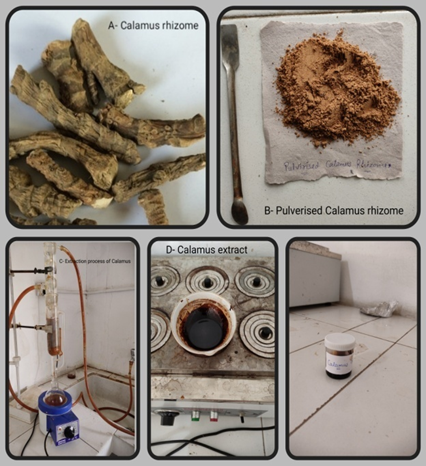
Fig. 1. Extraction of Vacha

Fig. 2. Extraction of Tulsi
Estimation of percentage yield:
Based on the formula mention below the percentage yield of both of the extract was calculated:
Preliminary Phyto-chemical screening of extracts:
After being extracted, the extracts of both compounds were concentrated. Then, using a range of qualitative assays, the identification of various plant components such as alkaloids, glycosides, carbohydrates, flavonoids, tannins, etc. was done on these extracts. To detect the numerous phytoconstituents that were present, the following qualitative chemical tests were conducted [15].
Preparation of 10 dilutions of the stock solution:
The specific conc. of drug is taken in context with the concentration in the stock solution. The concentration of drug in specific quantity of stock solution is given in the following table. 10 milliliters of distilled water should be used to dilute the given concentration.
Table 1: Dilutions of the stock solution
|
Milligrams of drug |
Millilitres of stock solution |
|
0.1 |
0.66ml |
|
0.2 |
1.33ml |
|
0.3 |
2ml |
|
0.4 |
2.66ml |
|
0.5 |
3.33ml |
|
0.6 |
4ml |
|
0.7 |
4.66ml |
|
0.8 |
5.33ml |
|
0.9 |
6ml |
Collection of marketed Anti-acne preparations:
The standard drugs were used for preparing standard curve and also for carrying out microbial studies. Marketed capsule. Each soft gelatin capsule contains vitamin A I.P. (as palmitate) 25,000 IU (Equivalent to retinol 7.5mg) [16,17].
Conversion of marketed Oil Based Retinol to Aqueous Based:
As the drug is water miscible the oil-based vitamin A is mixed with distilled water until it becomes completely miscible with water. 7.5mg of oil-based vitamin A is completely miscible in 1.5ml of water [18,19,20].
Collection of Bacterial species:
The following microbes were used in the study.
Inoculation of bacteria on nutrient media:
P. acnes and S. aureuswere obtained from the Chandigarh-based Institute of Microbial Technology's Microbial Type Culture Collection and Gene Bank (MTCC) (INDIA). Casein Soya bean Digested Agar Media & Vogel- Johnson Agar Medium was used as a growth media for these bacteria.
Table 2: Casein Soya bean Digested Agar Media (For Propionibacterium Acne)
|
Ingredients |
Quantity (g/ml) |
|
Pancreatic digest of casein |
15.0 g |
|
Papaic digest of soyabean meal |
5.0 g |
|
Sodium Chloride |
5.0 g |
|
Agar |
15.0 g |
|
Water to |
1000 ml |
Table 3: Vogel- Johnson Agar Media (For Staphylococcus Aureus)
|
Ingredients |
Quantity (g/ml) |
|
Pancreatic digest of casein |
10.0 g |
|
Yeast extract |
5.0 g |
|
Mannitol |
10.0 g |
|
Dibasic potassium phosphate |
5.0 g |
|
Lithium chloride |
5.0 g |
|
Glycerin |
10.0 g |
|
Agar |
16.0 g |
|
Phenol red |
25.0 g |
|
Water to |
1000 ml |
Microbial study of the drug extracts:
To determine the Minimum Inhibitory Concentration, the antibacterial activity of several formulations was tested using the Cup-bore method (MIC). Staphylococcus aureus and Propionibacterium acne were used as test subjects for antibacterial activity [23,24].
Minimum Inhibitory Concentration (MIC):
The Minimum Inhibitory Concentration, or MIC, is the lowest amount of an antimicrobial agent (measured in mg/L) that stops the development of observable microorganism growth within a specified period of time. A natural medicinal extract of plants namely Ocimum tenuiflorum and Acorus calamus were taken for producing a suitable stock solution. To generate the required test concentrations, the stock solutions were mixed in sterile, distilled water. Microorganisms suspected of causing disease were subjected to in vitro susceptibility testing, such as MIC, especially if the organism belonged to a species that might show resistance to commonly used antimicrobial drugs. The MIC of antibacterial drugs is calculated using dilution procedures. When disc tests may not be trustworthy or a quantitative result is needed for clinical management, MIC procedures are used for the creation of novel antimicrobial medicines, resistance surveillance, the analysis of chemical drugs, assessing an organism's susceptibility, and resistance surveillance [25. 26].
Zone of Inhibition (ZOI):
In this procedure, nutrient plates containing Soya bean casein digested media (0.2 ml) and Vogel Johnson media (0.2 ml) were planted with 0.2 milliliters of broth culture of bacteria. The diameter of the observed zone of inhibition was used to assess the activity. Afterwards a sterile Petri plate is then filled with the melted agar, which has been inoculated with the test bacteria (Propionibacterium Acne) and cooled at 45 degrees Celsius. A sterile cork borer is applied to make holes around 9 mm in diameter in the medium after the inoculated agar has set. The antibacterial substance (Tulsi and Vacha Extract) is applied directly to the openings. After 2 to 3 days of incubation at 30 to 35°C, the inhibition zone for various dilutions is visible. The extent of the area of inhibition provides an indication as to the relative effectiveness of the various antimicrobial agents against the test bacterium. To ascertain whether a specific bacterium is sensitive to a particular antibiotic, antibiotic agents are frequently used. On top of discs which have been saturated with various antibiotics, the bacteria are cultivated on a dish. In 24–48 hours, a visible ring will form around the disc if the antibiotic is effective. The ring is referred as the inhibitory zone [27, 28].
Fig. 3. Zone of Inhibition
Identification test of the sample drug by (FT-IR-spectroscopy):
Using a Shimadzu FTIR 8300 Spectrophotometer, infrared spectra were captured in the 4000-400 cm-1 range. The process involved mixing an extract and extract excipient mixture (1:1) in KBr (200–400 mg) and compressing the mixture into discs under a hydraulic pressure of 5 tones for 5 minutes. The spectrum was acquired after the pellet was positioned in the path of the light.
Formulation of Herbal Gel:
Gels are semi-solid formations made up of solutes scattered as either big organic molecules or small molecules, all encased and inter-connected by a liquid solvent. For the prolong residence time of formulation at the absorption site, gels are an appropriate dosage form under transdermal delivery system. Gels could increase the bioavailability of active components in human beings, after enhancing its absorption ability.
Selection of Polymer:
To create gels a structural network, polymers are either used as gelling agents or as viscosity-imparting components. Polymers were selected depending on their swelling index and microbial stability since natural polymers are susceptible to microbial attack. Polymers such as Carbopol, Agar, Gelatine, & H.P.M.C are available but Carbopol are normally favoured as gelling agents in medicine gel formulations as a result, it produces gels having variety of advantageous characteristics needed for medicine products. Most of Carbopol grades have favourable properties for topical applications and they may be used in amount starting from 0.5% to 2% [29, 30].
Table 4: Gelling Properties of different Polymers
|
Sr. No. |
Name of Polymers |
Percentage used |
Observation |
|
1. |
Carbopol 934 |
0.5 1.0 1.2 |
Less Viscous Gel formulation Thick Gel |
|
2. |
Carbopol 940 |
0.5 0.8 1.5 |
Less Viscous Good Gel Formulation Sticky Gel |
|
3. |
Carbopol 980 |
1.2 0.8 |
Viscous Gel Formulation |
Based on the above findings, Carbopol 940 was chosen in the current investigation as a gelling agent for making gel formulation as a result it exhibits superior optical clarity compared with alternative grades of Carbopol.
Selection of Excipient:
Based on broad experimentation, the Carbopol 940 polymer was chosen for the gel formulation, and propyl and methyl parabens are selected as an antibacterial preservative. Mostly it is seen that the parabens work across a wide pH range. 0.02% of methyl paraben and 0.02% of propyl paraben are the recommended amounts of parabens for use. The addition of 3-5% propylene glycol also increases the effectiveness of the preservative. For removing the ions from the solutions and creating stable, water-soluble complexes with heavy metals and alkaline earth ions, Edetate salts are employed as chelating agents. Disodium edetate was used in the formulations. Optimum viscosity and clarity with Carbopol is obtained in pH ranging 5-6. So, for the current formulation Triethanolamine was selected as neutralizing agent [31].
Preparation of Gel:
Applying the thermal change (hot and cold) methodology, the anti-acne gel was developed. Polymers were selected depending on their swelling index and microbial stability. The active ingredients and additives were mixed after being added in varied amounts. To investigate how the additives might affect the gelation process, the order in which they were added was altered each time. Due to an increase or reduction in the concentration of the active ingredient or additive, alters the formulation's pH and viscosity. Various combinations of these agents were tried to get an optimum formulation [32].
Table 5: Various combinations for developing polyherbal gel formulation (Step II)
|
Sr. No. |
Components |
F1 |
F2 |
F3 |
F4 |
F5 |
F6 |
F7 |
|
1. |
Acorus calamus Extract |
7.5mg |
7.5mg |
7.5mg |
7.5mg |
7.5mg |
7.5gm |
7.5gm |
|
2. |
Ocimum tenuiflorum Extract |
7.5mg |
7.5mg |
7.5mg |
7.5mg |
7.5mg |
7.5gm |
7.5gm |
|
3. |
Propylene Glycol-400 |
1.5ml |
2ml |
2.5ml |
3ml |
3.5ml |
4ml |
4.5ml |
|
4. |
Ethanol |
3ml |
3ml |
3ml |
3ml |
3ml |
3ml |
3ml |
|
5. |
Water |
q.s |
q.s |
q.s |
q.s |
q.s |
q.s |
q.s |
Table 6: Various combinations for developing polyherbal gel formulation (Step II)
|
Sr. No. |
Components |
F1 |
F2 |
F3 |
F4 |
F5 |
F6 |
F7 |
|
1. |
Carbopol-940 |
3gm |
4.5gm |
5.5gm |
6.5gm |
7gm |
7.5gm |
8gm |
|
2. |
Water |
70ml |
70ml |
70ml |
70ml |
70 ml |
70 ml |
70 ml |
|
3. |
Methylparaben |
0.4gm |
0.4gm |
0.4gm |
0.4gm |
0.4gm |
0.4gm |
0.4gm |
|
4. |
Propylparaben |
0.4gm |
0.4gm |
0.4gm |
0.4gm |
0.4gm |
0.4gm |
0.4gm |
|
5. |
EDTA (Ethylene-di-amine tetra acetic acid) |
0.06gm |
0.06gm |
0.06gm |
0.06gm |
0.06gm |
0.06gm |
0.06gm |
|
6. |
Triethanolamine |
q.s |
q.s |
q.s |
q.s |
q.s |
q.s |
q.s |

Fig. 4. Polyherbal Gel Formulation
Physical Characterization of the Formulated Acne Gel:
The polyherbal gel formulation was subjected to physical characterization, such as color, appearance, pH, viscosity, and spread-ability.
Physical Appearance:
The formulated gel was inspected for its organoleptic characteristics, viscosity, and homogeneity after being packed in the container and verified for the appearance and existence of any aggregates.
Determination of pH:
About 1 g of the gel was mixed in 100 mL of deionized water. The determination of pH of individual formulation was determined using a digital pH meter (Model MK–VI, Kolkata, India) carried out three times to obtain triplicate readings [29].
Determination of Viscosity:
The viscosity of the formulated gel was performed in a cup-and-bob type of rotational viscometer (Brookfield viscometer RVT) with spindle No.62 [34].
Homogeneity:
The container has been filled with the gel base compositions, and visual inspection was used to check the homogeneity of each created gel. They had examinations to check for lumps, flocculates, and aggregates.
Grittiness:
Under a light microscope, the gel base compositions were examined microscopically to see whether any detectable particle matter was present. The preparation must be devoid of particles, and any topical preparation's grittiness can be tested.
Spread-ability
The spread-ability of the gel was calculated to anticipate how much of an area it would spread when applied to skin. A thin coating of 100 g of the gel was applied between two slides, which had a 6 cm border around them. The slides were then fastened to an undisturbed platform in such a way that only the upper slide could be released freely by the weight that was tied to it. A 20 g mass was attached to the upper slide. The amount of time it took for the upper slide to move a predetermined distance before being torn apart by the impact was noted, triplicates were carried out [33].
Analysis of Gel Strength and Extrudability:
The formulated gel was analyzed for its strength using a calibrated texture analyzer TA-XT2. Initially, the instrument was calibrated for force and distance measurement at room temperature. The 45 cap was partly filled with 1 g of the gel and set on the platform of the analyzer. A corresponding 45 cone was used as a probe to spread and detect the dynamics of spreading and retracting forces as it moved vertically toward the bottom of the cap followed by withdrawal to its original point. The cone and cap assembly were aligned coaxially. During the test, the cone probe traveled downward at a speed of 3 mm/s until it reached a distance of 1 mm from the bottom of the cap. This was immediately followed by an upward movement of the probe (i.e., retraction mode) at a speed of 10 mm/s. The total work performed to spread 1 g of the gel in between the cone–cap surfaces and the total work required to retract from the spread gel represent the gel strength [34].
The formulations (10 gms) were put into the normal collapsible aluminium tubes and the ends were crimped shut. Every tube’s weight was recorded properly. The tubes were then sealed by clamping in between two glass slides. The slides were covered with a 500 g weight, and the cap was taken off. To ascertain the formulation’s extrudability, the extruded amount was collected, weighed, and a percentage was computed. Over 90% extrudability was considered excellent, over 80% was considered good, and over 70% was considered fair [35].
Stability Study:
The rapid stability testing has received the most attention. For three very essential reasons patient protection, official concerns about the uniqueness, potency, transparency, and attributes of the drug, it is crucial to research the stability of pharmaceutical inventions. In accordance with ICH recommendations, the improved gel composition was packed in a glass vial, maintained at 30± 2°C and 65± 5% RH for a month, and then examined. The samples were examined for colour, pH, and a study of viscosity and spread-ability after a month [14].
RESULTS AND DISCUSSION:
Organoleptic Evaluation of the Extract:
Organoleptic evaluation is a qualitative method in which researchers evaluate the distinct qualities of drugs, particularly those with a plant origin, by using their senses (sight, smell, taste, hearing, and feeling) while recording information about the size, shape, colors, marks, fractures, textures, odors, and tastes. The methodology used in this study is often referred to as organoleptic, and the data collected are known as sensory characteristics.
Table 7: Evaluation of organoleptic characteristics of the extract
|
Sr. No. |
Characters |
Ocimum tenuiflorum (Leaves) |
Acorus calamus (Rhizomes) |
|
1. |
Colour |
Green |
Externally- Light brown, Internally- Buff |
|
2. |
Odour |
Aromatic |
Sweet Aromatic |
|
3. |
Taste |
Slightly pungent |
Pungent, Bitter |
|
4. |
Fracture |
Oblong and acute |
Short |
|
5. |
Texture |
Smooth |
Rough |
Pharmacognistic studies of the drug:
The transverse section of leaves of Ocimum tenuiflorum (Fig. 5), rhizomes of Acorus calamus (Fig. 6) was observed under microscope with 10 X and 40 X magnifications. After the study following data was collected and mentioned below.
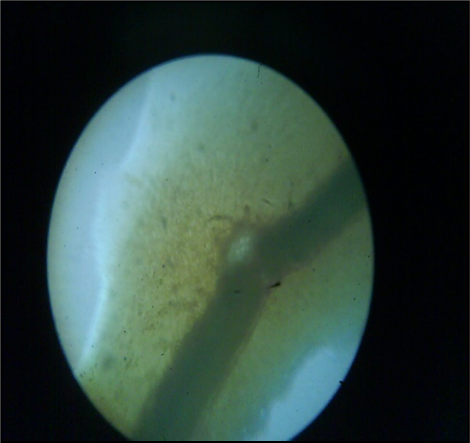
Fig. 5. Microscopy of Tulsi leaf

Fig. 6. Microscopy of Vacha rhizome
Percentage yield:
Each drug's percentage yield was estimated, and the results are displayed in the table.
Table 8: Percentage Yield of different extracts
|
Sr. No. |
Alcoholic extract |
% yield |
|
1. |
Tulsi |
10% w/v |
|
2. |
Vacha |
65.6 % w/v |
Phytochemical Investigation of the Extract:
Phytochemical investigation is important since different classes of phytoconstituents that are found in various drug bases are analyzed, extracted, and identified. Phytochemical screening not only assists in identifying the components of plant extracts and which component predominates over the others, but it also aids in the search for bioactive substances that can be employed in the synthesis of therapeutic medications. Alkaloids, flavonoids, phenolic compounds, saponins, steroids, tannins, and terpenoids are just a few of the substances that are significant for both industrial and therapeutic purposes and can be found in novel sources through phytochemical screening.
Table 9: Screening of phytochemical constituents
|
Test |
Tulsi (Aqueous extract) |
Vacha (Aqueous extract) |
|
Test for carbohydrate |
||
|
(a) Molish`s assay |
+ |
+ |
|
Analysis of reducing sugars |
||
|
(a) Fehling’s assay |
+ |
+ |
|
(b)Benedict’s assay |
+ |
+ |
|
Analysis of monosaccharides |
||
|
(a)Barfoed’sassay |
+ |
+ |
|
Analysis of pentose sugar |
||
|
(a)Bial’sorcinol test |
+ |
+ |
|
(b)T. S.+ HCL+ phloroglucinol |
+ |
+ |
|
Analysis of hexose sugar |
||
|
(a)Tollensphloroglucinolassay for galactose |
+ |
+ |
|
Analysis of proteins |
||
|
(a)Biuret assay |
+ |
+ |
|
(b)Million’s assay |
+ |
+ |
|
(c)Xanthoprotein assay |
+ |
+ |
|
Analysis of amino acid |
||
|
(a)Ninhydrin assay |
- |
- |
|
Analysis of steroid |
||
|
(a) Salkowski reaction |
+ |
- |
|
Analysis of glycosides |
||
|
(a)Keller –Killian assay |
- |
- |
|
Test for anthraquinone glycosides |
||
|
(a) Borntrager’sassay |
- |
- |
|
Analysis ofsaponin glycoside |
||
|
a) Foam assay |
+ |
+ |
|
Test for flavonoid |
+ |
+ |
|
Analysis of alkaloids |
||
|
a) Dragendorff’sassay |
- |
- |
|
b) Wagners’sassay |
- |
- |
|
Test for tannins and phenolic acid |
||
|
a) Dilute HNO3 |
+ |
- |
|
b) Acetic acid solution |
+ |
- |
|
c)Lead acetate solution |
+ |
- |
|
d) Bromine water |
+ |
- |
|
e) Potassium dichromate |
+ |
- |
|
Test for volatile oil |
+ |
- |
Physicochemical investigation of raw materials:
The plant is converted into ash by heating as it burns all the organic matter present, reduces its weight leaving behind the minerals. Total ash value of the plants Tulsi and Vacha were 4.93% weight by weight and 4.92% weight by weight approximately.
Table 10: Total Ash Value
|
Drug |
Total Ash (% w/w) |
Pharmacopoeial limits |
|
Tulsi |
4.93 |
NMT 10% |
|
Vacha |
4.92 |
NMT 7% |
In our bodies, minerals play a crucial role. In the current investigation the formulations are to be applied topically and minerals are believed to possess bactericidal properties. Alkaline minerals like Fe, Co, Cu, and Zn etc. are acid soluble while acidic minerals like Ba, B, N, Mnetc are acid insoluble. Ayurvedic Pharmacopoeia mentions limits of these minerals for every plant material. Tests are performed on these plant materials and these minerals were within limits as mentioned in Pharmacopoeia. The results of further tests, such as those for acid-insoluble ash and water-soluble ash, are listed in the table
Table 11: Acid insoluble ash& Water-soluble ash
|
Drug |
Total Acid insoluble ash (% w/w) |
Total Water-soluble ash (% w/w) |
|
Tulsi |
1.28 |
1.83 |
|
Vacha |
1.45 |
1.64 |
Extractive values of crude drugs:
Plants contain various organic and inorganic components. These phytochemicals responsible for various pharmacological activities can be extracted by various solvents. In this study phytoconstituents present in the chosen plants were hydrophilic in nature and so water and methanol were used as extraction solvent.
Table 12: Extractive values of crude drugs
|
Drug |
Extractive values |
|
|
Alcohol soluble (% w/w) |
Water soluble (% w/w) |
|
|
Tulsi |
10%w/v |
22.4%w/v |
|
Vacha |
65.6%w/v |
10%w/v |
Foreign matter analysis:
The drugs were sieved and impurities were removed manually. Since Vacha rhizomes was purchased from vender, it contained less impurities compared to Tulsi leaves which were collected from ayurvedshala and percentage impurities in these samples were within the Pharmacopoeial limits and so were used in the formulation.
Antimicrobial Activity of the Extract:
The antimicrobial activity testing was performed by relating the diameter of zones of inhibition (in mm), which indicates the effectiveness of an antimicrobial agent. Minimum Inhibitory Concentration (MIC) of every drug sample varies at each concentration. It's possible that a specific drug concentration works better against bacteria. MIC for bacteria at different concentration of drug sample was shown in (table 13) and (figure 7). Both the drug sample has inhibitory potential against P.acne and S.aureus bacteria. Antibacterial activity of standard drug was also detected and compared with the drug sample.
Table 13: Zone of Inhibition for Dilution of Sample drug
|
Conc. Of Dilution of Sample Drug |
Zone Of Inhibition (mm) |
|
0.1mg |
No Inhibition |
|
0.2mg |
No Inhibition |
|
0.3mg |
207.5mm |
|
0.4mg |
215mm |
|
0.5mg |
220.5mm |
|
0.6mg |
235mm |
|
0.7mg |
245.5mm |
|
0.8mg |
253mm |
|
0.9mg |
260.5mm |
|
1mg |
275.5mm |
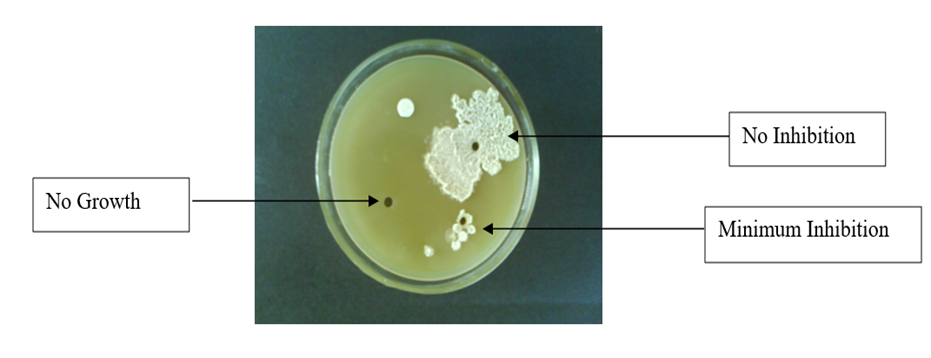
Fig. 7. Zone of Inhibition by different drug samples
Zone of Inhibitions:
The standard soft gelatine capsule, marketed as a vitamin A preparation for the treatment of acne vulgaris, was compared to the zone of inhibitions for the antibacterial activity which was shown by both pathogens. According to trial results, F5 demonstrated a greater zone of inhibition than commercially available preparations. It was discovered that the zone of inhibitions caused by the prepared aqueous gel was higher than that of both the oil-based and aqueous-based commercial formulations. The ZOI of formulation and marketed drug.
Zone of Inhibition on bacterial strains of Propionibacterium acne:
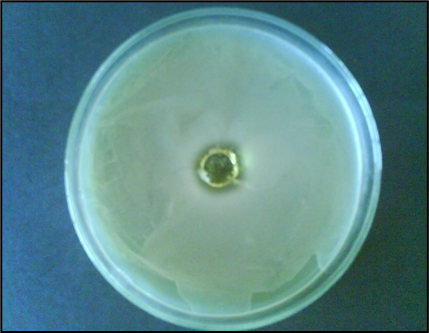
Fig. 8. Inhibitions by Retinol
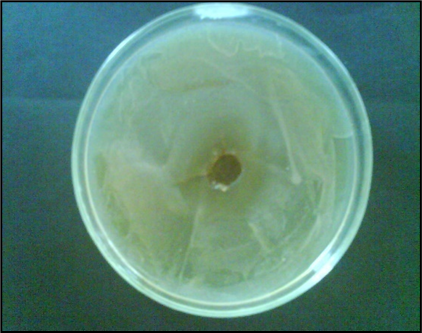
Fig. 9. Inhibition by Sample Drug (Oil based)
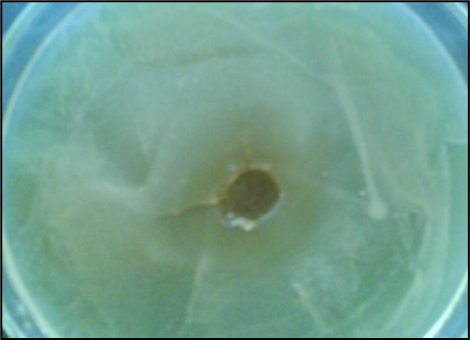
Fig.10. Inhibition by Aqueous based Retinol
Table 14: Zone of Inhibition on bacterial strains of Propionibacterium acne
|
Zone Of Inhibition (mm) |
Standard Marketed Drug (Oil Based) |
Standard Marketed Drug (Aqueous Based) |
Sample Drug |
|
25.33 mm |
212.5 mm |
275.5mm |
Zone of Inhibition on bacterial strains of Staphylococcus aureus:
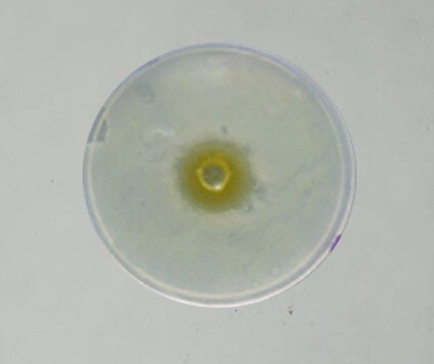
Fig. 11. Inhibition by sample drug
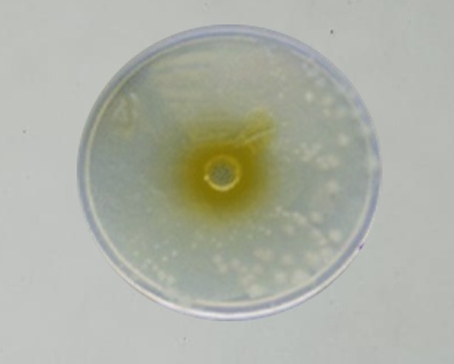
Fig.12. Inhibition by Aqueous retinol
Table 15: Zone of Inhibition on bacterial strains of Staphylococcus aureus
|
Zone Of Inhibition (mm) |
Standard Marketed Drug (Aqueous Based) |
Sample Drug |
|
115.5 mm |
209.3mm |
Infrared Spectroscopy (FT-IR study):
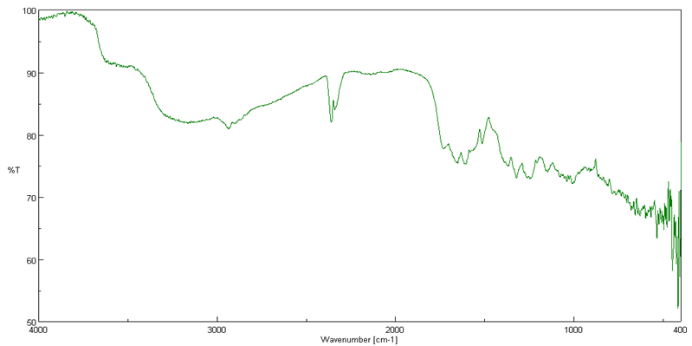
Fig. 13. I.R. spectra of Tulsi
Table 16: Important peaks of Infrared Spectrum (Tulsi)
|
Wave Number (cm?1) |
Functional Groups |
|
1416 |
C-H bending |
|
3000 |
C-H stretching |
|
1600 |
-C=C- stretching vibration |
|
1275-1200 |
C-O-C stretching |
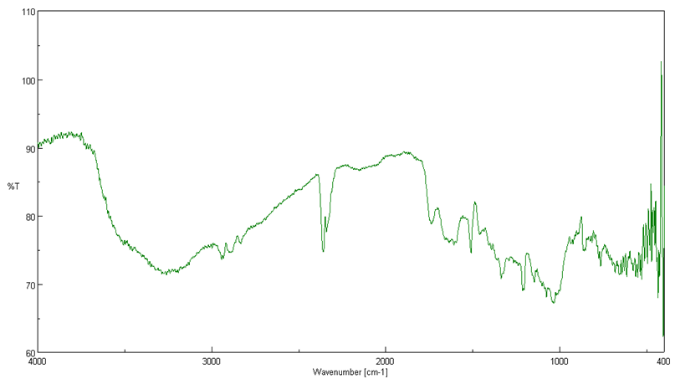
Fig.14. I.R. spectra of Vacha
Table 17: Important peaks of Infrared Spectrum (Vacha)
|
Wave Number (cm?1) |
Functional Groups |
|
700-600 |
C-S stretching |
|
3000 |
C-H stretching |
|
2600-2550 |
S-H stretching vibration |
|
1275-1200 |
C-O-C stretching |
Formulation of Polyherbal Gel Containing extract of Tulsi and Vacha Plants are regarded as an important source of potentially beneficial components for the creation of novel therapeutic medicines because the majority of them are harmless and have few or no side effects. Comparing topical gels to cream or ointment application, gels offer tremendous advantages in terms of a faster release of the medicine directly to the site of action. The topical administration of medications is now frequently carried out using gels.
Evaluation of Polyherbal Gel Physical Appearance:
All samples were evaluated for organoleptic properties for patient’s acceptability (Table-3.14). Colour of all samples ranged from pale brown to brown. Mostly the samples are of characteristic odour. Some samples were having poor consistency but as the concentration increases consistency became good. Formulations were homogenous as there was no agglomeration when kept aside. Samples had no greasy or gritty feel after application. F5 was good in all formulations.
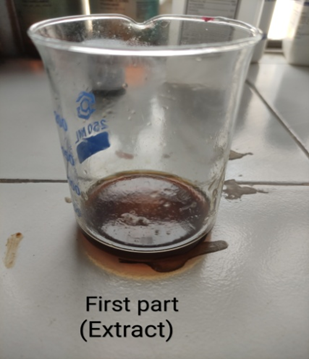
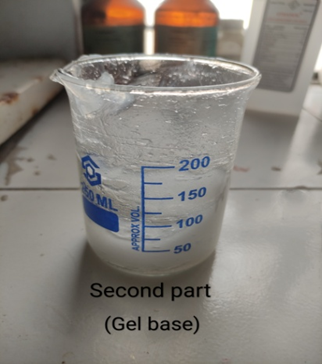
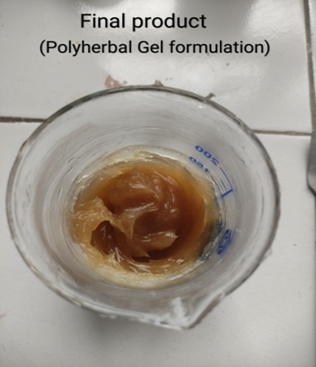
Fig. 15. Polyherbal Gel Formulation
Table 18: Physical evaluation parameters of formulations made with7gm Carbopol 940
|
Formulations |
Colour |
Odour |
Consistency |
Greasiness |
Homogeneity |
Grittiness |
|
F1 |
Pale Brown |
Characteristic |
Poor |
No |
Good |
No |
|
F2 |
Pale Brown |
Characteristic |
Poor |
No |
Good |
No |
|
F3 |
Pale Brown |
Characteristic |
Moderate |
No |
Good |
No |
|
F4 |
Brown |
Characteristic |
Better |
No |
Good |
No |
|
F5 |
Brown |
Characteristic |
Good |
No |
Good |
No |
|
F6 |
Brown |
Characteristic |
High |
No |
Good |
No |
|
F7 |
Brown |
Characteristic |
High |
No |
Good |
No |
Determining of pH, Viscosity and Spread-ability:
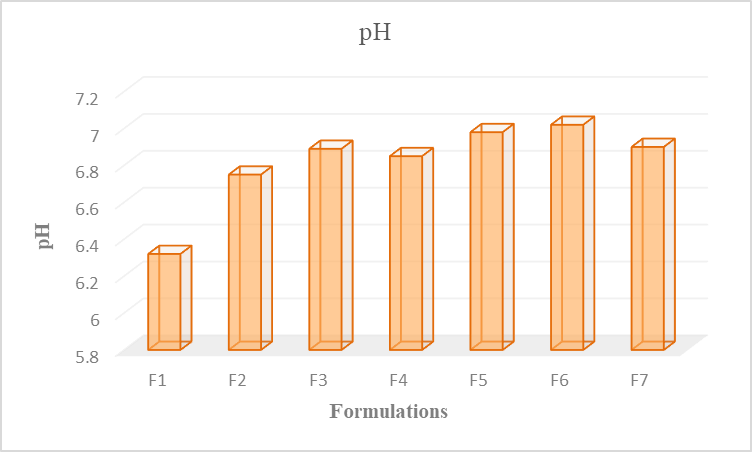
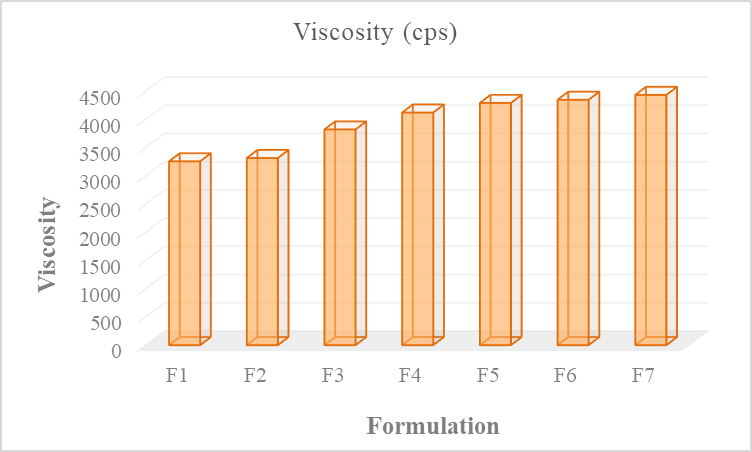
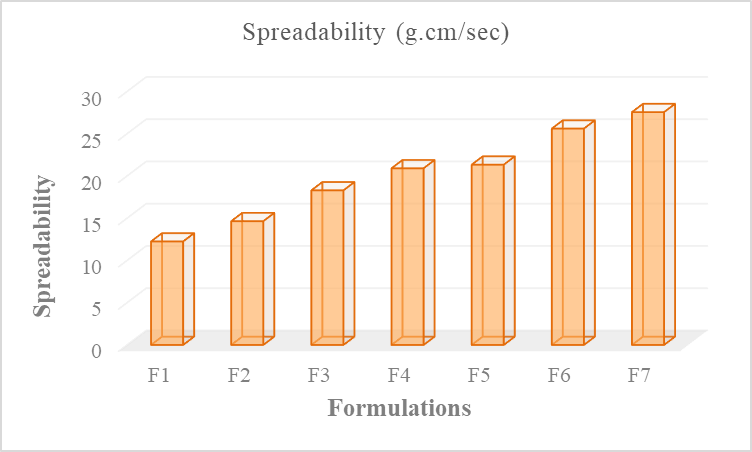
After being stored for a few days, the formulations' pH was revealed to be in the limit of 6.32±0.32 to 7.02±0.58. The compositions' viscosity values were determined to be between 3256±32 to 4346±15 and their spread-ability was measured between 12.25±0.36 to 25.61±0.18for all formulations. All the formulations were found to be in ranges but F5 appears good.
Table 18: Determination of pH, viscosity & spread-ability
|
Formulation |
pH |
Viscosity (cps) |
Spread-ability (g.cm/sec) |
|
F1 |
6.32±0.35 |
3256±32 |
12.25±0.36 |
|
F2 |
6.75±0.32 |
3314±14 |
14.65±0.25 |
|
F3 |
6.89±0.44 |
3820±20 |
18.30±0.15 |
|
F4 |
6.85±0.48 |
4120±15 |
20.91±0.22 |
|
F5 |
6.98±0.35 |
4290±22 |
21.34±0.30 |
|
F6 |
7.02±0.20 |
4346±20 |
25.61±0.18 |
|
F7 |
6.90±0.12 |
4432±32 |
27.56±0.20 |
Results of Extrudability & Washability:
An appropriate consistency is needed in order to expel the gel from the container since high consistency gels may not be able to do so, however low consistency gels may flow more readily after application. All gel formulations, with the exception of a few, were determined to have good extrudability. Due to their non-greasy qualities, all of the formulations had excellent washability & left no residues on the skin when washed with water.
Table 19: Results of Extrudability & Washability
|
Formulation |
Extrudability |
Washability |
|
F1 |
Average |
Good |
|
F2 |
Average |
Good |
|
F3 |
Good |
Good |
|
F4 |
Good |
Good |
|
F5 |
Good |
Good |
|
F6 |
Low |
Good |
|
F7 |
Low |
Good |
Skin Irritation Test
Healthy albino Wistar rats of either sex, weighing 180 to 230 grammes, were selected for the investigation. There were seven groups, each with six animals. The animals were kept in temperature ranges of 18 to 20°C with light and day cycles of 12:12 hours. They were housed during the trial in a spacious, spotless cage. Animals had full access to water and a regular pellet meal up to the study's completion.
Skin irritation study was carried out for the Formulation code F5 in order to investigate the effect formulations on the skin. The formulations F5 were applied on the shaved dorsal side of the rat for 12, 24 and 48 hrs. 0 score was found for skin irritation such as erythema and edema after the applications of gels as shown in Fig 16.

Fig. 16. Image representing no skin irritation of Optimized batch
Table 20. Skin Patch Test
|
Tests |
Inference |
|
Redness of Skin |
Not Observed |
|
Swelling on Skin |
No Observed |
|
Any Skin Irritation |
Not Observed |
|
Any Corrosiveness on Skin |
Not observed |
Stability study:
After a month, the formulation's sample was taken out of the stability study and retested for factors like colour, pH, viscosity, and spread-ability. All of the parameters in the composition did not exhibit any noticeable change. It shows that the stability of this formulation could last for up to three months. Table 3.18 displays stability statistics.
Table 21: Stability study data
|
Sr. No. |
Parameters |
Storage Period (1 month) |
|
|
Initial |
30±2°C at 65±5% RH |
||
|
1. |
Colour |
Brown |
Brown |
|
2. |
pH |
6.98±0.02 |
6.90±0.12 |
|
3. |
Viscosity |
4290±35 |
4230±15 |
|
4. |
Spread-ability |
21.34±0.03 |
20.30±0.10 |
CONCLUSIONS:
The development of polyherbal formulations has drawn increasing attention due to its historical roots, economic viability, and patient compliance. The preliminary assessment and antibacterial study of Tulsi and Vach demonstrated a strong antimicrobial effect of the extract against acne infection. Gels are becoming more and more popular. Compared to other semisolid preparations, including ointments, creams, pastes, etc., they can give controlled release and are more stable. Making gels can result in improved absorption, which increases medicinal drugs’ bioavailability. Gels’ long-term stability features open up possibilities for their beneficial application to patients. Gels are simple to make, but extensive drug and excipient modification is required to produce a stable, effective, and secure product.
The optimum concentration of polymers was found to be 0.5 – 1.5 % for preparation of gel. Method of preparation affected the homogeneity and consistency of formulated gel. After complete wetting of polymer, addition of drugs and additives before addition of triethanolamine gave gels of satisfactory consistency. Vigorous stirring resulted in air entrapment and decreased organoleptic properties while slow stirring gave gel of satisfactory organoleptic properties. Selection and concentration of polymer used directly affected the physical properties of the gel. Addition of Carbopol 940 (0.8-0.9%) gave gels of transparent consistency without stickiness. Addition of other gelling agents like methyl cellulose decreases the requirement of Carbopol but reduces the transparency too. The mixture of Tulsi and Vach shows 6 times more inhibition than that of the marketed product of Retinoic acid. Formulation F5 showed satisfactory results in terms of shelf life and antibacterial potency. The Herbal Face Gel shows neutral effect on the skin moreover it does not produce any adverse event on skin.
FUNDING
None
ACKNOWLEDGEMENTS
The author is highly thankful to the Chairman, Department of Pharmaceutical Sciences, for providing necessary facilities.
COMPETING INTERESTS
The authors declare no conflict of interest.
Abbreviations
REFERENCES



Ajeet Kumar, Abhay Pratap Singh, Saurabh Sharma, Formulation Development and Evaluation of Polyherbal Gel Containing the Legendary Plant Extract Mixture for Treatment of Acne, Int. J. of Pharm. Sci., 2025, Vol 3, Issue 7, 515-535. https://doi.org/10.5281/zenodo.15798956
 10.5281/zenodo.15798956
