View Article

Abstract

The present study focuses on the formulation and evaluation of a polyherbal anti-acne face wash gel prepared using natural plant extracts. Acne vulgaris, a common dermatological disorder, occurs primarily due to excessive sebum secretion, bacterial proliferation, and obstruction of hair follicles. To develop a safer and more natural alternative to conventional synthetic formulations, herbal extracts of Azadirachta indica (Neem), Myristica fragrans (Nutmeg), and Aegle marmelos (Bel Patra) were selected for their well-documented antibacterial, anti-inflammatory, and antioxidant properties. The extracts were obtained using the maceration technique, while the gel base was formulated with Carbopol 934, Triethanolamine, Propylene Glycol, Methyl Paraben, and Soapnut (Reetha) as a natural foaming agent. The formulated herbal gel was evaluated for various physicochemical parameters, including colour, odour, consistency, pH, spreadability, and viscosity. The study aims to develop a stable, skin-friendly, and effective herbal face wash gel suitable for daily use. This research highlights the potential of herbal ingredients in developing eco-friendly and safe skincare formulations that promote healthy, acne-free skin.

Keywords

Herbal face wash, Anti-acne gel, Neem, Nutmeg, Bel Patra, Polyherbal formulation, Skin care.

Introduction

Topical preparation: -

Tropical drug delivery system is defined as carrying specific drug up on contact with and across the skin. The challenge with topical medication is that they cross the skin barrier1. A Topical drug is delivered on the surface of the human body such as skin or the mucous membrane via a vast extent of classes including creams, foams, gels, lotion and ointment. Drug substances are rarely administered alone, but somewhat as a part of a formulation, in combination with one are more non medicated agents that serve different and specialized pharmaceutical function2. The skin is a multifaceted organ that wraps the bodies total surface. It serves as physical barrier which covers body from the environment, preventing the electrolyte and water lose, restricting chemical penetration and safeguarding against parasitic organisms3.

FACTORS INFLUENCING DRUG TOPICAL ABSORPTION1

Physiological elements

  1. Skin thickness
  2. Content of triglycerides
  3. Hair follicle density
  4. Sweat gland
  5. Blood flow

MERITS OF TOPICAL DRUG DELIVERY SYSTEM1,2

  1. Avoidance of first pass metabolism.
  2. Gastrointestinal incompatibility.
  3. Better patient compliance.
  4. Self-administration.
  5. Slight therapeutic window and easily stopped when required.
  6. Medications are simple to stop.

DEMIRITS OF TOPICAL DRUG DEIVERY SYSTEM1

  1. Some drugs are not penetrating the skin effectively.
  2. Possibility of allergic reaction.
  3. Some drugs will be having different routes of administration that cause skin irritation.
  4. Drugs with low plasma concentration is required.
  5. Dermatitis may occur from drug or excipients.

Physiology of the skin

The skin is the largest organ of the body; it accommodates 15% of adult body weight. It performs many vitals roles which includes protection against external physical, chemical and biological factors it helps to prevent excess of water loss from the body and role in thermoregulation.
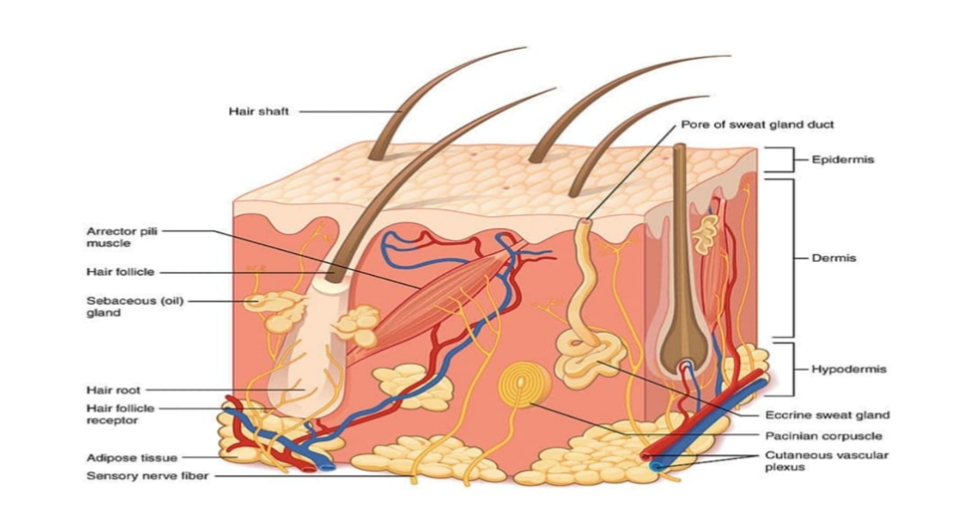
Fig: 01 Structure of skin5

NORMAL SKIN BIOMORPHISM4: -

 Skin is organized into three layers

  1. The epidermis.
  2. The dermis.
  3. The hypodermis.

FACE WASH:

A face wash is a skin care product which is intended to remove dead skin cells, oil, dirt and other types of pollutant from the skin.6 A face wash is typically used as a part of a comprehensive skin care regimen, along with toners and moisturizers6.

ADVANTAGES6 :

  1. It helps to remove dead skin cells, that helps in the recovery of new skin from old one.
  2. It helps to make skin healthy and shiny.
  3. It makes skin look radiant.
  4. It will help to make wrinkles free on the face.

PROPERTIES OF FACEWASH :7,8,11

    • It will cure acne and pimples as the herbal face wash contain rich plant-based ingredients like neem, bel Patra, nutmeg etc, found in herbal face which will exclude the extra oil without exhausting the skin nutrients.
    • It should be soft when it applied on the epidermis.
    • When it is applied in the skin, it should not be grassy or sticky.
    • Stability, it remains stable over time.
    • Easy spreadability, it spread easily without dragging.
    • Emollient film, a thin emollient film should remain on the skin after the use.

USES :8

    • Continuous use of face wash will remove all traces of makeup.
    • It will act as an anti-aging agent.
    • It will produce and renew the skin cells.
    • It will clear the pores and acne.

DIFFERENT FORMS OF FACEWASH :9

  1. Cream based face wash.
  2. Gel based face wash.
  3. Liquid based face wash.
  4. Face wash in powder form.

ADDITIVES USED IN FACE WASH :11

  1. Gelling agent. (Example: Carbopol 934)
  2. Preservatives. (Example: Methyl paraben, propyl paraben)
  3. Humectant. (Example: Glycerin)
  4. Propellant. (Example: sodium lauryl sulphate)

PREPARATION OF FACEWASH :10

Collection: collect all the ingredients as per the requirements.

Preparation of extract: All the herbs were collected and dried in hot air oven for drying purpose at 450C and grinded into small pieces by using grinder. Required quantize of herbal drug were weighed and macerated with distilled water in conical flask. That mixture where moderately shaken for 3 days and filtered by using simple filtration method and filtrate were collected in separate vessels.

Filtration: filtration of extracted herbs was done by using simple filtration method and filtrate was collected in separated vessels.

Evaporation: evaporation was done by using water bath. Filtrate were allowed to evaporate in water bath at 600C temperature until the desired concentration of the extract was obtained.

DEVELOPMENT OF FORMULATION :9

Required quantities of gelling agent i.e. Carbopol were weighed accurately and dispersed in the hot distilled water not more than 600C; 50% weight of batch size. Then do moderate stirring for avoiding the air entrapment and allowed to soak for overnight. Add all additives like foaming agent, preservatives, neutralizers, ph. balancer to the humectant (i.e. glycerin) and desired quantity of concentrated herbal extract were added to distilled water and mix this mixture with glycerin, mixture by gentle stirring this was finally mixed with previously soaked gel formulation. Prepared formation was filled in suitable container and labelled accordingly.

GEL:

Defination12: A gel is a thick jam – like substance, range from soft and flexible to solid and tough. This are made up of a loosely connected cross linked framework, that does not flow like liquid giving them a semi – solid structure. They act more like solid because of the way their internal structure is organized.

This structure consists of three-layered interconnected network within the liquid it gives gel like firmness even though the framework isn’t completely solid. It is formed by loosely connected particles within the liquid. This also contribute to the sticky and elastic nature of gels.

PROPERTIES :13

    • The gelling agent used for pharmaceutical or cosmetic it should be inert
    • It should be safe.
    • It should not react with other components.
    • It protects against microbial attack; it should have an appropriate antimicrobial property.
    • It should be not sticky topical gel.

ADDITIVES USED IN GEL FORMULATION :13

  1. Gelling agent (eg: methylcellulose)
  2. Humectant and co-solvents in gel (eg: glycerin )
  3. Stabilizers (eg: EDTA)

PREPARATION :14

  1. For preparation of gels certain methods can be used.
  2. Thermal changes.
  3. Flocculation.
  4. Chemical reaction.

THERMAL CHANGES:

Lipophilic colloids when this colloid exposed to thermal alteration results in gelatine – if temperature increases the rate of hydration decreases gelatine will occur. Example: Agar, gelatine.

 FLOCCULATION:

Gelation is created by adding sufficient salt to the precipitate, to create aging state, but not enough to bring about the entire precipitation. In order to overcome the high precipitation concentration in a given area it is crucial that there is fast mixing. Then flocculation process produces a gel that functions thixotropically. Example: Ethyl cellulose solution.

CHEMICAL REACTION:

Gel formation is the result of solvent and solute’s chemical interaction. Example: Formulation of aluminum hydroxide gel.

 ADVANTAGES:

  • They are commonly used as oral drug delivery system, for delivery topical medications directly to the skin, mucous membrane or eyes or as long-lasting intramuscular injections.13
  • Gel has excellent adherence property.14
  • It used as thickeners in oral liquid and suppository bases.13
  • Gels are bio compactable and eco- friendly.14

DISADVANTAGES :14

  • Effect of gels in relatively sustained and slower.
  • Solvent loss from formulation leads to drying of gel.
  • Flocculation in some gel which will make the gel unstable.
  • Water content which will leads to microbial attack in gel.

FACE WASH GEL:

Face wash gel formulations are clear and light weight. Facewash gel often infused with ingredients like aloe vera, neem extract, tea tree oil.15 A gel is a solid jelly like material that can have properties ranging from soft and weak to hard and tough. Gel is defined as a substantially dilute cross linked system which exhibits no flow when in the study-state. By weight, gels are mostly liquid, yet they behave like solids due to a three-dimensional cross-linked network within the liquid.16

PREPARATION OF HERBAL EXTRACT:16

  • Collect all the herbals as per the requirements and dry the herbs in hot air oven at 450c.
  • Dried herbals are grinded in grinder.
  • Desired quantity of herbal extract is macerated separately with distilled for 3 days with moderate shaking in conical flask.
  • Filter the extract by using simple filtration method and collect the filtrate. Evaporate the filtrate by using water bath.

PREPARATION OF GEL BASE:

Carbopol 934 was used as gelling agent is the preparation. Carbopol 934 was dispersed in the distilled water with constant stirring at moderate speed then pH of the gel was adjusted to 5 to 5.5 using triethanolamine.

METHOD OF PREPARATION OF GEL CONTAINING EXTRACT:

Gelling agent like Carbopol 934 dispersed in distilled water and purified water kept the beaker aside to swell the Carbopol 934 for 1 day. Stirring should be done to mix the Carbopol 934 to form gel. Take required quantity of distilled water and required quantity of methyl paraben and propylparaben or 2mg of sodium lauryl sulphate. Were dissolved heating on water bath and cool the solution. In another beaker weigh required quantity of extracted drug powder and dissolve in gel base and add triethanolamine drop wise to the formulation for adjustment of required skin pH. Lastly each solution was mixed using Glass rod. A methyl paraben and propyl paraben used as a preservative.

ANTI-ACNE:

ACNE:17 Acne is formed by clogged hair follicles under the skin’s surface, which causes the widespread skin ailment which is responsible for causing acne. Sebum oil will keep skin drying out, dead skin cell clogs the pores, causes lesions known as zits or pimples. Face is most affected even the back, chest and shoulders can also have out breaks. Bacteria often live on the skin are attracted which causes swelling, redness, heat and pain. Lesions are caused when the clogged follicle bursts, releasing bacteria and oil into the surrounding skin.

Acne vulgaris is an extremely common disorder of skin (pilosebaceous unit) that affects virtually all individuals at least once during life. the incidence of acne peaks at teenage, but substantial numbers of men and women between 18-30 years of age are also affected by the disorder.

TYES OF ACNE : 18

  1. NON-INFLAMMATORY ACNE:
  1. Whiteheads
  2. Blackheads
  1. INFLAMMATORY ACNE:
  1. Papules
  2. Pustules
  3. Cyst
  4. Nodule

ANTI-ACNE:19

These are products which helps to control acne, it has a remarkable change in acne problems. Many herbal and synthetic ingredients are reported to have astonishing effect on acne vulgaris.

DIFFERENT MODE OF ACTIONS:

  1. Control sebum secretion.
  2. Antibiotics which inhibit Propionibacterium acne and staphylococcus epidermidis, the main      causative organism of acne.
  3. Keratolytic
  4. Keratolytic which removes the keratin layer and prevents the trapping of sebum under the  skin.
  5. Anti-inflammatory which prevents the worsening of condition due to inflammation or redness.

CRUDE DRUG PROFILE:

NEEM:6,7,20

Fig: 02 NEEM

  • Synonyms: Margosa, Indian lilac, Nimba.
  • Biological Source: Neem consist of the fresh or dried leaves, bark, seeds and oil derived from the plant Azadirachta indica A. Juss.
  • Family: Meliaceae
  • Chemical Constituents:
    • Azadirachtin is the main active compound especially in seeds and oil.
    • Other chemical constituents are Nimbidin, Nimbidol, Gedunin, Flavonoids, tannins and limonoids.

USES:

    1. It has anti-bacterial properties so it will fight against acne causing bacteria, reducing breakouts and keeping the skin clear.
    2. Neem helps to remove dead skin cells, promote a clearer complexation and soothe skin texture.
    3. It helps in preventing signs of aging. d. Keeps the skin toned and tight.
    4. Antiseptic in skin infections and wounds.
    5. Treat dry skin, wrinkles, uneven skin tone.

BEL PATRA:8,21

Fig: 03 BEL PATRA

  • Synonym: Aegle marmelos
  • Biological Source: Native them from India FAMILY: Rutaceae
  • Chemical Constituents: Alkaloids, terpenoids, coumarins, phenyl propanoid, tannins, polysaccharides, and flavonoids are among the chemical components found in Aegel marmelos plant extract that have varying biological activities.

USES:

  1. It is best for skin infection treatment because it has anti – inflammatory, Anti fungus and antibacterial properties.
  2. Bel Patra leaves inhibit the fungal infection of the skin.
  3. Bel Patra also helps to cure itchiness bumps and skin rashes and redness.

NUTMEG:22

Fig :04 NUTMEG

  • Synonym: Myristica fragrans
  • Biological Source: It is kernel of the dried ripe seed of Myristica fragrans
  • Family: Myristicaceae
  • Chemical Constituents: It contains 5 to 15% of volatile oil, lignin, stearin, starch, gum, colouring matter and 0.8% an acidic substance. Chemical analysis confirmed the seeds have high contents of protein (28.48+ or _ 0.25%) and fat (51+or _ 0.31%). t (51+or - 0.31%).

USES:19

    • Antibacterial
    • Anti-inflammatory
    • Antiseptic
    • Bactericide

EXCIPIENTS PROFILE:

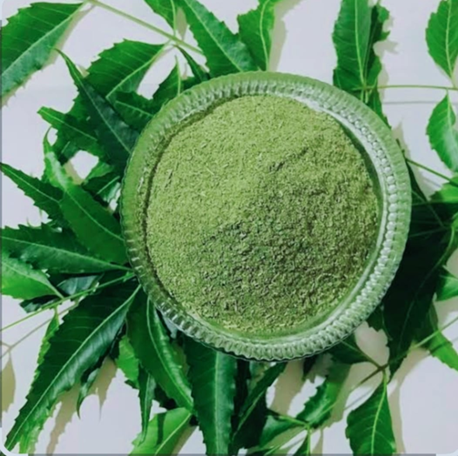
REETHA POWDER:7

  • Synonyms: Soap Berry, Soap Nut, Wash Nut
  • Biological Source: It consists of dry fruit of Sapindus mukorossi.
  • Family: Sapindaceae.
  • Chemical Constituents:
    • The major constituents present in Reetha are Saponins, sugars and mucilage.
  • Alkaloids, flavonoids, phenols, carbohydrates, terpenoids and saponins.
  • Additionally, the stems include components that are polysaccharides phenolic and flavonoid.

CHEMICAL STRUCTURE:

(REETHA)

USES:

    • Used as foaming agent.
    • It has anti-microbial property.
    • It helps to cure various skin conditions like acne, eczema, psoriasis by gently cleansing and reduce inflammation.

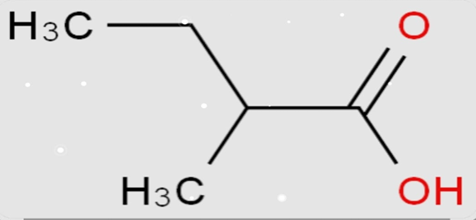
CARBOPOL 934:8,21

  • IUPAC Name: Poly (acrylic acid)
  • Other Name: PAA, PAAC, Acrysol, Acumer
  • Chemical Formula: (C3H4O2)n
  • Molar Mass: Variable

CHEMICAL STRUCTURE:

(CARBOPOL 934)

USES:

    • Polyacrylic acid and its derivatives, are used in disposable diapers, ion exchange resins and adhesives.
    • They are also used as thickening, dispersing, suspending and emulsifying agent in pharmaceuticals cosmetics.

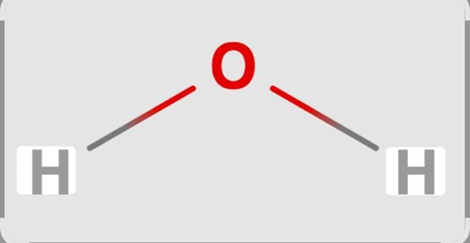
DISTILLED WATER:

  • Synonyms: Aqua hydrogen water.
  • Chemical Name: Water
  • Empirical Formula: H2O

CHEMICAL STRUCTURE:

(DISTILLED WATER)

  • Functional Category: Solvent
  • Description: The chemical composition of portable water is variable, this portable water is been purified by distillation process in pharmaceutical practices Eg: Water for injection.
  • Boiling Point = 1000 c
  • Solubility: Miscible with most solvents.
  • Specific Gravity: 0.9971
  • Surface Tension: 71.97 m/m
  • Vapour Pressure: 3.17 Kpa
  • Viscosity = 0.89 mpa’s Stability and storage conditions: water is stable in physical state.
  • Application: Most widely used excipients in pharmaceutical production operation. Purified water and water for injection are used for cleaning operation and in formulation of various products.

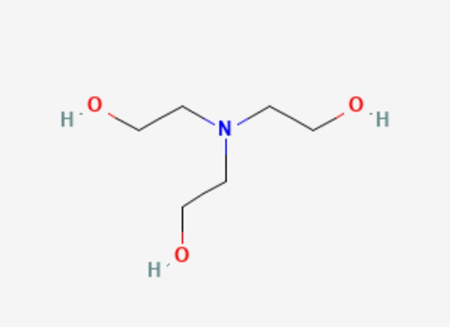
TRIETHANOLAMINE:8,21

  • IUPAC Name: Tri (2 hydroxyethyl) Amine
  • Other Names: Triethylamine
  • Chemical Formula: C5H15 NO3

CHEMICAL STRUCTURE:          

(TRIETHNOLAMINE)

  • Molar Mass: 149.19 g mol-1
  • Density:1.124 g ml-1
  • Melting Point: 21.600C: 70880F, 297.75k
  • Uses: Triethanolamine is used primarily as an emulsifier, surfactant. Common ingredient in formulation used for both industrial and consumer product.
  • Solubility: Triethanolamine is soluble in water to extent of 112.4 g/l at 200C it also miscible in common organic solvents such as acetone, ethanol and diethyl ether.

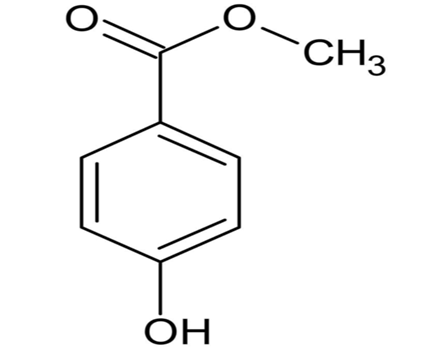
METHYL PARABEN:8,21

  • IUPAC Name: Methyl 4 Hydroxybenzoate
  • Other Names: Methyl Paraben
  • Chemical Formula: C8H8O3

CHEMICAL STRUCTURE:

(METHYAL PARABEN)

  • Molar Mass: 152.15 G mol-1
  • Melting Point: 125-1280c
  • Boiling Point: 298.60c
  • Density: 149 g/cm
  • Solubility: Methyl paraben is slightly soluble in water freely soluble in ethanol and methanol.
  • Appearance: Colourless crystal (or) white crystalline powder.
  • Safety: It has a weak potential to cause allergies and is classified as category 3 carcinogen.

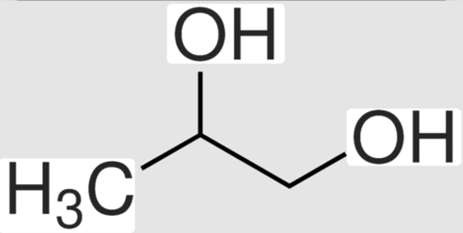
PROPYLENE GLYCOL:23

  • IUPAC Name: Propanel, 2diol
  • Other Names: Propylene glycol
  • Chemical Formula: C3H8O2

CHEMICAL STRUCTURE:

  • Molar Mass: 76.10 g mol-1
  • Density: 1.036 g/cm3
  • Melting Point: -590C(-740F;214k)
  • Use: Forty five percent of propylene glycol produced is used as chemical for the production of Unsaturated polyester resins. In this regard, propylene glycol reacts with a mixture of unsaturated maleic anhydride and isophthalic acid to give a copolymer.

ROSE WATER:7,24

  • Synonyms: Rose, rosebud
  • Biological Source: Rose water comes from the petals and sepals of the Rosa genus of plants.
  • Chemical Constituents: Flavonoids, Triterpene, Tannins, Phenolic acids, Polysaccharides, fatty acids, organic acids, Vitamins.
  • Conditions:
    • Minimizes the appearance of wrinkles.
    • Fine lines.
    • Age spots.
    • Ability to fight acne- causing bacteria.
  • Physical Properties:
    • Colour: Yellow liquid or colourless
    • Odour: specific of roses.
    • pH: 5.5
  • Uses:
    • Rose water may be an excellent complement to a face scrub.
    • It helps to regain skin tissues which are in damaged condition and delay the signs of aging.
    • One who are suffering from scars on skin that can heal from rose water.
    • It is well removed for its calming qualities which makes it perfect for delicate skin.
    • It acts as binding and emulsifying agent.

MATERIALS AND METHODS

Materials:

The materials used in the present purchased from local market, powdered for further use. The below are the details of the plant material study. The details of the plant material used foe the formulation of face wash gel are mentioned below.

Methods:

Herbal extraction methods: -

  1. Maceration

This involves soaking of extract

With solvent

For some period

Shaking or stirring
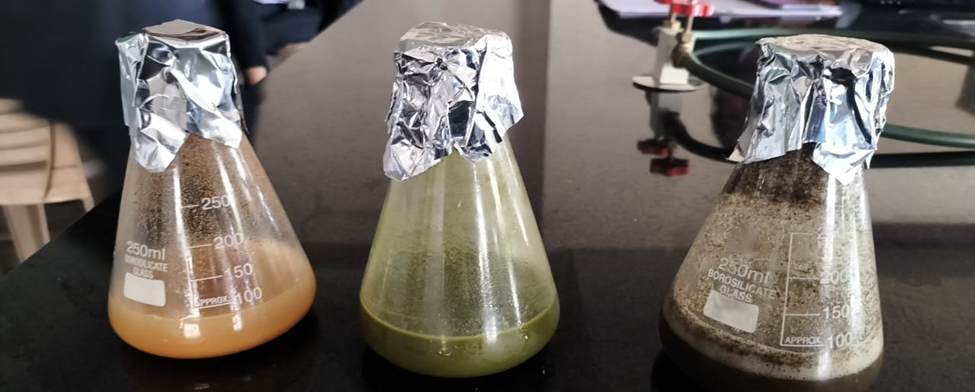
Fig:- 05
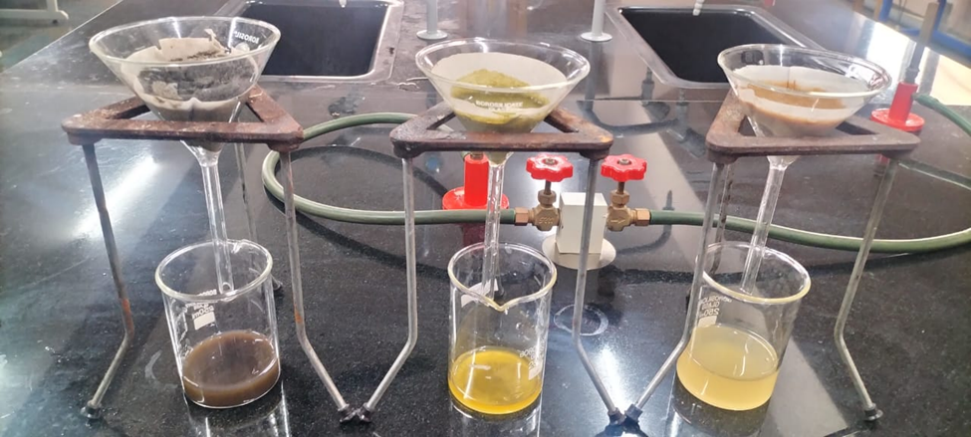
Fig:06

  1. Microwave-assisted extraction 

Using microwave radiation

We can heat the solvent and extract

  1. Soxhlet extraction 

Extraction of solid material

Heated solvent

Passes through sample

  1. Decoction

Boil the extract in water

For long period.

Preparation of herbal extract 

1.Extraction of Neem leaves 

Neem leaves were purchased from local market, cleaned from foreign material, washed with distilled water, dried in the shade for 72 hr, coarsely weighed, grinned and stored in airtight container. Add 200 ml of distilled water to the 250 g of neem powder for extraction with moderate stirring for 2-3 days. The mixture was filtered by using watt man filtered paper, extracted is evaporated in chine dish by using water bath, leaving dark green residue stored in air tight container.
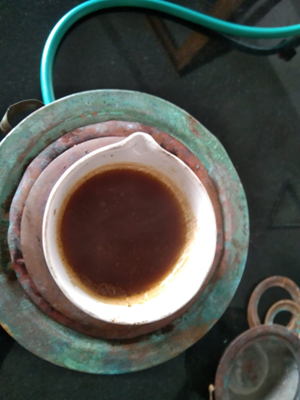
fig:-07

2.Extraction of Bel patra 

Bel patra leaves were purchased from local market, cleaned from foreign material, washed with distilled water, dried in the shade for 72 hr, coarsely weighed, grinned and stored in air tight container. Add 200 ml of distilled water to the 250 g of neem powder for extraction with moderate stirring for 2-3 days. The mixture was filtered by using watt man filtered paper, extracted is evaporated in china dish by using water bath, leaving dark green residue stored in  air tight container.
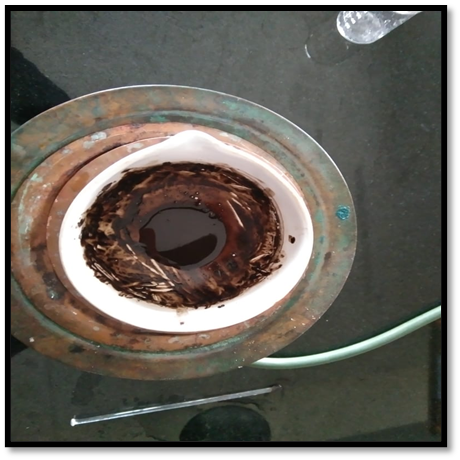
Fig :08

3.Extraction of Nut meg  

Nut meg were purchased from local market, cleaned from foreign material, washed with distilled water, dried in the shade for 72 hr, coarsely weighed, grinned and stored in air tight container. Add 200 ml of distilled water to the 250 g of neem powder for extraction with moderate stirring for 2-3 days. The mixture was filtered by using watt man filtered paper, extracted is evaporated in china dish by using water bath, leaving dark green residue stored in  air tight container.  

Fig : 09

Preparation of Carbopol 934 

Weigh 1% (w/v) of Carbopol 934 add pinch of Carbopol slowly to beaker contain distilled water (around 70-80% of the total formulation volume) with the help of magnetic stirrer of uniform distribution of Carbopol. Allow the Carbopol to hydrate completely, let it stand for overnight for best result. Stir gently to avoid air entrapment. 

Formulation of the Base gel 

Gradually add triethanolamine (TEA) to the hydrated Carbopol gel while stirring continuously. It will help to neutralize the Carbopol and cause the gel to thicken. Adjust the pH around 6-7 using TEA, this is optimal for skin products. 
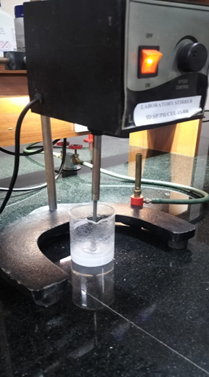
Fig :10

Preparation of antiacne poly herbal face wash gel  

Gelling agent 

Dissolve extract powder in distilled water

Using maceration process

Collect the extract

Gelling agent  

Add Carbopol to required amount of water with continuous stirring

Soak over night

weigh required amount of gel base

Dissolve required amount of methyl paraben and propylene glycol by heating on water bath

Add drop wise to gel base with continuous stirring (magnetic stirrer)

Weigh and dissolve required amount of herbal extracts in water

Add drop wise to gel base with continuous stirring (magnetic stirrer)

Add soap nut powder to the mixture (foaming agent)

Add orange oil required amount (perfume)

Add TEA (pH neutralize)

Poly herbal face wash gel is obtained

Fig : 11

FORMULATION CODE FOR POLYHERBAL FACE WASH GEL 

Table no: 01 Formulation of polyherbal face wash gel

INGREDIENTS

F1

F2

F3

F4

F5

Neem leaves extracts

0.5g

0.4g

0.7g

0.3g

0.5g

Nut meg extracts

0.5g

0.5g

0.1g

0.1g

0.5g

Bel patra extracts

0.3g

0.3g

0.3g

0.3g

0.3g

Soapnut

0.5g

0.5g

0.5g

0.5g

0.5g

Carbapol 943

0.2g

0.3g

0.5g

0.3g

0.2g

Propylene glycol

1ml

1ml

1ml

1ml

1ml

Methyl paraben

0.05g

0.05g

0.05g

0.05g

0.05g

Triethanolamine

0.008g

0.008g

0.008g

0.008g

0.008g

Perfume

q.s

q.s

q.s

q.s

q.s

Distilled water

q.s

q.s

q.s

q.s

q.s

EVALUATION PARAMETERS OF POLYHERBAL ANTI ACNE FACE WASH GEL: 

  1. PHYSICAL EVALUATION: - 25

The physical assessment includes the following examinations: - 

  • COLOUR: The colour of the herbal anti acne face wash was assessed through visual inspection. 
  • ODOUR: The odour of the formulation was evaluated by smelling the sample. 
  • CONSISTENCY: The consistency of the face wash was examined manually. 
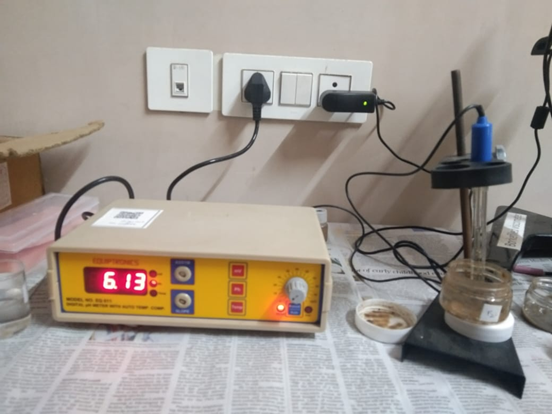
  1. pH: - 11

The pH of 1% aqueous solution of the formulation was measured by using a calibrated digital pH meter at constant temperature.

  1. GRITTINESS: - 25

The grittiness test determines if there are any gritty particles present in the formulation. The product was checked by applying on the skin and evaluating the texture. 

  1. WASHABILITY: - 26.19

The product was applied on the skin and then the ease and extent of washing with water were checked manually. 

The product is easily washed with water which means that it is easily washable. 

  1. FOAMABILITY: - 25,11

Small amount of product was taken in a beaker containing water. Initial volume was noted; beaker was shaken for 10 times and final volume was noted. 

Foamability was also analysed by applying on to skin with contact with water.  

  1. SPREADABILITY: - 27

Spread-ability of the formulation was determined by measuring the spreading diameter by keeping 1gm of sample between two horizontal glass plates. The standard weight 20gm applied on the upper glass plate. The spreading quality checked by visual inspection. 

Spreadability (s) = M. L/T

Were,

M = weight tied to upper slide

L = length of glass slide

T = time taken sperate the slides.

  1. VISCOSITY: - 26

The measurement of the viscosity of prepared formulation was carried out with brook field viscometer. The measurements were over a speed setting of 100 rpm at 250C using brook filed viscometer.                                         

  1.  SKIN IRRITABILITY TEST: 11

This test was performed on a few healthy human volunteers of either sex after obtaining consent for the same about a few drops of the formulation were applied to an area of skin and kept as such for certain minutes and note down any irritancy occurs. 

RESULTS

Physical evaluation  

1.  Determination of organoleptic characters 

The organoleptic characters like colour, odour and state for the given drug sample was studied. 

Table no: 02 organoleptic characters


f1

f2

f3

f4

f5

colour

Medium brown

Dark brown

Greyish tint brown

Muddy light brown

Dark brown

odour

Strong

Slight

Mild

Slight

Strong

consistency

Average

Good

Good

Excellent

Excellent

  1. pH

Table no: 03 pH

Formulation

pH

F1

6.3

F2

6.14

F3

5.7

F4

5.3

F5

4.76

Fig:- 12

3. Grittiness  

The grittiness of gel wash examined by the application of gel upon the hands.

Table no:04 Grittiness


f1

f2

f3

f4

f5

Grittiness

Good

Average

Average

Good

Average

4. Washability 

After applying the formulation to the skin, the degree and simplicity of water washing physically assessed.

Table no: 05 Washability

FORMULATION

f1

f2

f3

f4

f5

Washability

Excellent

Good

Average

Good

Average

5. Foamability 

A small amount of gel is added to a beaker. After recording the initial volume, the beaker was shaken 10 times to record the final volume.

Table no: 06 Foamability

FORMULATION

f1

f2

f3

f4

f5

FOAMABILITY

1.2cm

1.5cm

1cm

3.4cm

2.8cm

6. Spreadability 

Spreadability was checked manually. The spreadability measurement show that a modest amount of shear can quickly spread the gel. 

Table no: 07 Spreadability

Formulation

f1

f2

f3

f4

f5

Spreadability (g.cm/s)

4.227

3.275

4.43

4.389

5.22

  1. Viscosity 

A 10 ml sample that had been prepared was placed in a beaker and examined using digital viscometer.

Table no:08 viscosity

Formulation

f1

f2

f3

f4

f5

Viscosity (mpa)

2365.7

1917.8

1817.2

2679.2

3451.3

  1. Skin irritation 

This test was performed on a few healthy human volunteers of either sex after obtaining consent for the same. There was no irritation can be seen any volunteers.

DISCUSSION

The purpose of this study was to “Formulation and evaluation of polyherbal antiacne face wash gel” to enhance the antiacne properties of face wash gel. Neem, Bel patra and Nut mug as wide range of properties like anti-fungal, antibacterial and anti-inflammatory properties, so it fights against acne causing bacteria. Neem is extensively used for reducing the breakouts and keeping the skin clear. Neem helps to remove the dead skin cells, promote a clearer complexation and smooth skin texture. Bel patra as anti-fungal, antibacterial, anti-inflammatory properties it inhibits the fungal infection of the skin and it helps to cure itchiness bumps and skin rashes. Nut meg it is a bactericide that is having the capacity to kill the bacteria which causes the acne.

Evaluation of polyherbal face wash gel

1. Physical evaluation

Polyherbal face wash gel was produced in brown shades colour with a smooth, homogeneous appearance and outstanding consistency. The formulation showed no signs of phase separation. The outcomes were shown in table No.04 depicts the prepared gel.

2. pH

The pH.  Of the formulation was measured by the digital Ph meter the pH of the face wash gel is found to be f4-5.3 and f5-4.76 as mentioned in table no.05.

3. Grittiness

Face wash gel (formulation F4 and F5) was seen table no.06 that there were no gritty particles as compared to other formulations. These formulations are indicating there no presence of gritty particles in the formulation. 

4. Washability 

After application of facewash gel to the skin, the degree and simplicity of water washing were physically assessed f4 and f5 were as left no greasiness behind can be seen in the table no.07. The semisolid gel was easily washable. 

5. Foamability 

A small quantity of gel was added to water in a beaker. After recording the initial volume, the beaker was shaken ten times to record the final volume. The foam was appearing in normal or with enough foam as mentioned in table no.8. 

6. Spreadability 

By sandwiching about 1g of gel between two slides, spreadability was evaluated. The upper side is fastened with a non-flexible rope, excess formulation was adjusted, and the top slide is weighed with a 100g load. Concurrently, the lower slide is fastened to the apparatus’s board and filled with 20g of weight. Next, the duration of time required for the upper slide off is recorded 4.389 and 5.22 mentioned in the table no.09

7. Viscosity 

The measurement of the viscosity of prepared gels was carried out with Brookfield viscometer the measurements were over a speed setting of 100 rpm at 25 ºC using Brookfield viscometer. The recorded viscosity 2679.2 and 3451.3 as mentioned in table no.10.

8. Skin irritation

All the gel formulations were found to be safe while being applied on the skin and there was no irritation or sensitivity to the skin.

CONCLUSION

Based on the results the evaluation parameters it can be concluded that.

  1. The formulation was stable, homogenous and showed excellent consistency without phase separation.
  2. Among all formulations, F4 and F5 demonstrated the best overall physical, chemical, and sensory properties — including good consistency, foamability, spreadability, washability, and skin compatibility.
  3. These results indicate that the polyherbal antiacne face wash gel is a safe, stable, and effective formulation suitable for managing acne and improving skin hygiene naturally.

SUMMARY

The present study was undertaken with an aim to formulate and evaluate the polyherbal antiacne face wash gel by using plant-based ingredients in order to enhance solubility, bioavailability, and effectiveness of Neem, Nutmeg, Bel patra.

The study involved the formulation and evaluation of five polyherbal antiacne face wash gels (F1–F5) based on physicochemical and sensory parameters. Organoleptic evaluation showed colours from medium to dark brown with herbal odours and good consistency in F4 and F5. The pH (4.76–6.3) was suitable for skin use.

F1 and F4 exhibited smooth texture, while all formulations showed good washability, with F1 being excellent. Foamability ranged from 1.0–3.4 cm, highest in F4. Spreadability (3.275–5.22 g·cm/s) was best in F5, which also showed the highest viscosity (3451.3 mPa·s).

Skin irritation studies confirmed no adverse reactions, indicating all formulations were safe and suitable for topical application

REFERENCE

  1. Bagmar NA, Hatwar PR, Shelke PG, Bakal RL. A review on “Topical gels: an emerging drug delivery system”. GSC Biological and Pharmaceutical Sciences. 2024;28(2):285-296.
  2. Parihar N, Saini M, Soni SL, Sharma V. Emulgel: A Topical Preparation. Asian Journal of Pharmaceutical Research and Development. 2020;8(3):196–201.
  3. Khavkin J, Ellis DA. Aging skin: histology, physiology, and pathology. Facial Plast Surg Clin North Am. 2011;19(
  4. Kolarsick PAJ, Kolarsick MA, Goodwin C. Anatomy and physiology of the skin. Journal of the Dermatology Nurses’ Association. 2011;3(4):203–213.
  5. Lunter D, Klang V, Eichner A, Savic SM, Savic S, Lian G, Erd? F. Progress in Topical and Transdermal Drug Delivery Research—Focus on Nanoformulations. Pharmaceutics. 2024;16(6):817.
  6. Chavhan SP, Jadhao MR, Sartape TS, Dhore PA, Meshram RD, Giri MS, Jideewar AS. Formulation and evaluation of herbal face wash gel. International Journal for Multidisciplinary Research (IJFMR). 2025;7(3):1–11.
  7. Bhagwat JD, Bagwe GG, Babar HD, Avhad PB, Aryan, Uppalwar S. Formulation and evaluation of herbal face wash. International Journal for Multidisciplinary Research (IJFMR). 2024;6(3):1–12.
  8. Rokade NRS, Vidhate NSR, Kale NDS, Somani NSJ. Formulation and development of herbal facewash using Beal leaves: Aegle marmelos. World Journal of Biology, Pharmacy and Health Sciences. 2024;17(1):61-74.
  9. Tiware SA, Khond Warghane K, Waghmare P, Rumale NP. A review on herbal face wash. International Journal of Pharmaceutical Chemistry and Analysis. 2023;10(4):220–228.
  10. Pandurang S, Bhagwat B, Rajkumar T, Hingane LD. Formulation and Evaluation of Herbal Face Wash. International Journal of Advanced Research in Science, Communication and Technology. 2024;4(4):440-445.
  11. Dubile DK, Waghmare SU, Dhapse A, Wagh BB. Preparation and evaluation of herbal anti-acne face wash gel. International Journal of Advanced Research in Science, Communication and Technology. 2024;4(4):558-563.
  12. Agarwal N, Abhishek, Jindal A. Herbal Components as an Advantageous Remedy for Pimple and Acne in Face-Wash: A Systemic Review. Current Research in Pharmaceutical Sciences. 2023;13(1):01-20.
  13. Sailaja AK, Supraja R. An overall review on topical preparation—gel. Innovat International Journal of Medical & Pharmaceutical Sciences. 2016;1(1):17–20.
  14. Suchithra AB, Jeganath S, Jeevitha E. Pharmaceutical gels and recent trends – A review. Research Journal of Pharmacy and Technology. 2019;12(12):6181-6186.
  15. Yadav S K, Dewangan P, Rathore D. A review on the formulation, evaluation, and therapeutic efficacy of herbal face wash for skin care. International Journal of Advanced Multidisciplinary Research and Studies. 2025;5(2):251-255.
  16. Yadav S, Gupta M. Formulation and Evaluation of Anti-Acne Herbal Face Wash Gel. Journal of Drug Delivery & Therapeutics. 2019;9(4):523-525.
  17. Budge PN, Chakurkar PV, Suryawanshi PA, Suryawanshi RR, Azeem SA. A review on formulation and evaluation of herbal anti-acne face-wash. International Journal of Advanced Research in Science, Communication and Technology. 2025;5(2):133-138.
  18. Bilal M, Kumar P, Singh NK, Adil M, Arora K. A review on multi-herbal anti-acne facewash. World Journal of Pharmaceutical Research. 2020;9(12):397-400.
  19. Koli DS, Mane AN, Kumbhar VB, Shaha KS. Formulation & Evaluation of Herbal Anti-Acne Face Wash. World Journal of Pharmacy & Pharmaceutical Sciences. 2016;5(6):2001-2007.
  20. Reshmi K S, Sreya T C, Gogula Bhargava. A review article on: Herbal face wash. World Journal of Pharmaceutical Research. 2024;13(9):716-726.
  21. Chaudhari HS, Jirekarl J, Kathale K, More J, Sinhal A, Salunkhe A. Formulation and Evaluation of Herbal Face Wash Gel. International Journal for Research in Applied Science & Engineering Technology (IJRASET). 2023;11(5):6805-6817.
  22. More P, Kulkarni A, Pawar R, Kamble R, Apshingekar A, Jaybhaye N. Formulation and evaluation of herbal face wash of Piper betel. Russian Law Journal. 2023;11(5):1208–1219.
  23. Mane PK, Dangare A. Herbal face wash gel of Cynodon dactylon having antimicrobial, anti-inflammatory action. Pharmaceutical Resonance. 2020;3(1):36-43.
  24. Karpe P P, Chandre A Y, Gunjal A V, Jori D K. A review on poly-herbal facial scrub: exploring the synergy of natural ingredients for skin health. World Journal of Pharmaceutical Research. 2024;13(23):1341-1351. DOI: 10.20959/wjpr202423-34843.
  25. Singh HP, Samnhotra N, Gullaiya S, Kaur I. Anti-acne synergistic herbal face wash gel: formulation, evaluation and stability studies. World J Pharm Res. 2015;4(9):1261-1273.
  26. Gulzar M, Khan R, Khan MA, Khan KM. Formulation and evaluation of nanoemulsion containing miconazole nitrate for enhanced skin penetration and improved bioavailability. Int J Pharm Sci Res. 2024;15(1):246-52.
  27. Sinare SB, Sinare PP, Dokhe PG. Formulation and evaluation of herbal face wash gel. World J Pharm Res. 2023;12(10):777-783.

Reference

  1. Bagmar NA, Hatwar PR, Shelke PG, Bakal RL. A review on “Topical gels: an emerging drug delivery system”. GSC Biological and Pharmaceutical Sciences. 2024;28(2):285-296.
  2. Parihar N, Saini M, Soni SL, Sharma V. Emulgel: A Topical Preparation. Asian Journal of Pharmaceutical Research and Development. 2020;8(3):196–201.
  3. Khavkin J, Ellis DA. Aging skin: histology, physiology, and pathology. Facial Plast Surg Clin North Am. 2011;19(
  4. Kolarsick PAJ, Kolarsick MA, Goodwin C. Anatomy and physiology of the skin. Journal of the Dermatology Nurses’ Association. 2011;3(4):203–213.
  5. Lunter D, Klang V, Eichner A, Savic SM, Savic S, Lian G, Erd? F. Progress in Topical and Transdermal Drug Delivery Research—Focus on Nanoformulations. Pharmaceutics. 2024;16(6):817.
  6. Chavhan SP, Jadhao MR, Sartape TS, Dhore PA, Meshram RD, Giri MS, Jideewar AS. Formulation and evaluation of herbal face wash gel. International Journal for Multidisciplinary Research (IJFMR). 2025;7(3):1–11.
  7. Bhagwat JD, Bagwe GG, Babar HD, Avhad PB, Aryan, Uppalwar S. Formulation and evaluation of herbal face wash. International Journal for Multidisciplinary Research (IJFMR). 2024;6(3):1–12.
  8. Rokade NRS, Vidhate NSR, Kale NDS, Somani NSJ. Formulation and development of herbal facewash using Beal leaves: Aegle marmelos. World Journal of Biology, Pharmacy and Health Sciences. 2024;17(1):61-74.
  9. Tiware SA, Khond Warghane K, Waghmare P, Rumale NP. A review on herbal face wash. International Journal of Pharmaceutical Chemistry and Analysis. 2023;10(4):220–228.
  10. Pandurang S, Bhagwat B, Rajkumar T, Hingane LD. Formulation and Evaluation of Herbal Face Wash. International Journal of Advanced Research in Science, Communication and Technology. 2024;4(4):440-445.
  11. Dubile DK, Waghmare SU, Dhapse A, Wagh BB. Preparation and evaluation of herbal anti-acne face wash gel. International Journal of Advanced Research in Science, Communication and Technology. 2024;4(4):558-563.
  12. Agarwal N, Abhishek, Jindal A. Herbal Components as an Advantageous Remedy for Pimple and Acne in Face-Wash: A Systemic Review. Current Research in Pharmaceutical Sciences. 2023;13(1):01-20.
  13. Sailaja AK, Supraja R. An overall review on topical preparation—gel. Innovat International Journal of Medical & Pharmaceutical Sciences. 2016;1(1):17–20.
  14. Suchithra AB, Jeganath S, Jeevitha E. Pharmaceutical gels and recent trends – A review. Research Journal of Pharmacy and Technology. 2019;12(12):6181-6186.
  15. Yadav S K, Dewangan P, Rathore D. A review on the formulation, evaluation, and therapeutic efficacy of herbal face wash for skin care. International Journal of Advanced Multidisciplinary Research and Studies. 2025;5(2):251-255.
  16. Yadav S, Gupta M. Formulation and Evaluation of Anti-Acne Herbal Face Wash Gel. Journal of Drug Delivery & Therapeutics. 2019;9(4):523-525.
  17. Budge PN, Chakurkar PV, Suryawanshi PA, Suryawanshi RR, Azeem SA. A review on formulation and evaluation of herbal anti-acne face-wash. International Journal of Advanced Research in Science, Communication and Technology. 2025;5(2):133-138.
  18. Bilal M, Kumar P, Singh NK, Adil M, Arora K. A review on multi-herbal anti-acne facewash. World Journal of Pharmaceutical Research. 2020;9(12):397-400.
  19. Koli DS, Mane AN, Kumbhar VB, Shaha KS. Formulation & Evaluation of Herbal Anti-Acne Face Wash. World Journal of Pharmacy & Pharmaceutical Sciences. 2016;5(6):2001-2007.
  20. Reshmi K S, Sreya T C, Gogula Bhargava. A review article on: Herbal face wash. World Journal of Pharmaceutical Research. 2024;13(9):716-726.
  21. Chaudhari HS, Jirekarl J, Kathale K, More J, Sinhal A, Salunkhe A. Formulation and Evaluation of Herbal Face Wash Gel. International Journal for Research in Applied Science & Engineering Technology (IJRASET). 2023;11(5):6805-6817.
  22. More P, Kulkarni A, Pawar R, Kamble R, Apshingekar A, Jaybhaye N. Formulation and evaluation of herbal face wash of Piper betel. Russian Law Journal. 2023;11(5):1208–1219.
  23. Mane PK, Dangare A. Herbal face wash gel of Cynodon dactylon having antimicrobial, anti-inflammatory action. Pharmaceutical Resonance. 2020;3(1):36-43.
  24. Karpe P P, Chandre A Y, Gunjal A V, Jori D K. A review on poly-herbal facial scrub: exploring the synergy of natural ingredients for skin health. World Journal of Pharmaceutical Research. 2024;13(23):1341-1351. DOI: 10.20959/wjpr202423-34843.
  25. Singh HP, Samnhotra N, Gullaiya S, Kaur I. Anti-acne synergistic herbal face wash gel: formulation, evaluation and stability studies. World J Pharm Res. 2015;4(9):1261-1273.
  26. Gulzar M, Khan R, Khan MA, Khan KM. Formulation and evaluation of nanoemulsion containing miconazole nitrate for enhanced skin penetration and improved bioavailability. Int J Pharm Sci Res. 2024;15(1):246-52.
  27. Sinare SB, Sinare PP, Dokhe PG. Formulation and evaluation of herbal face wash gel. World J Pharm Res. 2023;12(10):777-783.

Photo
Akash P
Corresponding author

Department of Pharmaceutics, Spurthy College of Pharmacy, Rajiv Gandhi University of Health Science, Bengaluru, Karnataka. 

Photo
Monika M
Co-author

Department of Pharmaceutics, Spurthy College of Pharmacy, Rajiv Gandhi University of Health Science, Bengaluru, Karnataka. 

Photo
Hema S
Co-author

Department of Pharmaceutics, Spurthy College of Pharmacy, Rajiv Gandhi University of Health Science, Bengaluru, Karnataka. 

Photo
Tejashree P
Co-author

Department of Pharmaceutics, Spurthy College of Pharmacy, Rajiv Gandhi University of Health Science, Bengaluru, Karnataka. 

Photo
Anju K P
Co-author

Assistant Professor, Department of Pharmaceutics, Spurthy College of Pharmacy, Rajiv Gandhi University of Health Science, Bengaluru, Karnataka. 

Photo
Ramya R
Co-author

Department of Pharmaceutics, Spurthy College of Pharmacy, Rajiv Gandhi University of Health Science, Bengaluru, Karnataka. 

Monika M, Tejashree P, Ramya R, Hema S, Akash P, Anju K P, Formulation and Evaluation of Polyherbal Anti-Acne Face Wash Gel, Int. J. of Pharm. Sci., 2025, Vol 3, Issue 11, 2833-2850. https://doi.org/10.5281/zenodo.17647516

More related articles
Formulation And Evaluation of Herbal Hair Dye...
Shafiya Khanum, Nagendra D. L., Mohammed Mustafa, MD Abdul Aziz, ...
Traditional Medicinal Plants and Plant Products So...
Om Lole, Prashant Ingle, Praful Patil, Dipal Sontakke, Dhananjay ...
Drug Utilization Evaluation of Antibiotics at A Te...
Rashmitha R., Sahana G., Beulah Milton, Janavi G., ...
Formulation, Characterization And In-Vitro Evaluation Of Sunscreen Cream By Usin...
Rahul G. Chaudhari, Akash R. Lilhare, , Ankush.s sharnagat , ...
A Review on RP-HPLC Techniques for Stability Testing in Drug Formulations ...
Abhijit Pawane, Dr. Vishwas Bhagat, Dr. Deepak Kardile, M. M. Karne, Dr. Rajkumar Shete , ...
Related Articles
Method Development and Method Validation of Daprodustat - Using Reverse phase Hi...
CH K V L S N Anjana Male, Lurdhu Mary, Grandhi Surendra, Harshitha Reddy, Shaik Uzma Aafreen , N. Ku...
Nanosponges Unplugged: Redefining Precision in Drug Delivery Systems ...
Shweta Kothari, Dr. Nayana Baste, Jay Pardeshi, ...
Ocimum Sanctum (Tulsi): A Comprehensive Review of Its Botanical, Phytochemical, ...
Mohammad Altamash Mohammad Ayyub , Kazi Kaif Aarefoddin , Shaikh Mukrram Badshah , Kundhare Akash Bh...
Formulation And Evaluation of Herbal Hair Dye...
Shafiya Khanum, Nagendra D. L., Mohammed Mustafa, MD Abdul Aziz, Nisar Ahmed, Shaista Iram, Ibad Pas...
More related articles
Formulation And Evaluation of Herbal Hair Dye...
Shafiya Khanum, Nagendra D. L., Mohammed Mustafa, MD Abdul Aziz, Nisar Ahmed, Shaista Iram, Ibad Pas...
Traditional Medicinal Plants and Plant Products Sold in Open Market in India for...
Om Lole, Prashant Ingle, Praful Patil, Dipal Sontakke, Dhananjay Popalghat, ...
Drug Utilization Evaluation of Antibiotics at A Tertiary Care Hospital...
Rashmitha R., Sahana G., Beulah Milton, Janavi G., ...
Formulation And Evaluation of Herbal Hair Dye...
Shafiya Khanum, Nagendra D. L., Mohammed Mustafa, MD Abdul Aziz, Nisar Ahmed, Shaista Iram, Ibad Pas...
Traditional Medicinal Plants and Plant Products Sold in Open Market in India for...
Om Lole, Prashant Ingle, Praful Patil, Dipal Sontakke, Dhananjay Popalghat, ...
Drug Utilization Evaluation of Antibiotics at A Tertiary Care Hospital...
Rashmitha R., Sahana G., Beulah Milton, Janavi G., ...