

We use cookies to ensure our website works properly and to personalise your experience. Cookies policy
St Mariam College of Pharmacy, Pudur
Hormonal imbalance, particularly estrogen dysregulation, is a common health concern in women and is associated with conditions such as menstrual irregularities, polycystic ovary syndrome (PCOS), and other reproductive disorders. The present study aimed to formulate and evaluate an extended-release vaginal suppository containing Nelumbo nucifera extract for hormonal regulation. Nelumbo nucifera (lotus) is known for its rich phytochemical profile, including flavonoids (quercetin), alkaloids, and phenolic compounds, which possess hormone-regulating, antioxidant, and anti-inflammatory properties.The plant extract was prepared using the Soxhlet extraction method and incorporated into suppositories by the fusion molding technique using polyethylene glycol (PEG-4000) as the base along with suitable excipients. Multiple formulations were developed to optimize drug release characteristics. The prepared suppositories were evaluated for physicochemical parameters including weight variation, drug content uniformity, melting point, hardness, liquefaction time, disintegration, and in-vitro dissolution at vaginal pH (4.5).FTIR studies confirmed the absence of chemical interaction between the drug and excipients, indicating good compatibility. Dissolution studies demonstrated controlled and satisfactory drug release, supporting the extended-release profile of the formulation. The results suggest that the developed herbal vaginal suppository is stable, safe, and effective, offering a targeted therapeutic approach with improved bioavailability and reduced systemic side effects.In conclusion, the formulated Nelumbo nucifera vaginal suppository shows promising potential as a herbal alternative for managing hormone-related disorders in women.
Suppositories are specially shaped, solid dosage forms of a medicament intended for insertion into body cavities other than the mouth, where they melt, or dissolved in the cavity fluids to release the medicament and exert a localized or systemic effect. The suppository is design for local effects like antiseptic, antifungal etc, The suppositories are available in different weights, sizes and shapes. The suppository must dissolve in the body cavity fluids to release medicament. The medicament is incorporator into a suppository base.
TYPES OF SUPPOSITORY:
Different types of suppositories are available in various size and shapes.
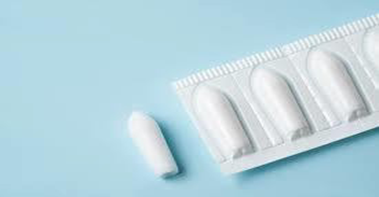
Fig no 1: Vaginal suppository
VAGINAL SUPPOSITORY:
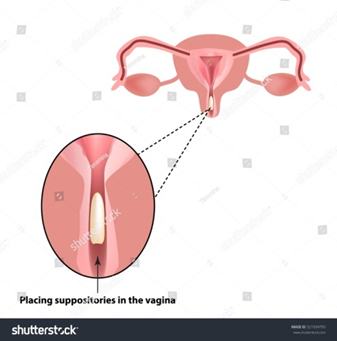
Fig no 2: vaginal cavity
USES:
ADVANTAGES OF SUPPOSITORY:
DISADVANTAGES OF SUPPOSITORIES:
HORMONES:
Hormones are our bodys chemical messengers. The travel in our bloodstream to tissues or organs. They work slowly ,overtime ,and affect many different processes, techniques.
Endocrine gland, which are special groups of cells, make hormones. The major endocrine glands are the pituitary, pineal, thymus, thyroid, adrenal glands, and pancreas. In addition, men produce hormone in there and women produce them in their ovaries.
AIM OF THE WORK
The main aim of this project is to formulate and evaluate the efficacy of a vaginal suppository of nelumbo nucifera for regulating hormones by extended release, particularly in addressing the estrogen level.
Hormone related issues e.g:
OBJECTIVES:
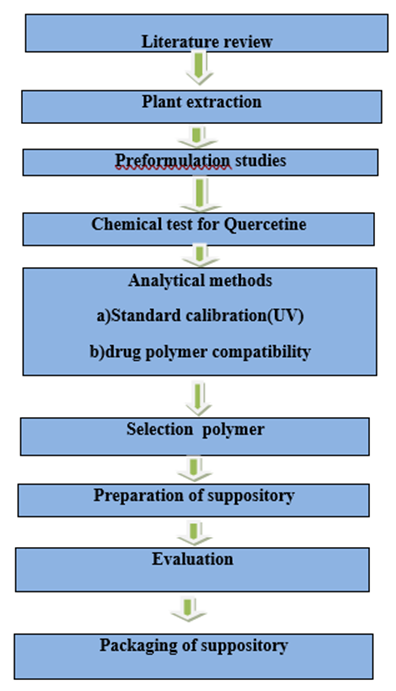
IV. PLAN OF WORK
V. PLANT PROFILE
Medicinal plants have been a major source of therapeutic agents since ancient times to cure human disease. The revival of interest in natural drugs started in last decade mainly because of the wide spread belief that green medicine is healthier than synthetic products .Now- a- days ,there is manifold increase in medicinal plant –based industries due to the increase in the interest of use of medicinal plants throughout the world which are growing at a rate of 7-15%annualy .Despite the major advances in the model medicine ,the development of new drug from natural products is still considered important.
Traditional therapeutics based on herbal medicinal plant principles is time tested and widely accepted across various cultural and socioeconomic strata .However ,there is lack of precise guidelines to study the herbal compounds and till date a very meagre portion of this tremendous potential drug –repertoire has been scientifically screened .Hence ,there is a real need for scientific evidence-based validation of these agents .
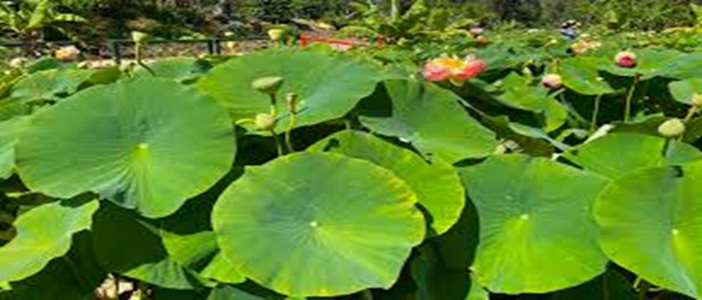
Fig no 3: Lotus leaf
CHEMICAL TEST FOR QUERCETIN:
TABLE NO: 1
|
S.NO |
CHEMICAL TEST |
OBSERVATION |
INFERENCE |
|
1. |
Ferric chloride test: Take 0.5g of Quercetin(nelumbo nuciferine) ,add 1ml of ferric chloride solution |
Greenish blue or violet colour Red brown or green colour |
Presence of flavonoids [Quercetin] Presence of glycoside [Nuciferine] |
|
2. |
Alkaline reagent test : Take 0.5 gm of quercetin[nelumbo nucifera], add 1.5 ml of NaOH or [KOH]. |
Yellow colour
Pink or red colour. |
Presence of flavonoids [Quercetin] Presence of glycosides [Nuciferine] |
|
3. |
Lead acetate test: Take 2gm of quercetin[nelumbo nucifera],add lead acetate solution. |
Yellow precipitate
Yellowish green colour precipitate |
Presence of flavonoids [Quercetin] Presence of glycosides [Nuciferine] |
|
4. |
Hydrochloride acid test: Take 0.5 gm of quercetin[nelumbo nucifera],add 1mg of Hcl . |
Orange or pink colour
Pink to red colour |
Presence of flavonoids [Quercetin] Presence of glycosides [Nuciferine] |
|
5.
|
Sodium nitrite test: Take 1gm of quercetin [nelumbo nucifera],add 1ml of sodium nitrite. |
Yellow or orange colour
Red or pink colour |
Presence of flavonoids [Quercetin] Presence of glycosides [Nuciferine] |
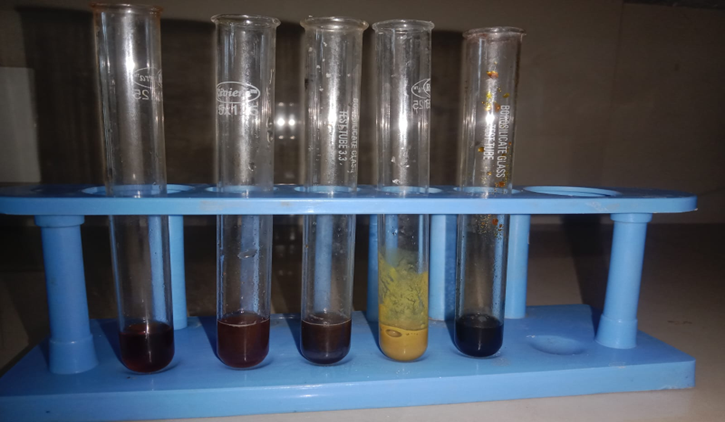
Fig no: 4 Chemical testes for Nelumbo nucifera (lotus)
FORMULATION:
The soxhlet extraction process is a laboratory technique that uses soxhlet extractor to extract compounds from solid materials of nelumbo nucifera.
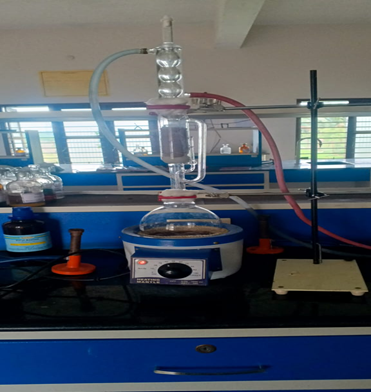
Fig no:5
1. Prepare the apparatus;
Place the solid sample of nelumbo nucifera and water 1:10 in a thimple – shaped filter paper,and position it in the soxhlet extractor . Connect the condenser to a cold –water source using rubber tubing.
2. Heat the solvent :
Use a heating mantle to heat the solvent in a round bottom flask. The temperature should be regulated based on the boiling point of the solvent.
3. Extract the compound:
The solvent vapours come into contact with the extractant, and the solvent is boiled and condensed. The condensed solvent drops back into the thimble, washing the sample.
Preparation of suppository:
Fusion Molding involves first melting the suppository base, and then dispersing or dissolving the drug in the melted base. The mixture is removed from the heat and poured into a suppository mold. When the mixture has congealed, the suppositories are removed from the mold. The fusion method can be used with all types of suppositories and must be used with most of them.
Suppositories are generally made from solid ingredients and drugs which are measured by weight. When they are mixed, melted, and poured into suppository mold cavities, they occupy a volume – the volume of the mold cavity. Since the components are measured by weight but compounded by volume, density calculations and mold calibrations are required to provide accurate doses.
When a drug is placed in a suppository base, it will displace an amount of base as a function of its density. If the drug has the same density as the base, it will displace an equivalent weight of the base. If the density of the drug is greater than that of the base, it will displace a proportionally smaller weight of the base. Density factors for common drugs in cocoa butter are available in standard reference texts. The density factor is used to determine how much of a base will be displaced by a drug.
TABLE NO :2
|
|
SUPPOSITORY |
||||||||
|
FORMULATION |
S1 |
S2 |
S3 |
S4 |
S5 |
S6 |
S7 |
S8 |
|
|
Nelumbo nucifera |
250mg |
250mg |
250mg |
250mg |
250mg |
250mg |
250mg |
250mg |
|
|
Polyethylene glycol 4000 |
150ml |
120ml |
140ml |
160ml |
180ml |
200ml |
220ml |
240ml |
|
|
Sodium bi carbonate |
0.5mg |
0.5mg |
0.5mg |
0.5mg |
0.5mg |
0.5mg |
0.5mg |
0.5mg |
|
|
Propyl paraban |
2ml |
2ml |
2ml |
2ml |
2ml |
2ml |
2ml |
2ml |
|
|
Propylene glycol |
0.5ml |
0.5ml |
0.5ml |
0.5ml |
0.5ml |
0.5ml |
0.5ml |
0.5ml |
|
|
Butylated hydroxyl toluene |
1ml |
1ml |
1ml |
1ml |
1ml |
1ml |
1ml |
1ml |
|
|
Glycerine |
1ml |
1ml |
1ml |
1ml |
1ml |
1ml |
1ml |
1ml |
|
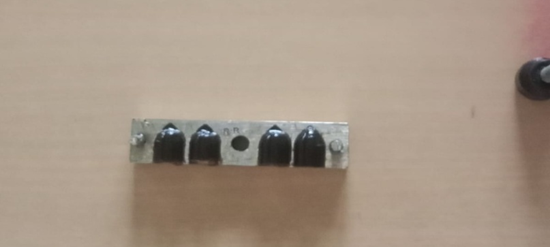
Fig no: 6
RESULT AND DISCUSION
I. PREFORMULATION STUDY
Organoleptic evaluatin of ( API)
API greenish powder, light, green, vegetable-like aroma, fresh and elegant.
II. ANALYTICAL DEVOLPMENT:
The FTIR absorption spectra of the nelumbo nucifera were taken in the range 4000-500 using KBR disc method the major peakes were reported evaluation of purity.
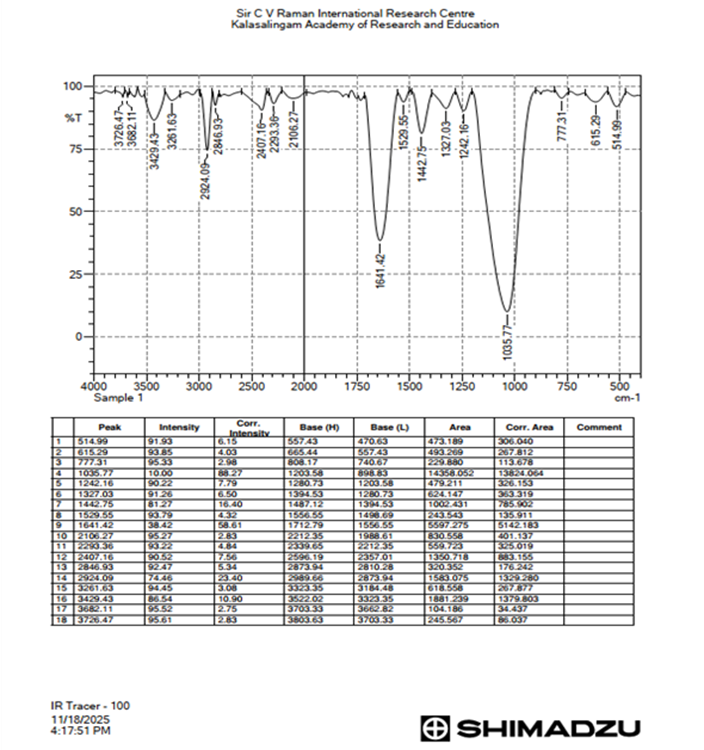
Fig no7
FTIR Compatiblity study
Excipient compatibility was determined using FTIR spectroscopy; the prepared nelumbo nucifera extract and final blend were subjected to FTIR study.
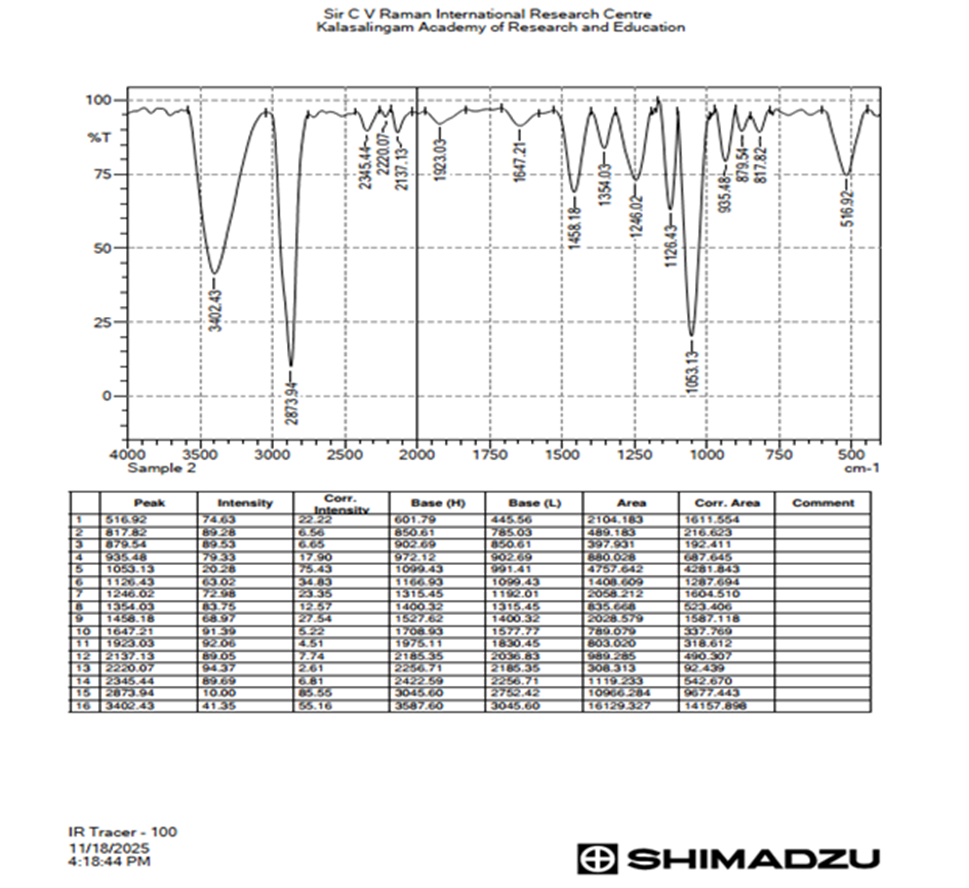
Fig no 8
DISCUSSION
FTIR spectrum of API showed the characteristic functional group of drug along with their wave numbers.
Result indicates that , there is no interaction between and Excipient used in the formulation
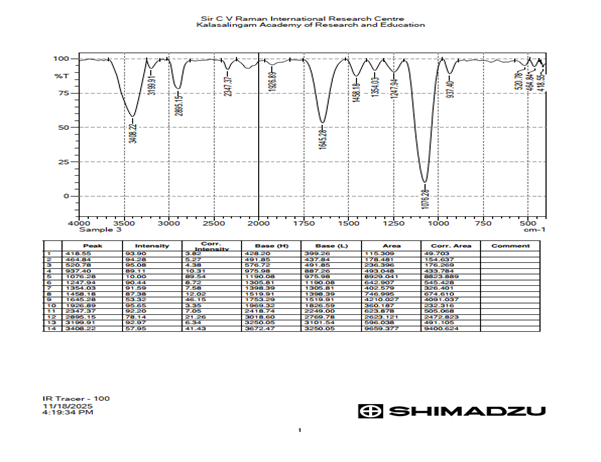
Fig no 9
TABLE NO :6
|
S.NO |
ABSORBANCE OF DRUG |
ABSORBANCE OF PEG |
ABSORBANCE OF DRUG +PEG |
FUNCTIONAL GROUP |
|
1. |
3682.11 |
3408.22 |
3402.43 |
-OH BENDING |
|
2. |
2846.93 |
2895.15 |
2873.94 |
=CH3 BENDING |
|
3. |
1529.55 |
1458.18 |
1458.18 |
C=C BENDING |
|
4. |
1442.75 |
1458.18 |
1458.18 |
C=C BENDING |
|
5. |
1327.03 |
1354.03 |
1354.03 |
CH3 BENDING |
|
6. |
1641.42 |
1645.28 |
1647.21 |
=CH BENDING |
DRUG- EXCIPIENT COMPATABLITY FTIR
COMPATIBILITY STUDY
The FTIR spectroscopy is used to determine the drug excipient compatibility.suppository FTIR spectra or result were tabled above,
DISCUSSION
The characteristic functional group of drugs along with wave numbers were showed the FTIR spectrum API of nelumbo nucifera . Based upon the above IR reports of drugs and polymer compatible studies the must the functional group are same.
Results indicates that,there is compatibility between the drug and excipient used in the formulation .The main functional group of nelumbo nucifera (-OH group)
FORMULATION TABLE
TABLE NO :7
|
S.NO |
INGREDIENT OF SUPPOSITORY |
QUANTITY OF SUPPOSITORY |
|
1 |
API(Nelumbo Nucifera ) |
250mg |
|
2 |
PEG-4000 |
160ml |
|
3 |
SODIUM BI CARBONATE |
0.5mg |
|
4 |
PROPYL PARABEN |
2ml |
|
5 |
BUTYLATED HYDROXY TOLUNE |
0.5ml |
|
6 |
GLYCERINE |
1ml |
UV SPECTROSCOPIC ANALYSIS
CONCENTRATION OF CALIBRATION CURVE OF NELUMBO NUCIFERA
The λ max of NELUMBO NUCIFERA is 254nm
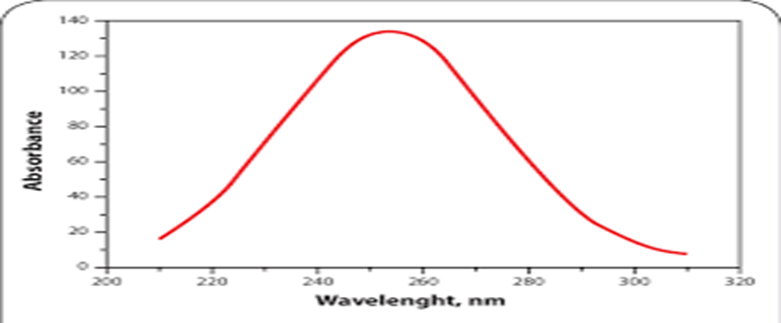
Fig no 10
DISCUSSION
The λ max Nelumbo nucifera is 254nm
The absorbance of nelumbo nucifera wuth stimulated concentrations are tabulated below.
Vaginal cavity and 0.1N Hcl in different concentrations are tabulated below.
DISINTEGRATION ABSORBENCE VALUE OF TABLET IN 0.1N HCL:
TABLE NO: 8
|
CONCENTRATION µg/ml |
ABSORBENCE |
|
2 |
0.321 |
|
4 |
0.215 |
|
6 |
0.365 |
|
8 |
0.254 |
|
10 |
0.326 |
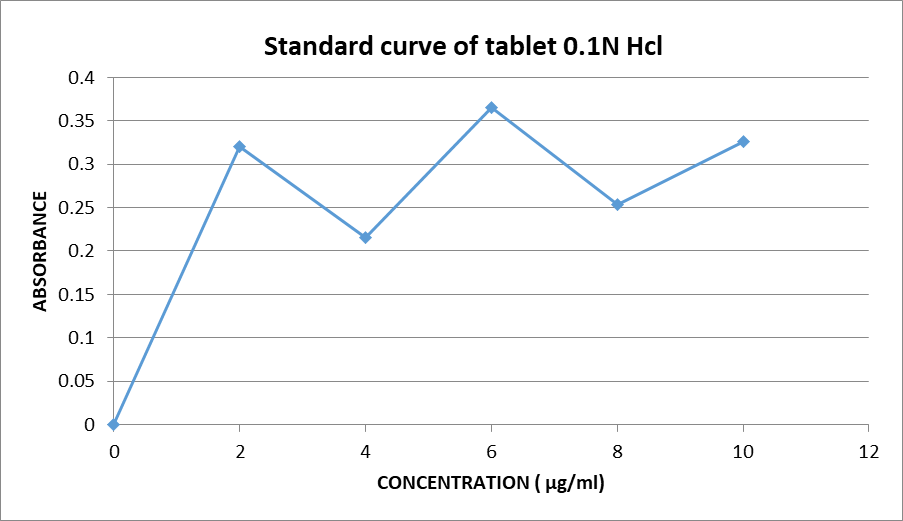
FIG NO : 9
DISINTEGRATION
ABSORBENCE OF VAGINAL SUPPOSITORY (PH4.5)
TABLE NO: 10
|
CONCENTRATION µg/ml |
ABSORBENCE |
|
2 |
0.582 |
|
4 |
0.586 |
|
6 |
0.658 |
|
8 |
0.499 |
|
10 |
0.598 |
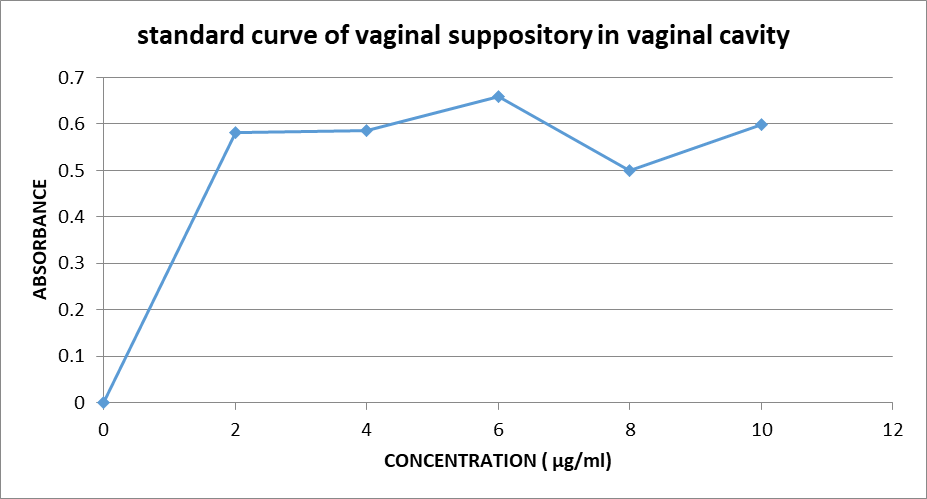
FIG NO :12
DISSOLUCTION
ABSORBENCE OF VALUE OF 0.1N HCL
TABLE NO : 11
|
CONCENTRATION (µg/ml) |
ABSORBENCE |
|
2 |
0.168 |
|
4 |
0.365 |
|
6 |
0.456 |
|
8 |
0.526 |
|
10 |
0.892 |
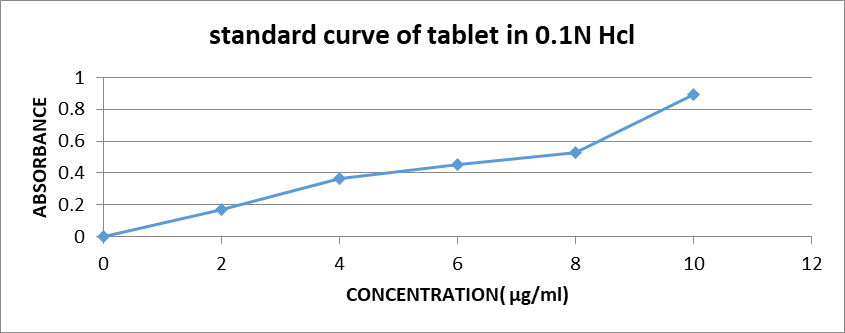
FIG NO :13
DISSOLUTION
ABSORBENCE OF VAGINAL SUPPOSITORY (PH 4.5)
TABLE NO: 12
|
CONCENTRATION (µg/ml) |
ABSORBANCE |
|
2 |
0.569 |
|
4 |
0.958 |
|
6 |
0.954 |
|
8 |
0.935 |
|
10 |
0.969 |
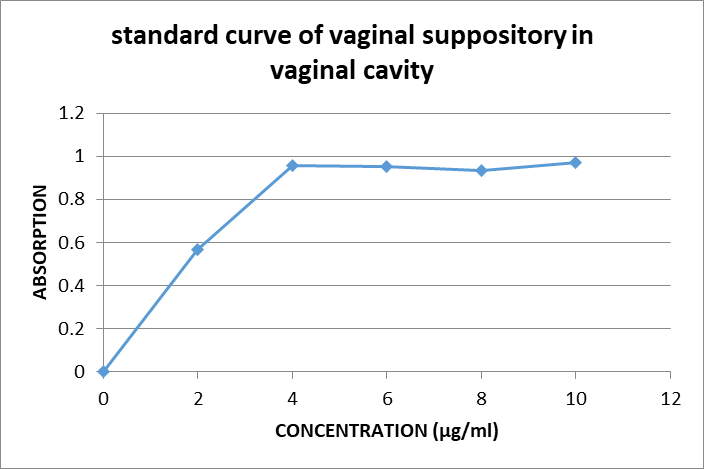
FIG NO : 13
FORMULATION AND EVALUATION OF VAGINAL SUPPOSITORY
TABLE NO :13
|
WEIGHT (mg) |
THICKNESS (µm) |
DISINTEGRATION TIME (SEC) |
DRUG CONTENT (MG) |
|
1± 1.1 |
10-15 |
10–30 minutes |
3.8 |
1) Uniformity of weight:
TABLE NO: 14
|
SUPPOSITORY |
WEIGHT |
|
S1 |
1.1 |
|
S2 |
1.1 |
|
S3 |
1.0 |
|
S4 |
1.1 |
|
S5 |
1.0 |
|
S6 |
1.1 |
|
S7 |
1.1 |
|
S8 |
1.1 |
2) Thickness :
Vaginal suppositories are typically manufactured with a thickness (diameter) ranging from about 10 to 15 millimeters.This size is designed to balance patient comfort with adequate drug load and structural integrity.
3) Surface pH:
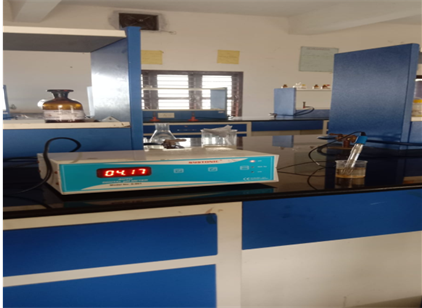
FIG NO :15
4) Disintegration test
The disintegration test for a Nelumbo nucifera (lotus) suppository is conducted to ensure it melts or disperses within a specified time at body temperature (36–37°C), adhering to pharmacopoeial standards for molded suppositories.
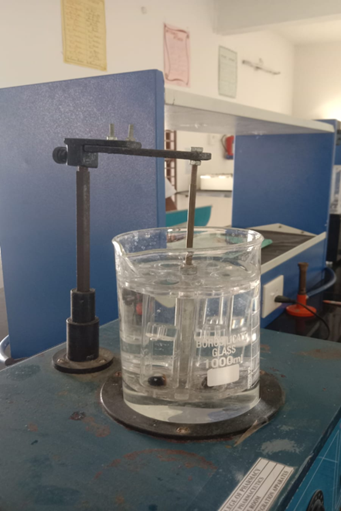
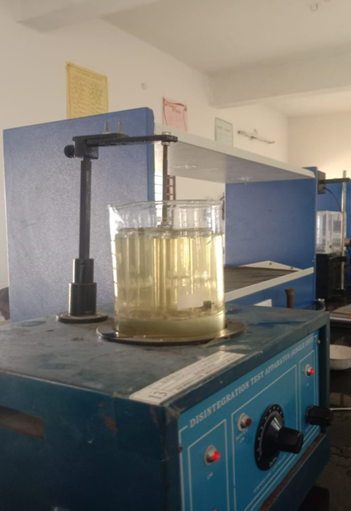
FIG NO :16
The dissolution test for Nelumbo nucifera (lotus) for suppositories measures the rate of drug release, typically using 900 mL of medium
Key methods include basket, paddle, membrane-less, and flow-through apparatus, with the European Pharmacopoeia III (Ph. Eur. III) and British Pharmacopoeia (BP) methods often utilizing a special, membrane-free system for better accuracy.
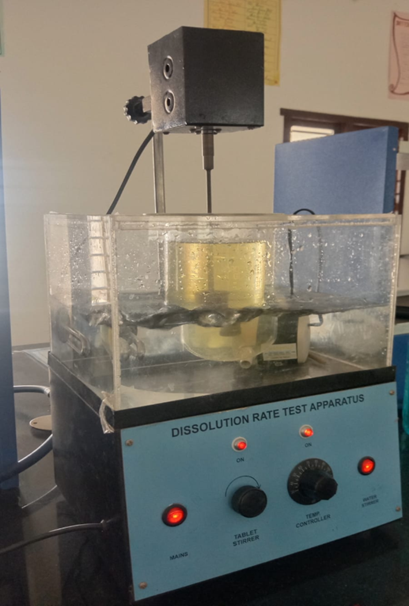
FIG NO :17
PACKAGING
Vaginal suppositories are typically packaged individually in sealed aluminum foil, PVC, or PVC+PE/PVDC blister packs to maintain hygiene, prevent contamination, and preserve medication stability. These often come in boxes with, or for use with, disposable, individually wrapped applicators featuring rounded tips for safe insertion.
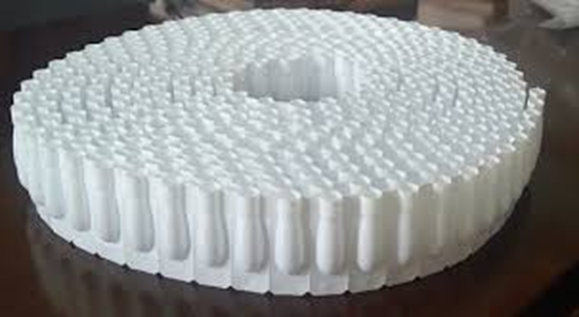
Fig no 18
SUMMARY
This project deals with the formulation and evaluation of a vaginal suppository containing Nelumbo nucifera (lotus) for hormonal regulation, with special emphasis on estrogen imbalance. Suppositories are solid dosage forms designed for insertion into body cavities where they melt or dissolve to release medication for local or systemic action. Vaginal suppositories offer several advantages such as targeted drug delivery, high bioavailability, avoidance of first-pass metabolism, prolonged drug action, and reduced systemic side effects.
Hormonal imbalance is a common health problem in women and is associated with conditions such as polycystic ovary syndrome (PCOS), menstrual irregularities, estrogen–progesterone imbalance, thyroid disorders, and androgen-related disorders. Nelumbo nucifera is a medicinal plant widely used in traditional medicine and is known to contain bioactive compounds such as flavonoids (quercetin), alkaloids, phenolic compounds, and antioxidants, which are reported to possess hormone-regulating, anti-inflammatory, and antioxidant properties.
The main aim of the study was to formulate an extended-release vaginal suppository of Nelumbo nucifera to regulate estrogen levels and improve hormonal balance. The objectives included phytochemical investigation, formulation optimization, evaluation of drug–excipient compatibility, and in-vitro evaluation of the prepared suppositories.
The plant extract was prepared using the Soxhlet extraction method.Suppositories were prepared using the fusion molding technique, with polyethylene glycol (PEG-4000) along with suitable excipients such as sodium bicarbonate, propyl paraben, glycerine, and antioxidants. Multiple formulations were developed by varying polymer concentrations to achieve extended drug release.
The prepared suppositories were evaluated for uniformity of weight, drug content, melting point, hardness, liquefaction time, disintegration, and dissolution. FTIR studies confirmed that there was no chemical interaction between the drug and excipients, indicating good compatibility. Dissolution and disintegration studies showed satisfactory drug release at vaginal pH (4.5), supporting the suitability of the formulation for vaginal administration.
In conclusion, the study successfully formulated a stable and effective vaginal suppository of Nelumbo nucifera with extended-release properties. The results indicate that this herbal vaginal suppository has potential as a safe and targeted therapeutic option for managing hormone-related disorders in women, particularly estrogen imbalance, with improved efficacy and patient compliance.
CONCLUSION
The present study successfully formulated and evaluated a vaginal suppository of Nelumbo nucifera for hormonal regulation, especially estrogen balance. Vaginal delivery was selected due to its advantages such as targeted drug action, improved bioavailability, avoidance of first-pass metabolism, and prolonged therapeutic effect. The herbal extract, rich in flavonoids like quercetin, was prepared using Soxhlet extraction and incorporated into suppositories by the fusion molding method using PEG-4000. Evaluation parameters showed satisfactory results, and FTIR studies confirmed drug–excipient compatibility. Dissolution studies at vaginal pH indicated controlled drug release. The formulation was found to be safe, stable, and effective, showing potential as a herbal option for managing hormone-related disorders in women.
REFERENCES


Surega M, Lakshmanan N, Ebi Akash J, Swetha M, Venkadesh Bala M, Rama R, Formulation and Evaluation of Vaginal Suppository using Nelumbo Nucifera for Hormone Imbalance Management, Int. J. of Pharm. Sci., 2026, Vol 4, Issue 2, 4109-4123. https://doi.org/10.5281/zenodo.18776403
 10.5281/zenodo.18776403