
Krishna Foundation`s Jaywant Institute of Pharmacy, Wathar, Karad, Maharashtra 415539
Ayurveda, often referred to as the ‘Mother of All Healing’, originated in India thousands of years ago, and even now, it is one of the predominant medical systems prevailing in the country. Ayurvedic drug formulations either include single drugs or multiple drugs, the latter being referred to as polyherbal formulations. The major advantage of polyherbal formulations is that combinations of several medicinal herbs increase the therapeutic effectiveness of the drug and it is the major strategy followed in the traditional Ayurvedic system Individual plants possess trace amounts of the active phytochemical constituents which would be inadequate to establish the desired therapeutic effect, hence the use of similar drugs in combination will help to enhance the of the drug as a sum of their individual effects. Several diseases have more than one symptom, and many factors play a role in disease development. As a result, the use of diverse medicinal plants to address distinct indications and symptoms of a condition is fair, andthe numerous plants Polyherbal formulation has been used all round the world because of its healthful and therapeutic application. It has also known as a polyherbal therapy or herb- herb combination. Polyherbal formulations designed by the combination of multiple herbs exhibit ample advantages over a single herb and allopathic medicine. This resulted in the emerging trend in herbal drug therapy worldwide. People are using herbal and plant-based medicines from centuries for safety, efficacy, cultural acceptability, and lesser side effect that comprise the polyherbal formulation will have improved effectiveness. A polyherbal Ayurvedic immune-booster kadha (syrup) is a liquid pharmaceutical formulation derived from a standardized aqueous extract of multiple medicinal plant materials, as defined by the principles of Ayurveda. It functions as an immunomodulator, enhancing the body's non-specific and adaptive immune responses by leveraging the synergistic effects of its various bioactive phytochemical constituents.
Both active and passive immunity are components of the immune system [1] Active immunization produces antibodies against the antigens, which are then kept forever. However, when immunization occurs, Passively, antibody responses are triggered by the identical antigens in all previously infected patients. Herbal plants act as immune booster to strengthen both the adaptive and innate immune responses. A number of herbal plants, such as Ocimum Sanctum (Tulsi), Cymbopogon Citrates (Lemongrass), Syzgium Aromaticum L. (Clove oil), Zingiber Officinale (Dry Ginger), Cinnamon Zeylanicum (Cinnamon), Pipper Nigrum (Black paper), Curcuma Longa (Turmeric), have been shown in clinical studies to improve immunity. Herbal Medication boosts the immune system to protect against a variety of foreign infections while causing fewer adverse reactions than synthetic drugs. Numerous factors can lead to immune problems, which is the root cause of numerous illnesses, including cancer. As a result, controlling factors affecting. The immune response is a possibly helpful tactic in the fight against illness. Many immune Supplements are currently used in clinical practice to improve the immune response and host defense capacity; still, artificial medicines may have adverse reactions. A plant- based Bioactive substances increase immunity by various mechanisms, such as activating immune organs, humoral immunity, cellular immunity, nonspecific immunity, and signal transduction pathways connected with immunity [12,13]. Immunological memory does not exist in the immune system's fundamental reaction, but if an antigen is encountered repeatedly in the future, the immune system is likely to remember it and create "memories" of it. An earlier delay occurs in the first antigen-best responses when in touch, and either pathogen-dependent or pathogen-specific adaptive immune function Both innate immunity and adaptive immunity are thought of as identical defense mechanisms that enhance one another, with variations in either system, leading to host reactivity. The immune system is a complicated and multifaceted system that is essential to the body's defense against illnesses and infections [9]
A polyherbal Ayurvedic immune-booster kadha (syrup) is a liquid pharmaceutical formulation derived from a standardized aqueous extract of multiple medicinal plant materials, as defined by the principles of Ayurveda. It functions as an immunomodulator, enhancing the body's non-specific and adaptive immune responses by leveraging the synergistic effects of its various bioactive phytochemical constituents. The present study focuses on the formulation and evaluation of a polyherbal immune booster kadha based on traditional Ayurvedic principles and modern pharmacological concepts. The formulation comprises multiple medicinal plant extracts rich in bioactive phytoconstituents such as flavonoids, alkaloids, phenolics, and terpenoids, which exhibit significant immunomodulatory, antioxidant, and anti-inflammatory activities. The synergistic interaction among these compounds enhances both innate and adaptive immune responses through modulation of cytokine production and cellular immune mechanisms. The aqueous extraction method ensures optimal recovery of hydrophilic constituents, improving bioavailability and therapeutic efficacy. Furthermore, the formulation plays a crucial role in reducing oxidative stress by neutralizing reactive oxygen species and strengthening endogenous antioxidant systems. Thus, the developed polyherbal kadha represents a promising, safe, and effective approach for immune enhancement.
BACKGROUND
Moreover, the aqueous extraction method used in kadha preparation ensures better bioavailability of hydrophilic constituents and enhances their absorption in the gastrointestinal tract. The integration of traditional knowledge with modern scientific approaches highlights the importance of polyherbal kadha as a cost-effective, safe, and potent immunoboosting formulation. Thus, it serves as a valuable bridge between ancient Ayurvedic wisdom and contemporary biomedical research. In Ayurveda, kadha (decoction) is a classical dosage form known by various names such as Kashayam, Kwath, and herbal decoctions, widely used for therapeutic purposes due to its efficient extraction of active phytoconstituents. These preparations are obtained by boiling medicinal plant materials in water, allowing the release of water-soluble bioactive compounds such as flavonoids, alkaloids, tannins, glycosides, and essential oils. The concept of polyherbalism, which involves the combination of multiple herbs in a single formulation, is a fundamental principle of Ayurvedic pharmacology aimed at achieving synergistic therapeutic effects and minimizing toxicity.
Polyherbal kadha formulations are recognized for their immunomodulatory potential, as they act on various components of the immune system, including macrophages, lymphocytes, and cytokine signaling pathways. These formulations enhance both innate and adaptive immunity by stimulating phagocytosis, regulating inflammatory mediators, and improving host defense mechanisms. Additionally, the presence of antioxidant phytochemicals helps in neutralizing reactive oxygen species (ROS), thereby reducing oxidative stress and preventing cellular damage.
In recent years, there has been a significant increase in global interest towards herbal medicines and plant-based therapeutics due to their safety, efficacy, and minimal side effects compared to synthetic drugs. Traditional Indian medicinal systems, particularly Ayurveda, have long advocated the use of kadha as a preventive and therapeutic approach for managing common ailments such as respiratory infections, fever, and immune-related disorders. Scientific validation of these formulations has further strengthened their relevance in modern healthcare.
THERAPEUTIC OBJECTIVES:
ADVANTAGES OF TRADITIONAL POLYHERBAL KADHA:
Different phytoconstituents acting on multiple cellular targets and pathways to provide a more comprehensive treatment for complex, multi-factorial diseases.
Compounds like piperine from black pepper can enhance the absorption, distribution, metabolism, and excretion (ADME) of other therapeutic molecules, such as curcumin from turmeric, improving their overall bioavailability.
Unlike conventional single-compound pharmaceuticals that target a single mechanism, kadha utilizes a multi-target approach. It combines herbs that address different aspects of an illness, leading to a broader therapeutic effect. For example, a formula for respiratory health might include herbs with anti- inflammatory, antimicrobial, and expectorant properties. The combination of multiple herbs at lower individual concentrations can mitigate the potential toxicity associated with a single herb at a higher dose. Some herbs can also counteract the adverse effects of others, creating a more balanced and safer formulation.
The presence of numerous secondary metabolites in herbal preparations can offer a multifaceted approach to treating disease. This can include antioxidant, anti-inflammatory, and immunomodulatory effects that work in concert.
As a traditional home remedy, kadha is prepared from easily accessible, natural, and inexpensive raw materials, making it a low-cost alternative to modern pharmaceuticals, especially in resource- constrained settings.
DISADVANTAGES OF POLYHERBAL KADHA:
Many of the bioactive compounds in herbal decoctions suffer from poor oral bioavailability. Factors such as low water or lipid solubility, large molecular size, and instability in the gastrointestinal tract can limit their systemic absorption.
The substitution of authentic herbs with inferior or non-medicinal plant material is a known issue.
There is often a scarcity of rigorous, high-quality clinical data and randomized controlled trials to scientifically validate the efficacy and safety of specific kadha formulations. Evidence for their effectiveness often relies on traditional knowledge rather than empirical data.
The complex mixture of constituents in a polyherbal kadha can interact with other prescribed medications, leading to potentially dangerous adverse effects. For example, certain herbal compounds can affect the metabolism of conventional drugs through interactions with liver enzymes like Cytochrome P450 (CYP).
The presence of numerous secondary metabolites can lead to chemical incompatibilities within the formulation, which affects its stability and shelf life. The boiling process during preparation can also degrade or alter certain heat-sensitive compound.
TYPES OF IMMUNO-BOOSTER
The body uses substances referred to as immune boosters to strengthen its immune system, which helps protect it from infections and diseases. There are many different types of available immune boosters, such as
Organic immune boosters are often made from natural substances such as vitamins, minerals, and herbs. They aid in the immune system's normal and efficient functioning. For example, vitamin C supports the growth of white blood cells, the first line of protection the body has against pathogens. Zinc is essential for immune system function because it helps white blood cells defend against dangerous viruses and germs. Herbs like echinacea and garlic are believed to help the body fight off infections because of their antiviral and antibacterial properties.
A particular kind of immune booster, referred to as a vaccine, works by injecting just a little of the pathogen into the body. As a result, the immune system produces more antibodies to identify and combat the disease- causing culprit in the future. The spread of infectious diseases, including COVID-19, polio, and measles, has been proven to be effectively halted by vaccinations. [14-15]
THE IMMUNE BOOSTER PROPERTIES OF PLANT BIOACTIVE COMPONENTS
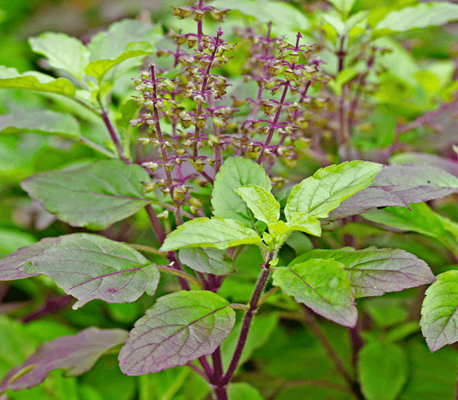
Synonyms: holy basil
Biological source: Tulsi is an aromatic perennial plant of Ocimum Sanctum in the family.
Family: Lamiaceae
Active ingredients: Eugenol major compound with antimicrobial & anti-inflammatory action
Role: Immune System Modulation
Tulsi/Holy basil
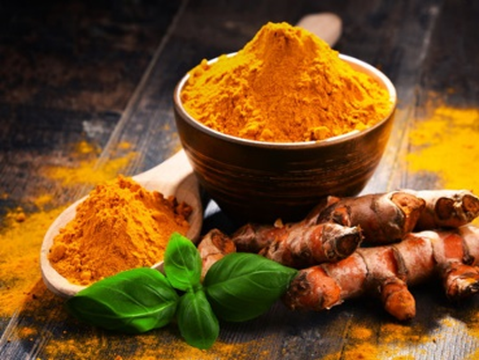
Synonyms: Haldi, Halada.
Biological source: Turmeric (called Haldi in Hindi language), and named by british as curry spice, is the dried rhizome powder of Curcuma longa.
Family: Zingiberaceae
Active constituent: Active constituents of Curcuma longa
Role: Turmeric (Curcuma longa) acts as a powerful natural anti-inflammatory and antioxidant, helping boost immunity and protect the body from infections.
Turmeric
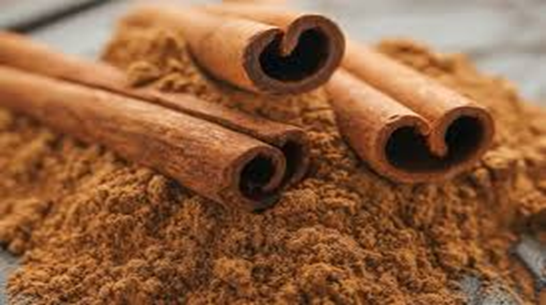
Synonyms: Cinnamomum Zeylanium
Biological source: Cinnamomum Zeylanium, The source of cinnamon bark and leaf oils.
Family: Zingiberaceae
Active constituents: Active constituents of cinnamon
Role: Cinnamon acts as a natural antimicrobial and antioxidant, helping boost immunity, regulate blood sugar levels, and protect the body from infections.
Cinnamon
5. Clove
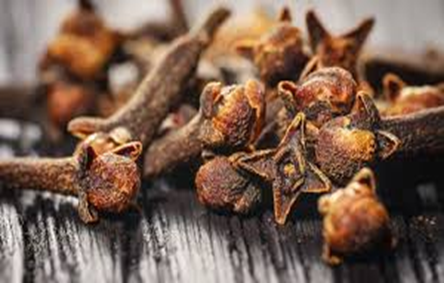
Synonyms: cleave
Biological source: Clove are the unopened flower buds of the clove tree.
Family: Myrtaceae
Active constituent: Eugenol – strong analgesic & antiseptic
Role: Boosts Immunity and Fights Infections, Improves Digestion Syzygium aromaticum acts as a potent antimicrobial and antioxidant agent, helping to support immunity and protect against infect
Clove
6. Black pepper
Synonyms: piper nigrum, Madagascar pepper
Biological source: Pipper Nigrum, it is cultivated for getting its fruits.
Family: also known as black pepper is the member of piperaceae.
Active constituents:
1. Piperine: Main alkaloid; responsible for pungency and medicinal activity
2. Chavicine: Isomer of piperine; contributes to sharp taste
3. Volatile oils: Provide aroma (e.g., sabinene, pinene, limonene, caryophyllene)
4. Piperidine: Alkaloid derivative
5. Piperettine & Piperanine– Minor alkaloids
6. Resins: Contribute to flavor and stability
7. Fixed oils: Nutritional component
Role: Piper nigrum acts as a bioavailability enhancer (due to piperine), improving absorption of other herbal constituents and supporting immunity.
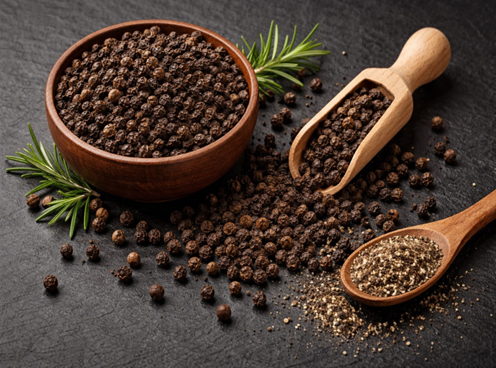
Black pepper
7. Lemon Grass
Synonyms: Cochin grass, Malabar grass, Citronella grass
Biological source: Lemon grass consists of the fresh or dried leaves of the plant Cymbopogon citratus (or Cymbopogon flexuosus).
Family: Poaceae
Active constituents:
Role: Cymbopogon citratus acts as a mild antimicrobial and antioxidant agent, supporting immunity and adding a pleasant flavor to the syrup.
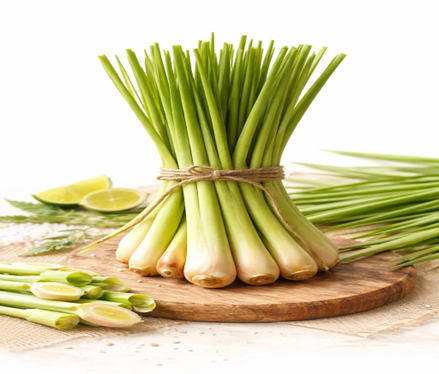
Lemon grass
8. Stevia
Synonyms: Sweet leaf, Sugar leaf, Honey leaf, sweet herb of Paraguay
Biological Source: Stevia consists of dried leaves of Stevia rebaudiana
Family: Asteraceae (Compositae)
Active Constituents:
Role: Stevia rebaudiana acts as a natural, calorie-free sweetening agent that improves the taste of the syrup without raising blood sugar
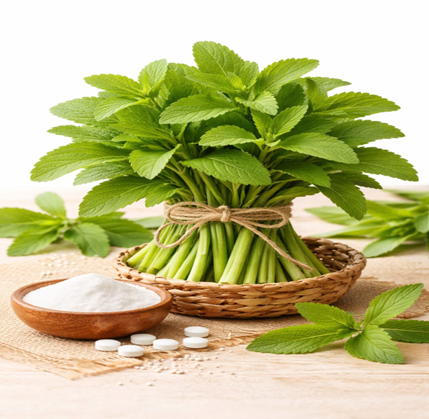
Stevia
FORMULATION
Formula for Preparation of 100ml polyherbal kadha
Table no 1: Materials (Ingredient table)
|
Sr. no. |
Ingredients |
Quantity (ml) |
Uses |
|
1 |
Tulsi |
10 |
Antimicrobial agent |
|
2 |
Lemongrass |
10 |
Treat digestive tract |
|
3 |
Clove |
5 |
Reducing pain |
|
4 |
Ginger |
8 |
Treat arthritis |
|
5 |
Black pepper |
2 |
Enhance bioavailability |
|
6 |
Cinnamon |
2 |
Antioxidant |
|
7 |
Turmeric |
3 |
Immunity booster / Antioxidant |
|
8 |
Stevia |
q. s. |
Sweetening agent |
|
9 |
De-ionized water |
q. s. |
Vehicle |
|
10 |
Perfume |
q. s. |
Flavoring agent |
List of Instruments and Apparatus
Optional A (for advanced research work)
METHODOLOGY:
Method to prepare ayurvedic kadha
1. Materials
All herbal ingredients, namely Ocimum sanctum (Tulsi), Cymbopogon citratus (Lemongrass), Syzygium aromaticum (Clove), Zingiber officinale (Ginger), Piper nigrum (Black pepper), Cinnamomum verum (Cinnamon), and Curcuma longa (Turmeric), were procured and authenticated. Stevia was used as a natural sweetening agent, de-ionized water as the vehicle, and perfume as a flavoring agent.
2. Pre-processing of Raw Materials
All plant materials were washed thoroughly with distilled water to remove adhering dirt and foreign particles. The cleaned materials were shade-dried at room temperature (25–30°C) until a constant weight was obtained to prevent microbial growth and degradation of active constituents.
3. Size Reduction
The dried plant materials were coarsely powdered using a mechanical grinder and passed through a suitable sieve (e.g., sieve no. 40) to ensure uniform particle size for efficient extraction.
4. Preparation of Decoction (Kadha)
A weighed quantity of each powdered ingredient (as per formulation table) was mixed in a clean stainless-steel vessel. To this, de-ionized water was added in a ratio of approximately 1:4 to 1:5 (drug: solvent).
The mixture was subjected to decoction by boiling at 90–100°C with continuous stirring. The process was continued until the volume was reduced to one-fourth of the initial volume (i.e., 100 mL), ensuring maximum extraction of phytoconstituents.
5. Filtration
The prepared decoction was cooled slightly and filtered through a double-layered muslin cloth to remove insoluble plant residues, yielding a clear filtrate.
6. Addition of Excipient
To the filtrate, Stevia (q.s.) was added as a natural sweetener, followed by the addition of a small quantity of perfume (q.s.) to enhance organoleptic properties. The solution was stirred until uniform.
7. Final Volume Adjustment
The final volume was adjusted to 100 mL using de-ionized water, if necessary, to maintain consistency of formulation.
8. Storage
The prepared polyherbal kadha was transferred into an amber-coloured, airtight container and stored under refrigerated conditions (4–8°C) to minimize degradation and microbial contamination.
9. Shelf-life Consideration
As the formulation lacks synthetic preservatives, it is recommended to use the preparation within 24–48 hours for optimal efficacy and safety.
EVALUATION TEST:
Thoroughly cleanse the Ostwald viscometer by employing warm chromic acid, and if necessary, utilize organic solvents such as acetone. Next, mount the viscometer vertically on a suitable stand. Proceed by filling the dry viscometer with water up to mark G. Subsequently, measure the time taken in seconds for the water to flow from mark A to mark B. Ensure accuracy by repeating this step at least three times. Following this, rinse the viscometer with the test liquid and fill it up to mark A, then ascertain the time required for the liquid to reach mark B. Finally, determine the densities of liquid as outline in the density determination experiment.
Determine the pH of herbal immune booster syrup by suitable means; it should be between 6.0 to 7.0
This device serves to assess the concentration of suspended particles in a water sample by gauging the incident light scattered at a right angle from the sample. The photodiode captures the scattered light, generating an electronic signal that is then converted into turbidity.
During visual inspection, both the ingredient and the final product undergo meticulous scrutiny for purity and appearance. The physical appearance of the product is crucial for patient adherence and compliance, necessitating that it possesses a visually pleasing and elegant appearance.
The syrups must exhibit physical stability, ensuring that there is no crystallization or microbial growth affecting their appearance. The colour should be fully soluble with other ingredients. Additionally, they should have a palatable odour and taste, and any solid material present must be completely miscible in the liquid. [25,26,27]
RESULT AND DISCUSSION
The findings from this study indicate that the herbal immune booster formulation, once prepared, exhibits immune-boosting and antioxidant properties. The selection of components for the herbal immune booster formulation was based on their reported actions, which play both preventative and curative roles in preventing allergic reactions. The syrup prepared meets all physical parameters and demonstrates significant antioxidant activity.
REFERENCES





Saniya Shaikh, Sakshi Kamble, Tanishka Kamble, Sachin Gorad, Dr. Bhagyesh Janugade, Formulation and Evaluation of a Sugar-Free Polyherbal Ayurvedic Immune Booster Kadha, Int. J. of Pharm. Sci., 2026, Vol 4, Issue 4, 1927-1938. https://doi.org/10.5281/zenodo.19527623
 10.5281/zenodo.19527623
